Introduction to Shape-shifters in Mythological Lore
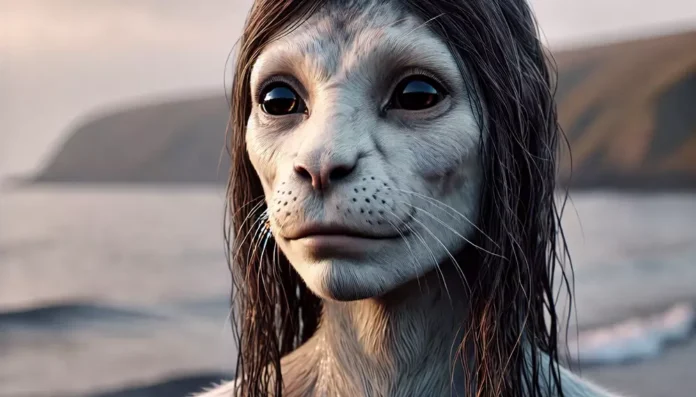
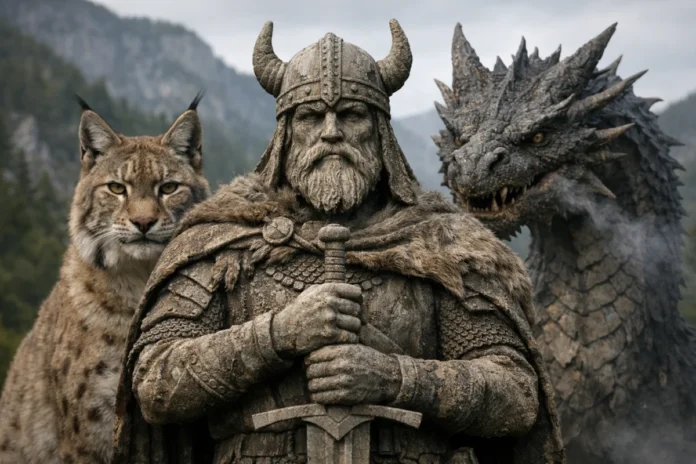
Shape-shifters represent a recurring motif across various mythologies, folklore traditions, and cultural belief systems. Defined primarily by their ability to transform their physical form, shape-shifters embody themes of fluidity, adaptability, and the blurring of boundaries between human and non-human entities. This lore type is characterized by its presence in a multitude of narratives that explore themes of identity, power, deception, and the supernatural.
Core Themes and Symbolism
At the heart of shape-shifter mythology lies the theme of transformation, which can symbolize a range of concepts, including change, renewal, and the duality of nature. Shape-shifters often challenge the fixedness of identity, suggesting that personality and appearance are mutable. This ability to alter form frequently serves as a metaphor for the human experience of growth, adaptation, and the multifaceted nature of selfhood.
Shape-shifters are also associated with trickery and deception, as their transformations can be used to confuse or mislead others. This aspect of their character can reflect cultural fears about the unknown or the threat of those who can disguise their true nature. In some traditions, shape-shifters are seen as wise or powerful beings, possessing knowledge or abilities beyond human comprehension.
Narrative Function and Role
Within mythological narratives, shape-shifters often serve as catalysts for change or as moral agents who test the hero’s virtues. They can act as guardians of sacred spaces, challenging those who wish to enter or revealing deeper truths to those deemed worthy. Their transformative powers make them ideal figures for exploring themes of metamorphosis and the fluid boundaries between the natural and supernatural worlds.
Shape-shifters may also play the role of antagonists, using their abilities to create conflict or chaos within a story. In these narratives, their transformations can symbolize the unpredictability of nature or the moral complexities of deceit and disguise. Conversely, shape-shifters can be allies or mentors, guiding protagonists through their journeys and helping them to embrace their own potential for change.
Cultural Variations and Common Associations
The depiction of shape-shifters varies widely across cultures, reflecting diverse interpretations of their powers and significance. In many Indigenous American traditions, the ability to change shape is often linked to spiritual practices and shamanic beliefs, where transformation is a means of connecting with the spiritual realm. In contrast, European folklore frequently portrays shape-shifters as witches or sorcerers, emphasizing themes of fear and mistrust.
In some African mythologies, shape-shifting is associated with animals revered for their cunning or strength, such as the leopard or hyena, and these transformations can denote a connection to the animal kingdom’s raw power. Similarly, in Asian traditions, shape-shifters like the Japanese kitsune or Chinese huli jing are often foxes capable of assuming human form, symbolizing intelligence and enchantment.
Persistence Across Cultures and Time
The enduring presence of shape-shifters in global mythology can be attributed to their ability to embody universal human concerns and questions. Their narratives address the complexity of identity, the allure and danger of change, and the interplay between reality and illusion. As such, shape-shifters continue to captivate the human imagination, serving as timeless symbols of transformation and the mysteries of the unknown.
Debates and Scholarly Interpretations
While the concept of shape-shifting is well-documented, interpretations of its significance can vary. Some scholars view shape-shifters as embodiments of cultural anxieties, while others see them as representations of the potential for personal growth and evolution. The ambiguity inherent in shape-shifting allows for multiple readings, and its symbolic richness ensures that it remains a topic of ongoing interest and debate in the study of mythology and folklore.