Introduction to Soul Eaters
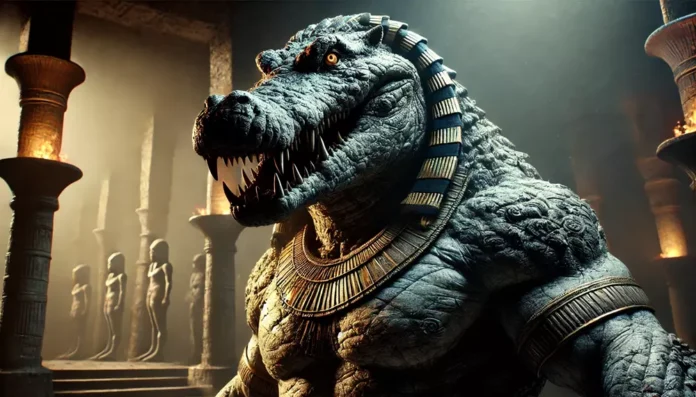
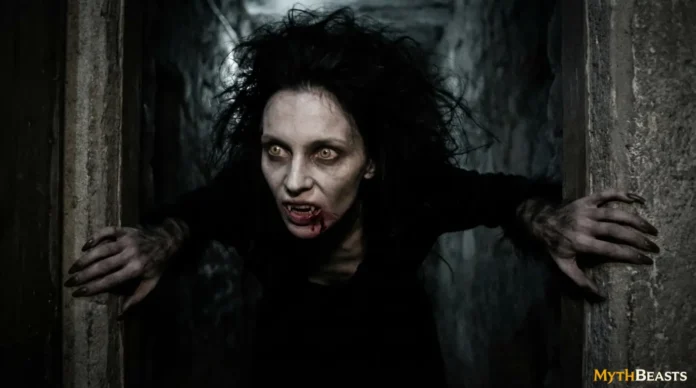
Soul Eaters are a captivating and eerie concept found in various mythologies, folklore, and fantasy literature. These entities or beings are commonly depicted as those who consume, trap, or feed on the souls of the living or the dead. The concept of Soul Eaters often evokes themes of fear, mortality, and the eternal struggle between life and death. This guide explores the origins, characteristics, and cultural significance of Soul Eaters across different narratives.Origins and Historical Background
The idea of consuming souls can be traced back to numerous ancient cultures and religions. In some African traditions, certain tribes believed in witchcraft practices where witches were thought to have the power to devour souls. Similarly, in ancient Greek mythology, entities like Empusa and Lamia were believed to feed on the souls of young men.In Christianity, the concept of demons and devils seeking to capture human souls for damnation plays into the idea of Soul Eaters. These malevolent beings are often depicted as tempters, luring humans into sin to claim their souls.Characteristics and Abilities
Soul Eaters are typically characterized by their insatiable hunger for souls, which grants them power, sustenance, or immortality. They may appear in various forms, ranging from ethereal spirits to monstrous creatures, or even as humans who possess dark, supernatural abilities.Common abilities associated with Soul Eaters include the power to absorb or consume a soul, rendering their victims lifeless or soulless. Some Soul Eaters can manipulate the souls they have taken, using them to increase their own power or to perform dark magic. In certain tales, they are also capable of shape-shifting, allowing them to deceive or ambush their prey.Cultural Significance and Symbolism
Soul Eaters often symbolize the fear of death and the unknown that lies beyond. They represent the ultimate violation of the human self, as they consume the very essence of a person. This theme is prevalent in cultures that view the soul as the core of one’s identity and being.In literature and film, Soul Eaters serve as metaphors for destructive habits, addictions, or societal issues that consume individuals from within. They are often used to explore themes of redemption, the fight against inner demons, and the resilience of the human spirit.Soul Eaters in Modern Media
The concept of Soul Eaters has been popularized in modern fantasy literature, films, and video games. They are featured in various forms, from the Dementors in J.K. Rowling’s “Harry Potter” series to the Heartless in the “Kingdom Hearts” video game franchise. These modern interpretations often blend traditional lore with new imaginative elements.In Neil Gaiman’s “The Sandman” series, Dream, the protagonist, encounters different types of Soul Eaters, each with unique attributes and motivations. Similarly, in the television series “Supernatural,” Soul Eaters are depicted as ancient creatures capable of trapping souls in a pocket dimension.The Role of Soul Eaters in Fantasy Worlds
Within fantasy worlds, Soul Eaters serve as formidable antagonists, often posing existential threats to heroes and civilizations. They can drive the plot’s conflict, forcing characters to confront their fears and vulnerabilities. The battle against Soul Eaters often involves discovering their weaknesses, such as specific rituals or artifacts that can banish or destroy them.Moreover, the presence of Soul Eaters can enrich the lore of a fantasy setting, adding layers of history, mystery, and danger. They often serve as a narrative device to explore the metaphysical aspects of a world, such as the afterlife, spiritual realms, and the nature of existence.Conclusion
Soul Eaters remain a fascinating element in the realm of lore and storytelling. Their enduring presence across various cultures and modern narratives highlights the universal human intrigue with the soul and the afterlife. Whether as fearsome adversaries or allegorical figures, Soul Eaters continue to captivate imaginations and challenge the boundaries between life and death.