
back to top

Iron Age

Relevant Beasts
Hebrews
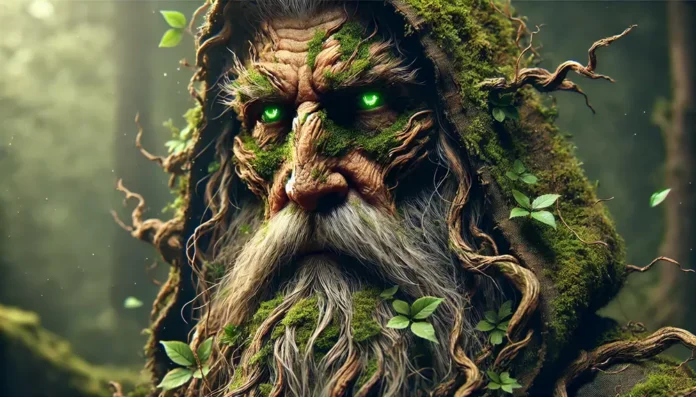
Forest Giant
Hebrews

Adnei haSadeh

The Adnei haSadeh are feral humanoids of ancient Hebrew lore. They live apart from civilization, embodying primal nature...

  • Skills
Nature Manipulation
  • Weaknesses
Environmental Limits

Overview of the Iron Age Period

The Iron Age, spanning approximately 1200 BCE to 600 CE, marked a pivotal period in human history. Characterized by the widespread use of iron tools and weapons, it followed the Bronze Age in many regions. This era saw the rise of significant civilizations such as the Celts in Europe, the Vedic civilization in India, and the Zhou dynasty in China. As societies became more complex, so did their mythologies and cultural narratives. The use of iron technology allowed for changes in social organization, warfare, and economy, fostering environments ripe for rich mythological development. This transformation encouraged the emergence of myths and legends, reflecting societal concerns, values, and beliefs.

Cultural and Religious Worldviews

Dominant Belief Systems

During the Iron Age, belief systems varied widely, yet many shared common elements. Polytheism was prevalent, with gods and goddesses overseeing natural phenomena and human affairs. In Celtic regions, deities connected to nature, war, and fertility were worshipped extensively. In India, the Vedic religion articulated a complex cosmology with multiple deities, influencing rituals and social structures. Meanwhile, in Greece, the pantheon of Olympian gods became deeply embedded in cultural consciousness. Animism, the belief in spirits inhabiting natural objects, also persisted, especially in tribal societies. These belief systems sought to explain the natural world, enforce moral codes, and maintain social order through religious practices.

Role of Myth in Daily Life

Myths played a crucial role in daily Iron Age life, influencing social norms and cultural practices. They served as educational tools, transmitting societal values and lessons across generations. Myths also reinforced hierarchies, justifying the divine right of kings or the role of priests. Rituals, often rooted in mythology, provided structure to community life, marking time and seasons. Festivals, sacrifices, and ceremonies strengthened communal bonds and ensured favor with the divine. Myths offered explanations for natural events, providing comfort in an unpredictable world. In societies, mythological narratives often shaped legal systems, embedding cultural ideals in laws and customs.

Mythological Beasts and Supernatural Entities

Common Types of Mythical Creatures

Iron Age cultures abounded with mythical creatures, each embodying distinct aspects of their environment or beliefs. Dragons, prevalent in Asian and European mythology, symbolized power and chaos. In Celtic lore, beings like the Banshee foretold death, while Púca spirits could bring both mischief and enlightenment. The Greco-Roman world featured a plethora of hybrids, such as centaurs and minotaurs, representing the intersection of human and animal nature. In Mesopotamia, lamassu, winged bulls with human faces, guarded cities and palaces. These creatures reflected societal values, fears, and aspirations, often teaching moral lessons or serving as metaphors for natural forces.

Symbolism and Meaning

Mythical creatures in the Iron Age often symbolized cultural fears, desires, and moral teachings. Dragons, for example, represented both destruction and protection, embodying duality in nature. Harpies in Greek mythology served as warnings against greed and hubris. In Celtic traditions, the Morrigan, a shape-shifting goddess, symbolized death and rebirth, reflecting cyclical views of life. These creatures frequently served as allegories for human traits, cautioning against pride or rewarding bravery. They also reinforced societal hierarchies, illustrating the consequences of defying divine or natural order. Symbolism varied by region, but universally, mythical beings shaped cultural narratives and identity.

Folklore Traditions and Storytelling

Oral and Written Transmission

Folklore and mythological stories in the Iron Age were primarily transmitted orally. Storytellers, bards, and shamans played crucial roles in preserving these narratives, using them to entertain and educate. In later periods, some myths were inscribed on tablets, scrolls, or steles, ensuring wider dissemination. For instance, Homer’s epics captured Greek mythology in written form, profoundly influencing Western literature. In other regions, oral traditions remained dominant until much later. This dual transmission method ensured the survival and spread of mythological themes, albeit with variations arising over time and geography.

Regional Variations

Folklore varied significantly across regions during the Iron Age, reflecting local environments and cultural influences. In Scandinavia, myths emphasized harsh landscapes and survival, featuring deities like Thor and Odin. Greek myths focused more on human-like gods with complex narratives. Celtic legends often involved mystical landscapes and cycles of life and death, whereas Egyptian mythology was deeply intertwined with the Nile and its annual flooding. These regional differences underscored the adaptability of myths, shaping them to fit environmental and cultural contexts. Such variations demonstrate the diverse ways societies understood their worlds through myth.

Relationship Between Humans and the Mythical World

Fear, Protection, and Reverence

Iron Age societies often viewed mythical creatures with a mixture of fear and reverence. Dragons and monsters could be seen as threats but also protectors of sacred spaces. Protective spirits and guardian deities were invoked for safety and prosperity. Supernatural entities often served as moral enforcers, punishing transgressors and rewarding virtuous behavior. This duality reflected the complexity of human relationships with the unknown, where reverence for the supernatural coexisted with fear of its potential wrath. Myths articulated a framework for interacting with the divine, integrating these beliefs into everyday life and decision-making.

Influence on Art and Material Culture

Mythical themes had a profound impact on Iron Age art and material culture. Depictions of gods, heroes, and creatures adorned pottery, textiles, and jewelry, serving both decorative and symbolic purposes. Temples and altars often featured mythological motifs, integrating religious beliefs into architecture. Weapons and armor bore imagery of mythic beasts, perhaps believed to offer protection in battle. These artistic expressions reinforced cultural narratives, making myths tangible and accessible to wider audiences. In some societies, myths even dictated styles and aesthetics, illustrating the deep integration of mythology into daily life.

Transition and Legacy of the Iron Age Period

The transition from the Iron Age into subsequent eras saw the evolution of mythological concepts. As societies encountered new cultures, myths adapted and transformed, merging different traditions. Greek and Roman mythology, for example, influenced early Christian narratives and iconography. In Northern Europe, pagan myths gradually adapted to Christian themes, preserving elements of past beliefs. Despite changes, many Iron Age myths persisted in folk traditions, influencing literature, art, and cultural identity for centuries. While some myths faded, others adapted to new contexts, illustrating the enduring power of these narratives.

Historical Reliability and Interpretation

Interpreting Iron Age mythology poses challenges due to limited and sometimes biased sources. Archaeological evidence, while valuable, often lacks context, complicating interpretations. Written records, when available, may reflect elite perspectives rather than popular beliefs. Oral traditions, crucial to understanding this period, are inherently mutable, subject to change over time. Scholars must therefore tread carefully, separating historical fact from symbolic narrative. Despite these challenges, interdisciplinary approaches, combining archaeology, anthropology, and literature, offer insights into the cultural and mythological landscapes of the Iron Age. Substantial gaps remain, but the study of this era continues to enrich our understanding of human belief systems.