
Modern
Relevant Beasts

Predator, a fictional alien species, is known for its exceptional hunting skills and advanced technology. It has been prominently...
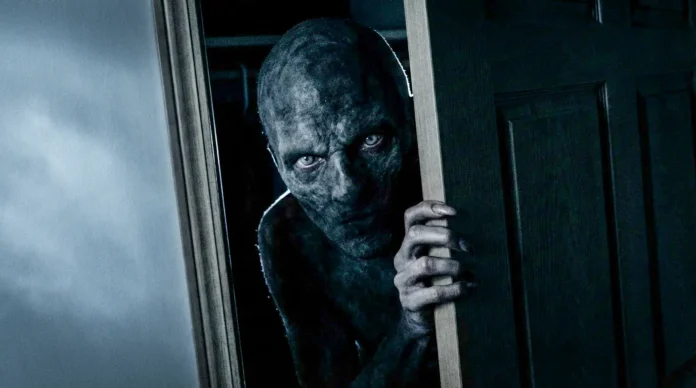
Introduction The Bogeyman (or Boogeyman in American) is not a single creature with a fixed mythological identity. It is a...
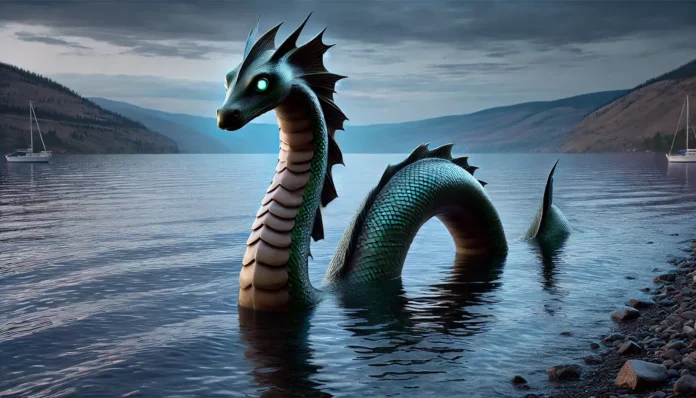
Ogopogo is a serpentine water monster from Canadian folklore, believed to inhabit Okanagan Lake and connected to Indigenous myths.
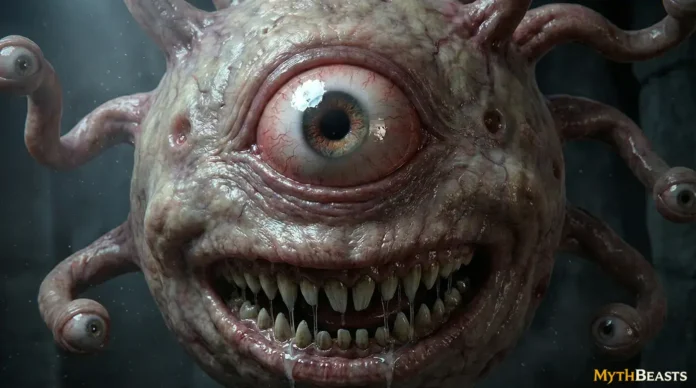
Beholders are otherworldly creatures with a central eye and many smaller eye stalks, each capable of casting powerful magical...
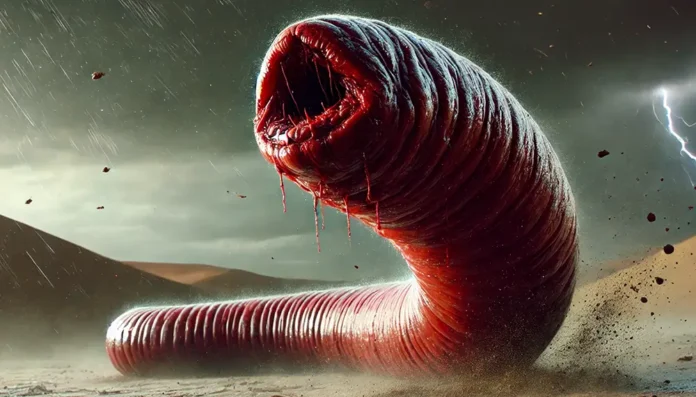
A deadly worm said to inhabit the Gobi Desert, capable of spitting acid and emitting lethal electricity.
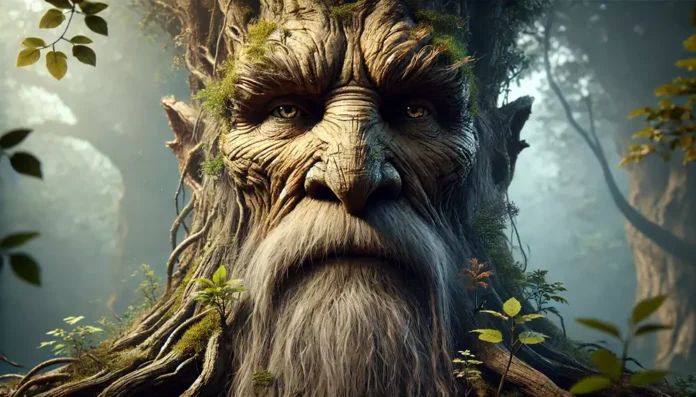
Ents are tree-like beings from Middle-earth, guardians of the forests and protectors of nature in J.R.R. Tolkien's legendarium.
Sub Categories
Atomic Age
1945 CE- Present. Atomic Age as a mythological time period evokes humanity’s confrontation with transformative energy, technological acceleration, and existential risk, marking a threshold where ordinary experience collides with unprecedented destructive and creative capacities. It symbolizes compressed time, irreversible change, and awareness of planetary vulnerability, reshaping narratives about destiny, responsibility, and the limits of human control over nature and matter.Within mythological thinking, Atomic Age frames belief systems around themes of rupture, moral ambiguity, and radical uncertainty, displacing older cyclical assurances with images of sudden endings or forced metamorphosis. It encourages stories that question progress, recast power as double-edged, and explore how knowledge, fear, and hope interact when small actions appear capable of altering the entire world.
Cold War
1947 CE - 1991 CE. The Cold War marked a period of geopolitical tension between the United States and the Soviet Union. Nuclear arms races, espionage, and the fear of communism dominated public consciousness, and this anxiety was reflected in popular culture. Mythology of the time often focused on extraterrestrial beings and invasions.Fears of the unknown manifested in myths of alien encounters, cryptids, and supernatural events, symbolizing the pervasive sense of fear and distrust that characterized the Cold War era.
Digital Age
Digital Age represents an era defined by pervasive information flows, networked existence, and rapid technological transformation, reshaping perceptions of reality, identity, memory, and human interconnectedness.It symbolizes accelerating change, dematerialized experience, and expanding virtual spaces that challenge earlier boundaries between natural and artificial, presence and absence, permanence and impermanence, and individual and collective consciousness.Digital Age frames belief systems around data, algorithms, and mediated communication as organizing forces that structure fate, knowledge, and social order.Narratives emphasize invisible infrastructures, distributed agency, and continuous surveillance, reinterpreting older themes of omniscience, transformation, and transcendence through digital metaphors. This period encourages reflection on authenticity, autonomy, and meaning amid overwhelming information abundance and increasingly opaque technological systems.
Digital Transformation Era
2000 CE - Present. The Digital Transformation Era is characterized by rapid advancements in digital technologies, including the internet, smartphones, and AI. This period has reshaped industries, communications, and everyday life globally.
Globalization Era
1980 CE - Present. The Globalization Era is marked by the increasing interconnectedness of economies, cultures, and political systems worldwide. This period has seen a surge in global trade, technology transfer, and cultural exchanges.
Interwar
1918 CE - 1939 CE. The Interwar period was a time of rebuilding and social change following the devastation of World War I. While the world sought peace, the political and economic instability of the time led to the rise of fascism and other authoritarian regimes. Cultural shifts were equally significant, with new art movements and philosophies taking hold.In mythology, there was a resurgence of tales of protection and rebirth, including legends like the Jewish Golem, which represented the need for safety in tumultuous times.
Modern Cryptid Lore
Modern Cryptid Lore (19th–20th centuries) marks an era when myths of mysterious creatures captured global imagination. Rooted in unexplained sightings in remote regions, stories of cryptids like Bigfoot, the Loch Ness Monster, and Mothman gained traction, blending ancient folklore with modern fascination.These legends reflect humanity’s enduring curiosity about the unknown, as well as fears of untamed wilderness and uncharted territories. Cryptid tales often intertwined with local myths, giving rise to hybrid narratives steeped in both cultural tradition and speculative wonder. With the advent of photography and exploration, these myths transformed into global phenomena, cementing cryptids as icons of mystery in folklore and modern mythology alike.
Modern Maghreb
Modern Maghreb in mythology represents a time period reflecting contemporary influences and evolving traditions. It symbolizes a blend of ancient mythological themes with modern cultural elements, creating unique narratives.This era frames mythological thinking by integrating new societal values while maintaining connections to established beliefs. Modern Maghreb influences the reinterpretation of legends, emphasizing adaptability and continuity in mythological systems.
Post-Colonial Africa
1960 CE - Present. Post-Colonial Africa represents the period following the decolonization of African nations, as countries gained independence from European powers. This era has seen efforts in nation-building, economic development, and political challenges.
Post-Soviet Era
1991 CE - Present. The Post-Soviet Era began after the dissolution of the Soviet Union, leading to the independence of former Soviet republics. This period has seen significant political and economic transitions in Eastern Europe and Central Asia.
Space Age
1957 CE - Present. The Space Age began with the launch of the Soviet satellite Sputnik, marking humanity's entry into space exploration. This era includes milestones such as the moon landing, Mars exploration, and ongoing advancements in space technology.
World War I
1914 CE - 1918 CE. World War I introduced the world to the horrors of modern, mechanized warfare. Soldiers in the trenches faced unimaginable brutality, which gave rise to a new type of myth and folklore. Stories of phantom soldiers and ghostly apparitions became part of the lore of the battlefield, serving as a coping mechanism for the trauma and chaos of war.Some soldiers claimed to encounter mysterious beasts or supernatural entities, which were believed to be omens or otherworldly warnings. These myths added a layer of mysticism to the grim realities of modern conflict.
World War II
1939 CE - 1945 CE. World War II was an even greater conflict than its predecessor, bringing widespread devastation across Europe, Asia, and beyond. The horrors of the Holocaust, atomic warfare, and the widespread destruction reshaped the world. Propaganda often used mythological symbols to represent the battle between good and evil.Folklore from this time includes stories of soldiers encountering strange, unexplainable creatures in battle, or witnessing paranormal phenomena, adding a supernatural dimension to the already terrifying realities of war.