
back to top

Camouflage

Explore the mythological skill of camouflage, highlighting legendary beings and tales of invisibility and stealth in ancient traditions.

Relevant Beasts
Europe
Water Dwelling Creature
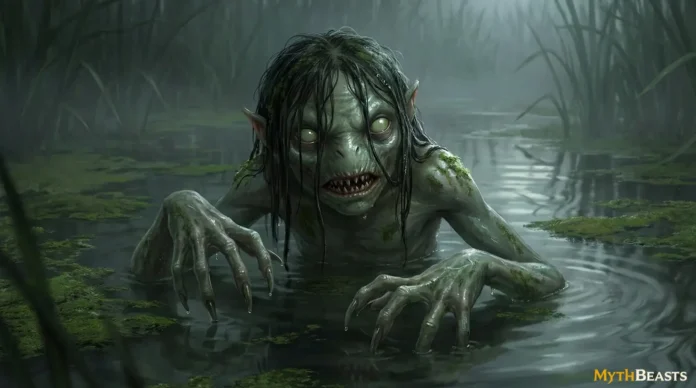
Grindylow - water spirit from 18th-century English folklore
United Kingdom

Grindylow

Grindylow, a sinister water spirit from 18th-century English folklore, haunted marshes and ponds, snatching children who strayed too close...

  • Skills
CamouflageFog Generation
  • Weaknesses
BeheadingFire Vulnerable
Celtic
Forest Spirit
Ghillie Dhu - Scottish folklore
Celtic

Ghillie Dhu

The Ghillie Dhu is a solitary forest spirit in Scottish folklore, kind to children and clothed in moss. A...
  • Skills
CamouflageHealing & Life
  • Weaknesses
Element SensitivitiesIron Cut
Mississippian
Guardian Animal
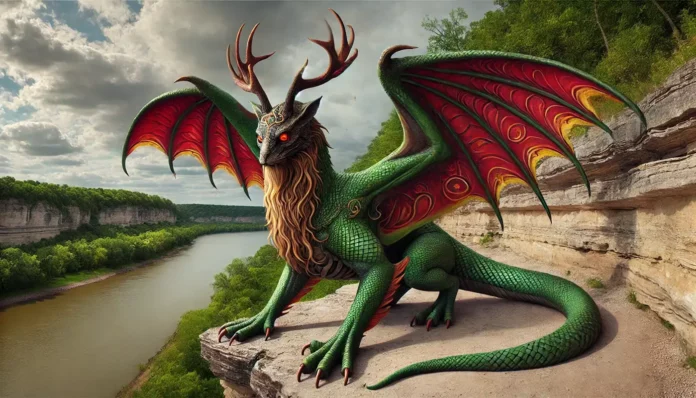
The Piasa Bird - Native American folklore
Mississippian

Piasa Bird

The Piasa Bird, a monstrous winged predator from Native American folklore, is said to dwell near the cliffs of...
  • Skills
CamouflageFire Breathing
  • Weaknesses
Blunt ForceLightning Damage
American West
Dark Fae
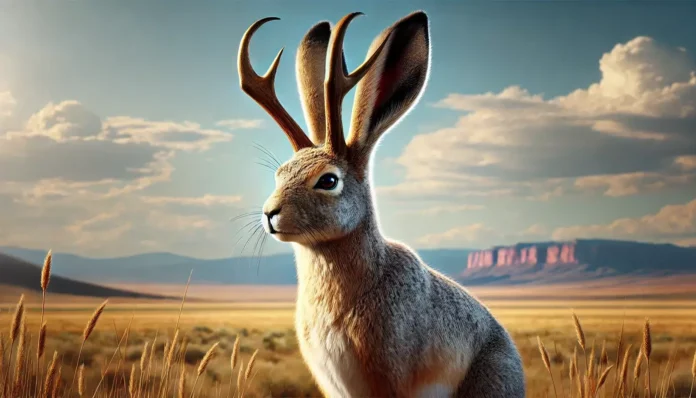
Jackalope north american-folklore
American West

Jackalope

The Jackalope, a legendary North American creature, is described as a rabbit with antelope-like horns. Known for its cunning...
  • Skills
CamouflageEnhanced Agility
  • Weaknesses
High Altitude WeakPiercing Kill
Asturian
Trickster Shifter
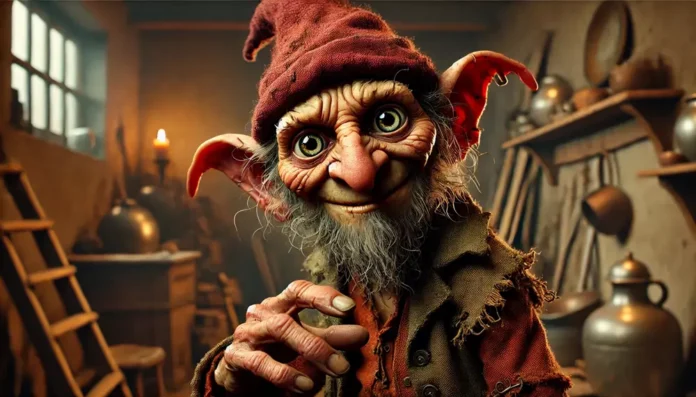
Trasgu - Asturian floklore
Asturian

Trasgu

Trasgu is a goblin-like creature from Asturian folklore, often seen as a prankster in domestic settings.
  • Skills
CamouflageIllusions & Perception
  • Weaknesses
Fire VulnerableSacred Ash
North America
Crypt Shade
Hidebehind
USA

Hidebehind

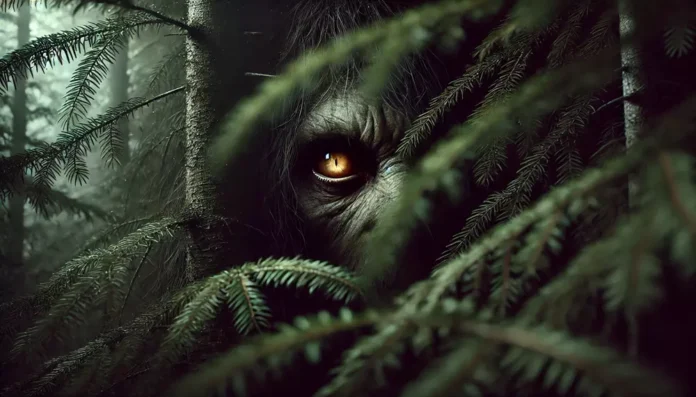
An American cryptid known to lurk behind trees and avoid being seen by humans, making it almost impossible to...

  • Skills
CamouflageStealth
  • Weaknesses
Iron CutLight

Camouflage – an Overview

Camouflage in mythology serves as a distinct and recognized supernatural function. It is characterized by the ability to blend or hide within a given environment, often seen in creatures and deities. Unlike general supernatural effects that might enhance or change physical forms, Camouflage is specifically about concealment and misdirection. This ability is not merely a physical transformation but a strategic and metaphysical act, recognized across diverse cultures as a specific, and often revered, capability.

Manifestation and Constraints

How Camouflage Is Expressed

Camouflage manifests in mythological traditions through transformative acts, where beings adapt their appearance or essence to their surroundings. These transformations are often noted for their environmental impact, causing disruptions or illusions. For example, a creature might become indistinguishable from a forest, not by disappearing but by altering its essence to mirror that of the trees and shadows. Such expressions of Camouflage are deeply embedded in cosmological narratives, emphasizing the interconnectedness of being and environment.

Limits and Conditions

The use of Camouflage is governed by symbolic and moral conditions, which vary across mythological traditions. Often, its legitimacy depends on the moral standing or intention behind its use. In some cultures, Camouflage is reserved for divine beings or creatures with a specific role in maintaining cosmic order. Human attempts at such concealment might be viewed as deceitful or hubristic, leading to consequences or failure. Environmental conditions can also impose constraints, with certain landscapes or times deemed unsuitable for effective Camouflage.

Mythological Role and Meaning

Symbolic and Cultural Significance

Within mythological worldviews, Camouflage symbolizes the duality of visibility and invisibility, embodying themes of secrecy and revelation. It often represents the psychological and social aspects of hiding one’s true nature or intentions. Culturally, it can serve as a metaphor for protection and survival, reflecting the necessity of adapting to one’s surroundings. In some traditions, it also maintains social regulation by delineating boundaries between the seen and unseen, thus preserving order.

Camouflage in Myth and Folklore

Camouflage plays a critical role in mythological narratives, often associated with themes of authority and transgression. It can structure narratives where characters or beings must cross boundaries, either for protection or deception. In folklore, Camouflage may allow a character to escape danger, infiltrate a forbidden area, or test the perceptions of others. Such uses underscore the function of Camouflage in defining or challenging societal and cosmological boundaries.

Beasts with Camouflage

Ceryneian Hind

The Ceryneian Hind, from Greek mythology, is noted for its ability to blend into its forested habitat. This deer was sacred to Artemis, and its capture was one of Heracles’ labors. Its Camouflage underscores its divine protection and unattainability, emphasizing its role as a symbol of the elusive and the sacred.

Chameleon

In African folklore, the chameleon is often a trickster figure, its Camouflage representing adaptability and cunning. Its ability to change color is seen as a reflection of its shifty nature, embodying themes of transformation and deception. This creature would be misclassified without its Camouflage, as its mythological role centers around its ability to navigate and manipulate various situations.

Rakshasa

Rakshasas in Hindu mythology are demons capable of transforming their appearance to deceive humans. Their Camouflage is central to their identity, symbolizing chaos and disruption. Without this ability, they would lose their defining characteristic of being able to challenge the gods and heroes they encounter.

Cultural Interpretations and Regional Emphasis

Camouflage is interpreted differently across cultures, with variations in its symbolic and moral framing. In some regions, it is seen as a divine gift, associated with wisdom and survival. In others, it might be viewed as a form of deceit, raising ethical questions. The cosmological role of Camouflage also varies, sometimes seen as maintaining natural order, while in other contexts, it serves to test the limits of perception and understanding.

Similar or Related Mythological Functions

Functions adjacent to Camouflage include Invisibility, where beings are completely unseen, and Shapeshifting, involving transformation into entirely different forms. While both share elements of transformation, Camouflage is distinct in its focus on blending rather than disappearing or altering identity. Whereas Invisibility negates presence entirely, Camouflage maintains presence in a concealed form.

Historical Interpretation and Evidence Limits

Scholarly interpretation of Camouflage often distinguishes between symbolic and literal readings. While some accounts treat it as a metaphor for adaptation and survival, others explore its literal role in historical narratives. However, evidence is often fragmentary, with gaps in understanding due to the loss of oral traditions and bias in surviving texts. Scholars emphasize caution, acknowledging the limits of available sources when reconstructing these traditions.