back to top

Charm

Explore the mythological skill of charm, a power used to enchant and influence others in various cultural legends and stories.

Relevant Beasts

Asia
Trickster Shifter
Tanuki - Japanese Folklore
Japan

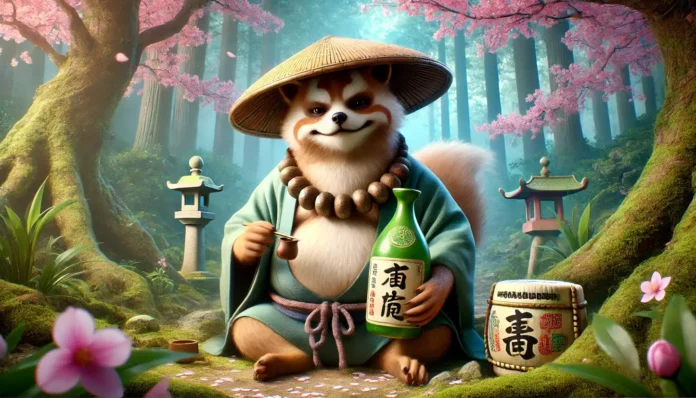
Tanuki

The Tanuki is a mischievous shapeshifter from Japanese folklore, known for its magical abilities and playful trickery. It often...
  • Skills
CharmDisguise
  • Weaknesses
Charm ReversalCold Sensitive
Asia
Mythical fox
Kitsune - Japanese Mythology
Japan

Kitsune

Kitsune are legendary fox spirits in Japanese folklore known for their shapeshifting abilities and mystical powers.

  • Skills
Animal MorphingCharm
  • Weaknesses
Element SensitivitiesMagic Boundaries

Charm – an Overview

Charm, as a mythological function, is defined by its capacity to influence, allure, or transform through means that transcend ordinary explanation. Unlike a generic supernatural effect, Charm holds a distinct role as a catalyst for change, recognized across various traditions. This recognition stems from its unique ability to evoke responses, alter perceptions, or influence outcomes without overt force. The function of Charm is often seen as subtle, relying on intrigue or persuasion that operates within the boundaries of mythological narratives. It is a separate classificatory category because it embodies nuanced interaction rather than direct confrontation.

Manifestation and Constraints

How Charm Is Expressed

Charm manifests in mythology through subtle transformations or shifts in reality, where its presence can lead to profound narrative changes. Often, it appears as an enchanting quality that alters behavior or perception without explicit coercion. For example, certain locations in folklore may possess a charm that captivates or bewilders travelers. This effect is usually described as an inherent attribute of the place, leading to unexpected events or experiences. In other traditions, Charm may influence relationships or social dynamics, subtly guiding characters toward their fated paths. The manifestations are varied but share the commonality of indirect impact.

Limits and Conditions

The function of Charm is not without constraints. Many traditions impose moral or symbolic limits on its use, ensuring it aligns with the broader cosmological order. For instance, Charm may be restricted to certain times or individuals deemed worthy. Such constraints highlight the boundary between legitimate influence and manipulation. Additionally, environmental factors can play a role, with charm often requiring a specific context to be effective. In some cultures, using Charm improperly could lead to negative consequences, reinforcing the idea that it must be wielded with wisdom and respect for moral codes.

Mythological Role and Meaning

Symbolic and Cultural Significance

Charm embodies a range of symbolic meanings across different cultural settings. In some mythologies, it represents the power of persuasion, beauty, or eloquence, serving as a bridge between the mortal and the divine. Socially, Charm can regulate interactions, promoting harmony or prosperity when used justly. In other contexts, it may symbolize temptation or deceit, challenging characters to navigate ethical dilemmas. Its psychological impact is equally significant, often reflecting inner desires or fears. Cosmologically, Charm can represent the interconnectedness of all things, revealing hidden truths or encouraging balance within the universe.

Charm in Myth and Folklore

Within mythological narratives, Charm plays a critical role in shaping stories and characters. It often serves as a mechanism for empowerment or downfall, depending on its application. In some tales, heroes are aided by Charm, allowing them to overcome obstacles or gain favor. Conversely, misuse of Charm might lead to transgressions or conflicts, highlighting its dual nature. Charm frequently acts as a catalyst for transformation, whether in the form of personal growth or the alteration of fate. Its role in boundary formation is essential, often marking the line between human limitations and divine intervention.

Beasts with Charm

Mermaids

Mermaids, found in various maritime cultures, are creatures whose allure is fundamentally defined by Charm. Their enchanting voices and appearances are central to their identity, embodying both beauty and peril. Without Charm, mermaids would lose their symbolic role as intermediaries between the sea and human realms. Their charm enables them to captivate sailors, leading to narratives of love, loss, and transformation. The cultural origin of mermaids varies, but their representation as creatures of charm remains consistent, illustrating the power of allure in mythology.

Sirens

Originating from Greek mythology, sirens are renowned for their irresistible songs that lure sailors to their doom. Charm is crucial to their mythological identity, as without it, sirens would lack their defining trait of enchanting seduction. This charm reflects the theme of temptation and the dangers of unchecked desire. The sirens’ charm is not merely a feature but a narrative force, driving stories of hubris and vulnerability. Their presence in myth underscores the potent, often perilous nature of allure, which serves as a constant reminder of the fine line between enchantment and destruction.

Kitsune

In Japanese folklore, the kitsune is a fox spirit known for its charm and cunning. Kitsune are often depicted as shape-shifters, using charm to interact with humans, sometimes benevolently and other times mischievously. This charm allows them to traverse boundaries between the human and spirit worlds. Without charm, kitsune would lose their narrative function as cultural mediators and tricksters. Their charm embodies flexibility and adaptability, highlighting themes of transformation and the impermanence of identity. Kitsune charm underscores the interplay of wisdom and deception in Japanese mythology.

Cultural Interpretations and Regional Emphasis

Charm is interpreted variously across cultures, reflecting diverse symbolic and moral emphases. In some African traditions, charm is closely linked to community harmony, emphasizing social cohesion and collective well-being. Conversely, in European contexts, charm often takes on a more individualistic aspect, highlighting personal allure or persuasive ability. These differences illustrate the varied moral framing of charm, where it may serve as a tool for social good or personal ambition. Cosmologically, charm’s role can range from a force for balance to a catalyst for chaos, depending on regional beliefs.

Similar or Related Mythological Functions

Functions adjacent to Charm include Glamour and Enchantment, which share common features but differ in scope and application. Glamour often implies an illusionary aspect, focused on appearance, whereas Enchantment encompasses broader magical influence, sometimes with physical effects. While these functions intersect with Charm, they maintain distinct identities by emphasizing different elements within mythological narratives. The separation lies in the specificity of Charm’s subtle, often psychological impact, contrasting with the overt transformation or deception typical of Glamour and Enchantment. Thus, Charm’s uniqueness is maintained.

Historical Interpretation and Evidence Limits

Scholarly interpretations of Charm often explore its symbolic and psychological dimensions, acknowledging the difficulty of tracing its origins due to scant historical evidence. Mythological sources frequently blend allegory with literal accounts, complicating clear analysis. Scholars emphasize the importance of context, recognizing that Charm’s interpretation can shift according to cultural or temporal settings. No verified sources describe a single, unified conception of Charm across traditions, highlighting gaps in historical records. This uncertainty necessitates cautious interpretation, ensuring that Charm’s mythological role is studied with due respect to its varied manifestations.