back to top

Fire Vulnerable

Fire Vulnerable denotes an inherent susceptibility to fire, representing a fixed constraint in various mythological beings and narratives.

Relevant Beasts

Europe
Water Dwelling Creature
Grindylow - water spirit from 18th-century English folklore
United Kingdom

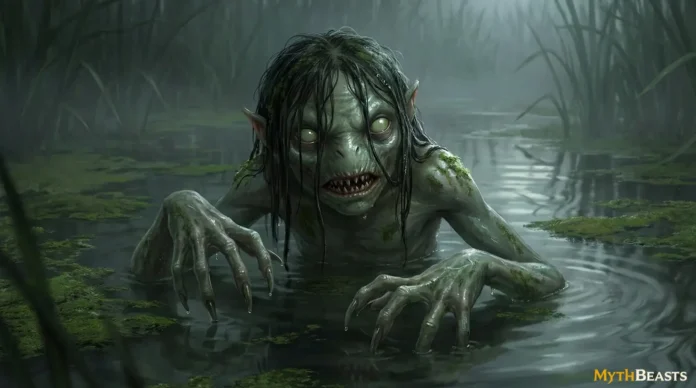
Grindylow

Grindylow, a sinister water spirit from 18th-century English folklore, haunted marshes and ponds, snatching children who strayed too close...

  • Skills
CamouflageFog Generation
  • Weaknesses
BeheadingFire Vulnerable
Asia
Giant Bird
Roc - Achaemenid empire
Ghaznavid Empire

Roc

Colossal bird from Persian & Arabian tales, famous in Sinbad’s voyages for lifting elephants & wrecking ships with its...

  • Skills
Physical StrengthStrength
  • Weaknesses
BeheadingElement Sensitivities
Native American
Serpentine Shifter
Joint Snake
Native American

Joint Snake

A mysterious serpent from North American folklore, the Joint Snake is known for its ability to reassemble itself after...
  • Skills
Enhanced AgilityHealing & Life
  • Weaknesses
BeheadingElement Sensitivities
Mississippian
Flesh-Eating Undead
Wendigo - North American folklore
Mississippian

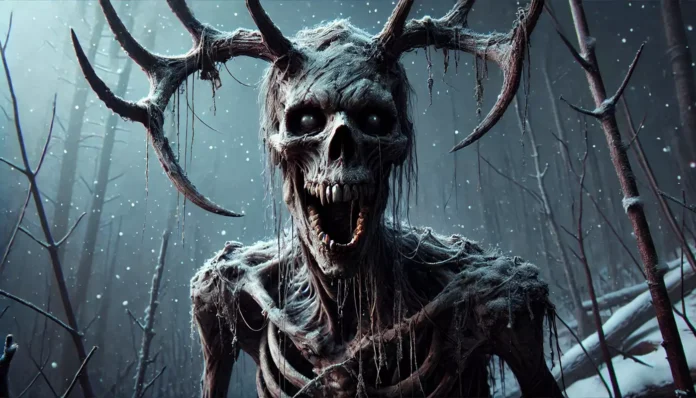
Wendigo

The Wendigo, rooted in Algonquian folklore, embodies insatiable greed and cannibalism. Depicted as a gaunt, emaciated figure with...

  • Skills
Cold ResistanceEnhanced Stamina
  • Weaknesses
Blessed WeaponFire Vulnerable
Asia
Human-Animal Shifter
Jorogumo - Japanese Folklore
Japan

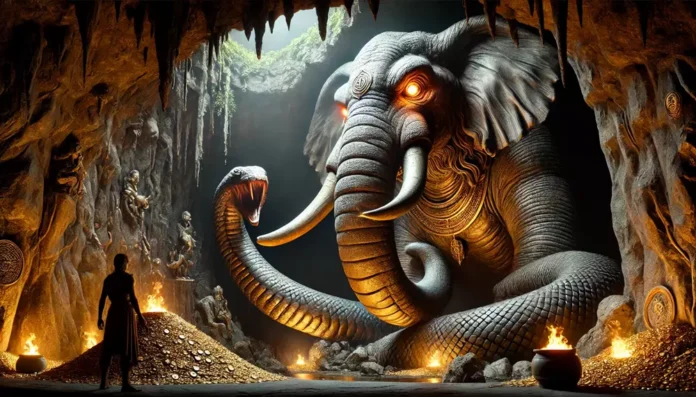
Jorogumo

The Jorogumo is a captivating yet terrifying creature from Japanese folklore. Known for her ability to shapeshift into a...
  • Skills
HypnosisMental Powers
  • Weaknesses
Fire VulnerablePiercing Kill
Africa
Aquatic Hybrid
Mamlambo - Zulu folklore
Zulu

Mamlambo

Mamlambo is a South African water serpent believed to lure victims with its glowing charm.

  • Skills
Element ControlWater Breathing
  • Weaknesses
Element SensitivitiesFire Vulnerable

Fire Vulnerable – Overview

Fire Vulnerable is a mythological weakness denoting an entity’s susceptibility to fire as a destructive force. It represents a fundamental limitation within mythological systems, indicating constraints on power, purity, or existence. This concept is deeply embedded in ancient belief systems, not merely as incidental harm but as a fundamental aspect of mythological taxonomy. Fire Vulnerable is structurally significant, framing the entity’s narrative boundaries within the myth, shaping the arc of potential downfall through elemental interaction.

Defining Characteristics of the Weakness

Nature of the Limitation

Fire Vulnerable mainly represents a metaphysical restriction within mythological frameworks. This concept often denotes a being’s intrinsic inability to withstand the purifying or destructive power of fire. The weakness restricts entities by defining their existential parameters, highlighting the perpetual tension between creation and destruction. It suggests that some entities are constitutionally bound by their elemental incompatibility, indicating a deeper metaphysical truth about their existence.

Conditions of Exposure

The relevance of Fire Vulnerable emerges under symbolic conditions often linked to purification, renewal, or judgment. It becomes pertinent in scenarios involving moral purification or ritualistic cleansing. The conditions under which it activates are typically embedded in cosmological narratives where fire serves as a divine or natural agent. This can include mythological instances where entities face trials involving fire as a test of purity or as a cleansing force in cosmic cycles.

Mythological Role and Function

Function Within Mythological Systems

Fire Vulnerable regulates power within mythological narratives by imposing a natural limit to the influence of beings. It prevents entities from achieving unchecked dominance, ensuring balance within the mythological world. This vulnerability preserves cosmic order by defining inherent limitations, thus preventing absolute power and enforcing necessary humility among powerful beings. It ensures that entities remain within their prescribed roles, maintaining systemic equilibrium.

Symbolic and Cultural Meaning

Symbolically, Fire Vulnerable often represents the inevitability of change and the inherent limitations of beings. Across cultures, it signifies the moral consequence of hubris and the sacred law that enforces boundaries. Within these narratives, fire acts as a divine instrument of justice, underscoring themes of mortality and limitation. It reflects cultural values around purity, transformation, and the boundary between the divine and the profane.

Distinction from Related Mythological Weaknesses

Conceptual Boundaries

Unlike general mortality, which refers to life’s finite nature, Fire Vulnerable specifically addresses the destructive potential of fire. Physical injury involves harm from combat or accidents, but Fire Vulnerable suggests a fundamental incompatibility. Divine punishment is often moralistic, while this concept is existential. Unlike taboo violations causing social disgrace, Fire Vulnerable involves elemental interaction, marking a cosmological distinction.

Common Sources of Misclassification

Fire Vulnerable is frequently misconstrued as a mere narrative device rather than a meaningful mythological classification. It is often conflated with other vulnerabilities due to overlapping themes of destruction and purification. Comparative mythology clarifies that Fire Vulnerable uniquely involves elemental interactions, distinguishing it from vulnerabilities rooted in moral or physical failings. Scholars emphasize its consistent symbolic role across varying cultural frameworks.

Canonical Beings Defined by Fire Vulnerable

Phoenix

The Phoenix, from Greek mythology, embodies Fire Vulnerable through its cycle of rebirth and immolation. Although associated with fire, its renewal depends on vulnerability to flames, emphasizing purification and transformation as central themes.

Salamander

The Salamander, in medieval European lore, is often depicted as fire-resistant. However, its mythological identity hinges on its paradoxical relationship with fire, illustrating survival through vulnerability, not immunity, symbolizing transformation and endurance within elemental contexts.

Fafnir

Fafnir, the Norse dragon, represents Fire Vulnerable through stories depicting his eventual downfall by fire. His greed led to a cursed transformation, where vulnerability to fire underscored his narrative of ultimate destruction and moral consequence in the myth.

Historical Distribution and Cultural Context

Fire Vulnerable appears across many cultures, notably in Greek, Norse, and medieval European traditions. It often emerges in societies where fire holds significant symbolic, religious, or practical importance. In these contexts, fire is both a creator and destroyer, reflecting the duality of life. Cultures emphasize fire’s transformative power, using it as a narrative tool to frame moral, existential, and cosmological lessons.

Scholarly Interpretation and Uncertainty

Variation in Interpretation

Interpretations of Fire Vulnerable differ across cultures and historical periods. Some view it symbolically, as an allegory for purification or transformation. Others interpret it literally, focusing on elemental properties. Scholarly frameworks highlight these variations, noting fire’s role as a boundary between destruction and renewal. Interpretations depend on cultural narratives where the fire’s significance varies, reflecting diverse mythological understandings.

Limits of the Evidence

The historical record on Fire Vulnerable contains ambiguities due to the fragmentary nature of ancient texts. No verified sources describe this for some contexts, leading to scholarly debate. Certain interpretations remain contested, lacking consensus on symbolic versus literal meanings. Scholars acknowledge these gaps, emphasizing careful reconstruction of mythological frameworks. Established interpretations focus on recurring themes of fire’s dual role within myth.

Mythological Function Across Cultures

Fire Vulnerable recurs in mythological traditions due to shared human concerns about destruction and renewal. It addresses universal themes of limits and transformation, serving symbolic needs across cultures. Recognizing this weakness enhances comparative interpretation by highlighting how mythologies articulate existential boundaries. It underscores the spiritual and cosmological roles fire plays, illustrating shared cultural understandings of elemental forces in shaping narratives.