
back to top

Ice Weak

Ice Weak represents a susceptibility to cold temperatures, often leading to diminished strength or incapacitation in mythological beings.

Relevant Beasts

Asia
Celestial Being
Fenghuang - Chinese folklore
China

Fenghuang

The Fenghuang, or Chinese Phoenix, embodies harmony and virtue, often associated with the Empress and cosmic balance.
  • Skills
Divine LightFire Absorption
  • Weaknesses
Anti-MagicCurse Bound
Hebrews
Abyss Leviathan
Hebrews

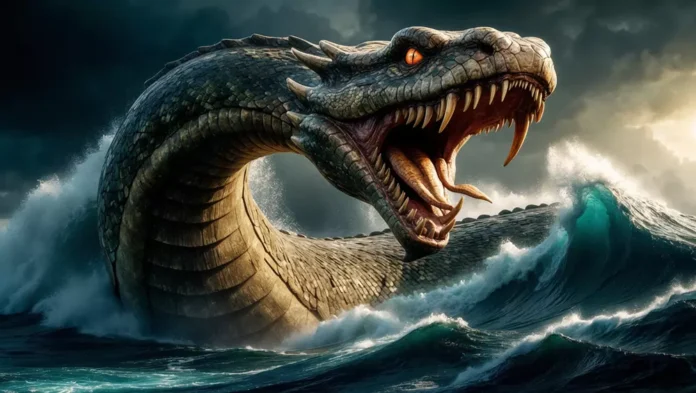
Tannin

A dragon or serpent sea monster linked to Leviathan, embodying chaos in ancient Hebrew lore.

  • Skills
Element ControlWater Breathing
  • Weaknesses
Element SensitivitiesFire Vulnerable

Ice Weak – Overview

Ice Weak is a category of vulnerability in mythology that signifies inherent limitations imposed by cold or ice elements. It is neither a physical nor accidental flaw but an intrinsic constraint. Mythological systems incorporate Ice Weak to enforce narrative and moral boundaries, preventing unchecked dominance. The constraint ensures that entities remain subject to environmental and cosmological laws, revealing the themes of balance and limitation. This systemic interpretation makes Ice Weak more than a mere narrative inconvenience. Instead, it is a fundamental aspect of mythological narratives that influences the narrative trajectory and moral dimensions of mythological beings.

Defining Characteristics of the Weakness

Nature of the Limitation

Ice Weak represents a metaphysical and existential constraint rather than a physical vulnerability. It functions as a boundary within mythological narratives, symbolizing the pervasive effects of cold. This limitation appears consistently across various traditions. Unlike general physical weaknesses, Ice Weak is connected to the environmental and existential essence of cold, restricting beings that exist within specific cosmological contexts. This intrinsic limitation forms a significant part of their mythological identity, delineating their power boundaries.

Conditions of Exposure

Ice Weak becomes relevant under specific environmental and cosmological conditions, such as exposure to ice or cold realms. It symbolizes the moral and existential boundaries that creatures confront. These conditions highlight the symbolic interplay between warmth and cold, creating tension within mythological systems. The cold acts as a symbolic state that challenges entities, testing their resilience against the elements that define their existential and narrative limits. These conditions are not arbitrary but reflect symbolic and cosmological themes within the myths.

Mythological Role and Function

Function Within Mythological Systems

In mythological systems, Ice Weak operates to enforce cosmic order, regulate power, and prevent absolute dominance. By delineating the boundaries of power, it ensures balance within the mythological cosmos. It plays a critical role in preventing the rise of unchecked entities, emphasizing the inevitability of limitation. Ice Weak acts as a safeguard against hubris, reminding beings of their vulnerability to cosmic laws and maintaining equilibrium within mythological narratives.

Symbolic and Cultural Meaning

Ice Weak symbolizes themes of inevitability, mortality, and the limitation of hubris across cultures. It signifies the consequences of transgressing natural boundaries and the sacred law of balance. This weakness embodies the moral consequences of overreaching, reinforcing the limitations placed on beings by their cosmological environment. The presence of Ice Weak indicates a deeper moral and symbolic understanding of power dynamics, emphasizing the perpetual struggle against existential constraints within mythological contexts.

Distinction from Related Mythological Weaknesses

Conceptual Boundaries

Ice Weak is distinct from general mortality and divine punishment as it encompasses metaphysical constraints rather than mere survival issues. Unlike divine punishment, it isn’t a retributive measure but a condition of existence. Unlike taboo violations that involve moral breaches, Ice Weak is an environmental constraint without moral judgment. It circumscribes power through environmental boundaries, not through ethical failures. This distinction is essential for accurately classifying mythological constraints.

Common Sources of Misclassification

Ice Weak is often conflated with situational defeats or physical injuries due to superficial similarities. However, it operates beyond temporary conditions, forming a core aspect of an entity’s existence. Misunderstandings arise when Ice Weak is interpreted as a narrative setback rather than a structural limitation. Comparative mythology clarifies these distinctions by emphasizing the enduring, existential nature of Ice Weak, contrasting it with transient vulnerabilities that affect beings only temporarily.

Canonical Beings Defined by Ice Weak

Frost Giants

Originating from Norse mythology, frost giants embody Ice Weak as they are intrinsically tied to cold environments. Without this weakness, their connection to the cosmos would be misinterpreted, erasing their environmental dependency.

Yuki-onna

In Japanese folklore, the Yuki-onna is a snow spirit inherently defined by cold. Ice Weak is central to her identity, as she loses power outside frigid conditions, underscoring her existential limitations.

Wendigo

The Wendigo from Algonquian folklore is associated with winter and starvation. Ice Weak highlights its dependency on cold, emphasizing the creature’s symbolic representation of insatiable hunger and existential despair.

Historical Distribution and Cultural Context

Ice Weak is prevalent in cultures with harsh winter climates and cold environments, such as Norse, Japanese, and Indigenous American traditions. These cultural environments often emphasize the struggle against cold. Within these belief systems, Ice Weak functions as a narrative tool to explore themes of survival and resilience. It reflects cultural attitudes toward nature and survival, illustrating the symbolic interplay between environmental challenges and mythological narratives. Its distribution highlights the thematic significance of cold in shaping mythological concepts across geographically diverse traditions.

Scholarly Interpretation and Uncertainty

Variation in Interpretation

Interpretations of Ice Weak vary across cultures, reflecting differing symbolic frameworks and cosmological views. Some traditions view it as a literal environmental challenge, while others interpret it metaphorically. Scholarly frameworks differ in emphasizing either the symbolic or literal understanding of Ice Weak, leading to varying interpretations. These differences underscore the multifaceted nature of Ice Weak, demonstrating its adaptability across changing cultural narratives and historical contexts.

Limits of the Evidence

The historical record on Ice Weak is fragmented, with gaps in evidence and scholarly debate about its significance. No verified sources describe it comprehensively across all traditions. Scholars emphasize established interpretations while acknowledging the uncertain, contested readings that characterize Ice Weak. This reflects the complexity of reconstructing mythological concepts from fragmented and culturally diverse evidence, necessitating careful analysis and acknowledgment of interpretative limits.

Mythological Function Across Cultures

Ice Weak recurs across mythological traditions due to shared human concerns about environmental challenges and the symbolic need for balance. It reflects universal themes of vulnerability and the human confrontation with nature’s constraints. Recognizing Ice Weak enhances the comparative interpretation of mythology, revealing the underlying cosmological functions that govern mythological narratives. This acknowledgment highlights the continuity of mythological thought across diverse cultures, emphasizing the central role of environmental and existential themes in shaping mythological worldviews.