
back to top

Wind Impact

Wind Impact represents an inherent exposure point in many mythological beings, affecting their stability and strength.

Relevant Beasts

Native American
Giant Bird
Thunderbird - Native American Folklore
Native American

Thunderbird

The Thunderbird, a powerful symbol of storms and divine wrath, is a legendary bird from North American Indigenous cultures....

  • Skills
Lightning SummoningPhysical Strength
  • Weaknesses
Lightning DamageWind Impact
Asia
Guardian Spirit
Tengu - Japanese Folklore
Japan

Tengu

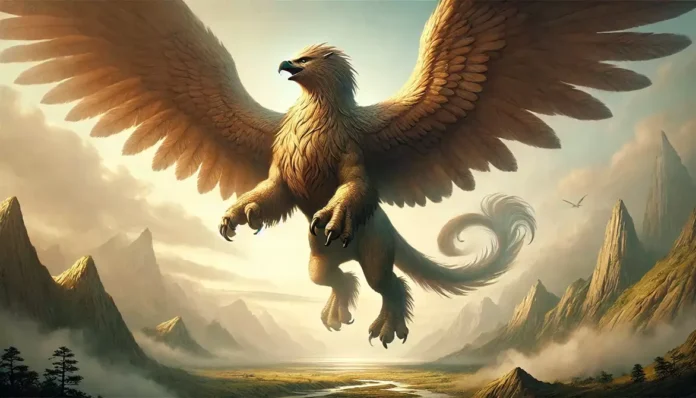
Tengu are supernatural beings from Japanese folklore with human-like features, avian traits, and a reputation as guardians of mountains...
  • Skills
Aura of TerrorEnhanced Agility
  • Weaknesses
Aura CollapseOverconfidence
Hebrews
Giant Bird
Ziz- jewish - folklore
Hebrews

Ziz

The Ziz is a colossal bird from Jewish mythology, believed to rule the skies alongside the Behemoth and Leviathan....

  • Skills
Control WeatherElement Control
  • Weaknesses
Element SensitivitiesLightning Damage

Wind Impact – Overview

Wind Impact represents a mythological weakness characterized by vulnerability to the forces of wind and air. This limitation is often seen in mythologies where air symbolizes changeability or instability. Mythological systems view Wind Impact as a core vulnerability, not merely an incidental failure. It reflects a deeper, structural issue within the entity’s existence or powers, often signifying a connection to broader cosmological themes. The reliance on wind as a weakening factor suggests an inherent instability or inability to withstand change in many mythological beings or constructs.

Defining Characteristics of the Weakness

Nature of the Limitation

Wind Impact typically manifests as an existential constraint within mythological narratives. The wind, as a powerful natural force, represents an environmental dependency in this context. This dependency may define the limitations of a being’s power or influence. The wind acts as a boundary, marking the limits of their abilities or the territory they can safely inhabit. This characterization shows recurring patterns where the natural world imposes restrictions, often emphasizing humility before larger cosmic forces.

Conditions of Exposure

Wind Impact becomes significant under various symbolic conditions. Often, the entity’s exposure to open air or turbulent weather triggers its vulnerability. Mythological stories use wind to symbolize change or divine intervention. The weakness is thus activated by an encounter with spiritual forces or moral transgressions. Environmental conditions like storms or sacred winds can reveal the entity’s limitations. These circumstantial exposures highlight the importance of respecting natural laws and cosmic order in mythological narratives.

Mythological Role and Function

Function Within Mythological Systems

Within mythological systems, Wind Impact serves to regulate power and enforce balance. It prevents entities from gaining absolute dominance, ensuring that no being can surpass cosmic order. This weakness allows for the preservation of equilibrium, reminding beings to remain humble before natural forces. The concept of Wind Impact thus functions as a deterrent against hubris, encouraging characters to respect the boundaries established by their mythical surroundings.

Symbolic and Cultural Meaning

Wind Impact carries rich symbolic meaning across cultures, often representing the inevitability of change and the limits of power. As a symbol, it highlights moral consequences and the importance of humility before the divine. It reflects the sacred law that no being is beyond the reach of the natural world. This understanding emphasizes the theme of mortality and the idea that all entities face eventual limitations, regardless of their power or status.

Distinction from Related Mythological Weaknesses

Conceptual Boundaries

Wind Impact differs from general mortality or divine punishment by emphasizing environmental dependency. While mortality signifies eventual death, Wind Impact highlights ongoing vulnerability to natural elements. Unlike divine punishment, which involves moral transgressions, this weakness relies on cosmological boundaries. It also differs from physical injury, focusing on existential constraints rather than immediate harm. These distinctions demonstrate Wind Impact’s unique role within mythological classifications, highlighting its integration with natural and cosmic forces.

Common Sources of Misclassification

Wind Impact is often misunderstood as a situational defeat due to its environmental nature. Scholars may misinterpret it as a mere narrative device or accident rather than a structural vulnerability. Comparative mythology helps distinguish this weakness by analyzing recurring patterns across cultures. Misclassification arises from oversimplifying its significance, ignoring its function as a systemic regulator and a symbol of cosmic order. Recognizing these nuances is essential for accurate mythological taxonomy.

Canonical Beings Defined by Wind Impact

Anemoi

The Anemoi, Greek wind gods, embody Wind Impact as they control the winds but are bound by Zeus’s cosmic order. Without this weakness, they would hold unchecked power, disrupting divine balance.

Fujin

Fujin, the Japanese wind god, illustrates Wind Impact through his dependency on controlling the wind. His narrative role hinges on this constraint, ensuring he operates within prescribed limits, maintaining natural harmony.

Njord

Njord, the Norse god of wind and sea, reflects Wind Impact in his powers’ reliance on environmental conditions. This dependency defines his identity and prevents domination over other divine aspects.

Historical Distribution and Cultural Context

Wind Impact appears across diverse cultures, from ancient Greece to Japan and Norse traditions. Its distribution indicates a shared human experience with natural forces in mythological contexts. These cultures use wind as a symbol for change and divine interaction, reinforcing the theme of vulnerability in their belief systems. This pattern highlights the universal recognition of nature’s power, influencing myths and stories through historical periods and illustrating recurring concerns about cosmic balance.

Scholarly Interpretation and Uncertainty

Variation in Interpretation

Interpretations of Wind Impact vary across cultural, historical, and scholarly contexts. Some view it symbolically, emphasizing the moral or cosmic lessons it conveys. Others offer a literal understanding, focusing on its environmental implications. Scholars debate whether this weakness reflects broader cosmic themes or individual narrative devices. These variations underline the complexity of mythological analysis and the need for careful interpretation when examining the role of Wind Impact across traditions.

Limits of the Evidence

No verified sources describe the complete origins of Wind Impact, leading to debates about its historical presence. Scholars must navigate gaps and ambiguities in the record, acknowledging the constraints of existing evidence. While established interpretations provide insights, some readings remain contested due to limited documentation. This uncertainty necessitates cautious analysis and emphasizes the importance of distinguishing between speculative and verified claims in mythological scholarship.

Mythological Function Across Cultures

Wind Impact recurs across mythological traditions due to shared concerns about nature’s power and human fragility. It symbolizes the necessity of respecting cosmic boundaries and the inevitability of change. Recognizing this weakness helps compare mythologies, offering insights into the cultural significance of natural forces. Understanding Wind Impact enriches interpretations of mythological systems, revealing how societies articulate themes of limitation, humility, and environmental dependency in their narratives.