Fae & Spirit
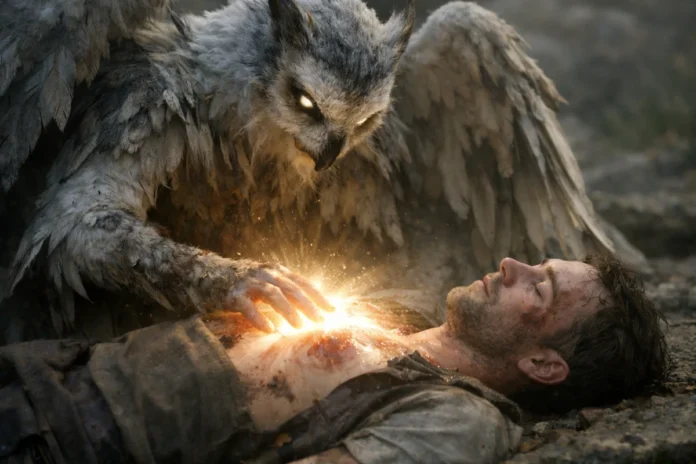
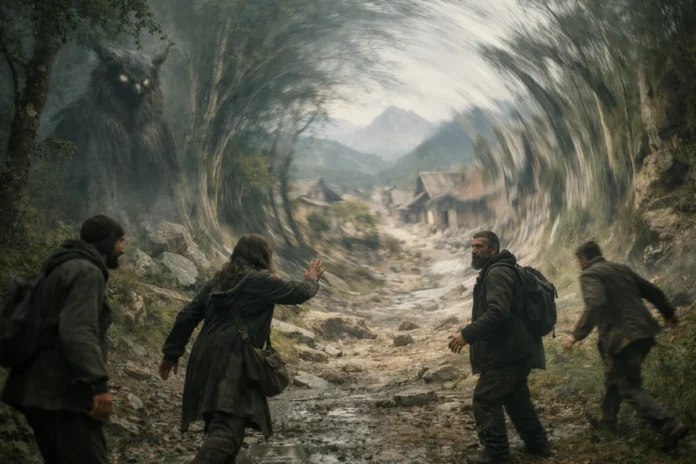
Fae & Spirit beings are defined by their ethereal traits and symbolic roles in myth, representing enchantment, nature, and the unseen world.
Sub Categories
Blossom Nymph
Blossom Nymphs are mythological entities often depicted as embodying the essence of springtime and floral bloom. They are characterized by their graceful, delicate appearance and association with nature's renewal.Symbolically, Blossom Nymphs represent growth, beauty, and the transient nature of life. In narratives, they often play roles as guardians of flora, bringing vitality and harmony to their surroundings.
Breeze Elf
Breeze Elves are mythological creatures often associated with the wind and air. They are typically depicted as ethereal beings, embodying agility and grace. Breeze Elves are believed to possess the ability to control breezes, using their powers to influence weather patterns and aid travelers. Their presence is often linked to a sense of freedom and movement.Symbolically, Breeze Elves represent change and transformation, reflecting the ever-shifting nature of the wind. In narratives, they often serve as guides or messengers, facilitating communication between realms. Breeze Elves are sometimes portrayed as protectors of nature, ensuring harmony within their environment. Their role underscores the delicate balance between natural forces and human endeavors.
Dark Fae
Dark Fae are often depicted as elusive, mysterious entities associated with shadowy realms or twilight environments. They typically possess magical abilities and are characterized by an ethereal, otherworldly appearance.Symbolically, Dark Fae represent the unknown, often embodying themes of mystery and transformation. In narratives, they frequently challenge protagonists, serving as both adversaries and catalysts for change or self-discovery.
Dream Fairy
Dream Fairies are typically depicted as ethereal beings associated with the realm of dreams and sleep. They often possess delicate features and are characterized by their ability to influence dreams, either bringing pleasant visions or acting as guides through the dream world.Symbolically, Dream Fairies represent the subconscious mind and the mysteries of sleep. In narratives, they often serve as intermediaries between the waking world and the dream state, offering insights or warnings through dreams.
Dream Spirit
Dream Spirit is often characterized by its ethereal presence and connection to the dream world. These entities typically embody themes of guidance, transformation, and subconscious exploration in various mythologies.Symbolically, Dream Spirit represents the bridge between reality and dreams, influencing visions and insights. In narratives, they often serve as messengers or guides, helping individuals navigate personal growth or challenges.
Echo Spirit
Echo Spirit is often depicted as an ethereal entity with the ability to mimic sounds or voices. It typically represents the lingering presence of past events or emotions.In mythological narratives, Echo Spirit serves as a reminder of unheeded warnings or forgotten promises. It symbolizes the persistence of memory and the consequences of actions left unresolved.
Elemental Fairy
Elemental Fairies are mythological beings often associated with natural elements like earth, air, fire, and water. They embody the forces of nature, influencing environmental conditions and phenomena.Symbolically, Elemental Fairies represent balance and harmony within nature. In narratives, they often act as guardians of their respective elements, ensuring ecological stability and teaching humans respect for nature.
Ethereal Fae
Ethereal Fae are often depicted as delicate, otherworldly beings with a connection to nature. They are characterized by their elusive, shimmering appearances and ability to manipulate natural elements. Ethereal Fae frequently embody beauty and grace, often associated with enchanting forests or mystical realms.Symbolically, Ethereal Fae represent transformation, mystery, and the boundary between the human and supernatural worlds. In narratives, they typically serve as guardians, guides, or tricksters, influencing human fate. Ethereal Fae's roles highlight themes of wonder, caution, and the allure of the unknown.
Firefly Fae
Firefly Fae are mythical creatures often depicted in folklore as small, luminous beings that resemble a blend of fairies and fireflies. They are typically associated with nighttime and are believed to inhabit forested areas, where they emit a gentle, glowing light. This light is said to guide travelers or serve as a natural decoration to the woodland environment. Firefly Fae are sometimes considered guardians of nature, ensuring the well-being of their habitats. Their presence in stories often symbolizes hope, mystery, and the enchanting beauty of the natural world.
Forest Spirit
Forest Spirit is often depicted as an ethereal entity inhabiting wooded areas. It is typically associated with nature's guardianship, embodying the forest's vitality and its mysterious, untamed essence.In mythological narratives, Forest Spirit frequently symbolizes the balance between humanity and nature, acting as a mediator. It often plays roles in stories that emphasize environmental respect and harmony.
Frost Nymph
Frost Nymphs are mythological beings often associated with cold, winter, and icy landscapes. They are typically depicted as ethereal, graceful figures with an affinity for frost and snow. Their presence is believed to bring a sense of tranquility and beauty to harsh winter environments.Symbolically, Frost Nymphs represent purity, stillness, and the transformative power of nature. In narratives, they often play roles as guardians of winter realms or guides through snowy terrains, embodying the serene yet formidable aspects of winter.
Gloom Fairy
Gloom Fairy is a mythological beast type often depicted as a small, elusive creature with dark, ethereal wings. It is associated with shadows and twilight environments, emphasizing mystery and subtlety.Symbolically, Gloom Fairy represents melancholy, transition, and the unknown. In narratives, it often guides or warns characters, embodying themes of introspection and the unseen aspects of the world.
Grove Fairy
Grove Fairy is often depicted as a small, ethereal creature associated with forested areas. These beings are known for their delicate wings and their role in protecting natural habitats. Grove Fairy is believed to embody the spirit of the woods, symbolizing growth, renewal, and the unseen magic within nature.In mythological narratives, Grove Fairy often serves as a guardian of flora and fauna, ensuring the balance of ecosystems. They are frequently portrayed as elusive, communicating with plants and animals. Grove Fairy is known to assist those who respect nature, while they may hinder those who exploit it.
House Spirit
House Spirit typically embodies a protective presence within a dwelling, often associated with domestic well-being and family prosperity. These entities are believed to oversee household affairs, ensuring harmony.Symbolically, House Spirit represents stability and guardianship, often linked to traditions of hospitality and home rituals. Their narrative role frequently involves safeguarding against misfortune, maintaining peace within the home.
Light Fae
Light Fae are mythological beings often associated with illumination and benevolence. They are typically depicted as ethereal entities, embodying purity and grace. Light Fae are known for their radiant presence and often possess the ability to influence light and nature. Their appearances are frequently described as delicate and shimmering, reflecting their connection to the natural world.Symbolically, Light Fae represent hope, guidance, and protection, often serving as guardians or messengers in various myths. They play roles in narratives that emphasize harmony and enlightenment. Light Fae are often seen as intermediaries between humans and the divine, providing wisdom and assistance. Their presence in stories underscores themes of renewal and the triumph of light over darkness.
Lunar Pixie
Lunar Pixie is a mythological creature often depicted with luminescent wings and an ethereal glow. These beings are associated with the moon, embodying its mystical and transformative qualities.Symbolically, Lunar Pixie represents intuition and hidden knowledge. In narratives, they often guide or challenge protagonists, serving as harbingers of change or enlightenment, reflecting their connection to lunar cycles.
Melodic Enchanter
Melodic Enchanter creatures are known for their enchanting voices, often used to mesmerize or influence humans and other beings. They frequently appear in myths as beings capable of altering emotions through song.Symbolically, Melodic Enchanters represent the power of music and voice, embodying themes of allure and persuasion. In narratives, they often challenge heroes, testing their resolve or luring them into unforeseen adventures.
Mischievous Fairy
Mischievous Fairy is a mythological beast type known for its playful and trickster nature. These beings often engage in pranks, causing minor chaos and confusion among humans. Their presence in folklore highlights themes of unpredictability and the unexpected, serving as reminders of life's capriciousness.Symbolically, Mischievous Fairy represents the unpredictable aspects of nature and human experience. They often appear in narratives to challenge characters, prompting growth or change. Their actions can be disruptive yet ultimately lead to positive transformation.
Mistling Spirit
Mistling Spirit is often depicted as an elusive, ethereal entity associated with mist and fog. These spirits are commonly seen as guardians of hidden realms or transitional spaces. Their presence signifies mystery and transformation, embodying the boundary between the known and the unknown.Symbolically, Mistling Spirit represents change, uncertainty, and the fluid nature of reality. They play pivotal roles in myths, guiding or obstructing travelers and revealing hidden truths. Mistling Spirit often serves as a catalyst for introspection and personal growth within narratives.
Moonlight Spirit
Moonlight Spirit is a mythological beast type known for its ethereal appearance and connection to lunar phenomena. These creatures often embody light and shadow, reflecting the moon's cyclical nature. They are typically depicted as elusive and graceful, with features that shimmer under moonlight, enhancing their mystical allure.Symbolically, Moonlight Spirit represents transformation, intuition, and the unseen realms. In narratives, they often serve as guides or messengers, bridging the physical and spiritual worlds. Their presence is associated with mystery and the revelation of hidden truths, playing significant roles in folklore and storytelling.
Musical Spirit
Musical Spirit typically embodies a harmonious connection between sound and the supernatural. These beings often influence emotions or events through music, symbolizing creativity and the transformative power of melody.Narratively, a Musical Spirit may guide, inspire, or challenge characters, reflecting the cultural importance of music. Their presence often signifies change, emotional expression, or the bridging of worlds through auditory enchantment.
Nature Spirit
Nature Spirit often embodies natural elements, reflecting the environment's essence in mythological traditions. They are depicted as guardians or manifestations of forests, rivers, mountains, or other landscapes.Symbolically, Nature Spirit represents harmony and balance within ecosystems, often serving as intermediaries between humans and nature. Their narrative role typically involves guiding, protecting, or challenging humans to respect the natural world.
Object Spirit
Object Spirit refers to entities believed to inhabit inanimate objects, endowing them with life or consciousness. They often symbolize the interconnectedness of living and non-living things.In mythological narratives, Object Spirit can act as guardians or guides, influencing events or providing wisdom. Their presence underscores themes of transformation and the hidden potential within mundane objects.
Protective Fae
Protective Fae are mythological beings often depicted as guardians of nature or sacred spaces. They possess supernatural abilities to shield areas from harm or malevolent entities, ensuring balance.Symbolically, Protective Fae represent preservation and harmony, embodying the protective forces of nature. In narratives, they often serve as allies to protagonists, offering guidance and support in maintaining ecological or spiritual equilibrium.
Solar Elf
Solar Elf is often depicted as radiant beings embodying light and warmth, typically associated with the sun. They share characteristics of agility, wisdom, and a profound connection to solar energy.In mythological narratives, Solar Elf symbolizes guidance, hope, and renewal, often playing roles as protectors or healers. They are revered for their ability to illuminate darkness and inspire growth.
Sonic Spirit
Sonic Spirit is characterized by its ethereal nature and association with sound and vibration. It often manifests as an invisible force, capable of influencing its surroundings through sonic waves.In mythological narratives, Sonic Spirit symbolizes communication and transcendence, bridging worlds through sound. Its presence often signifies change or revelation, playing a pivotal role in guiding or warning characters.
Starlight Pixie
Starlight Pixie is a mythological creature often depicted as glowing with a luminescent aura. Typically small and ethereal, these beings are associated with celestial phenomena and nighttime skies.In mythology, Starlight Pixie symbolizes guidance, hope, and transformation. Their narrative role often involves leading lost travelers, offering wisdom, or illuminating paths, embodying the connection between the earthly and celestial realms.
Trickster Fae
Trickster Fae are mythological entities known for their cunning and playful nature.
Trickster Fae are often depicted as mischievous beings who challenge norms and provoke thought. They possess shape-shifting abilities and enjoy creating chaos.
The Trickster Fae serve as catalysts for change, embodying unpredictability and transformation. Their actions often lead to unforeseen consequences and highlight the complexity of morality.
Trickster Spirit
Trickster Spirit is a mythological beast type known for its cunning, adaptability, and shape-shifting abilities. It often challenges norms, blurring boundaries between reality and illusion. Trickster Spirit embodies duality, embodying both creation and chaos.In narratives, Trickster Spirit serves as a catalyst for change, revealing hidden truths or prompting transformation. It highlights human flaws and societal contradictions, encouraging reflection and growth through its unpredictable actions.
Willow Sprite
Willow Sprites are ethereal beings often associated with the grace and flexibility of willow trees. They are typically depicted as delicate, nature-bound entities with an affinity for water and growth. Their presence in mythology often symbolizes renewal, adaptability, and the gentle strength found in nature.In narrative roles, Willow Sprites frequently act as guardians of natural spaces, guiding travelers or protecting sacred groves. They are known for their wisdom and ability to communicate subtle messages through the rustling leaves. Their stories often emphasize harmony between humans and the natural world.
Relevant Beasts
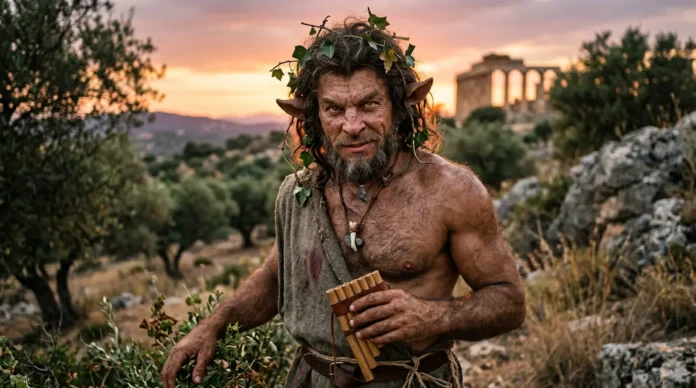
The mythological Satyr, a creature from Greek mythology known for its human-goat hybrid form and association with Dionysian revelry...
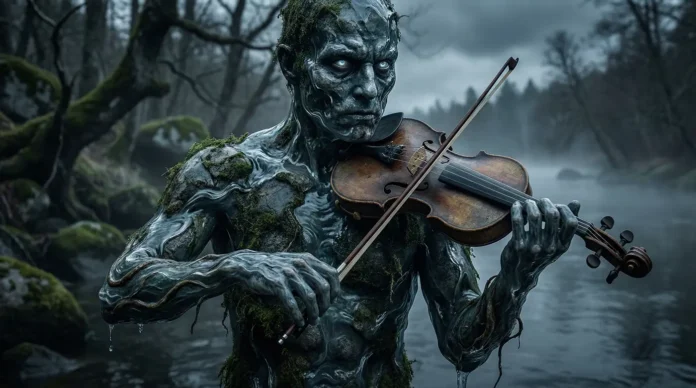
The Näcken is a water spirit from Scandinavian folklore, known for its enchanting musical abilities and shapeshifting nature.
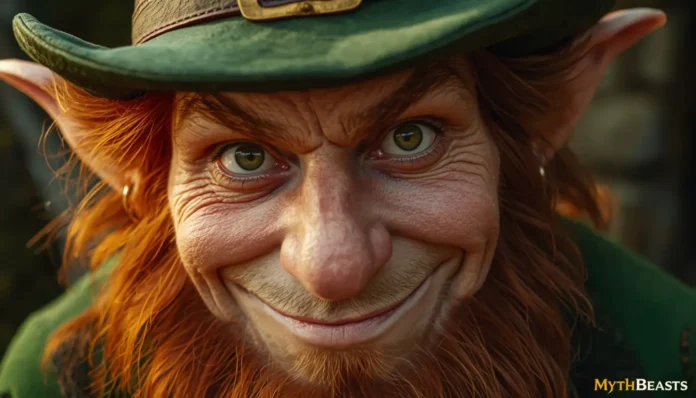
Leprechauns are small, mischievous fairies from Irish folklore known for their trickery and guarding pots of gold.

The Ghillie Dhu is a solitary forest spirit in Scottish folklore, kind to children and clothed in moss. A...
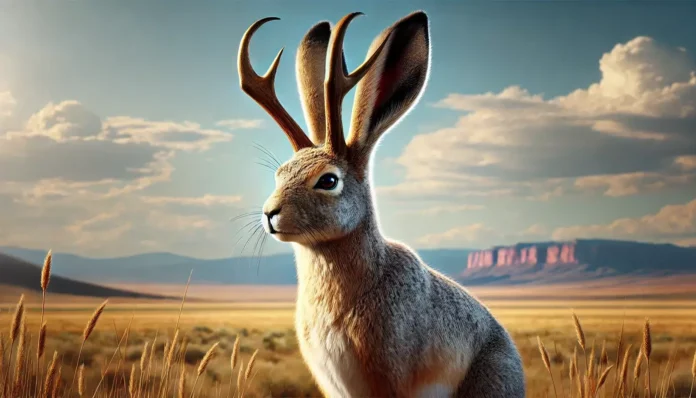
The Jackalope, a legendary North American creature, is described as a rabbit with antelope-like horns. Known for its cunning...
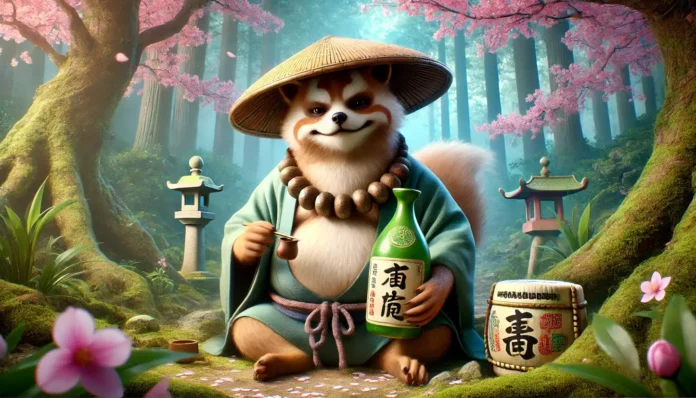
The Tanuki is a mischievous shapeshifter from Japanese folklore, known for its magical abilities and playful trickery. It often...