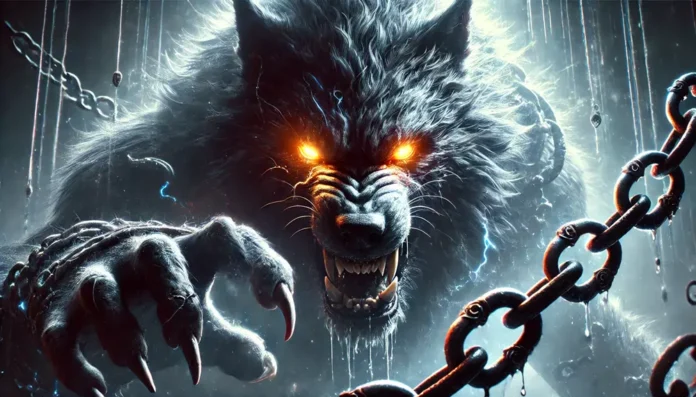
Mythic Wolf – Overview
Mythic Wolf refers to a category of mythological beasts characterized by their lupine form, supernatural abilities, and symbolic significance. Often embodying dual roles as both protectors and threats, these creatures appear in various cultural mythologies worldwide. They are seen as intermediaries between the physical and spiritual realms, bridging the gap between human and divine understanding. Across civilizations, Mythic Wolves play essential roles in cultural narratives, symbolizing transformation, guidance, and the balance of natural forces.
Defining Characteristics
Physical Form and Morphology
Mythic Wolves typically share a lupine appearance, with traits such as keen senses, powerful builds, and sharp claws. They often have exaggerated features, like glowing eyes or oversized fangs, emphasizing their supernatural nature. These physical characteristics are not just for intimidation but also serve to mark them as beings apart from ordinary wolves. Their form varies slightly across cultures, but the essential wolf-like attributes are consistent, reinforcing their identity as creatures of both earthly and otherworldly domains.
Ontological Nature
Ontologically, Mythic Wolves are often seen as liminal entities, existing at the boundaries of the natural and supernatural worlds. They embody dualities such as life and death, nature and civilization, and chaos and order. These attributes allow them to function as mediators in myths, bridging gaps between conflicting forces. In many traditions, they are seen as guardians of sacred spaces or keepers of ancient secrets, reflecting their deep integration into the mythological fabric of the societies that venerate them.
Mythological Role and Function
Place in Mythological Systems
Within mythological systems, Mythic Wolves often serve as agents of fate or justice, interacting with humans and deities to enforce moral or cosmic laws. They are sometimes depicted as loyal companions to gods or as independent entities with their own agendas. Their presence is often pivotal in mythological narratives, where they guide heroes, challenge adversaries, or restore balance to the world. By serving these roles, they reinforce cultural values and contribute to the mythological worldviews of their societies.
Perception and Meaning
Cultures perceive Mythic Wolves as both protectors and threats, embodying the dual nature of the wild. They can be seen as guardians of the forest, ensuring the balance of nature, or as omens of change. This dual perception highlights their role as symbols of transformation, reflecting the unpredictability and complexity of life. They often represent the idea of the untamed spirit, acting as a reminder of humanity’s connection to the natural world and the need for respect towards it.
Distinction from Related Beast Types
Conceptual Boundaries
Mythic Wolves differ from other beast types, such as elemental spirits or animal deities, by their specific association with lupine traits and symbolic meanings. While elemental beings embody natural forces, Mythic Wolves are more focused on the themes of transformation and guardianship. They are distinct from purely animal-based creatures due to their supernatural attributes and mythic roles. This distinction is crucial for understanding their unique place within the mythological taxonomy of various cultures.
Common Sources of Confusion
Confusion often arises when Mythic Wolves are conflated with werewolves or shapeshifters, as both share lupine characteristics. However, werewolves are usually humans cursed or gifted with the ability to transform, whereas Mythic Wolves are inherently supernatural entities. Scholars distinguish them by their mythological roles and symbolic meanings, with Mythic Wolves often serving as divine messengers or guardians. Understanding these distinctions helps clarify their unique functions within different mythological traditions.
Canonical Beasts Associated with This Beast Type
Fenrir
Fenrir, from Norse mythology, exemplifies the Mythic Wolf as a destructive force destined to bring about the end of the world during Ragnarok. His enormous size and strength mark him as one of the most fearsome beings among the Norse pantheon.
Amarok
In Inuit mythology, Amarok is a giant wolf that hunts alone, representing the dangers of the wild and the need for respect towards nature. Unlike other wolves, he is not a pack animal, symbolizing strength and solitude.
Garmr
Garmr, another figure from Norse mythology, guards Hel’s gate. As a Mythic Wolf, he embodies the liminal nature between the world of the living and the dead, emphasizing his role as a guardian of thresholds.
Historical Distribution and Cultural Context
Mythic Wolves have appeared in numerous cultures, from the Norse in Scandinavia to the Inuit in the Arctic regions. They are especially prominent in cultures with strong connections to the natural world, where wolves are both feared and revered. Variations of the Mythic Wolf can also be found in Asian and Native American mythologies, each adapting the creature’s symbolism to their cultural narratives. This widespread distribution underscores their universal appeal and the human fascination with wolves as symbols of the wild and untamed.
Scholarly Interpretation and Uncertainty
Variation in Definitions
Scholars recognize that interpretations of Mythic Wolves vary significantly between cultures and historical periods. While some traditions view them primarily as threats, others emphasize their protective and guiding roles. Academic frameworks often focus on their symbolic representation of natural and supernatural forces, exploring how these creatures reflect societal beliefs about the cosmos and human nature. The diversity in definitions highlights the adaptability of Mythic Wolves in serving different narrative and symbolic functions across cultures.
Limits of Available Evidence
There are notable gaps in the historical record regarding Mythic Wolves, with some traditions lacking detailed descriptions or consistent narratives. These ambiguities challenge scholars attempting to construct a comprehensive understanding. No verified sources describe the complete mythological context for every instance of Mythic Wolves, necessitating careful interpretation when reconstructing their roles. Scholars must navigate these uncertainties with caution, distinguishing between established mythological elements and speculative interpretations.
Mythological Role Across Cultures
The recurrence of Mythic Wolves across cultures suggests a shared human fascination with the themes they embody, such as transformation, protection, and the balance of nature. Their presence addresses universal concerns about the relationship between humans and the wild, as well as the need to respect and understand the natural world. By examining the roles of Mythic Wolves in different mythologies, scholars can gain insights into the cultural values and cosmological beliefs that shape human understanding of wolves as symbolic creatures.