back to top

Cursed Beings

Cursed Beings entities marked by misfortune or doom often associated with supernatural afflictions or inescapable fates across diverse cultures

Relevant Beasts

Mexico
Ghostly Apparition
La Llorona - Mexican Folklore ghost stories
Mexico

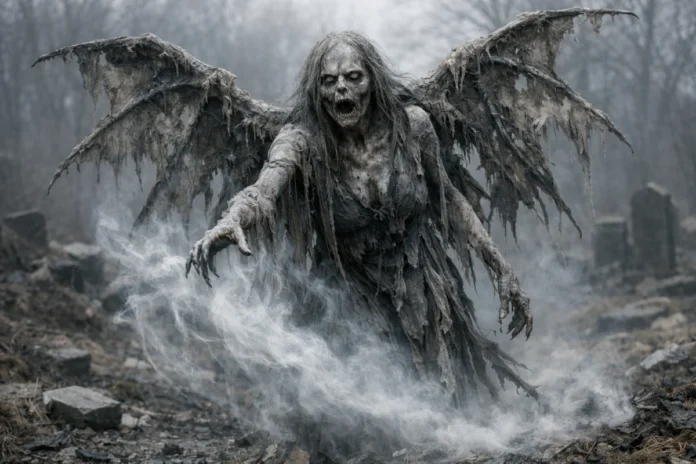
La Llorona

A cursed ghostly woman of Mexican folklore, La Llorona eternally wanders riverbanks, weeping for her lost children and luring...
  • Skills
Aura of DeathDeath Sense
  • Weaknesses
Divine RestrictionsMortal Flaws
Europe
Canine Shifter
Werewolf (Lycan) Medieval Europe - Mythology & Folklore Stories
Slavic

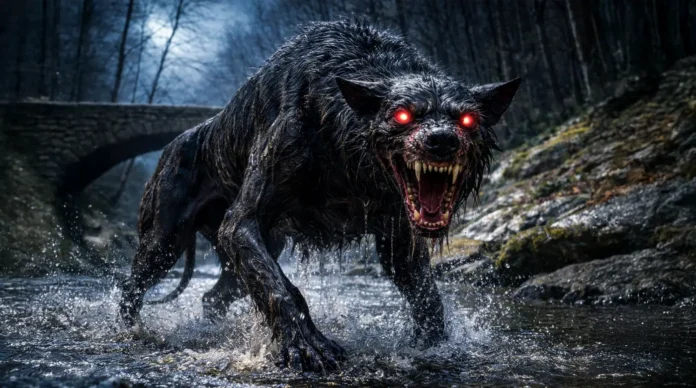
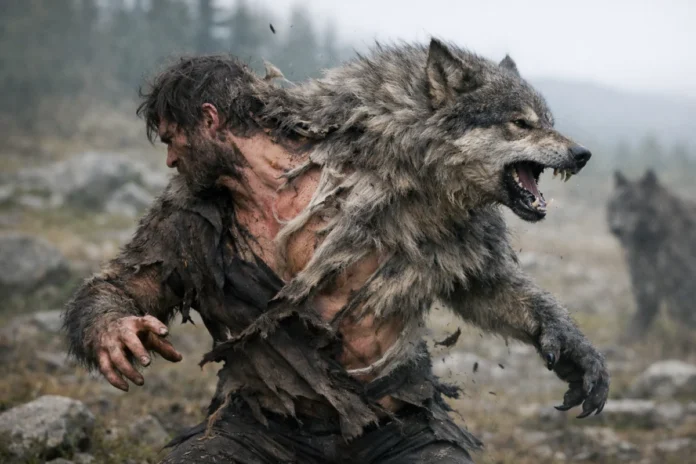
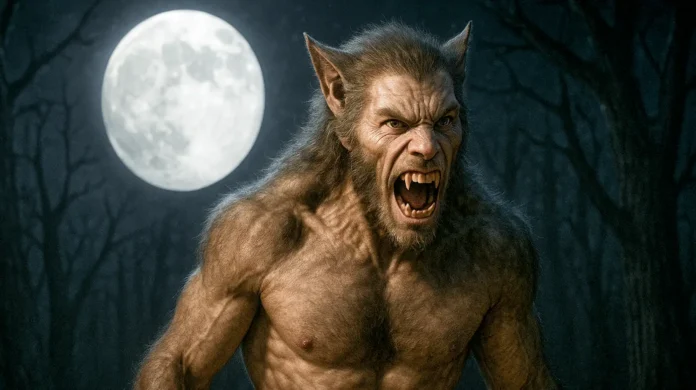
Werewolf

A cursed shape-shifter from Medieval Europe, the Werewolf transforms during the full moon. Feared for uncontrollable rage, it embodies...

  • Skills
Frenzy InducementHealing & Life
  • Weaknesses
BeheadingFull Moon Bound
Celtic
Elemental Crone
Cailleach Bheur - Celtic folklore
Celtic

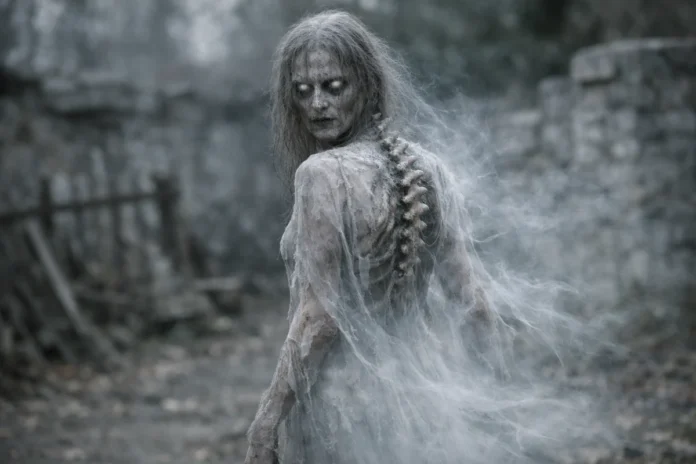
Cailleach Bheur

Cailleach Bheur, the ancient winter hag of Celtic lore, ruled storms and sculpted mountains with frost and stone, embodying...
  • Skills
Earth ManipulationElement Control
  • Weaknesses
Seasonal LimitSun Harm
Celtic
Ghostly Apparition
Bean Nighe - Scotish Folklore
Celtic

Bean Nighe

The Bean Nighe is a Scottish spirit from Celtic lore, known as a harbinger of death who washes bloodied...

  • Skills
Death & NecromancyDeath Sense
  • Weaknesses
Blessed WeaponDivine Restrictions
Asia
Cursed Being
Taotie - Chinese Folklore
China

Taotie

The Taotie is a monstrous entity known for its insatiable hunger, symbolizing greed and excess in Chinese culture.

  • Skills
Energy AbsorptionFear Inducement
  • Weaknesses
Hunger WeakIron Cut
Mississippian
Flesh-Eating Undead
Wendigo - North American folklore
Mississippian

Wendigo

The Wendigo, rooted in Algonquian folklore, embodies insatiable greed and cannibalism. Depicted as a gaunt, emaciated figure with...

  • Skills
Cold ResistanceEnhanced Stamina
  • Weaknesses
Blessed WeaponFire Vulnerable

Cursed Beings – an Overview

Cursed Beings represent a recurring mythological pattern where individuals or entities are subjected to supernatural afflictions due to transgressions or divine displeasure. This lore type underscores themes of punishment, transformation, and moral reinforcement. Its pervasive presence across cultures highlights the universal human fascination with the consequences of violating cosmic or social norms. The concept operates not only as a narrative device but also as a moral compass, guiding behavior and belief.

Core Characteristics and Themes

Narrative Function

In myths and folklore, Cursed Beings often serve as cautionary tales illustrating the repercussions of moral or ethical failings. They are frequently depicted as individuals who transgress societal or divine laws, resulting in their transformation into a cursed state. This narrative function emphasizes the importance of adhering to established norms and the inevitable nature of retribution. By personifying abstract concepts of sin and punishment, these beings facilitate the understanding of complex moral teachings.

Symbolic Meaning

Cursed Beings often symbolize the fear of transgression and the desire for redemption. They embody the consequences of violating sacred or moral orders, reflecting societal anxieties about chaos and disorder. The curse usually serves as a reminder of the precarious balance between human actions and divine will. Consequently, these beings symbolize the broader cultural values of justice, forgiveness, and the potential for transformation and redemption despite initial wrongdoing.

Cultural Context and Worldview

Relationship to Religion and Belief

Cursed Beings are deeply intertwined with religious and cosmological systems, often representing divine punishment or the wrath of deities. They reflect theological principles, such as the justice of the gods or the inevitability of karmic retribution. In many traditions, these beings serve as intermediaries between the divine and human realms, illustrating the consequences of divine displeasure. Their existence reinforces the belief in an ordered cosmos governed by moral or natural laws.

Role in Social or Moral Order

Cursed Beings support social and moral order by exemplifying the consequences of deviating from societal norms. They often reinforce community standards by demonstrating the dangers of hubris, greed, or other vices. By highlighting the impact of individual actions on communal well-being, these beings serve as cautionary examples, encouraging adherence to expected behaviors. Their stories promote collective values and underscore the importance of maintaining harmony within the community.

Associated Mythological Beings

Common Creature Archetypes

Cursed Beings frequently take the form of monsters, ghosts, or transformed humans, embodying both physical and moral corruption. These archetypes vary widely but typically share characteristics of suffering and transformation. Examples include werewolves, who represent loss of control, and the Golem, symbolizing unintended consequences. Each archetype carries specific cultural or moral connotations, reflecting regional beliefs about sin, redemption, or punishment.

Non-Creature Manifestations

Beyond creature forms, Cursed Beings can manifest as objects or places imbued with malevolent energy. These manifestations often carry stories of past transgressions or betrayals, serving as physical reminders of moral lessons. Such cursed objects might include haunted artifacts or forbidden locations that encapsulate the curse’s origin. These manifestations provide a tangible connection to the lore, transforming abstract moral teachings into concrete, culturally significant symbols.

Variations Across Cultures

Regional Interpretations

Cultural variations of Cursed Beings reflect differing societal values and historical contexts. In Western traditions, curses often involve transformation and redemption themes, while Eastern lore may emphasize karmic retribution. African traditions might focus on ancestral displeasure, highlighting community and lineage. These regional interpretations showcase the diversity of human experience and belief, illustrating how similar conceptions of justice and morality can manifest differently across cultures.

Shared Structural Patterns

Despite cultural differences, Cursed Beings share consistent structural patterns, such as the transformation from human to other or the intervention of a higher power. These structural elements underscore universal themes of sin, punishment, and redemption. The persistence of such patterns across disparate cultures suggests a shared human fascination with morality and consequence, reinforcing the centrality of Cursed Beings as a mythological constant.

Persistence and Transmission

Oral and Written Traditions

The lore of Cursed Beings has been preserved through both oral and written traditions, ensuring its continuity across generations. Oral narratives allow for the adaptation and personalization of stories, while written accounts provide stability and consistency. These dual modes of transmission enable the lore to evolve while retaining core themes, allowing it to remain relevant within changing cultural contexts. Documentation in sacred texts or folklore collections further cements its place in cultural consciousness.

Adaptation Over Time

As societies evolve, the interpretation of Cursed Beings adapts to reflect contemporary concerns and values. Originally rooted in religious or moral imperatives, modern interpretations may focus on psychological or existential themes. This adaptability ensures the continued relevance of the lore, allowing it to address modern anxieties or ethical dilemmas. Such changes highlight the dynamic nature of mythology and its ability to resonate with varying generations.

Scholarly Interpretation and Uncertainty

Symbolic vs Literal Readings

Scholars interpret Cursed Beings both symbolically and literally, depending on cultural context and textual evidence. Symbolic readings emphasize moral or ethical lessons, while literal interpretations focus on historical or cultural authenticity. The dual nature of these interpretations underscores the complexity of mythological analysis, highlighting the need for careful consideration of cultural and historical contexts. Scholars often debate the extent to which these beings embody concrete historical events or abstract moral principles.

Limits of Historical Evidence

The study of Cursed Beings is often limited by gaps in historical records and the oral nature of many traditions. No verified sources describe every aspect of this lore type for every culture, leading to scholarly debates and uncertainties. The absence of comprehensive documentation requires careful consideration of available evidence, acknowledging limitations while seeking broader patterns. This uncertainty underscores the importance of rigorous analysis and the need for continued research.

Classification Notes

Distinction from Related Lore Types

Cursed Beings differ from other lore types by their emphasis on punishment and transformation resulting from moral or divine transgressions. Unlike benevolent beings or neutral spirits, they embody moral lessons through their cursed state. This distinction is crucial for understanding their unique role within mythology, separating them from related concepts like blessed beings or neutral entities. Their classification depends on their function as embodiments of moral consequence and cosmic justice.

Use in Mythological Taxonomy

Cursed Beings serve as a fundamental classification category within mythological taxonomy due to their pervasive presence across cultures and their role in illustrating moral and cosmological principles. Their function as embodiments of consequence and punishment distinguishes them as a unique narrative and symbolic element. This classification highlights their importance in understanding cultural values and belief systems, providing a lens through which to examine human morality and the interplay between the divine and the mundane.