Introduction to Demonic Entities
Demonic entities have been an integral part of folklore and mythology across various cultures for centuries. These entities are often depicted as malevolent supernatural beings that exist in opposition to divine forces. They are frequently associated with chaos, destruction, and evil, serving as formidable antagonists in numerous tales and religious texts.Historical Perspectives
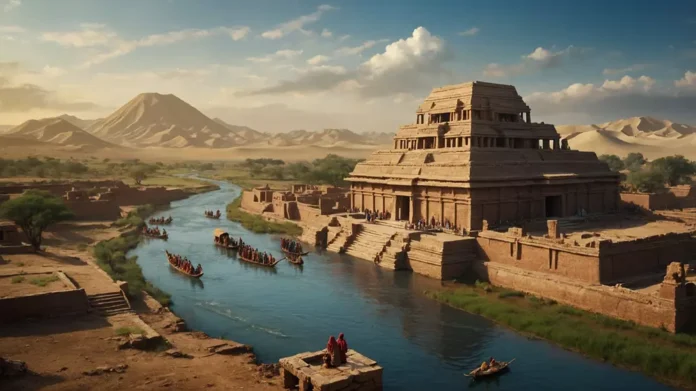
The concept of demonic entities has evolved significantly over time. In ancient Mesopotamian religion, demons were seen as lesser deities with distinct roles, often serving the gods. In contrast, Zoroastrianism introduced the notion of a dualistic struggle between good and evil, with demons as embodiments of malevolence.In Judeo-Christian traditions, demons are often linked to fallen angels who rebelled against God. This perspective was further popularized by texts such as the Book of Enoch and later by Dante’s “Inferno.” In Islam, demons, or jinn, are considered beings created from smokeless fire, capable of both good and evil, thus offering a more nuanced take on their roles.Characteristics of Demonic Entities
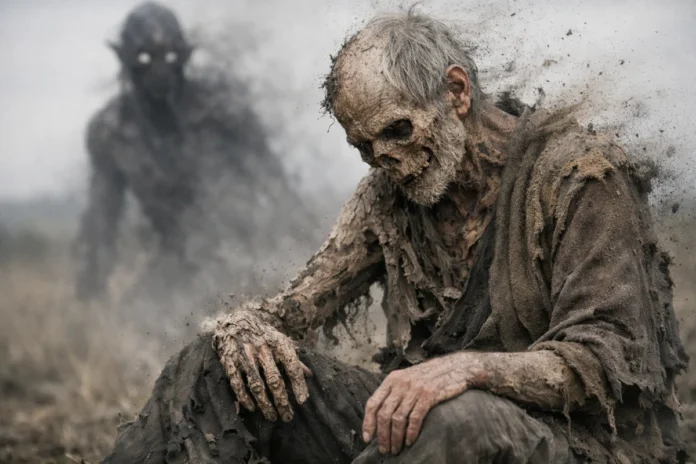
Demonic entities are typically characterized by their supernatural abilities, which often include shapeshifting, possession, and manipulation of reality. They are frequently depicted with grotesque appearances, embodying various aspects of fear and revulsion. These entities thrive on chaos and are often motivated by a desire to corrupt, deceive, and lead humans astray.A common trait among demonic entities is their cunning intelligence. They are often portrayed as crafty beings capable of elaborate schemes. This intellect, combined with their supernatural powers, makes them formidable adversaries in many narratives.Types of Demonic Entities
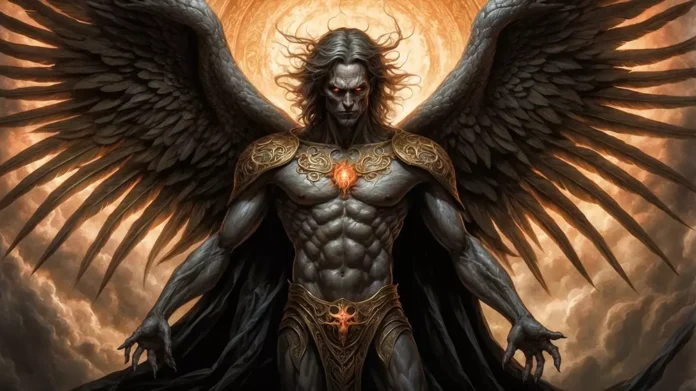
Demonic entities can be categorized into various types based on their roles and origins:Fallen Angels: These are angels who were cast out of heaven due to their rebellion against divine authority. They are often depicted as leaders of demonic hordes.Elemental Demons: Associated with specific elements like fire, water, earth, or air, these entities are believed to control and manipulate their respective elements.Possessive Spirits: These demons are known for possessing humans, often requiring exorcism rituals to expel them. They are typically characterized by their parasitic nature.Tricksters: These demons specialize in deception and chaos, often causing mischief and leading people into making disastrous decisions.Role in Popular Culture
Demonic entities play a significant role in modern popular culture, appearing in literature, films, and video games. They serve as compelling antagonists, providing rich narratives centered around the battle between good and evil. Iconic examples include Mephistopheles in Goethe’s “Faust” and the demon Pazuzu in “The Exorcist.”In video games, demonic entities often serve as challenging foes for players to defeat, such as the various demon lords in the “Diablo” series. Films frequently explore themes of possession and exorcism, drawing upon traditional lore to create suspenseful and thrilling narratives.Interpretations Across Cultures
Different cultures interpret and portray demonic entities in diverse ways. In Hinduism, for example, Asuras are powerful beings often depicted in conflict with the Devas, or gods. In Buddhism, the concept of Mara represents the forces of temptation and hindrance, embodying the inner demons that obstruct enlightenment.In African and Caribbean traditions, demonic entities often take the form of spirits that require appeasement or rituals to keep them at bay. These interpretations reflect the cultural nuances and societal values embedded within each tradition.Protective Measures and Rituals
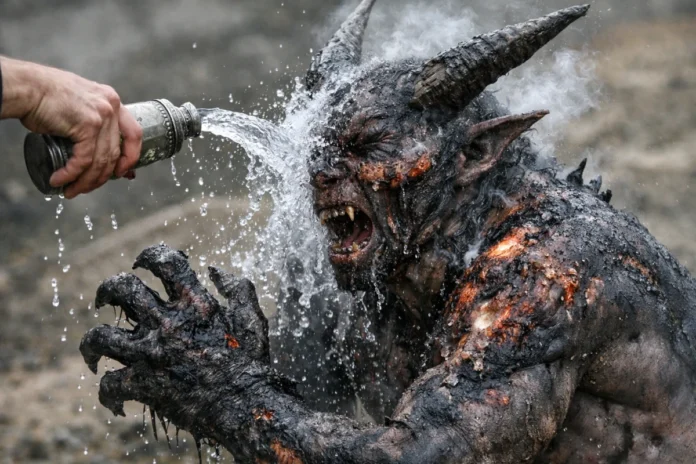
Throughout history, various protective measures and rituals have been developed to ward off demonic entities. These practices often involve invoking divine assistance, using sacred symbols, and performing purification rites. In Christianity, the use of holy water, crucifixes, and prayers are common methods of protection.In other traditions, such as Shinto, purification rituals and offerings are used to maintain harmony and ward off malevolent spirits. Similarly, in many indigenous cultures, shamans or spiritual leaders perform ceremonies to protect individuals and communities from demonic influences.Conclusion
Demonic entities remain a fascinating and enduring aspect of human lore. Their presence in mythology and popular culture reflects our ongoing fascination with the supernatural and the eternal struggle between good and evil. By exploring these entities across different cultures and narratives, we gain insight into the human psyche and the universal themes that continue to captivate our imagination.