back to top

Ancient

Relevant Beasts
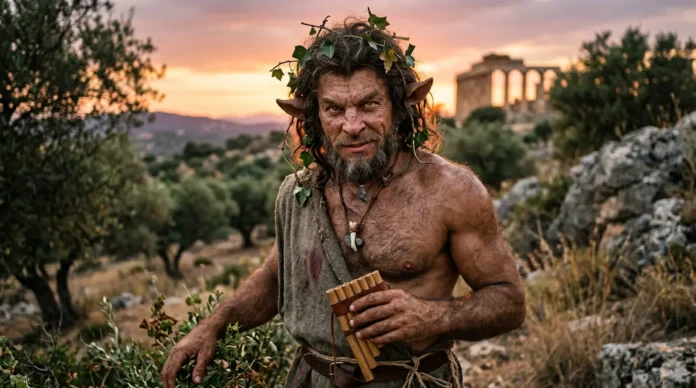
Greece
Primordial Giant
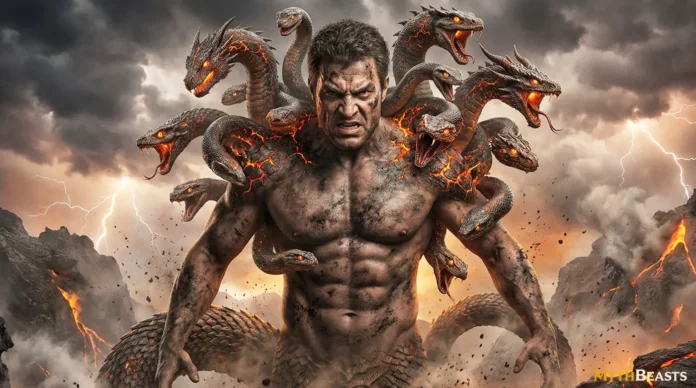
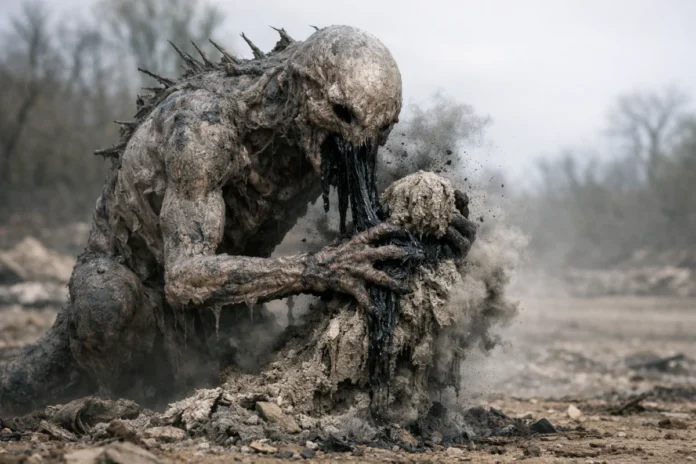
Typhon - Greek Mythology
Greece

Typhon

Typhon is a formidable figure in Greek mythology, often depicted as the most fearsome of all creatures. Known as...
  • Skills
Fire BreathingPhysical Strength
  • Weaknesses
Divine Smite
Achaemenid Empire
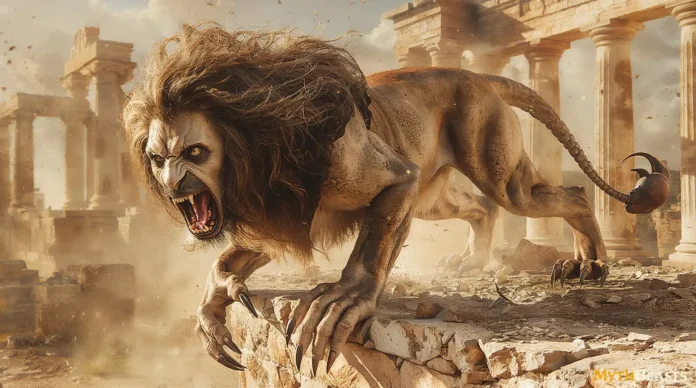
Hybrid Creature
Manticore - Persian Mythology
Achaemenid Empire

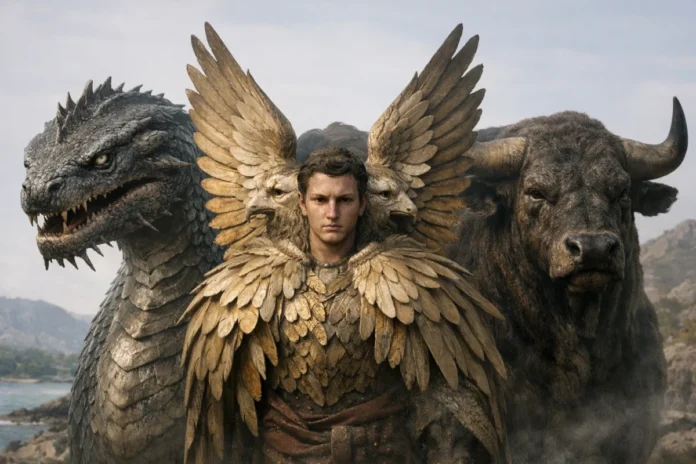
Manticore

Hybrid Persian man-eater with human face, lion body and barbed tail, famed in Greek and later bestiaries as a...
  • Skills
Nature ManipulationPhysical Strength
  • Weaknesses
BeheadingBlessed Weapon
Achaemenid Empire
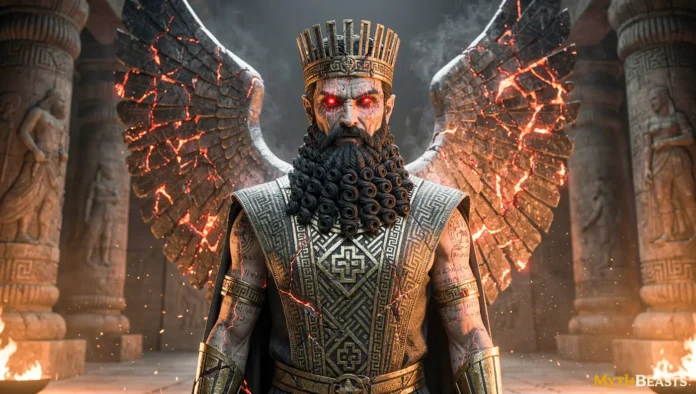
Demonic Form
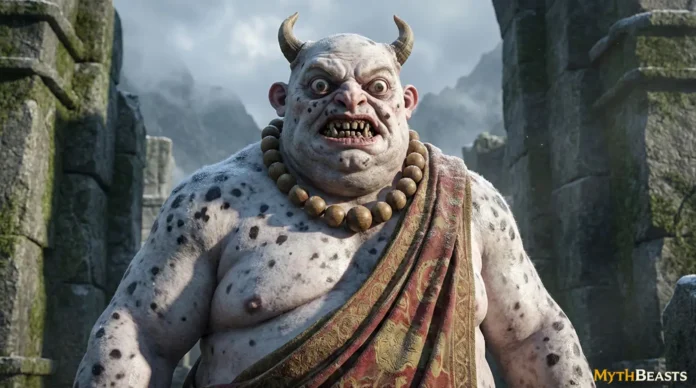
Aeshma - the Zoroastrian demon
Achaemenid Empire

Aeshma

Aeshma - a Zoroastrian demon of wrath and violence who disrupts ritual, drives humans to rage and bloodshed, and...

  • Skills
Disease ManipulationFear Inducement
  • Weaknesses
Blessed WeaponDivine Restrictions
Egypt
Giant Bird
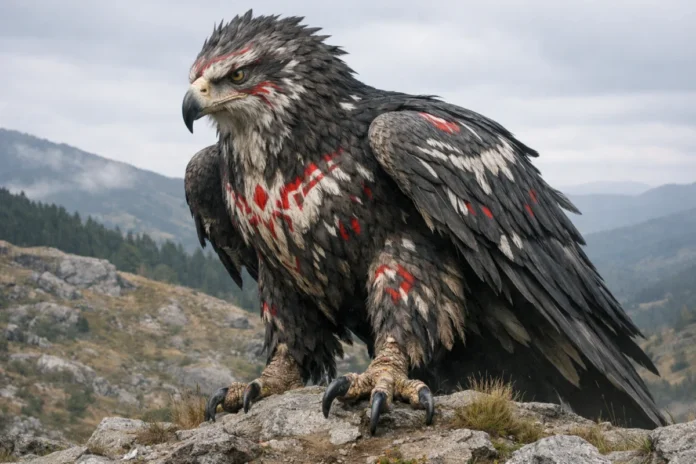
Phoenix – Ancient Egypt mythology
Egypt

Phoenix

A sacred firebird of Ancient Egypt and Classical myth, the Phoenix embodies immortality through cycles of death and rebirth,...

  • Skills
Fire ImmunityHealing & Life
  • Weaknesses
Element SensitivitiesSpell Fatigue
Asia
Human-Animal Shifter
Huli Jing - Chinese folklore
China

Huli Jing

The Huli Jing is a shapeshifting fox spirit from ancient Chinese mythology, known for its illusion powers, beauty,...

  • Skills
Mental PowersMind Control
  • Weaknesses
Divine RestrictionsExorcism
Asia
Cursed Being
Taotie - Chinese Folklore
China

Taotie

The Taotie is a monstrous entity known for its insatiable hunger, symbolizing greed and excess in Chinese culture.

  • Skills
Energy AbsorptionFear Inducement
  • Weaknesses
Hunger WeakIron Cut

Sub Categories

Ancient Celtic

The Ancient Celtic period spans the early mythological and tribal cultures of Celtic Europe, including regions of modern-day Ireland, Scotland, Gaul, and Iberia. This era is known for its oral traditions, sacred landscapes, and deities like the Cailleach, Lugh, and Danu, who shaped natural forces and cycles.Celtic mythology from this time emphasizes transformation, nature worship, and seasonal cycles. Stories of gods, goddesses, and primal beings emerged in this period, laying the foundation for Gaelic and Brittonic folklore. Many of these myths were preserved through bardic tradition and later Christian transcription.

Ancient China

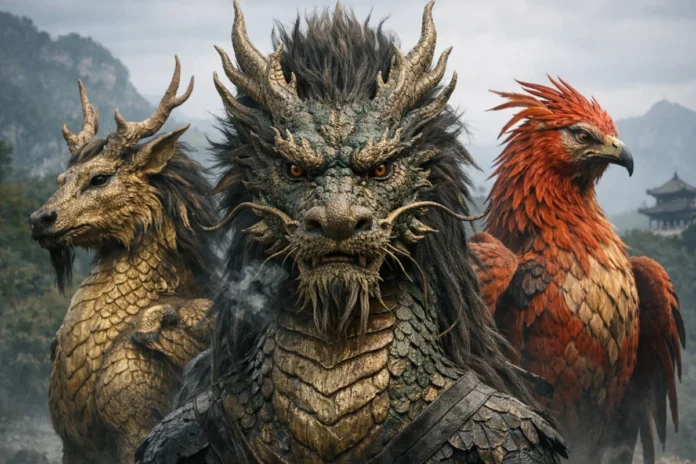
1600 BCE - 220 CE. Ancient China saw the rise of the Shang, Zhou, and Han dynasties. Chinese mythology revolved around deities like the Jade Emperor and mythical creatures like the dragon, symbolizing power, strength, and wisdom.Qilin, a mythological beast similar to a unicorn, was also believed to bring good fortune. These creatures were central to Chinese beliefs about harmony between heaven and earth.

Ancient Egypt

3000 BCE - 30 BCE. Ancient Egypt, located along the fertile Nile River, was one of the world's most enduring civilizations. The Egyptians built monumental structures like the pyramids and temples, with a rich belief system centered around gods like Ra, Osiris, and Isis.The Sphinx, with the body of a lion and the head of a human, symbolized strength and wisdom in Egyptian mythology. The elaborate burial rituals of the pharaohs, including mummification, reflected their belief in the afterlife.

Ancient Israel

1800 BCE - 586 BCE. Ancient Israel emerged in the Levant, with its people developing early monotheistic beliefs centered around Yahweh. Their history is recorded in the Hebrew Bible, which documents their struggles and covenant with their god.Mythological creatures like the Leviathan and Behemoth were central to Israelite stories, symbolizing the power of chaos and divine control over nature. This period also saw the rise of prophetic figures like Moses.

Bronze Age

3300 BCE - 1200 BCE. The Bronze Age is defined by the widespread use of bronze for tools and weapons, which revolutionized warfare and agriculture. Major civilizations like Mesopotamia, Egypt, and Greece rose to prominence during this period, developing writing systems, laws, and trade networks.Mythological beasts such as the Sphinx in Egypt and the Minotaur in Greece were central to religious and cultural beliefs. These hybrid creatures often represented the divine and were thought to bridge the gap between humans and gods.

Early Dynastic

3000 BCE - 2400 BCE. The Early Dynastic period in Mesopotamia marks the rise of powerful city-states like Ur and Uruk. During this era, rulers such as Gilgamesh emerged, and the foundations of what would later become sophisticated law systems and religious structures were established.This period's mythology included stories of gods and demigods, with creatures like the Lamassu, a protective deity with a human head and bull's body, symbolizing power and protection.

Hittite Empire

1600 BCE - 1178 BCE. The Hittite Empire, centered in Anatolia, was a formidable power that rivaled Egypt and Mesopotamia. They were known for their advanced legal system, use of chariots in warfare, and a vast empire that extended across the Near East.

Indus Valley

3300 BCE - 1300 BCE. The Indus Valley Civilization, located in modern-day Pakistan and northwest India, is known for its advanced urban planning, including grid-like streets and complex drainage systems. This civilization thrived on agriculture and trade, reaching its peak between 2500 BCE and 1900 BCE.The Indus Valley people had a strong connection to nature, and their mythology likely revolved around fertility and agricultural deities. Seals depicting animals like bulls, tigers, and elephants suggest a reverence for the natural world.

Iron Age

1200 BCE - 600 BCE. The Iron Age marked the transition from bronze to iron as the dominant material for tools and weapons. This era saw the rise of empires like the Hittites and Assyrians, which used iron weapons to expand their territories.Mythology during this period included powerful beings like the Cyclops in Greek mythology, who forged weapons for the gods. Iron was often associated with strength and resilience.

Mesopotamian

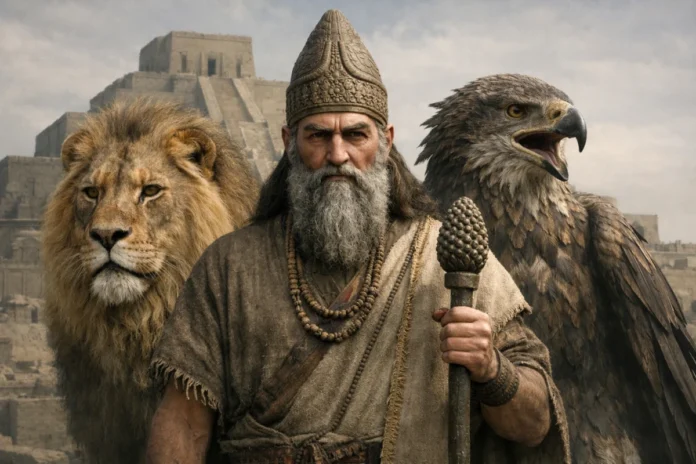
3500 BCE - 500 BCE. Mesopotamia, the land between the Tigris and Euphrates rivers, is often called the cradle of civilization. This region saw the rise of several powerful empires, including Sumer, Babylon, and Assyria. Mesopotamians developed early writing, law codes, and complex religious beliefs.Their mythology featured gods like Enlil and Ishtar, as well as powerful beasts like the Anzu bird and Tiamat, a dragon of chaos. These beings symbolized the forces of nature and the cosmos.

Minoan Civilization

3000 BCE - 1450 BCE. The Minoan Civilization, located on the island of Crete, is known for its palatial centers, complex architecture, and vibrant art, including frescoes depicting daily life and religious rituals. They were an advanced seafaring society with a significant influence on the Aegean region.

Mycenaean Greece

1600 BCE - 1100 BCE. The Mycenaean civilization, which flourished on the Greek mainland, is renowned for its fortified palaces, Linear B script, and legendary figures such as Agamemnon. This society played a key role in the development of later Greek culture and the epics of Homer.

Nok Culture

1500 BCE - 500 CE. The Nok Culture of West Africa is recognized for its terracotta sculptures, which represent some of the earliest examples of advanced ironworking technology on the continent. This society engaged in agriculture and iron smelting, which greatly influenced later West African civilizations.

Olmec

1500 BCE - 400 BCE. The Olmec Civilization is one of the earliest known Mesoamerican cultures, famous for its colossal stone heads and intricate jade artifacts. This society laid the groundwork for future Mesoamerican civilizations and was deeply involved in agriculture, pottery, and religious practices.

Persian Empire

550 BCE - 330 BCE. The Persian Empire, founded by Cyrus the Great, was one of the largest empires in history, stretching from the Middle East to the Indus Valley. Zoroastrianism, the state religion, shaped their understanding of good and evil.Mythological creatures like the Simurgh, a benevolent bird, and Azhdaha, a dragon-like beast, were central to Persian myths. These beings often represented the battle between order and chaos.

Vedic

1500 BCE - 500 BCE. The Vedic period in India marked the development of Hinduism's foundational texts, the Vedas. These scriptures guided religious and philosophical practices in the Indian subcontinent, with gods like Indra and Agni playing significant roles.Mythological creatures like the Makara, a sea creature, and Garuda, a divine bird, were central figures in Vedic mythology. These creatures often symbolized protection and victory.

Overview of the Ancient Period

The Ancient period, spanning from approximately 3000 BCE to 500 CE, was characterized by the rise and fall of major civilizations such as Mesopotamia, Egypt, Greece, and Rome. These societies laid the foundations for many contemporary cultural and religious systems. Myths and folklore played a crucial role in shaping community identity and social norms, acting as a bridge between the natural and supernatural worlds. Historical narratives often interwove with spiritual beliefs, making mythology a significant tool for understanding the universe.

During this time, mythological narratives served as vehicles for cultural continuity and transformation. They were not merely stories but frameworks through which societies understood cosmic order and human existence. The essential elements of life, such as creation myths and heroic tales, became integral to community traditions. The Ancient period’s myths offered explanatory models for natural phenomena, human behavior, and the complexities of life and death.

Cultural and Religious Worldviews

Dominant Belief Systems

The Ancient period was marked by a polytheistic worldview, with numerous gods and goddesses influencing every aspect of life. Deities were often associated with natural forces, such as the sun, moon, oceans, or fertility. Spiritual systems varied widely across cultures, but a common thread was the belief in a pantheon that personified natural elements and human characteristics. Magic and ritual practices were considered essential for communicating with divine entities and maintaining cosmic balance.

People of this era often believed in an intricate relationship between the earthly realm and a divine hierarchy. This understanding structured their cosmology and daily practices, guiding decision-making, agriculture, and governance. The divine was seen as both immanent and transcendent, with rituals and offerings as means to secure favor. Sacred sites and temples were focal points for communal worship, reflecting a deeply ingrained religious consciousness.

Role of Myth in Daily Life

Myths in the Ancient period were not just narratives; they were integral to societal function. They dictated moral frameworks, provided warnings, and offered exemplary tales of heroism and virtue. These stories were tools for enforcing social norms and guiding behavior. Community events often revolved around myth-based festivals, which reinforced collective identity and social cohesion. Myths were also educational, transmitting knowledge and values from one generation to the next.

The significance of myth in daily life extended to conflict resolution and legitimization of authority. Leaders often traced their lineage to gods or legendary figures, thus justifying their rule. Myths provided a shared language to address existential questions and social issues, creating a unified cultural narrative that transcended individual differences. This role made mythology indispensable for maintaining order and harmony.

Mythological Beasts and Supernatural Entities

Common Types of Mythical Creatures

The Ancient period saw a rich tapestry of mythical creatures, including dragons, griffins, sphinxes, and centaurs. These beings often embodied the intersection between animal, human, and divine realms. Their forms and attributes varied across cultures, reflecting local environments and socio-political realities. Spirits and supernatural entities were thought to inhabit forests, rivers, and celestial spheres, acting as intermediaries between worlds. These creatures played roles in creation myths, epic tales, and religious texts.

Dragons, for instance, appeared in many mythologies as symbols of chaos or guardians of sacred spaces. Griffins were often depicted as protectors of treasures, combining the strength of a lion with the vision of an eagle. Sphinxes, with their enigmatic presence, were seen as keepers of wisdom and riddles. Centaurs, merging human intellect with animal instinct, represented the duality of human nature. Each creature served a specific narrative purpose within its cultural context.

Symbolism and Meaning

Mythical creatures in the Ancient period symbolized complex ideas and emotions. They were often embodiments of natural forces, human desires, or societal fears. These symbols offered insight into the cultural psyche, reflecting collective hopes, anxieties, and aspirations. Dragons, for instance, might symbolize destruction and regeneration, while griffins stood for vigilance and strength. Sphinxes were associated with mystery and prophecy, challenging humans to seek deeper understanding.

These creatures often served as metaphors for the unknown, offering explanations for phenomena beyond human comprehension. Their symbolic roles varied, sometimes representing divine wrath, other times protection or guidance. The spiritual meaning ascribed to these entities influenced art, literature, and ritual practices. This symbolic complexity made them enduring figures in mythological narratives, transcending temporal and geographical boundaries.

Folklore Traditions and Storytelling

Oral and Written Transmission

Storytelling in the Ancient period relied heavily on oral traditions, with myths and legends preserved through generations by bards and storytellers. These narratives were often recited during communal gatherings, festivals, and religious ceremonies. Inscriptions and early manuscripts later complemented oral traditions, ensuring the preservation of key myths. Texts like the Epic of Gilgamesh and Homeric epics exemplify how oral tales transitioned into written forms, capturing the imagination of subsequent generations.

Storytellers played a vital role in shaping and transforming these narratives, adapting them to changing cultural contexts and societal needs. The fluid nature of oral transmission allowed for regional variations, with local adaptations reflecting distinct cultural identities. The transition from oral to written forms marked a critical evolution in how mythical knowledge was disseminated and preserved, influencing later literary traditions.

Regional Variations

Mythical narratives often varied significantly across regions, shaped by local beliefs, geography, and historical events. For example, the dragon motif differed between Eastern and Western traditions. In China, dragons symbolized benevolence and imperial power, while in Europe, they often represented chaos. Such variations illustrated how regional environments and cultural interactions influenced the evolution of mythological themes, accommodating diverse interpretations.

These differences highlighted the adaptability of myths, allowing them to resonate with specific cultural experiences and values. Regional variations also reflected the exchange of ideas and motifs across trade routes and cultural boundaries. This dynamic exchange enriched mythological traditions, fostering a tapestry of diverse yet interconnected narratives. Understanding these nuances is essential for appreciating the complexity and richness of ancient folklore.

Relationship Between Humans and the Mythical World

Fear, Protection, and Reverence

Humans in the Ancient period had complex relationships with mythical creatures, viewing them with fear, reverence, or as sources of protection. Some beings, like demons and monsters, were feared as harbingers of doom, requiring appeasement through ritual. Others, like guardian spirits or divine messengers, were revered as protectors or guides. This duality reflected human attempts to navigate the uncertainties of the natural and supernatural worlds.

The perceived power of these entities influenced societal behaviors and religious practices, shaping rituals and offerings intended to secure protection or favor. This relationship was reciprocal, with humans seeking to harness or mitigate supernatural influence. Myths provided frameworks for understanding these interactions, offering insights into human nature and existential dilemmas. This intricate bond between humans and mythical beings underscored the stability of ancient belief systems.

Influence on Art and Material Culture

Mythical themes from the Ancient period profoundly influenced art and material culture. Iconography of gods, heroes, and mythical creatures appeared prominently in sculpture, pottery, and architecture. Temples and monuments often featured carvings and reliefs depicting legendary narratives, serving as visual storytelling mediums. These artistic expressions reinforced cultural values and religious beliefs, offering tangible connections to the mythological world.

Myth-inspired motifs also appeared in everyday objects, such as jewelry, clothing, and tools, reflecting the pervasive influence of mythology in daily life. These artifacts provided insights into ancient aesthetics, craftsmanship, and symbolic language, illustrating the integration of myth into tangible culture. The enduring appeal of these themes in art and material culture underscored their significance as cultural touchstones, transcending temporal and geographical boundaries.

Transition and Legacy of the Ancient Period

The transition from the Ancient period saw significant transformations in mythological concepts, driven by cultural exchanges and historical developments. As empires rose and fell, myths evolved, adapting to new religious and philosophical frameworks. Many ancient narratives persisted, influencing later traditions like Christianity, Islam, and regional folklore. Elements of ancient mythologies were absorbed, reinterpreted, or syncretized, reflecting ongoing cultural dialogues between past and present.

While some myths faded into obscurity, others attained new relevance, serving as allegories or moral lessons. The legacy of ancient mythological themes is evident in literature, art, and philosophy, offering enduring lessons and inspirations. This continuity illustrates the resilience and adaptability of mythological narratives, as they continue to shape cultural identities and worldviews. The rich tapestry of ancient mythology remains a vital resource for understanding human creativity and imagination.

Historical Reliability and Interpretation

Interpreting mythological material from the Ancient period involves navigating challenges of historical reliability and symbolic complexity. Many sources are fragmentary or biased, requiring careful analysis and corroboration. Scholars rely on archaeology, comparative studies, and textual criticism to reconstruct these narratives. However, interpretation varies, reflecting differing cultural perspectives and academic approaches. The symbolic nature of myths requires understanding beyond literal readings, recognizing them as reflections of collective consciousness.

No verified sources describe every aspect of ancient mythology, and gaps persist in documentation. Scholars emphasize the importance of context, recognizing the fluidity and adaptability of myths across cultures and time. While historical facts underpin some elements, distinguishing between belief and historical reality remains crucial. This critical approach enhances understanding of ancient myths as dynamic, living traditions, offering insights into the human condition and cultural evolution.