Fire Breathing – an Overview
Fire Breathing occupies a distinct place in mythology, characterized by its unique elemental association and dramatic presence. It is recognized not merely as an extension of power but as an archetypal force intrinsic to mythical beings and phenomena. Its mythological classification reflects a symbolic, elemental mastery over fire, demarcating it from other supernatural effects. Historically, cultures have identified Fire Breathing as a separate category due to its potent destructive influence and transformative impact on mythic narratives.
Manifestation and Constraints
How Fire Breathing Is Expressed
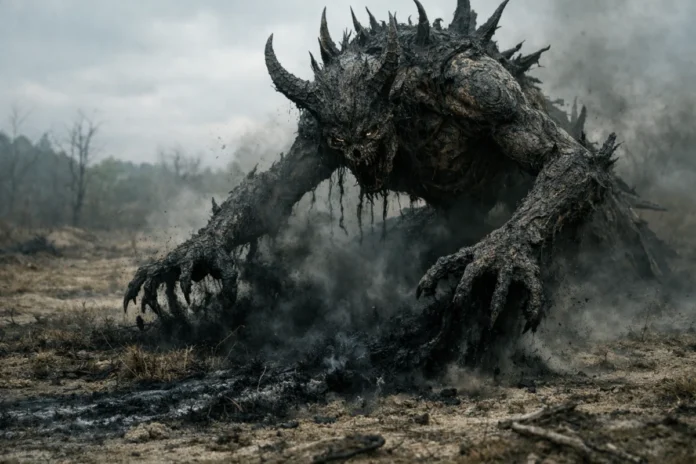
In mythological traditions, Fire Breathing often manifests through destructive ecological consequences, such as scorched landscapes, or through the transformative power of creatures or gods. The phenomenon’s descriptive accounts emphasize environmental disruptions, showcasing how the fiery breath alters natural and cosmic orders. Legends may recount entire forests ablaze or cities reduced to ashes, illustrating the cataclysmic impact attributed to this function. These effects highlight the dynamic and often devastating interaction between mythical entities and their environments.
Limits and Conditions
Fire Breathing is constrained by symbolic and moral frameworks within mythological narratives, often reserved for specific beings or moments of great significance. These constraints reflect deeper cultural understandings of power and responsibility. Typically, Fire Breathing is not portrayed as an ability available to all; instead, it is depicted within specific contexts where legitimacy and moral order are at stake. In some traditions, it may signify divine retribution or the crossing of moral boundaries, reinforcing its restricted and conditional use.
Mythological Role and Meaning
Symbolic and Cultural Significance
Fire Breathing is rich in symbolic meaning, often representing purification, destruction, or divine wrath within mythological contexts. Its presence in stories underscores the dual nature of fire as both life-giving and life-taking. Culturally, it can embody transformative power, cleansing corruption, or severing the old to make way for the new. Such themes resonate with human psychological and spiritual experiences, reflecting societal fears, aspirations, and the eternal struggle between order and chaos. These symbolic layers contribute to its enduring place in cultural imagination.
Fire Breathing in Myth and Folklore
Mythological narratives employ Fire Breathing to establish authority, illustrate transgression, or delineate cosmic boundaries. It frequently signifies a turning point in tales, marking the hero’s challenge or the antagonist’s overwhelming might. Fire Breathing may enforce divine or natural laws, emphasizing the consequences of hubris or moral failings. These stories utilize fiery breath to communicate deeper truths about power dynamics and moral imperatives, without necessarily detailing every narrative but rather focusing on the thematic roles it plays.
Beasts with Fire Breathing
Dragons
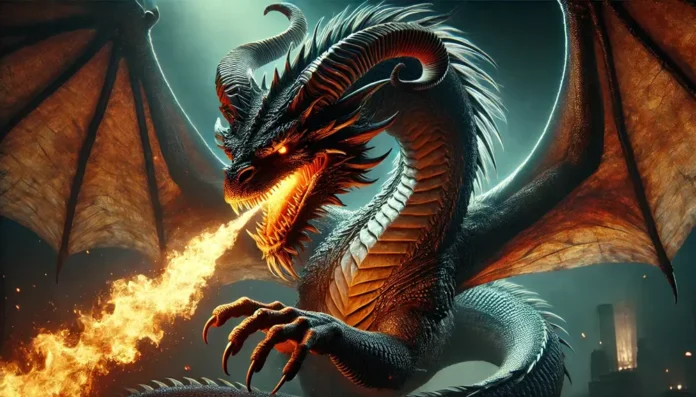
Dragons are emblematic of Fire Breathing, appearing in numerous cultures as powerful, often malevolent beings. In Western traditions, dragons are frequently described as fire-breathing creatures that guard treasures or ancient secrets. This characteristic is essential to their mythological identity, symbolizing their immense power and potential for destruction. Without Fire Breathing, the dragon would lose its deeply rooted connection to elemental force and its narrative function as a formidable obstacle.
Chimera
The Chimera of Greek mythology is another creature defined by Fire Breathing. Its composite nature, combining lion, goat, and serpent elements, is augmented by the ability to breathe fire. This feature contributes to its fearsome reputation and its role as a monstrous adversary. Within the narrative, Fire Breathing serves to amplify the Chimera’s threat level, embodying chaos and hybridity that defy natural order. The Chimera’s story, therefore, hinges on its fiery breath, making it central to understanding its mythological role.
Zhu Rong
Zhu Rong, a Chinese mythological figure associated with fire and the South, is often depicted with fire-breathing attributes. As a god of fire, he embodies the element’s destructive and nurturing qualities. His Fire Breathing is not merely a power but a reflection of his governance over fire’s dualistic nature. Zhu Rong’s identity as a fire deity is incomplete without this attribute, as it underscores his dominion and symbolic connection to cosmic balance. This makes Fire Breathing an integral aspect of his mythological portrayal.
Cultural Interpretations and Regional Emphasis
Fire Breathing is interpreted diversely across cultural landscapes, with variations in symbolism, moral implications, and cosmological roles. In Western cultures, Fire Breathing often signifies destruction and malevolence, whereas Eastern traditions might emphasize purification and rebirth. This divergence reflects differing cultural attitudes towards fire and elemental forces. For example, in Norse mythology, fire signifies chaos and the end of worlds, while in Hindu mythology, it can represent divine cleansing and renewal. Such contrasts highlight the complexity of Fire Breathing across traditions.
Similar or Related Mythological Functions
Adjacent to Fire Breathing are mythological functions like thunderous voice or storm summoning, which share elemental and destructive themes. The thunderous voice, for example, symbolizes divine wrath or command, echoing fire’s purifying destruction. However, these functions maintain distinct identities within myth; fire consumes, while thunder commands. Their separation underscores different divine roles or symbolic messages. Each element serves unique narrative purposes, maintaining their conceptual boundaries while contributing to a tapestry of mythological expression.
Historical Interpretation and Evidence Limits
Scholarly interpretations of Fire Breathing often explore its symbolic versus literal meanings, with a focus on cultural context. Some traditions may depict it literally, while others use it metaphorically to explore themes of power or transformation. Historical sources frequently lack comprehensive explanations, leading to interpretive challenges and scholarly debate. No verified sources provide exhaustive insights into all cultural contexts, necessitating careful analysis of available texts and artifacts. Understanding Fire Breathing requires recognizing these evidentiary gaps and respecting the diversity of its mythological presentations.