
Magic & Divinity
Magic & Divinity in mythology encompasses supernatural abilities granted by divine powers or mystical sources, influencing fate and nature.
Relevant Beasts
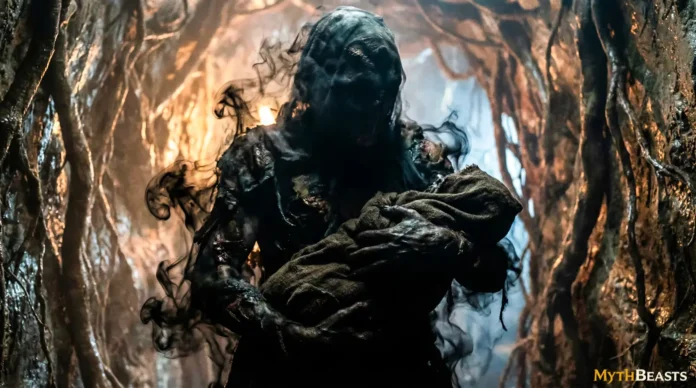
The Āl is a folkloric figure associated with childbirth danger in Iranian and Caucasian traditions, reflecting historical fears surrounding...
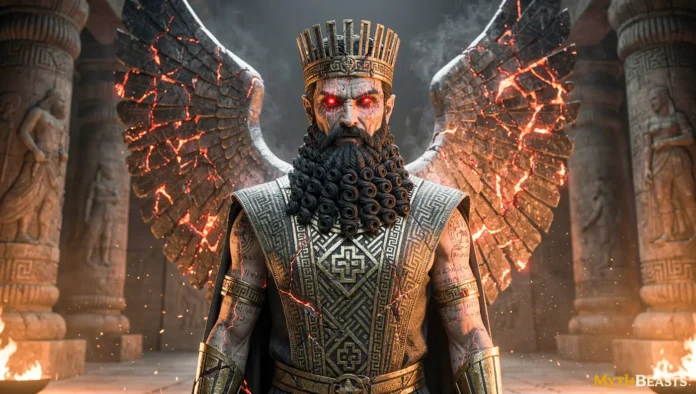
Aeshma - a Zoroastrian demon of wrath and violence who disrupts ritual, drives humans to rage and bloodshed, and...

The Taotie is a monstrous entity known for its insatiable hunger, symbolizing greed and excess in Chinese culture.
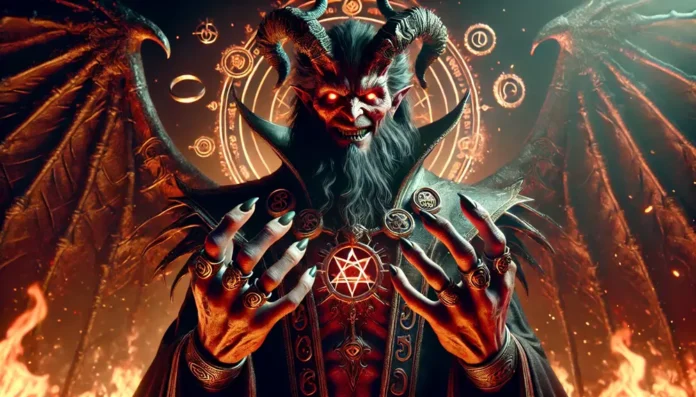
Asmodeus, rooted in Hebrew demonology, is a king of demons known for lust and chaos, feared in Jewish lore...
Sub Categories
Arcane Channeling
Arcane channeling allows the user to tap into raw arcane energies, enhancing the potency and range of their spells. This ability provides access to unparalleled magical power, but requires immense focus.
Arcane Rituals
Arcane rituals involve complex ceremonies that summon powerful magic, allowing the user to commune with higher beings, alter reality, or summon divine entities.
Arcane Weaponry
Arcane weaponry allows the user to summon and wield weapons made of pure arcane energy. These weapons are highly durable and can be formed into various shapes to suit the user's needs in battle.
Aura of Divinity
The power to project an aura that radiates divine presence, inspiring awe, fear, or devotion in those around. This aura is often possessed by gods, angels, or demigods, symbolizing their divine nature and authority.Aura of Divinity grants immense influence over mortals, who may be drawn to the divine light.
Aura of Power
The ability to project an aura that boosts the strength, speed, or abilities of oneself or others. Gods of war, divine champions, or powerful leaders often wield this skill, empowering those around them.Aura of Power enhances the physical or magical capabilities of allies, making them more effective in battle.
Aura of Protection
Aura of Protection is a mythological skill believed to create a defensive barrier around individuals or groups. This barrier is said to repel harmful influences and negative energies. It is often described as an invisible shield, enhancing physical and spiritual safety by preventing malevolent forces from penetrating the protected space.In various mythologies, the aura is thought to be activated by divine favor or ritualistic invocation. It can influence the mental state, instilling calm and courage in those it surrounds. The aura's presence is sometimes linked to purity, virtue, or a sacred connection to benevolent deities, reflecting a harmonious balance with the universe.
Barrier Creation
The ability to create magical or physical barriers that block attacks or protect individuals or places. Sorcerers, gods, or divine guardians use this power to shield themselves or others from harm.The barriers can take many forms, including energy shields, force fields, or walls of light.
Blessing of Protection
Blessing of protection bestows divine protection upon an individual, enhancing their physical and magical defenses and shielding them from harm. It also repels curses and dark magic.
Disease Manipulation
Disease Manipulation is a mythological skill enabling figures to control, spread, or cure diseases. This ability often appears in myths involving divine punishment or healing, reflecting cultural understandings of illness. It can manifest as the power to inflict plagues on communities or to alleviate suffering by removing sickness, highlighting the dual nature of disease as both a curse and a blessing.In various mythologies, deities or supernatural beings wield Disease Manipulation to enforce moral codes or demonstrate power. Such figures might be revered or feared, depending on their use of the skill. The ability underscores the significance of disease in human life, symbolizing the precarious balance between health and illness, life and death.
Divine Blessing
The ability to bestow divine favor upon others, granting them enhanced abilities, protection, or luck. Gods, angels, or powerful priests bless their followers, imbuing them with temporary or permanent power.Divine Blessings symbolize the connection between mortals and higher spiritual forces.
Divine Light
Divine Light is a mythological skill often associated with illumination and revelation, symbolizing purity and truth. It dispels darkness, both literal and metaphorical, revealing hidden truths and guiding seekers towards enlightenment. In various traditions, this light is believed to cleanse impurities, heal ailments, and protect against malevolent forces. It is frequently depicted as emanating from deities or sacred beings, underscoring their transcendent nature.This skill affects the world by establishing a boundary between the sacred and the profane, often marking holy ground or sanctified spaces. It can influence minds by inspiring clarity, wisdom, and moral insight, while sometimes also affecting bodies by restoring vitality or granting divine protection. Mythologically, Divine Light serves as a beacon, guiding individuals on spiritual journeys and facilitating communication between the divine and mortal realms.
Divine Protection Ward
Divine protection ward allows the user to create a protective barrier infused with divine energy. This ward shields the user and allies from harm, repelling both physical attacks and dark magic.
Divine Smite
Divine smite allows the user to call upon divine power to strike down enemies with a powerful blow, particularly effective against evil or undead creatures. This ability deals physical and spiritual damage.
Elemental Fusion
The ability to combine different elemental forces (e.g., fire and water) and control them simultaneously. This power is often seen in elemental gods or hybrid creatures that manipulate multiple natural elements at once.Elemental Fusion allows for versatile and destructive combinations of nature’s raw power.
Enchantment
Enchantment in mythology refers to the ability to alter perceptions, emotions, or realities through supernatural means. It often involves casting spells or using magical objects to achieve desired effects. This skill can create illusions, compel actions, or transform environments, blurring the line between the natural and supernatural realms.Enchantment affects individuals or surroundings by manipulating their inherent properties or perceptions. It is commonly associated with charm, allure, and persuasion, influencing thoughts and behaviors. Mythological narratives often depict enchanters as wielders of profound power, capable of reshaping reality according to their will or intent.
Energy Absorption
Energy Absorption is a mythological skill where an entity draws in energy from its surroundings, often leading to rejuvenation or increased power. This process typically involves converting external energy into a form usable by the entity, affecting its vitality or abilities.In mythology, Energy Absorption may blur boundaries between entities and their environment, influencing natural or supernatural balances. It can impact minds and bodies by enhancing strength, healing, or prolonging life, depending on the tradition.
Energy Constructs
The power to create solid objects out of pure energy, such as weapons, barriers, or tools. This skill is often used by powerful magical beings or gods, who can shape energy into any form they desire.Energy Constructs are versatile and can be used for both offense and defense.
Energy Projection
The ability to release concentrated blasts or beams of pure energy, often used in combat to attack enemies or create force fields. Gods, sorcerers, and powerful magical beings wield Energy Projection to devastate foes from a distance.The energy can take various forms, including fire, lightning, or raw magical power.
Forbidden Knowledge
Forbidden Knowledge in mythology typically refers to insights or truths beyond human comprehension, often associated with divine or cosmic realms. This knowledge can disrupt the natural order, leading to unforeseen consequences for those who acquire it. It is frequently depicted as a source of power but also as a potential curse, highlighting the tension between human curiosity and the limits of mortal understanding.Possession of Forbidden Knowledge often results in significant transformations of the mind or body, sometimes causing madness or alienation from human society. Mythological narratives frequently caution against its pursuit, suggesting that such knowledge can erode personal boundaries and societal norms. It serves as a reminder of the potential dangers inherent in overreaching human limitations and the respect required for cosmic mysteries.
Holy Fire
Holy fire is a divine flame capable of incinerating evil and darkness. This purifying energy is used to cleanse corruption and smite enemies, targeting only those tainted by evil.
Magic Manipulation
Magic manipulation in mythology refers to the ability to control, alter, or influence magical forces or energies. It encompasses actions like casting spells, creating illusions, and changing reality's fabric.This skill often involves altering natural laws or perceptions, affecting both physical and metaphysical realms. Practitioners are depicted as wielding considerable power, capable of transforming environments or affecting individual destinies.
Magic Negation
Magic negation allows the user to cancel out or nullify any spell or magical effect within their vicinity. This ability is highly effective in neutralizing enemy magic and protecting against harmful enchantments.
Magical Amplification
The power to enhance the magical abilities of oneself or others, increasing the strength of spells, enchantments, or magical artifacts. This skill is used by wizards, magical beings, or gods to boost the potency of their powers.Magical Amplification can turn simple spells into devastating attacks.
Magical Armor Creation
Magical armor creation allows the user to forge protective armor out of pure magic. This armor is durable and adaptable, able to withstand both physical and magical attacks.
Magical Cloaking
The ability to hide oneself from magical detection or surveillance, rendering the user invisible to magical sight. This power is often used by powerful wizards, spirits, or deities who wish to remain undetected.Magical Cloaking is essential for stealth or espionage in magical realms.
Magical Immunity
The ability to resist or nullify magical spells or attacks. Creatures with Magical Immunity are protected from most forms of sorcery, hexes, or curses, making them nearly invulnerable to magical interference.This skill is often possessed by divine beings, enchanted warriors, or powerful wizards.
Magical Seals
The power to create binding spells or magical seals that trap, restrain, or contain other beings, spirits, or powers. This ability is often used by powerful wizards, priests, or divine beings to prevent dangerous entities from escaping or wreaking havoc.Magical Seals ensure control over chaotic forces.
Mana Leeching
Mana leeching enables the user to drain mana from enemies, replenishing their own reserves. This ability is particularly useful in prolonged battles, weakening enemies while sustaining the user’s spellcasting.
Mana Overload
Mana overload allows the user to harness an excessive amount of mana and unleash it in a devastating burst of raw magical energy. This powerful but dangerous offensive spell can overwhelm enemies and destroy barriers.
Mana Shield
Mana shield creates a protective barrier that absorbs incoming damage, converting it into mana depletion instead of physical harm. It provides defense against both physical and magical attacks, but drains mana with each hit.
Mystic Time Manipulation
Mystic time manipulation grants the user control over time, allowing them to slow, accelerate, or freeze time in a localized area. This ability can be used to dodge attacks, speed up actions, or freeze enemies.
Mystical Scrying
Mystical scrying allows the user to observe distant locations or other dimensions through magical means. This ability provides valuable reconnaissance by revealing visions of the past, present, or possible futures.
Omnilingualism
The ability to understand and speak any language without prior knowledge. This skill is often granted by gods of knowledge or communication, allowing the user to communicate across cultures, species, or even with divine beings.Omnilingualism represents the breaking of language barriers and the sharing of wisdom.
Power Absorption
The ability to absorb the magical or supernatural powers of others, temporarily or permanently gaining their abilities. Power Absorption is often wielded by dark sorcerers, gods, or magical beings who wish to grow stronger by taking the powers of others.This ability makes the user a formidable and unpredictable opponent.
Reality Bending
The ability to subtly alter reality, bending the rules of the physical world without completely breaking them. Unlike full-scale reality warping, Reality Bending allows the user to make small, seemingly impossible changes to their environment.This power can include walking through walls or changing the properties of objects.
Reality Warping
The ability to alter or bend the fabric of reality itself, changing physical laws, altering space and time, or creating impossible phenomena. Reality Warping is one of the most powerful abilities in mythology, often wielded by gods, cosmic entities, or sorcerers.It grants immense control over the very essence of the universe.
Rune Casting
Rune casting enables the user to inscribe powerful runes that hold magical properties. These runes can be used to create barriers, enhance spells, or summon magical creatures, making it a versatile form of magic.
Sacred Relic Empowerment
Sacred relic empowerment allows the user to imbue divine power into sacred artifacts, enhancing their abilities. These relics become powerful tools for blessings, protection, or miracles.
Sanctuary Creation
Sanctuary creation allows the user to establish a sacred space where no harm can come to those within. This sanctuary shields from physical, magical, and spiritual attacks, making it a haven in dangerous times.
Soul Forging
Soul forging grants the user the ability to manipulate and bind souls, shaping them into powerful artifacts or weapons. Soul forging creates legendary items infused with the power of the souls used in the process.