
back to top

Mind Control

Explore the mythological concept of mind control, a skill representing mental influence and manipulation across various cultures.

Relevant Beasts

Asia
Human-Animal Shifter
Huli Jing - Chinese folklore
China

Huli Jing

The Huli Jing is a shapeshifting fox spirit from ancient Chinese mythology, known for its illusion powers, beauty,...
  • Skills
Mental PowersMind Control
  • Weaknesses
Divine RestrictionsExorcism
North America
Abyssal Guardian
Beholder - dungeons & dragons
USA

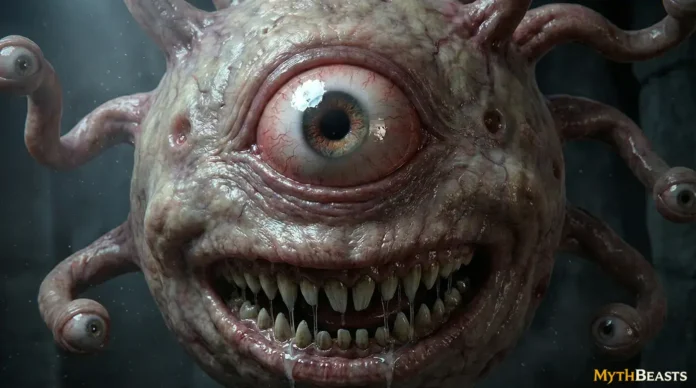
Beholder

Beholders are otherworldly creatures with a central eye and many smaller eye stalks, each capable of casting powerful magical...

  • Skills
Life DrainMind Control
  • Weaknesses
Anti-MagicLight
Hebrews
Demonic Form
Hebrews

Azazel

Azazel is a powerful demon in Jewish mythology, known for his role in carrying away sins and spreading forbidden...

  • Skills
Forbidden KnowledgeMind Control
  • Weaknesses
Blessed WeaponDivine Restrictions
Hebrews
Dark Spirit
Lilith - Mythbeasts.com
Hebrews

Lilith

Lilith, a symbol of feminine defiance, evolves from a demoness in ancient mythology to a modern icon of independence...

  • Skills
Mental PowersMind Control
  • Weaknesses
Divine RestrictionsHoly Water
Europe
Spirit Bringer
Jewish Folklore

Dybbuk

A malevolent spirit that possesses the living, causing distress and sickness in Eastern European Jewish folklore.

  • Skills
Death & NecromancyMental Powers
  • Weaknesses
Divine RestrictionsHoly Ground

Mind Control – an Overview

Mind Control within mythological contexts is a distinctly recognized function, separate from general supernatural abilities. It denotes an entity’s power to influence thoughts, emotions, or actions directly. This separation highlights its perceived importance in shaping narratives and moral lessons. Unlike general witchcraft or magic, Mind Control often involves direct interaction with a victim’s autonomy, raising questions of free will and ethical boundaries.Recognized traditionally across many cultures, Mind Control often appears in stories where authority is subverted or relationships are manipulated. Mythological systems treat it as a unique category due to its profound effects on social order and personal identity. Its distinct boundaries are not only conceptual but also moral, as its use often challenges natural laws and ethical principles. Entities wielding Mind Control are frequently depicted as either divine or demonic, signifying its potent influence.

Manifestation and Constraints

How Mind Control Is Expressed

Mind Control manifests through observable changes in a person’s behavior or through large-scale impacts on communities. Traditionally, these effects might include sudden shifts in allegiance, unexplained actions contrary to personal beliefs, or collective delusions affecting entire societies. Environmental disruption, like altered weather patterns or unnatural silence, often serves as an external sign of Mind Control’s influence in mythology. Such manifestations are rarely described in terms of invisible processes; rather, they become apparent through their disruptive outcomes.

Limits and Conditions

The constraints on Mind Control are deeply rooted in symbolic and moral frameworks. Many traditions impose limits tied to environmental conditions, such as needing sacred spaces or specific times when such influence is possible. Cosmologically, Mind Control often requires alignment with celestial events or divine permissions. These constraints not only define its limits but also reinforce its legitimacy within the narrative. For instance, in some cultures, Mind Control can only be exerted under lunar influence, reflecting a belief in its inherent association with cycles and transformation.

Mythological Role and Meaning

Symbolic and Cultural Significance

Within mythological worldviews, Mind Control carries rich symbolic meanings. It often signifies the struggle between personal autonomy and external authority, symbolizing societal fears of manipulation and control. Psychologically, it reflects inner conflicts or the subjugation of individual will, serving as a metaphor for overpowering influence. Culturally, its presence underscores themes of power dynamics and the moral implications of control over others. In some traditions, Mind Control symbolizes the ultimate test of character, where resistance or surrender reveals deeper truths about individuals or communities.

Mind Control in Myth and Folklore

Mind Control functions in mythological narratives as a mechanism for structuring authority and illustrating transgression. It serves to explain shifts in power, whether in divine hierarchies or human societies. Such narratives often involve figures who wield this power to maintain order or disrupt it, creating stories of transformation or boundary formation. The presence of Mind Control in these myths underscores its importance in defining social and cosmic orders, portraying both its potential for harmony and chaos.

Beasts with Mind Control

Ndembu

Originating from African folklore, the Ndembu are creatures known for their ability to compel humans to act against their will. Without Mind Control, they lack depth as mere tricksters. This power defines their role in stories, highlighting themes of temptation and moral testing.

Sirens

In Greek mythology, Sirens are creatures whose Mind Control is exercised through enchanting music and voice. Without this ability, they would not serve as symbols of dangerous allure. Their control over sailors represents dangers of surrendering to desire, reinforcing themes of caution and wisdom.

Rakshasa

Indian mythology describes Rakshasas as demons capable of altering perceptions. Their identity hinges on Mind Control, allowing them to deceive and conquer. Without this power, they lose their role as chaotic disruptors of order, feared for their subversion of reality.

Cultural Interpretations and Regional Emphasis

Mind Control receives varied interpretations across cultures, reflecting divergent moral and symbolic frameworks. In Western traditions, it often embodies fear of loss of self. Conversely, Eastern interpretations might frame it as a skill of enlightenment or spiritual mastery, emphasizing control over one’s mind first. Some African narratives treat it as a natural extension of spiritual authority, while others view it as intrinsically malevolent. These differences highlight cultural values placed on autonomy, authority, and the boundaries of influence, shaping distinct mythological roles.

Similar or Related Mythological Functions

Mind Control shares proximity with functions like possession, where entities inhabit and influence beings. However, possession is more invasive, often erasing autonomy entirely. It also parallels enchantment, which alters perceptions, but Mind Control involves deeper manipulation of will. While both affect behavior, enchantment focuses on sensory deception. Distinguishing these functions clarifies their unique mythological roles, highlighting Mind Control’s specific focus on internal will.

Historical Interpretation and Evidence Limits

Scholarly interpretation of Mind Control varies, with some viewing it as allegorical. These readings emphasize its role in exploring psychological fears and social dynamics. Meanwhile, literal interpretations focus on historical belief systems attributing such powers to specific entities. However, evidence is often fragmented, with gaps resulting from destroyed or lost texts. Biases in historical accounts, often shaped by cultural perspectives, complicate comprehensive understanding. No verified sources uniformly describe Mind Control, necessitating caution in reconstructing its historical roles.