Strength – an Overview
In mythology, Strength is a distinct function embodying physical power, endurance, or invincibility. Traditions recognized Strength as a separate category, often attributing it as a divine or heroic trait. This function was seen as essential, transcending mere physicality to symbolize cosmic balance and societal order. Unlike general supernatural effects, Strength required specific context or lineage to manifest, highlighting its revered status in mythological frameworks. The recognition of Strength underscores its importance in establishing authority, legitimacy, and continuity within mythic narratives.
Manifestation and Constraints
How Strength Is Expressed
Strength manifests through observable phenomena such as transformations, environmental changes, or divine interventions. Mythological texts describe heroes performing extraordinary feats, altering landscapes, or withstanding cosmic forces. These narratives illustrate Strength’s tangible impact, often linked with divine favor or ancestral lineage. Traditions depict Strength’s expression as a moral and cosmic force, emphasizing its influence on the natural and supernatural realms. The observable effects of Strength underscore its role in defining personal and societal boundaries within mythological contexts.
Limits and Conditions
Strength is governed by moral, symbolic, and cosmological constraints, ensuring its responsible use and contextual legitimacy. Traditions impose conditions like divine approval, moral purity, or ancestral right to wield Strength, restricting its accessibility. These constraints emphasize the sacred nature of Strength, preventing its misuse or trivialization. By limiting its scope, cultures ensure Strength maintains its symbolic power as a force of good, order, or justice, often reserved for heroes, deities, or chosen individuals within mythological narratives. This regulation underscores the balance between power and responsibility in traditional beliefs.
Mythological Role and Meaning
Symbolic and Cultural Significance
Strength symbolizes moral virtue, resilience, and divine favor in mythological traditions. It represents the triumph of order over chaos, embodying ideals of heroism and societal leadership. Culturally, Strength enforces social hierarchies and moral codes, reflecting the values and aspirations of a community. Its psychological significance lies in inspiring courage and perseverance, while cosmologically, it maintains universal balance and justice. The multifaceted symbolism of Strength highlights its integral role in shaping ethical, social, and cosmic structures, reinforcing its esteemed status across diverse traditions.
Strength in Myth and Folklore
Strength functions as a key narrative driver in myth and folklore, structuring authority, transformation, and transgression. Heroes wield Strength to enforce justice, conquer adversaries, or initiate change. It sets boundaries, defining heroes and villains, and differentiating human and divine realms. Narratives often depict Strength as a trial, testing worthiness or moral integrity. This function highlights its dual role in promoting order and challenging existing structures. By shaping mythological narratives, Strength becomes a critical device for illustrating power dynamics and moral lessons across cultures.
Beasts with Strength
Minotaur
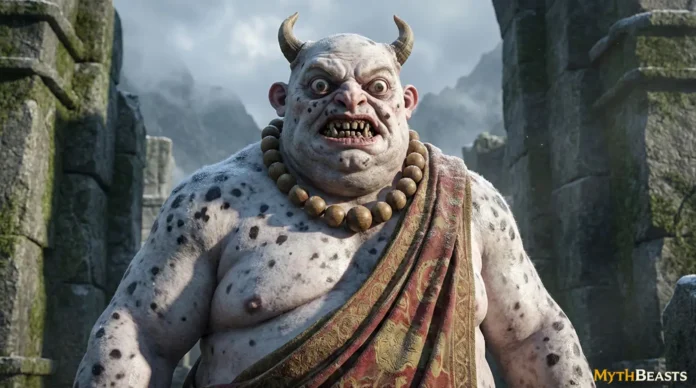
Originating from Greek mythology, the Minotaur embodies Strength as a creature with immense physical power, confined within the Labyrinth. Its strength symbolizes the chaotic force of nature and human transgression. The Minotaur’s identity, defined by its formidable presence, would be misclassified without acknowledging its central strength. This creature’s power underscores the balance between civilization and untamed forces, illustrating the cultural tension between order and chaos.
Nemean Lion
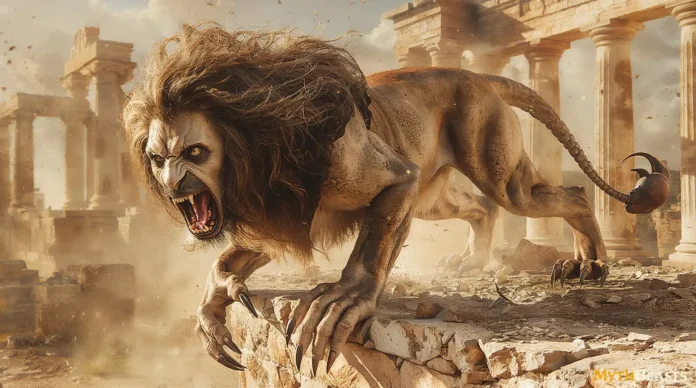
The Nemean Lion, also from Greek mythology, represents invulnerability and unmatched Strength. Heracles’ labor to defeat it emphasizes the hero’s prowess and divine favor. The lion’s impervious hide highlights its central role as a symbol of insurmountable power. Without acknowledging Strength, the narrative loses its allegorical depth. The Nemean Lion exemplifies the challenge of overcoming seemingly impossible odds, reinforcing cultural ideals of heroism.
Hercules
Hercules, a demigod in Greek mythology, personifies Strength through his legendary feats. His strength is not merely physical but also moral, facing trials to attain immortality. Hercules’ role in mythology as a hero and symbol of resilience depends fundamentally on his Strength. Detaching Strength from his narrative would undermine his legendary status and cultural impact. Hercules’ exploits demonstrate how Strength defines heroism, endurance, and divine heritage.
Cultural Interpretations and Regional Emphasis
Strength is interpreted variably across cultures, emphasizing different symbolic and moral nuances. In Norse mythology, it often indicates divine might and protection, while in Hindu epics, it aligns with dharma and cosmic order. These differences highlight regional emphasis on divine power versus ethical duty. While both traditions value Strength, the focal point diverges based on cultural narratives and cosmological views, reflecting distinct historical and social contexts. This divergence underscores how Strength embodies both universal and unique cultural meanings.
Similar or Related Mythological Functions
Functions conceptually adjacent to Strength include valor and endurance, each embodying aspects of resilience but distinct in emphasis. Valor focuses on courage and moral conviction, while endurance highlights the capacity to withstand hardship. Though related, these functions separate analytically by their narrative roles and symbolic meanings. Valor and endurance often interweave with Strength, forming a cohesive representation of heroic attributes. This distinction allows for nuanced interpretation and classification within mythological systems, emphasizing different dimensions of power and resilience.
Historical Interpretation and Evidence Limits
Scholarly interpretation of Strength often differentiates between symbolic and literal readings, assessing cultural contexts and historical narratives. Surviving sources sometimes lack clarity, leading to gaps in understanding how Strength was historically perceived. These gaps necessitate careful analysis to avoid speculative conclusions. Scholars emphasize the importance of contextual evidence, recognizing biases and limitations in ancient texts. No verified sources describe Strength universally, highlighting the need for region-specific examination. Understanding Strength’s mythological role demands integrating historical evidence with cautious interpretation to respect cultural nuances and scholarly integrity.