back to top

Water Breathing

Water Breathing is a mythological skill allowing beings to survive underwater, often associated with gods, heroes, and mythical creatures.

Relevant Beasts

Europe
Water Dwelling Creature
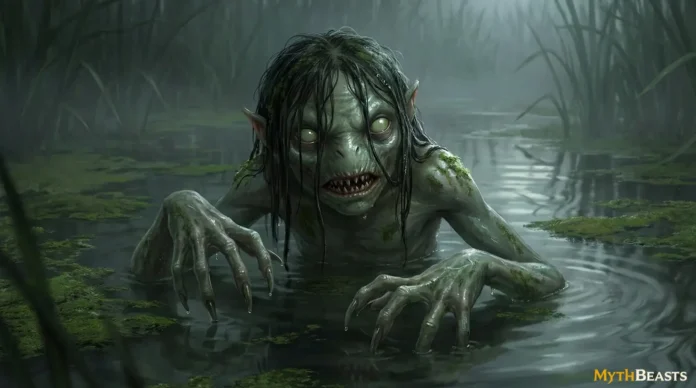
Grindylow - water spirit from 18th-century English folklore
United Kingdom

Grindylow

Grindylow, a sinister water spirit from 18th-century English folklore, haunted marshes and ponds, snatching children who strayed too close...
  • Skills
CamouflageFog Generation
  • Weaknesses
BeheadingFire Vulnerable
Amazon
Water Serpent
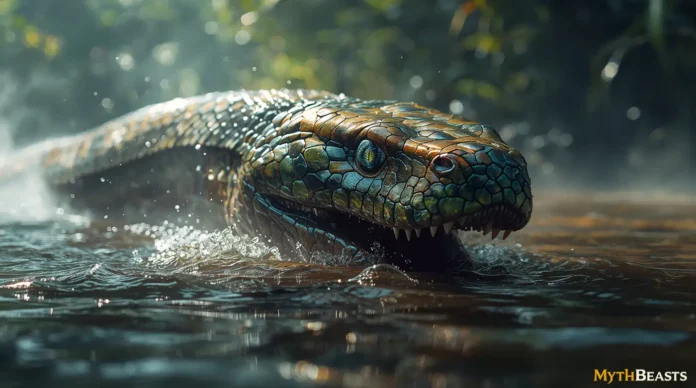
Yacumama – Amazonian mythology | South America
Amazon

Yacumama

Yacumama is an Amazonian water serpent from Indigenous folklore, classified as a supernatural guardian of rivers.
  • Skills
Element ControlWater Breathing
  • Weaknesses
Dry Land HarmEnvironmental Limits
Europe
Oceanic Being
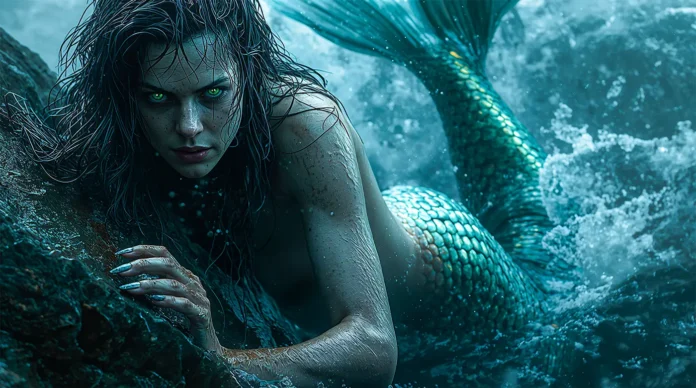
mermaid - greek-mythology
Greece

Mermaid

Half-human and half-fish, the Mermaid is a shape-shifting aquatic hybrid tied to sea myths across various cultures, especially known...

  • Skills
Element ControlWater Breathing
  • Weaknesses
Dry Land HarmEnvironmental Limits
Celtic
Aquatic Hybrid
The Loch Ness Monster
Celtic

Loch Ness...

The Loch Ness Monster, a cryptid from Scottish legend, is said to inhabit Loch Ness. A mysterious aquatic hybrid,...
  • Skills
Element ControlIllusions & Perception
  • Weaknesses
Magic BoundariesMagic Seal
North America
Tidal Guardian
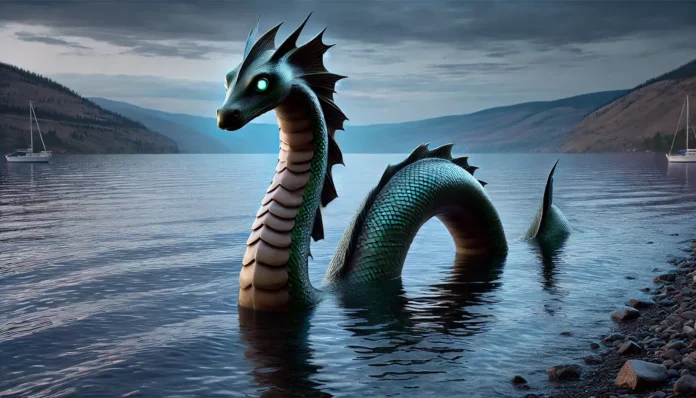
Ogopogo - British Columbia
Salish

Ogopogo

Ogopogo is a serpentine water monster from Canadian folklore, believed to inhabit Okanagan Lake and connected to Indigenous myths.
  • Skills
Enhanced AgilityWater Breathing
  • Weaknesses
Drought SensitiveDry Land Harm
Asia
Aquatic Hybrid
Kappa - Japanese folklore
Japan

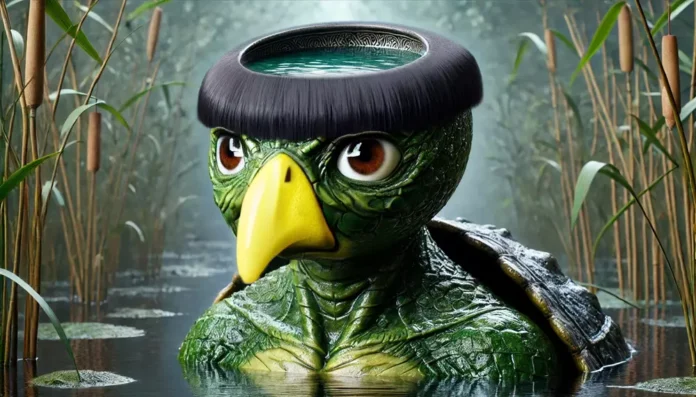
Kappa

a Japanese river imp known for its mischief and deadly tricks. Recognizable by its turtle-like shell, webbed limbs, and...

  • Skills
StrengthTrickery
  • Weaknesses
Dry Land HarmHeatwave Harm

Water Breathing – an Overview

Water Breathing is recognized in mythological systems as a distinct function that enables beings to exist in aquatic environments without difficulty. It transcends mere survival; it embodies adaptation, transformation, and innate capability. This function is distinguished from other supernatural effects due to its consistent association with water-based domains, emphasizing the integration of terrestrial life with mystical aquatic realms. Unlike general supernatural abilities, Water Breathing is often depicted as an inherent trait, deeply rooted in the identity of specific entities or beings rather than an acquired skill or temporary state.

Manifestation and Constraints

How Water Breathing Is Expressed

In mythological traditions, Water Breathing is expressed through observable consequences such as seamless movement underwater, communicating with marine life, or enduring great depths without distress. These expressions highlight the ecological and cosmological balance that such creatures maintain within their environment. They often play vital roles in maintaining order or serving as intermediaries between the aquatic world and terrestrial life. The ability to breathe underwater signifies a harmonious relationship with the aquatic realm, emphasizing the creature’s deep connection to water’s elemental forces.

Limits and Conditions

Water Breathing is constrained by symbolic and environmental factors. In many traditions, it is accessible only to beings inherently linked to water, such as deities, spirits, or mythical creatures. The ability is often tied to moral or cosmological legitimacy, preventing its misuse by unworthy entities. This constraint reflects the importance of maintaining cosmic order and environmental respect. Water Breathing is not universally accessible; it is a privilege bestowed upon those with a rightful claim or divine blessing, emphasizing the sacredness of water in mythological contexts.

Mythological Role and Meaning

Symbolic and Cultural Significance

Water Breathing symbolizes transformation and the merging of realms, often representing purity, renewal, and hidden knowledge. It reflects societies’ views on the fluidity of life and the interconnectedness of elements. In some cultures, it signifies the boundary between life and death, where water serves as a gateway to the afterlife or spiritual enlightenment. It also embodies adaptability and resilience, showcasing the ability to thrive in environments that seem inhospitable. The function underscores the sanctity of water and its life-sustaining properties in various mythologies.

Water Breathing in Myth and Folklore

Within mythological narratives, Water Breathing often highlights a character’s divine origin or moral superiority. It serves as a metaphor for transcending human limitations, enabling heroes or deities to navigate both land and sea. This function delineates spheres of influence, establishing aquatic domains where terrestrial powers hold no sway. In folklore, it often marks the threshold of transformation, where characters undergo significant changes, either physical or spiritual, signifying growth or renewal. Its presence in myths illustrates the duality and unity of disparate worlds.

Beasts with Water Breathing

Mermaids

Mermaids, originating from various cultural traditions, embody Water Breathing as an intrinsic trait. Their dual nature enables them to bridge human and marine worlds, reflecting the enigmatic allure and danger of the sea. Without Water Breathing, mermaids would be disconnected from their core mythological role as mediators between realms, losing their symbolic power to enchant, warn, and protect.

Sea Serpents

Sea serpents in Norse and Celtic mythology possess Water Breathing, integrating them into oceanic ecosystems as guardians or harbingers. Their ability to traverse the depths undisturbed emphasizes their role in maintaining balance and serving as symbols of chaos and creation. Without this ability, their narrative significance as formidable aquatic entities would diminish.

Kappas

Kappas from Japanese folklore are amphibious creatures defined by their Water Breathing ability. This function allows them to inhabit rivers and ponds, where they influence local folklore through pranks or moral lessons. Water Breathing is crucial for their identity as creatures connected to water, reflecting cultural beliefs about the interplay of nature and humanity.

Cultural Interpretations and Regional Emphasis

Interpretations of Water Breathing vary significantly across cultures. In Greek mythology, it is often associated with divine favor, granting heroes access to secret knowledge or hidden realms. In contrast, Indigenous Australian myths interpret Water Breathing as a natural extension of ancestral spirits, emphasizing continuity and cultural identity. These differences highlight divergent worldviews on nature, spirituality, and moral order, reflecting each culture’s unique relationship with water.

Similar or Related Mythological Functions

Functions related to Water Breathing include shapeshifting into aquatic forms and underwater communication. These functions share proximity in enabling interaction with aquatic environments but differ in their scope and expression. Shapeshifting often involves physical transformation, while Water Breathing focuses on adaptation within a constant form. Underwater communication emphasizes interaction without the physiological change inherent in Water Breathing.

Historical Interpretation and Evidence Limits

Scholarly interpretations of Water Breathing explore its symbolic versus literal meanings across cultures. While some traditions document it as literal, others view it as metaphorical, reflecting deeper themes of transformation and adaptation. Historical evidence is limited, with many interpretations relying on fragmented texts or oral traditions. No verified sources exist that consistently describe the specific processes of Water Breathing across contexts, highlighting gaps in understanding and the need for careful analysis to avoid speculative conclusions.