
Divine Restrictions
Divine Restrictions are inherent limits placed on deities and mythical entities, defining their capabilities and vulnerabilities in specific contexts.
Relevant Beasts

Lamia from Greek mythology, known for her tragic transformation into a child-eating creature, often depicted with a serpent-like body.

Introduction The Bogeyman (or Boogeyman in American) is not a single creature with a fixed mythological identity. It is a...
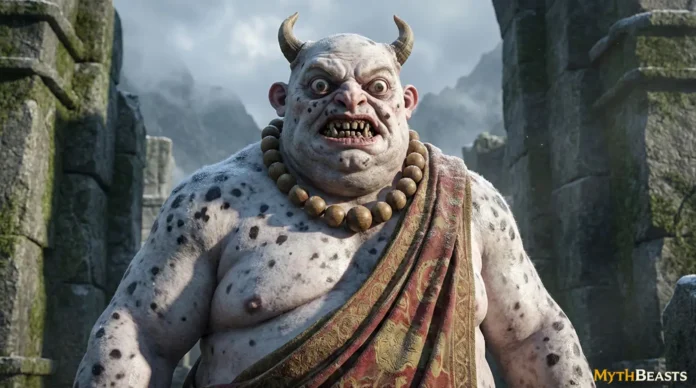
Div-e Sepid, the White Demon in Persian mythology, symbolizes chaos and evil. Known from the epic Shahnameh, it challenges...
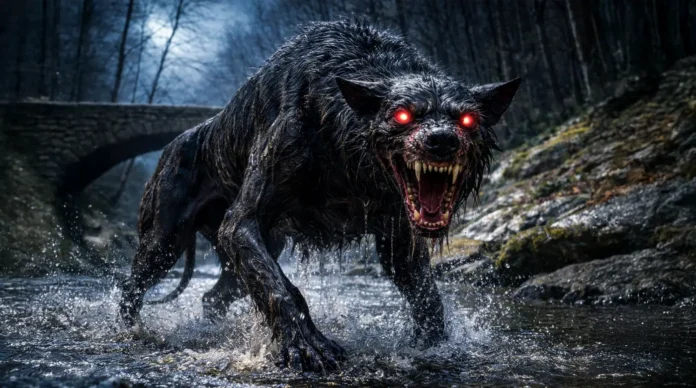
Dip is a spectral black dog from Catalan folklore, often seen as a harbinger of evil and death. Known...
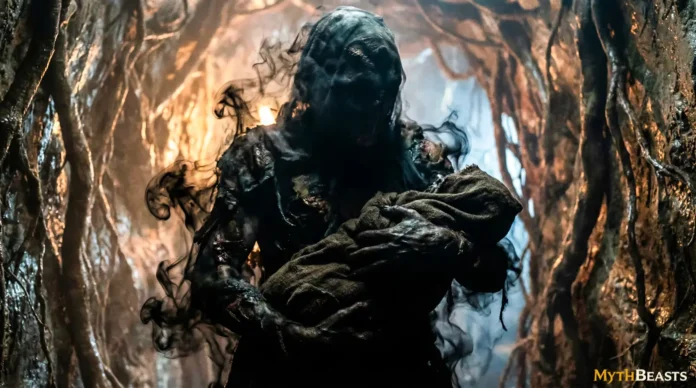
The Āl is a folkloric figure associated with childbirth danger in Iranian and Caucasian traditions, reflecting historical fears surrounding...
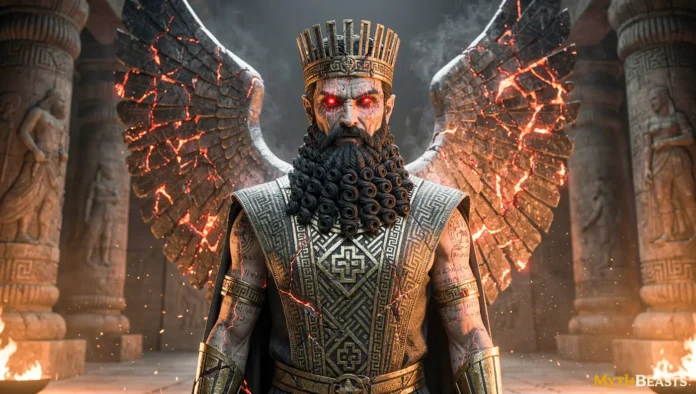
Aeshma - a Zoroastrian demon of wrath and violence who disrupts ritual, drives humans to rage and bloodshed, and...
Sub Categories
Angel Power
Angelic power is a divine force that can destroy or banish creatures of darkness. Angels wield immense strength, capable of overpowering demons, spirits, and other evil beings. Their holy nature makes them a natural enemy to all dark forces.In mythology, angels are seen as warriors of light, often called upon to battle evil and protect the innocent.
Angelic Chant
Angelic Chant is susceptibility to celestial songs with divine energy. This weakness overwhelms individuals, causing disorientation or pain, making it difficult to confront angelic beings invoking such chants.
Blessed Ground
Blessed Ground signifies spaces imbued with sanctity, oaths, or protective authority, where hostile forces lose potency or access. Crossing such boundaries often entails diminished influence, altered behavior, or enforced distance.As a recurring vulnerability, Blessed Ground marks the limits of transgression, reinforcing social, moral, and cosmological order. It symbolizes zones where profane power falters, emphasizing separation between everyday domains and consecrated realms.
Blessed Weapon
Blessed Weapon often symbolizes a vulnerability to divine or sacred forces in mythological narratives. These weapons are imbued with holy power, countering dark or malevolent entities effectively. Their presence highlights the tension between good and evil.In symbolic structures, Blessed Weapon underscores the triumph of purity over corruption. It serves as a narrative device, emphasizing that sacred intervention can overcome otherwise insurmountable challenges, reinforcing moral and ethical themes.
Consecrated Land
Consecrated Land appears in mythological narratives as a space imbued with sacred authority, often delineating the boundaries where supernatural entities lose their influence or are unable to manifest their powers. This motif functions as a recurring limitation, marking certain places as protected zones where the ordinary rules of supernatural engagement are suspended or negated.Symbolically, Consecrated Land reflects the cultural emphasis on purity, order, and the sanctity of specific locations, reinforcing the divide between the profane and the sacred. Its presence in myth underscores the belief that ritualized or blessed spaces can provide refuge and act as barriers against forces considered dangerous, impure, or chaotic.
Consecration
Consecration is vulnerability to ritually purified spaces or objects. Those affected feel repelled or weakened when near, as divine energy disrupts their powers, making approach challenging.
Divine Aura
Divine Aura indicates sensitivity to beings with holy auras, like saints. This weakness causes discomfort or harm as they struggle against the radiance of divine energy, limiting their ability to engage.
Divine Barrier
Divine Barrier symbolizes a limitation where divine or supernatural entities are restricted by sacred boundaries or spiritual confines. These barriers often delineate realms, preventing deities from overstepping their influence.In mythological narratives, Divine Barrier serves as a critical plot device, emphasizing the balance between power and restraint. It underscores the notion that even divine beings have boundaries they cannot easily transcend.
Divine Force
Divine force is an unstoppable power wielded by gods or angels to destroy dark creatures. This overwhelming energy can obliterate evil beings instantly, leaving them no chance to fight back. Divine force represents the ultimate punishment for dark forces.In mythology, divine force is often used as a last resort to eliminate powerful evil beings who pose a threat to the world.
Divine Incense
Divine Incense is sensitivity to sacred smoke used in rituals, impairing abilities. Those affected experience difficulty breathing and reduced concentration, limiting effectiveness during exposure.
Divine Light
Divine Light often symbolizes purity and truth, exposing hidden flaws or vulnerabilities. In mythological narratives, it can reveal weaknesses in beings that appear strong or invincible. This concept underscores the idea that even formidable entities have limitations.Symbolically, Divine Light serves as a reminder of moral and ethical boundaries. It challenges beings by highlighting imperfections, suggesting that unchecked power must contend with higher truths or forces beyond their control.
Divine Smite
Divine Smite often symbolizes a vulnerability where a being's power is countered by divine forces. This notion reflects the idea that no entity is invincible against higher spiritual authority. It represents the concept that divine justice or intervention can overcome even the most formidable beings, emphasizing the supremacy of celestial powers.In mythological narratives, Divine Smite serves as a reminder of the limits inherent in mortal or supernatural strength. It underscores themes of humility and submission to divine will. This weakness illustrates the belief that divine forces maintain balance and order, ensuring that unchecked power does not prevail indefinitely.
Exorcism
Exorcism is often depicted as a method to expel malevolent forces or entities from individuals or places. This practice symbolizes the restoration of balance and spiritual purity.Mythological narratives use Exorcism to illustrate the power of ritual and faith in overcoming dark influences. It underscores the vulnerability of these forces to spiritual authority and sacred interventions.
Holy Flame
Holy flames burn with divine energy, consuming dark creatures that come into contact with them. These flames cannot be extinguished by ordinary means and are often used to purify or destroy evil beings. Holy flames represent the cleansing power of divinity.In myth, holy flames are used to defeat demons, vampires, and other malevolent creatures, reducing them to ashes.
Holy Ground
Holy Ground often symbolizes a place of purity and divine power, creating a recurring vulnerability for certain mythological beings. This space represents a boundary they cannot cross safely.In various narratives, Holy Ground disrupts or weakens entities associated with darkness or malevolence. Its presence emphasizes the contrast between sacred and profane, reinforcing moral and spiritual boundaries.
Holy Oil
Holy Oil represents vulnerability to consecrated oils, which neutralize abilities or harm upon contact. This weakness causes severe burns or loss of strength, especially during protective rituals.
Holy Symbol
Holy Symbol often represents a vulnerability in mythological narratives, serving as a powerful deterrent against certain entities. These symbols are typically associated with divine protection and moral authority.The presence of a Holy Symbol can limit or repel beings that oppose its sacred values. This vulnerability underscores the tension between good and evil, reinforcing cultural moral frameworks.
Holy Water
Holy Water often symbolizes purity and divine power, serving as a recurring vulnerability in mythological narratives. It represents a force that can counteract malevolent entities or dark influences.In various traditions, Holy Water signifies a boundary between sacred and profane. Its presence highlights the limitations of beings susceptible to purification, emphasizing themes of spiritual cleansing and protection.
Holy Word
Holy Word represents vulnerability to sacred words with divine power. Beings with this weakness may be immobilized or harmed by such utterances, leaving them incapacitated by the profound impact of divine language.
Purity Ring
Purity Ring is repelled by objects of purity, often rings or amulets. This sensitivity causes disorientation, making engagement with wearers challenging as they create a barrier to interaction.
Relic Power
Relic Power is vulnerability to divine relics, causing pain or neutralizing abilities. Those affected experience fatigue or loss of strength when near such relics, unable to engage with sacred artifacts.
Religious Sign
Religious Sign represents a vulnerability where mythological beings are weakened or repelled by symbols of faith. These symbols often embody moral or spiritual authority within the narrative framework.Such signs typically reflect cultural values and beliefs, serving as protective mechanisms against malevolent forces. The presence of a Religious Sign can enforce boundaries and uphold societal norms.
Sacred Chant
Sacred Chant often symbolizes a vulnerability in mythological narratives, acting as a powerful tool to subdue or weaken entities. Its recitation can disrupt supernatural abilities or defenses.In symbolic structures, Sacred Chant represents the power of spoken words to alter reality. This reflects the belief in sound's sacred nature, capable of overcoming formidable challenges.
Sacred Entry Block
Sacred Entry Block describes a mythic limitation where access to sanctified spaces or protected thresholds is restricted, preventing approach, crossing, or presence. It frames holiness as a boundary imposing exclusion.As a recurring vulnerability, Sacred Entry Block externalizes moral or cosmic constraints through architecture and borders, signaling that certain domains resist intrusion. It shapes narrative tension by limiting movement and agency.
Sacred Plant
Sacred Plant is weakness to holy plants, repelling or weakening those affected. Individuals feel unable to approach these plants, as their divine essence causes discomfort or power loss.
Sacred Relic
Sacred Relic often signifies a vulnerability in mythological narratives, representing objects imbued with divine power capable of neutralizing supernatural entities. These relics frequently possess historical or spiritual significance within the mythos.Such relics serve as a counterbalance, symbolizing the triumph of sacred authority over malevolent forces. Sacred Relic underscores themes of purity and protection, reinforcing the moral order through its presence.
Sacred Space
Sacred Space refers to areas blessed or consecrated, where individuals with this weakness feel discomfort or pain. This sensitivity limits their ability to operate in holy places where divine energy is strong.
Saint Relic
Saint Relic represents weakness to objects tied to saints, draining energy upon contact. This sensitivity leaves individuals feeling discomfort and unable to withstand the sanctified aura.
Temple Banish
Temple Banish refers to a recurring motif in mythological narratives where entry into or presence within a sacred space results in the expulsion or neutralization of a supernatural entity. This vulnerability often emphasizes the power of consecrated locations as boundaries that disrupt or negate otherworldly influence.Symbolically, Temple Banish represents the theme of sanctity acting as a counterforce to chaotic or profane forces. It highlights the role of ritual boundaries and sacred authority in limiting the reach or persistence of supernatural beings within protected domains.