
back to top

Element Sensitivities

Element Sensitivities are inherent constraints in mythological beings, exposing them to weaknesses related to natural elements like fire, water, or air.

Relevant Beasts

Asia
Giant Bird
Roc - Achaemenid empire
Ghaznavid Empire

Roc

Colossal bird from Persian & Arabian tales, famous in Sinbad’s voyages for lifting elephants & wrecking ships with its...
  • Skills
Physical StrengthStrength
  • Weaknesses
BeheadingElement Sensitivities
Europe
Sea Monster
Kraken - Nord mythology
Vikings

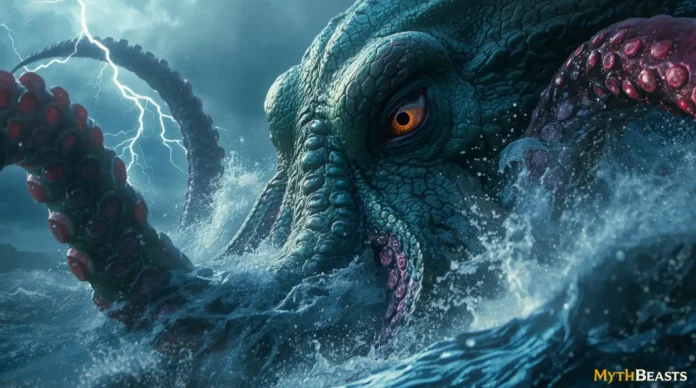
Kraken

The Kraken, a giant sea monster from Norse myth, lurks off Scandinavian coasts. Capable of sinking ships, it epitomizes...

  • Skills
Element ControlPhysical Strength
  • Weaknesses
Dry Land HarmElement Sensitivities
Europe
Vampire
Vampire - Slavic Folklore
Slavic

Vampire

A fearsome undead being from Eastern European folklore, the Vampire feeds on life essence. It is tied to dark...

  • Skills
Healing & LifeHypnosis
  • Weaknesses
Divine RestrictionsElement Sensitivities
Egypt
Giant Bird
Phoenix – Ancient Egypt mythology
Egypt

Phoenix

A sacred firebird of Ancient Egypt and Classical myth, the Phoenix embodies immortality through cycles of death and rebirth,...

  • Skills
Fire ImmunityHealing & Life
  • Weaknesses
Element SensitivitiesSpell Fatigue
Europe
Dragon
European Dragon
Greece

Dragon

Dragon, the fire-breathing giant from global myths, symbolizes chaos, power, and treasure guardianship, appearing in countless heroic and dark...

  • Skills
Element ControlFire Breathing
  • Weaknesses
Cold SensitiveElement Sensitivities
Celtic
Forest Spirit
Ghillie Dhu - Scottish folklore
Celtic

Ghillie Dhu

The Ghillie Dhu is a solitary forest spirit in Scottish folklore, kind to children and clothed in moss. A...

  • Skills
CamouflageHealing & Life
  • Weaknesses
Element SensitivitiesIron Cut

Sub Categories

Acid Rain

Acid Rain is a sensitivity to acidic rain, which causes irritation and corrosion. Beings with this weakness are incapacitated by acidic precipitation, suffering discomfort and difficulty in contaminated environments.

Cold Sensitive

Cold Sensitive represents a vulnerability where exposure to cold environments or temperatures diminishes strength or abilities. This limitation often highlights a connection to warmth or heat in mythological narratives.Symbolically, Cold Sensitive may signify a character's reliance on life or energy, contrasting with cold's association with death or stagnation. This vulnerability underscores thematic elements of balance and duality.

Drought Sensitive

Drought Sensitive represents a vulnerability in mythological narratives where entities rely heavily on water for survival and strength. This weakness often symbolizes a connection to life-giving resources.In symbolic structures, Drought Sensitive highlights themes of dependency and fragility in the face of environmental challenges. It underscores the importance of balance and harmony with natural elements.

Earth Bound

Creatures bound to the earth are vulnerable to any shifts in the ground, such as earthquakes or landslides. These beings rely on the stability of the ground beneath them and can easily be thrown off balance when this element is disturbed. They are slow to recover from earth-based attacks.In many myths, earth is viewed as the foundation of life, but when it turns against creatures, they are left without a stable defense. Earthbound creatures find themselves in danger when the ground shifts.

Fire Vulnerable

Fire Vulnerable is a recurring theme in mythological narratives, symbolizing a weakness or limitation where entities are susceptible to fire. This vulnerability often signifies transformation or purification processes.In symbolic structures, Fire Vulnerable can represent the destructive and renewing power of fire. It highlights the dual nature of fire as both a life-giving and life-taking force.

Fog Blindness

Fog Blindness is a vulnerability to foggy conditions, impairing visibility and combat effectiveness. Beings with this weakness struggle in dense fog, becoming vulnerable to ambush and difficult navigation.

Frostbite

Frostbite is a weakness to extreme cold, causing tissue damage and numbness. Beings with this sensitivity are vulnerable to freezing environments, risking severe physical harm when exposed.

Heat Sensitive

Heat Sensitive in mythological narratives often signifies a vulnerability to high temperatures or fire, representing a limitation to characters or beings otherwise possessing great power or resilience. This weakness may symbolize the delicate balance between strength and susceptibility, highlighting the potential downfall of overconfidence or hubris.In symbolic structures, Heat Sensitive can reflect the broader theme of environmental challenges that test endurance or adaptability. It underscores the inherent limitations within mythic entities, emphasizing the ongoing struggle between elemental forces and living beings.

Ice Weak

Ice Weak symbolizes a recurring vulnerability in mythological narratives, where cold or ice-related elements pose a significant threat. This weakness often highlights elemental imbalances or thematic contrasts.In symbolic structures, Ice Weak represents fragility against harsh, frozen conditions. It underscores the struggle between warmth and cold, often reflecting broader themes of survival and adaptation.

Lava Burn

Lava Burn is a sensitivity to molten rock and extreme heat. Beings with this weakness suffer severe injuries in volcanic areas, making encounters with magma especially dangerous.

Light

Light often symbolizes a recurring vulnerability in mythological narratives, representing exposure or revelation. It can reveal hidden truths, forcing entities to confront their limitations or weaknesses.In symbolic structures, Light may disrupt illusions or concealment, stripping away protective veils. This exposure can render beings powerless, emphasizing their dependence on darkness or secrecy.

Lightning Damage

Lightning Damage symbolizes a vulnerability in mythological narratives where divine or supernatural entities are susceptible to celestial forces. This damage often represents nature's uncontrollable power striking the mighty.In symbolic structures, Lightning Damage illustrates the theme of hubris, where beings overstep their bounds and face cosmic retribution. It underscores the balance between mortal and divine realms.

Metal Weakness

Metal Weakness is a susceptibility to metallic objects. Creatures with this weakness find their powers dampened or structures compromised by metals, making them vulnerable in battles involving metal weapons or metal-based attacks.

Moon Harm

Creatures harmed by the moon are weakened or disoriented by its phases. A full moon may trigger transformations or weaken their abilities, leaving them vulnerable during this time. Creatures tied to darkness often find the moon’s light unsettling or harmful to their powers.Myths frequently associate the moon with transformation and magic, making it a source of unpredictability. These creatures must plan their movements carefully to avoid the negative effects of lunar phases.

Mud Trap

Mud Trap indicates susceptibility to muddy terrains, where movement can become restricted. Creatures with this weakness struggle to escape from sticky ground, leaving them vulnerable to attacks in such environments.

Radiation Risk

Radiation Risk represents sensitivity to radioactive substances, causing cellular damage or illness. Creatures with this weakness are vulnerable to environments with high radiation, experiencing severe symptoms with prolonged exposure.

Sand Slip

Sand Slip represents vulnerability to sandy terrain, where footing is unstable. Creatures with this weakness slip easily, limiting their effectiveness in desert environments.

Smoke Damage

Smoke Damage indicates sensitivity to smoke, leading to respiratory issues and impaired vision. Beings with this weakness suffer from discomfort in smoky environments, limiting their combat capabilities.

Soil Crumble

Soil Crumble indicates sensitivity to unstable ground, leading to falls or injuries. Those with this weakness struggle on loose soil, risking collapse or loss of footing in such terrains.

Static Cling

Static Cling is a sensitivity to static electricity, causing irritation and electrical buildup. Those with this weakness find it challenging in environments with high static levels, experiencing discomfort or injury.

Storm Shock

Storm Shock is a vulnerability to intense storms, involving lightning, winds, and severe weather. Beings with this weakness are easily overwhelmed during storms, making them susceptible to chaotic weather conditions.

Sun Harm

Sun Harm represents a vulnerability in mythological narratives where exposure to sunlight results in detrimental effects. This concept often symbolizes the conflict between darkness and light, revealing hidden truths.In symbolic structures, Sun Harm highlights the transformative power of the sun, often serving as a boundary between life and death. It underscores themes of duality and balance.

Tidal Vulnerability

Tidal Vulnerability often symbolizes a connection to the natural world, reflecting the rhythms and cycles of tides. This vulnerability suggests a dependence on or susceptibility to water's ebb and flow.In mythological narratives, Tidal Vulnerability may represent fluctuating strength or influence, linked to lunar phases or oceanic forces. Such a limitation can highlight themes of balance and harmony with nature.

Toxic Fumes

Toxic fumes are highly dangerous to creatures sensitive to air quality. Exposure to poisonous gases, smoke, or pollutants can suffocate them, weaken their physical strength, or impair their senses. These beings cannot survive for long in polluted environments.In many stories, toxic environments serve as traps for creatures of the forest or nature, who rely on clean air. They must avoid areas filled with fumes to maintain their health and strength.

Volcanic Ash

Volcanic ash is a lethal hazard for creatures not adapted to volcanic environments. The ash can cause severe burns, suffocate them, or damage their ability to see and navigate. Prolonged exposure leads to their eventual demise as they cannot recover from the harm caused by this harsh element.In mythology, volcanic regions are seen as dangerous places filled with destructive forces, and creatures sensitive to ash must avoid such regions to survive.

Water Harm

Water Harm often symbolizes a vulnerability where contact with water results in negative effects for certain mythological beings. This theme appears across various cultural narratives, reflecting deeper symbolic meanings.In mythological contexts, Water Harm can represent purification, boundaries, or transformation. The aversion to water may highlight a being's inherent nature, emphasizing contrasts between elements or spiritual states.

Wind Chill

Wind Chill is a weakness to cold winds, causing rapid heat loss, frostbite, and impaired movement. Those with this sensitivity suffer in icy winds, making cold environments challenging and potentially debilitating.

Wind Impact

Wind Impact in mythological contexts often symbolizes a vulnerability linked to the element of air. This weakness may manifest as susceptibility to winds or atmospheric phenomena disrupting balance or strength.Symbolically, Wind Impact might represent a broader theme of instability or change. It highlights how unpredictable forces can undermine established order, challenging characters or beings reliant on stability.

Element Sensitivities – Overview

Element Sensitivities represent a mythological weakness characterized by vulnerabilities to specific natural forces or elements. This concept serves as a means to define the limitations and boundaries within mythological entities, ensuring they remain subject to cosmic laws. Within mythological systems, Element Sensitivities are treated as structurally significant, highlighting a fundamental principle of balance and interconnectedness in the universe. They are not merely situational or accidental but are integral to the fabric of mythological narratives, serving to illustrate the inherent limitations of even the most powerful beings.

Defining Characteristics of the Weakness

Nature of the Limitation

Element Sensitivities often manifest as metaphysical restrictions, preventing beings from overpowering their environment or transcending cosmic laws. These sensitivities can also be physical vulnerabilities, where interaction with specific elements results in diminished power or catastrophic failure for the entity. Sometimes, they are expressed as environmental dependencies, requiring certain conditions to maintain equilibrium. Across various cultures, these patterns recur, serving as a reminder of the inescapable laws governing the universe.

Conditions of Exposure

Element Sensitivities become relevant under specific symbolic and environmental conditions, often reflecting deeper cosmological truths. These conditions may include sacred times, places, or moral transgressions that expose the entity’s inherent vulnerability. Symbolically, the exposure to these elements might signify a moral failing or a breach of sacred law, positioning the weakness as a tool for narrative and moral teaching. Such conditions are not procedural triggers but rather profound markers of cosmic balance and consequence.

Mythological Role and Function

Function Within Mythological Systems

Element Sensitivities operate as regulatory mechanisms within mythological systems, preserving cosmic order by ensuring no entity achieves unchecked dominance. This weakness enables downfall, demonstrating that hubris or imbalance within the natural world can lead to significant consequences. By enforcing balance, these vulnerabilities serve a crucial role in maintaining the interconnectedness of mythological narratives and cosmologies. They illustrate the necessity of harmony and the limits of power, ensuring that mythological beings remain part of the greater cosmic system.

Symbolic and Cultural Meaning

Symbolically, Element Sensitivities represent boundaries that define the limits of power and the inevitability of cosmic laws. Across cultures, they underscore the moral consequences of hubris, serving as reminders of sacred law and the limitations inherent in mortality. These weaknesses often signify the enforcement of divine boundaries, illustrating the moral and existential constraints that prevent overreach by mythological beings. The recurring theme of limitation and consequence highlights the importance of humility and respect for the natural order.

Distinction from Related Mythological Weaknesses

Conceptual Boundaries

Element Sensitivities differ from general mortality or physical injury as they are not simply about the cessation of life or physical harm. They are also distinct from divine punishment and taboo violation, as they are intrinsic vulnerabilities rather than responses to specific actions. Unlike situational defeat, Element Sensitivities are fundamental aspects of a being’s nature, underscoring cosmic laws that are unavoidable. This distinction is crucial for accurate mythological classification and understanding.

Common Sources of Misclassification

Element Sensitivities are often misunderstood or conflated with other weaknesses due to their perceived simplicity. However, comparative mythology highlights that these vulnerabilities are intrinsic and deeply symbolic, rather than incidental. Misclassification occurs when they are viewed through a modern lens as tactical disadvantages rather than essential components of mythological narratives. Scholars emphasize the importance of recognizing these sensitivities as integral to the entities’ identity and their role within mythological frameworks.

Canonical Beings Defined by Element Sensitivities

Achilles

In Greek mythology, Achilles is renowned for his nearly invincible strength, yet defined by his vulnerability to a single element: his heel. This sensitivity illustrates the cosmological balance between power and vulnerability.

Siegfried

From the Norse-Germanic tradition, Siegfried’s vulnerability is famously linked to a spot on his back, untouched by dragon blood. This detail underscores the mythological theme of incomplete invincibility and cosmic balance.

Balor

In Irish mythology, Balor’s sensitivity to his own gaze is significant. His eye, a source of destruction, ultimately leads to his downfall, illustrating the self-containment of power within mythological frameworks.

Historical Distribution and Cultural Context

Element Sensitivities appear across diverse cultures and historical periods, from ancient Greece to Norse and Celtic traditions. These patterns reflect a universal concern with power and balance, where vulnerabilities underscore the interconnectedness of mythological systems. While details vary, the presence of such weaknesses highlights shared cultural themes of humility and cosmic order, transcending geographical and temporal boundaries. The recurrence of Element Sensitivities underscores their importance in illustrating the limitations inherent in mythological cosmologies.

Scholarly Interpretation and Uncertainty

Variation in Interpretation

Interpretations of Element Sensitivities vary across cultures and scholarly frameworks, often reflecting differing symbolic readings. Some scholars emphasize their role in enforcing moral consequences, while others focus on their cosmological significance. Cultural variations also influence interpretations, with some seeing these vulnerabilities as literal truths, while others view them as metaphorical constructs for explaining existential limits. Such diversity in interpretation illustrates the rich complexity of mythological analysis.

Limits of the Evidence

The evidence surrounding Element Sensitivities is often ambiguous, with gaps in the historical record complicating interpretation. Some analyses rely on reconstructed narratives or comparative mythology to fill these voids. Established interpretations focus on well-documented mythological texts, but debates persist over the symbolic versus literal nature of these weaknesses. Scholars are cautious in drawing definitive conclusions, acknowledging the uncertainties inherent in mythological study.

Mythological Function Across Cultures

The recurrence of Element Sensitivities across mythological traditions highlights shared human concerns with power, balance, and vulnerability. These weaknesses emphasize the need for cosmic order, serving as reminders of the limitations inherent in existence. By recognizing these vulnerabilities, scholars can better interpret the interconnectedness of mythological systems. Element Sensitivities illustrate the universal themes of humility and the consequences of overreach, enriching our understanding of mythological narratives across cultures.