back to top

Water Harm

Water Harm is an inherent vulnerability in mythological beings, often rendering them powerless or causing their demise upon contact.

Relevant Beasts

Egypt
Giant Bird
Phoenix – Ancient Egypt mythology
Egypt

Phoenix

A sacred firebird of Ancient Egypt and Classical myth, the Phoenix embodies immortality through cycles of death and rebirth,...

  • Skills
Fire ImmunityHealing & Life
  • Weaknesses
Element SensitivitiesSpell Fatigue
Asia
Celestial Being
Fenghuang - Chinese folklore
China

Fenghuang

The Fenghuang, or Chinese Phoenix, embodies harmony and virtue, often associated with the Empress and cosmic balance.
  • Skills
Divine LightFire Absorption
  • Weaknesses
Anti-MagicCurse Bound
Chile
Volcanic Entity
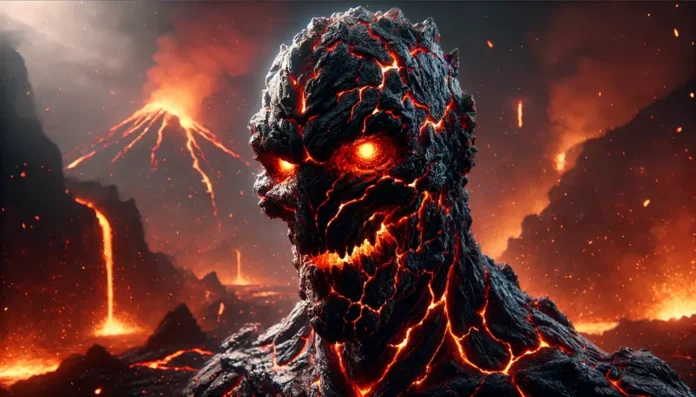
Cherufe
Chile

Cherufe

A volcanic creature from Chilean lore that feeds on humans and causes eruptions.
  • Skills
Fire ImmunityLava Manipulation
  • Weaknesses
Cold SensitiveWater Harm
Asia
Desert Cryptid
Mongolian Death Worm - Olgoi-Khorkhoi
Mongol Empire

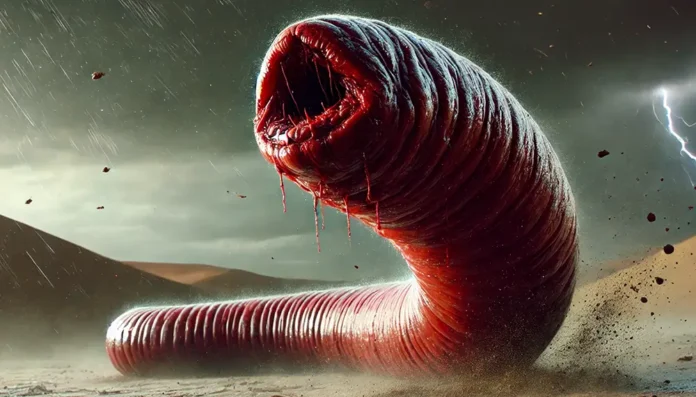
Death Worm

A deadly worm said to inhabit the Gobi Desert, capable of spitting acid and emitting lethal electricity.

  • Skills
Electric ShockPoisonous Breath
  • Weaknesses
Cold SensitiveWater Harm

Water Harm – Overview

Water Harm represents a mythological weakness defined by limitations related to water. It is not merely a narrative obstacle but a structurally significant vulnerability that systems treat as essential. Within mythology, Water Harm often symbolizes fundamental elements or cosmic truths that define the boundaries of entities and forces. This weakness recurs across cultures as a meaningful limitation, highlighting the essential interplay between entities and the elements.

Defining Characteristics of the Weakness

Nature of the Limitation

Water Harm primarily represents a metaphysical restriction rather than a mere physical vulnerability. It denotes how entities interact with water, which often becomes a symbolic boundary. This weakness is an existential constraint, indicating limits imposed by nature and the cosmos. While some mythologies frame it as a moral prohibition, the prevailing pattern is of water as a cosmological element imposing order. Water Harm ensures that no entity or force attains unchecked power, functioning as a boundary that maintains balance.

Conditions of Exposure

Water Harm becomes relevant under specific symbolic and environmental conditions. Mythological narratives often activate this weakness in contexts where water’s purity or sacredness is emphasized. For instance, crossing water may reveal an entity’s vulnerability, underscoring cosmological hierarchies. Environmental conditions, such as rain or bodies of water, may symbolize purification, often aligning with moral conditions where impurity or hubris is punished. Thus, Water Harm acts within frameworks of moral and environmental symbolism, not tactical triggers.

Mythological Role and Function

Function Within Mythological Systems

Water Harm functions to regulate power, maintaining balance within mythological systems. By imposing limits, it prevents any force from achieving absolute dominance, preserving cosmic order. This weakness often enables a downfall, illustrating the inevitable consequences of transgressing natural boundaries. Such constraints enforce the notion that power, unchecked by elemental balance, leads to chaos or destruction. Water Harm serves to illustrate cosmic principles, reinforcing the idea that power must be harmonized with the natural world.

Symbolic and Cultural Meaning

Symbolically, Water Harm represents the inevitability of natural law and moral consequence. Across cultures, it embodies sacred law, often linked to purity and the limitation of hubris. Water, as an element, acts as a boundary enforcement, reminding entities of their mortality and constraints. This symbolic significance varies, but the consistent theme is one of natural and moral order, with water serving as a constant reminder of the limitations inherent in power. Cultures use this symbolism to impart lessons about humility and moral conduct.

Distinction from Related Mythological Weaknesses

Conceptual Boundaries

Water Harm differs from related weaknesses such as general mortality or divine punishment. It is not interchangeable with physical injury or taboo violation. While mortality addresses life’s finite nature, Water Harm emphasizes existential boundaries imposed by natural elements. Divine punishment involves moral transgression, whereas Water Harm arises from failure to align with cosmic order. This distinction is critical in mythological classification, ensuring that Water Harm retains its unique role as a boundary condition within cosmological narratives.

Common Sources of Misclassification

Water Harm is often misunderstood or conflated with situational defeat or divine punishment. This arises from a superficial reading of myths where water acts as an obstacle. Comparative mythology distinguishes Water Harm by its consistent role as a cosmic boundary, not merely a situational impediment. Misclassifications often ignore how water’s elemental significance transcends narrative contexts, underscoring essential constraints rather than arbitrary limitations.

Canonical Beings Defined by Water Harm

Vampires

In European folklore, vampires are often defined by their vulnerability to running water. This reflects the purity and sanctity associated with natural elements, highlighting their detachment from the natural order. Their identity and mythological role are incomplete without this limitation, as it underscores their unnatural existence.

Jinn

In Middle Eastern traditions, some jinn are susceptible to water. This is due to water’s symbolic purity, representing boundaries they cannot cross. Without this weakness, jinn would be portrayed as unbounded, disrupting the balance of mythical cosmology.

Fire Giants

Norse myths describe fire giants as vulnerable to water, symbolizing the elemental opposition between fire and water. This weakness emphasizes their role in cosmic cycles, reinforcing the importance of elemental balance in mythological narratives. Without Water Harm, their destructive potential would lack necessary boundaries.

Historical Distribution and Cultural Context

Water Harm appears across diverse cultures and historical periods, from ancient Mesopotamia to Norse mythology. Its recurrence highlights shared human concerns about nature’s power and the necessity of respecting natural boundaries. While specific manifestations differ, the underlying principle of water as a cosmic regulator appears consistently. This distribution reflects the universal human recognition of water’s symbolic and practical significance in maintaining balance.

Scholarly Interpretation and Uncertainty

Variation in Interpretation

Understandings of Water Harm vary significantly across cultures and historical periods. Some scholars interpret it symbolically, emphasizing water’s purity and order. Others view it more literally, considering environmental contexts. These variations demonstrate the complexity of interpreting mythological weaknesses, influenced by cultural and historical frameworks. Such diversity enriches scholarly discourse, highlighting the dynamic nature of mythological interpretation.

Limits of the Evidence

There are gaps and ambiguities in the historical record regarding Water Harm. While some interpretations are well-established, others remain contested due to limited evidence. Scholars often rely on comparative methodologies to understand broader patterns. However, caution is necessary to avoid speculation, ensuring interpretations remain grounded in verified sources. These limitations underscore the challenges inherent in reconstructing mythological concepts across time and culture.

Mythological Function Across Cultures

Water Harm recurs across myths due to shared human concerns about elemental balance and the symbolic needs these weaknesses address. It functions cosmologically, enforcing the idea of universal order. Recognizing Water Harm enhances comparative analyses, illustrating how cultures express fundamental truths through nature-derived limitations. This understanding enriches interpretations of mythological systems, revealing interconnected patterns of human belief and storytelling across cultures. By acknowledging these weaknesses, scholars illuminate how myths convey essential insights into human nature and the cosmos.