
back to top

Forest Spirit

Forest Spirit creatures embody nature's essence, symbolizing growth, renewal, and the mystical connection between life and the natural world.

Relevant Beasts

Celtic
Forest Spirit
Ghillie Dhu - Scottish folklore
Celtic

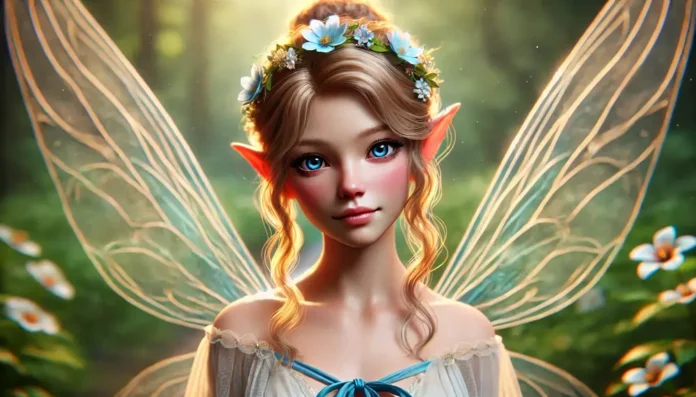
Ghillie Dhu

The Ghillie Dhu is a solitary forest spirit in Scottish folklore, kind to children and clothed in moss. A...
  • Skills
CamouflageHealing & Life
  • Weaknesses
Element SensitivitiesIron Cut
Cantabrian
Forest Spirit
Anjana - Cantabrian folklore
Cantabrian

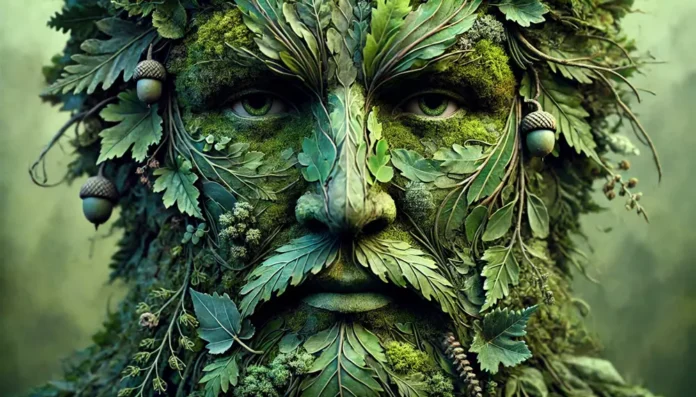
Anjana

Anjanas are kind, fairy-like beings from Cantabrian myth, symbolizing compassion and protection.
  • Skills
Healing & LifeHealing Touch
  • Weaknesses
Element SensitivitiesFire Vulnerable
Britons
Forest Giant
Britons

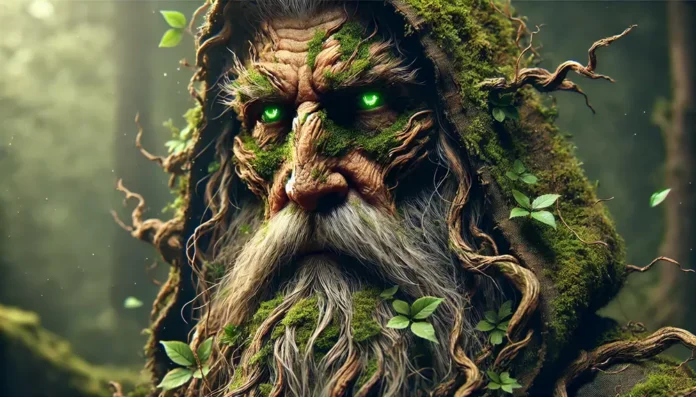
Green Man

The Green Man is a legendary figure symbolizing nature and rebirth, commonly depicted as a face surrounded by leaves.
  • Skills
Healing TouchPlant Control
  • Weaknesses
Cold SensitiveDrought Sensitive
Hebrews
Forest Giant
Hebrews

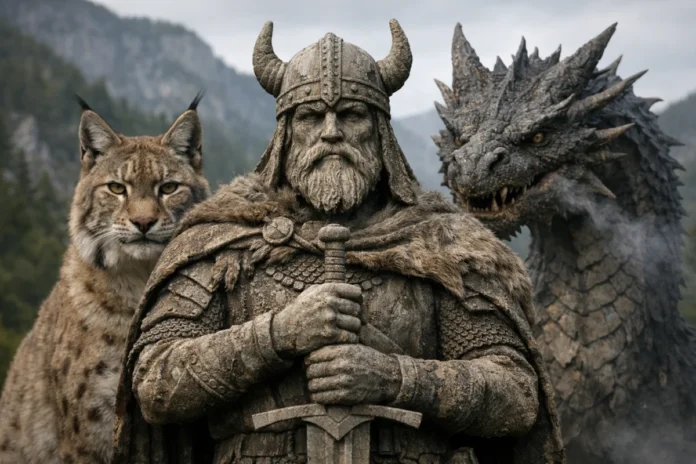
Adnei haSadeh

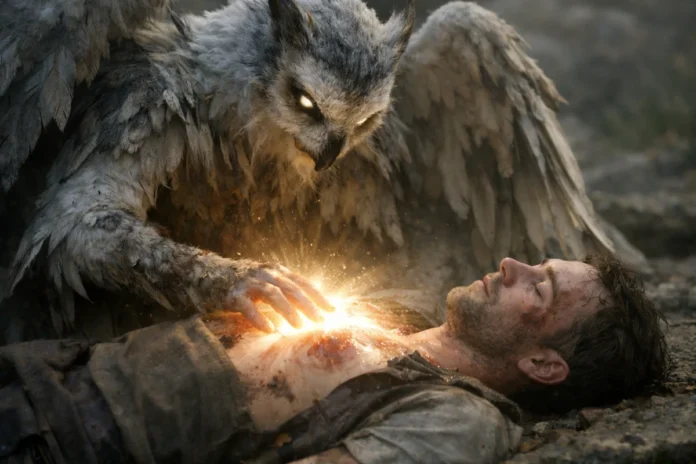
The Adnei haSadeh are feral humanoids of ancient Hebrew lore. They live apart from civilization, embodying primal nature...
  • Skills
Nature Manipulation
  • Weaknesses
Environmental Limits

Forest Spirit – Overview

Forest Spirits are mythological entities embodying the vitality and mysteries of wooded landscapes. They represent the essence of forests, associated with life, growth, and hidden knowledge. Across cultures, they are seen as custodians of natural realms.While not uniform, these spirits share traits of transformation and guardianship, often depicted as mediators between humans and nature. Their presence emphasizes the sacredness of forests and the interconnectedness of ecosystems in mythological thought.

Defining Characteristics

Physical Form and Morphology

Forest Spirits are frequently depicted with features blending human and natural elements. Commonly, they possess leafy hair, bark-like skin, or antlers, which symbolize integration with the forest environment. These traits illustrate their hybrid nature.Though physical forms can vary, they typically reflect the flora and fauna of their native landscapes. This adaptability emphasizes their role as extensions of the forest, capable of shifting appearance to maintain harmony within their domain.

Ontological Nature

In mythology, Forest Spirits are primarily perceived as supernatural beings. They occupy a liminal space between physical and spiritual realms, embodying the forest’s life force. Their existence underscores the metaphysical connection between humanity and nature.They often serve as protectors of natural order, ensuring balance within their ecosystems. This ontological status grants them authority over forest elements, reinforcing their importance in maintaining ecological equilibrium in mythological narratives.

Mythological Role and Function

Place in Mythological Systems

Forest Spirits hold a vital place within broader mythological systems, acting as intermediaries between gods, humans, and natural forces. They often interact with deities and mortals, guiding or challenging them based on ecological integrity.Their roles vary, but they frequently mediate sacred boundaries, highlighting the forest’s sanctity. This interaction underscores their significance in cosmologies, where they facilitate harmony between human activity and the natural world.

Perception and Meaning

Across cultures, Forest Spirits are perceived diversely, often as protectors or nurturers. They may act as guardians of sacred groves or punitive forces against those who disrupt natural order, symbolizing ecological respect and balance.These spirits embody abstract forces like growth and fertility, reinforcing cultural values. Symbolically, they represent nature’s power and mystery, serving as cultural reminders of humanity’s dependence on and responsibility towards the environment.

Distinction from Related Beast Types

Conceptual Boundaries

Forest Spirits are distinct from elemental beings or animal-based creatures due to their hybrid form and role. While elemental entities embody specific natural forces, Forest Spirits integrate multiple aspects of nature, emphasizing ecological synergy.Their hybrid morphology sets them apart from purely animalistic creatures, highlighting their unique position as intermediaries within natural and spiritual realms. This distinction underscores their comprehensive guardianship over forested landscapes.

Common Sources of Confusion

Confusion often arises when Forest Spirits are conflated with spirits of other natural elements, such as water or wind. Scholars distinguish them through their specific association with wooded environments and their role in terrestrial ecosystems.Their hybrid nature can blur boundaries with humanoid monsters or fairy-like entities. However, their ecological focus and integrative features mark them as distinct, emphasizing their purpose within forest mythology.

Canonical Beasts Associated with This Beast Type

Dryads

Originating in Greek mythology, dryads are tree nymphs embodying the spirit of individual trees. They exemplify the Forest Spirit type through their symbiotic relationship with the forest, highlighting their role as protectors.

Kodama

In Japanese folklore, kodama are spirits inhabiting ancient trees. Revered for their protective nature, they personify the forest’s sacredness. Their presence underscores the cultural respect for nature and ecological harmony.

Leshy

From Slavic myth, the Leshy is a guardian spirit of the forest. Known for shape-shifting abilities, it embodies the forest’s unpredictable nature. Its role emphasizes the importance of maintaining balance within its ecosystem.

Historical Distribution and Cultural Context

Forest Spirits appear globally across various mythologies, reflecting their universal appeal. They are prevalent in regions rich in forests, such as Europe, Asia, and the Americas, where their stories illuminate cultural values tied to nature.Historical patterns show their prominence in societies with a deep reliance on forests for survival, emphasizing their integration into cultural consciousness. Their presence in folklore highlights the intersection of ecological and spiritual life throughout history.

Scholarly Interpretation and Uncertainty

Variation in Definitions

Interpretations of Forest Spirits vary by culture and period, reflecting diverse ecological and spiritual frameworks. Some view them as purely benevolent, while others see them as unpredictable, highlighting differing cultural attitudes toward nature.Academic frameworks also influence their definition, with some emphasizing ecological roles, while others focus on spiritual symbolism. This variation illustrates the dynamic nature of mythological interpretation and the complexity of classifying these entities.

Limits of Available Evidence

There is a lack of comprehensive sources detailing Forest Spirits across all cultures, leading to gaps in understanding their full scope. Many interpretations rely on fragmented folklore accounts, making definitive conclusions challenging.Scholars must often infer roles and characteristics based on limited evidence and comparative mythology. These limitations necessitate careful analysis and cautious interpretation to avoid oversimplification or misrepresentation of these complex mythological entities.

Mythological Role Across Cultures

The recurrence of Forest Spirits across mythologies highlights shared human concerns about nature and ecological balance. They address universal themes of growth, protection, and the interdependence of humans and ecosystems.Their symbolic function offers insights into cultural attitudes towards the environment, encouraging respect and sustainable interaction with natural landscapes. Through comparative analysis, Forest Spirits reveal the interconnectedness of mythological systems and cultural values worldwide.