
Giant
Giant creatures are known for their massive size and strength, often symbolizing power and chaos in various mythological traditions.
Sub Categories
Celestial Colossus
Celestial Colossus typically embodies immense power and grandeur, often depicted as towering figures in mythologies. They symbolize cosmic order, strength, and protection, linking the divine with the earthly realm.Narratively, Celestial Colossus often serve as guardians or enforcers of cosmic laws. Their presence signifies stability and the preservation of balance, frequently intervening in pivotal mythological events.
Chaos Giant
Chaos Giant typically embodies disorder and primal forces within mythological narratives. These beings are often depicted as colossal, uncontrollable entities, symbolizing the chaotic aspects of creation or destruction.Narratively, Chaos Giant frequently opposes cosmic order or divine authority, representing a threat to stability. Their presence often necessitates intervention by gods or heroes to restore balance.
Crystal Colossus
Crystal Colossus is a mythological beast type characterized by its immense size and crystalline structure. Often depicted as guardians, these beings embody strength and resilience in various traditions.Symbolically, Crystal Colossus represents clarity, purity, and endurance. In narratives, they often serve as protectors of sacred sites, imposing challenges to heroes, and symbolizing the enduring power of nature.
Desert Giant
Desert Giants are mythological creatures often depicted as towering figures with immense strength, adapted to arid environments. They are characterized by their resilience and formidable presence in desert landscapes. Typically, they are portrayed with features that emphasize their connection to the harsh desert, such as sand-colored skin or rocky exteriors.Symbolically, Desert Giants represent endurance, survival, and the indomitable spirit of nature. In narratives, they often serve as guardians of sacred desert sites or as challenges for heroes to overcome. Their presence in stories underscores themes of human struggle against natural forces and the quest for balance within hostile environments.
Earth Monolith
Earth Monoliths are mythological beasts characterized by their immense size and stone-like appearance. They often embody stability and endurance, symbolizing the unyielding strength of the earth itself. Typically depicted as guardians, Earth Monoliths are believed to protect sacred sites or natural landscapes, ensuring balance within their environment.In mythological narratives, Earth Monoliths serve as formidable obstacles or allies. They often test heroes' resolve, offering wisdom or guidance to those deemed worthy. Their presence signifies a connection to ancient, elemental forces, emphasizing themes of resilience and permanence in stories.
Fire Giant
Fire Giants are mythological beings typically characterized by their immense size, fiery nature, and association with volcanic or fiery landscapes. They often possess great strength and wield fire-based powers.In mythology, Fire Giants symbolize destruction and renewal, embodying both the chaos of fire and its transformative potential. They frequently serve as antagonists or guardians in epic tales, challenging heroes.
Forest Giant
Forest Giant is typically characterized by its enormous size and connection to wooded environments. Often depicted as protectors of forests, they embody the strength and endurance of nature itself. Their appearances are usually humanoid, with features resembling trees or foliage, underscoring their deep integration with the natural world.In mythological narratives, the Forest Giant often serves as a guardian figure, symbolizing the power and mystery of the wild. They are portrayed as both benevolent and formidable, sometimes aiding those who respect nature while challenging those who threaten it.
Frost Giant
Frost Giants are mythological beings often characterized by immense size and strength, typically associated with cold and icy environments. They are depicted as formidable adversaries in various mythological narratives.Symbolically, Frost Giants represent chaos and natural forces, often opposing gods or heroes. Their narrative role frequently involves embodying challenges or threats that protagonists must overcome to restore order.
Ice Monolith
Ice Monoliths are mythological entities typically characterized by their immense size and icy composition. These beings are often depicted as guardians of frozen landscapes, embodying endurance and timelessness. Their presence signifies the harsh, unyielding nature of winter, serving as a reminder of nature's formidable power.Symbolically, Ice Monoliths represent resilience and the cyclical nature of seasons. In myths, they often play roles in stories about survival and adaptation. Their narratives emphasize the balance between destruction and renewal, highlighting how life persists in even the most challenging environments.
Lava Giant
Lava Giants are colossal beings often depicted with fiery skin and molten features. They are typically associated with volcanic landscapes, embodying the destructive and transformative power of lava.In mythological narratives, Lava Giants often symbolize chaos and renewal, representing both the end and beginning of cycles. They frequently serve as formidable adversaries or guardians of sacred realms.
Mist Titan
Mist Titans are often depicted as colossal beings enveloped in swirling mists, embodying the forces of nature and obscurity. They are known for their immense strength and ethereal presence.Symbolically, Mist Titans represent the unknown and the power of concealment. In narratives, they often serve as guardians of hidden realms, testing the resolve and courage of those who encounter them.
Mountain Giant
Mountain Giants are mythological beings characterized by immense size and strength, often depicted as towering figures. They are typically associated with mountainous regions, embodying the formidable and enduring nature of these landscapes.Symbolically, Mountain Giants represent power, resilience, and a connection to the earth. In narratives, they often serve as guardians or formidable challenges, embodying the untamed and majestic aspects of nature.
Ocean Colossus
Ocean Colossus typically embodies immense size and power, associated with the vastness and unpredictability of the sea. These mythological beings often symbolize natural forces, reflecting humanity's awe and fear of oceans.Narratively, Ocean Colossus often serves as a formidable challenge or guardian, testing heroes' resilience or protecting sacred treasures. Their presence highlights themes of exploration, danger, and the unknown in mythological tales.
Primordial Giant
Primordial Giant represents immense, ancient beings often associated with the creation or shaping of the world. These giants embody raw, elemental forces, symbolizing chaos or the untamed natural world.In mythological narratives, Primordial Giant frequently plays a foundational role, sometimes serving as progenitors of gods or humans. Their defeat or transformation often marks the transition from chaos to order.
Rock Behemoth
Rock Behemoth is a mythological beast known for its immense size and strength, often depicted as towering and formidable. Typically associated with earth and stone, it embodies raw, untamed power.Symbolically, Rock Behemoth represents stability, endurance, and resilience, often serving as guardians or obstacles in myths. Their narrative role frequently involves testing heroes' strength or protecting sacred sites.
Sand Colossus
Sand Colossus are mythological beasts typically depicted as massive entities formed from sand or earth. They are often associated with deserts, embodying the harsh and unyielding nature of these environments.In mythological narratives, Sand Colossus often serve as guardians or obstacles, representing endurance and resilience. Their formidable presence symbolizes the timeless, shifting sands and the challenges they impose on travelers.
Sky Fortress
Sky Fortress is typically depicted as a colossal, airborne structure or entity embodying power and protection. It often serves as a dwelling for divine or supernatural beings, symbolizing authority and oversight. The concept of Sky Fortress reflects the connection between celestial domains and earthly realms, acting as a bridge or intermediary.In mythological narratives, Sky Fortress frequently represents the pinnacle of unreachable power, often guarded by formidable forces. It serves as a setting for epic confrontations or divine decrees, underscoring themes of dominance and control. The presence of Sky Fortress in stories often emphasizes the awe-inspiring and untouchable nature of the divine.
Storm Giant
Storm Giant refers to a mythological giant type associated with storms, thunder, and the sea. These beings are often depicted as towering figures commanding weather, wielding lightning or rain as natural extensions of their power.Symbolically, Storm Giant embodies the untamed forces of nature and the awe-inspiring might of the sky. Narratives often cast Storm Giant as both destroyer and protector, shaping destinies through their tempests.
Swamp Goliath
Swamp Goliath refers to a category of immense, humanoid creatures associated with wetlands, marshes, or bogs. These beings are typically depicted with formidable strength, muddy bodies, and a close connection to murky environments. Their presence often signals danger, territorial power, or the unpredictable nature of the swamp.Symbolically, Swamp Goliath embodies the untamed and perilous aspects of wetland landscapes. In mythological narratives, they serve as guardians, obstacles, or embodiments of primal forces, challenging heroes or trespassers who enter their domain.
Thunder Titan
Thunder Titan is typically characterized by immense size, humanoid form, and dominion over storms or lightning. These beings are often depicted wielding thunderbolts or commanding tempests as extensions of their power.Symbolically, Thunder Titan embodies cosmic authority, disruption, and the unpredictable force of nature. In mythological narratives, they serve as agents of change, enforcing divine will or challenging established order through displays of elemental might.
Titan Giant
Titan Giant typically refers to immense, primordial beings associated with great strength and elemental power. They are depicted as towering figures whose presence marks the boundary between chaos and cosmic order.Symbolically, the Titan Giant often embodies untamed natural forces, ancestral authority, and resistance to divine hierarchy. In mythological narratives, they frequently serve as challengers or foundational figures in creation cycles.
Tundra Colossus
Tundra Colossus are immense, humanoid beasts described as towering figures of stone, ice, or frozen earth. Their forms evoke the harsh, unyielding landscapes of arctic and subarctic mythologies, blending natural and supernatural traits.Symbolically, the Tundra Colossus represents endurance, isolation, and the formidable power of winter. In myth, they often serve as guardians of remote realms or as challenges to heroes seeking to traverse frozen wildernesses.
Underworld Giant
Underworld Giants are often depicted as colossal beings residing in the depths of the earth. They typically embody the themes of darkness and mystery, representing the hidden aspects of existence.In mythological narratives, Underworld Giants frequently serve as guardians or antagonists. Their presence underscores the formidable challenges faced by heroes and highlights the boundaries between life and the afterlife.
Relevant Beasts
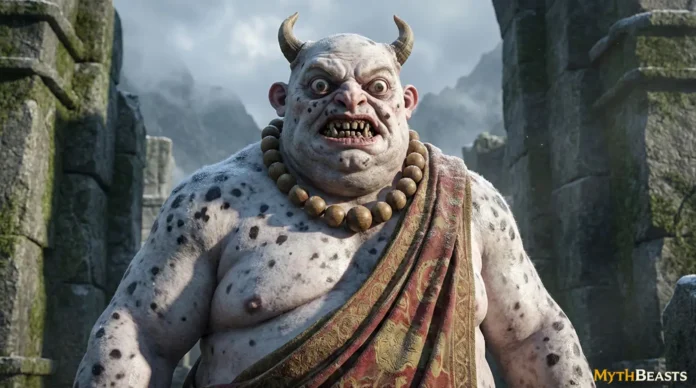
Div-e Sepid, the White Demon in Persian mythology, symbolizes chaos and evil. Known from the epic Shahnameh, it challenges...
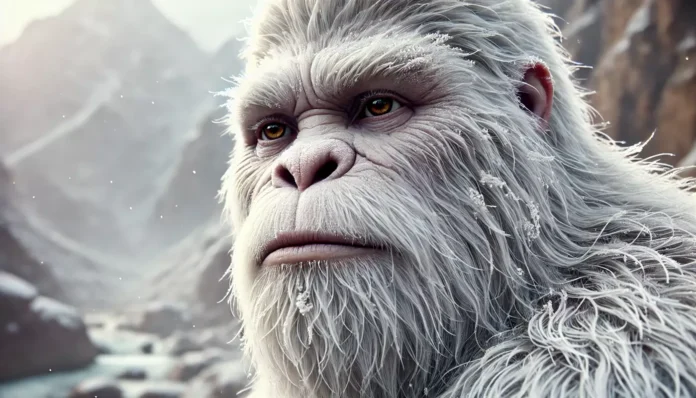
Yeti of the Rockies is a North American version of Bigfoot, a solitary giant humanoid roaming the Rockies.
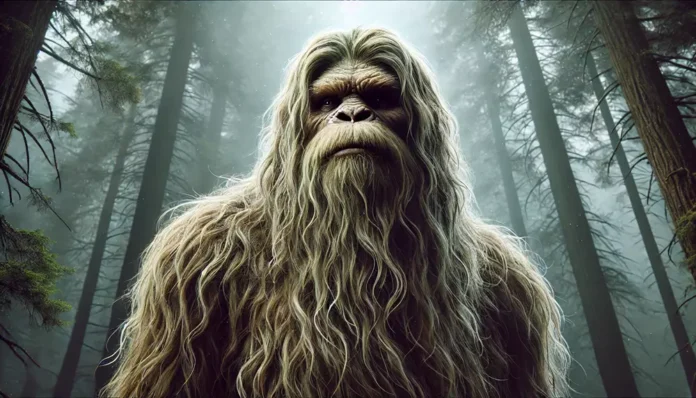
Basajaun is a wild hairy giant from Basque folklore, a guardian of the forests and livestock.
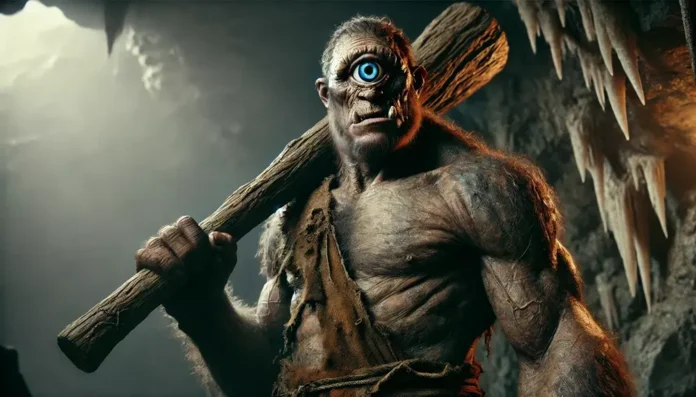
Tartalo is a cyclopean giant from Basque folklore, known for his strength and predatory nature.
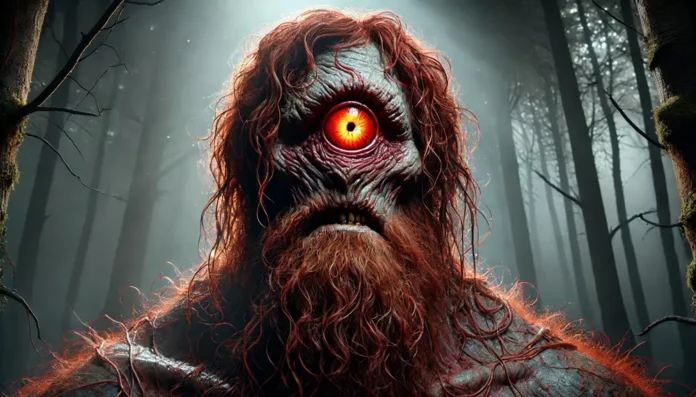
Ojancanu is a giant from Cantabrian mythology, feared for his destructive tendencies and immense strength.
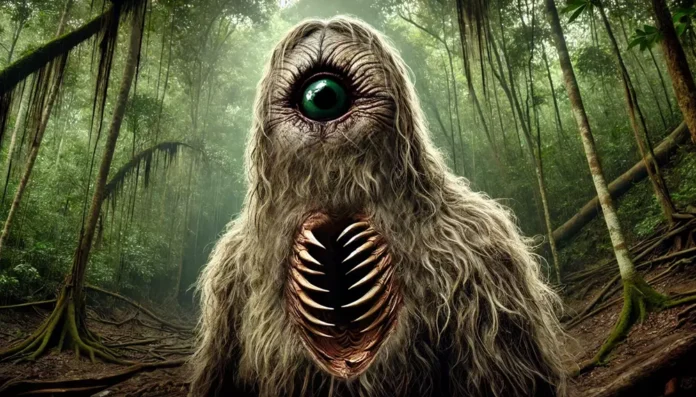
A large, sloth-like creature from Amazonian legend, known to emit a foul stench that incapacitates its prey.