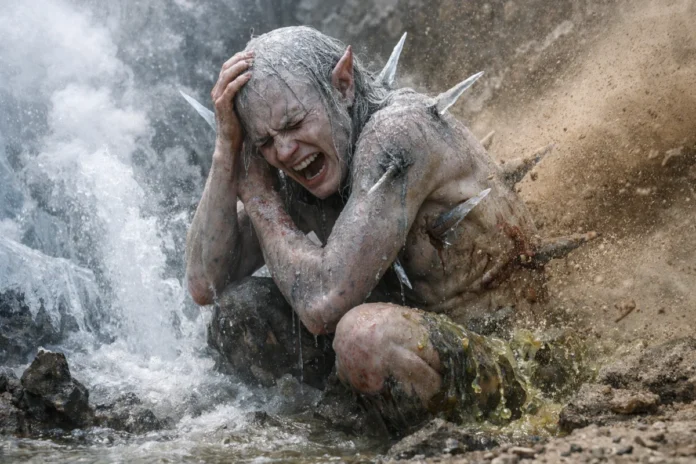
Insectoid & Reptilian
Insectoid & Reptilian creatures embody hybrid traits, blending insect and reptile features, symbolizing transformation in mythological tales.
Sub Categories
Acid Mantis
Acid Mantis is typically depicted as an insectoid predator exuding corrosive fluids, combining precise, mantis-like anatomy with unnatural acidity. Its presence emphasizes ambush, dissolution, and the rapid breakdown of boundaries.Symbolically, Acid Mantis often represents destructive insight, corrosive scrutiny, and transformative decay that strips away illusions. Narratives use Acid Mantis to test resilience, punish arrogance, or mark dangerous, contaminated thresholds between worlds.
Acid Spitter
Acid Spitter is a mythological beast type characterized by its ability to expel corrosive substances. These creatures often possess reptilian features and are depicted with tough, scaled skin for protection.Symbolically, Acid Spitter represents destruction and transformation, embodying themes of decay and renewal. In narratives, they serve as formidable adversaries, challenging heroes to overcome danger through wit and resilience.
Bone Serpent
Bone Serpent typically denotes an elongated, skeletal serpent form associated with death, desiccation, and the boundary between life and decay, emphasizing exposed bone, hollow eyes, and unnaturally persistent motion. Its presence often marks cursed landscapes, forgotten tombs, or battlefield remnants, visually linking serpentine flexibility with the stark permanence of bone, suggesting endurance beyond ordinary mortality and a refusal of natural dissolution.Symbolically, Bone Serpent commonly represents memory of the dead, unquiet remains, and the consequences of disturbed burial or broken oaths, serving as a guardian, enforcer, or embodiment of neglected ancestors. Narratives frequently employ Bone Serpent as a liminal figure testing respect for mortality, punishing desecration, or guiding protagonists through realms of bones and shadows, underscoring obligations toward the dead and the inevitability of decay.
Crawling Reptile
Crawling Reptile in mythology often embodies traits of stealth and cunning, moving silently across landscapes. These creatures typically feature elongated bodies, scales, and a connection to the earth.Symbolically, Crawling Reptile represents transformation and rebirth, shedding skin to renew. Narratively, they frequently serve as guardians or obstacles, testing heroes through wisdom or deceit.
Desert Scarab
Desert Scarab typically denotes a resilient, chitinous beetle-like beast associated with arid landscapes, shifting dunes, and buried ruins, embodying endurance, cyclical transformation, and the hidden energies of sun-scorched wilderness. Frequently, Desert Scarab symbolizes the mysterious processes of decay and renewal beneath desert sands, linking subterranean realms, forgotten histories, and concealed treasures with notions of protection, persistence, and the harsh impartiality of nature’s extremes.Narratively, Desert Scarab often functions as guardian, omen, or catalyst, marking thresholds between safety and desolation, life-sustaining oases and lethal wastelands, or mortal domains and underworld passages. Its presence typically signals trials of endurance, moral testing through isolation and scarcity, and confrontations with buried memories or ancestral legacies, emphasizing adaptation, humility before vast landscapes, and respect for forces operating beyond human perception.
Dragon
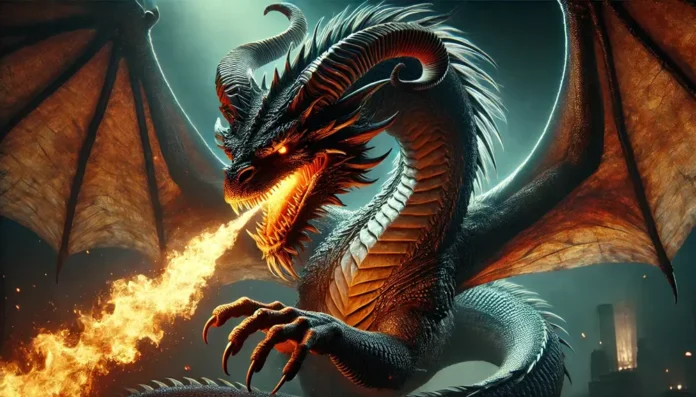
Dragons are mythological creatures typically depicted as large, serpentine beings with scales, wings, and the ability to breathe fire. They often symbolize power, chaos, and transformation across various cultures.In narratives, Dragons frequently serve as adversaries or guardians, testing heroes' bravery and wisdom. They embody the duality of creation and destruction, representing both danger and opportunity for growth.
Dragon-Like Being
Dragon-Like Beings are typically depicted with serpentine bodies, scales, wings, and the ability to breathe fire or other elements. They often embody power, mystery, and transformation across cultures.Symbolically, Dragon-Like Beings can represent chaos or guardianship, depending on the narrative. They frequently serve as formidable adversaries or wise protectors, influencing mythic landscapes and hero journeys.
Emerald Dragonfly
Emerald Dragonfly is a mythological beast type associated with vivid green coloration, swift aerial movement, and delicate yet resilient anatomy, often linked to wetlands, forest margins, and liminal waterside environments. Its appearance emphasizes precision, agility, and sudden directional shifts, suggesting a creature that easily crosses boundaries between elements while remaining visually striking and carefully observed within mythic landscapes.Symbolically, Emerald Dragonfly commonly represents transformation, clarity of perception, and fleeting opportunity, reflecting its brief, intense life cycle and shimmering presence. In narratives, Emerald Dragonfly often signals turning points, hidden pathways, or subtle guidance, acting as a messenger-like presence that redirects characters’ choices without overt intervention, emphasizing quiet insight over overt power.
Frost Scorpion
Frost Scorpion is a mythological beast type characterized by its icy exoskeleton and sharp pincers. It typically inhabits cold, snowy regions and is associated with winter. Its presence often signifies danger and harsh conditions, reflecting its formidable nature.Symbolically, Frost Scorpion represents resilience and survival in adversity. In narratives, it often serves as a guardian or obstacle to test heroes. This creature embodies the challenges and peril of frigid environments.
Giant Arthropod
Giant Arthropod typically denotes an enlarged, insect-like or crustacean-like creature whose unnatural size emphasizes segmented bodies, multiple limbs, hard exoskeletons, and alien movement, provoking unease through exaggerated natural forms and relentless, mechanical persistence.Symbolically, Giant Arthropod often represents overwhelming swarms, hidden corruption, or implacable natural forces, serving narrative roles as territorial guardians, subterranean threats, or cosmic scavengers that test boundaries between human order and untamed environments.
Giant Insect
Giant Insect in mythology often features exaggerated size and strength, with physical characteristics like multiple legs, wings, or armored exoskeletons. These creatures are typically portrayed with formidable, sometimes fearsome, appearances that emphasize their unnatural scale and power, highlighting their divergence from ordinary insects.Symbolically, Giant Insect may represent chaos, transformation, or the unknown. In narratives, they often serve as obstacles or challenges for heroes, embodying primal fears or natural forces. Their presence underscores themes of survival, adaptability, and the delicate balance between humans and nature.
Inferno Mantis
Inferno Mantis is typically portrayed as an insectoid fire-beast combining predatory precision with searing heat, its bladed limbs, ember-like eyes, and charred carapace emphasizing relentless, focused destruction and transformative combustion.Symbolically, Inferno Mantis often represents disciplined fury, purgative fire, and the peril of unchecked ambition, narratively appearing as a trial, boundary guardian, or catastrophic omen testing resolve, humility, and strategic wisdom.
Insectoid Form
Insectoid Form denotes mythological beings whose bodies resemble or combine features of insects, emphasizing segmented anatomy, articulated limbs, and chitinous surfaces that suggest resilience, alien perception, and unsettling precision in movement. Such entities often inhabit liminal spaces—underground, nocturnal, or hidden—where their swarming, metamorphic, or hive-like traits underscore themes of multiplicity, secrecy, and the fragile boundary between individual and collective identity.Symbolically, Insectoid Form frequently expresses human anxieties about infestation, decay, and loss of control, while also representing persistence, industrious organization, and transformative cycles of life and death. In narrative roles, these beings may function as relentless adversaries, omens of imbalance in nature, or custodians of forbidden knowledge, highlighting tensions between humanity and the pervasive, impersonal forces structuring the natural world.
Poison Wyrm
Poison Wyrm is a mythological beast type characterized by its serpentine form and venomous nature. This creature often embodies danger and the perilous aspects of the natural world. Its presence in mythology frequently serves as a formidable adversary, challenging heroes to overcome its toxic threat.Symbolically, Poison Wyrm represents the duality of life and death, with its venom symbolizing both destruction and transformation. In narratives, it often guards treasures or sacred spaces, requiring cunning or bravery to defeat. The beast's role underscores themes of courage, resilience, and the balance between creation and decay.
Poisonous Beast
Poisonous Beast in mythology often exhibits traits like venomous bites, toxic breath, or poisonous skin. These creatures symbolize danger, treachery, and the hidden threats lurking in nature.In narratives, Poisonous Beast frequently serves as obstacles for heroes, testing their courage and wisdom. They embody natural challenges, representing the unpredictable and perilous aspects of the world.
Razor Centipede
Razor Centipede is typically portrayed as an elongated, segmented predator whose limbs, mandibles, or dorsal plates resemble blades, emphasizing speed, relentless pursuit, and the capacity to inflict many small, cumulative wounds. Its movement often suggests a living trap or flowing weapon, sliding through crevices, walls, or armor gaps, turning otherwise secure spaces into vulnerable passages where sudden, slicing attacks can emerge from any direction.Symbolically, Razor Centipede frequently expresses anxieties about hidden dangers, invasive forces, or unchecked technological or martial escalation, embodying threats that multiply faster than they can be contained. Narratively, Razor Centipede usually appears as an ambush adversary, boundary guardian, or punishment creature, testing vigilance, adaptability, and humility rather than brute strength, and forcing heroes to rethink terrain, armor, and conventional defenses.
Sand Beetle
Sand Beetle is typically portrayed as a resilient desert-dwelling creature linked to arid winds, shifting dunes, and buried secrets, embodying endurance, concealment, and the slow, grinding passage of time. Its hardened carapace, subterranean movement, and association with sandstorms emphasize transformation, erosion, and the fragile boundary between surface life and what lies hidden beneath.In mythic narratives, Sand Beetle often functions as a guardian of remote thresholds, forgotten pathways, or entombed knowledge, testing travelers’ perseverance and humility in hostile landscapes. Symbolically, it can mark cycles of decay and renewal, guiding heroes through desolation toward hard-won insight, or serving as an omen of disruptive change when long-buried matters resurface.
Sapphire Serpent
Sapphire Serpent is a mythological beast type associated with shimmering blue scales, fluid movement, and an intense, gem-like gaze, often linked with water, sky, or subterranean crystalline domains. Its presence emphasizes elegance, danger, and transformative power.Symbolically, Sapphire Serpent commonly represents hidden wisdom, guarded treasure, and liminal thresholds between safety and peril, life and death, or ignorance and enlightenment. Narratives frequently assign it roles as challenger, guardian, or catalyst for profound change.
Shadow Viper
Shadow Viper is typically portrayed as a serpentine predator bound to darkness, moving silently through liminal spaces. It embodies concealed danger, ambush, and the unsettling presence of threats beyond ordinary perception.Symbolically, Shadow Viper represents fear of the unknown, moral obscurity, and repressed impulses. In narratives, Shadow Viper often tests boundaries, punishes hubris, and enforces caution when characters trespass into forbidden, unilluminated realms.
Spider
Spider in mythology often embodies creativity, cunning, and interconnectedness, symbolizing the intricate patterns of life. These creatures are frequently depicted weaving webs, representing destiny or fate's complex threads.Narratively, Spider often plays the role of a trickster or creator, influencing events through intelligence and adaptability. Spider's presence in myths emphasizes transformation, resourcefulness, and the delicate balance within the natural world.
Swarm Queen
In mythic taxonomy, a Swarm Queen governs innumerable lesser creatures, embodying centralized control, fertility, and relentless multiplication. She coordinates collective movement, weaponizes overwhelming numbers, and often dwells in hidden, labyrinthine or subterranean environments.Symbolically, a Swarm Queen represents anxieties about loss of individuality, contagion, and resource depletion, yet also disciplined cooperation and ecological resilience. Narratively, she tests protagonists’ strategic thinking, demanding indirect solutions over brute force confrontation.
Thorned Beetle
Thorned Beetle is a mythological beast type defined by a heavily armored body, prominent spines or barbs, and deliberate, grounded movement, often associated with subterranean, forest, or decaying environments. Its appearance emphasizes resilience, defensive adaptation, and the quiet persistence of life in harsh or overlooked places, making Thorned Beetle a symbol of endurance, hidden strength, and the transformative power of decay.In mythic narratives, Thorned Beetle commonly functions as a guardian, obstacle, or test, confronting travelers who intrude on liminal spaces, buried secrets, or forbidden knowledge. Stories often frame encounters with Thorned Beetle as demanding patience, respect for boundaries, and careful observation, linking the creature to themes of protection, slow revelation, and the consequences of disturbing what should remain undisturbed.
Venomous Creature
Venomous Creature typically denotes a mythological beast whose bite, sting, or toxic presence brings lingering suffering, paralysis, or death, emphasizing stealth, inevitability, and the inescapable consequences of careless contact or transgression. Across traditions, such beings often embody hidden dangers in familiar environments, marking boundaries between safe and forbidden spaces, and dramatizing fears of unseen threats within water, wilderness, or domestic thresholds.Symbolically, a Venomous Creature may represent corruption, betrayal, or moral contagion, where a small wound carries disproportionate, escalating harm that spreads through communities or lineages. Narratively, these beings challenge heroes to demonstrate vigilance, restraint, and knowledge of antidotes, reinforcing themes of cautious wisdom, respect for nature’s hazards, and the high cost of arrogance or unprepared curiosity.
Venomous Lizard
In mythic bestiaries, the Venomous Lizard is typically portrayed as a low-slung, scaled predator whose toxic bite or breath embodies insidious, creeping danger, disease, and slow, unavoidable corruption. Its venom often signifies hidden threats, moral contamination, or taboo knowledge, with the creature’s rough hide and unblinking gaze emphasizing endurance, secrecy, and the unsettling persistence of harm beneath seemingly inert surfaces.Narratively, the Venomous Lizard frequently guards forbidden places, cursed treasures, or desolate borderlands, testing heroes’ caution, humility, and respect for perilous environments and concealed boundaries. It may function as a punitive agent of polluted landscapes or broken oaths, its presence marking regions of spiritual contamination, social exclusion, or ecological imbalance rather than serving as a simple monstrous adversary.
Winged Insectoid
Winged Insectoid creatures are typically depicted with segmented bodies, multiple limbs, and articulated wings, combining insect anatomy with exaggerated scale or intelligence. They often inhabit liminal spaces, linking earth, air, and hidden realms.Symbolically, Winged Insectoid beings can represent transformation, relentless persistence, or overwhelming swarms that challenge human order. Narratives frequently cast them as omens, guardians, or adversaries testing boundaries between civilization and encroaching wildness.
Winged Serpent
Winged Serpent typically combines serpentine bodies with feathered or membranous wings, uniting terrestrial and aerial domains. It often embodies liminality, connecting earth and sky, water and clouds, underworld and celestial spheres.Symbolically, Winged Serpent can represent power, transformation, and mediation between divine and human realms. In narratives, it frequently appears as guardian, culture-bringer, cosmic axis marker, or boundary enforcer between sacred and profane.
Relevant Beasts

The Dragon is a celestial creature in Chinese mythology, controlling water, storms, and fortune. Revered as a symbol of...
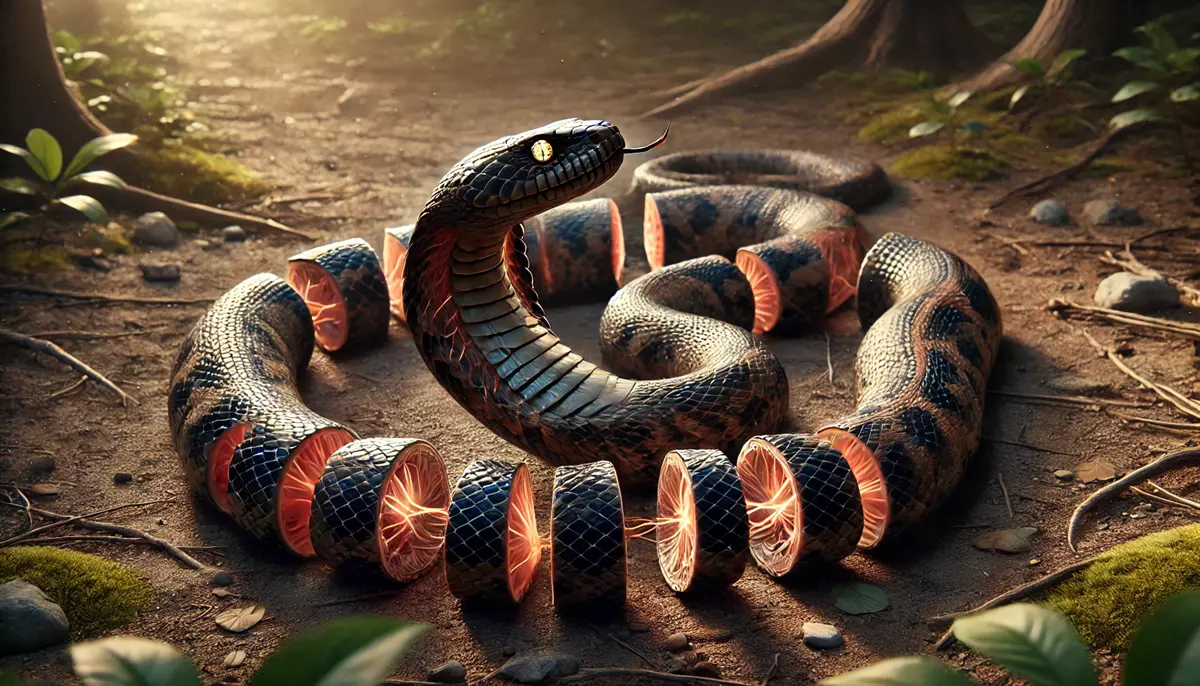
A mysterious serpent from North American folklore, the Joint Snake is known for its ability to reassemble itself after...
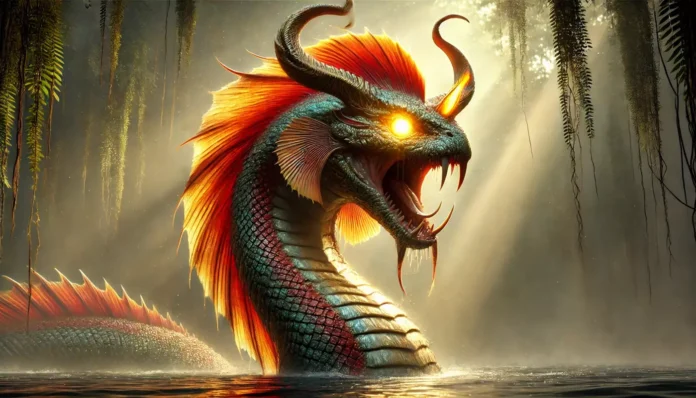
The Uktena, a Cherokee mythical serpent, is a powerful and fearsome creature with horns, glowing scales, and a magical...
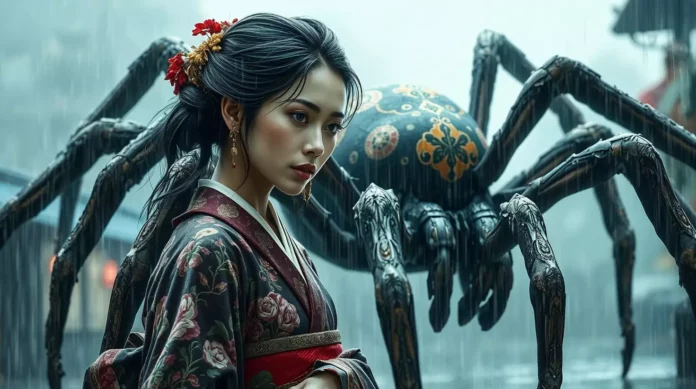
The Jorogumo is a captivating yet terrifying creature from Japanese folklore. Known for her ability to shapeshift into a...

Cuelebre, a dragon-like serpent from Asturian folklore, guards treasures in caves.
The Drac, a serpent-like dragon from Catalan folklore, embodies chaos and nature's fury, with legends of terrorizing villages and...