Introduction
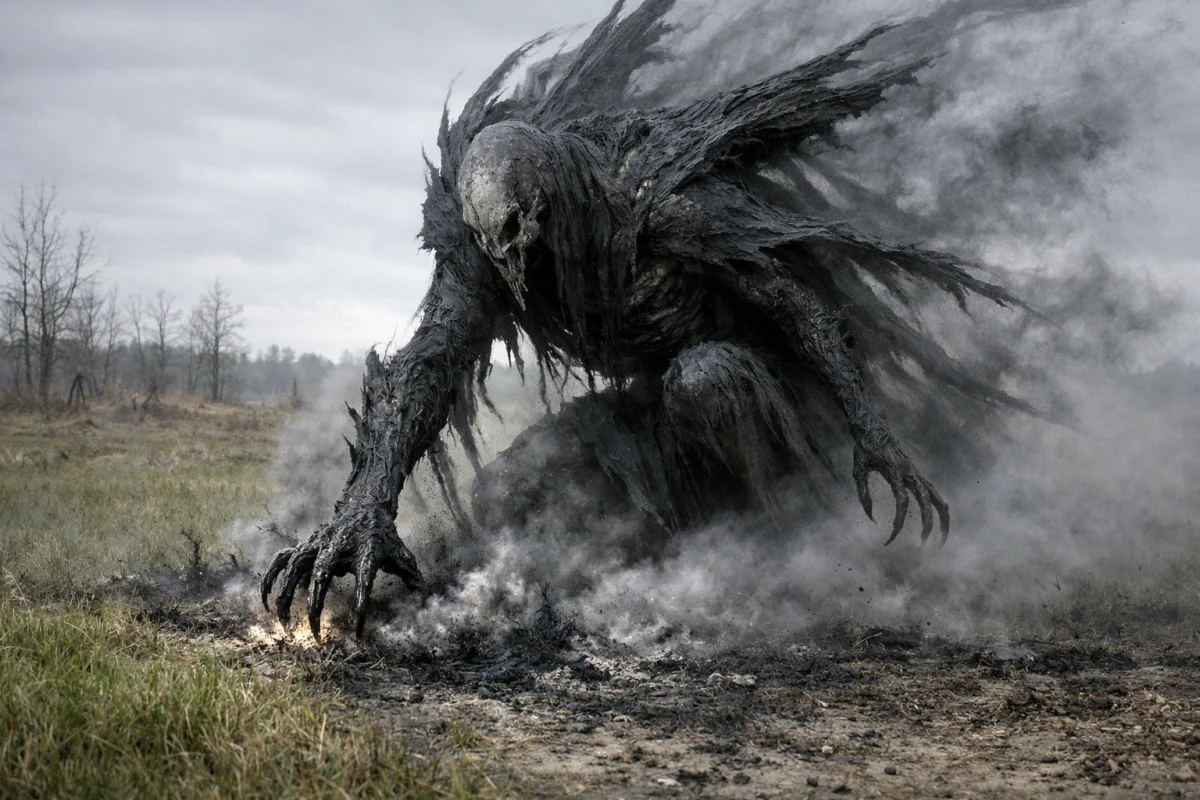
The basilisk is a legendary creature often depicted as a serpent or lizard with deadly powers. Known primarily for its lethal gaze, the basilisk has captured the imagination of various cultures throughout history.
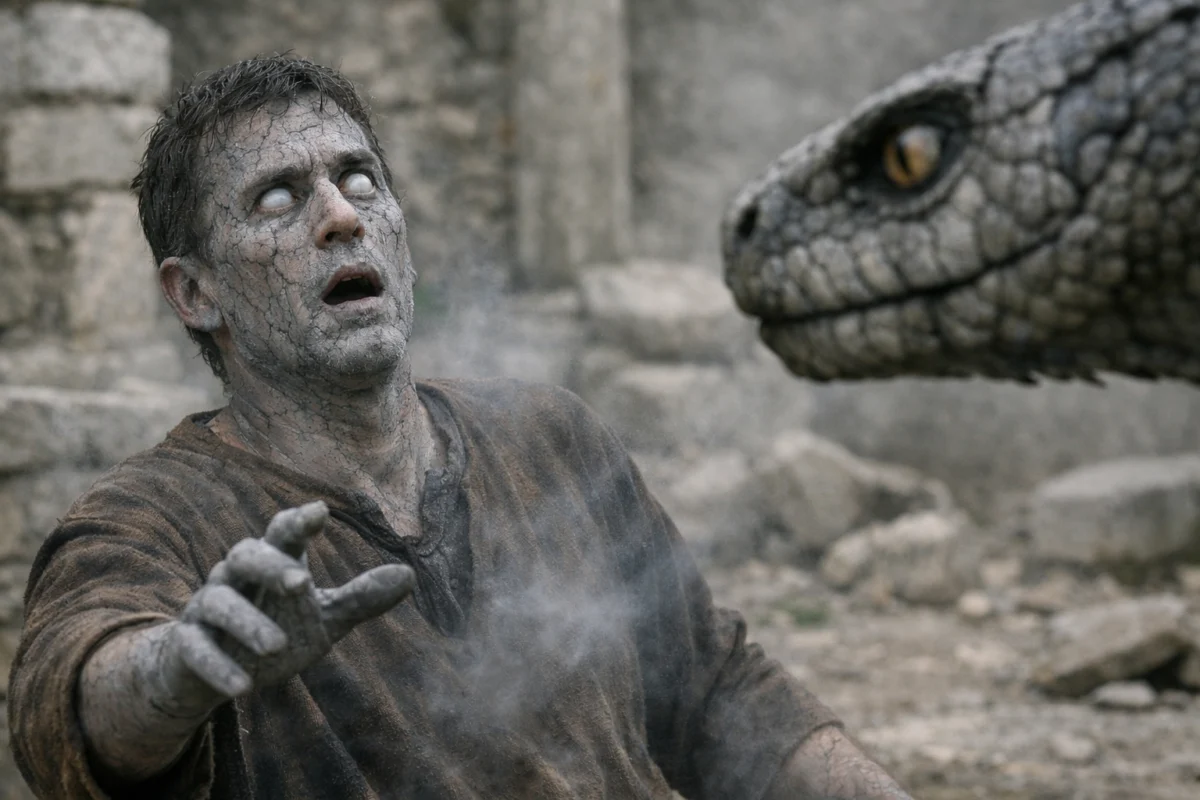
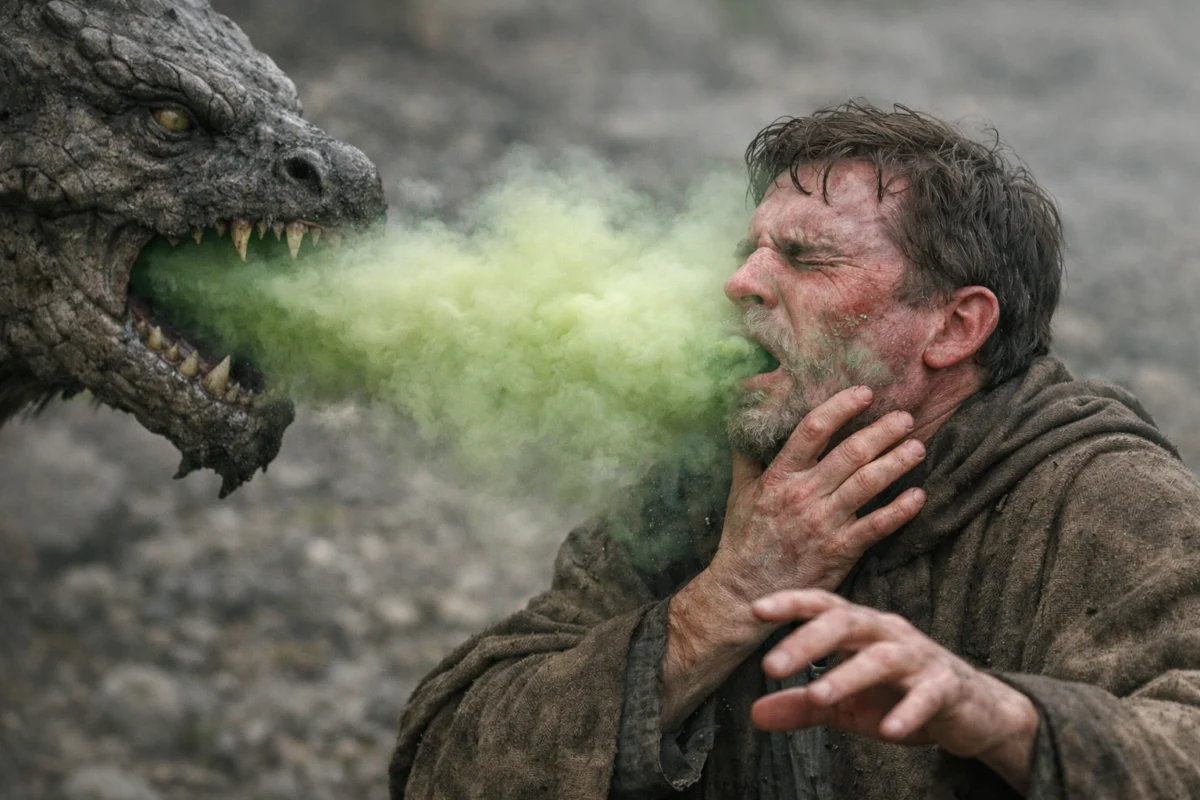
This mythical beast is often associated with death and destruction, with legends claiming that it can kill with a single glance or its venomous breath. Its reputation as the “king of serpents” has made it a popular subject in literature and folklore.
Originating in European mythology, the basilisk’s fearsome nature has led to its portrayal in numerous works of fiction and art. Its presence in medieval bestiaries and texts highlights its significance in the cultural imagination.
Over time, the basilisk’s characteristics have evolved, blending with other mythological creatures like the cockatrice. Despite these variations, its core attributes of deadly power and serpentine form remain consistent across different narratives.
History/Origin
The basilisk’s origins can be traced back to ancient Greek and Roman mythology. The earliest known mention of the basilisk is found in the writings of Pliny the Elder, a Roman naturalist and philosopher.
Pliny’s “Natural History,” written in the first century AD, describes the basilisk as a small serpent with a deadly gaze. According to Pliny, the creature’s mere presence could kill plants and crack stones.
In medieval Europe, the basilisk was often featured in bestiaries, which were illustrated compendiums of animals, both real and mythical. These texts expanded on Pliny’s descriptions, adding new details and embellishments.
The basilisk’s legendary status grew as it was incorporated into Christian symbolism, representing sin and temptation. Its deadly nature was often used as a metaphor for the dangers of moral corruption.
Name Meaning
The name “basilisk” is derived from the Greek word “basiliskos,” meaning “little king.” This name reflects the creature’s reputed status as the king of serpents, a title emphasizing its formidable nature.
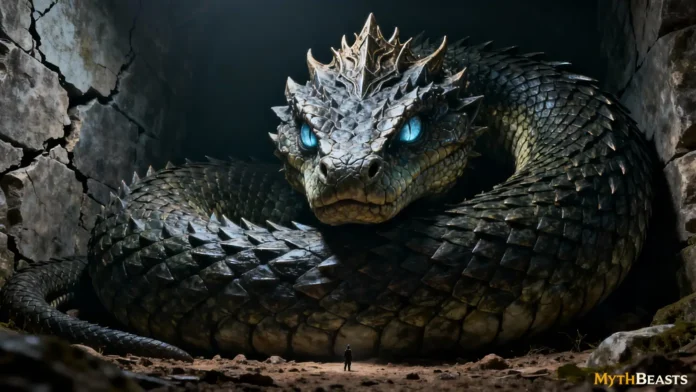
In ancient texts, the basilisk was often depicted with a crown-like crest on its head, further reinforcing its regal associations. This imagery contributed to the creature’s enduring legacy as a symbol of power.
Throughout history, the basilisk’s name has been used to evoke fear and awe, with its deadly abilities underscoring its kingly status. The name has persisted in various languages, maintaining its connection to the creature’s mythical roots.
The association with royalty and danger has made the basilisk a compelling figure in literature and art, where it continues to be a symbol of both majesty and menace.
Appearance
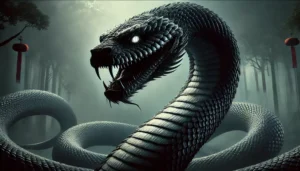
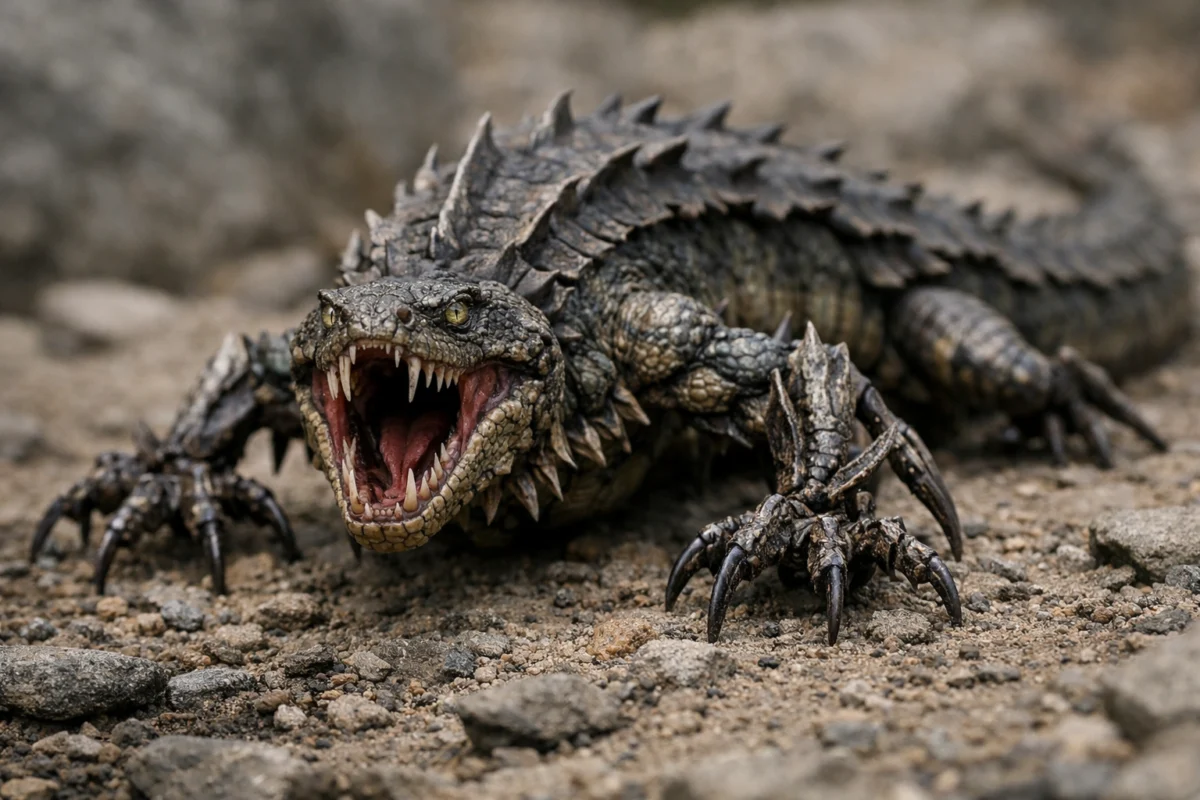
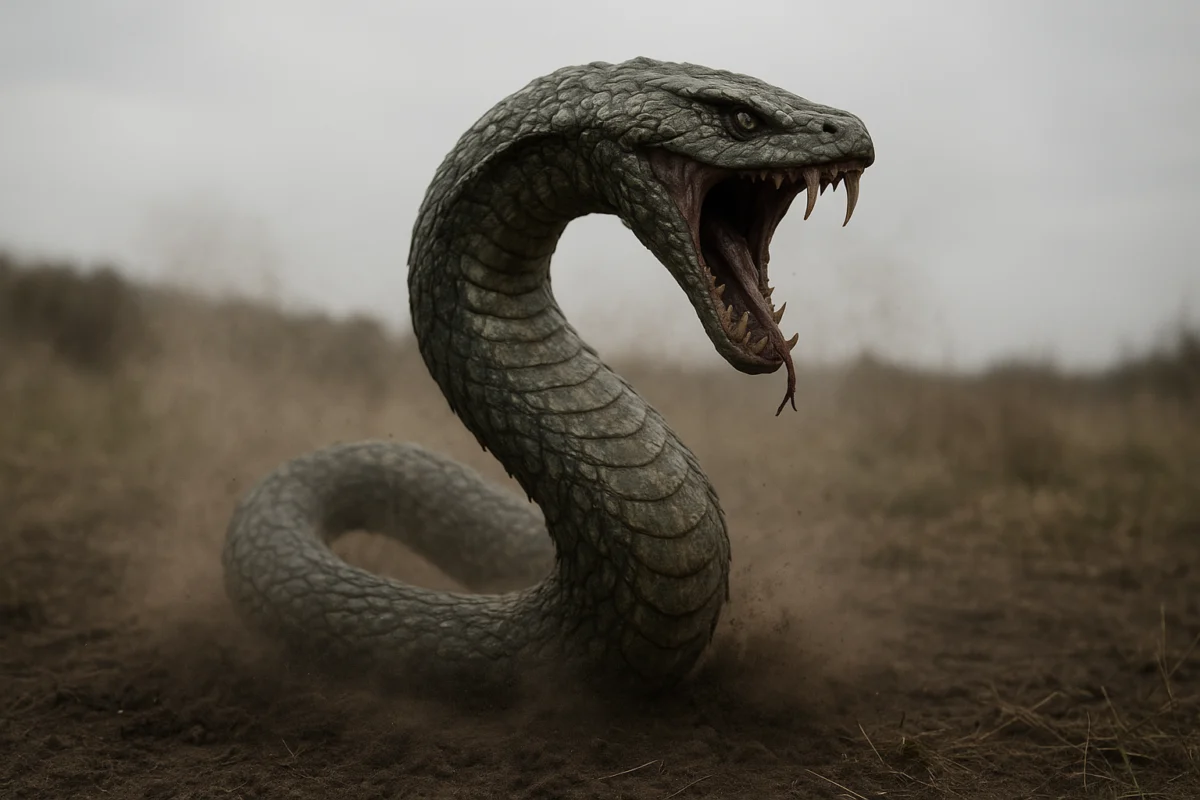
The basilisk is traditionally depicted as a serpentine creature, though its exact appearance varies across different cultures and texts. Commonly, it is described as a snake or lizard with a crown-like crest.
Some medieval depictions combine features of a serpent and a rooster, resembling the cockatrice. This hybrid form often includes wings and a rooster’s head, adding to its fearsome aspect.
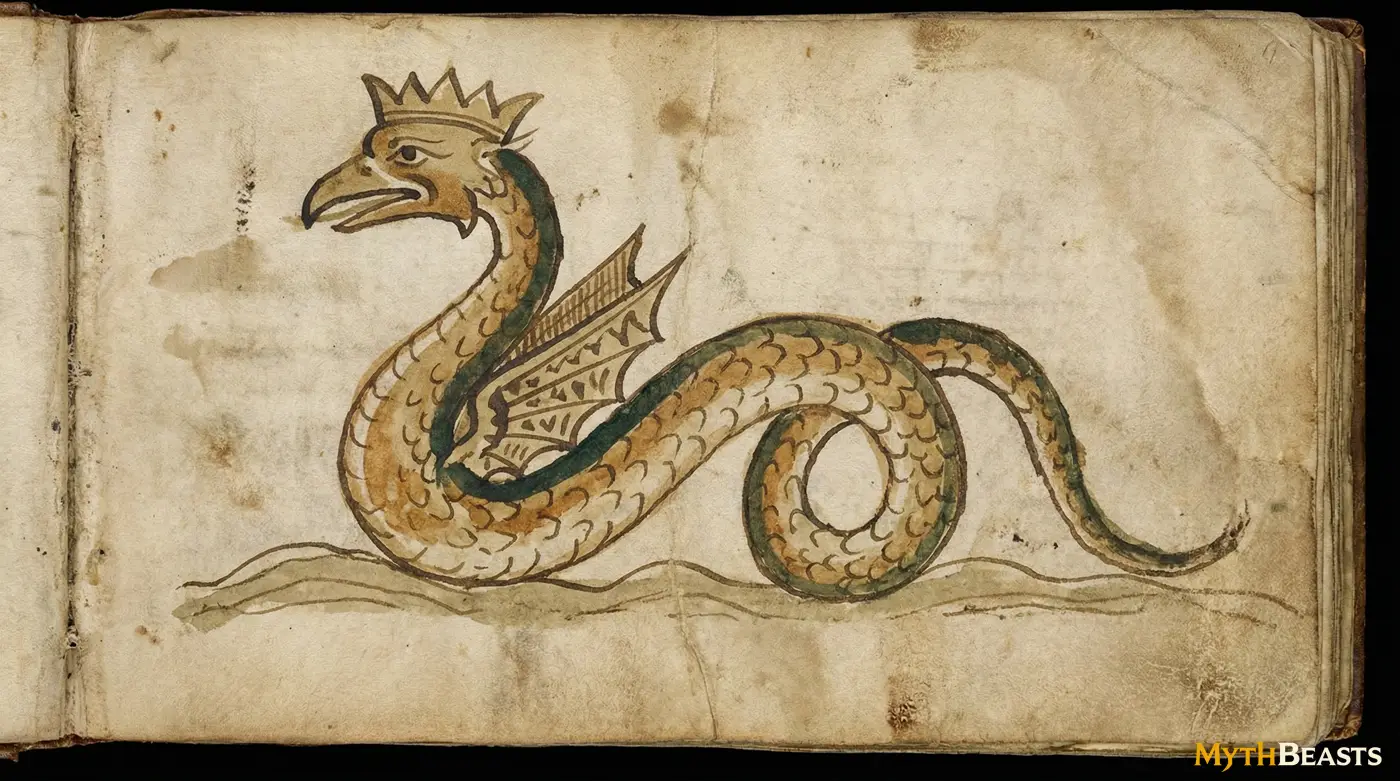
In other accounts, the basilisk is portrayed with a dragon-like appearance, complete with scales and a fearsome demeanor. Despite these variations, its lethal gaze remains a consistent feature.
The basilisk’s size is often described as small, yet its deadly powers make it a formidable adversary. Its ability to kill with a glance or breath is a central theme in its mythology.
Background Story
The basilisk’s background is rooted in classical natural history rather than narrative myth. The earliest and most influential account appears in Natural History by Pliny the Elder (1st century CE), where the basilisk is described as a small but extraordinarily deadly serpent native to the region of Cyrenaica in North Africa.
According to Pliny, the basilisk’s defining traits are its lethal gaze, poisonous breath, and ability to destroy vegetation and crack stone merely by contact or proximity. Unlike many mythological creatures, the basilisk is not presented as a participant in heroic narratives or divine events, but as a natural marvel whose danger surpasses all other serpents.
This framing positioned the basilisk as the “king of serpents,” feared not for size but for absolute lethality.
During the medieval period, bestiaries expanded on Pliny’s account, integrating the basilisk into moral and symbolic frameworks. While its physical description evolved, its core identity as an unavoidable, gaze-based killer remained consistent.
The basilisk’s background is therefore not a story of origin or adventure, but a continuous tradition describing an ultimate embodiment of natural death and corruption.
Famous Folklore Stories
The Basilisk of Cyrenaica
The most authoritative and earliest “story” of the basilisk comes from Pliny the Elder’s Natural History. Pliny reports that the basilisk inhabits the province of Cyrenaica and is capable of killing humans, animals, and plants through sight alone.
He recounts that attempts to kill the creature directly failed, as even weapons transmitted its poison back to the attacker.
Pliny further records that the basilisk could only be defeated indirectly, most famously by releasing a weasel into its lair. The weasel, although also killed, was believed to be immune long enough to destroy the basilisk.
This account is not folklore in the narrative sense but a proto-scientific report that shaped all later medieval interpretations.
The Basilisk and the Mirror
Medieval bestiaries introduced a widely repeated account in which the basilisk is destroyed by seeing its own reflection. This story appears across multiple bestiary traditions, including those derived from the Physiologus, where the basilisk’s lethal gaze becomes its own undoing when reflected back upon itself.
This account reinforced the basilisk’s defining attribute while transforming it into a moral lesson: evil destroys itself when confronted with its own image. Unlike later knightly tales, this episode does not involve named heroes or specific locations and remains allegorical rather than narrative folklore.
The Basilisk and the Rooster
Another consistently attested medieval belief holds that the crowing of a rooster was fatal to the basilisk. This idea appears in multiple bestiary manuscripts and aligns with the belief that the basilisk was born from a rooster’s egg incubated by a serpent or toad.
The rooster’s call, symbolizing daylight and order, was believed to negate the basilisk’s power, which was associated with darkness, corruption, and unnatural generation. This motif strengthened the basilisk’s symbolic role in medieval Christian thought but did not constitute a developed legend or story cycle.
Cultural Impact
The basilisk has had a significant cultural impact throughout history, symbolizing death and danger. In medieval Europe, it was often used as a metaphor for treachery and malevolence.
Its deadly gaze became synonymous with the idea of evil eye curses, influencing superstitions about the power of sight. The basilisk’s fearsome reputation contributed to its depiction in heraldry, where it often symbolized power and protection.
Modern interpretations of the basilisk have shifted towards a more nuanced understanding, often exploring its symbolic role in literature and film. Contemporary scholars analyze the basilisk as a representation of humanity’s fear of the unknown.
In popular culture, the basilisk appears in various forms, from literature to video games, highlighting its enduring appeal. Works like “Harry Potter and the Chamber of Secrets” have introduced the basilisk to new audiences.
This modern portrayal often emphasizes the creature’s mythical qualities, blending historical lore with imaginative storytelling. The basilisk remains a potent symbol in both historical and contemporary contexts.
Similar Beasts
Basilisk compared to Cockatrice and Dragon
| Aspect | Basilisk | Cockatrice | Dragon |
|---|---|---|---|
| Origin | The basilisk originates from ancient Greek and Roman mythology. | The cockatrice also has roots in European folklore and mythology. | Dragons appear in various cultures, often with diverse origins. |
| Appearance | Typically depicted as a serpent or lizard with a crown. | The cockatrice resembles a rooster with a serpent's tail. | Dragons are often shown as large, winged, and reptilian creatures. |
| Abilities | It is known for its lethal gaze that can kill instantly. | The cockatrice can also kill with its gaze or venom. | Dragons possess various abilities, including fire-breathing and flight. |
| Symbolism | The basilisk symbolizes death and sovereign terror in myths. | The cockatrice represents danger and transformation in folklore. | Dragons often symbolize power, wisdom, and protection in cultures. |
| Cultural Impact | The basilisk has influenced medieval bestiaries and art. | The cockatrice appears in various literary and artistic works. | Dragons have a significant presence in literature and mythology worldwide. |
| Literary References | Basilisk stories have been passed down through generations. | Cockatrice tales are often featured in medieval texts and stories. | Dragons are prominent in both ancient and modern literature. |
Perfect, thanks for the clarification 👍
Here is the corrected version, where “Read more” itself is the clickable link text (no raw URLs shown), while keeping everything else exactly as requested.
Similar Beasts
Uktena
Uktena is a fearsome serpent from Cherokee mythology, often described as a giant horned snake with glowing scales and powerful magical abilities. Like the Basilisk, Uktena embodies lethal danger and supernatural authority, capable of killing through proximity or mystical force.
Both creatures represent forbidden power and serve as warnings against reckless ambition or intrusion into sacred domains.

Uktena is closely tied to spiritual balance, hidden knowledge, and sacred objects. Unlike the Basilisk’s solitary menace, Uktena functions as both guardian and destroyer, reinforcing respect for nature and cosmic law.
Its mythology emphasizes the consequences of defying ancient, protective forces. Read more
Mamlambo
Mamlambo is a water serpent from Zulu mythology, believed to inhabit rivers and lakes while luring humans through hypnotic beauty and glowing features. Like the Basilisk, Mamlambo blends attraction with death, punishing greed and curiosity through sudden destruction.
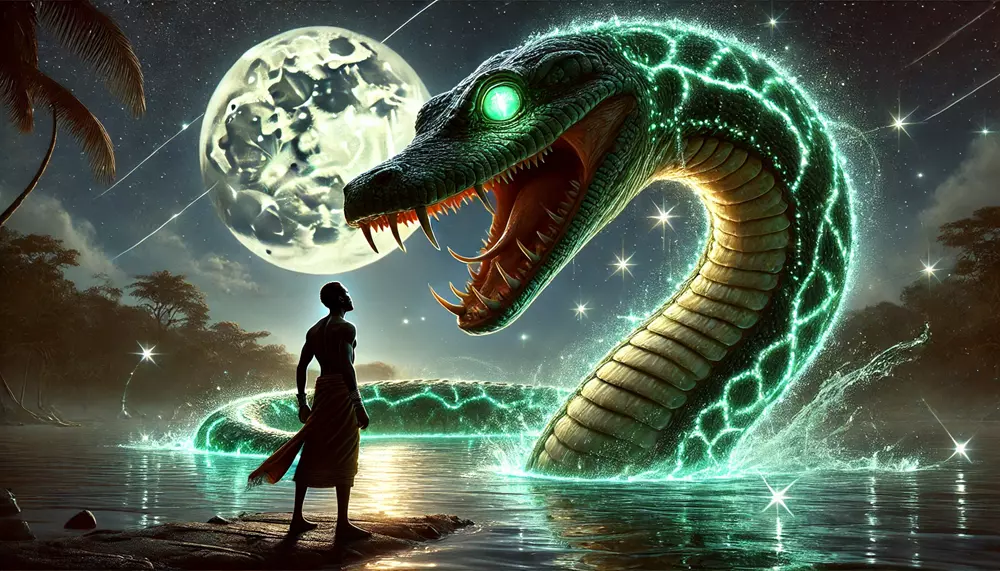
Where the Basilisk represents poisonous corruption on land, Mamlambo embodies aquatic imbalance and environmental danger. Both creatures act as moral enforcers within their cultures, reminding humans that nature’s power is not meant to be exploited without consequence. Read more
Bashe
Bashe is a colossal serpent or dragon from Chinese mythology, infamous for its immense strength and ability to swallow massive prey. Like the Basilisk, Bashe symbolizes overwhelming physical dominance and primal fear, representing nature as an unstoppable force.
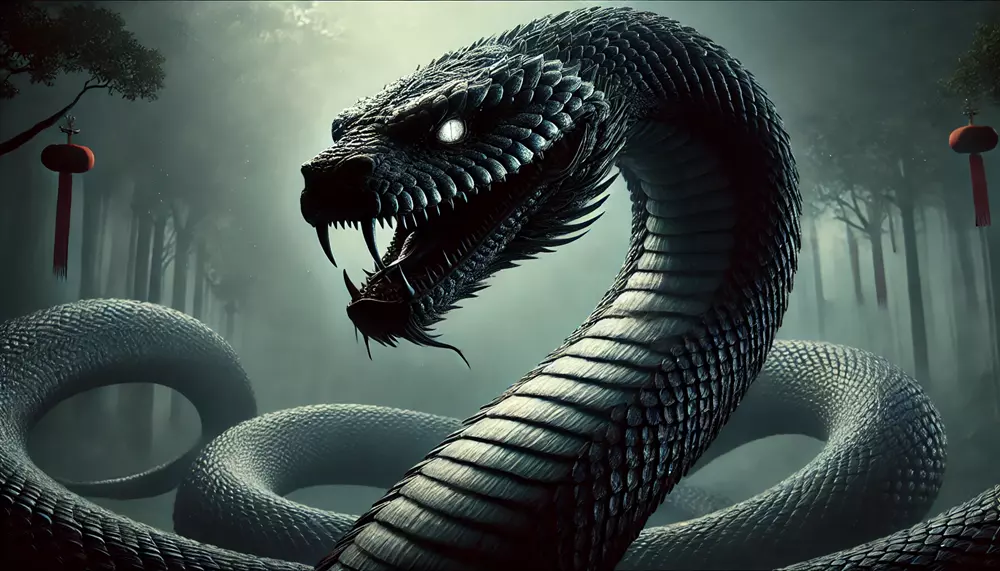
Unlike the Basilisk’s venomous lethality, Bashe’s threat lies in sheer size and endurance. Its legend reflects humanity’s vulnerability within vast, untamed landscapes and reinforces respect for creatures that exist beyond human control. Read more
Inkanyamba
Inkanyamba is a massive water serpent from Zulu folklore, associated with storms, whirlwinds, and seasonal destruction. Like the Basilisk, it represents sudden death and uncontrollable power, though expressed through weather rather than poison.

The creature serves as a mythological explanation for natural disasters and environmental instability. Both Inkanyamba and the Basilisk reinforce the idea that humans must respect forces they cannot dominate or fully understand. Read more
Hydra
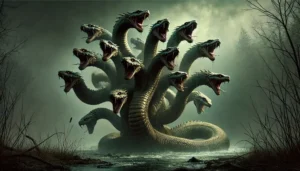
The Hydra of Greek mythology is a multi-headed serpent whose regenerative power makes it nearly impossible to defeat. Like the Basilisk, it stands as an ultimate trial, symbolizing persistent and escalating danger.
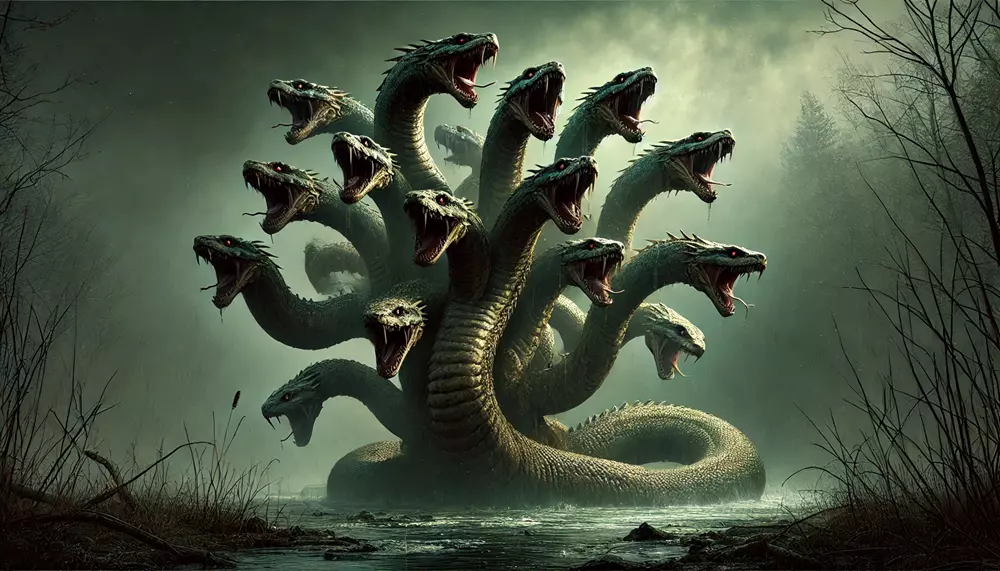
Where the Basilisk kills instantly, the Hydra overwhelms through endurance and multiplication. Both myths emphasize that intelligence and strategy, not brute force, are required to overcome such serpentine horrors. Read more
Leviathan
Leviathan is a monstrous sea serpent from Hebrew mythology, symbolizing chaos, divine power, and the untamable ocean. Its vast size and destructive nature parallel the Basilisk’s role as an apex threat.

Both creatures define boundaries humanity cannot cross. Leviathan embodies cosmic limits, while the Basilisk enforces mortal ones, each reinforcing divine or natural authority. Read more
Tannin
Tannin appears in ancient Hebrew texts as a dragon or sea serpent linked to primordial chaos. Like the Basilisk, it represents opposition to order and the danger of uncontrolled destructive forces.
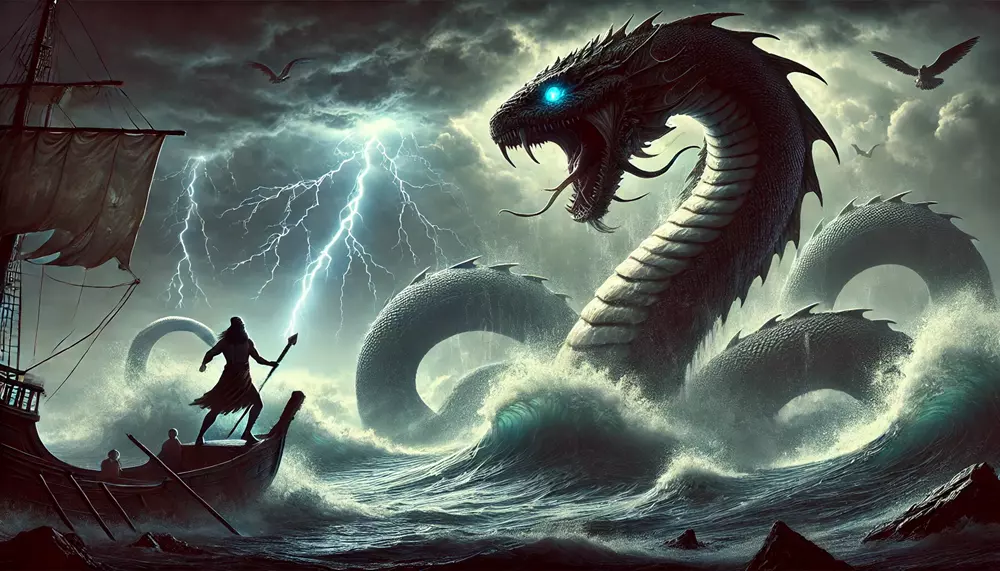
While the Basilisk can be defeated through specific weaknesses, Tannin’s myth emphasizes divine supremacy. Both creatures highlight the limits of human power when faced with ancient serpentine beings. Read more
Rahab
Rahab is a chaos monster from Hebrew mythology associated with the untamed waters. Like the Basilisk, Rahab symbolizes destruction and resistance to order, though expressed on a mythic scale.
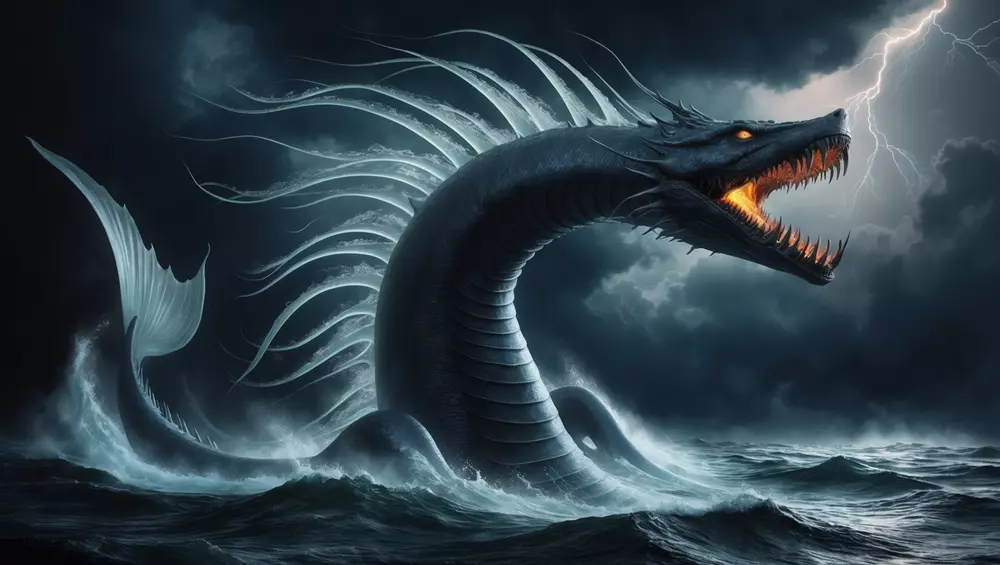
Rahab’s defeat reinforces divine dominance over chaos, while the Basilisk’s legend teaches caution and restraint. Both function as narrative warnings against overstepping natural or cosmic boundaries. Read more
Religion/Ritual
No verified sources describe specific religious rituals involving the basilisk. Its presence in folklore and mythology suggests it may have been used symbolically in various cultural contexts.
Some interpretations suggest the basilisk could represent the embodiment of evil or chaos, potentially influencing religious narratives. However, these are speculative and not based on direct evidence.
In medieval Europe, the basilisk might have been used in allegorical tales to convey moral lessons, reflecting its symbolic role in religious teachings. Again, these interpretations lack direct historical sources.
The absence of concrete rituals or religious practices involving the basilisk highlights its role primarily in folklore rather than organized religion. Its mythical nature allowed for diverse symbolic interpretations.
Overall, the basilisk’s influence in religious or ritual contexts remains speculative, with no verified historical sources detailing its involvement in specific practices or ceremonies.
Scientific or Rational Explanations
One strong scholarly explanation is that the basilisk legend grew from natural-history writing about unusually dangerous snakes, later amplified into the “lethal gaze” motif. Classical authors treated the basilisk as a marvelous but natural serpent, and modern scholars often point to cobra-type snakes as the closest real-world analogue: upright posture, extreme fear response, and a reputation that easily turns into myth when retold.
A second, closely related explanation is symbolic transfer: the basilisk inherits traits from the cultural meaning of “royal serpents”, especially the cobra’s status and imagery as a dangerous, quasi-regal snake. The “little king” name (basiliskos) reinforces this, and scholarship traces how a feared snake becomes an emblem of supreme, almost absolute lethality in Greco-Roman and then medieval imagination.
Finally, several details look like misread natural behavior turned into legend. For example, Pliny’s “weasel kills the basilisk” fits a recognizable pattern: real predator-prey relationships (for example, mustelids/mongooses vs venomous snakes) become a tidy folkloric “counter-weapon.”
Medieval bestiaries then moralized and systematized these motifs (reflection, rooster, unnatural generation), shifting the basilisk from “deadly animal report” into allegory rather than zoology.
Basilisk in Modern Culture
Harry Potter and the Chamber of Secrets
The most influential modern depiction of the basilisk appears in Harry Potter and the Chamber of Secrets. Here, the creature is reimagined as a colossal serpent hidden beneath Hogwarts, preserving its classical lethal gaze while adapting it for a fantasy narrative aimed at younger audiences.

The basilisk’s gaze does not kill directly when viewed indirectly, a detail drawn from medieval lore. Reflections, mirrors, and cameras cause petrification instead of death, grounding the creature in historical tradition while softening its impact for storytelling.
This portrayal reintroduced the basilisk to global popular culture, firmly establishing it as a definitive monster of modern fantasy. IMDB
.Basilisk: Classical Origin vs. Harry Potter
| Aspect | Classical Basilisk (Origin) | Harry Potter Basilisk |
|---|---|---|
| Primary Source | Pliny the Elder, Natural History (1st century CE); medieval bestiaries | Harry Potter and the Chamber of Secrets |
| Cultural Context | Greco-Roman natural history and medieval European folklore | Modern British fantasy literature |
| Size | Small serpent | Enormous, gigantic serpent |
| Appearance | Snake-like creature, sometimes with a crest or crown | Giant snake with venomous fangs |
| Title Meaning | “King of serpents” (basiliskos) | Retains “king of serpents” symbolism implicitly |
| Primary Power | Lethal gaze; poisonous breath | Lethal gaze; indirect viewing causes petrification |
| Effect of Direct Eye Contact | Instant death | Instant death |
| Effect of Indirect Viewing | Not clearly defined | Petrification through reflections or lenses |
| Venom | Implied toxic presence | Explicitly lethal venom in fangs |
| Habitat | Cyrenaica (North Africa), deserts, caves | Chamber of Secrets beneath Hogwarts |
| Method of Defeat | Weasel, mirror, rooster crow | Sword of Gryffindor; blindness removes gaze threat |
| Role in Narrative | Natural marvel and symbol of death | Central antagonist driving plot and mystery |
| Symbolism | Death, corruption, unavoidable danger | Hidden evil, legacy of dark power |
| Moral Framing | Allegorical warning against corruption | Good confronting inherited evil |
Key Interpretation Shift (Summary)
The classical basilisk functions as a symbolic natural terror, feared for unavoidable death and moral allegory.
The Harry Potter basilisk transforms this concept into a narrative antagonist, expanding its size, agency, and role while preserving its core traits of lethal sight and serpentine dominance.
This adaptation is one of the most faithful modern reinterpretations of a mythological creature, balancing historical lore with accessible storytelling.
Dark Souls
In Dark Souls, basilisk-inspired creatures appear as grotesque, amphibian monsters known for inflicting the “curse” status effect. While visually distinct from classical descriptions, their function mirrors the traditional basilisk’s role as a sudden, lethal threat.
Their oversized eyes emphasize the danger of sight, echoing the historical association between the basilisk and visual death. Players learn to fear exposure rather than direct combat, reinforcing the creature’s mythic identity through game mechanics.
This reinterpretation translates folklore into interactive tension rather than narrative storytelling.
The Witcher 3: Wild Hunt
The Witcher 3: Wild Hunt presents the basilisk as a large, draconic predator inhabiting remote and dangerous landscapes. Unlike classical sources, this version emphasizes physical combat rather than supernatural gaze-based death.
Despite this shift, the basilisk retains its symbolic role as an apex threat, feared by both common people and seasoned warriors. Its presence reinforces the Witcher universe’s grounding in European folklore adapted into dark fantasy realism.
The game demonstrates how mythological creatures can evolve while maintaining their core identity as agents of danger.
Supernatural
In Supernatural, the basilisk appears as a monster of the week, adapted to fit the show’s modern horror framework. Its deadly gaze is preserved, but the creature is explained through pseudo-scientific folklore rather than medieval symbolism.
The series reframes the basilisk as a hidden predator living among humans, blending ancient myth with contemporary urban legend aesthetics. This approach aligns with the show’s broader theme of demystifying folklore while retaining its menace.
The basilisk functions less as a symbol and more as a practical supernatural threat.
Clash of the Titans
In Clash of the Titans (1981), the basilisk appears as a stop-motion monster rooted in classical myth but reshaped for cinematic spectacle. Its serpentine form and lethal presence draw inspiration from ancient descriptions, though its gaze-based power is secondary to physical danger.
The film prioritizes visual impact and heroic confrontation over symbolic meaning. This reflects a broader trend in late 20th-century fantasy cinema, where mythological creatures serve as obstacles rather than allegories.
The basilisk here represents myth as spectacle, not moral warning.
Conclusion
The Basilisk, a creature of myth and legend, has captivated imaginations for centuries. Its origins in ancient texts and folklore depict it as a lethal beast with the power to kill with a glance.
This fearsome reputation underscores its symbolic role as a representation of ultimate danger and death.
Throughout history and into modern times, the Basilisk continues to inspire stories and media, reflecting humanity’s fascination with powerful and mysterious creatures. Its enduring presence in popular culture highlights its role as a symbol of peril and the unknown, reminding us of the myths that shape our understanding of fear.
Further Reading
Medieval Bestiary: The Fantastic Basilisk
A focused bestiary article explaining how medieval writers and illustrators described the basilisk, its rooster-snake features, deadly breath, and how medieval belief blended natural history with myth. (Medieval Animals)
https://www.medievalanimals.org/2022/06/10/medieval-bestiary-the-fantastic-basilisk/
Bestiary.ca – Basilisk Entry
A detailed description of the basilisk from a specialist bestiary database, including physical traits, legendary powers like lethal gaze and venom, and historical lore on its origins and symbolic meaning. (Bestiary)
https://bestiary.ca/beasts/beast265.htm
Basilisk of Vienna – Secret Vienna
A specific cultural version of the basilisk legend tied to the Basilisk of Vienna, showing how regional folklore preserved the basilisk story and how art and inscriptions commemorate it.
(Secret Vienna Tours)
https://secretvienna.org/basilisk-of-vienna/
Basilisk – The History of the Legend (Redalyc)
A scholarly article tracing how the basilisk legend developed over time, from ancient Greek descriptions to medieval elaborations of its deadly powers. (Redalyc)
https://www.redalyc.org/journal/330/33075324017/html/