Mythical Beings
Discover legendary creatures, supernatural beings, and mythical figures from folklore and cultures around the world.
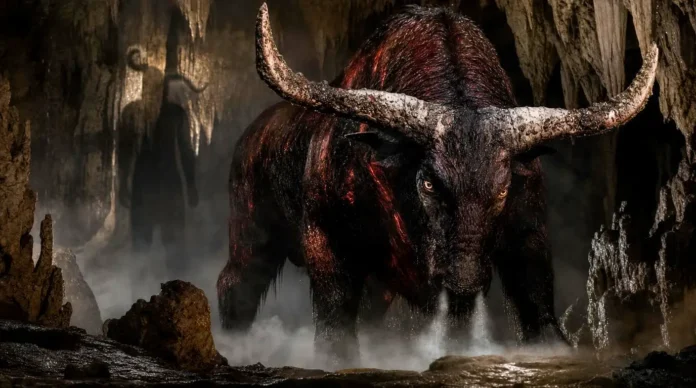
Aatxe is a protective bull spirit from Basque mythology, active in Medieval Europe and known as a supernatural being...
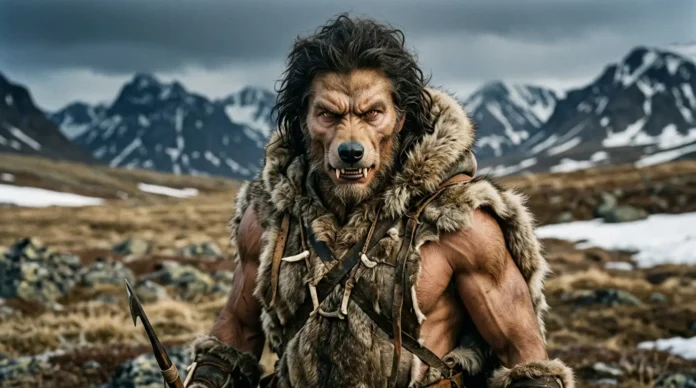
Adlet are wolf legged humanoids from Inuit mythology, known as savage supernatural beings inhabiting Arctic regions and representing fear...
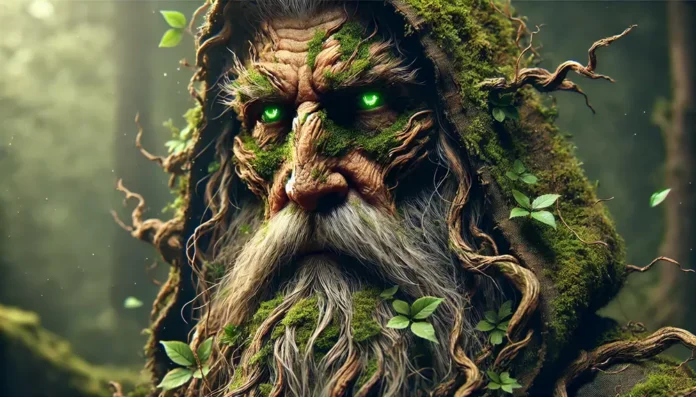
The Adnei haSadeh are feral humanoids of ancient Hebrew lore. They live apart from civilization, embodying primal nature...
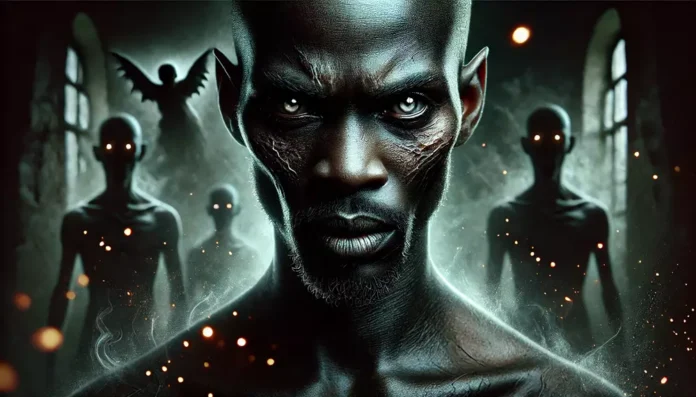
Adze is a vampiric being from Ewe folklore that transforms into a firefly to drain its victim's energy at...
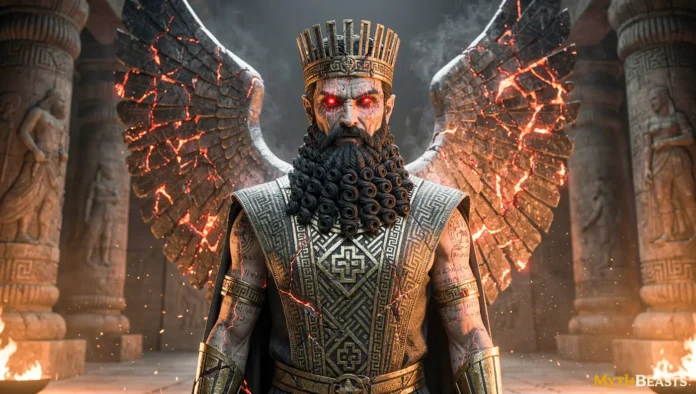
Aeshma - a Zoroastrian demon of wrath and violence who disrupts ritual, drives humans to rage and bloodshed, and...
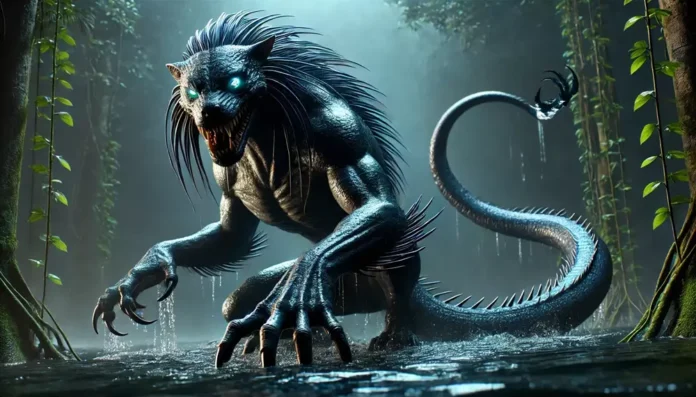
"The āhuitzotl dwells in the waters; there it seizes the men, drowning them as its prey, presenting them to...
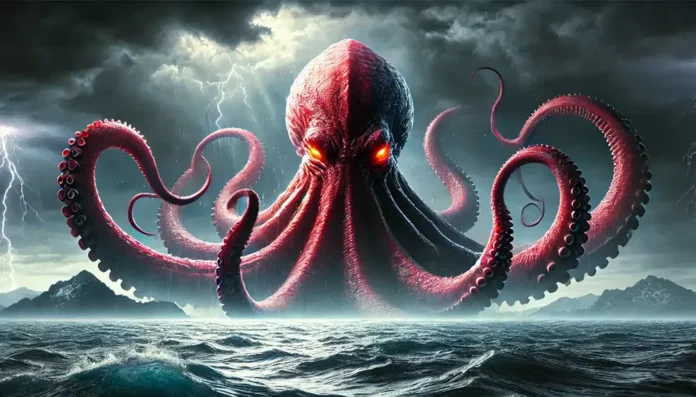
Akkorokamui, the colossal octopus deity from Ainu folklore, symbolizes both creation and destruction. Known to heal or harm, it’s...
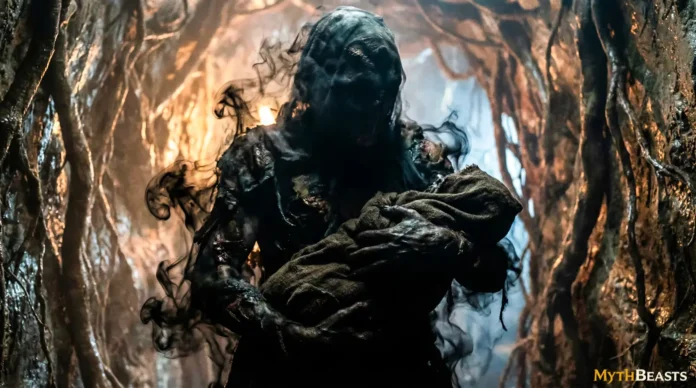
The Āl is a folkloric figure associated with childbirth danger in Iranian and Caucasian traditions, reflecting historical fears surrounding...
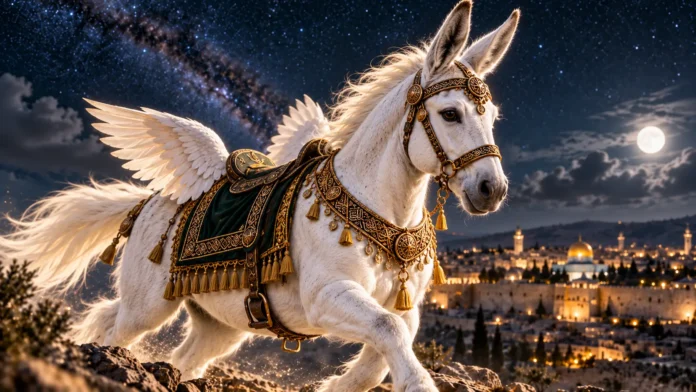
Al-Buraq is the white mount brought by Gabriel for Muhammad’s Night Journey from Mecca to Jerusalem; it is larger...
What Are Mythical Beings?
Mythical beings are extraordinary figures found in mythology, folklore, legends, and traditional storytelling across the world. They include legendary creatures, supernatural spirits, magical humanoids, monsters, divine entities, and mysterious figures whose abilities or characteristics distinguish them from ordinary humans and animals.
Some are terrifying predators, while others act as guardians, tricksters, messengers, or protectors. Their appearances range from enormous serpents and hybrid animals to humanlike figures capable of transformation, enchantment, or supernatural intervention.
Not every mythical being is necessarily a beast or monster. Some possess human appearances and personalities, yet their extraordinary powers and roles in traditional narratives place them firmly within the supernatural world.
The MythBeasts directory brings these diverse figures together, allowing visitors to discover and compare them through their identities, cultural traditions, historical associations, abilities, and weaknesses.
Types of Mythical Beings and Legendary Creatures
Mythical beings appear in many forms, often crossing the boundaries between different categories.
Mythical animals and hybrid creatures combine familiar animal characteristics with supernatural features. The Griffin, traditionally depicted with the body of a lion and the head and wings of an eagle, represents one of the most recognizable examples.
The Leviathan, associated with ancient Hebrew traditions, illustrates the enduring image of a formidable sea creature.
Supernatural humanoids resemble humans but possess unusual powers, origins, or characteristics. Baba Yaga, the mysterious witch of Slavic folklore, exemplifies this category through her magical abilities, unusual dwelling, and unpredictable role in traditional tales.
Spirits and supernatural entities include beings associated with death, nature, households, and the unseen world. Japan’s Yuki-onna, a mysterious woman connected with snow and winter, and the Scandinavian Näcken, a water spirit associated with enchanting music, demonstrate how folklore connects supernatural figures to natural environments.
Tricksters and magical figures frequently challenge expectations through intelligence, deception, or transformation. Anansi, the spider trickster originating in Akan storytelling traditions, is celebrated for stories in which cleverness becomes more important than physical strength.
These categories frequently overlap. A single being may be classified as a spirit, shapeshifter, guardian, or monster depending on the tradition and narrative.
Mythical Beings Across World Cultures
Throughout history, different cultures have developed supernatural figures reflecting their environments, beliefs, fears, and storytelling traditions.
Ancient Greek mythology introduced creatures such as the Minotaur, Medusa, and Typhon. Norse traditions feature giants, supernatural animals, and figures such as Hel, who presides over a realm of the dead.
Chinese mythology includes Bai Ze, a knowledgeable supernatural creature associated with understanding otherworldly beings. Japanese folklore contains numerous yōkai, including the Kappa and Tengu, whose appearances and characteristics vary across regional traditions.
African folklore preserves diverse supernatural beings and trickster figures, while Indigenous American traditions contain powerful animal spirits, transformative beings, and extraordinary guardians.
Similar themes may appear across distant cultures, but their meanings are not necessarily identical. Understanding each being within its original tradition reveals the distinctive stories and beliefs surrounding it.
Explore the MythBeasts Directory
The MythBeasts directory makes it possible to discover mythical beings through six interconnected categories.
Browse by Beast Types to explore different supernatural forms, or use Cultural Origin to discover beings associated with particular regions and traditions. Period of Activity helps organize their historical and literary associations, while Lore Types groups figures according to their supernatural roles and characteristics.
You can also explore Skills and Weaknesses, comparing abilities such as shapeshifting, magical influence, or supernatural strength with vulnerabilities described in their legends.
Combine multiple filters to narrow the results, discover unfamiliar figures, and explore the remarkable diversity of mythical beings across world mythology and folklore.