back to top

Aquatic

Aquatic beings inhabit water realms, embodying fluidity and mystery as integral elements of various mythological traditions worldwide.

Relevant Beasts

Europe
Water Dwelling Creature
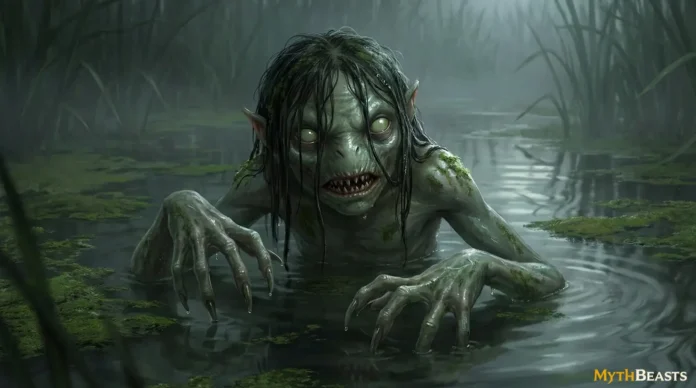
Grindylow - water spirit from 18th-century English folklore
United Kingdom

Grindylow

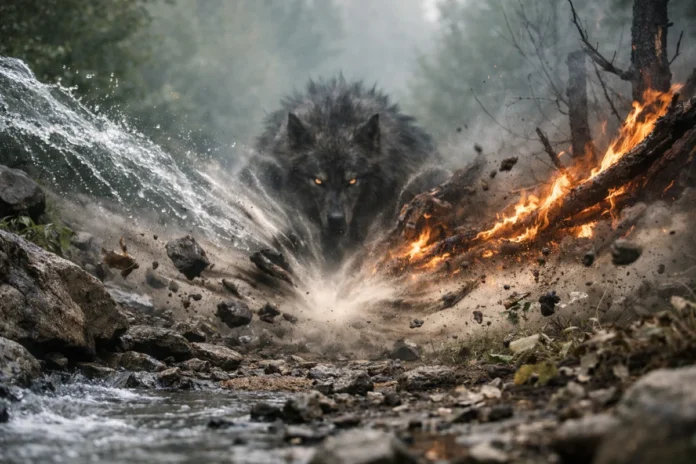
Grindylow, a sinister water spirit from 18th-century English folklore, haunted marshes and ponds, snatching children who strayed too close...
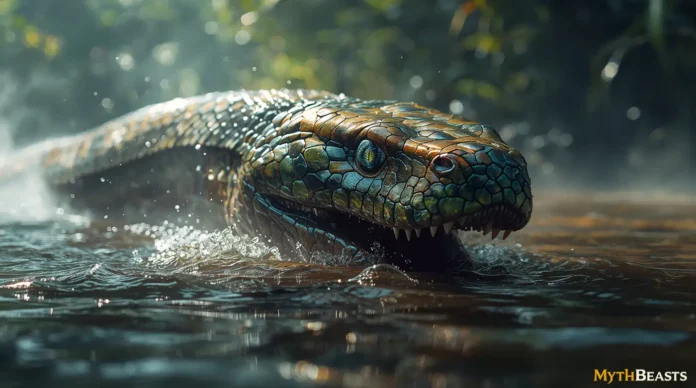
  • Skills
CamouflageFog Generation
  • Weaknesses
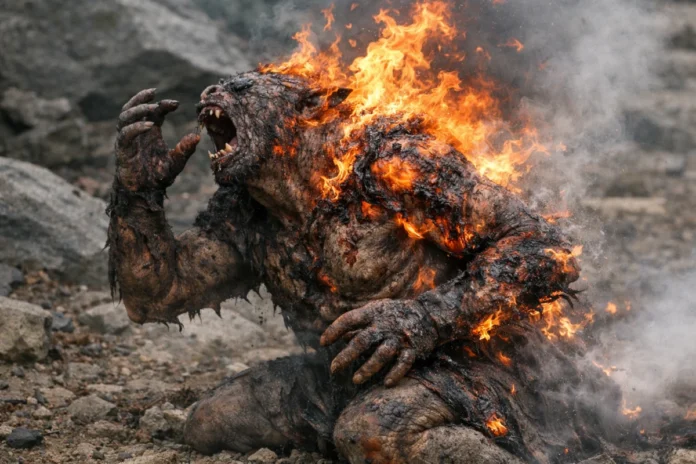
BeheadingFire Vulnerable
Europe
Sea Monster
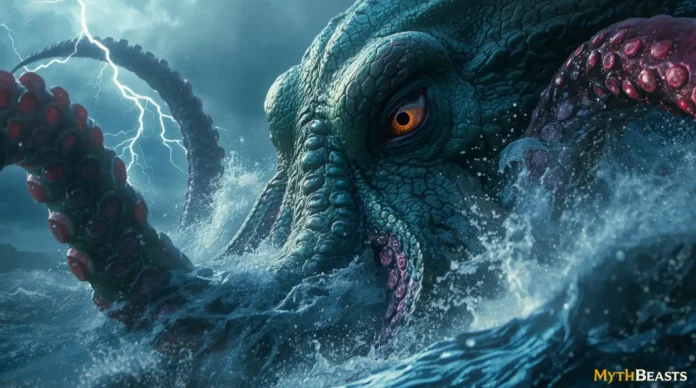
Kraken - Nord mythology
Vikings

Kraken

The Kraken, a giant sea monster from Norse myth, lurks off Scandinavian coasts. Capable of sinking ships, it epitomizes...
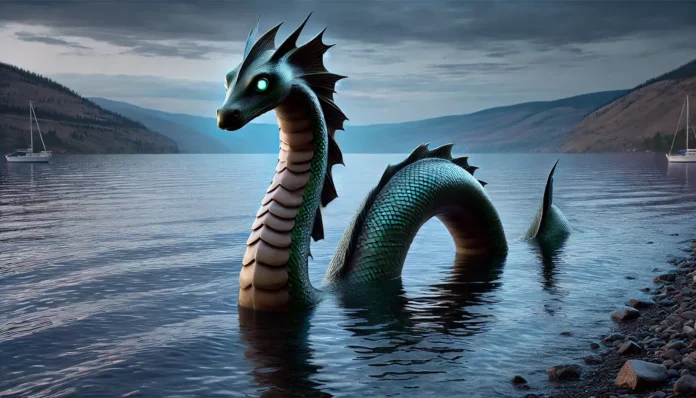
  • Skills
Element ControlPhysical Strength
  • Weaknesses
Dry Land HarmElement Sensitivities
North America
Tidal Guardian
Ogopogo - British Columbia
Salish

Ogopogo

Ogopogo is a serpentine water monster from Canadian folklore, believed to inhabit Okanagan Lake and connected to Indigenous myths.
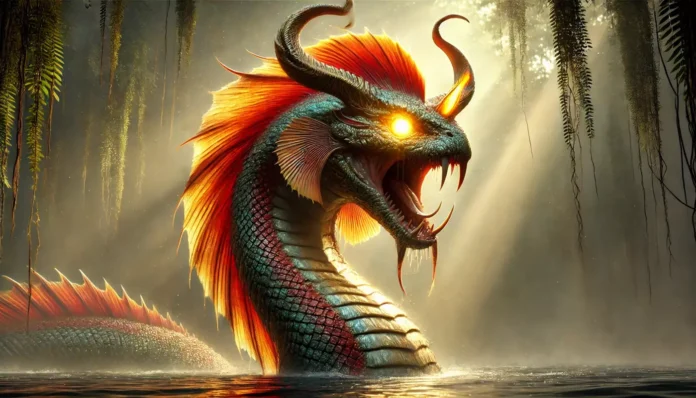
  • Skills
Enhanced AgilityWater Breathing
  • Weaknesses
Drought SensitiveDry Land Harm
Cherokee
Sacred Animal
Uktena - Cherokee folklore
Cherokee

Uktena

The Uktena, a Cherokee mythical serpent, is a powerful and fearsome creature with horns, glowing scales, and a magical...

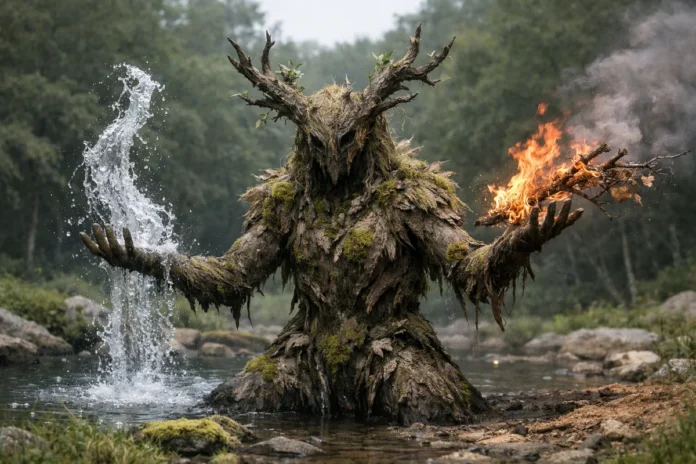
  • Skills
Light HealingTidal Wave Summoning
  • Weaknesses
Blunt ForceEarth Bound
Mississippian
Sacred Animal
Mishipeshu - the water panther - North American folklore
Mississippian

Mishipeshu

Mishipeshu, the legendary water spirit of Anishinaabe folklore, is a powerful and protective creature. Often depicted as a mix...

  • Skills
Enhanced StaminaSwamp Manipulation
  • Weaknesses
Blunt ForceDry Land Harm
Asia
Aquatic Hybrid
Kappa - Japanese folklore
Japan

Kappa

a Japanese river imp known for its mischief and deadly tricks. Recognizable by its turtle-like shell, webbed limbs, and...

  • Skills
StrengthTrickery
  • Weaknesses
Dry Land HarmHeatwave Harm

Sub Categories

Abyss Leviathan

Abyss Leviathan is often depicted as a colossal sea creature dwelling in the deepest oceanic trenches. It symbolizes chaos and the unknown, embodying the mysteries of the abyss.In mythological narratives, Abyss Leviathan frequently serves as a formidable adversary or guardian. Its presence challenges heroes, representing the struggle against overwhelming natural forces and the limits of human understanding.

Amphibious Hybrid

Amphibious Hybrid creatures typically exhibit features of both aquatic and terrestrial animals, combining elements like scales and limbs. These beasts often inhabit water and land, symbolizing duality and adaptability.Narratively, Amphibious Hybrid beings often serve as guardians of water bodies or as intermediaries between worlds. They represent transformation and fluidity, reflecting the connection between different realms.

Coastal Horror

Coastal Horror typically embodies the fear of the unknown depths and the dangers lurking beneath the sea. These mythological creatures often feature aquatic characteristics and evoke terror through their mysterious nature.In mythological narratives, Coastal Horror serves as a warning against venturing into treacherous waters. They symbolize the unpredictable power of the ocean, acting as guardians of forbidden or sacred marine realms.

Coral Lurker

Coral Lurker is typically associated with underwater realms, displaying features that blend marine life with mythic attributes. Often depicted with coral-like appendages, they embody the mysteries of the deep.Symbolically, Coral Lurker represents the hidden dangers and beauty of the ocean. In narratives, they serve as guardians or antagonists, often challenging heroes exploring or exploiting underwater environments.

Deep Sea Wraith

Deep Sea Wraiths are often depicted as ethereal entities inhabiting the ocean's depths. They are characterized by their ghostly appearances and ability to move silently through water.Symbolically, Deep Sea Wraiths represent the unknown and mysterious nature of the ocean. In narratives, they often serve as harbingers of doom or guardians of hidden secrets beneath the waves.

Freshwater Guardian

Freshwater guardians are creatures tasked with protecting lakes, rivers, or ponds. These beings are often tied to the natural balance of their freshwater environments, using their powers to maintain purity and protect from harm. They may appear as graceful beings or fierce protectors, ensuring that no harm comes to their waters.In myth, freshwater guardians like naiads or river spirits are responsible for the health of their ecosystems, often punishing those who pollute or misuse their waters.

Island Beast

Island Beast typically inhabits remote islands, often embodying isolation and mystery. These creatures are frequently depicted as guardians of hidden treasures or knowledge, reflecting their connection to seclusion and protection.Symbolically, Island Beast represents the unknown, often serving as a test for heroes in mythological narratives. Their presence challenges characters, symbolizing both danger and the potential for personal growth.

Kelp Lurker

Kelp Lurker is a mythological beast type often depicted as an aquatic creature inhabiting coastal waters. These creatures typically blend with seaweed, using camouflage to ambush unsuspecting prey.Symbolically, Kelp Lurker represents the hidden dangers of the ocean and the unknown lurking beneath the surface. In narratives, they often serve as guardians or tests for seafaring heroes.

Lake Beast

Lake beasts are large, often fearsome creatures that dwell in deep lakes, shrouded in mystery. These beings are known for their ability to hide beneath the water’s surface, surfacing only occasionally to inspire awe or fear in those who witness them. Lake beasts often symbolize the unknown and the dangers hidden in deep waters.In folklore, creatures like the Loch Ness Monster or Champ are famous examples of lake beasts, captivating the imagination with their elusive presence.

Marine Spirit

Marine Spirit typically embodies elements of water, often associated with the sea or ocean. These entities are frequently depicted with fluid, graceful movements and possess an affinity for aquatic environments.Marine Spirit often symbolizes mystery, transformation, and the unknown depths. In narratives, they may guide, protect, or challenge humans, reflecting the ocean's dual nature as both nurturing and perilous.

Oceanic Being

Oceanic Being commonly embodies the mysteries and vastness of the sea, often depicted with features like scales or aquatic appendages. These beings symbolize the ocean's power and unpredictability.In mythological narratives, Oceanic Being frequently serves as a guardian or harbinger of change, influencing seafaring adventures. They reflect humanity's respect for and fear of the ocean's depths.

Oceanic Horror

The Oceanic Horror is a terrifying monster that prowls the open seas, attacking anything that crosses its path. It has a multitude of tentacles and eyes, allowing it to ensnare and observe its prey from all angles. This horror is a force of destruction, leaving devastation in its wake. The Oceanic Horror is both feared and respected, as it embodies the untamed and savage nature of the ocean.

Reef Serpent

Reef Serpent is a mythological beast type often depicted as a large, serpentine creature inhabiting coral reefs. These creatures are typically associated with the ocean's mysteries and hidden dangers.In mythological narratives, Reef Serpent often symbolizes protection and transformation. They are commonly portrayed as guardians of underwater treasures, embodying both the beauty and peril of the sea.

River Guardian

River Guardian refers to mythological entities associated with protecting waterways. They often exhibit traits like strength and vigilance and are depicted as powerful beings safeguarding rivers from harm or misuse.Symbolically, River Guardians represent purity, life, and continuity, embodying the river's essence. In narratives, they enforce natural order, challenge intruders, and maintain balance, often appearing in cautionary tales about respecting water sources.

River Phantom

River Phantom refers to a mythological beast type often associated with water bodies like rivers and lakes. These entities are typically portrayed as elusive and mysterious, embodying the unpredictable nature of water. River Phantom is believed to possess the ability to lure individuals with enchanting appearances or sounds, drawing them closer to the water's edge.Symbolically, it represents the dual nature of water as both life-giving and dangerous. In narratives, they often serve as cautionary figures, reminding humans of nature's power. Encounters with it usually end in misfortune, highlighting the importance of respecting natural forces and understanding their potential perils.

Sea Lurker

Sea Lurker typically embodies mysterious, aquatic creatures dwelling in deep or hidden waters. They are often depicted with features adapted for underwater life, such as fins or scales. Their presence is linked to the unknown, symbolizing the uncharted and perilous aspects of the sea, instilling fear and respect among sailors and coastal communities.Narratively, Sea Lurker often serves as guardians or obstacles in myths, challenging heroes on their quests. They can represent nature's unpredictable power, emphasizing themes of survival and exploration. These creatures might also signify transformation and adaptation, reflecting the dynamic and ever-changing nature of the oceanic world.

Sea Monster

Sea Monster typically embodies the vast, untamed power of the ocean, often appearing as massive, formidable creatures. These beings are commonly depicted with aquatic features, such as scales or tentacles.Symbolically, Sea Monster represents chaos and the unknown, reflecting humanity's fear of the deep. In narratives, they often serve as obstacles, testing heroes' courage and resilience.

Sea Sentinel

Sea Sentinel refers to a mythological beast type often depicted as guardians of the ocean, embodying power and mystery. They are frequently associated with protection, vigilance, and the safeguarding of maritime realms. These creatures typically appear in stories as formidable entities, commanding respect and awe from sailors and coastal inhabitants alike.Symbolically, Sea Sentinel represents the boundary between land and sea, emphasizing themes of transition and protection. In narratives, they serve as both protectors and challengers, testing the resolve and courage of those who venture into their domain. Their presence underscores the awe-inspiring and unpredictable nature of the ocean.

Sea Spirit

Sea Spirit often embodies the ocean's dynamic and unpredictable nature, symbolizing transformation and mystery. These entities are typically associated with water's life-giving and destructive powers, reflecting duality.Narratively, Sea Spirit serves as a guardian or guide, influencing human interactions with the sea. They frequently highlight themes of respect for nature, emphasizing the ocean's vast and untamable force.

Storm Swimmer

Storm Swimmer is a mythological beast type known for its affinity with storms and water. These creatures are often depicted as powerful swimmers, navigating turbulent seas with ease and grace. They embody the raw, unpredictable nature of storms, symbolizing both destruction and renewal in various mythologies.Narratively, Storm Swimmer often serves as a harbinger of change, appearing in tales to signal impending transformation or upheaval. Their presence in stories highlights themes of resilience and adaptability, reflecting the dual nature of water as both a life-giving and destructive force.

Tidal Serpent

A Tidal Serpent is typically characterized by its immense size and association with water, particularly oceans and tides. These serpents often embody nature's unpredictability and power.Symbolically, a Tidal Serpent represents the cycles of nature and the balance between chaos and order. In narratives, they often serve as guardians or harbingers of change.

Tide Walker

Tide Walker is a mythological beast type often associated with coastal regions, embodying the power and unpredictability of the ocean. These creatures typically exhibit characteristics linked to water, such as fluid movement and a deep connection to the tides.Symbolically, Tide Walker represents transformation and the cyclical nature of life, reflecting the ebb and flow of the sea. In narratives, they often serve as guardians or harbingers, influencing human interactions with marine environments.

Water Dwelling Creature

Water-dwelling creatures in mythology and folklore are beings that inhabit bodies of water, such as oceans, rivers, lakes, or seas. These creatures often possess traits that allow them to thrive in aquatic environments, such as the ability to breathe underwater or the presence of fins or tails. They are frequently depicted in stories as protectors of water bodies, bringers of storms, or symbols of mystery and danger. Examples include mermaids, krakens, and water spirits, each with distinctive characteristics and roles within their respective cultural narratives.

Water Predator

Water Predator typically exhibits traits such as aquatic adaptation, fierce hunting abilities, and a connection to bodies of water. These creatures often embody the untamed and dangerous aspects of nature.Symbolically, Water Predator represents chaos, transformation, and territorial dominance. In narratives, they challenge heroes, guard treasures, or serve as omens, highlighting the power and mystery of the aquatic realm.

Water Serpent

Water Serpent often embodies fluidity and transformation, commonly associated with water bodies like rivers and oceans. These serpents typically exhibit elongated bodies and scales, symbolizing adaptability and resilience.In mythological narratives, Water Serpent frequently serves as a guardian or challenger, representing both danger and wisdom. Its presence can indicate hidden knowledge or impending change within the story.

Whirlpool Serpent

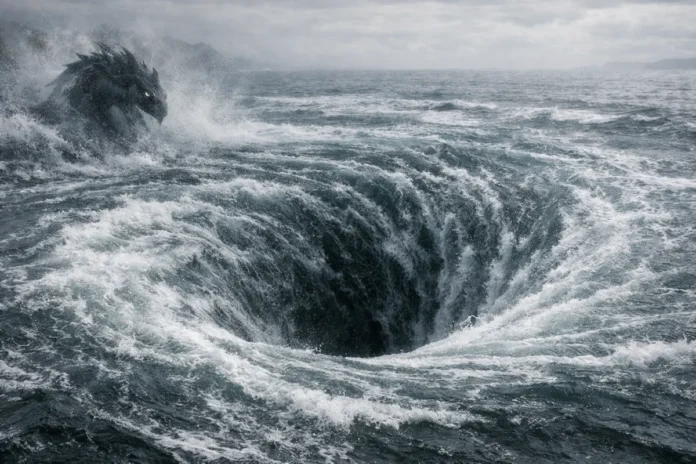
Whirlpool Serpent is often depicted as a formidable aquatic creature with serpentine features, associated with turbulent waters. Its body is typically long and sinuous, embodying the chaos of the seas.Symbolically, Whirlpool Serpent represents the unpredictable nature of water, often serving as a guardian or obstacle in myths. Its presence usually signifies danger, transformation, or hidden knowledge.

Aquatic – Overview

Aquatic mythological beasts encompass entities linked intrinsically to water. These creatures typically display characteristics aligned with seas, rivers, or lakes, often symbolizing natural forces or embodying cosmic principles. Universally, they play significant roles as mediators between realms, guiding humanity’s understanding of the unknown aquatic worlds.Many cultures depict these beings as custodians of wisdom or emblems of chaos, reflecting water’s duality – its life-giving essence versus its potential for destruction. Despite cultural variations, the centrality of water renders these entities indispensable to understanding broader mythological frameworks.

Defining Characteristics

Physical Form and Morphology

Aquatic beasts often possess serpentine bodies, scales, or fin-like appendages, mirroring marine creatures. Some exhibit humanoid traits merged with fish-like elements, such as mermaids. This hybridization underscores their liminal position between worlds.They frequently possess radiant or bioluminescent features, mirroring the reflective, light-diffusing nature of water. Their morphology is both adaptive and symbolic, intended to blend the boundary between terrestrial and aquatic realms, creating forms that are as mystifying as they are awe-inspiring.

Ontological Nature

Aquatic beings typically exist in a supernatural realm, operating simultaneously as spirits of water and tangible creatures. Their hybrid nature often positions them as beings of transformation and transition, emblematic of change.Many are considered guardians of metaphysical boundaries, demarcating the physical world from spiritual dimensions. As cosmic entities, they often embody cycles of renewal and rebirth, reflecting the perpetual motion of water. Their existence is sometimes seen as a manifestation of divine will, further linking them to the sacred and the natural order.

Mythological Role and Function

Place in Mythological Systems

In mythologies, aquatic beasts frequently serve as intermediaries between gods and humans. They may act as messengers, carrying divine edicts through waterways. Their interactions often highlight water’s role as a conduit for divine influence.Moreover, they may embody natural laws or cosmic balance, ensuring the harmonious interaction between realms. As embodiments of chaos, they challenge human hubris and control, often through storms or floods. This dual function emphasizes their role in maintaining both natural and moral equilibrium within mythological systems.

Perception and Meaning

Aquatic creatures are perceived diversely, ranging from symbols of fertility and protection to harbingers of doom. In some cultures, they are revered as wise custodians offering guidance, while others fear them as agents of retribution. They may symbolize life’s unpredictability, reflecting both water’s nurturing and destructive potential.Their presence often signifies transformation, representing psychological or spiritual journeys. Cultural interpretations are deeply tied to local environments, with societies near significant water bodies often imbuing these creatures with greater reverence and narrative significance.

Distinction from Related Beast Types

Conceptual Boundaries

Aquatic beasts are distinct from elemental entities by their intrinsic connection to water rather than abstract forces. Unlike spirits or deities, they often have tangible forms and specific habitats within water bodies.They differ from animal-based creatures by their supernatural traits and mythological functions, transcending simple animal characteristics. Their hybrid morphology separates them from humanoid monsters, emphasizing transformation and liminality. These distinctions clarify their unique role and the essential symbolic functions they fulfill within mythological narratives.

Common Sources of Confusion

Confusion often arises from overlapping traits with land-based or celestial beings. Some cultures conflate aquatic creatures with elemental spirits due to their environmental associations.Additionally, hybrid forms blur lines with other mythological entities, leading to misidentification. Scholars distinguish them through their specific aquatic attributes and cultural roles, emphasizing their integral water-related symbolism. Comparative mythology helps delineate these boundaries, focusing on each creature’s origin, depiction, and function within its mythological context, thereby clarifying their unique identity.

Canonical Beasts Associated with This Beast Type

Leviathan

Leviathan
Leviathan
Leviathan, from Hebrew tradition, represents chaos and destruction, often depicted as a massive sea serpent. Its aquatic nature is central, symbolizing the untamed power of the sea and cosmic disorder. Read More

Yacuruna

Yacuruna originates from Amazonian myths, described as water spirits with transformative abilities. They guide and protect riverine territories, embodying the mysterious and life-supporting aspects of aquatic ecosystems in indigenous folklore.

Jörmungandr

Jörmungandr, from Norse legend, is a colossal serpent encircling Midgard. Its aquatic form and placement in the ocean underscore its role in maintaining cosmic balance, reflecting water’s encompassing nature in mythology.

Historical Distribution and Cultural Context

Aquatic mythological beasts appear globally, with significant representations in Mesopotamian, Greek, and East Asian traditions. These beings are prevalent in cultures with prominent waterways or maritime histories, highlighting water’s influence on societal development. During different historical periods, their roles and depictions evolved, reflecting changing human relationships with aquatic environments.In early agricultural societies, water deities often symbolized fertility and abundance, whereas seafaring cultures emphasized their roles in protection and navigation. This distribution reflects water’s universal significance in human history.

Scholarly Interpretation and Uncertainty

Variation in Definitions

Definitions of aquatic beasts vary widely across cultures and scholarly interpretations due to their diverse forms and functions. While some traditions emphasize their destructive capabilities, others highlight their nurturing potential.Academic frameworks have debated whether these creatures should be classified strictly as elemental or divine. Contextual interpretations often affect these definitions, with scholars considering cultural, environmental, and historical factors. This diversity complicates universal categorizations, necessitating careful analysis of individual traditions and their unique mythological structures.

Limits of Available Evidence

The mythological record for aquatic beasts is often incomplete, with limited textual or archaeological evidence. Historical accounts may be fragmented, and oral traditions lack uniformity. This scarcity poses challenges for definitive classifications, as differing interpretations exist across cultures.Scholarly debates continue regarding specific creatures’ origins and roles, with gaps complicating comprehensive analysis. Where evidence remains unclear, scholars rely on comparative methods to discern patterns and meanings, always acknowledging the potential for reinterpretation as new discoveries arise.

Mythological Role Across Cultures

Aquatic beasts recur due to shared human concerns about water’s omnipresence in life and survival. Their symbolic roles address elemental forces, embodying both life-giving and chaotic aspects.These creatures help societies articulate their environmental challenges and relationships with nature. In mythologies, they often mediate between the known and unknown, embodying transitions and transformations. Understanding their roles enhances comparative mythological studies, revealing universal themes of balance, duality, and existential reflection within diverse cultural narratives.