Introduction
Nightmares feel chaotic, yet their symbols rarely appear without purpose. When a mythical creature enters a dream, it carries meanings shaped by centuries of storytelling, reflecting emotions people once struggled to explain and still confront today.
These symbols echo fears, conflicts, and transformations we resist while awake. Nightmares turn ancient archetypes into living scenes, allowing the mind to express tension through figures powerful enough to hold complex emotional weight.
Psychology supports this idea. Carl Jung suggested myths rise from a collective unconscious, forming shared patterns that shape imagination.
Meeting a Hydra or Hecate in a nightmare means engaging with symbols older than memory.
Modern culture keeps these beings active. Films, games, and stories renew their imagery, making them familiar shapes for the mind to use when processing stress.
Nightmares blend ancient meaning with contemporary influence.
This article explores ten mythical figures whose appearances in nightmares reveal powerful insights, showing what your mind may be trying to communicate through these striking and symbolic encounters.
Why Mythical Archetypes Appear in Nightmares
Jung’s Idea of Archetypes
Nightmares often call on ancient figures because archetypes sit beneath personal memory. Jung described them as universal patterns shaping instinct, fear, and imagination.
When stress rises, the mind uses these forms to express powerful emotional truths.
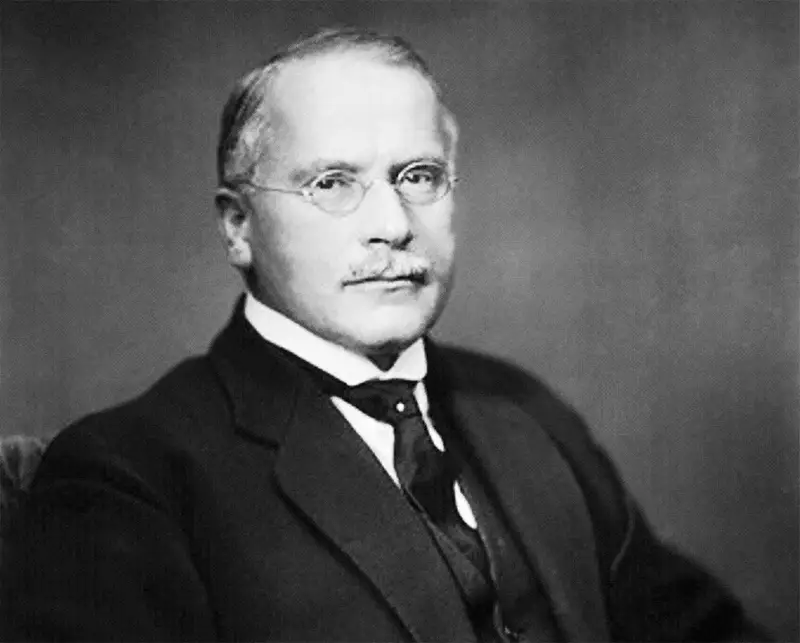
Archetypes become active when the conscious mind weakens during sleep. Nightmares intensify this process, pulling images that feel older than individual experience.
Mythical beings emerge because they match deep psychological themes every culture recognizes instinctively.
These figures surface when personal struggles align with timeless patterns. A dreamer facing conflict may encounter a war goddess, while someone feeling overwhelmed might meet a destructive beast.
Archetypes transform inner tension into clear symbolic encounters.
Mythical Beings as Emotional Metaphors
Mythical creatures work well as emotional metaphors because each carries immediate meaning. Their traits mirror human experiences: chaos, fear, temptation, protection, or transformation.
Nightmares rely on these shapes to reveal emotions we resist acknowledging.
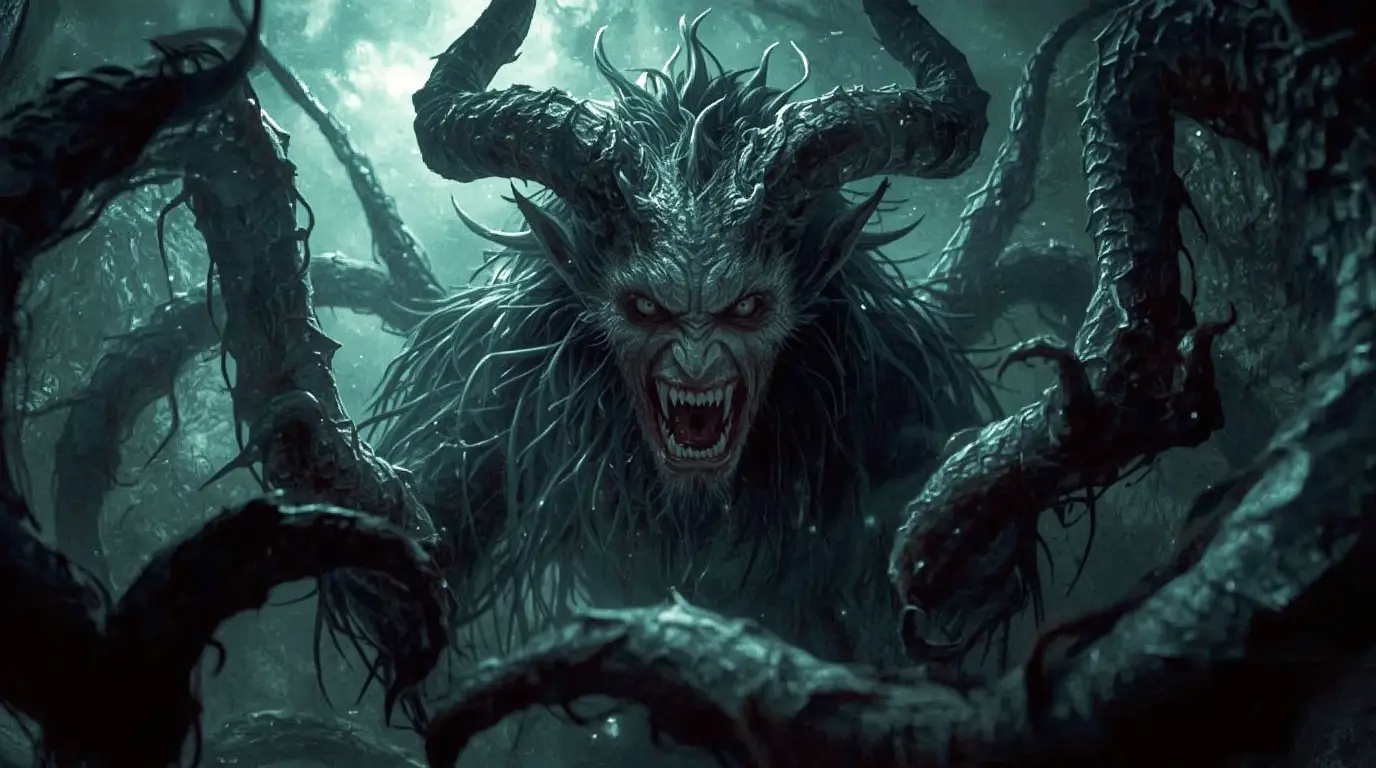
A monster might reflect anger, guilt, or frustration we keep hidden during the day. A goddess may represent intuition or decisions waiting to be made.
These metaphors communicate complex states faster than ordinary dream imagery can.
Nightmares intensify these symbols to demand attention. The mind exaggerates metaphors into dramatic beings, ensuring the message cannot be ignored.
The emotional impact becomes stronger because mythical figures carry centuries of cultural weight.
Collective Unconscious
The collective unconscious gives nightmares a shared vocabulary. Humans inherit symbolic structures formed through myth, ritual, and storytelling.
These ancient patterns stay active, guiding how we imagine fear and power in dreams.
Nightmares use this inherited imagery when personal memory lacks strong symbols. Even people unfamiliar with specific myths may dream of creatures resembling them, proving these patterns operate beneath conscious awareness.
Because of the collective unconscious, mythical beings feel familiar even when they appear unexpectedly. Their presence signals that a dream is dealing with universal themes, not just isolated personal concerns.
Why Nightmares Choose Myth Over Realism
Realistic dreams struggle to express extreme emotions, while mythic imagery conveys intensity instantly. Nightmares choose mythical forms because they match the scale of the feelings involved, turning anxiety into creatures built to embody it.
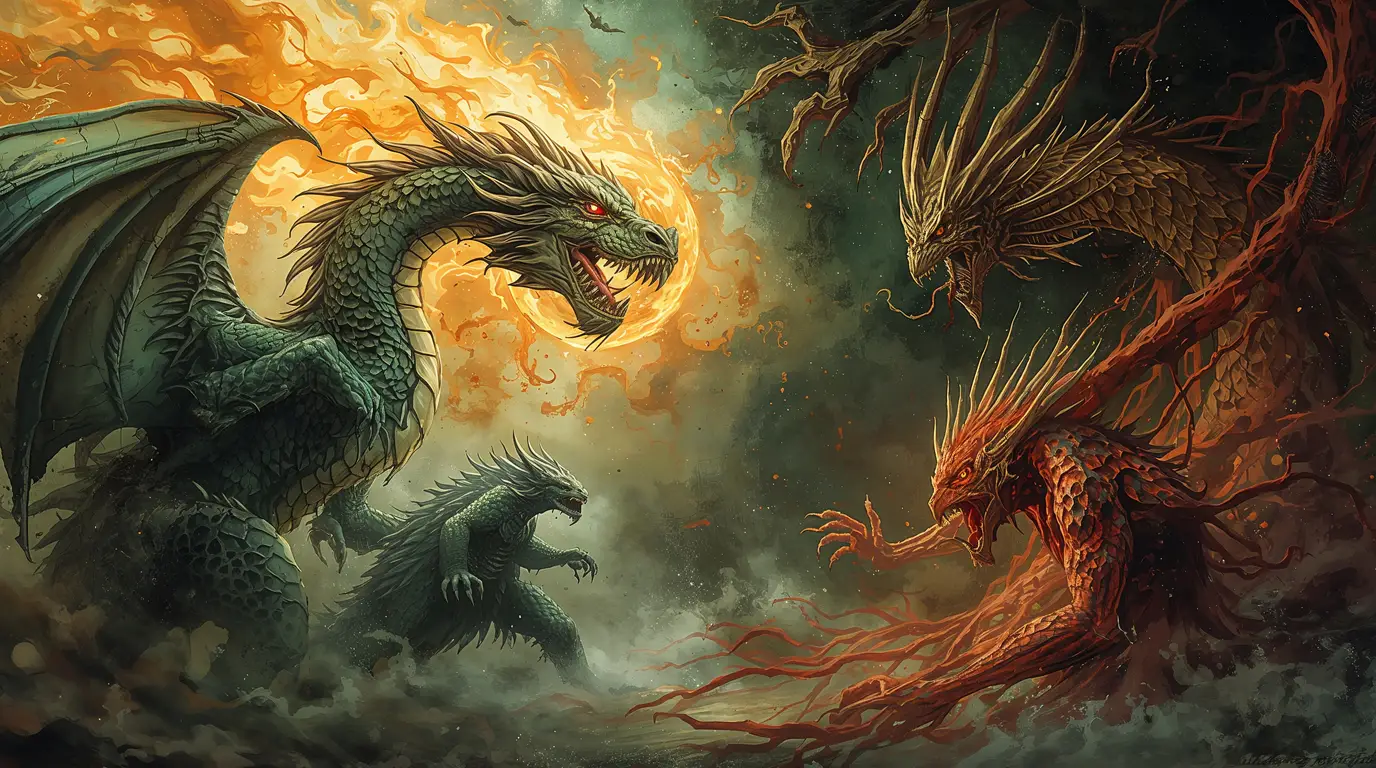
Myths offer the mind dramatic shapes for internal conflict. A simple fear becomes a dragon, a difficult choice becomes a riddle-bearing creature, and buried emotions rise as monstrous hybrids demanding confrontation.
Nightmares prefer myth because symbolism moves faster than narrative. A single creature can express fear, history, and struggle at once.
The mind uses these forms to push the dreamer toward recognition, release, or transformation.
What Nightmares Actually Mean
Nightmares translate emotional overload into dramatic imagery the conscious mind avoids. They appear when stress, fear, or conflict pushes past daily defenses, forcing the mind to express hidden pressure through intense symbolic scenes.
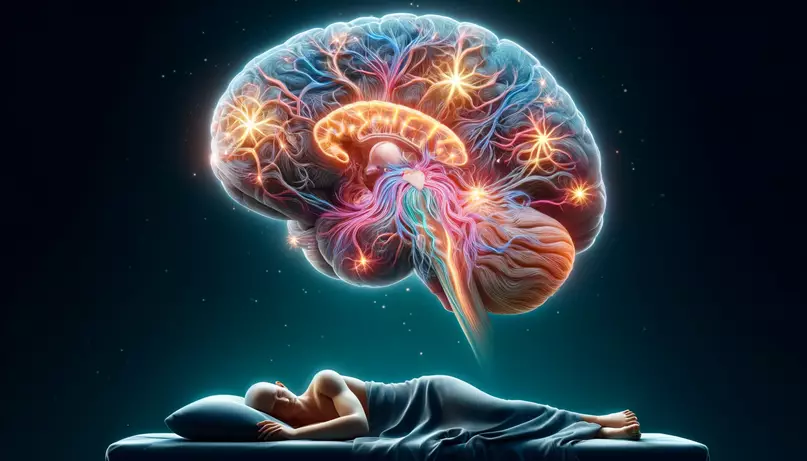
These dreams often reveal internal battles we try to ignore. When responsibilities pile up or unresolved memories linger, nightmares turn those struggles into creatures, landscapes, or situations that demand attention and reflection.
Fear is the most common trigger. The mind exaggerates ordinary worries into threatening forms, amplifying danger to highlight areas where the dreamer feels vulnerable, overwhelmed, or unprepared in waking life.
Nightmares also spotlight avoidance. When emotions are pushed aside for too long, dreaming becomes the only space where they can speak.
The images may feel chaotic, but they usually point toward specific concerns.
Internal conflict fuels many nightmares. Competing desires, opposing beliefs, or difficult choices can turn into chase scenes, battles, or hostile figures representing the tension between different parts of the self.
Past experiences often shape these dreams. The subconscious stores emotional patterns, and nightmares resurface them when something in the present echoes an old wound or unresolved personal history.
Nightmares use exaggeration to communicate urgency. A small disagreement becomes a collapsing world, or a minor fear appears as a towering monster, helping the dreamer understand the depth of their emotional reaction.
They also reflect power struggles. Feeling controlled, dismissed, or pressured may create dreams involving threats, confinement, or overwhelming forces, mirroring imbalances in waking situations.
Loss and insecurity frequently appear through symbolic collapse. Falling, drowning, or losing control in a nightmare often mirrors feelings of instability and uncertainty during major life transitions.
Nightmares can also represent transformation. Moments of change, even positive ones, create internal turbulence. The mind expresses this through intense imagery that marks the end of one phase and the beginning of another.
These dreams highlight areas where resilience is forming. Surviving frightening scenarios may reflect growing confidence, even if the dream feels overwhelming or painful.
Ultimately, nightmares serve as emotional messengers. Their harsh imagery aims to push the dreamer toward awareness, healing, or necessary change by revealing truths that daylight often hides.
Mythical Figures in Nightmares and Their Meanings
Dragon
Dragons appear in nightmares when inner pressure grows too intense to contain. They reflect anger, dominance struggles, or fears that feel too large to confront directly during waking hours.

A dragon’s attack often mirrors overwhelming responsibilities. When life demands exceed emotional capacity, the mind creates a creature big enough to represent the scale of the stress involved.
Seeing yourself flee from a dragon highlights avoidance. Facing it, even briefly, suggests rising confidence. The dream measures how prepared you feel to confront conflict, authority, or unresolved personal tension.
Read More About the meaning of Dragon in dreams. follow this link
Medusa
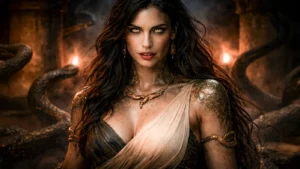
Medusa appears when shame or self-judgment becomes emotionally paralyzing. Her gaze symbolizes the fear of being seen too clearly, especially during moments of insecurity or vulnerability in daily life.
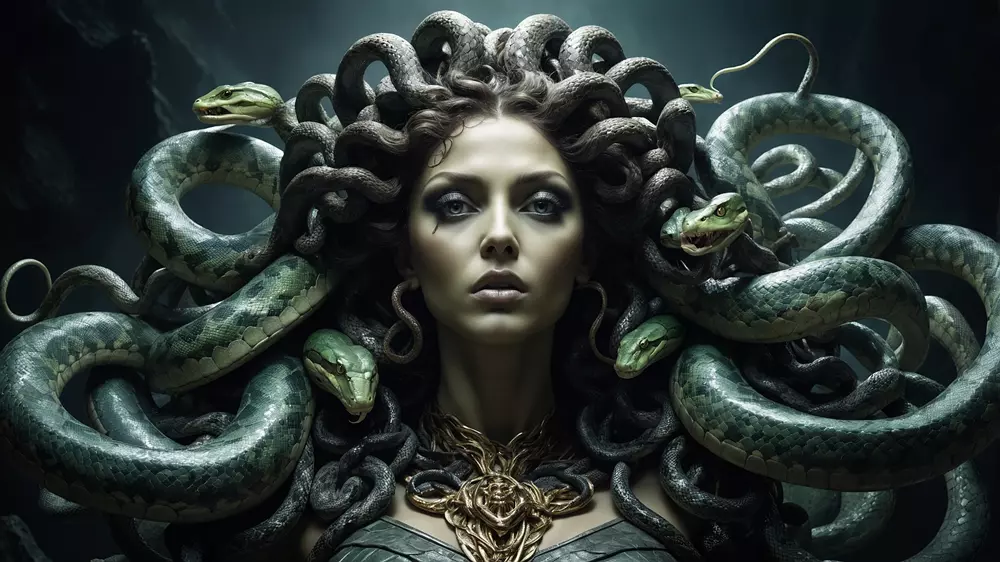
Her presence often signals old embarrassment resurfacing. The dream recreates the feeling of being frozen by memory, reminding the dreamer that unresolved emotional wounds still hold strong influence.
Nightmares involving Medusa also point to fear of criticism. When approval feels uncertain, the mind creates a figure whose stare represents harsh scrutiny from others or from the self.
Read More About the meaning of Medusa in dreams. follow this link
Hydra
The Hydra appears when problems multiply faster than they can be solved. Each head reflects an issue that returns repeatedly, especially patterns linked to stress, habits, or unresolved conflict.
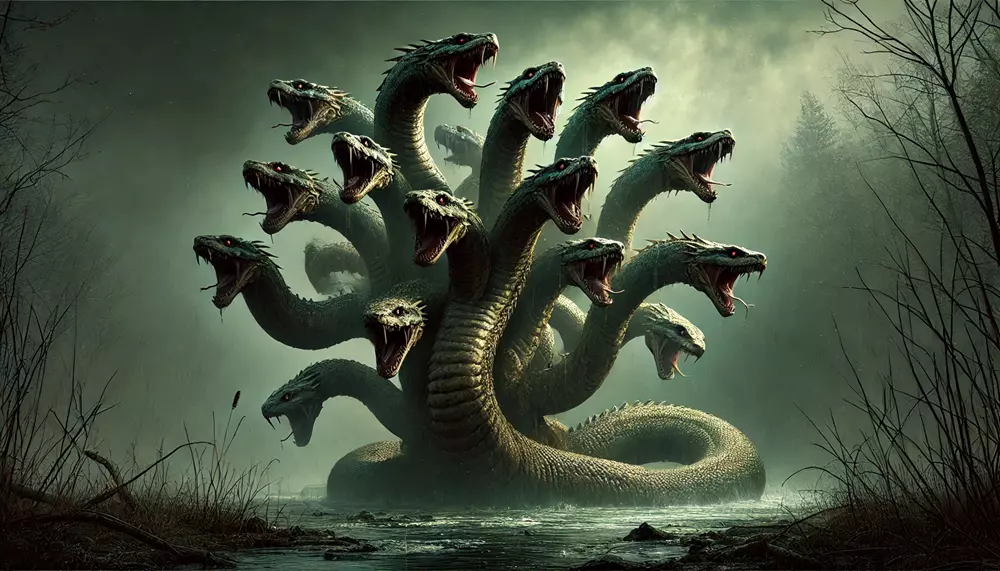
Nightmares featuring a Hydra often signal frustration. Cutting off one head only to see two grow back mirrors real situations where progress feels impossible or setbacks keep repeating.
This creature represents emotional persistence. The dream shows how long-standing challenges survive avoidance, pushing the dreamer to address the core problem instead of temporary solutions.
Read More About the meaning of Hydra in dreams. follow this link
Kraken
The Kraken enters nightmares when emotions feel too deep or powerful to manage. It represents pressure rising from the subconscious, especially feelings pushed down for long periods.
Its tentacles symbolize being pulled in too many directions. When responsibilities or relationships compete for attention, the Kraken becomes the shape of drowning beneath demands you cannot juggle.
Dreams of being dragged underwater reflect fear of losing control. The Kraken transforms everyday stress into a dramatic threat, urging the dreamer to acknowledge emotional overload.
Dragon nightmare compared to Medusa nightmare and Hydra nightmare
| Aspect | Dragon nightmare | Medusa nightmare | Hydra nightmare |
|---|---|---|---|
| Symbolic meaning | Dragons symbolize power and transformation in dreams, reflecting inner strength and challenges. | Medusa represents fear of betrayal and vulnerability, often linked to feelings of helplessness. | Hydras embody the struggle against overwhelming challenges, symbolizing resilience in adversity. |
| Emotional impact | Dragon nightmares can evoke feelings of awe and terror, highlighting personal conflicts. | Medusa nightmares often provoke anxiety and confusion, mirroring emotional turmoil. | Hydra nightmares may induce stress and frustration, representing multiple pressures in life. |
| Cultural references | Dragons are prevalent in various cultures, often depicted as guardians or destroyers. | Medusa appears in Greek mythology, symbolizing the consequences of unchecked rage. | Hydras are featured in many myths, representing the complexity of facing fears. |
| Common themes | Common themes in dragon nightmares include power struggles and personal growth. | Medusa nightmares often explore themes of isolation and betrayal in relationships. | Hydra nightmares frequently highlight the theme of battling persistent issues. |
| Nightmare frequency | Dragon nightmares occur frequently among those facing significant life changes or challenges. | Medusa nightmares are common in individuals dealing with trust issues or insecurities. | Hydra nightmares often arise during periods of high stress or overwhelming responsibilities. |
| Fear representation | Dragons represent the fear of losing control over one's own power. | Medusa embodies the fear of being judged or misunderstood by others. | Hydras symbolize the fear of facing multiple problems simultaneously. |
Read More About the meaning of Krakan in dreams. follow this link
Banshee
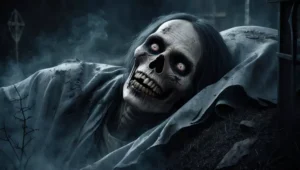
A Banshee enters nightmares when grief or sorrow remains unexpressed. Her wail symbolizes emotional release, especially pain buried beneath daily routines or distractions.
Nightmares involving her often appear during times of transition. Even positive changes can stir old sadness, and the Banshee delivers that emotional message with overwhelming intensity.
Her presence signals the need for acknowledgment. The dream invites the dreamer to face feelings tied to loss, distance, or memories that still echo beneath the surface.
Read More About the meaning of Banshee in dreams. follow this link
Chimera
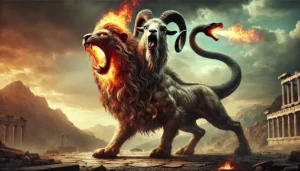
The Chimera reflects inner fragmentation. Its mixed form represents competing emotions, shifting identities, or confusion when different parts of life pull in conflicting directions at once.

Nightmares featuring this creature often appear during stressful decision-making. The Chimera embodies uncertainty, highlighting the difficulty of choosing a path when everything feels unsettled.
Its chaotic shape mirrors internal inconsistency. The dream shows how disorganized emotions can become when clarity fades, urging the dreamer to regain balance and focus.
Read More About the meaning of Chimera in dreams. follow this link
Sphinx
The Sphinx appears when questions weigh heavily on the mind. Its riddles reflect decisions that feel impossible, often linked to identity, purpose, or long-term plans.
Nightmares involving the Sphinx suggest fear of failure. The dream tests confidence by presenting challenges that seem unsolvable, mirroring real-world doubts and pressures.
Meeting a Sphinx signals readiness for truth. Even if the dream feels intimidating, it shows the mind preparing to confront decisions avoided in waking life.
Read More About the meaning of Sphinx in dreams. follow this link
Hecate
Hecate enters nightmares at emotional crossroads. She represents thresholds, transitions, and the uneasy space between endings and beginnings that often creates internal tension.
Her presence suggests uncertainty about direction. When the future feels unclear, the mind uses Hecate to embody fears tied to choice, intuition, and the unknown.
Nightmares involving her also reflect hidden knowledge. The dream hints that answers exist internally, even if the conscious mind resists recognizing them.
Read More About the meaning of Hecate in dreams. follow this link
Loki
Loki appears when life feels unpredictable. His presence mirrors instability in relationships, shifting circumstances, or sudden changes that disrupt emotional balance.
Nightmares featuring Loki often reveal trust issues. He embodies deception and inconsistency, highlighting fears about betrayal or misunderstanding in important connections.
His chaotic nature also reflects internal restlessness. The dream suggests energy building beneath the surface, pushing the dreamer toward necessary change.
Read More About the meaning of Loki in dreams. follow this link
Morrigan
The Morrigan symbolizes conflict and transformation. She appears when life enters a stage of upheaval, demanding the dreamer confront difficult truths or shifting personal roles.

Nightmares involving her often feel intense. She represents endings that make space for new beginnings, even when the process feels overwhelming or unsettling.
Her presence signals hidden strength. The dream shows the dreamer preparing to face challenges with resilience, marking a turning point toward growth.
Read More About the meaning of Morrigan in dreams. follow this link
What Your Nightmare Is Trying to Tell You
Nightmares act as internal alarms, signaling emotional tension that has gone unnoticed or unspoken. They amplify subtle discomfort until it becomes impossible to ignore, pushing the dreamer to acknowledge feelings that require attention or clarity.
These dreams often highlight boundaries stretched too thin. When responsibilities increase or personal energy drains, nightmares expose the imbalance by creating scenarios that mirror exhaustion, pressure, or a growing sense of vulnerability in waking life.
Nightmares also reveal moments when values feel compromised. Situations involving manipulation, danger, or loss within the dream reflect real-life choices that conflict with inner beliefs, urging the dreamer to re-evaluate decisions made too quickly or reluctantly.
They frequently expose emotional truths hidden beneath routine behavior. When calmness during the day masks silent frustration, nightmares uncover the tension through symbols that reveal deeper needs, limits, or unspoken desires waiting for recognition.
Some nightmares point to rising intuition. Surreal or symbolic scenes may indicate a growing awareness of changes approaching, even before the conscious mind understands them.
The dream becomes a preview of internal shifts already unfolding.
Nightmares can also mark transitions. When life enters a new phase, the mind sheds old patterns through intense imagery, signaling that something familiar is ending and something unfamiliar is beginning, creating emotional turbulence during the shift.
They often highlight imbalances in relationships. Chase scenes, conflicts, or unsettling figures reflect dynamics where trust, communication, or boundaries feel uncertain, allowing the dreamer to sense problems not yet voiced aloud.
Nightmares can reveal emotional fatigue from carrying other people’s burdens. When the dreamer appears overwhelmed, trapped, or chased, the imagery often reflects pressures absorbed from external expectations or overextended support.
They may point to self-neglect. Dreams involving injury, loss, or powerlessness often indicate that personal needs have been ignored for too long, urging the dreamer to restore balance through rest, boundaries, or honest reflection.
Nightmares also uncover hidden courage. Surviving frightening encounters shows resilience forming beneath fear, marking emotional growth that remains unnoticed in daily life until the dream brings it forward through dramatic scenes.
These dreams ultimately function as guidance systems. They use intense images to clarify confusion, highlight unmet needs, and illuminate emotional pathways that require attention, allowing the dreamer to understand themselves with greater depth and honesty.
How to Work With Myth-Based Nightmares
Understanding myth-based nightmares begins with noticing patterns. When certain creatures repeat, they point toward emotions returning for recognition.
Tracking these appearances helps reveal themes shaping your inner landscape and influencing daily reactions.
Reflection after waking strengthens clarity. Writing the dream in simple details allows emotional clues to surface without pressure.
This practice helps separate the creature’s symbolic message from the fear created by the nightmare itself.
Connecting the figure to its traditional meaning deepens understanding. Dragons, banshees, and chimeras each hold long histories shaped by cultural stories.
Their traits offer insight into the emotions your mind chose to express through them.
Asking why the creature appeared now is essential. Nightmares often activate when internal tension reaches a significant point.
The timing reveals whether the dream responds to stress, conflict, change, or an unresolved personal memory.
Exploring emotional triggers provides further guidance. Notice what happened in life recently: shifts, pressure, arguments, or uncertainty. The figure in the dream acts as a symbolic mirror reflecting these conditions with dramatic clarity.
Nightmares involving mythical beings also respond well to grounding techniques. Slow breathing, gentle movement, or quiet reflection after waking helps settle the body, allowing the mind to examine meaning without fear overshadowing interpretation.
Discussing recurring nightmares can be helpful. Sharing the imagery with someone trusted provides new perspective, especially when patterns feel overwhelming or confusing.
External viewpoints often reveal connections the dreamer may overlook.
Myth-based nightmares can guide personal growth. Each creature represents a message about boundaries, strength, vulnerability, or change. Working with the symbolism rather than resisting it turns fear into understanding.
These dreams ultimately function as emotional navigation. When approached with curiosity, their intense imagery becomes a tool for clarity, offering direction during moments of transition or internal conflict that the conscious mind struggles to process.
Conclusion
Myth-based nightmares remind us that the mind communicates in symbols older than language. When dragons, banshees, or war goddesses appear, they carry messages shaped by cultural memory and personal emotion working together in powerful imagery.
These dreams reveal tension we overlook during daily routines. Their intensity forces attention toward fears, choices, or transformations quietly developing beneath the surface, making the nightmare a form of internal truth-telling.
Mythical figures appear because they express emotions with clarity. Their forms match the scale of the feelings involved, turning stress, grief, or change into creatures built to hold the weight of those experiences.
Approaching these dreams with curiosity turns fear into insight. Each figure reflects a part of the dreamer’s inner landscape, offering direction during moments of uncertainty and revealing strength emerging from beneath the chaos.
Nightmares feel unsettling, yet they serve a vital purpose. Through mythic imagery, they help the dreamer see what needs recognition, release, or balance, transforming the night’s darkness into a deeper understanding of the self.