
Mythology-based tattoos sit in a sweet spot between art and storytelling. You are not only choosing an image.
You are choosing a symbol loaded with culture, history, belief, and personal meaning.
If you rush the process, you risk ending up with a design that looks cool for a year, then feels random or even disrespectful. If you slow down and plan it, the result can feel like a permanent story you are proud to wear.
This guide walks you through everything you need to think about before you book an appointment. We look at myth choice, symbolism, style, placement, budget, cultural respect, health, and long term meaning so your mythology tattoo feels intentional, not impulsive.
Why Mythology Tattoos Appeal So Much
Myths are full of big themes and strong visuals. That is ideal tattoo material.
Gods, monsters, and legendary heroes express ideas such as courage, wisdom, rage, protection, transformation, and chaos. When you choose a mythological figure or symbol, you often choose a quality you want to claim, confront, or remember in yourself.
Visually, mythology gives you a huge design toolkit. You can build tattoos from deities, weapons, beasts, runes, celestial signs, or full story scenes.
That flexibility lets you match the design to your personality and to the part of your body you want to use as the canvas.
Step 1: Choose Your Myth and Culture Carefully
Before you open Pinterest, ask a deeper question.
Which stories or cultures genuinely mean something to you.
You might feel drawn to sea gods, storm deities, tricksters, sun goddesses, underworld figures, or protective animals. Write down a short list of myths or cultures that keep coming up in your reading, gaming, or favorite movies.
Those are usually better starting points than whatever is trending on social media this month.
Research the story behind the image
Once you have a few ideas, read actual sources or solid summaries, not only aesthetic mood boards.
Look for:
- What the figure or beast represents in the original stories
- How it behaves: protector, destroyer, guide, judge, trickster, or something more complex
- How it changed over time in different regions and retellings
The more you know, the easier it is to spot designs that match your real intention instead of surface level vibes.
Think about cultural connection
You do not have to belong to a culture to appreciate its myths. But you should approach living traditions with respect.
Some symbols, especially in indigenous, Hindu, or other active religious contexts, are treated as sacred or even restricted.
If you are using imagery from a culture that is not yours:
- Avoid closed or initiatory symbols unless you are part of that community
- Avoid sexualizing or trivializing deities or sacred scenes
- When possible, talk with people or artists who know that tradition well
Your goal is tribute, not costume.
Step 2: Choose the Right Design Style
Once you know the myth, you can decide how to show it on your skin. The same story can look very different depending on the style.
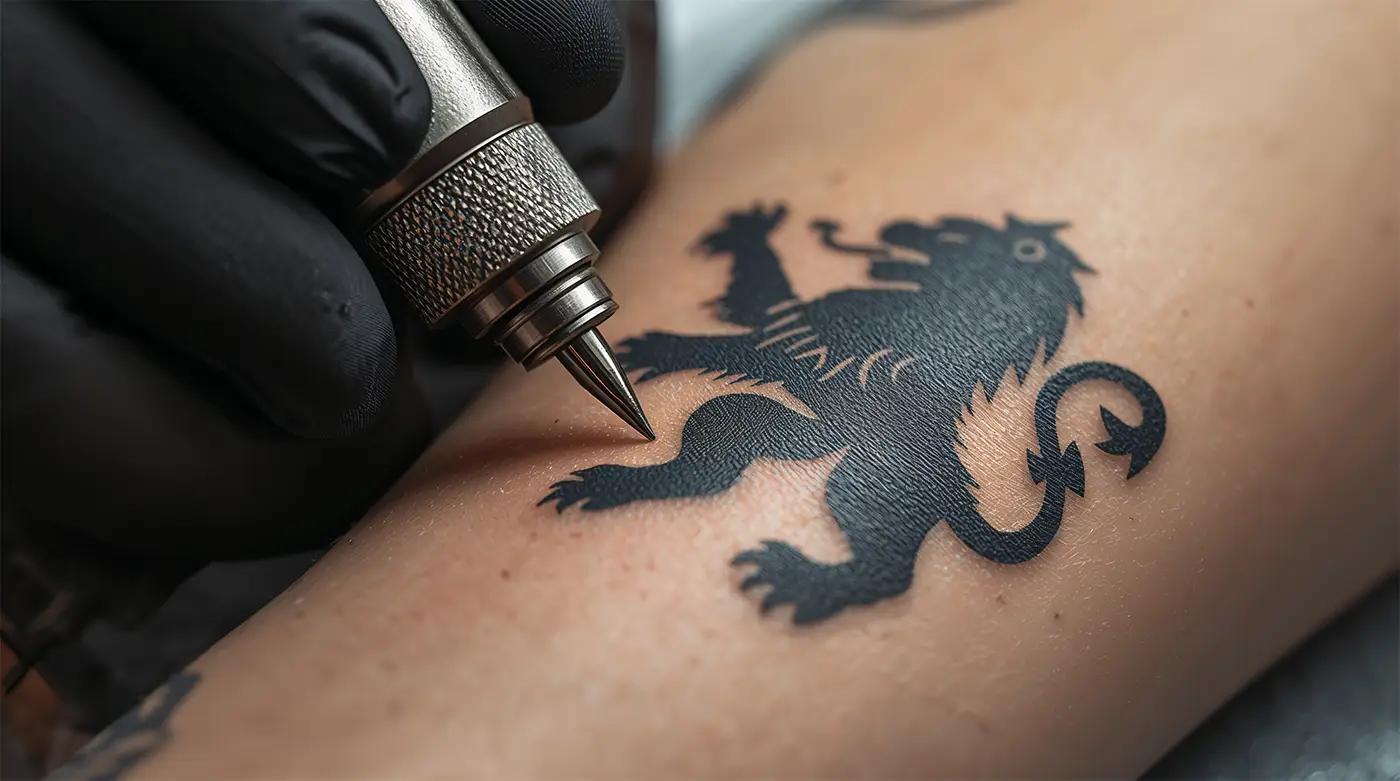
Portraits and deity-focused designs
These tattoos put a god, goddess, hero, or monster front and center. They often use realistic or semi-realistic shading and strong facial expressions.
Best for:
- Upper arm, chest, upper back, thigh
- Medium to large size so eyes, armor, hair, or scales do not blur over time
You need an artist who is strong in portraits, anatomy, and shading if you want this style to age well.
Story scenes and full compositions
Here, you capture an entire moment from a myth. A battle, a journey, a transformation, a god riding across the sky, a dragon coiled around a mountain.
Best for:
- Large canvases like back pieces, chest pieces, ribs, or full sleeves
- People who want a tattoo that rewards close inspection
Because these designs carry many small details, they lose impact when you shrink them. If you want a full scene, do not cram it into a tiny space.
Symbols, runes, and minimal icons
You might prefer something more subtle. You can use:
- Weapons associated with gods or heroes
- Trees, animals, or celestial bodies from a myth
- Runes, geometric shapes, or simplified outlines
These work well on wrists, forearms, ankles, behind the ear, or along the ribs. They are easier to combine with other tattoos and easier to explain as simple, focused meanings.
Black and grey or color
Black and grey often feels timeless and classic. It ages well and fits almost any style.
Color adds drama. Flames, lightning, ocean waves, or divine halos can turn your skin into a mythic landscape.
Keep in mind that bright colors fade faster in sun exposed areas, so you must commit to sunscreen and possible touch ups.
Step 3: Plan Placement, Size, and Visibility
Placement is not only about where you have free space. It is about how the tattoo reads, how it ages, and how often you want to show it.
Think in terms of canvas
Ask yourself:
- Does this body area give the design enough room to breathe
- Do the muscles and curves distort the image in a pleasing or strange way
- Will the design wrap around or sit flat
For example:
- Forearms and upper arms work well for medium sized portraits or symbols.
- Chest and back are great for big divine figures or full story scenes.
- Thighs and calves are nice vertical spaces for standing figures or stacked symbols.
Decide how visible you want it
Some people want their mythology tattoo front and center as a conversation starter. Others prefer a personal, hidden piece.
Consider:
- Work dress codes and family context
- How comfortable you are explaining the meaning to strangers
- Whether this is a private reminder or an open statement
Think ahead about aging
Skin changes with time, weight shifts, and sun exposure. Areas that get lots of friction or sun, like hands, fingers, feet, and shoulders, may blur or fade more quickly.
That does not mean you cannot tattoo them. It just means more care and more touch ups in the future.
Step 4: Respect Cultural and Religious Boundaries
Myths are not only stories. In many cases they are still woven into living religions and identities.
Here are simple principles to keep things respectful.
Avoid closed or restricted symbols
Some designs are meant only for initiated members, certain social roles, or specific rituals. Examples include some indigenous sacred patterns, certain religious marks, or rank specific symbols.
If you are not sure, assume they are not for general use.
Treat deities and holy symbols with care
If a god or goddess is still actively worshipped, think twice before turning them into something romantic, erotic, comic, or ironic on your skin. What feels edgy to you may feel insulting to others.
If you still feel a strong pull toward a living deity, you can:
- Use more abstract symbols related to their qualities
- Focus on elements like animals, weapons, or natural features from the stories rather than direct religious images
Do your homework
Read, listen, and learn. Check how people from that culture talk about their symbols being used as tattoos.
If the general message from that community is “please do not”, the respectful choice is to pick something else.
Greek Mythology Tattoos compared to Norse Mythology Tattoos and Egyptian Mythology Tattoos
| Aspect | Greek Mythology | Norse Mythology | Egyptian Mythology |
|---|---|---|---|
| Symbolism | Greek myths often symbolize heroism and moral lessons through their narratives. | Greek mythology is foundational to Western culture and art. | Greek tattoos feature iconic elements like gods, heroes, and mythological creatures. |
| Cultural Significance | Norse symbols often represent strength, fate, and the natural world. | Norse mythology reflects a rich cultural heritage of Scandinavia. | Norse designs include runes, gods, and mythical beasts like dragons. |
| Design Elements | Egyptian symbols convey themes of life, death, and the afterlife. | Egyptian mythology is deeply rooted in ancient civilization and spirituality. | Egyptian tattoos often showcase hieroglyphs, gods, and iconic animals. |
| Popular Figures | Popular Greek figures include Zeus, Athena, and Hercules, each with distinct traits. | Norse figures like Odin and Thor represent wisdom and strength. | Egyptian deities such as Osiris and Isis embody various aspects of life. |
| Placement Ideas | Greek tattoos are often placed on arms, backs, or legs for visibility. | Norse tattoos can be placed on the chest or forearms for impact. | Egyptian tattoos are frequently seen on the upper body or wrists. |
| Personal Meaning | Greek tattoos may symbolize personal aspirations or connections to heritage. | Norse tattoos often reflect personal values like bravery and honor. | Egyptian tattoos can signify a connection to ancient beliefs or personal history. |
Step 5: Choose an Artist and Studio You Trust
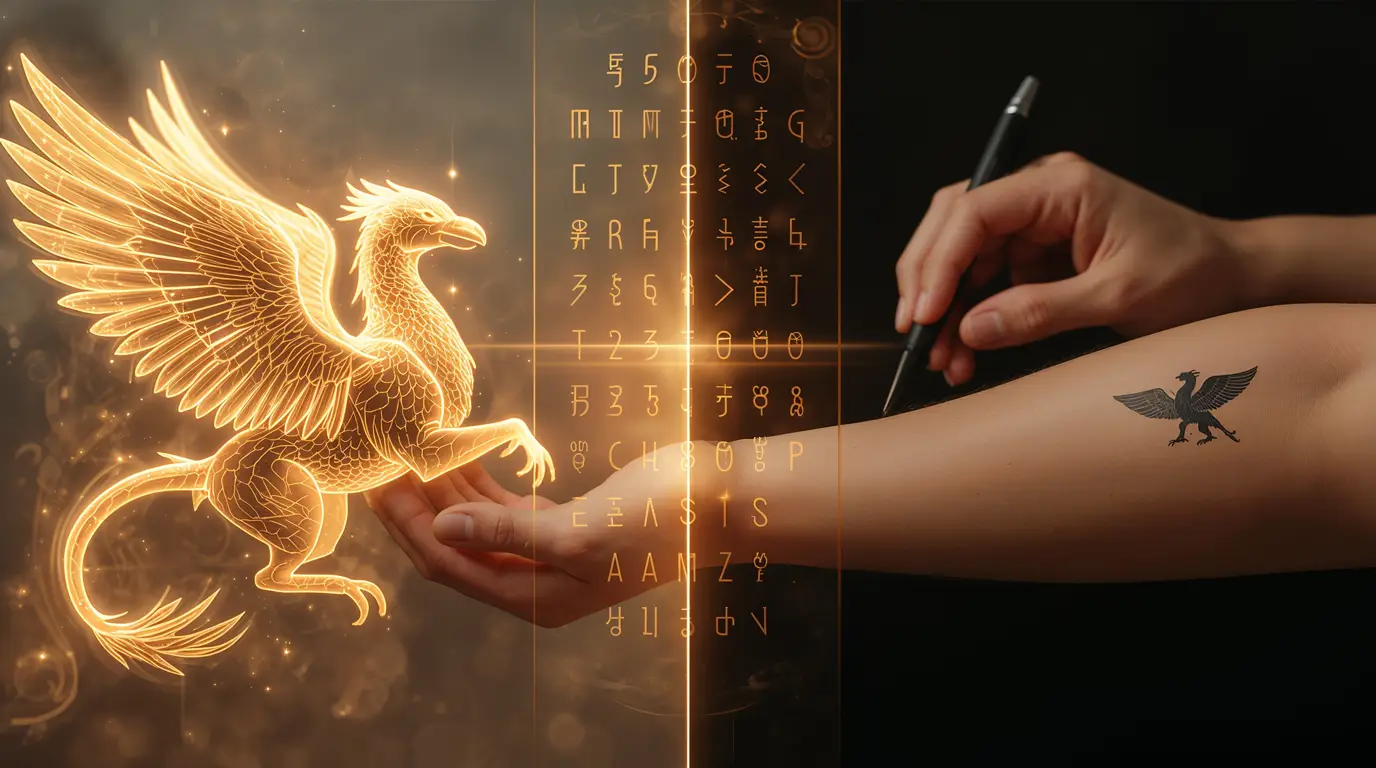
Even the best idea can fail in weak execution. You need an artist whose skills match your vision.
Check portfolios, not only social media snippets
Look for:
- Mythology, realism, portrait, or illustrative work similar to what you want
- Clean line work, smooth shading, consistent style
- Healed photos, not only fresh tattoos, so you see how their work ages
If you want a complex myth scene, pick someone who has done large compositions before.
Ask about budget and session length
Big mythology pieces often take several sessions and a serious budget. Prices depend on artist reputation and location, but you can expect:
- Hourly rates or day rates for large projects
- Multiple sessions with healing time between each
Be honest about your budget. A good artist can scale the idea up or down, or break it into stages, rather than cramming too much into a small cheap session.
Check hygiene and safety practices
A studio should feel clean and professional. You should see:
- Single use needles and disposable items opened in front of you
- Gloves and barrier film over surfaces
- Proper cleaning between clients
Do not let price make you ignore red flags. A cheap tattoo done in unsafe conditions can cost more later in medical bills, cover ups, or laser removal.
Step 6: Think About Health, Safety, and Aftercare
A tattoo is a controlled injury. There are real health points to consider.
Medical and allergy considerations
Before you get tattooed, it is wise to:
- Tell your artist about any skin conditions, allergies, or blood clotting issues
- Ask about ink ingredients if you have known pigment or metal sensitivities
- Talk to a doctor first if you have immune system problems, heart issues, or take blood thinners
Tattooing with unsterile gear can transmit serious infections. A good studio will follow strict safety standards to reduce those risks.
If you ever feel unsure, you can always ask your doctor for advice before booking.
Basic aftercare
A myth tattoo only looks legendary if it heals well. General aftercare usually includes:
- Keeping the area clean and lightly moisturized as instructed
- Avoiding picking or scratching the healing skin
- Avoiding soaking in pools, hot tubs, or lakes until healed
- Protecting the tattoo from direct sun, both during healing and later with a high SPF
Follow your artist’s aftercare sheet. If you notice signs of infection like strong redness, swelling, pus, or fever, contact a medical professional rather than trying to treat it on your own.
Step 7: Check Long Term Meaning and Lifestyle Fit
Before the needle touches skin, pause and test the idea against your future self.
Ask yourself:
- Will this myth still resonate if I change jobs, move, or go through a major life shift
- Do I accept that people may read meanings into it that I do not intend
- Would I still want this image if it were a little less trendy or popular
Some people like to print or draw the design and live with it on their wall or as their phone background for a few weeks. If you still love it after seeing it daily, it is more likely to last on your skin too.
Common Mythology Tattoo Mistakes
Here are pitfalls you can dodge.
| Mistake | Why it causes problems | Better approach |
|---|---|---|
| Choosing a symbol only because it looks cool | Meaning fades and regret sets in | Link it to a value, memory, or story you truly care about |
| Cramming a complex scene into a tiny space | Details blur and merge over time | Increase size or simplify the idea |
| Using sacred or closed symbols casually | Can offend communities and feel disrespectful | Research first and avoid restricted imagery |
| Ignoring budget and time | You end up cutting corners on artist choice or detail | Plan for multiple sessions and save for quality work |
| Skipping studio hygiene checks | Raises risk of infection and poor healing | Visit in person and ask about procedures |
| Treating aftercare as optional | Can lead to scarring and faded ink | Follow the aftercare instructions exactly |
Quick Decision Checklist
Use this short checklist before you book.
- I know the myth or figure well and can explain why it matters to me.
- I have checked what this symbol or deity means in its original culture.
- I am not using closed or restricted religious or indigenous symbols.
- I chose a style that fits my body area and matches the level of detail I want.
- I picked a placement that fits my lifestyle and comfort with visibility.
- I understand the cost and how many sessions I will likely need.
- I checked portfolios and hygiene standards for my chosen artist and studio.
- I have thought about health issues and will ask a doctor if necessary.
- I am ready to follow aftercare instructions and protect the tattoo long term.
- I still want this design after sitting with it for at least a few weeks.
If you can honestly tick most or all of those boxes, you are probably ready.
Final Thoughts: Ink Your Myth With Intention
A mythology based tattoo can be one of the strongest pieces you ever wear. It carries story, culture, belief, and personality in a single image.
If you rush, it can become an expensive reminder of a passing phase. If you research the myth, respect the culture, choose the right artist, check your health, and think about future you, it can become a powerful companion for life.
Take your time. Let the story settle. Then, when it feels right, step into the studio and turn that myth into something living on your skin.
Further Reading
The Worldwide History of Tattoos
Smithsonian Magazine
A detailed look at tattoo traditions across global cultures, from ancient mummies to modern symbolism. Ideal for readers wanting historical grounding before choosing a mythology-inspired tattoo.
Link: https://www.smithsonianmag.com/history/tattoos-worldwide-history-144038580/
Understanding Tattoo Symbolism: The Meanings Behind Popular Designs
OpalLotus
A clear guide to the symbolic meaning behind many tattoo motifs, including mythological creatures. Valuable for readers wanting deeper insight into ancient symbols used in modern tattooing.
Link: https://opallotus.com/understanding-tattoo-symbolism-the-meanings-behind-popular-designs/
Dragons and Mythical Creatures: Popular Motifs in Fantasy Tattoos
Charles Huurman TX – Tattoo Artist Blog
Explains why mythical beasts like dragons remain powerful tattoo subjects. Covers symbolism, visual impact, and trends in fantasy-inspired body art.
Ideal for myth-tattoo beginners.
Link: https://www.charleshuurmantx.com/blogs/post/dragons-and-mythical-creatures-popular-motifs-in-fantasy-tattoos
Beyond Skin-Deep: The Politics of Tattooing
Maastricht Diplomat
A thoughtful analysis of cultural appropriation, identity, and respect within tattoo culture. Essential reading for anyone considering mythological or religious symbols in their tattoo choices.
Link: https://www.maastrichtdiplomat.org/post/beyond-skin-deep-the-politics-of-tattooing