
From ancient scrolls to Netflix scrolls, mythical creatures are everywhere. You might think beings like Kitsune, Yuki-onna, or Anansi belong only in dusty legends or fantasy novels, but surprise, they’re right there in your favorite movies, shows, and even anime.
This article dives into 20 of the most intriguing myth beasts currently lurking in modern popular culture. Some you’ll recognize immediately (hello, Wendigo), while others may have quietly shape-shifted their way into your media diet without you even noticing.
These creatures carry deep roots, born from indigenous folklore, medieval fears, or ancient faiths, but they’re still very much alive in today’s digital myth-making.
Whether they’re whispering through horror plots, anchoring game mechanics, or stealing scenes in fantasy epics, these beasts prove that mythology isn’t stuck in the past, t’s binge-worthy now. Let’s meet the monsters, spirits, and legends making a serious comeback.
Wendigo

Seen in:
Until Dawn (2015), a horror video game
Players navigate a cursed mountain where cannibalism transforms humans into Wendigos, blending myth with survival horror.
Antlers (2021), a horror film
A small-town teacher uncovers a child’s dark secret: his family is afflicted by the Wendigo curse, leading to terrifying consequences.
Supernatural (2005): a horror TV series, Episode 2 – “Wendigo”, Season 1
The Winchester brothers investigate disappearances in the woods, confronting a Wendigo that preys on campers.
Hannibal (2013): a psychological thriller TV series, Episode 13 – “Savoureux”, Season 1
Will Graham hallucinates Hannibal as a Wendigo, symbolizing his realization of Hannibal’s true nature.
Beast ID
Cultural Origin: Pre-Colonial North America
Period of Time: Prehistoric
Beast Type: Flesh-eating Undead
Skills: Enhanced Endurance, Frenzy Inducement, Cold Resistance
Weakness: Fire Vulnerable, Beheading, Fearful
Beast Summary
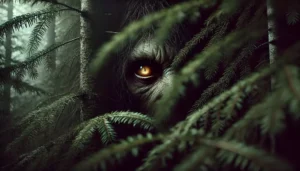
The Wendigo is a chilling figure from Algonquian folklore, originating in Pre-Colonial North America. Described as a gaunt, emaciated creature with an insatiable hunger for human flesh, it embodies the consequences of greed and cannibalism.
Often associated with winter and isolation, the Wendigo serves as a cautionary tale against taboo behaviors.
Myth vs. Media
Traditional Wendigo legends describe it as a spirit or malevolent force, lacking the physical antlers and monstrous appearance often seen in films and games. Modern portrayals tend to emphasize its horror elements, sometimes overshadowing its symbolic roots related to human behavior and societal taboos.
Trivia Drop
In some Indigenous legends, the Wendigo grows in proportion to its consumption, ensuring it remains perpetually hungry, symbolizing endless greed.
Read all about the Wendigo Here
Yeti

Seen in:
Smallfoot (2018), an animated comedy film
A curious Yeti named Migo discovers a human, challenging his tribe’s beliefs and sparking a quest for truth.
Abominable (2019), an animated adventure film
Teenager Yi embarks on a journey to reunite a magical Yeti named Everest with his family, facing numerous challenges.
The Mummy: Tomb of the Dragon Emperor (2008), an action-adventure film
The O’Connell family encounters fierce Yeti guardians who assist them in battling the resurrected Dragon Emperor.
Beast ID
Cultural Origin: Himalayan Region
Period of Time: Ancient
Beast Type: Cryptid, Giant
Skills: Superhuman Strength, Cold Resistance, Stealth
Weakness: Fire Vulnerable, Isolation, Distrustful
Beast Summary
The Yeti, also known as the “Abominable Snowman,” is a legendary creature from Himalayan folklore. Described as a large, ape-like being covered in white fur, it is said to inhabit the snowy regions of Nepal and Tibet.
The Yeti symbolizes the mysteries of the uncharted wilderness and has been a subject of intrigue for explorers and storytellers alike.
Myth vs. Media
Traditional tales depict the Yeti as a solitary, elusive creature, often feared and revered. Contemporary portrayals, however, have reimagined it as both a gentle being and a fierce protector, showcasing its versatility in storytelling.
Trivia Drop
In 1951, British mountaineer Eric Shipton photographed large footprints in the snow near Mount Everest, reigniting global fascination with the Yeti legend.
Read all about the Yeti Here
Kitsune
Seen in:

Teen Wolf (2014): a supernatural drama TV series, Episode 21 – “The Fox and the Wolf”, Season 3
Introduces Kira Yukimura, a Thunder Kitsune who discovers her powers, adding a rich layer of Japanese mythology to the series.
Supernatural (2011): a fantasy horror TV series, Episode 3 – “The Girl Next Door”, Season 7
Features a Kitsune named Amy Pond, who struggles with her nature while trying to live a normal life, highlighting the duality of the creature.
To the Forest of Firefly Lights (2011), an animated romantic fantasy film
Centers on a girl and a fox-masked spirit, exploring themes of love and the supernatural, reminiscent of Kitsune folklore.
Chironup no Kitsune (1987), an animated drama film
Depicts the life of foxes on a northern Japanese island, intertwining human interaction and the mystical aspects of Kitsune legends.
Tale of the Nine Tailed (2020): a fantasy romance TV series, Season 1
Features a male Gumiho (Korean nine-tailed fox) navigating the modern world, reflecting the Kitsune’s adaptability in contemporary narratives.
Beast ID
Cultural Origin: Japanese
Period of Time: Classical
Beast Type: Shapeshifter
Skills: Shapeshifting, Illusion Casting, Possession
Weakness: Spiritual Vulnerability, Distrustful, Fire Vulnerable
Beast Summary
Kitsune are fox spirits from Japanese folklore, renowned for their intelligence and magical abilities, particularly shapeshifting into human forms. As they age, they gain more tails, with nine being the most powerful.
Kitsune serve as messengers for the Shinto deity Inari and are associated with both benevolence and mischief.
Myth vs. Media
Traditional Kitsune are complex beings, capable of both good and evil, often teaching moral lessons. Modern portrayals tend to focus on their mystical and alluring aspects, sometimes oversimplifying their rich cultural significance.
Trivia Drop
The term “kitsunetsuki” refers to the state of being possessed by a Kitsune, a condition once commonly diagnosed in Japan.
Read all about the Kitsune Here
Werewolf
Seen in:
The Wolf Man (1941), Gothic horror film
This Universal classic defined werewolf cinema with iconic transformation effects. It set the standard for werewolf lore in Hollywood, blending tragedy with gothic monster tradition.
An American Werewolf in London (1981), comedy-horror film
A cult favorite that mixed horror and humor, remembered for its groundbreaking special effects and darkly satirical take on modern werewolf transformations.
Teen Wolf (1985), comedy fantasy film
Michael J. Fox plays a teenager who discovers he is a werewolf, combining supernatural identity with basketball comedy and high-school struggles.
Underworld Movie series (2003), action-horror film
A dark, stylish tale of a secret war between vampires and Lycans (werewolves), establishing modern lore with sleek visuals and transhuman mythology.
True Blood (2008–2014), fantasy-horror TV series
HBO’s supernatural saga features werewolves (“weres”) navigating society alongside vampires, blending horror with social allegory and emotional drama.
The Wolfman (2010), gothic-horror film
This modern remake gives Wolverine’s somber tale a psychological edge, blending moody visuals and inner torment in lycanthropic horror.
Teen Wolf (2011–2017), supernatural drama TV series
MTV’s reboot centers on a teenage werewolf balancing high school, friendship, and identity, reimagining lycanthropy as personal empowerment.
Beast ID
Cultural Origin: European folklore
Period of Time: Medieval to Early Modern Europe
Beast Type: Shapeshifter beast-man
Skills: Shapeshifting, heightened senses, superhuman strength, speed
Weakness: Silver, fire, decapitation
Beast Summary
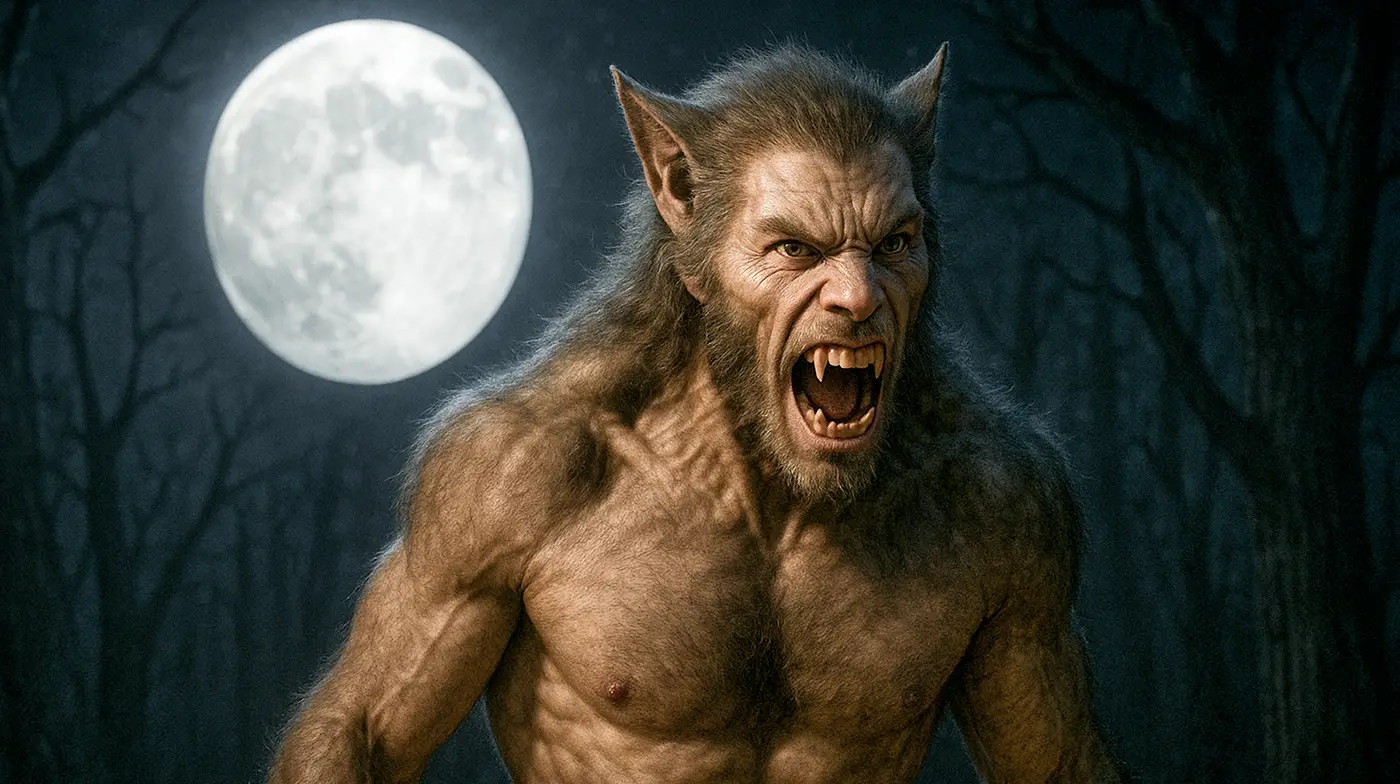
The werewolf is one of the most famous shapeshifters in world mythology. Its roots stretch back to ancient Greece with the tale of King Lycaon, cursed by Zeus to become a wolf.
In medieval Europe, werewolves appeared in witch trials and folklore as humans cursed, enchanted, or doomed to transform under the full moon. They became symbols of savagery, the loss of control, and the animal hidden within humanity.
In later centuries, the werewolf myth traveled across cultures, appearing in Slavic, French, and German traditions. Stories shifted from divine punishment to devil’s pacts, reflecting evolving fears.
The wolf-man became a metaphor for inner conflict and the fragile boundary between human and beast.
Myth vs. Media
In folklore, werewolves were often seen as cursed humans doomed to violence, frequently tied to witchcraft or heresy. Medieval stories emphasized divine punishment or satanic influence.
In modern media, the werewolf evolved into a complex figure – sometimes monstrous, sometimes heroic. Films like The Wolf Man and An American Werewolf in London stressed the curse, while franchises like Underworld and Teen Wolf reframed them as tragic warriors or misunderstood outsiders.
Trivia Drop
The earliest werewolf tale appears in Ovid’s Metamorphoses (8 CE), where King Lycaon is cursed by Zeus.
The medieval French tale Bisclavret, by Marie de France, portrayed a nobleman trapped in wolf form due to betrayal.
Silver bullets became the iconic weapon against werewolves in the 19th century, popularized in gothic fiction and later Hollywood.
In Slavic lore, the vârcolac is both a werewolf and a vampire, blurring boundaries between the undead and shapeshifters.
Read all about Werewolf Here
La Llorona

Seen in:
The Curse of La Llorona (Film, 2019)
A Conjuring-universe feature where a social worker confronts the Weeping Woman in 1970s Los Angeles.
The film popularized the legend for global audiences and sparked renewed discussion of cultural roots.
La Llorona (Film, 2019)
Jayro Bustamante’s critically acclaimed Guatemalan drama reframes the legend within reckoning for war crimes, blending political haunting and folk horror.
It uses the figure to examine memory and justice.
Grimm: “La Llorona” (TV Episode, 2012)
The series adapts the legend for Halloween, centering child abductions tied to a spectral mother. Spanish dialogue and folkloric details anchor the retelling.
Coco (Film, 2017)
Pixar’s Día de Muertos film features the traditional song “La Llorona,” highlighting the legend’s musical life and cultural familiarity for Mexican audiences.
Beast ID
Cultural Origin: Mexico, Colonial & Indigenous Roots
Period of Time: 16th Century – Present
Beast Type: Ghostly Apparition, Cursed Spirit
Skills: Wailing Cry, Fear Inducement, Child Luring
Weakness: Dawn Light, Holy Symbols, Lack of Recognition
Beast Summary
La Llorona, “The Weeping Woman,” is a spectral mother cursed to wander riverbanks, mourning her drowned children. Described as a tall woman in white with a sorrowful cry, she represents grief, betrayal, and punishment, while serving as a cautionary tale to protect children.
Myth vs. Media
Folklore depicts La Llorona as a tragic spirit tied to infanticide and eternal grief. Modern adaptations transform her into a horror icon, a cultural metaphor for colonial trauma, or a symbolic mother figure.
She shifts between cautionary legend, ghostly terror, and political allegory.
Trivia Drop
The cry “¡Ay, mis hijos!” (“Oh, my children!”) is considered the most iconic phrase of La Llorona’s legend, instantly recognizable across Mexico and the American Southwest.
Read all about La Llorona Here
Unicorn
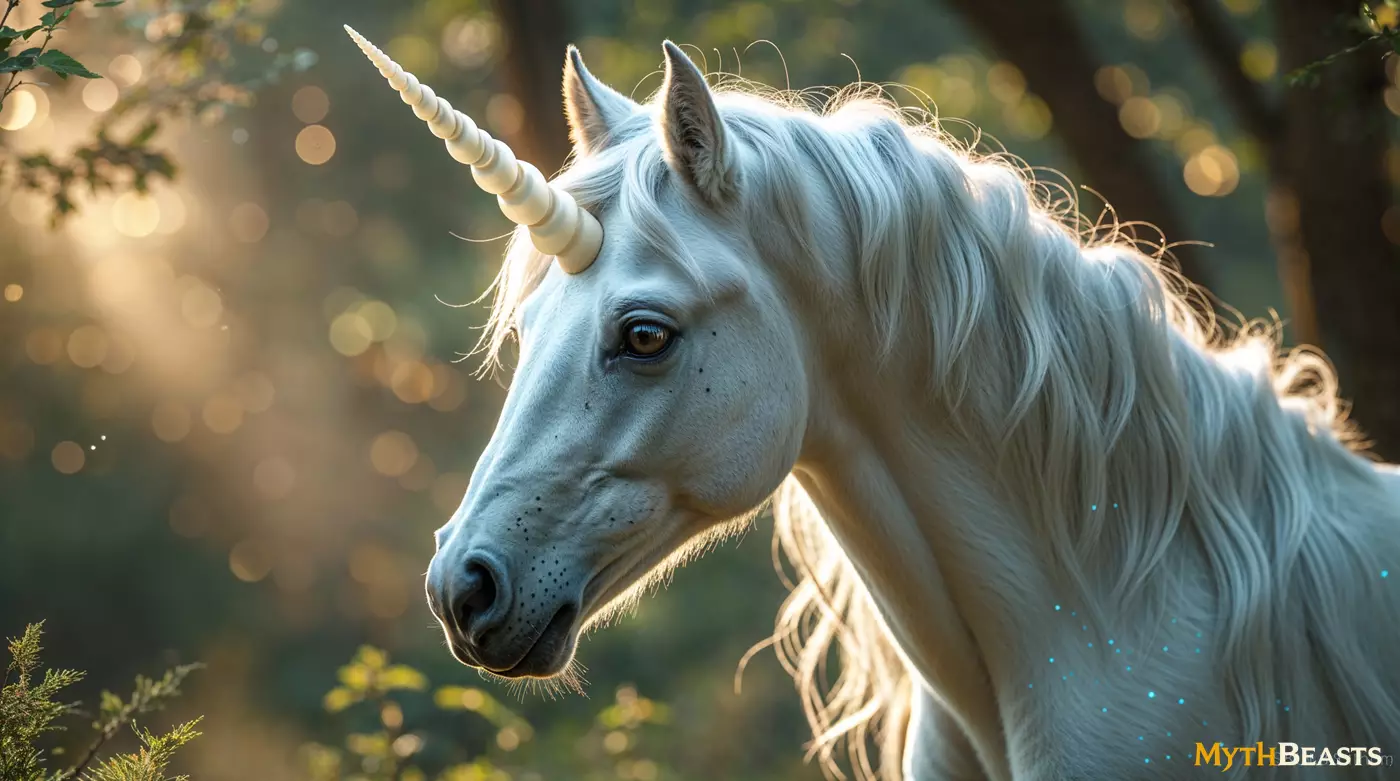
Seen in:
The Last Unicorn (1968 novel, 1982 film)
Peter S. Beagle’s The Last Unicorn became one of the most beloved fantasy stories of the 20th century.
It follows a unicorn on a quest to discover what happened to her kind. The 1982 animated adaptation gave the tale lasting cultural impact.
Thelma the Unicorn (2024, film)
Netflix released Thelma the Unicorn, an animated musical film about a pony who gains fame after becoming a unicorn.
It uses unicorn imagery to explore themes of authenticity, self-acceptance, and the risks of chasing popularity.
Death of a Unicorn (2025 film)
The upcoming A24 film Death of a Unicorn subverts the classic myth.
Instead of purity, its unicorn becomes unsettling and eerie. This modern retelling highlights how unicorns remain powerful symbols open to reinterpretation.
My Little Pony: Friendship Is Magic (2010–2020, TV series)
This animated series features unicorn characters such as Twilight Sparkle.
These unicorns embody friendship, magic, and growth. The show helped reframe unicorns for a new
Beast ID
Cultural Origin: Classical Greece
Period of Time: Classical Antiquity
Beast Type: Mythical single-horned beast
Skills: Healing, purity, speed, magical resistance
Weakness: Vulnerability to traps or lures, often captured by innocence or maidens
Beast Summary
The unicorn’s earliest descriptions appear not in Greek mythology but in Classical Greek natural history. Writers like Ctesias (5th century BCE) described a wild, horse-like creature from India with a single horn of great power.
Later accounts by Aristotle and Pliny reinforced the idea of the unicorn as a real, exotic animal. Over time, the unicorn became tied to purity, healing, and incorruptibility.
Medieval Europe fused this with Christian allegory, where the unicorn symbolized Christ, captured only through innocence.
Myth vs. Media
In Greek accounts, the unicorn was seen as a natural wonder, not a myth, with magical properties attributed to its horn. By the Middle Ages, it had transformed into a Christian symbol of purity, appearing in bestiaries and art.
In modern media, unicorns are versatile, sometimes noble and sacred, as in The Last Unicorn or Narnia, sometimes whimsical, as in Onward. In Harry Potter, they embody both purity and tragedy, as their blood sustains life but at a terrible moral cost.
Trivia Drop
The Greek physician Ctesias gave the first written description of the unicorn, calling it a beast from India.
The unicorn’s horn, or alicorn, was believed in antiquity and the Middle Ages to neutralize poison.
Unicorns never appear in Greek myth, only in natural histories, blurring the line between real and fantastical creatures.
The famous Unicorn Tapestries (15th–16th century) cemented the image of the unicorn in Western imagination.
Read all about Unicorn Here
Vampire

Seen in:
Nosferatu (1922), silent horror film
An unauthorized Dracula retelling that portrays the vampire as plague and vermin. Shadow play, bald skull, and clawed hands shaped the monster’s grotesque, folkloric look and set a visual grammar for screen horror.
Dracula (1931), classic horror film
Bela Lugosi’s aristocrat fixed the cape, stare, and accent as global shorthand. The character’s suave menace turned the folkloric corpse into a seductive immortal and launched Universal’s monster cycle.
Bram Stoker’s Dracula (1992), gothic film
Francis Ford Coppola’s lush adaptation fused romance and dread. Practical effects, period detail, and tragic longing reframed the count as alluring, cursed, and culturally omnipresent for a new generation.
Interview with the Vampire (1994), film
A confessional tale that humanizes vampires as introspective immortals. Lestat and Louis explore guilt, love, and chosen family, shifting the genre toward character psychology and moral ambiguity.
Buffy the Vampire Slayer (1997–2003), TV series
High school allegory meets mythic combat on the Hellmouth. Souls, redemption, and complex villains turned weekly vampire stories into serialized, character-driven drama with lasting fandom.
True Blood (2008–2014), TV series
A synthetic-blood world forces humans and vampires to coexist in the American South.
Politics, identity, and desire collide as the genre becomes a vehicle for social themes.
The Twilight Saga (2008–2012), film series
Teen romance reimagines vampires as restrained and luminous. Small-town fantasy, abstinence metaphors, and werewolf alliances drove a massive YA wave and reshaped franchise economics.
The Vampire Diaries (2009–2017), TV series
Romance and centuries of lore in Mystic Falls. Diaries, flashbacks, and family curses built a sprawling continuity that sustained spin-offs and youth-oriented vampire fandom.
Castlevania (1986– ), games and animated series
Hunters, Belmont lineage, and Dracula’s cycles of resurrection. Gothic castles and boss monsters translated literary myth into action gameplay, later inspiring a stylish animated saga.
Beast ID
Cultural Origin: Slavic and Balkan Europe
Period of Time: Medieval to Early Modern
Beast Type: Blood-drinking Undead
Skills: Hypnosis, Shapeshifting, Enhanced Strength, Night Stalker, Regeneration
Weakness: Sunlight Vulnerable, Stake Through Heart, Decapitation, Fire, Garlic and Sacred Objects
Beast Summary
The vampire is an undead revenant from Slavic and Balkan lore that feeds on blood and returns to its grave before dawn. Folktales describe a corpse risen by curse, improper burial, or restless spirit.
It stalks villages at night, spreads fear and illness, and preys upon kin and livestock, too.
Traditional accounts present a bloated, ruddy, foul-smelling body with blood at the mouth, not a handsome count. Modern literature and film reframed the vampire as pale, aristocratic, and seductive, turning the graveyard predator into a metaphor for power, desire, contagion, and the cost of immortality in modern global culture.
Myth vs. Media
Folklore vampires were bloated corpses with darkened skin, stiff limbs, and a rancid odor. They wore burial shrouds and sometimes spoke or knocked at doors, like the Greek vrykolakas.
Villagers used garlic, stakes, stones, decapitation, and counting seeds to restrain or destroy suspected revenants during epidemics and hard winters too.
Media retellings polished the monster into elegance. Polidori introduced the aristocratic predator; Stoker fixed rules about sunlight, soil, and invitations.
Cinema added fangs, capes, and mirrors, then later psychology and romance. Today many stories balance feral horror with charisma, guilt, and complicated immortal relationships across books, games, music, fashion, and subcultures.
Trivia Drop
Many Balkan traditions scatter poppy seeds or millet so a vampire pauses to count, delaying its rise.
In Greek lore, a vrykolakas knocks once; answering brings misfortune, so households ignore the first call.
Vampire enters English print around 1732 via reports on Central European investigations.
Rhode Island’s 1892 Mercy Brown case tied tuberculosis to exhumation and a supposed cure against vampirism.
Polish “deviant” burials sometimes placed sickles over the neck or abdomen to pin the corpse if it moved.
Read all about the Vampire here
Baba Yaga

Seen in:
Hellboy (2019), a supernatural action film
Hellboy confronts Baba Yaga in her chicken-legged house, seeking information about the Blood Queen, leading to a perilous bargain.
John Wick (2014), an action thriller film
John Wick is referred to as “Baba Yaga,” symbolizing his feared status as an unstoppable assassin within the criminal underworld.
Baba Yaga: Terror of the Dark Forest (2020), a horror film
A family hires a nanny who is revealed to be Baba Yaga, leading to a terrifying battle between the witch and a young boy.
The Last Warrior (2017), a fantasy adventure film
A modern-day man is transported to a magical world where he encounters Baba Yaga, who aids him in his quest against evil forces.
Legend Quest (2017): an animated fantasy TV series, Episode 4 – “The Witch,” Season 1
The heroes confront Baba Yaga, who seeks to use dark magic to achieve her nefarious goals, challenging their courage and unity.
Beast ID
Cultural Origin: Slavic
Period of Time: Medieval
Beast Type: Witch
Skills: Necromancy, Curse Casting, Soul Manipulation
Weakness: Bargain-Bound, Isolation, Distrustful
Beast Summary
Baba Yaga is a prominent figure in Slavic folklore, depicted as a fearsome witch dwelling in a hut standing on chicken legs. She is known for her ambiguous nature, sometimes aiding and other times hindering those who encounter her.
Myth vs. Media
Traditional tales present Baba Yaga as a complex character, embodying both maternal and malevolent traits. Modern media often simplifies her into a purely sinister figure, emphasizing her dark and mystical aspects.
Trivia Drop
In Slavic mythology, Baba Yaga’s hut is said to spin continuously and can only be entered when a specific incantation is spoken, highlighting her enigmatic nature.
Read all about the Baba Yaga Here
Kelpie

Seen in:
Fantastic Beasts: The Crimes of Grindelwald (2018), a fantasy adventure film
Features a scene where Newt Scamander tames and rides a Kelpie in his magical menagerie, showcasing the creature’s aquatic nature.
The Water Horse: Legend of the Deep (2007), a fantasy family film
Depicts a young boy discovering a mysterious egg that hatches into a sea creature of Scottish legend, reminiscent of Kelpie myths.
Beast ID
Cultural Origin: Scottish
Period of Time: Medieval
Beast Type: Aquatic Shapeshifter
Skills: Shapeshifting, Luring Victims, Supernatural Strength
Weakness: Vulnerable to Silver, Bridle Removal, Religious Symbols
Beast Summary
The Kelpie is a shape-shifting water spirit from Scottish folklore, often appearing as a horse near rivers and lochs. It lures unsuspecting individuals onto its back, then dives into the water to drown and consume them.
Some tales describe Kelpies taking human form, usually as attractive men, to entice victims. Legends suggest that capturing a Kelpie’s bridle grants control over the creature, and it can be killed with silver weapons.
Kelpies are associated with various bodies of water in Scotland, including Loch Ness, and have counterparts in other cultures, such as the Scandinavian bäckahäst.
Myth vs. Media
Traditional Kelpie myths portray them as malevolent water spirits that lure victims to watery graves. In Fantastic Beasts: The Crimes of Grindelwald, the Kelpie is depicted as a magical creature that can be tamed, showcasing a more nuanced portrayal.
The Water Horse: Legend of the Deep presents a creature inspired by Kelpie legends but reimagined as a benevolent companion, highlighting a shift from fearsome folklore to family-friendly narratives.
Trivia Drop
The Kelpies are two 30-meter-high horse-head sculptures in Falkirk, Scotland, inspired by the mythological creature, symbolizing the transformational and enduring power of water.
Read all about the Kelpie in Here
Thunderbird

Seen in:
Fantastic Beasts and Where to Find Them (2016), a fantasy adventure film
Features a majestic Thunderbird named Frank, whom Newt Scamander seeks to return to the wilds of Arizona.
Spirit Rangers (2022): an animated children’s TV series, Season 1
Features Thunderbird spirits aiding young Native American siblings in their adventures, emphasizing cultural heritage and environmental stewardship.
Beast ID
Cultural Origin: Native American
Period of Time: Pre-Colonial
Beast Type: Sky Spirit / Giant Bird
Skills: Storm Creation, Lightning Generation, Flight, Shapeshifting
Weakness: None (considered a powerful protector spirit)
Beast Summary
The Thunderbird is a legendary creature in Native American mythology, revered across various tribes including the Algonquian, Menominee, and Ojibwe. Described as a massive bird capable of creating thunder with its wings and lightning with its eyes, the Thunderbird is often seen as a powerful protector and enforcer of moral order.
In many tales, it combats evil spirits and punishes those who break societal rules. The Thunderbird’s presence is deeply embedded in indigenous art, totem poles, and oral traditions, symbolizing strength, power, and divine intervention.
Myth vs. Media
In traditional mythology, the Thunderbird is a formidable force of nature, often associated with storms and moral judgment. In Fantastic Beasts and Where to Find Them, the Thunderbird is portrayed as a majestic and noble creature, emphasizing its grandeur and the importance of returning it to its natural habitat, aligning with themes of conservation and respect for magical creatures.
Trivia Drop
The Thunderbird is so integral to Native American culture that it has been adopted as a symbol by various institutions, including military units and sports teams, representing strength and resilience.
Read all about the Thunderbird in Here
Mermaid

Seen in:
The Little Mermaid (1989 / 2023), animated & live-action fantasy films
A romantic reimagining of the sea-maiden myth, centered on a curious heroine who longs for the human world.
Pirates of the Caribbean: On Stranger Tides (2011), fantasy adventure film
Returns mermaids to their perilous roots, beautiful, otherworldly, and lethally bound to the sea.
Splash (1984), a romantic fantasy film
A modern “fish-out-of-water” tale that makes the mermaid a sympathetic lead navigating life on land.
Siren (2018–2020), fantasy drama TV series
Envisions mermaids as an endangered, powerful people, blending folklore with ecological and cultural themes.
Beast ID
Cultural Origin: Classical Greece
Beast Type: Aquatic Hybrid / Shape-Shifter
Skills: Enchanting song, allure, water mastery; in some traditions shapeshifting and foreknowledge
Weakness: Loss of a magical token (skin/cap/comb), broken taboo, exposure of true form
Beast Summary
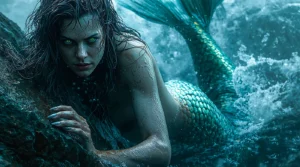
Mermaids are liminal beings, half human, half aquatic – standing at the edge where land gives way to mystery. Early roots reach the Syrian goddess Atargatis, whose cult linked water, fertility, and divinity and helped seed the figure of the fish-tailed woman.
Across the Mediterranean, sea spirits and water-women marked springs, rivers, and coasts as sacred, dangerous, or both.
In Greek lore, Sirens were originally bird-women whose irresistible songs lured sailors; only later did imagery drift seaward and merge with fish-tailed maidens. Roman tales of Nereids and other sea nymphs added helpful guides and tempest-stirrers to the mix, reinforcing the mermaid’s double nature, protector and peril.
Medieval Europe moralized the image: bestiaries gave her the comb and mirror as emblems of vanity, while romances like Melusine added secrecy, curses, and transformation. By the Renaissance, the half-woman, half-fish silhouette was fixed on maps and coats of arms, beauty and danger in one enduring sign.
Myth vs. Media
Classical Sirens warn about seductive knowledge and shipwreck; later mermaids blur into rescuers, lovers, or judges of the worthy. That shift, from fatal song to complicated companion, shaped modern retellings.
Hans Christian Andersen’s nineteenth-century tale recast the mermaid as a tragic seeker of soul and love, a template for sympathetic heroines.
Contemporary screen versions split along that historical seam. Disney’s Ariel and her successors lean into romance, agency, and cultural negotiation between sea and shore.
Pirates of the Caribbean revives the older menace: alluring, territorial, and dangerous. Series like Siren treat mermaids as a hidden nation with ethics and politics not quite human.
Through all of it, one constant remains: the mermaid tests desire and judgment. Whether she rescues, ruins, or rewrites the rules, her otherness reflects our own questions about identity, freedom, and the price of crossing boundaries.
Trivia Drop
The English word “mermaid” fuses Old English mere (“sea”) with mægden/maid (“woman”), literally “sea-woman.”
Sirens were not fish-tailed in early Greek art; they were bird-bodied singers and only later merged with sea-maid imagery.
The twin-tailed Melusine, famous in medieval lore and modern branding, comes from legends of a cursed water-woman who must never be seen in her true form.
Read all about the Mermaid here
Yuki-onna

Seen in:
Kwaidan (1964), a Japanese anthology horror film
Features the segment “The Woman of the Snow,” where Yuki-onna spares a young man during a blizzard, leading to a haunting tale of love and secrecy.
The Snow Woman (1968), a Japanese fantasy horror film
An expanded adaptation of the Yuki-onna legend, depicting the story of a sculptor’s apprentice who encounters the snow spirit during a storm.Wikipedia+1IMDb+1
Beast ID
Cultural Origin: Japanese (various regions including Niigata, Aomori, Yamagata)
Period of Time: Muromachi Period to Present
Beast Type: Yōkai / Spirit
Skills: Cryokinesis, Shapeshifting, Flight, Hypnosis
Weakness: Sunlight, Fire, Revealing Her True Identity
Beast Summary
Yuki-onna, or “Snow Woman,” is a prominent figure in Japanese folklore, often depicted as a tall, beautiful woman with long black hair and pale skin, wearing a white kimono. She appears on snowy nights, preying on travelers lost in snowstorms, freezing them with her icy breath.
In some tales, she is a vengeful spirit; in others, she shows mercy, especially towards the young and handsome. Her stories have been passed down through generations, symbolizing the deadly beauty of winter and the thin line between life and death.
Myth vs. Media
Traditional tales portray Yuki-onna as both a merciless killer and a tragic figure, reflecting the duality of nature’s beauty and danger. In Kwaidan (1964), she embodies this duality, sparing a young man under the condition of secrecy.
The Snow Woman (1968) expands on this narrative, delving deeper into her interactions with humans.
Trivia Drop
Yuki-onna’s legend has inspired various adaptations in literature, film, and anime. Her character often serves as a metaphor for the enchanting yet perilous aspects of nature.
In some regions, she is believed to be the spirit of a woman who perished in the snow, while in others, she is considered a moon princess trapped on Earth.
Read all about the Yuki-Onna Here
Cyclops

Seen in:
X-Men franchise (1963–present), comic book and screen superhero franchise
Cyclops, named after the Greek one-eyed giant, first appeared in 1963. His powerful optic blast mirrors mythic force, featured across Marvel comics, films, and TV shows as a tactical, disciplined team leader.
The Odyssey (1997), a fantasy adventure TV miniseries
A faithful adaptation of Homer’s epic, this miniseries portrays Odysseus’s encounter with Polyphemus, the Cyclops, highlighting the hero’s cunning escape.
Percy Jackson and the Olympians (2023– ): a fantasy adventure TV series, Season 2
Introduces Tyson, Percy’s Cyclops half-brother, and Polyphemus, the guardian of the Golden Fleece, bringing Cyclopean characters into a modern setting.
Beast ID
Cultural Origin: Greek
Period of Time: Archaic to Classical Antiquity
Beast Type: Giant / Monstrous Humanoid
Skills: Immense Strength, Craftsmanship (in Hesiodic accounts), Herding
Weakness: Single Eye Vulnerability, Gullibility
Beast Summary
In Greek mythology, Cyclopes are one-eyed giants known for their strength and craftsmanship. Hesiod’s Theogony describes three Cyclopes, Brontes, Steropes, and Arges, as sons of Uranus and Gaia, who forged Zeus’s thunderbolt.
In Homer’s Odyssey, the Cyclops Polyphemus is depicted as a savage being who traps Odysseus and his men, only to be outwitted and blinded by them. These myths highlight the Cyclopes’ dual nature as both creators and destroyers.
Myth vs. Media
The Marvel character Cyclops (Scott Summers) draws inspiration from the mythological Cyclopes. Introduced in X-Men #1 (1963), Cyclops possesses the ability to emit powerful optic blasts from his eyes, a nod to the singular eye of the Greek giants.
Unlike the often brutish and solitary mythological Cyclopes, Scott Summers is portrayed as a disciplined and strategic leader, emphasizing control over raw power. His visor, which regulates his optic blasts, symbolizes the harnessing of immense force through precision, a modern reinterpretation of the ancient myth.
Trivia Drop
The name “Cyclops” is derived from the Greek words kyklos (circle) and ops (eye), meaning “circle-eyed.”
Read all about the Cyclops Here
Qilin

Seen in:
Fantastic Beasts: The Secrets of Dumbledore (2022), a fantasy adventure film
The Qilin, a sacred creature with the ability to perceive purity, plays a pivotal role in selecting the rightful leader of the wizarding world.
Shang-Chi and the Legend of the Ten Rings (2021), a superhero fantasy film
Qilin are depicted as mystical beings residing in the hidden realm of Ta Lo, embodying peace and guiding the protagonists through the enchanted land.
The Twelve Kingdoms (2002), a fantasy anime TV series, Episode 1 – “Shadow of the Moon, Sea of the Shadow”, Season 1
Qilin serve as divine creatures that select and advise rulers, reflecting their traditional role as harbingers of wisdom and virtue.
Beast ID
Cultural Origin: Chinese
Period of Time: Ancient to Present
Beast Type: Mythical Hooved Chimera
Skills: Prophecy, Detection of Purity, Harbinger of Prosperity
Weakness: None Noted
Beast Summary
The Qilin, often referred to as the “Chinese unicorn,” is a mythical creature symbolizing benevolence, prosperity, and serenity. Described as a chimera with features of a deer, ox, dragon, and fish, it is known for its gentle nature, avoiding harm to any living being.
The Qilin is believed to appear during the reign of a just ruler or the birth of a sage, serving as an omen of good fortune and divine approval. Its presence is deeply embedded in Chinese art, literature, and folklore, representing the embodiment of virtue and the cosmic balance.
Myth vs. Media
In traditional mythology, the Qilin is a symbol of peace and prosperity, appearing only in areas ruled by a wise and benevolent leader. Modern media adaptations have preserved these core attributes while integrating the Qilin into various narratives.
In Fantastic Beasts: The Secrets of Dumbledore, the Qilin’s ability to discern purity is central to the plot, selecting the rightful leader of the wizarding world. Shang-Chi and the Legend of the Ten Rings portrays the Qilin as a guardian of a mystical realm, guiding heroes on their journey.
These representations maintain the Qilin’s association with virtue and guidance, bridging ancient symbolism with contemporary storytelling.
Trivia Drop
The Qilin is one of the Four Auspicious Beasts in Chinese mythology, alongside the Dragon, Phoenix, and Tortoise, each representing a cardinal virtue.
During the Ming Dynasty, a giraffe brought from Africa was mistaken for a Qilin, reinforcing the creature’s association with rare and auspicious events.
The Qilin’s appearance is said to be so gentle that it can walk on grass without disturbing it, emphasizing its peaceful nature.
Read all about the Qilin Here
Fenghuang

Seen in:
Mulan (2020), a fantasy action film
The Fenghuang appears as a guiding spirit, symbolizing Mulan’s ancestral heritage and inner strength, replacing the traditional dragon guardian.
Shang-Chi and the Legend of the Ten Rings (2021), a superhero fantasy film
Fenghuang are depicted as mystical creatures inhabiting the realm of Ta Lo, embodying grace and cosmic balance.
Kung Fu Panda: Legends of Awesomeness (2011–2016): an animated action-comedy TV series, Episode 9 – “Owl Be Back”, Season 1
Features a character named Fenghuang, a former Furious Five member turned antagonist, reflecting themes of power and redemption.
Beast ID
Cultural Origin: Chinese
Period of Time: Ancient to Present
Beast Type: Mythical Bird
Skills: Symbol of Virtue, Harmony, and Prosperity
Weakness: None Noted
Beast Summary
The Fenghuang, often referred to as the Chinese phoenix, is a revered mythological bird symbolizing virtue, grace, and prosperity. Unlike the Western phoenix associated with fire and rebirth, the Fenghuang embodies harmony and is considered an omen of peace.
It is traditionally depicted with features combining various animals, representing the union of yin and yang. The Fenghuang’s appearance is believed to herald the rise of a benevolent ruler or a new era of harmony.
Myth vs. Media
In traditional mythology, the Fenghuang is a symbol of auspiciousness and is associated with the empress, complementing the dragon, which represents the emperor. Modern media adaptations have embraced the Fenghuang’s symbolism, portraying it as a guiding and protective figure.
In Mulan (2020), the Fenghuang replaces the dragon guardian, emphasizing Mulan’s inner strength and ancestral guidance. Shang-Chi and the Legend of the Ten Rings features Fenghuang as mystical beings in the realm of Ta Lo, reinforcing themes of balance and harmony.
These portrayals align with the traditional attributes of the Fenghuang, bridging ancient symbolism with contemporary narratives.
Trivia Drop
The Fenghuang’s image has been used in Chinese imperial architecture and art to symbolize the empress and feminine virtues.
The Fenghuang is often depicted with five fundamental colors, each representing a virtue: black (wisdom), white (righteousness), red (propriety), green (benevolence), and yellow (faith)
Unlike the Western phoenix, the Fenghuang does not die and be reborn from ashes but is immortal, embodying eternal harmony.
Read all about the Fenghuang in Here
Azazel

Seen in:
X-Men: First Class (2011), a superhero action film
Azazel is portrayed as a mutant with teleportation abilities and a demonic appearance, serving as a member of the Hellfire Club.
Supernatural (2005–2020), a fantasy horror TV series
Azazel, known as the “Yellow-Eyed Demon,” is a primary antagonist in the early seasons, orchestrating events that shape the protagonists’ lives.
Fallen (1998), a supernatural thriller film
Azazel is depicted as a fallen angel capable of possessing humans through touch, terrorizing a detective investigating a series of murders.
Shadowhunters (2016–2019), a fantasy TV series
Azazel appears as a powerful demon summoned by the protagonists, leading to significant consequences in their battle against evil forces.
Beast ID
Cultural Origin: Jewish, Christian, Islamic
Period of Time: Ancient to Present
Beast Type: Fallen Angel / Demon
Skills: Corruption, Forbidden Knowledge, Possession
Weakness: Divine Judgment, Isolation
Beast Summary
Azazel is a multifaceted figure in religious texts and folklore. In the Hebrew Bible, Azazel is associated with the scapegoat ritual during Yom Kippur, symbolizing the removal of sin.
The Book of Enoch expands on this, depicting Azazel as a leader of the Watchers, fallen angels who imparted forbidden knowledge to humans, leading to widespread corruption. In Islamic tradition, Azazel is often equated with Iblis, the jinn who refused to bow to Adam and was cast out of heaven.
These narratives position Azazel as a symbol of rebellion, corruption, and the dissemination of prohibited wisdom.
Myth vs. Media
Modern media often reimagines Azazel, drawing from his mythological roots to create compelling antagonists. In X-Men: First Class, Azazel is a mutant with demonic features and teleportation powers, reflecting his otherworldly origins.
Supernatural portrays him as the “Yellow-Eyed Demon,” manipulating events to release Lucifer, echoing themes of rebellion and corruption. In Fallen, Azazel is a fallen angel who possesses humans, aligning with his role as a corrupter in religious texts.
These adaptations maintain the essence of Azazel’s mythos while situating him within contemporary narratives.
Trivia Drop
In the Book of Enoch, Azazel is credited with teaching humans to make weapons and cosmetics, leading to his fall from grace.
Azazel’s name has been used in various cultures to denote a demon or evil spirit, often associated with the wilderness or desolation.
Read all about the Azazel Here
Lilith

Seen in:
Supernatural (2005–2020), a fantasy horror TV series
Lilith is portrayed as the first demon created by Lucifer, serving as a powerful antagonist who seeks to release Lucifer from his cage.
The Chilling Adventures of Sabrina (2018–2020), a supernatural horror TV series
Lilith appears as Madam Satan, a complex character who mentors Sabrina while pursuing her own agenda to become the Queen of Hell.
True Blood (2008–2014), a fantasy horror TV series
Lilith is revered as the progenitor of vampires, with her blood granting immense power and her visions influencing vampire politics.
Shadowhunters (2016–2019), a fantasy TV series
Lilith is depicted as a Greater Demon and the mother of all demons, seeking to resurrect her son and wreak havoc on the world.
Beast ID
Cultural Origin: Mesopotamian, Jewish, Christian
Period of Time: Ancient to Present
Beast Type: Demoness / Feminine Archetype
Skills: Seduction, Sorcery, Immortality
Weakness: Isolation, Divine Retribution
Beast Summary
Lilith’s origins trace back to Mesopotamian mythology, where she was associated with wind spirits and considered a night demon. In Jewish folklore, particularly in the “Alphabet of Ben Sira,” Lilith is portrayed as Adam’s first wife who refused to be subservient and left the Garden of Eden, becoming a demoness.
Over time, she has been depicted as a figure who preys on infants and seduces men, embodying fears surrounding female sexuality and independence. In contemporary interpretations, Lilith has been reimagined as a symbol of feminist empowerment, representing autonomy and resistance against patriarchal structures.
Myth vs. Media
Lilith’s transition from ancient demoness to modern feminist icon is evident in various media portrayals. In “Supernatural,” she embodies evil as the first demon, challenging the protagonists with her formidable powers.
“The Chilling Adventures of Sabrina” presents her as a mentor with her own ambitions, reflecting the complexity of her character. In “True Blood,” she is venerated as the originator of vampires, influencing the series’ supernatural hierarchy.
“Shadowhunters” portrays her as a maternal figure to demons, emphasizing her role in dark creation myths.
Trivia Drop
Lilith’s name is derived from the Sumerian word “lilitu,” meaning “of the night.”
The “Alphabet of Ben Sira” is one of the earliest texts to describe Lilith as Adam’s first wife.
Lilith has been associated with various symbols, including owls, which represent her nocturnal nature.
Chimera

Seen in:
Wrath of the Titans (2012), a fantasy adventure film
The Chimera appears as Perseus’s first monstrous opponent, a massive, double‑headed, fire‑breathing beast that sets the stage for his heroic journey.
Mission: Impossible II (2000), an action spy film
While not a creature, the term “Chimera” is used as the name for a genetically engineered virus central to the plot’s conflict.
The X‑Files, episode “Chimera” (Season 7, Episode 16, 2000), a science‑fiction TV series
The episode title references the idea of duality and hidden truths, though it doesn’t feature the mythical beast literally.
Chimera (British TV series, 1991), a science‑fiction horror miniseries
A genetically fused “Chimera” character, half boy, half chimp, escapes a lab, reflecting the hybrid horror of the myth.
Beast ID
Cultural Origin: Ancient Greek
Period of Time: Classical Antiquity (specifically Lycia, Asia Minor)
Beast Type: Hybrid Monster / Composite Creature
Skills: Fire‑breathing, physical strength, hybrid agility
Weakness: Outwitted by hero Bellerophon with a clever strategy (molten lead tactic)
Beast Summary
The Chimera is a legendary fire-breathing monster from Greek mythology, described as a fearsome beast with the head of a lion, the body of a goat, and the tail of a serpent. It terrorized the region of Lycia until it was slain by the hero Bellerophon, who cleverly killed it using molten lead during a Pegasus‑aided battle.
Myth vs. Media
In myth, the Chimera embodies the chaotic fusion of dangerous animals, a monster born of Typhon and Echidna, and sibling to other iconic creatures like Cerberus and the Hydra. Its defeat by Bellerophon represents human ingenuity overcoming monstrous hybridity.
In modern media, the Chimera concept is adapted variously:
In Wrath of the Titans, it’s reimagined as a dramatic, fire‑brandishing adversary.
In Mission: Impossible II, the myth lends its name to a biothreat, invoking the concept of dangerous fusion.
TV episodes titled “Chimera” in The X‑Files and Stargate SG‑1 use the idea metaphorically to explore identity and hidden truths.
The British miniseries Chimera literalizes the hybrid horror through genetic experimentation.
Trivia Drop
The name “Chimera” comes from the Greek word Khimaira, meaning “she‑goat.”
Mythical genealogies often list Echidna and Typhon as its parents, placing it among other famous hybrids like the Sphinx and Hydra.
Read all About Chimera Here
Phoenix
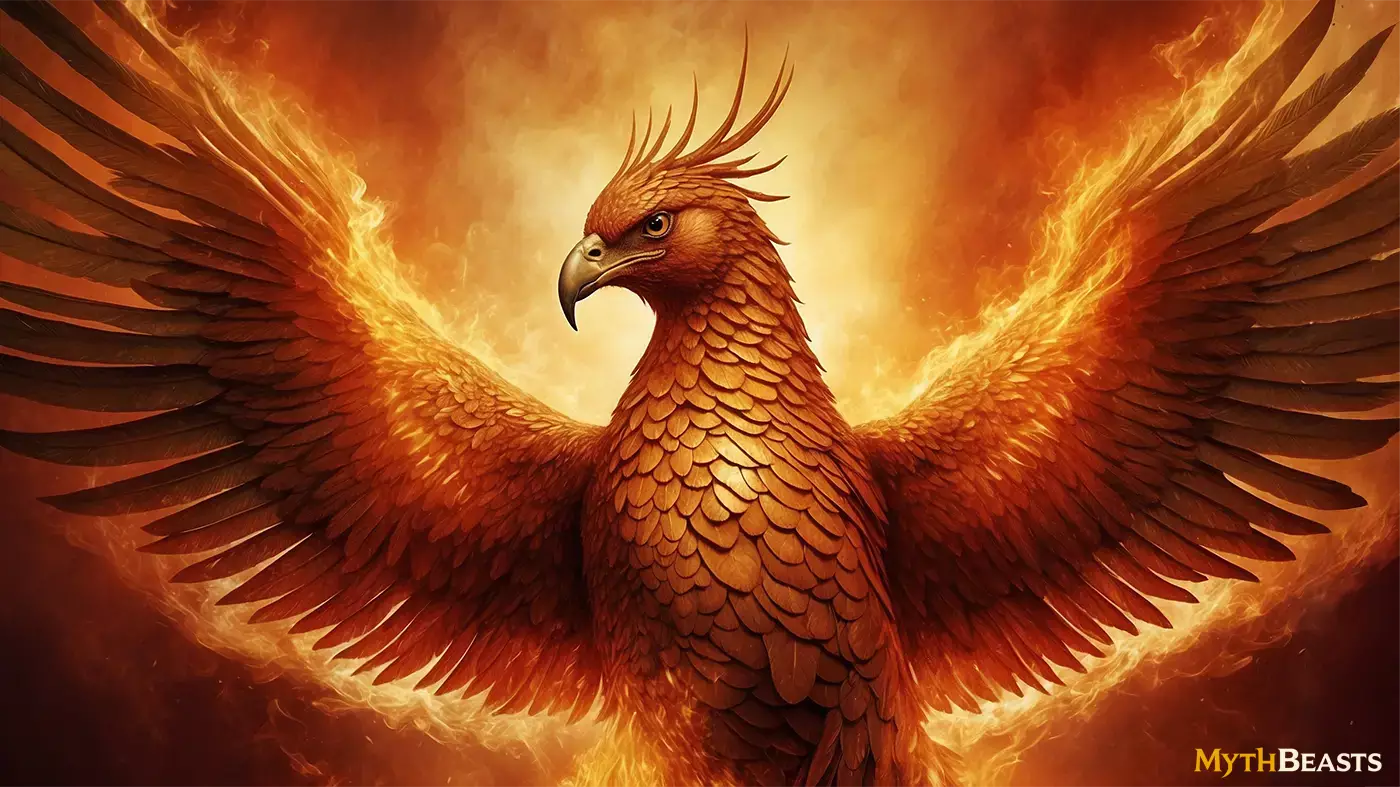
Seen in:
Fantasia 2000 (1999), animated musical anthology film
The “Firebird Suite” segment features a phoenix‑like fiery spirit that rises from molten lava to wreak destruction, then fades, symbolizing destruction and rebirth.
The Chronicles of Narnia: The Lion, the Witch and the Wardrobe (2005), fantasy book/film
A Phoenix bursts into flames over the grass in front of the White Witch’s army, forming a wall of fire, a magical defense.
X‑Men: The Last Stand (2006), superhero film
Jean Grey returns with a powerful, uncontrollable dual persona known as the Phoenix, echoing rebirth and destructive transformation.
Charmed (1998–2006), a fantasy drama TV series
A covert line of assassins known as “The Phoenix” embodies cyclical power and rebirth among witches.
Harry Potter series (films/books)
Fawkes, Dumbledore’s phoenix, demonstrates healing (via tears) and rebirth, carrying immense symbolic weight in the story.
Beast ID
Cultural Origin: Ancient Egyptian, adapted by Greek culture
Period of Time: Classical Antiquity to Late Antiquity
Beast Type: Immortal bird of rebirth
Skills: Self-immolation, resurrection, cosmic renewal
Weakness: Mortal end of cycle before rebirth
Beast Summary
The Phoenix originates in Egyptian myth as the Bennu bird and was adopted by the Greeks, who placed it in Heliopolis. Herodotus described it as living 500 years before building a nest of spices, igniting itself, and being reborn from the ashes.
It symbolized continuity, cosmic order, and philosophical renewal.
Myth vs. Media
In myth, the Phoenix embodies rebirth and eternal cycles of nature. For the Greeks, it bridged Egyptian solar myths and Stoic ideas of cosmic return.
In media, it takes on roles of fiery spectacle or transformation, from Disney’s Fantasia to Narnia’s fiery guardian and the X-Men’s Jean Grey as a symbol of overwhelming rebirth and destructive power.
Trivia Drop
The name comes from the Greek phoînix, linked to “red” or “Phoenician.”
Herodotus gave the cycle as 500 years, while later Romans varied it.
Unlike most beasts, the Phoenix is usually a singular, one-of-a-kind entity.
Read all about Phoenix Here
Dragon

Seen in:
The Hobbit: The Desolation of Smaug (2013), a fantasy adventure film
Smaug, voiced by Benedict Cumberbatch, is portrayed as a cunning and terrifying dragon who hoards treasure and serves as Bilbo Baggins’ greatest challenge.
Game of Thrones (2011–2019), a fantasy television series
Daenerys Targaryen’s dragons, Drogon, Rhaegal, and Viserion, are central to her rise, symbolizing rebirth, destruction, and royal power.
How to Train Your Dragon (2010–2019), an animated film franchise
Toothless, a Night Fury dragon, evolves from feared beast to loyal companion, embodying themes of friendship, trust, and the breaking of old traditions.
Mulan (1998), an animated Disney film
Mushu, a small comedic dragon, serves as Mulan’s guardian and mentor, reflecting the protective role of Chinese dragons in folklore.
Harry Potter and the Goblet of Fire (2005), a fantasy adventure film
Harry faces a deadly Hungarian Horntail dragon in the Triwizard Tournament, showcasing dragons as symbols of danger and awe.
Beast ID
Cultural Origin: Mesopotamian, European, Chinese
Period of Time: Prehistoric depictions to Classical Antiquity, Medieval, and Modern
Beast Type: Serpentine or winged monster, hybrid guardian
Skills: Fire-breathing, flight, immense strength, weather control (Chinese dragons)
Weakness: Heroic cunning, magical weapons, vulnerability to human strategy
Beast Summary
Dragons appear in nearly every culture’s mythology. In the West, they are often monstrous, fire-breathing adversaries hoarding gold and terrorizing heroes.
In China, dragons are benevolent and associated with rivers, rain, and imperial power, appearing as serpent-like creatures tied to the heavens. Early depictions trace back to Mesopotamian chaos-serpents, like Tiamat, while later myths spread across Europe, shaping legendary battles with saints and warriors.
Dragons have become a global symbol, embodying both destructive chaos and protective power.
Myth vs. Media
Mythological dragons often represented chaos, primal power, or divine order. In Christian Europe, they became symbols of evil defeated by saints, such as St. George.
In China, they symbolized prosperity, imperial authority, and natural balance.
In modern media, dragons are versatile, Smaug embodies greed, Drogon reflects unstoppable power, Toothless redefines the dragon as ally, and Mushu channels protective humor. Across genres, dragons retain their mythical weight while adapting to cultural needs.
Trivia Drop
The word “dragon” comes from the Greek drakōn, meaning “serpent.”
Chinese dragons are tied to rain and rivers, unlike Western fire-breathers.
Some dragon legends may have been inspired by dinosaur or large fossil discoveries.
In European heraldry, dragons often symbolized power, vigilance, and ferocity.