Elemental Force
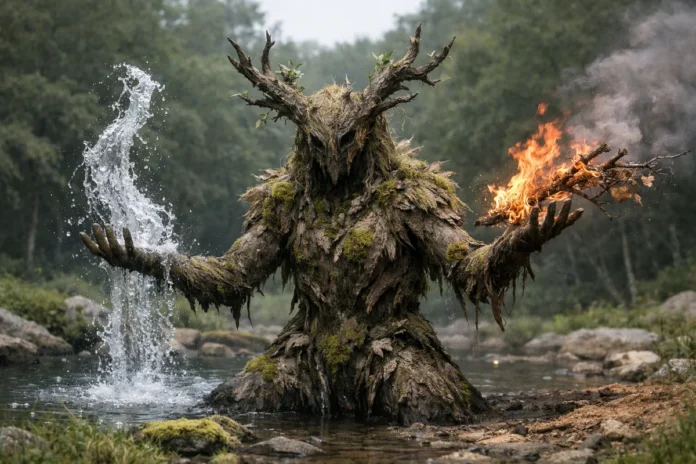
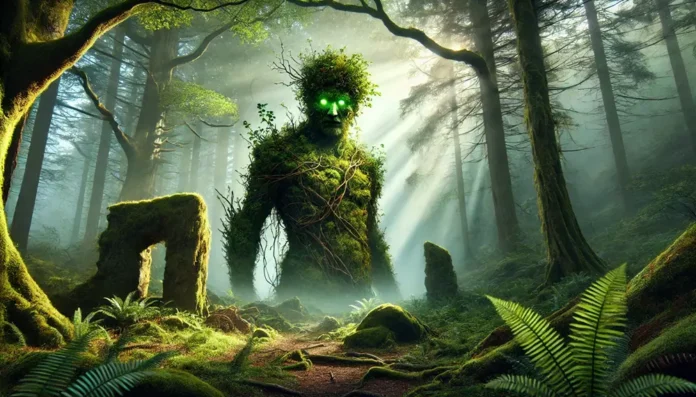
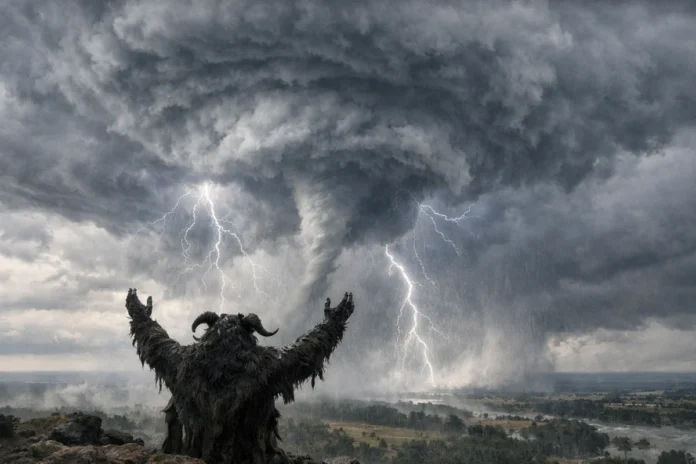
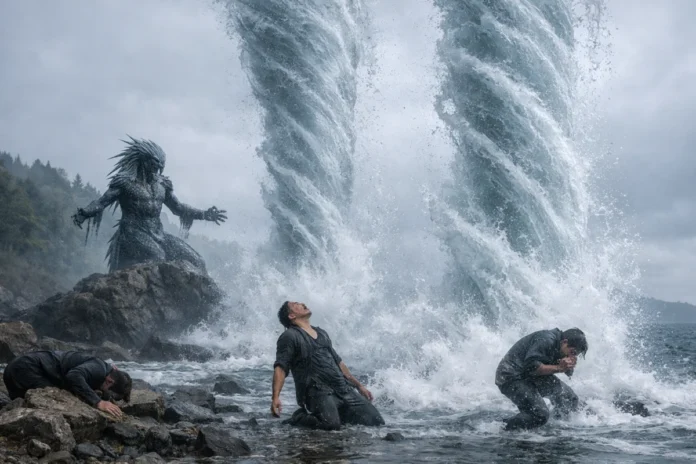
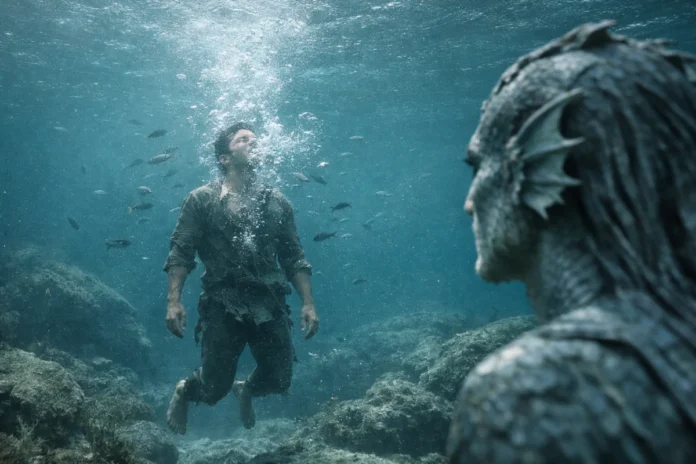
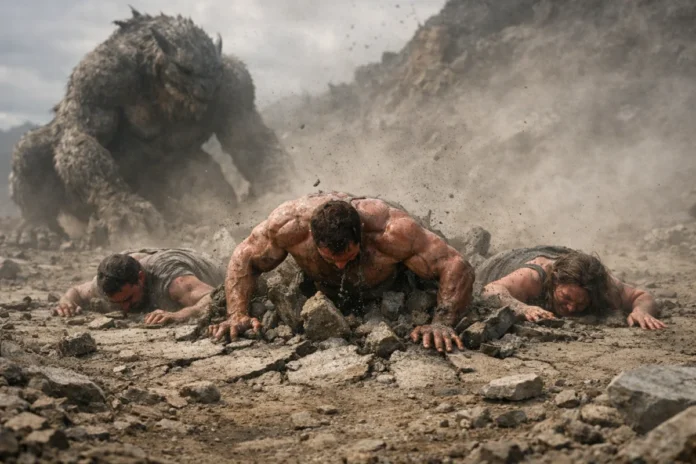
Elemental Force beasts symbolize natural powers, embodying earth, air, fire, and water in mythological traditions.
Sub Categories
Air Beast
Air Beasts in mythology are often depicted as creatures with the ability to fly or control the skies. They are characterized by their agility, grace, and association with the element of air. These beasts frequently embody freedom and transcendence, symbolizing freedom from earthly constraints and the ability to navigate between realms.Narratively, Air Beasts often serve as messengers or guides, facilitating communication between gods and humans. They can also represent change and unpredictability, embodying the shifting nature of winds. Their presence in mythological stories underscores themes of movement, transition, and the unseen forces that influence the world.
Air Elemental
Air Elementals are mythological beings associated with the element of air, often depicted as invisible forces or ethereal forms. They are characterized by their agility, movement, and ability to manipulate wind.Symbolically, Air Elementals represent intellect, communication, and freedom. In narratives, they often serve as messengers or guides, embodying the qualities of change and transformation through their connection to the skies.
Arcane Elemental
Arcane Elementals are mythological entities embodying primal forces, often associated with magic and mystery. They typically manifest through natural phenomena, symbolizing the raw power and unpredictability of the elements.In narratives, Arcane Elementals often serve as guardians or catalysts for change, reflecting the balance and chaos inherent in nature. Their presence underscores themes of transformation and the limits of human control.
Celestial Flame
Celestial Flame is a mythological beast type often associated with divine fire and transformation. These creatures typically embody purity, spiritual enlightenment, and the renewal of life through destruction.Symbolically, Celestial Flame represents illumination and the cyclical nature of existence. In narratives, they often serve as guides or catalysts, facilitating profound change and leading heroes toward enlightenment or redemption.
Crystal Guardian
Crystal Guardians are mythological beasts often depicted as protectors of sacred or powerful crystals. They typically possess shimmering, gem-like bodies, reflecting their connection to the mineral realm.In mythological narratives, Crystal Guardians symbolize stability and purity. They frequently serve as gatekeepers, ensuring only the worthy access the treasures or knowledge they guard.
Earth Beast
Earth Beast typically embodies the stability and nurturing aspects of the earth. Often depicted with features like rugged skin or earthy tones, Earth Beast symbolizes endurance and fertility in various cultures.In mythological narratives, Earth Beast often serves as a guardian or protector of natural landscapes. Its presence underscores themes of resilience and connection to the land, emphasizing harmony between humans and nature.
Earth Elemental
Earth Elementals are mythological beings embodying the essence of earth, often depicted as powerful and sturdy. They symbolize stability, endurance, and the unyielding nature of the physical world.In mythology, Earth Elementals typically serve as guardians or embodiments of natural landscapes. They are associated with fertility, strength, and resilience, often representing the foundational aspects of life.
Earth Spirit
Earth Spirit embodies the essence of the natural world, often associated with fertility, growth, and stability. These beings are typically linked to the land, soil, and vegetation, symbolizing life's grounding forces.In mythological narratives, Earth Spirit frequently acts as a guardian of nature and a mediator between humans and the environment. They emphasize balance, nurturing, and the cyclical nature of life.
Elemental Djinn
Elemental Djinn are supernatural beings associated with fundamental forces such as fire, air, water, or earth, often portrayed as intelligent, morally variable entities existing parallel to human communities and environments. Their appearances emphasize fluid, shifting forms that visually echo their governing element, while their abilities typically involve manipulation of natural phenomena, liminal spaces, and unseen realms bordering everyday physical reality and human perception.Symbolically, Elemental Djinn express themes of unpredictability, hidden power, and the ethical consequences of invoking forces beyond human control, frequently mediating between divine command and mortal desire. Narratively, they challenge human arrogance, test integrity, and dramatize negotiations with the unseen world, appearing as tempters, protectors, or reluctant allies whose autonomy complicates simple categories of benevolence and hostility.
Ember Serpent
Ember Serpent is a mythological creature often depicted with scales glowing like embers. It is typically associated with fire, transformation, and rebirth in various cultural traditions.Ember Serpent frequently symbolizes destructive power and renewal. In narratives, Ember Serpent often serves as a guardian or a harbinger of change, emphasizing themes of cyclical destruction and creation.
Ember Wraith
Ember Wraiths are mythological creatures often depicted as fiery, ethereal beings. They are characterized by their glowing, ember-like appearance and are typically associated with fire and transformation. Known for their elusive nature, Ember Wraiths are said to embody the destructive and regenerative aspects of fire, representing both endings and new beginnings.Symbolically, Ember Wraiths are linked to themes of purification and renewal, often appearing in narratives involving change or rebirth. In mythological stories, they are frequently portrayed as guardians or harbingers of significant transformations. Their presence in tales often signals a pivotal moment, emphasizing the cyclical nature of creation and destruction.
Fire Beast
Fire Beasts are mythological creatures characterized by their association with fire, often depicted with fiery bodies or abilities. They symbolize transformation, destruction, and renewal in various cultural narratives. Their presence in myths frequently highlights themes of purification and power.In mythological stories, Fire Beasts often serve as guardians or challenges, testing heroes and shaping destinies. Their fiery nature embodies both danger and enlightenment, reflecting dual aspects of their influence.
Fire Spirit
Fire Spirit is often characterized by its association with flames, heat, and transformation. It embodies energy, passion, and destruction, symbolizing both creation and annihilation in mythology. These spirits are typically portrayed as dynamic and volatile, reflecting the unpredictable nature of fire itself.In mythological narratives, Fire Spirit serves as a catalyst for change, often initiating significant events or transformations. It represents purification and renewal, playing a crucial role in cycles of death and rebirth. Fire Spirit is revered for its power to illuminate and guide, yet feared for its destructive potential.
Ice Being
Ice Beings are mythological creatures characterized by their association with cold environments and icy elements. These entities often possess powers related to snow, frost, and freezing temperatures, reflecting their elemental nature.Symbolically, Ice Beings are linked to themes of isolation, endurance, and transformation. In narratives, they frequently serve as guardians of frozen realms or embody the harshness and beauty of winter.
Lava Creature
Lava Creature typically embodies the fierce and destructive power of nature, often emerging from volcanic regions. These beings are characterized by molten bodies, exuding intense heat and fiery energy. Their presence in mythology often signifies a connection to earth's primal forces, representing both creation and destruction.Symbolically, Lava Creature is associated with transformation and renewal through fire. In narratives, they often serve as guardians of sacred sites or as formidable adversaries. Their roles emphasize the duality of fire as both life-giving and perilous, reflecting the unpredictable nature of the earth.
Light Elemental
Light Elemental beings are typically depicted as radiant, luminous entities embodying the essence of light. They often symbolize purity, enlightenment, and the triumph of good over darkness.In mythological narratives, Light Elementals frequently serve as guardians or guides, leading heroes on quests or illuminating hidden truths. Their presence often signifies hope and divine intervention.
Lightning Being
Lightning Being typically embodies the raw power and unpredictability of storms. These entities often manifest as swift, electrifying figures, demonstrating control over thunder and lightning, symbolizing divine intervention.In myths, Lightning Being frequently acts as a messenger or enforcer for deities, bridging the realms of humans and gods. Their presence signifies change, conflict, or revelation.
Magnetic Force
Magnetic Force in mythological traditions often represents attraction and repulsion, symbolizing balance and conflict. These forces manifest as creatures with the power to draw or repel objects. Their presence typically signifies the interconnectedness of opposing elements, embodying harmony or discord within narratives.Mythological narratives featuring Magnetic Force frequently explore themes of unity and separation. Such stories emphasize the dual nature of these forces, highlighting their role in maintaining cosmic equilibrium. The beasts associated with Magnetic Force often serve as catalysts for change, driving plotlines through their inherent ability to influence environments and characters.
Mist Phantom
Mist Phantoms are ethereal entities often depicted as elusive and intangible, with forms that shift and waver like fog. Commonly associated with mystery and the unknown, they inhabit liminal spaces, bridging the material and immaterial worlds. Their presence is typically marked by a chilling atmosphere and an unsettling silence, enhancing their enigmatic nature.Symbolically, Mist Phantoms represent transition, uncertainty, and the boundary between life and death. In narratives, they serve as guides or omens, warning of impending change or danger. Their elusive nature allows them to appear and vanish without a trace, emphasizing themes of impermanence and the transient nature of existence.
Plasmic Being
Plasmic Beings are mythological entities known for their fluid, amorphous forms, often depicted as shifting or changing shape. They embody transformation, instability, and the boundary between physical and non-physical realms.Symbolically, Plasmic Beings represent the impermanent nature of existence and the potential for change. In narratives, they often serve as catalysts for transformation or as challenges to heroes' understanding of reality.
Sand Wraith
Sand Wraiths are typically depicted as elusive, spectral entities inhabiting desert regions. They are often associated with mirages, embodying the deceptive and treacherous nature of desert landscapes. Sand Wraiths are believed to be capable of vanishing into sandstorms, using the environment to obscure their presence and movements.Symbolically, Sand Wraiths represent the harshness and unpredictability of desert life. In mythological narratives, they often serve as guardians or warnings, challenging travelers to respect the desert's dangers. Their presence underscores themes of survival and adaptation in hostile environments.
Solar Entity
Solar Entity typically embodies light, warmth, and creation, symbolizing life-giving forces in mythologies. Often associated with the sun, it plays a crucial role in sustaining existence.Narratively, Solar Entity often represents power, authority, and renewal. It frequently acts as a guardian or ruler, influencing cosmic order and human destiny across various cultural traditions.
Storm Entity
Storm Entity commonly embodies the untamed force of nature, representing both creation and destruction. These entities are often depicted as powerful and unpredictable, reflecting the tempestuous nature of storms.Symbolically, Storm Entity signifies change and transformation, often heralding significant events in mythological narratives. They play roles as agents of divine will or natural phenomena, influencing human and cosmic realms.
Tectonic Shifter
Tectonic Shifter is a mythological beast type often associated with immense power and transformation. These creatures are believed to have the ability to alter landscapes and shift landmasses, symbolizing change and upheaval.In mythological narratives, Tectonic Shifter often serves as a catalyst for dramatic events or as a representation of nature's uncontrollable forces. Their presence typically signifies impending change or the need for adaptation.
Thunder Beast
Thunder Beast typically embodies the power and ferocity of storms, often associated with thunder and lightning. These creatures are usually depicted as large, imposing figures with formidable abilities.Symbolically, Thunder Beast represents strength, authority, and the unpredictable nature of weather. In narratives, they often serve as guardians or challengers, testing the courage and resilience of heroes.
Tidal Guardian
Tidal Guardians are mythological beasts often associated with the sea, embodying both its protective and destructive aspects. They are typically depicted as large, formidable creatures with aquatic features.Symbolically, Tidal Guardians represent the balance between land and sea, embodying themes of protection and vigilance. In narratives, they often serve as protectors of coastal regions, ensuring safe passage.
Vapor Spirit
Vapor Spirit is often characterized by its ethereal, insubstantial form, typically depicted as mist or fog. It is associated with transformation, mystery, and the unseen forces of nature.In mythological narratives, Vapor Spirit frequently serves as a guide or messenger. It symbolizes impermanence and the boundary between the material and spiritual worlds, influencing events subtly.
Void Wraith
Void Wraiths are mythological entities often depicted as shadowy figures embodying emptiness and absence. These creatures are typically associated with darkness, silence, and the unknown, evoking fear and mystery.In narratives, Void Wraiths symbolize loss, forgetting, or the void between worlds. They frequently serve as guardians of forbidden places or harbingers of inevitable change, highlighting their ominous presence.
Volcanic Entity
Volcanic Entity typically embodies the destructive and creative forces of volcanic activity. These entities are often associated with fire, lava, and molten rock, representing transformation and renewal within mythology.In narratives, Volcanic Entity serves as a powerful force of nature, symbolizing both destruction and rebirth. They frequently appear in myths as guardians or embodiments of volcanic regions, reflecting their dual nature.
Water Beast
Water Beasts are mythological creatures associated with aquatic environments, often embodying the untamed power and mystery of the sea. They are typically depicted with features enabling them to thrive underwater.Symbolically, Water Beasts represent both danger and transformation, reflecting humanity's awe and fear of the ocean's depths. Narratively, they often serve as guardians, obstacles, or harbingers in myths.
Water Spirit
Water Spirit entities often embody the essence of water, representing fluidity, adaptability, and transformation. They are typically depicted as guardians of waterways, lakes, or oceans, maintaining natural balance.Symbolically, Water Spirit figures are associated with emotions, intuition, and mystery, frequently serving as intermediaries between humans and the aquatic realm. Their narratives emphasize themes of renewal, life, and the unknown.
Weather Entity
Weather Entity often embodies natural forces like storms, wind, or rain, manifesting as powerful beings in mythology. They symbolize nature's unpredictability, reflecting cultural reverence for atmospheric phenomena.In narratives, a Weather Entity typically influences human affairs, serving as a harbinger of change or chaos. They highlight humanity's vulnerability to nature, emphasizing themes of respect and caution.
Wind Spirit
Wind Spirit is often characterized by its ethereal and elusive nature, embodying the intangible qualities of wind. It typically signifies freedom, change, and the unseen forces of nature. Wind Spirit is frequently associated with the ability to traverse great distances swiftly and to influence weather patterns.In mythological narratives, Wind Spirit often serves as a messenger or guide, facilitating communication between realms. It may also represent the breath of life, symbolizing vitality and renewal. Wind Spirit's presence is integral in stories where transformation or transition is central.
Relevant Beasts
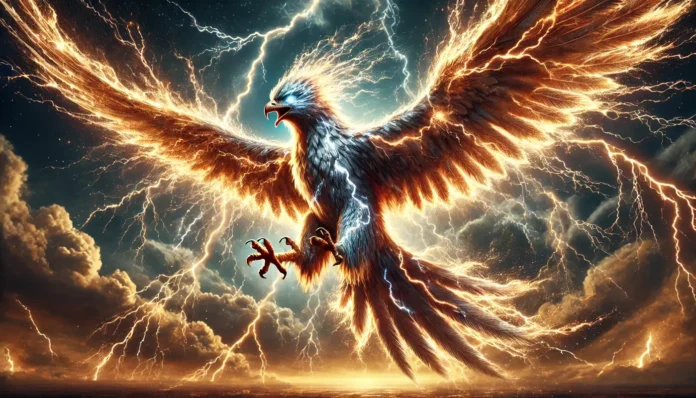
The Thunderbird, a powerful symbol of storms and divine wrath, is a legendary bird from North American Indigenous cultures....
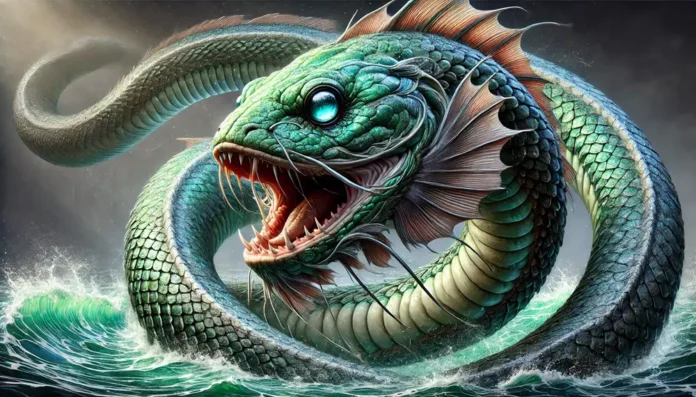
Nyami Nyami, the revered Zambezi River God in Tonga mythology, is said to have the body of a snake...
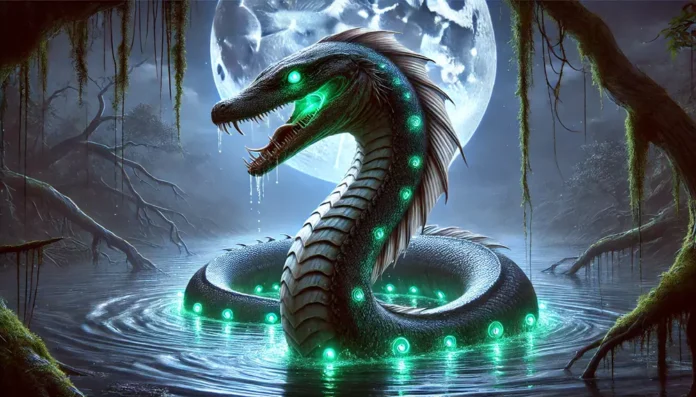
Mamlambo, a legendary creature in South African folklore, is known for its dual nature and river habitat, combining features...
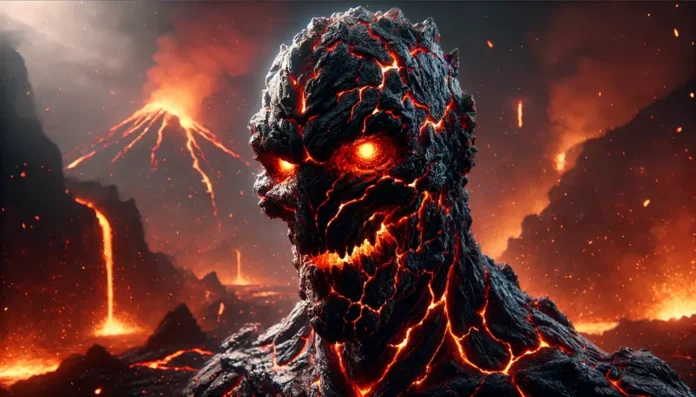
A volcanic creature from Chilean lore that feeds on humans and causes eruptions.
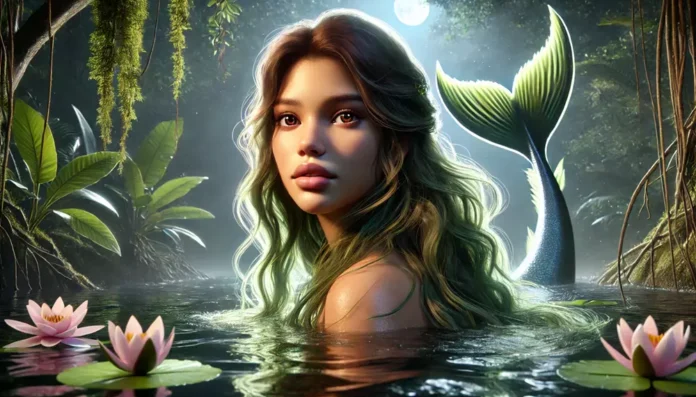
Iara is a Brazilian water nymph who can enchant and lure humans into the water, sometimes to protect and...
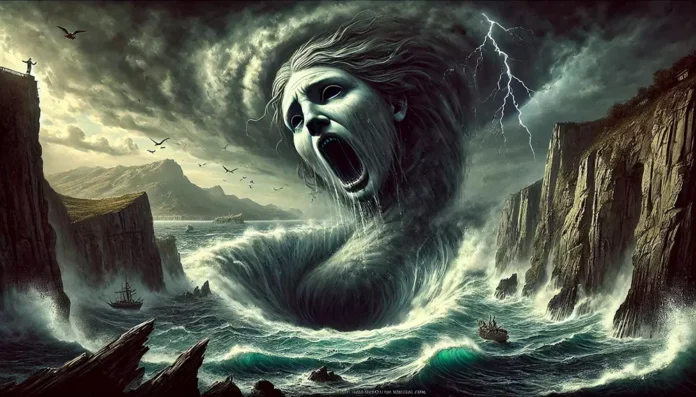
Charybdis, the deadly whirlpool in Greek mythology, symbolizes the unavoidable perils of the sea, alongside its counterpart Scylla.