Introduction
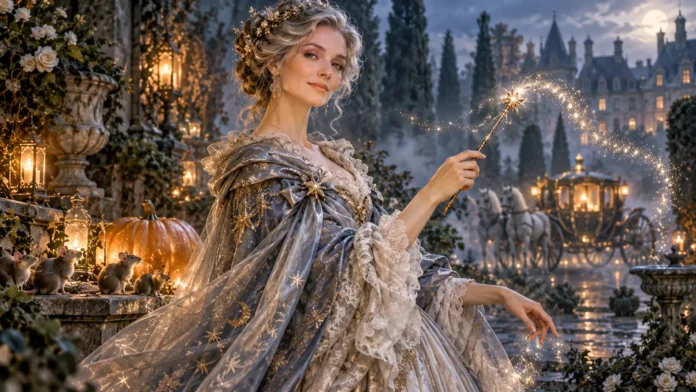
The fairy godmother is a supernatural helper best known through Cinderella’s unnamed protector in Charles Perrault’s French tale, Cendrillon, published in 1697. She combines magical power with the responsibilities of a sponsor, helping a mistreated young woman enter a world otherwise closed to her.
Rather than naming a single mythological species, “fairy godmother” describes a character’s relationship and narrative role. In Perrault’s version, the helper is explicitly both a fairy and Cinderella’s godmother.
Her defining actions concern assistance, transformation, and the conditions attached to magical gifts.
Other Cinderella traditions assign comparable work to different beings, including helpful animals and a dead mother. These figures belong to related storytelling patterns, but they are not simply alternative names for Perrault’s fairy.
Their differences reveal how adaptable the supernatural helper’s role can be.
Irish and Scottish examples add important local variations, while later screen adaptations supply familiar visual conventions. The figure’s significance therefore lies less in a fixed appearance or ancient ancestry than in her ability to turn care and sponsorship into decisive supernatural assistance.
History/Origin
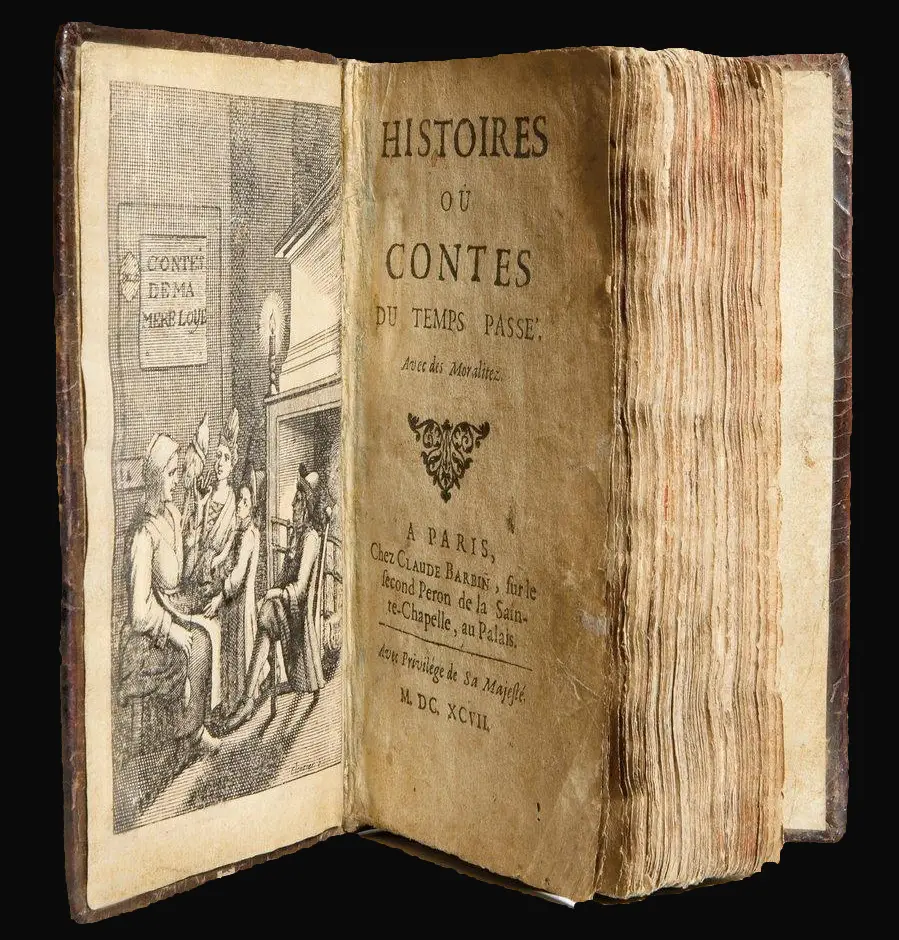
Perrault’s Cendrillon, ou la petite pantoufle de verre appeared in Histoires ou Contes du temps passé in 1697. This influential printed version provides the clearest historical baseline for Cinderella’s familiar fairy godmother, although it does not mark the beginning of every Cinderella-type story.
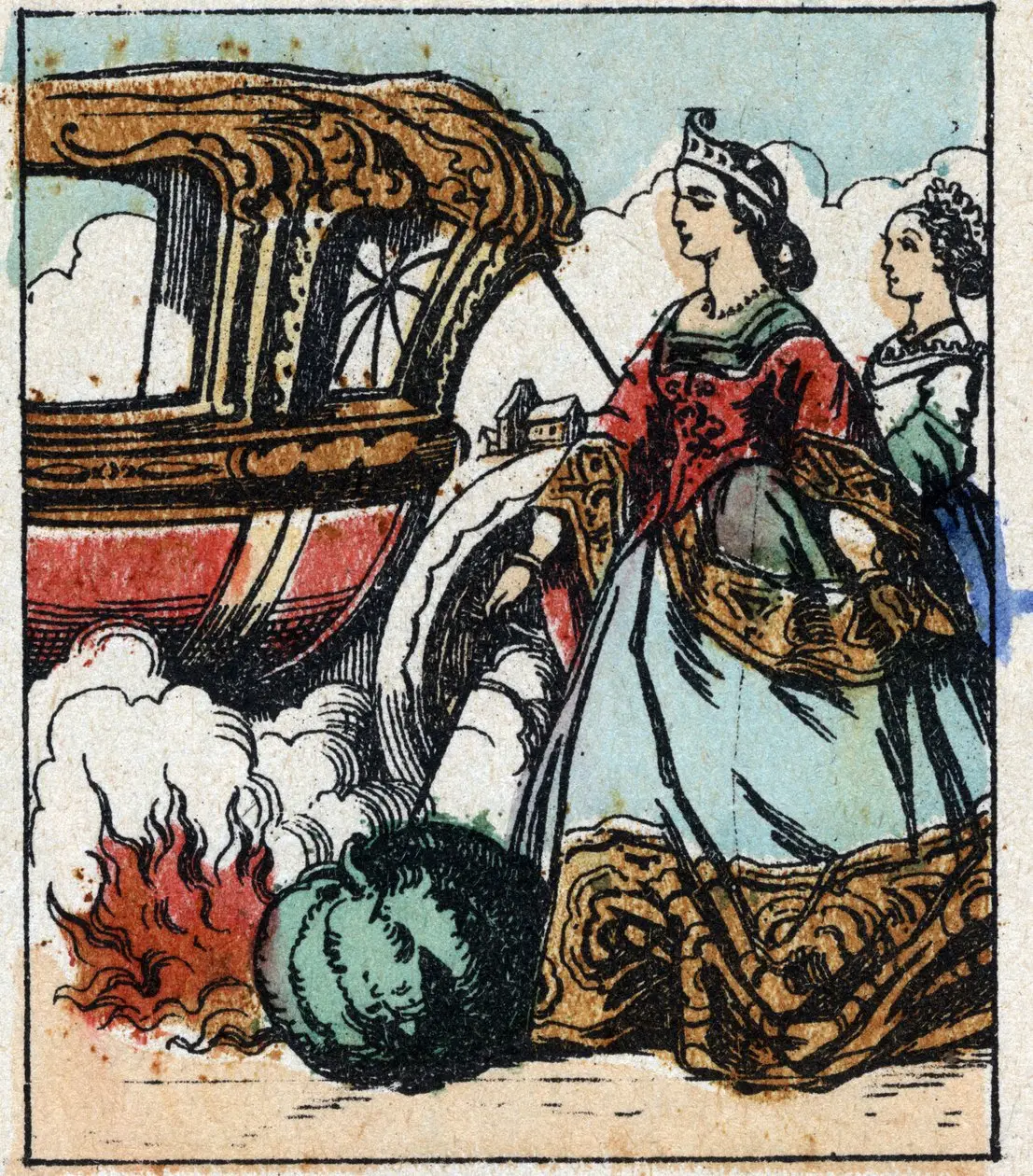
The tale joins domestic mistreatment to an encounter with royal society. Cinderella’s godmother supplies the clothing, transport, and attendants necessary for that encounter.
Magic operates within recognizable social arrangements: the heroine needs not merely a beautiful dress, but the outward equipment of an important visitor.
In his introduction to Perrault’s Popular Tales, published in 1888, Andrew Lang distinguished the literary fairy godmother from helpers in other Cinderella traditions. Cows, sheep, and the heroine’s dead mother could occupy a comparable position, complicating any claim that the fairy was the universal original helper.
A County Monaghan school transcription in the Irish Schools’ Collection of 1937–1938 preserves a Cinderella narrative with an explicitly named fairy-godmother role. The helper dresses the heroine for successive visits to the ball, and the story includes a midnight warning and a glass slipper.
That archival record documents the tale’s circulation in Ireland, not an independently ancient Irish origin. Its familiar Cinderella elements illustrate how a widely transmitted story could become part of local storytelling and school collection, without preserving a wholly separate supernatural identity.
Scottish Rashie-coat material presents another adaptation. A version discussed by Sarah Dunnigan offers practical help with clothing and cooking rather than simply reproducing Perrault’s transformation scene.
Together, these examples establish varied regional helper traditions, not one uniform Celtic fairy-godmother mythology.
Name Meaning
The English expression combines “fairy,” identifying a supernatural being, with “godmother,” identifying a relationship of sponsorship. Its meaning is therefore relational as well as magical: the character is not just someone capable of enchantment, but someone positioned to assist a particular beneficiary.
In Perrault’s French text, the corresponding terms are marraine, meaning godmother, and fée, meaning fairy. The narrative first establishes the relationship and then identifies its supernatural dimension.
Cinderella’s helper receives no personal name, making her role more prominent than an individual identity.
Ordinarily, a godmother is a female sponsor associated with Christian baptism and spiritual responsibility. The fairy tale draws upon that recognizable language of protection and obligation, but does not narrate a baptismal ceremony or explain how this particular sponsorship originally came about.
The expression consequently should not be read as the name of a goddess or as evidence of a Celtic-language origin. When applied to a comparable helper in another tale, it can describe a similarity of function without proving that the character shares Cinderella’s literal relationship.
Appearance
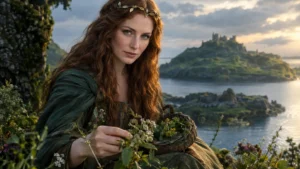
Perrault gives the fairy godmother remarkably little physical description. Her supernatural identity is explicit, but her age, facial features, hair, and costume are not established in detail.
The narrative makes her recognizable through what she does rather than through a distinctive bodily form.
Her wand, however, belongs to the early literary story, not solely to later animation. She uses it to transform the materials gathered for Cinderella’s journey.
This object provides a concrete sign of magical agency without establishing a universal costume or appearance for fairy-godmother figures.
The most detailed visual transformations concern her beneficiary and the surrounding objects. A pumpkin becomes a coach, mice become horses, a rat becomes a coachman, and lizards become footmen.
Cinderella’s poor clothing becomes splendid dress, shifting descriptive attention from the helper to her handiwork.
The grandmotherly sorceress familiar to many readers and viewers is particularly associated with Disney’s animated Cinderella of 1950. That film’s older, wand-bearing helper is a specific artistic interpretation.
Her appearance should not be projected backward as a physical description supplied by Perrault.
Regional helper episodes also resist a single visual template. In the Scottish Rashie-coat example, the notable garment is the heroine’s coat made from birds’ feathers, not a standardized fairy costume.
Animal and maternal helpers elsewhere belong to separate character forms, despite performing comparable assistance.
Background Story
The fairy godmother’s narrative background begins with a failure of ordinary household protection. Cinderella is burdened with work and excluded from the pleasures available to her stepsisters.
The supernatural sponsor answers that imbalance by offering help where the heroine’s immediate family provides little support.
Her assistance addresses practical barriers as well as emotional distress. Attendance at the royal ball requires suitable clothes, transport, and a socially impressive arrival.
By supplying these things together, the fairy makes movement between domestic obscurity and elite recognition temporarily possible within the story.
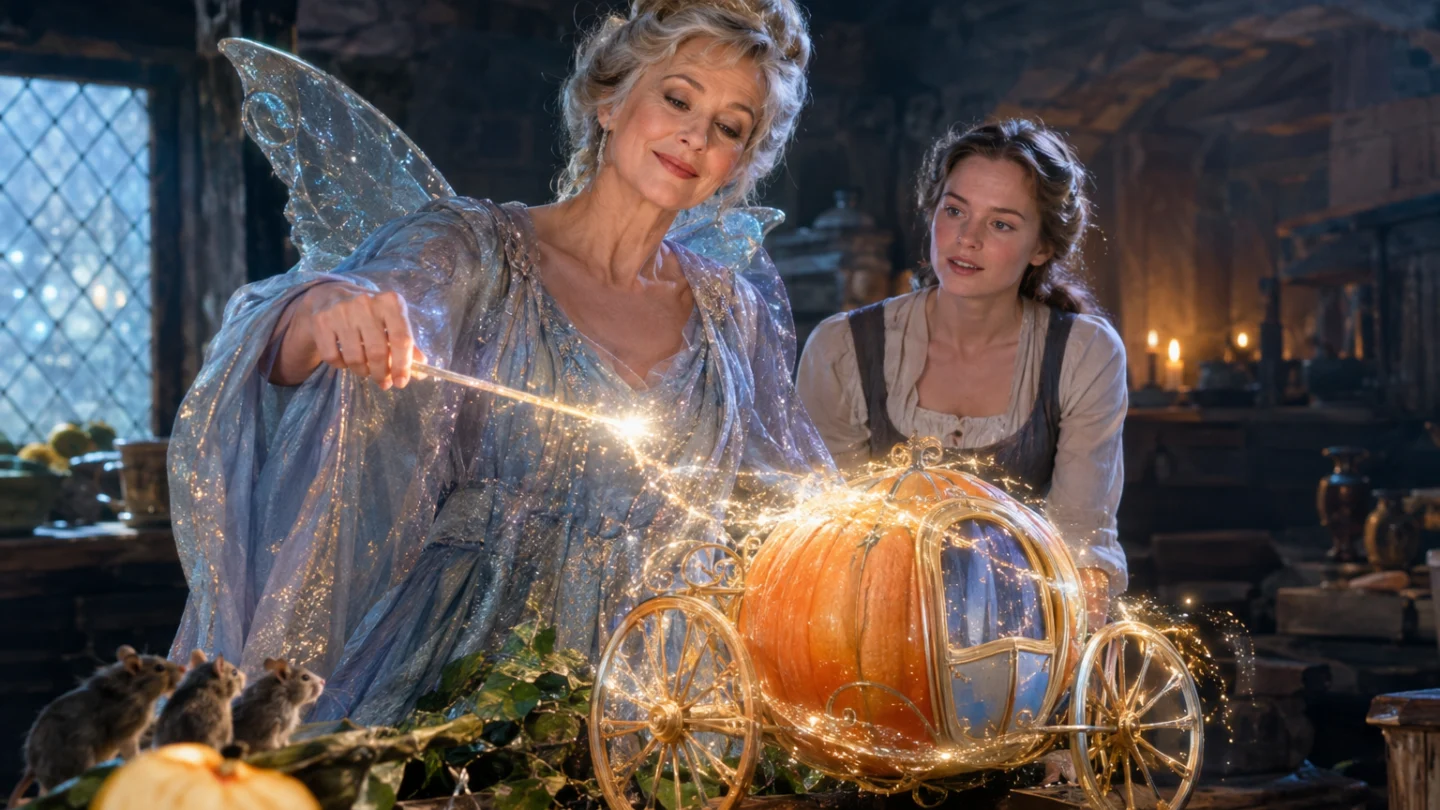
The transformations draw their materials from Cinderella’s immediate surroundings. A garden pumpkin and small household animals become the equipment of aristocratic travel.
This contrast gives the episode its distinctive structure: resources available in an ordinary setting are magically converted into signs of wealth and status.
The midnight condition limits the gift rather than cancelling its generosity. Cinderella must act within a period of borrowed opportunity, and her hurried departure produces the lost slipper.
The helper’s intervention thus creates both access to the ball and the circumstances that lead toward recognition.
Comparative traditions place this assistance within a broader pattern of continuing care. When a dead mother or a helpful animal supports the heroine, protection takes a different supernatural form.
Lang’s comparison illuminates a shared storytelling function without requiring these distinct beings to become one character.
The Irish and Scottish examples show that care can also be reshaped locally. Repeated dressing for the ball extends the helper’s involvement in the Monaghan narrative, while clothing advice and cooking assistance ground the Rashie-coat episode in domestic tasks.
Neither requires an invented biography for the helper.
Famous Folklore Stories
Cendrillon, ou la petite pantoufle de verre
In Charles Perrault’s 1697 Cinderella tale, the fairy godmother intervenes when the heroine cannot attend the royal ball. Her assistance addresses the immediate obstacles: unsuitable clothing, lack of transport, and exclusion from the occasion at which Cinderella might be recognized.
The transformations turn household and garden resources into the equipment of aristocratic display. A pumpkin becomes a coach, animals become horses and attendants, and Cinderella’s poor clothing becomes magnificent dress.
The helper supplies access to courtly society rather than changing the heroine’s character.
The permission comes with a boundary: the enchantment expires at midnight. During her hurried departure, Cinderella loses a glass slipper, which later enables her identification.
The godmother therefore makes the encounter possible, but the slipper carries the recognition plot beyond the magical intervention.
The County Monaghan Cinderella Record
A County Monaghan transcription preserved in the Irish Schools’ Collection of 1937–1938 records a Cinderella narrative under the heading “Composition – An Old Fairy Story.” Its fairy godmother prepares the heroine for repeated visits to the ball, including the second and third nights.
The helper provides clothing and warns Cinderella to leave before twelve. The heroine’s escape again involves a dropped glass slipper.
These details connect the record with the familiar Cinderella tradition while preserving its particular pattern of repeated preparations and evening appearances.
This is an archived Irish telling, not evidence that the fairy godmother originated in Ireland. Its importance lies in documented circulation: the recognizable literary helper appears in a school folklore record, showing how an internationally transmitted story could become part of a local repertoire.
Rashie-coat’s Scottish Helper
The Scottish Cinderella-related tale Rashie-coat includes a helpful supernatural woman whose assistance is not simply a repetition of Perrault’s transformation scene. In the version discussed by Sarah Dunnigan, the helper advises the heroine to wear a coat made from birds’ feathers.
She also offers to cook dinner, bringing supernatural assistance into ordinary domestic work. Clothing advice and practical care matter here alongside enchantment.
The episode broadens the helper’s role beyond the spectacular provision of a coach, attendants, and clothes for a royal ball.
Dunnigan’s discussion refers to a version in David Buchan’s 1984 collection. Calling this woman a fairy-godmother figure describes a relationship between tale roles; it does not establish that she is Perrault’s character or that Scottish helpers share one standardized identity.
Cultural Impact
The fairy godmother gives supernatural form to sponsorship. In Cinderella, personal worth alone does not secure entry to the royal gathering: clothing, transport, and an opportunity to appear are also necessary.
The helper bridges the distance between private goodness and public recognition.
This relationship makes the character more than a dispenser of wishes. Her intervention is directed toward a particular person and occasion, and her warning limits what the gift can accomplish.
Benevolence operates through guidance as well as through the provision of magical resources.
The expression “fairy godmother” consequently became recognizable beyond its literal fairy-tale setting. In ordinary English, it can describe someone who unexpectedly provides substantial help.
This figurative meaning preserves the idea of a benefactor without requiring belief in a supernatural being.
Irish and Scottish tellings also demonstrate that a story’s cultural continuity need not depend on an unchanged character. Repeated dressing for the ball, practical domestic assistance, and alternative animal or maternal helpers preserve comparable functions while changing the form through which help arrives.
Disney’s 1950 Cinderella made the grandmotherly, wand-bearing interpretation especially familiar. That screen image is a modern visual convention, not a universal folklore description.
Comparative scholarship instead emphasizes the varied identities of Cinderella helpers, resisting the assumption that every version must contain the familiar fairy.
Similar Beasts
Anjana
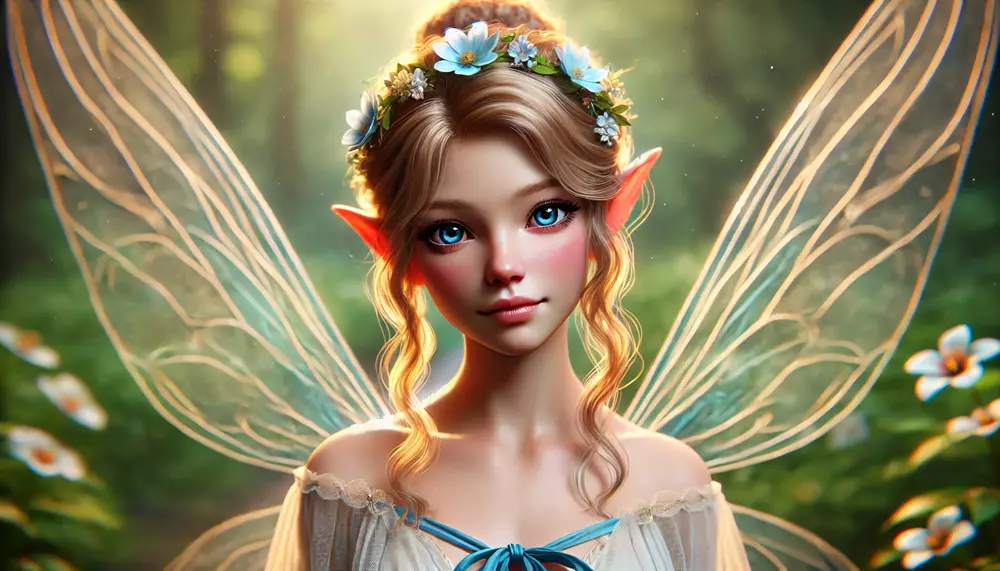
Anjanas are benevolent, fairy-like beings in Cantabrian tradition, associated with compassion and protection. Their helpful disposition makes them a strong comparison with the supportive fairy of Cinderella.
The resemblance concerns benevolent supernatural assistance, not shared identity. Anjanas belong to a regional tradition rather than to the specific godmother role in Perrault’s tale.
Ghillie Dhu
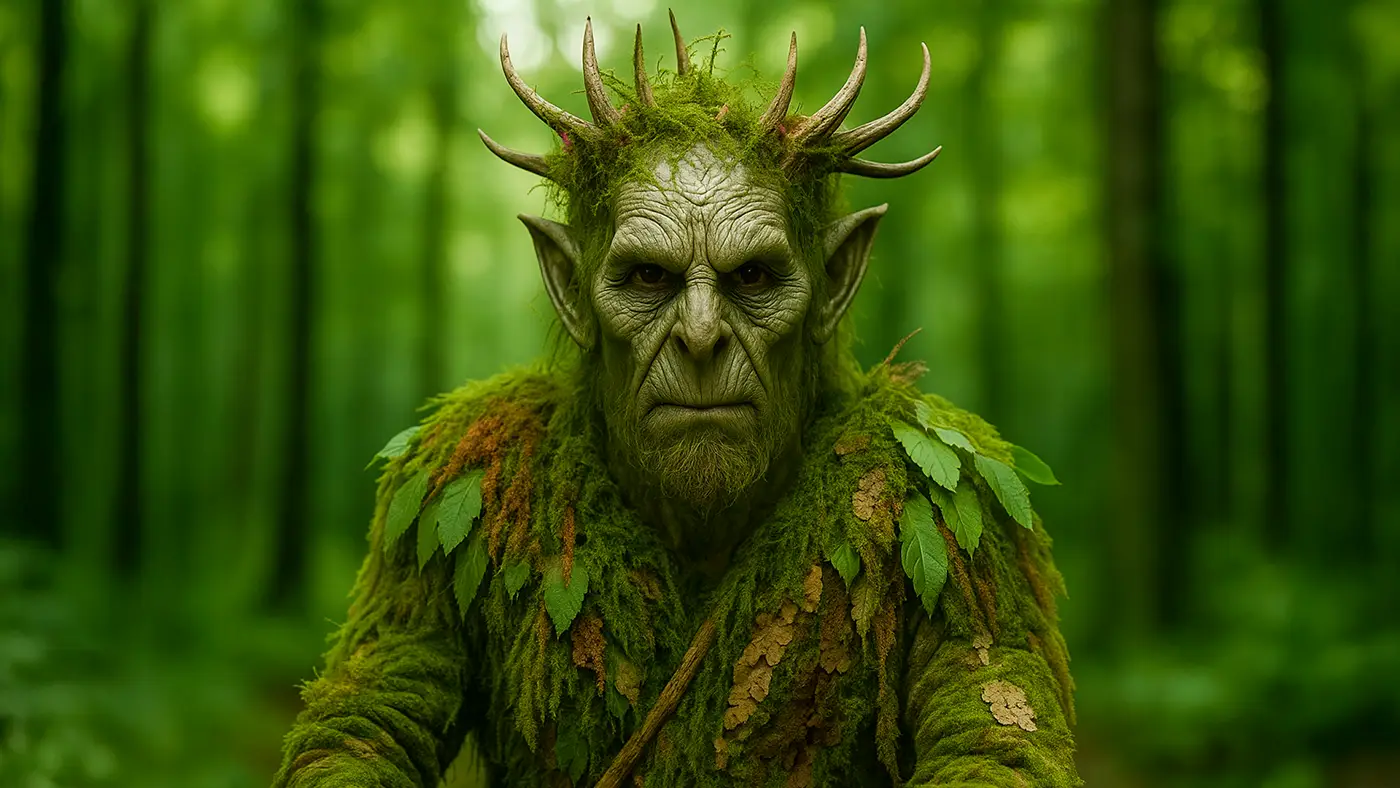
The Ghillie Dhu is a solitary forest spirit in Scottish folklore, described as clothed in moss and kind to children. His woodland character distinguishes him from Cinderella’s helper.
Both figures offer a counterpoint to threatening supernatural beings through kindness. Their settings and relationships differ: a forest spirit is not a magical sponsor at court.
Morgan le Fay
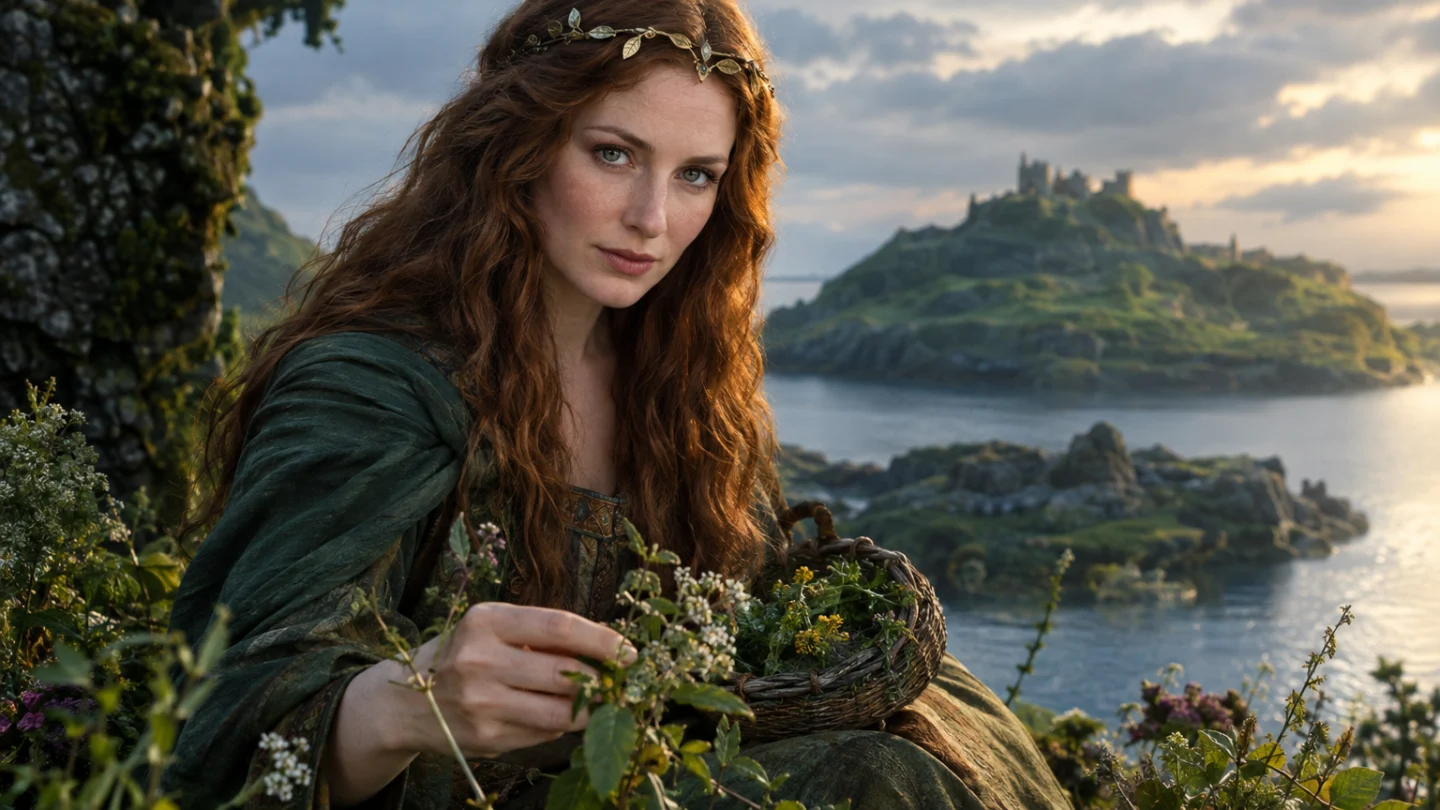
Morgan le Fay is a changeable figure in Arthurian literature, appearing as a healer, otherworldly ruler, and dangerous enchantress. Her loyalties and actions vary substantially between texts.
She offers a comparison through female supernatural knowledge and intervention. Unlike Cinderella’s benevolent godmother, Morgan cannot be reduced to a consistently supportive role across her tradition.
Animal Helpers in Cinderella Variants
Traditional Cinderella variants sometimes assign assistance to an animal rather than a fairy. Andrew Lang’s comparative introduction to Perrault’s Popular Tales identifies cows and sheep among these helpers.
These animals occupy a related place in the plot, but are not fairy godmothers in disguise. Shared narrative function does not erase their distinct forms.
Dead-Mother Helpers in Cinderella Variants
A deceased mother can also provide supernatural assistance in Cinderella traditions. This maternal helper maintains a protective relationship beyond death, rather than introducing a separate fairy sponsor.
The similarity lies in care for the disadvantaged heroine. The difference is substantive: continuing maternal protection and help from a fairy godmother are distinct story possibilities.
Religion/Ritual
No distinct cult, offering practice, or ritual devoted to Cinderella’s fairy godmother is documented in the examined material. Her assistance belongs to a narrative setting; the transformation scene and midnight deadline should not be recast as instructions for religious observance.
The title “godmother” draws on the language of sponsorship, but does not establish a supernatural religious office. Likewise, the presence of a fairy helper in an Irish or Scottish telling does not by itself connect that character with a particular local rite.
Scientific or Rational Explanations
The fairy godmother is most usefully studied as a literary and folkloric character, rather than as an empirically established being. The evidence consists of texts, collected tellings, and adaptations, allowing investigation of how the role changes rather than of a supposed biological species.
Comparative tale analysis supplies the clearest explanation for those changes. A fairy, an animal, or a deceased mother may provide assistance at a similar point in a Cinderella narrative.
The repeated function is analytically important, even where the helpers’ identities differ.
A social reading can interpret the godmother as an idealized sponsor. Her gifts remove material obstacles to participation in elite society.
This is an interpretation of the tale’s structure, not proof that its magic encodes one specific historical institution or custom.
A psychological reading may emphasize the reassurance of receiving care when the household fails to provide it. Maternal helpers make that connection especially visible.
Such readings remain interpretive possibilities, however, and should not replace the particular relationships established within each recorded version.
The Monaghan record also illustrates a limit of provenance. A tale’s collection in a locality establishes that it circulated there, but does not automatically establish where it originated.
Literary transmission and local storytelling can overlap without leaving a complete record of their relationship.
Adaptation helps explain apparent consistency in the character’s appearance. A widely circulated film can make one design seem definitive, even when earlier texts provide little physical detail.
The grandmotherly screen figure therefore explains modern expectations more securely than it explains the full historical tradition.
Modern Cultural References
Modern adaptations preserve the fairy godmother’s role as a supernatural helper while changing her appearance, personality, and importance within the story. Films often emphasize her intervention in Cinderella’s fortunes, whereas recent novels make the helper herself a protagonist with an imagined history.
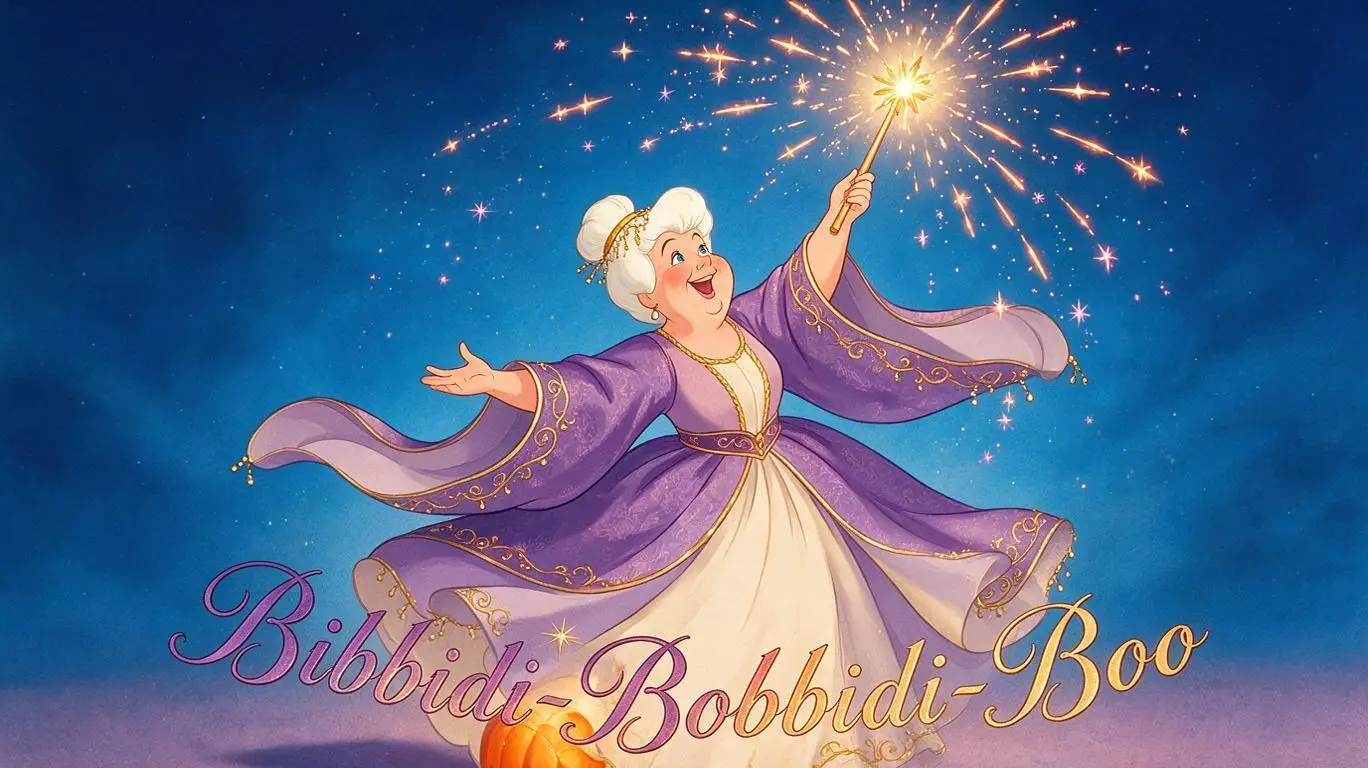
Cinderella, animated feature film (1950)
Walt Disney Productions’ animated adaptation presents a grandmotherly Fairy Godmother carrying a wand.
Her magical assistance established an influential screen interpretation, not a universal traditional appearance.
(movies.disney.com)
Rodgers & Hammerstein’s Cinderella, television musical film (1997)
This television adaptation stars Brandy Norwood as Cinderella and Whitney Houston as the Fairy Godmother.
It brings the supernatural helper into a musical retelling of Cinderella’s story.
(rodgersandhammerstein.com)
Godmothered, film (2020)
Sharon Maguire’s fantasy comedy follows Eleanor, a fairy godmother in training who attempts to help an adult woman.
It relocates the familiar helper role into contemporary life.
(disneyplus.com)
Godmother, novel (2009)
Carolyn Turgeon’s novel retells Cinderella from her fairy godmother’s perspective, placing the narrator in modern Manhattan.
The helper becomes the central consciousness rather than a supporting magical presence.
(penguinrandomhouse.com)
Fairy Godmother: An Enchanters Tale, novel (2024)
Jen Calonita’s novel imagines Renée Dubois becoming the Fairy Godmother familiar from Cinderella.
Its invented origin story expands an unnamed traditional helper into a character with a biography.
(penguinrandomhouse.com)
How to Summon a Fairy Godmother, novel (2024)
Laura J. Mayo’s fantasy novel features Cecily, an Ash Fairy summoned as a fairy godmother.
This Cinderella-inspired story reworks the helper through a specifically imagined supernatural identity.
(hachettebookgroup.com)
Conclusion
The fairy godmother is most accurately understood as a supernatural helper-role, with Cinderella’s unnamed sponsor in Perrault’s 1697 tale providing its best-known literary expression. Her importance lies in what she makes possible: an excluded heroine gains the means to participate in a world previously closed to her.
Related Cinderella traditions assign comparable assistance to animals, maternal figures, or other helpers. Those differences preserve a shared narrative function without establishing one universal fairy species, fixed appearance, or specifically Celtic origin for the familiar figure.
Her lasting symbolic force comes from the combination of care and transformation. Magic supplies practical assistance at a decisive moment, making support visible through changed clothing, transport, and opportunity.
Later adaptations can emphasize grandmotherly reassurance or imagine the helper’s own experiences, but their additions should remain distinguishable from older tale evidence. Read in this way, the fairy godmother is neither a creature with a settled biography nor merely a decorative sorceress.
She is an enduring expression of help arriving when ordinary social protections have failed.
Further Reading
Dúchas, The Schools’ Collection, “Composition – An Old Fairy Story”, Duchas
A County Monaghan Schools’ Collection transcription recounts Cinderella’s repeated visits to the ball.
The fairy godmother dresses her for the second and third nights and warns her to.
(duchas.ie)
Perrault’s Popular Tales, Project Gutenberg
Hosts Andrew Lang’s comparative introduction, including discussion of fairy godmothers and alternative animal or maternal helpers in Cinderella variants.
(gutenberg.org)
Cendrillon, fr.wikisource.org
fr.wikisource.org provides additional contextual reading relevant to Fairy Godmother.
(fr.wikisource.org)
Cinderella, en.wikisource.org
en.wikisource.org provides additional contextual reading relevant to Fairy Godmother.
(en.wikisource.org)
How to Summon a Fairy Godmother, hachettebookgroup.com
novel 2024 A published fantasy novel features Cecily, an Ash Fairy summoned as a fairy godmother, in a Cinderella-inspired story.
(hachettebookgroup.com)
7093182, academic.oup.com
academic.oup.com provides additional contextual reading relevant to Fairy Godmother.
(academic.oup.com)
Fairy Godmother, oxfordlearnersdictionaries.com
oxfordlearnersdictionaries.com provides additional contextual reading relevant to Fairy Godmother.
(oxfordlearnersdictionaries.com)
Charles Perrault, English translation hosted by University of Pittsburgh, Sites.pitt
In Perrault’s tale, Cinderella’s fairy godmother uses magic to prepare her for the royal ball, supplies a coach and attendants, and warns her that the enchantment will end.
(sites.pitt.edu)