Mythical Animal
Mythical Animal: Creatures defined by shared traits and symbolic roles in mythological tales, embodying cultural beliefs and narratives.
Sub Categories
Aquatic Hybrid
Aquatic Hybrid creatures combine features of marine life and terrestrial animals, often possessing the body of a fish with the upper form of a human or other land creature. They inhabit oceans, rivers, or lakes, symbolizing the connection between water and land, often embodying themes of transformation and duality.In mythological narratives, Aquatic Hybrid beings frequently serve as guardians of the sea or as intermediaries between human and aquatic realms. Their presence in stories highlights the mysterious and unpredictable nature of water, reflecting cultural attitudes toward the sea's bounty and dangers.
Aurora Stag
Aurora Stag is a mythological beast type associated with luminous antlers, dawn-colored pelts, and an ethereal presence that bridges night and day, often appearing in liminal, mist-filled landscapes. Frequently elusive yet benevolent, Aurora Stag embodies renewal, quiet power, and cyclical transformation, guiding travelers or visionaries through transitional moments while remaining detached from ordinary animal behavior and mundane ecological constraints.Symbolically, Aurora Stag represents threshold experiences, hope after darkness, and the fragile balance between worlds, frequently linked with celestial phenomena, seasonal turning points, and visionary insight. Narratively, Aurora Stag functions as a catalyst for revelation, moral testing, or redirection of fate, appearing briefly to alter journeys, confirm vows, or sanctify significant oaths and boundaries.
Celestial Elk
Celestial Elk are mythological horned ungulates linked to luminous skies, starfields, and high mountain realms, characterized by radiant antlers, elongated bodies, and an uncanny, poised stillness suggesting otherworldly awareness. Their presence often marks thresholds between earthly landscapes and transcendent domains, appearing at dawn, twilight, or beneath vivid constellations, where their silhouettes emphasize vertical ascent, orientation, and cosmic alignment.Symbolically, Celestial Elk embody guidance, cyclical renewal, and dignified strength, mediating between mortal communities and remote celestial powers through silent appearances, dream encounters, or visionary journeys. Narratives frequently assign them roles as path-revealers, boundary guardians, or escorts for souls and travelers, reinforcing themes of rightful passage, moral orientation, and the fragile balance between wilderness, cosmos, and human order.
Coral Phoenix
Coral Phoenix is typically portrayed as a reborn avian creature linked to coral reefs, seawater, and regenerative fire, combining marine textures, luminous plumage, and cyclical transformation through death and renewal.Across traditions, Coral Phoenix symbolizes resilience, ecological balance, and continuity between ocean depths and celestial realms, often mediating transitions, restoring damaged environments, and marking turning points in maritime journeys or mythic histories.
Crystal Boar
Crystal Boar is a mythological beast type defined by dense, crystalline hide, tusks resembling carved gemstones, and heavy, terrestrial build. It typically inhabits luminous caverns, mineral forests, or magically altered mountains.Across traditions, Crystal Boar often symbolizes stubborn resilience, hidden wealth, and dangerous allure of buried power. Narratives emphasize territorial ferocity, trials of endurance, and transformative encounters revealing inner strength or destructive greed.
Desert Cryptid
Desert Cryptid typically embodies elusive and mysterious traits, often associated with the harsh, arid environments they inhabit. These creatures are frequently depicted as possessing abilities to adapt and survive amid extreme conditions.Symbolically, Desert Cryptid represents endurance and the unknown, often serving as guardians or omens in narratives. Their presence in stories emphasizes themes of survival, wisdom, and the enigmatic nature of desert landscapes.
Desert Hound
Desert Hound is a mythological beast type associated with arid landscapes, scorching winds, and nocturnal vigilance, often depicted as lean, resilient, and keen-sensed, adapted to sparse, unforgiving environments. Its presence emphasizes endurance, orientation, and survival.In mythic narratives, Desert Hound frequently serves as guide, scout, or relentless tracker, marking boundaries between safety and desolation, symbolizing loyalty tested by hardship, and enforcing sacred limits across shifting sands.
Feathered Serpent
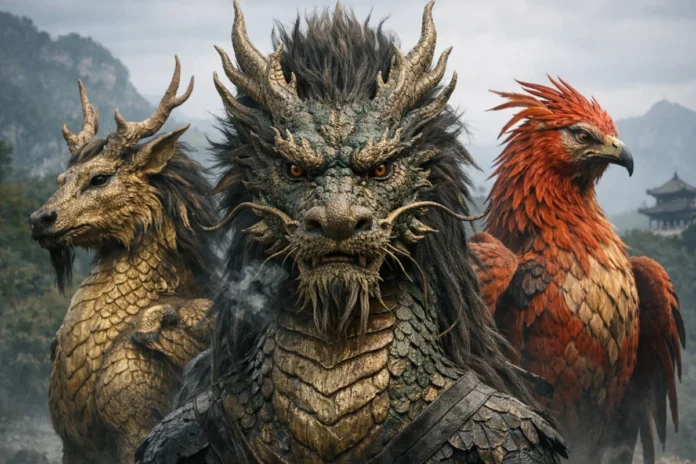
Feathered Serpent refers to a composite serpent form adorned with plumage, combining reptilian elongation with avian lightness. It typically appears sky-oriented, bridging terrestrial, atmospheric, and sometimes celestial domains within structured cosmologies.Shared characteristics of Feathered Serpent emphasize mediation, transformation, and ordered power. It frequently symbolizes rulership, fertility, cyclical renewal, and sanctioned knowledge, often occupying narrative roles that connect human communities with overarching cosmic or natural forces.
Fire-Breathing Beast
Fire-Breathing Beast typically features prominently in myths as a formidable creature with the ability to emit flames. This characteristic often symbolizes destruction, power, and unbridled natural forces.Narratively, Fire-Breathing Beast often serves as an adversary to heroes, representing chaos or obstacles. Its fiery breath is a challenge that heroes must overcome, embodying trials and transformation.
Forest Guardian
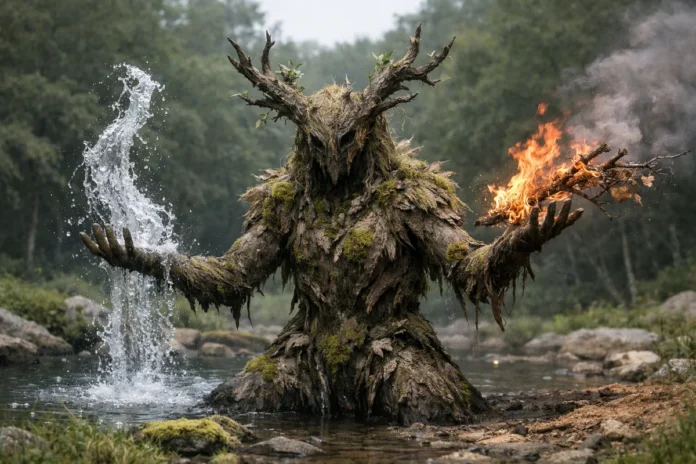
Forest Guardian typically embodies the protective spirit of wooded areas, often depicted with features blending animal and natural elements. These beings symbolize the balance and harmony within forests, safeguarding against threats.Narratively, Forest Guardian serves as a mediator between nature and humanity, ensuring respect for the environment. They often appear in myths to challenge or aid those who enter their domain.
Giant Bird
Giant Bird typically features expansive wingspans and immense size, often depicted with powerful talons and keen vision. These creatures are usually portrayed as guardians or omens in various mythologies. They embody elements of the sky and air, connecting earthly and celestial realms.Symbolically, Giant Bird represents strength, freedom, and transcendence. In narratives, they often serve as protectors or harbingers, influencing events or guiding heroes. Their presence underscores themes of power and transformation, linking human and divine experiences.
Glacial Bear
The Glacial Bear is typically portrayed as a colossal, cold-adapted predator, cloaked in frost, with immense strength, slow deliberate movements, and an uncanny resilience to blizzards, ice, and darkness. Its presence often marks liminal boundaries between safety and desolation, embodying winter’s harshness while also suggesting endurance, hibernation, and the cyclical return of life after prolonged cold.Symbolically, the Glacial Bear commonly represents stoic guardianship, territorial sovereignty, and the dangerous allure of remote frozen landscapes beyond human control. In mythic narratives it tests travelers’ resolve, protects hidden sanctuaries, or enforces taboos surrounding sacred glaciers, ancestral hunting grounds, and perilous seasonal crossings.
Guardian Animal
Guardian Animal typically embodies protection and vigilance in mythological traditions. These creatures often serve as protectors of sacred spaces, individuals, or communities, symbolizing strength, loyalty, and guardianship.Narratively, Guardian Animal often appears in stories where they safeguard against evil or guide heroes on their journeys. They represent a bridge between the natural and spiritual worlds.
Horned Creature
Horned Creature often features prominently in mythology, characterized by its distinctive horns or antlers. These creatures typically symbolize power, fertility, and protection within various cultural narratives and traditions.Narratively, Horned Creature frequently serves as a guardian or intermediary between worlds. Its presence often signifies transformation or a link to the divine, enhancing the mythical story's depth.
Hybrid Creature
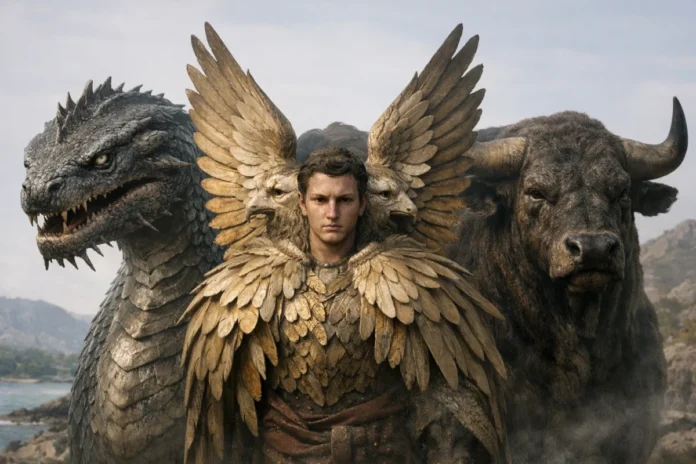
Hybrid Creature in mythology often combines physical traits from multiple animals or beings, creating a unique form. These creatures symbolize the merging of different worlds, embodying complexity and duality.Narratively, Hybrid Creature serves as a bridge between realms, challenging heroes or conveying divine messages. Their presence in stories highlights themes of transformation, adaptation, and the blending of natural and supernatural elements.
Ivory Antelope
The Ivory Antelope is often depicted with a gleaming white coat, symbolizing purity and enlightenment. Its horns are usually portrayed as gracefully curved, emphasizing elegance and nobility in myth.Narratively, the Ivory Antelope frequently serves as a guide or messenger, bridging worlds. It embodies wisdom and foresight, often leading heroes to hidden truths or sacred destinations.
Legendary Horse
Legendary Horse often features in myths as a powerful and majestic creature, known for its speed, strength, and intelligence. It frequently serves as a loyal companion to heroes.Symbolically, Legendary Horse represents freedom, nobility, and transcendence. In narratives, it often aids in quests or battles, embodying a bridge between the mundane and the divine.
Lunar Owl
Lunar Owl is a mythological beast type often characterized by its nocturnal nature, large luminous eyes, and silent flight. These creatures are typically associated with the moon and night skies.Symbolically, Lunar Owl represents wisdom, mystery, and the unknown. In narratives, Lunar Owl often serves as a guide or messenger, bridging the earthly and celestial realms through its mystical presence.
Mystic Lynx
Mystic Lynx are often depicted with keen senses and elusive nature, embodying wisdom and secrecy. Their sharp vision and stealth symbolize insight, mystery, and the uncovering of hidden truths.In mythological narratives, Mystic Lynx frequently serve as guides or guardians, leading heroes through unknown territories. They represent intuition and the ability to navigate complex or enigmatic paths.
Mythic Dog
Mythic Dog often embodies loyalty and protection, serving as a guardian or companion in various mythological traditions. These creatures frequently appear in stories as guides to the afterlife or protectors of sacred spaces.Symbolically, Mythic Dog represents vigilance and fidelity, often acting as intermediaries between humans and the divine. Their presence in myths highlights themes of trust, guidance, and the balance between the known and unknown realms.
Mythic Wolf
Mythic Wolf often embodies traits such as strength, cunning, and loyalty in various mythologies. These creatures are frequently depicted with enhanced abilities and intelligence beyond ordinary wolves, emphasizing their supernatural nature.Symbolically, Mythic Wolf represents duality, embodying both protection and danger. In narratives, they often serve as guides or guardians, illustrating themes of transformation, guidance, and the balance between wildness and civilization.
Mythical fox
Mythical fox, often depicted with cunning and shapeshifting abilities, possesses traits that highlight intelligence and adaptability. These creatures symbolize transformation, wisdom, and sometimes trickery across various cultural narratives.In mythological traditions, Mythical fox frequently serves as a guide or trickster, challenging protagonists or imparting lessons. Their presence emphasizes themes of change, deception, and the duality of nature.
Omen of Death
An omen of death is a sign or event believed to foretell an impending death. Such omens are part of various cultural traditions and may manifest in numerous forms, including specific animals, unusual weather patterns, or dreams. In Western folklore, the appearance of a black dog or a raven might be considered an omen of death. In some cultures, seeing a specific bird at night or hearing certain sounds can serve as similar forewarnings. These omens are often deeply rooted in the cultural and historical context of the societies that recognize them.
Sacred Animal
A Sacred Animal represents divine connection in mythology.
Sacred Animals often embody attributes like wisdom, strength, or protection. They serve as intermediaries between humans and the divine, symbolizing spiritual power.
These creatures frequently appear in myths, offering guidance or warnings. Sacred Animals are revered for their unique qualities and their role in cultural narratives.
Sand Lion
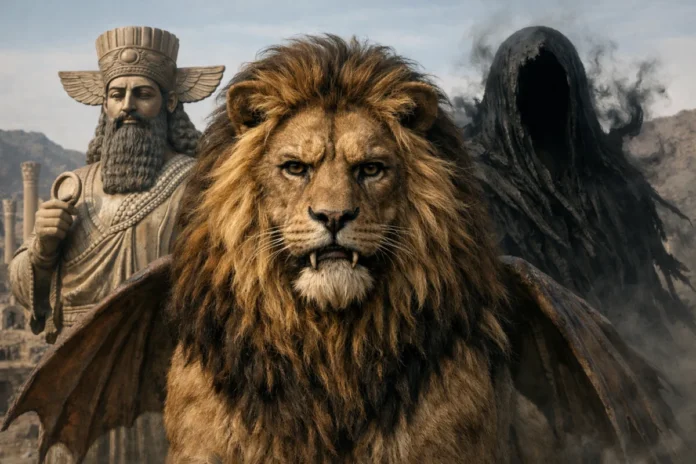
Sand Lion is a mythological beast type often depicted with features resembling both lions and desert elements. It is typically associated with strength, agility, and resilience in harsh environments. Sand Lion is known for its ability to blend seamlessly into sandy landscapes, symbolizing adaptability and survival.In mythological narratives, Sand Lion often serves as a guardian or protector of desert regions. It embodies the balance between ferocity and wisdom, guiding travelers and warding off threats. Sand Lion's presence in stories emphasizes the harmony between nature and the creatures that inhabit it.
Sentient Plant
Sentient plants are a fascinating concept found in various mythologies and folklore around the world. These plants are typically depicted as having awareness, intelligence, or the ability to communicate with humans or other creatures. Unlike ordinary plants, sentient plants may possess unique abilities, such as moving independently, influencing their environment, or offering guidance and wisdom. They often appear in stories as guardians of forests, mystical advisors, or symbols of nature's power. Their roles can vary greatly, reflecting cultural values and beliefs about the natural world.
Serpentine Beast
Serpentine Beast typically features elongated bodies, often with scales and a sinuous movement. These creatures are associated with water or earth elements, symbolizing transformation, mystery, and hidden knowledge.Narratively, Serpentine Beast often serves as a guardian or obstacle, challenging heroes or protecting sacred spaces. Their presence can signify danger or wisdom, depending on the cultural context.
Shadow Lynx
Shadow Lynx are mythological beasts often characterized by their stealthy nature and elusive presence. They are typically depicted with dark, shimmering fur and glowing eyes, embodying mystery.In mythological narratives, Shadow Lynx symbolize cunning, agility, and the unseen forces of nature. They often serve as guardians of hidden realms, challenging heroes to confront their inner fears.
Sky Turtle
Sky Turtle is a mythological beast often depicted as a giant turtle capable of flight. Its defining characteristic is the ability to traverse the skies, symbolizing freedom and transcendence. Sky Turtles are typically associated with wisdom and stability, embodying the balance between earth and sky, reflecting duality in nature.In various mythological narratives, Sky Turtle serves as a guardian or messenger, bridging terrestrial and celestial realms. Its presence often signifies protection and guidance, offering insight into the interconnectedness of all things. Sky Turtles play a pivotal role in stories where transformation and journeys are central themes.
Spirit Panther
The Spirit Panther is a mythological creature often depicted as a large, spectral feline with supernatural attributes. It is typically associated with protection, guidance, and the stealthy power of the natural world. In various cultures, the Spirit Panther is believed to serve as a guardian of sacred spaces or a guide for lost souls. Its appearance is said to be both awe-inspiring and fearsome, embodying the dual nature of a protector and a predator. The Spirit Panther is often portrayed with glowing eyes and a shimmering coat, symbolizing its otherworldly essence and connection to spiritual realms.
Thunder Ibex
Thunder Ibex are mythological creatures often depicted with large, twisting horns and a powerful presence. They are commonly associated with storms, lightning, and thunder in various cultural traditions.Symbolically, Thunder Ibex represent strength, power, and resilience. In narratives, they often serve as guardians or harbingers of change, embodying the untamed forces of nature and celestial authority.
Treasure Guardian
A treasure guardian is a mythological or legendary entity tasked with protecting a specific treasure or hoard. These guardians are often depicted as creatures, spirits, or supernatural beings with formidable abilities. They are commonly featured in myths and folklore, where they serve to deter or challenge those who seek the treasure. The nature of the treasure and the guardian varies across cultures, but the theme of protection and challenge remains consistent.
Winged Beast
Winged Beast in mythology often features creatures with the ability to fly, symbolizing freedom and transcendence. These beings typically have avian characteristics, blending animalistic and fantastical elements.Narratively, Winged Beast frequently acts as a guardian or messenger, linking realms or conveying divine will. Their presence often signifies transformation, bridging the earthly and the celestial.
Wise Beast
Wise beasts in mythology are creatures known for their intelligence, wisdom, and often their ability to speak or offer guidance. They appear in various cultural traditions, serving as advisors or protectors. These creatures are frequently depicted with attributes that symbolize knowledge, such as owls or serpents. They may also be involved in imparting secrets or guiding heroes on quests. The wise beast often embodies a balance between physical prowess and intellectual insight, making them revered figures in mythological narratives.
Relevant Beasts
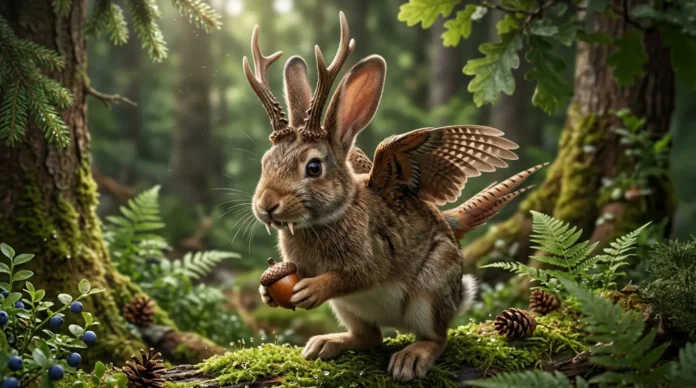
Wolpertinger - a mythical creature from Bavarian folklore, known for its hybrid animal appearance and cultural Mythology.
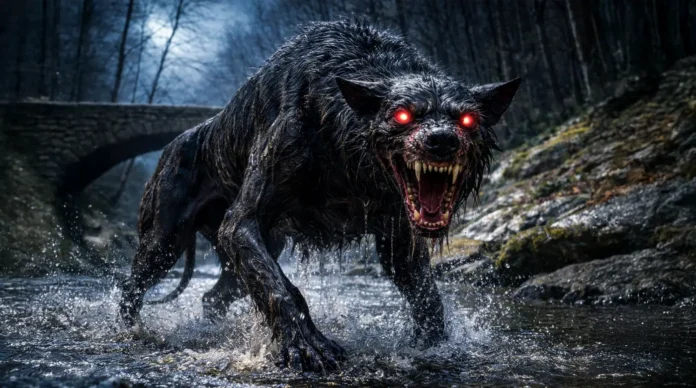
Dip is a spectral black dog from Catalan folklore, often seen as a harbinger of evil and death. Known...
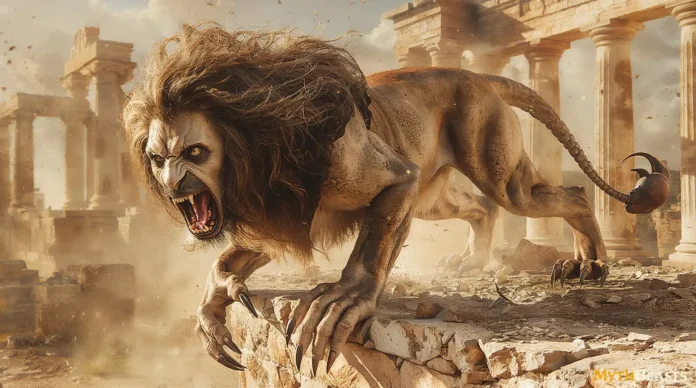
Hybrid Persian man-eater with human face, lion body and barbed tail, famed in Greek and later bestiaries as a...
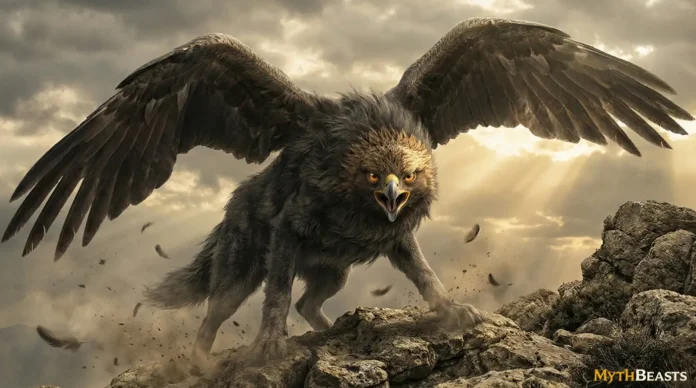
A mighty guardian bird beneath the sacred tree on Mount Alborz that gathers seeds, spreads them across the earth,...

Colossal bird from Persian & Arabian tales, famous in Sinbad’s voyages for lifting elephants & wrecking ships with its...

A majestic hybrid of lion and eagle, the Griffin is a legendary guardian from Classical Greece, known for its...