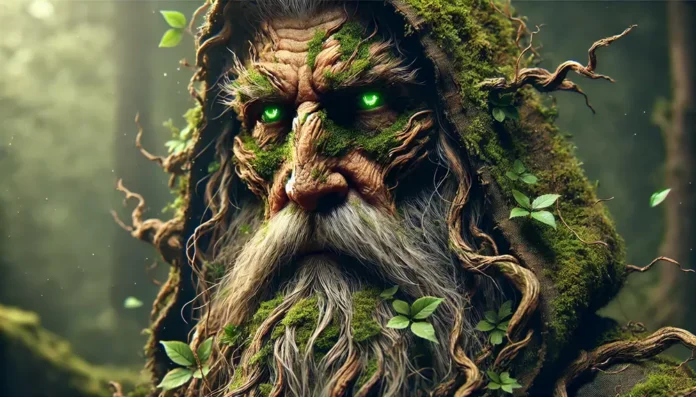
Wilderness Dwellers – an Overview
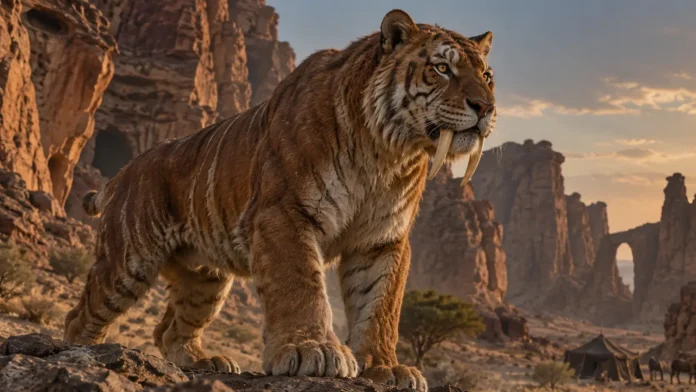
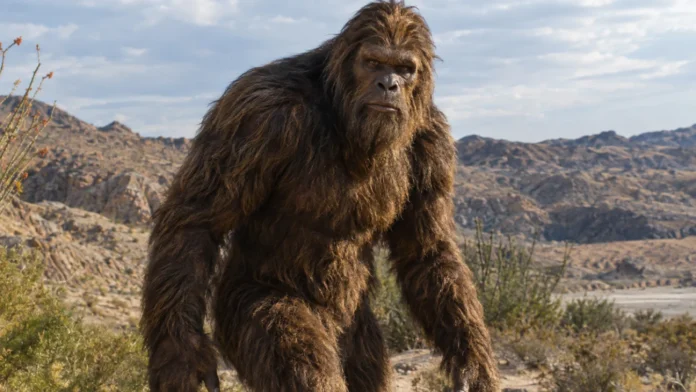
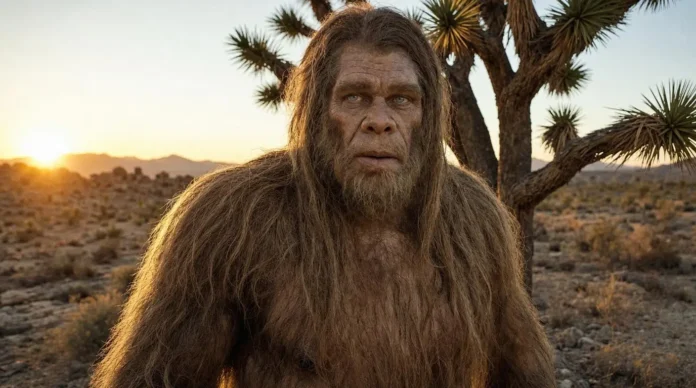
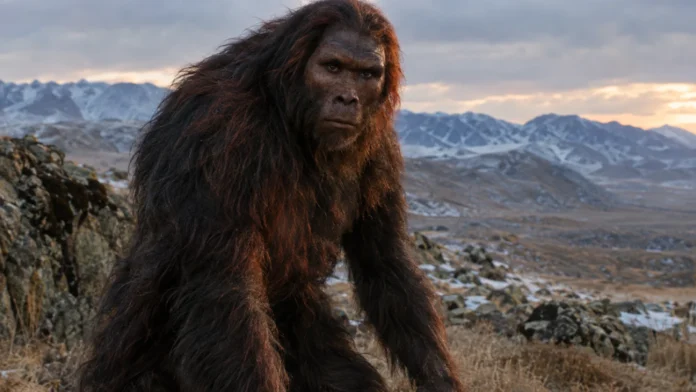
Wilderness Dwellers describes beings or presences situated beyond settled human space in mythologies, folklore, and historically recorded beliefs. It names a recurring relationship, not one universally defined creature.
The category centers on inhabited landscapes understood as socially or cosmologically distinct from villages, farms, and cities. Forests, mountains, deserts, and marginal waters may occupy this position.
Its classification depends on wilderness being central to a being’s identity. Removing that habitat relationship would obscure the being’s customary role as an inhabitant of spaces beyond ordinary settlement.
Core Characteristics and Themes
Narrative Function
Wilderness-associated beings often mark a boundary crossed by travelers, hunters, or herders. Their presence makes movement beyond familiar territory consequential within a narrative tradition.
In European accounts of fairies, for example, encounters frequently occur in liminal landscapes rather than ordinary domestic settings. Such placement distinguishes these narratives from household spirit traditions.
Symbolic Meaning
Wilderness Dwellers can represent human limits in landscapes that communities cannot fully control. This reading concerns a narrative pattern, not a universal meaning shared across cultures.
Where a tradition associates a being with dangerous terrain, the association may express practical knowledge about exposure or disorientation. The interpretation requires evidence from that tradition’s accounts.
Cultural Context and Worldview
Relationship to Religion and Belief
Some traditions place wilderness beings within broader accounts of spirits, ancestors, or divine powers. Their religious status varies, so the category alone does not establish worship or sacred function.
In ancient Greek literature, nymphs are associated with particular natural places, including springs and groves. This connection locates them within a polytheistic world rather than a generic wilderness system.
Role in Social or Moral Order
Stories about encounters beyond settlement could reinforce caution concerning travel or resource gathering. Whether a particular narrative served that social function must be established from its context.
In some European folklore, accounts of beings in remote places warn against violating customary boundaries. They do not establish a single moral code applicable across all wilderness traditions.
Associated Mythological Beings
Common Creature Archetypes
Recorded traditions include humanlike nature spirits, animal-shaped beings, and uncanny inhabitants of remote regions. These are descriptive groupings, not evidence for one shared creature archetype.
Greek nymphs belong here when their identity depends on natural locations such as springs or mountains. Their classification differs from beings defined chiefly by domestic or urban settings.
Non-Creature Manifestations
Wilderness Dwellers may appear as an understood presence in a place without a consistently described body. The landscape’s perceived agency can matter more than a named individual being.
Accounts of haunted forests or dangerous mountains sometimes attribute events to local presences without specifying a stable creature. Such cases belong only when historical documentation supports that attribution.
Variations Across Cultures
Regional Interpretations
Greek nymphs are often tied to particular natural features, whereas European fairy traditions include varied beings and encounter settings. These examples differ in taxonomy and narrative emphasis.
Indigenous traditions cannot be treated as one regional system; each requires culturally specific documentation. No verified sources describe a universal Indigenous category equivalent to Wilderness Dwellers.
Shared Structural Patterns
A recurring structural feature is the location of an encounter outside ordinary settlement. This pattern is broad, but does not prove common origins or identical beliefs.
Another limited pattern is the association of beings with specific landscapes. The meanings of those associations diverge according to local cosmology, social practice, and recorded narrative.
Persistence and Transmission
Oral and Written Traditions
Oral transmission preserves many folklore accounts through repeated telling within communities. Surviving written records may reflect later collection or interpretation rather than an unchanged original form.
Classical Greek literature preserves references to nymphs, while later folklore was also recorded in writing. These sources differ in genre and cannot be treated as equivalent testimony.
Adaptation Over Time
Changing land use and religious frameworks could alter how communities understood remote places. Specific historical changes require evidence; no single sequence applies across traditions.
Later collectors sometimes organized local beings into broader folklore categories. Those classifications document scholarly interests as well as the beliefs attributed to the communities described.
Scholarly Interpretation and Uncertainty
Symbolic vs Literal Readings
Researchers may examine wilderness beings as figures in narrative, belief, or environmental knowledge. These approaches answer different questions and should not be collapsed into one explanation.
A symbolic interpretation does not demonstrate that historical communities regarded a being as merely metaphorical. Belief claims require evidence from sources reflecting the relevant context.
Limits of Historical Evidence
Evidence survives unevenly because many traditions circulated orally before documentation. Written accounts may omit local distinctions or reflect an outsider’s categories.
For numerous beings, dates of origin and continuity remain uncertain. No verified sources describe this for contexts lacking identifiable historical records, so classification must remain provisional.
Classification Notes
Distinction from Related Lore Types
Unlike household spirits, Wilderness Dwellers are classified through their central association with spaces beyond ordinary habitation. A being’s mere appearance outdoors is insufficient for inclusion.
Unlike monsters defined chiefly by threat or physical form, this category emphasizes habitat and boundary position. Some beings may fit both labels when sources support each classification.
Use in Mythological Taxonomy
The category enables comparison of traditions by examining how narratives locate nonhuman presence outside settlement. It does not imply that the included beings share origin or nature.
Taxonomic use is strongest when records establish both a being’s identity and its landscape relationship. Without that evidence, assigning the label risks imposing an external scheme.