Introduction
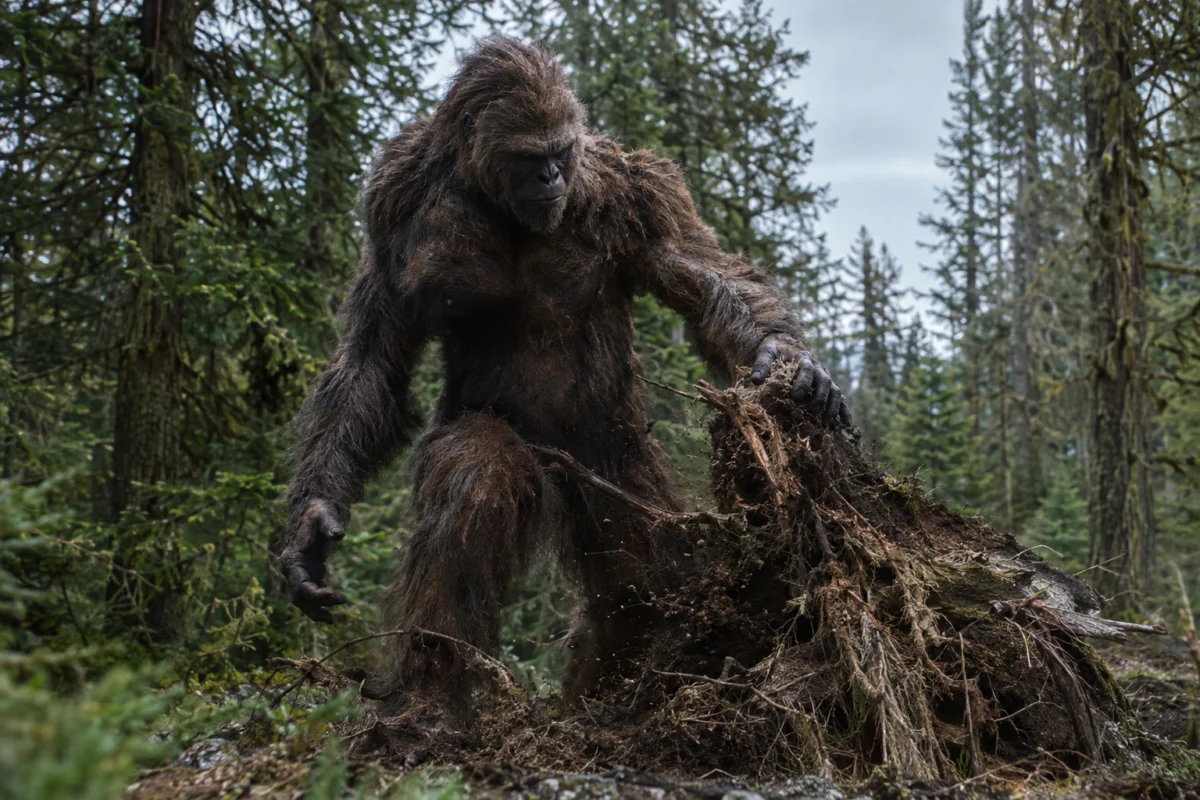
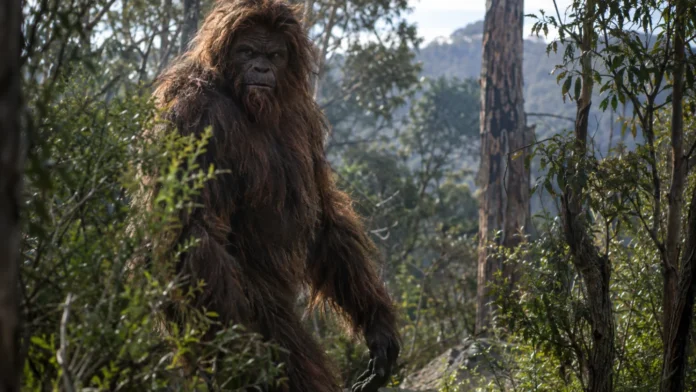
The Yowie is an Australian folklore figure and modern cryptid, usually imagined as a large, hairy, upright being inhabiting the bush, especially in eastern Australia. Its familiar appearance resembles a human or ape, placing it alongside Bigfoot and the Yeti in contemporary monster culture.
This modern identity draws on a complicated background of regional Hairy Man yarns, colonial reports of beings called Yahoos, and references to Indigenous spirits. These strands are associated in later writing, but they do not establish a single creature with an uninterrupted history.
Some cryptozoological accounts present the Yowie as an ancient being known throughout Aboriginal Australia. The stronger historical and linguistic evidence supports a narrower account: the modern name and Bigfoot-like identity became prominent during the 1970s, while older traditions require their own local interpretation.
The Yowie therefore matters as both a bush legend and an example of folklore changing through retelling. Its stories occupy an uncertain boundary between human, animal, and supernatural encounter.
They document a cultural phenomenon, rather than establish the existence of an unknown species.
History/Origin
The history of the Yowie requires separating the age of a name from the age of related stories. The Australian National Dictionary Centre dates the English word to the 1970s.
Earlier hairy-being accounts provide relevant background, but cannot automatically be treated as occurrences of that name.
Nineteenth-century colonial accounts used the label Yahoo for mysterious beings. Later writers have connected these reports with the Yowie, although that identification remains disputed.
Historical similarities in description do not, by themselves, demonstrate that the narrators understood the beings in the same way.
A more securely identifiable literary landmark is Henry Lawson’s 1907 story, The Hairy Man. It recalls Hairy Man yarns associated with the Blue Mountains district and stages a frightening encounter at a hut.
Its regional setting makes it valuable evidence for an established bush-story motif.
Lawson’s apparent monster ultimately proves to be an unusually hairy man caught in a storm. The comic explanation is integral to the story, not a later correction.
This is evidence for a literary Hairy Man tradition, rather than a documented Indigenous narrative about a Yowie.
The contemporary Bigfoot-like figure belongs to a later period of popularization. The historical overview in Atlas Noctis places this development after 1975, distinguishing it from older Yahoo reports.
That dating is a historical interpretation of the modern formation, not a precise birthday for every related belief.
Connections with Indigenous traditions remain an important but contested part of this history. Colin Groves’s 1998 discussion, What Is a Yowie, considers earlier Yahoo material and Kevin Gilbert’s 1977 account while treating cultural attribution conditionally.
The resulting history is layered, rather than a simple survival narrative.
Name Meaning
The origin of the word Yowie is uncertain. In modern Australian English, it names an alleged ape-like monster, particularly associated with eastern Australia.
That established usage should be distinguished from proposed explanations of where the word came from and what an earlier word meant.
One proposed derivation is the Yuwaalaraay word yuwi, glossed as “dream spirit.” The Australian National Dictionary Centre presents this as a possibility, not a demonstrated etymology.
Consequently, “dream spirit” should not be offered as an unquestioned translation of the modern English creature name.
The alternative proposal is that Yowie developed through an alteration of Yahoo, a label found in older accounts. This would connect the name with colonial terminology rather than directly establish an Indigenous-language derivation.
The available lexical evidence does not settle the choice between these explanations.
Hairy Man is a related descriptive label, not a proven literal translation of Yowie. Likewise, historically recorded forms such as Yō-wī require attention to their original linguistic and narrative contexts.
Similar spelling or sound cannot establish that a spirit term originally denoted today’s hairy cryptid.
Appearance
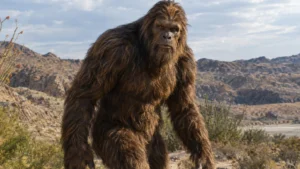
The modern Yowie’s most consistent visual features are a hair-covered body, an upright stance, and a large, broad build. Descriptions place it somewhere between a heavily built human and an ape-like being.
These are recurring features of reports and representations, not an authenticated anatomical profile.
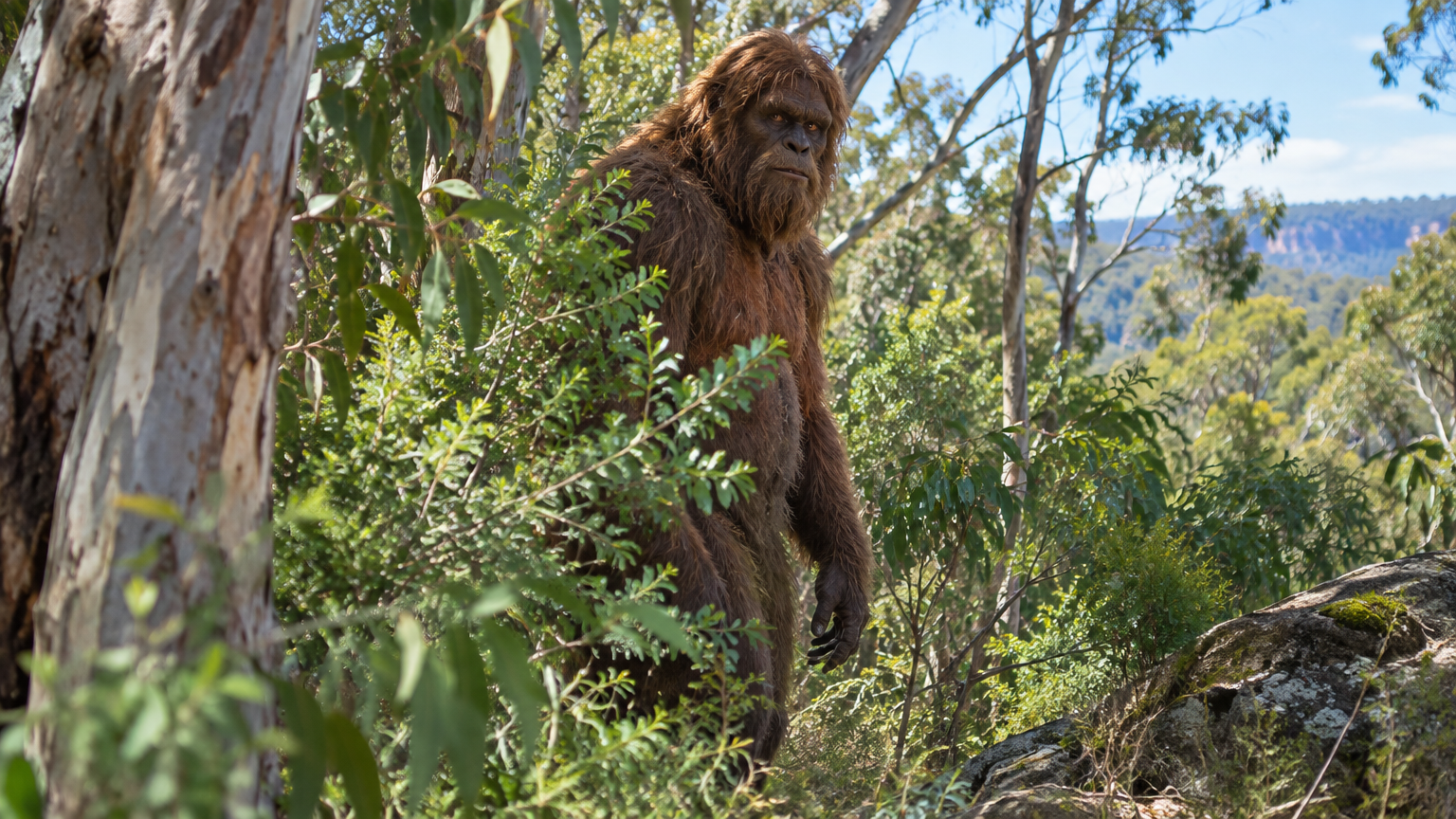
The human-like and ape-like descriptions overlap without producing a single fixed form. Calling the figure a Hairy Man emphasizes its resemblance to a person; comparing it with Bigfoot emphasizes the possibility of an unknown animal.
This ambiguity is central to its modern appearance and interpretation.
Eastern Australian bush and forest settings provide the characteristic surroundings. The figure is commonly imagined partly concealed by vegetation, making its outline more prominent than a clearly observed face.
This representative image belongs to modern cryptid folklore, rather than a uniform traditional Indigenous visual description.
Lawson’s 1907 version supplies more particular features: red hair, long arms, a broad body, and frightening eyes and mouth. Those details belong to that literary encounter.
They should not become universal Yowie attributes merely because the story is now reproduced alongside modern sighting material.
The tale’s resolution changes the meaning of those features: what initially appears monstrous belongs to an unusually hairy human. It demonstrates how a frightening description can remain part of a Hairy Man story even when its explanation is ordinary.
Modern ape-like portrayals retain a different, unresolved emphasis.
Background Story
The Yowie has no single established origin narrative comparable to a myth about a creature’s birth, parentage, or defeat. Its background is instead a convergence of bush storytelling, older reports, disputed Indigenous associations, and the modern search for hidden animals resembling humans.
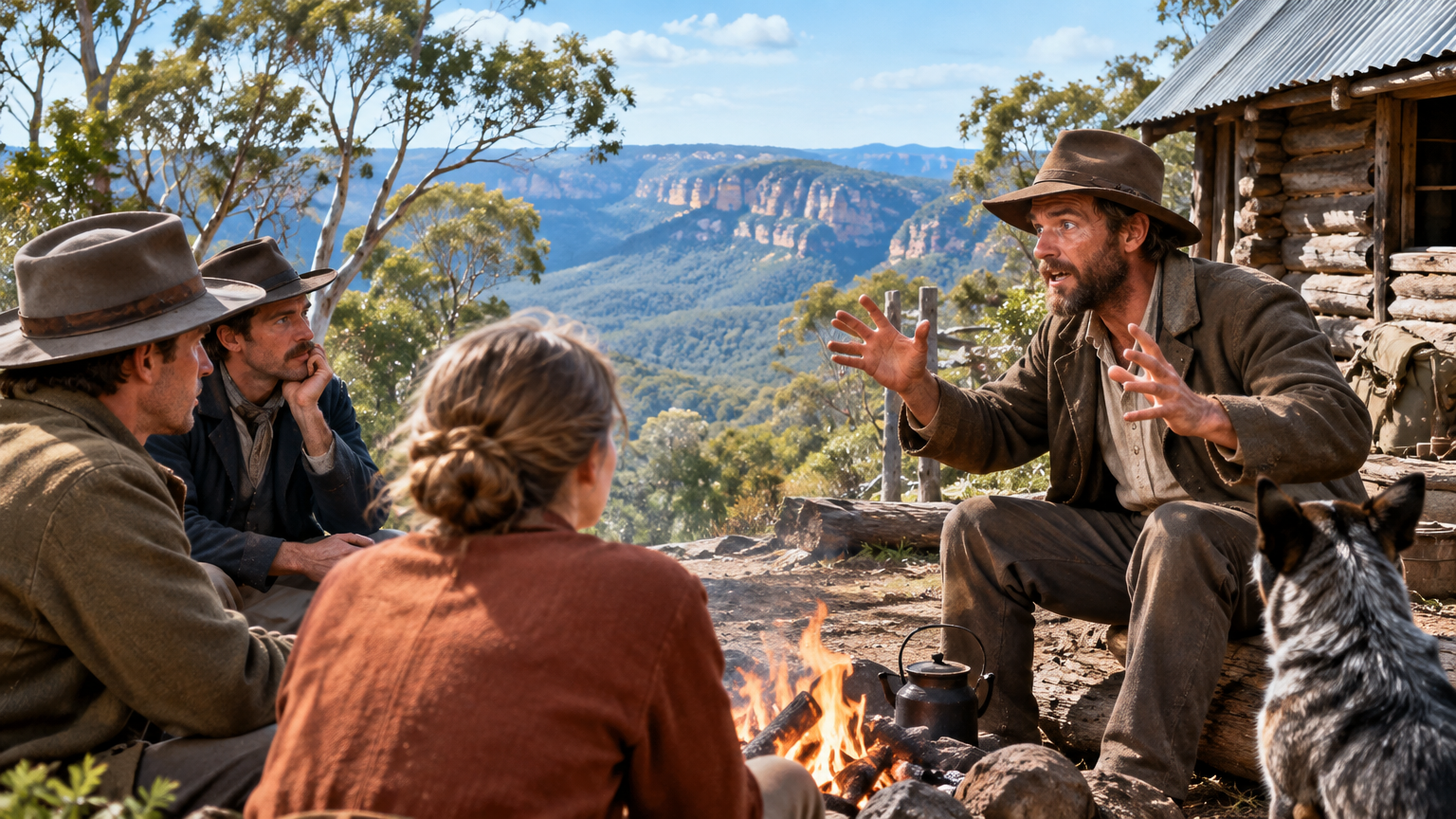
Regional Hairy Man yarns offer one important narrative setting. In Lawson’s Blue Mountains story, a frightening visitor at a hut turns uncertainty into an apparent encounter with a monster.
The eventual explanation makes the episode both an expression of bush fear and a comic reversal.
Modern comparisons with Bigfoot and the Yeti supplied another framework: a hairy figure could be imagined as an undiscovered hominid rather than a spirit or an unusual person. Such comparisons help explain the Yowie’s contemporary identity, without establishing a common origin for these geographically separate traditions.
The association with Aboriginality also shapes how the figure is presented. The scholarly study The Necessary Other, or “When One Needs a Monster”: The Return of the Australian Yowie examines this changing relationship.
Claims of Indigenous antiquity are part of the modern phenomenon and require historical assessment.
A related issue concerns the movement of stories into literature. The 2010 study From Colonial Superstition to the Hairyman: Aboriginality and the Politics of Race distinguishes community-specific knowledge from generalized cultural fantasy.
A story’s presentation as “Aboriginal” does not, on its own, establish its traditional provenance.
These contexts produce a figure whose meaning depends on the particular telling. A bush yarn can question an alarming encounter; a cryptid report can leave it unresolved; an Indigenous account may concern a locally specific being.
The modern Yowie label should not erase those differences.
Famous Folklore Stories
The clearest named literary story relevant to the Yowie is an older Hairy Man tale, rather than a story originally published under the modern cryptid’s name. It preserves a regional bush legend while also questioning how frightening encounters become monster stories.
The Hairy Man
Henry Lawson’s 1907 story “The Hairy Man” begins with recollections of Hairy Man yarns from the Blue Mountains district. These establish the expectations surrounding a frightening, broadly human-shaped figure in the bush.
The story documents a regional narrative tradition, not an authenticated Indigenous Yowie tale.
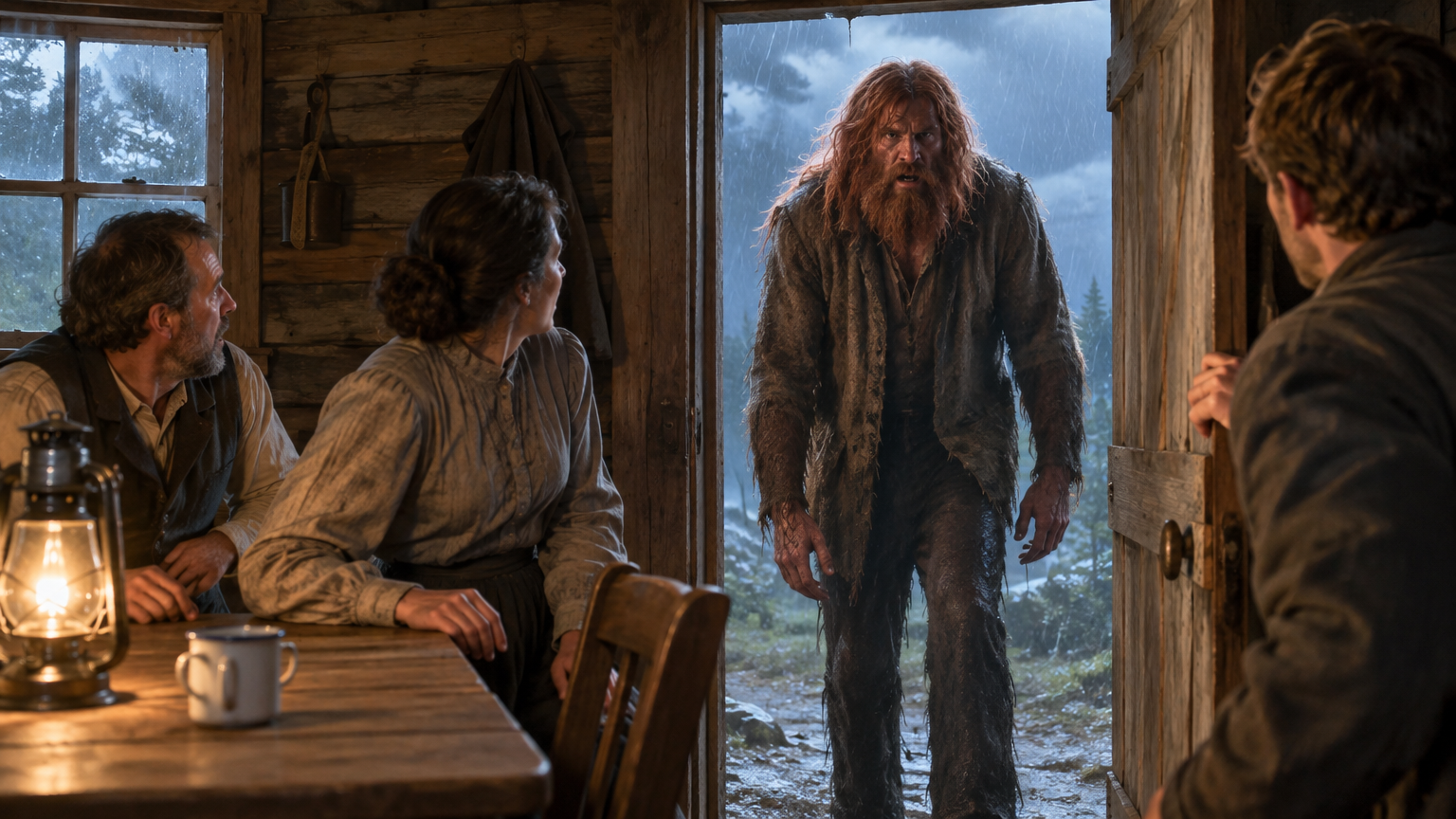
The central episode concerns a frightening apparent encounter at a hut during a storm. Descriptions emphasize a broad build, long arms, red hair, and alarming facial features.
Within the story, these details make an unfamiliar visitor appear monstrous before the characters understand what they are seeing.
The apparent monster eventually proves to be an unusually hairy man caught in the storm. This comic resolution makes the tale both a record of Hairy Man storytelling and a literary debunking.
Its relevance lies in the encounter pattern, not proof that Lawson’s figure and today’s Yowie are identical.
Cultural Impact
Hairy Man yarns gave Australian bush storytelling a figure poised between the recognizable and the strange. In Lawson’s version, the supposed monster belongs close enough to everyday human life for the terror to become comedy.
The isolated setting helps make that uncertainty narratively effective.
The modern Yowie changes the emphasis by presenting the hairy figure as a potentially undiscovered creature. Comparisons with Bigfoot and the Yeti place an Australian bush legend within an international cryptid vocabulary.
This is a modern interpretation, rather than evidence that the traditions share one origin.
That change also affects how older accounts are read. Once the Yowie becomes a familiar category, earlier references to spirits, Yahoos, and Hairy Men can appear to describe the same being.
Their resemblance encourages comparison, but merging them erases differences in language, narrative purpose, and cultural setting.
The scholarly study “The Necessary Other, or ‘When One Needs a Monster’: The Return of the Australian Yowie” examines this modern circulation through questions of folklore and Aboriginality. The creature consequently matters not only as a supposed animal, but as a figure through which cultural identity is negotiated.
Literary scholarship on Aboriginality and the politics of race highlights a related problem: generalized Indigenous material can be transformed into cultural fantasy. Calling every hairy-man narrative “traditional Aboriginal Yowie lore” obscures who told it, how it was recorded, and whether a community recognizes that interpretation.
Similar Beasts
Almas
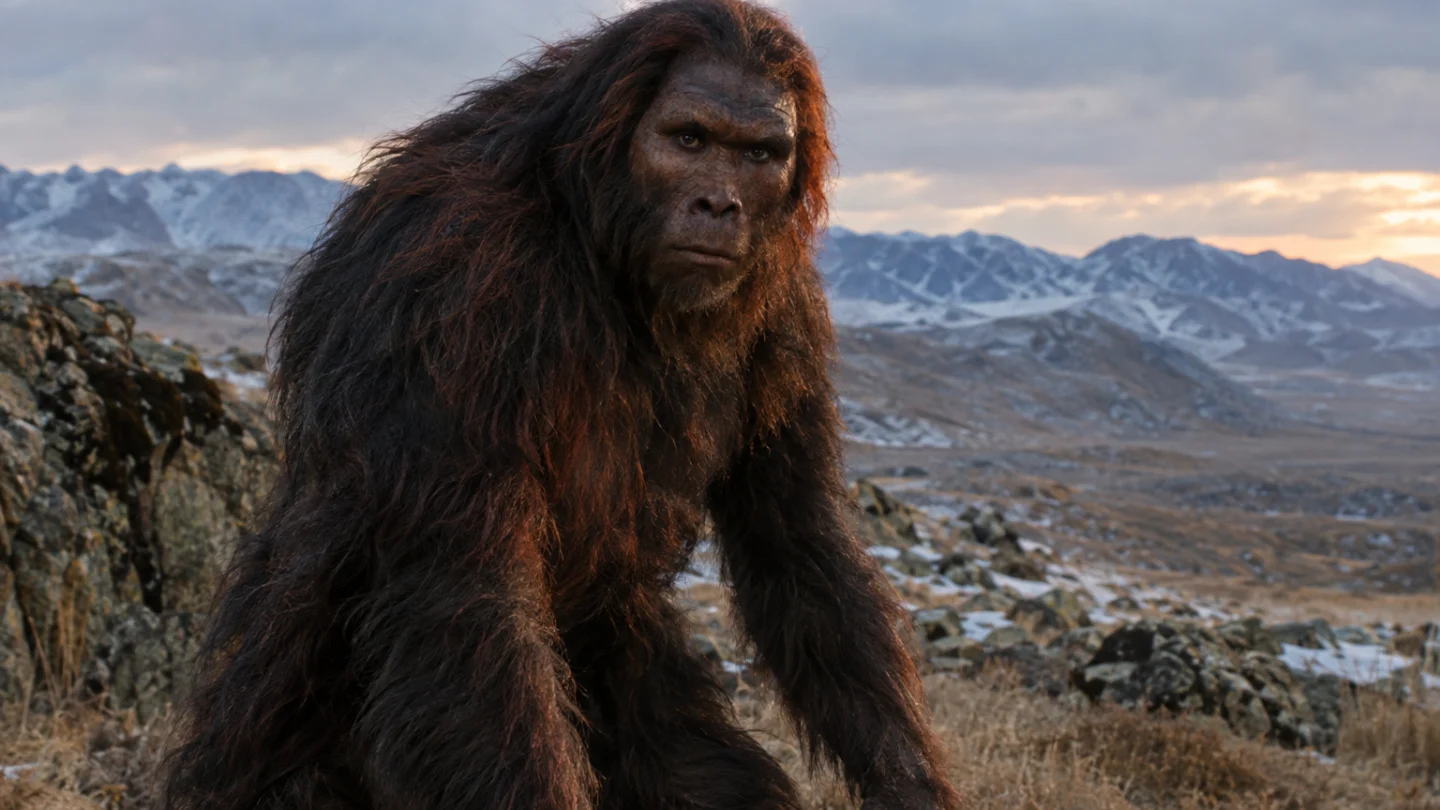
The Almas is a wild-man figure in Central Asian folklore, commonly represented as a hairy, ape-like humanoid associated with mountainous country and life outside ordinary human settlements.
Its resemblance to the Yowie lies in the hairy humanoid form and wilderness setting. The comparison does not establish shared origins or a common species.
Borrego Sandman
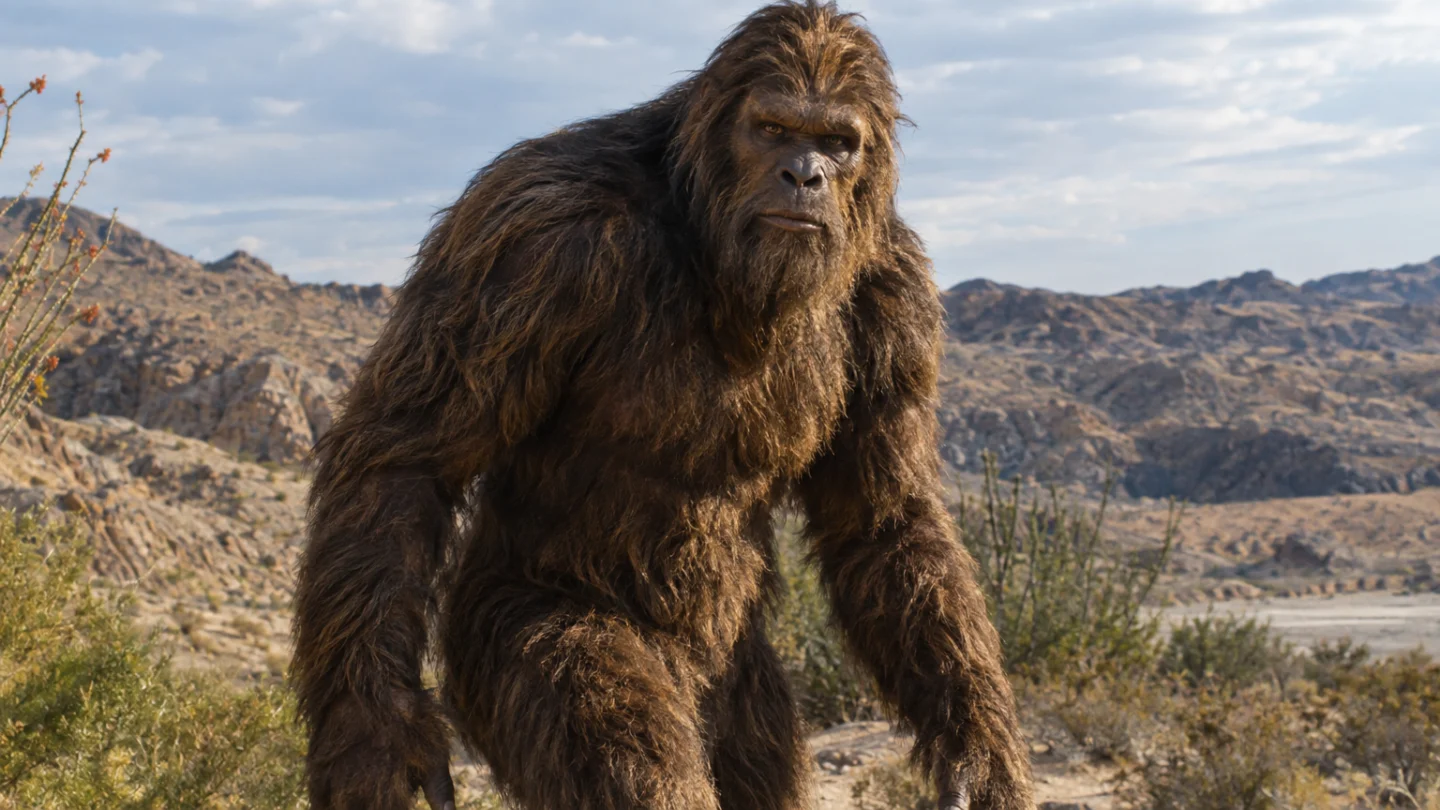
The Borrego Sandman is a Bigfoot-like figure in Southern California desert folklore. Its legend includes mysterious tracks, placing it among regional accounts of elusive, apparently humanlike wilderness creatures.
Like the modern Yowie, it gives a particular landscape its own hairy-hominid cryptid. Its desert association differs from the Yowie’s prominent eastern Australian bush setting.
Read more about Borrego Sandman
Adnei haSadeh

The Adnei haSadeh are feral humanoids in Hebrew lore, represented as wild beings living apart from civilization. They express an association between humanlike form, isolation, and untamed nature.
They offer a wild-man comparison rather than a close cryptozoological equivalent. The similarity concerns the boundary between settled human society and beings of the wilderness.
Bigfoot (Sasquatch)
Bigfoot, also commonly called Sasquatch, is a North American hairy-hominid cryptid. Modern accounts portray it as a large, upright, elusive being whose existence remains scientifically unconfirmed despite reported encounters.
Bigfoot is a particularly close comparison for the contemporary Yowie’s appearance and cryptid identity. That similarity should not be projected automatically onto older Australian narratives.
Bunyip
The bunyip is a distinct Australian folkloric being commonly associated with waterways. Its varied representations belong to a different monster tradition from the modern Yowie’s upright, hairy humanoid form.
Both belong within Australian monster folklore, but their habitats and appearances differ. Comparing them illuminates that folklore’s diversity rather than making them interchangeable creatures.
Religion/Ritual
No shared Yowie-specific ritual, offering, ceremony, or religious observance is established by the material reviewed. The modern cryptid therefore cannot responsibly be assigned a standardized sacred role or presented as a universal being within Aboriginal religion across Australia.
The proposed connection between the name and a word glossed as “dream spirit” does not supply missing ritual evidence. Community-specific spirit traditions require their own documentation; a possible linguistic relationship cannot establish that an older spiritual being was the modern hairy-hominid Yowie.
Scientific or Rational Explanations
The available evidence establishes a folklore figure and a history of representations, not a scientifically confirmed unknown hominid. A report can be valuable evidence that someone experienced or narrated an encounter without independently establishing the biological identity of what they believed they encountered.
Lawson’s tale supplies one explicit mundane explanation: mistaken identity involving an unusually hairy man. Because this is a literary resolution, it should not be treated as a field investigation.
Nevertheless, it shows that skeptical explanations already formed part of Hairy Man storytelling before the modern Yowie label.
The story also illustrates how expectation can shape interpretation. Characters encounter a frightening figure against a background of existing monster yarns.
Reading this as a model of expectation-driven identification is reasonable, but it remains an interpretation of the narrative, not a demonstrated explanation for every reported sighting.
A historical explanation concerns the development of the category itself. The Australian National Dictionary Centre dates the English word “yowie” to the 1970s.
That chronology supports distinguishing the modern label from earlier material, although a word’s recorded date alone cannot determine the age of every associated belief.
Specialist discussions differ over how strongly Indigenous hairy-man accounts establish continuity with the modern cryptid. Colin Groves’s 1998 discussion makes the Indigenous cultural attribution conditional.
The disagreement concerns how particular records should be interpreted, rather than providing scientific confirmation that all the figures describe one animal.
An anthropological approach instead asks what the monster does within storytelling: how it represents wilderness, unfamiliarity, and cultural difference. This need not dismiss witnesses or traditional knowledge.
It separates questions about a narrative’s meaning and transmission from the different evidentiary demands of identifying an unknown species.
Modern Cultural References
The Yowie appears in horror cinema, documentary, adventure fiction, children’s fiction, and podcasts. These works approach it differently: as a threatening bush creature, an object of investigation, or an imaginative companion.
They document modern reception rather than establish ancient cultural continuity.
Throwback, film (2014)
Directed by Travis Bain, this Australian action-horror film follows treasure hunters whose expedition brings them into danger. The Yowie appears directly as the creature they encounter.
(tv.apple.com)
The Yowie, documentary (2017)
Sam Hutchinson’s short documentary follows “Yowie” Dan as he searches the Australian bush. Its subject is contemporary Yowie hunting rather than a fictional encounter with the creature.
(screenaustralia.gov.au)
The Yarra Yowie, published fiction (2009)
Geoff Barlow’s adventure places investigators Burke and Wills in a fictional nineteenth-century Australian setting.
Their pursuit of the Yowie makes the creature central to the narrative.
(lulu.com)
Yowie Country, published fiction (2013)
Robin Freeman’s narrative interweaves fiction with his experiences in places associated with reported sightings.
The Yowie connects the imagined story with the author’s experiences of those landscapes.
(xlibris.com)
The Yowie: Australia’s Bigfoot, Or An Invented Cryptid?, podcast episode (2019)
This Wide Atlantic Weird episode examines the Australian cryptid and the history of its reported origins.
The Yowie is its direct subject, approached through historical questioning.
(podcasts.apple.com)
Yowie Dreaming: A Tale of Friendship and Adventure, novel (2025)
Margaretta James’s middle-grade novel follows a girl who discovers and befriends a baby Yowie.
The creature becomes a companion in an adventure rather than a horror antagonist.
(margarettajames.com)
Conclusion
The Yowie is best understood as a modern Australian hairy-hominid cryptid and folklore figure, especially associated with the eastern Australian bush. Its history overlaps with regional Hairy Man yarns, colonial Yahoo reports, and discussions of Aboriginal traditions, but those connections do not establish one continuous, continent-wide identity.
Keeping the distinctions intact makes the figure more historically intelligible. It allows older stories to retain their particular settings and meanings without turning every unfamiliar bush being into an earlier version of Bigfoot.
Its lasting appeal lies in the uncertain boundary between the familiar and the unknown: a human-like shape in a landscape where an encounter can become a frightening yarn, a comic misunderstanding, or a modern investigation. Fiction and documentary continue to develop those possibilities without providing scientific confirmation of an unknown animal.
The Yowie’s cultural importance therefore rests in storytelling and interpretation, not proven zoology. Respecting that distinction also leaves room for community-specific Indigenous knowledge without absorbing it into a generalized cryptid legend.
Further Reading
Henry Lawson, reproduced by Australian Yowie Research, Yowiehunters.com
Henry Lawson’s 1907 bush story begins with regional Hairy Man yarns and a frightening apparent encounter at a hut.
Its apparent monster proves to be an unusually hairy.
(yowiehunters.com.au)
Throwback, tv.apple.com
film 2014 An Australian action-horror film in which treasure hunters encounter a creature identified as the Yowie.
(tv.apple.com)
The Yowie, screenaustralia.gov.au
documentary 2017 A completed short documentary following “Yowie” Dan as he searches the Australian bush for the Yowie; Screen Australia records a 2017 festival screening.
(screenaustralia.gov.au)
The Yarra Yowie, lulu.com
published fiction 2009 Fictional adventure set in 19th-century Australia, where investigators Burke and Wills pursue the Yowie.
(lulu.com)
Yowie Country, xlibris.com
published fiction 2013 The author’s publisher describes the book as a story interweaving fiction with his experiences in areas associated with Yowie sightings.
(xlibris.com)
The Yowie: Australia’s Bigfoot, Or An Invented Cryptid?, podcasts.apple.com
podcast episode 2019 A dedicated episode examining the modern Yowie cryptid and the history of its reported origins.
(podcasts.apple.com)
Skeptoid #762: On the Trail of the Yowie, open.spotify.com
podcast episode 2021 A dedicated podcast episode about Australia’s Yowie, explicitly identified in its episode title and description.
(open.spotify.com)
Yowie Dreaming: A Tale of Friendship and Adventure, margarettajames.com
novel 2025 Middle-grade fiction about a girl who discovers and befriends a baby Yowie; the author announced the book as available in 2025.
(margarettajames.com)