Australia & Islands
Relevant Beasts
No posts to display
Sub Categories
Aboriginal Revival
The Aboriginal Revival, emerging in the 20th century, marks a resurgence in honoring Indigenous Australian traditions, especially Dreamtime mythology. This revival emphasizes the importance of ancestral spirits and respect for the land.Through art, storytelling, and community efforts, the Aboriginal Revival celebrates cultural heritage, preserving Indigenous beliefs for future generations.
Arnhem
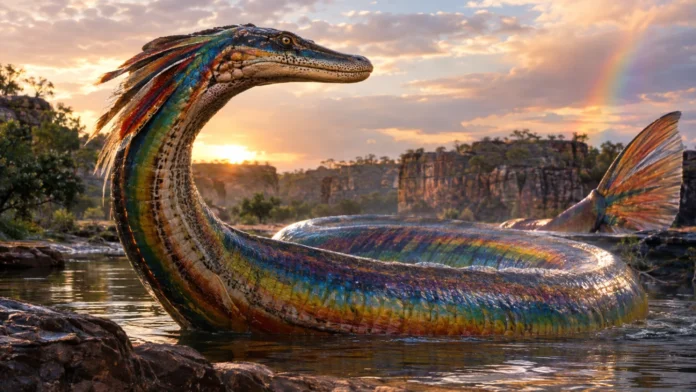
The Arnhem culture, dating back to 10,000 BCE and continuing to the present, is known for its rich Dreamtime mythology, particularly the Rainbow Serpent, a central figure in creation stories. This mythological being is said to shape landscapes and waterways, embodying the power of nature.Arnhem’s spiritual traditions have been preserved through oral storytelling, art, and ceremonies, continuing to influence Indigenous Australian culture. These myths and stories reflect a profound respect for the environment and connection to ancestral spirits.
Arrernte
The Arrernte people, from prehistory to the present, have a rich Dreamtime mythology involving ancestral beings that shaped the landscape. Their stories feature creatures like the Caterpillar Ancestors, who are integral to Arrernte cosmology.Arrernte spirituality continues through ceremonies, songs, and art, preserving these ancestral connections. The Dreamtime myths embody a deep respect for the land and the spiritual guidance of ancestors.
Bardi
The Bardi culture, dating back to 12,000 BCE, holds a profound connection to the sea, with mythology involving marine spirits and ancestral beings. These spirits are central to Bardi beliefs, especially in relation to fishing and community well-being.Through ceremonies and traditions, the Bardi continue to honor these marine-based spiritual practices. Their mythology highlights the cultural importance of the ocean and the interdependence between people and nature.
Cape York
The Cape York culture, dating back to 5000 BCE, is rich in spiritual traditions that include ancestral beings and Dreamtime stories closely tied to the region’s landscapes. These myths often involve the spirits of animals and natural elements, reflecting a deep connection to the land.Through ceremonies and storytelling, Cape York’s Indigenous communities continue to honor these spiritual beliefs, ensuring their preservation across generations. The mythology of Cape York highlights a respect for nature and the importance of ancestral ties.
Chuukese
The Chuukese culture, originating in pre-colonial times, includes myths of powerful ocean spirits and deities guiding navigation. These beliefs underline Chuukese respect for the ocean and its significance in cultural life.Storytelling and traditional rituals maintain Chuukese myths, reflecting a spiritual connection to the sea.
Dharawal
The Dharawal people, active from 1000 BCE until 1788 CE in southeastern Australia, hold Dreamtime myths that include the Rainbow Serpent and other creation beings. These stories explain the formation of natural landscapes and underscore the importance of respecting the land.Dharawal spirituality, passed down through oral tradition, reflects a close relationship with the environment. Their myths continue to be honored by Indigenous communities, preserving a legacy that ties culture and nature.
Fijian
The Fijian culture, thriving since pre-colonial times, includes mythology centered on deities like Dakuwaqa, the shark god, and spirits of the land and ocean. These beings symbolize the connection between the Fijian people and their natural surroundings.Through ritual, dance, and oral tradition, Fijian spirituality honors these mythological figures, preserving an important part of their cultural identity.
Futunan
The Futunan culture, active since pre-colonial times, includes myths of spirits and deities tied to the land and volcanic origins. Futunan beliefs emphasize respect for the environment and ancestral spirits.Ceremonies and oral traditions help preserve these beliefs, celebrating the bond between Futunan people and their land.
Hawaiian
The Hawaiian culture, active from 1778 CE to the present, is known for its rich mythology featuring gods like Pele, the goddess of volcanoes, and Mo'o, guardian lizard spirits. These beings are deeply respected as forces of nature, embodying the Hawaiian connection to land and spirit.Hawaiian spirituality remains central to cultural identity, preserved through chants, hula, and storytelling that honor ancient traditions. These myths continue to shape Hawaii’s cultural landscape and inspire reverence for natural elements.
Iberian Peninsula
The mythology of the Iberian Peninsula is a rich blend of ancient indigenous legends, Roman mythology, and later Christian influences. Early myths, dating back to the Celtiberians, include tales of nature spirits and gods linked to the land, such as Endovelicus, a god of health and prophecy worshipped by pre-Roman peoples. These early deities reflect the deep connection between the Iberian people and their rugged landscapes, with gods representing the mountains, rivers, and forests.During the medieval period, the mythologies of the Iberian Peninsula were further shaped by Christian and Moorish influences. Legends of El Cid, a warrior hero, reflect the chivalric ideals of Christian Spain, while stories of magical Moorish creatures, such as Jinn, highlight the blending of Islamic and Christian folklore. These myths represent the region’s long history of cultural exchange and conflict.
Kimberley
The Kimberley region, with cultural roots going back 40,000 years, is famous for its Wandjina rock art depicting ancestral spirits tied to rain and creation. These figures, central to local mythology, are revered as powerful beings who control the weather and ensure community well-being.Kimberley’s spiritual heritage is preserved in extensive rock art sites and ceremonies that honor these ancestral spirits. This cultural continuity showcases a profound connection to the land and the enduring significance of ancestral beings.
Kiribati
Kiribati, independent since 1979, is rooted in a strong oceanic culture with myths centered around sea gods and spirits. These beings are essential to Kiribati’s spiritual beliefs, reflecting the community's close relationship with the ocean.Through storytelling, dance, and rituals, Kiribati continues to celebrate these myths, keeping ancestral connections alive.
Kosraean
The Kosraean culture, from pre-colonial times, holds myths about ocean spirits and nature deities that guide the community. Kosraeans celebrate these beliefs through rituals and stories, reflecting their close bond with the sea.Kosraean spirituality remains integral, with myths emphasizing respect for natural elements and ancestors.
Kulin
The Kulin people, with cultural roots from 1500 BCE to the present in southeastern Australia, have Dreamtime stories involving creation beings tied to their landscapes. Myths about Bunjil, the eagle creator spirit, underscore their respect for nature and ancestral spirits.Kulin mythology remains integral to their identity, with ceremonies and stories passed down through generations. These beliefs celebrate the interconnectedness of people, land, and spiritual forces.
Mangarevan
The Mangarevan culture, from pre-colonial times, is known for myths involving navigational deities and spirits tied to the sea. These beliefs underscore the Mangarevan respect for oceanic forces and their ancestral connections.Oral traditions and rituals continue to honor these myths, preserving a spiritual heritage centered on navigation and nature.
Maori
The Maori culture, thriving from 800 CE to the present, holds a deep connection to mythological beings like Taniwha, guardians of rivers and lands, and the atua (gods) of various natural elements. Maori spirituality emphasizes respect for the environment, ancestry, and community.These beliefs are celebrated in rituals, tattoos, and carvings that honor their rich mythological heritage. Maori stories continue to influence New Zealand’s cultural landscape, emphasizing the interconnectedness of people and nature.
Māori Revival
The Māori Revival, beginning in the 20th century, reflects a renewed emphasis on Māori language, traditions, and mythology in New Zealand. The revival highlights the importance of deities and ancestral spirits, central to Māori identity.Contemporary Māori culture continues to flourish, with ceremonies and practices that reinforce these ancestral ties.
Marshallese
The Marshallese culture, existing since pre-colonial times, is deeply connected to myths about ocean spirits and gods who protect the islands. Navigation and respect for the sea are central to these beliefs.Marshallese mythology remains a vital part of community life, celebrated through songs, stories, and cultural gatherings.
Micronesian
The Micronesian culture, active from pre-colonial times, includes myths about spirits and deities tied to the sea and stars. These beings guide navigation and community practices, emphasizing a respect for the ocean.Micronesian myths are celebrated in oral traditions, dances, and ceremonies, preserving a rich spiritual legacy.
Nauruan
Nauruan culture, from pre-colonial times, includes myths centered on spirits and creation stories that link people to the land and sea. These myths reflect a profound respect for nature and ancestral heritage.Nauruan traditions honor these stories, preserving their significance through rituals and community gatherings.
New Zealand
New Zealand, established as a British colony in 1840, incorporates Māori mythology and traditions into its cultural fabric. Key mythological beings, such as Taniwha and atua (gods), are celebrated and respected within modern New Zealand, emphasizing the importance of ancestral connections.Contemporary New Zealand culture reflects a commitment to honoring Māori heritage, integrating traditional values into national celebrations and educational practices.
Ngarinyin
The Ngarinyin people, active from 1000 CE to the present in the Kimberley region, are known for their mythology of the Wandjina, ancestral rain spirits depicted in rock art. Wandjina are considered powerful beings who govern weather and community harmony.Ngarinyin culture honors these spirits through ceremonies and storytelling, preserving the legacy of their ancestral beliefs. The Wandjina continue to symbolize the bond between people and their environment.
Ngarrindjeri
The Ngarrindjeri people, with a history dating back to 10,000 BCE, are known for their unique mythology centered around the Murray River and creatures like the bunyip, a water spirit. This being, along with other ancestral figures, plays a role in their beliefs about life, water, and nature.Ngarrindjeri culture continues to thrive through storytelling, rituals, and a connection to the waterways. Their spiritual practices emphasize respect for natural elements, reflecting an enduring legacy in South Australian heritage.
Niuean
The Niuean culture, active since pre-colonial times, features myths involving spirits and supernatural beings tied to the land and sea. Niuean deities are revered in traditional stories that highlight the importance of respect for nature.Through song, dance, and storytelling, Niuean people continue to honor their ancestral beliefs. These myths celebrate the connection between people and the natural world.
Palauan
The Palauan culture, thriving from pre-colonial times to the present, includes myths about sea deities and spirits closely linked to the island environment. These stories reflect the Palauan connection to the natural world, guiding cultural practices.Through song, dance, and storytelling, Palauans preserve these ancient beliefs, emphasizing respect for ancestral spirits and the ocean.
Pama-Nyungan
The Pama-Nyungan cultural group, dating from 3000 BCE to the present, spans many Indigenous Australian communities with shared linguistic and mythological ties. Dreamtime stories, such as those involving the Rainbow Serpent, connect people to the land and its origins.Their mythology emphasizes the role of ancestral beings and respect for natural forces, preserved through ceremonies and oral tradition. Pama-Nyungan beliefs remain foundational to many Indigenous Australian identities.
Papua New Guinea
Since gaining independence in 1975, Papua New Guinea has upheld diverse cultural traditions across its many Indigenous groups. Mythology in the highlands and coastal regions includes ancestral spirits and nature deities, which continue to influence community life.Papua New Guinea’s cultural identity is deeply tied to these spiritual practices, preserved through ceremonies, songs, and folklore.
Papuan Highlands
The Papuan Highlands, inhabited since pre-colonial times, have a diverse mythology with ancestral spirits linked to the land and natural forces. Their spiritual beliefs often emphasize harmony with the environment and the role of ancestors in daily life.Ceremonies, music, and oral traditions preserve Papuan mythology, which remains an integral part of cultural identity in the highlands. These practices continue to honor the spirits believed to guide and protect communities.
Pitjantjatjara
The Pitjantjatjara culture, active from 6000 BCE to the present, is deeply rooted in Dreamtime beliefs, especially stories of Tjukurpa—spiritual beings that shaped the land. These beings are central to their cosmology, embodying the community’s connection to specific landscapes and sacred sites.Today, Pitjantjatjara people continue to practice these traditions, maintaining rituals and storytelling that honor their ancestors. Their mythology emphasizes harmony with nature and a respect for sacred places.
Pohnpeian
The Pohnpeian culture, dating back to pre-colonial times, is celebrated for its myths and the ancient city of Nan Madol, linked to supernatural forces and deities. These beliefs reflect a deep connection to ancestral spirits and sacred sites.Pohnpeian traditions, maintained through ceremonies, honor these myths and the legacy of their spiritual leaders.
Polynesian
The Polynesian culture, active from 500 CE to 1600 CE, is renowned for its mythology featuring powerful spirits and creatures, such as the Taniwha and Mo'o. These beings often serve as guardians of land and water, embodying the forces of nature in Polynesian spirituality.Polynesian myths, passed down through storytelling, navigate themes of exploration, respect for the environment, and the influence of ancestral spirits. These beliefs continue to shape the cultural identity of Polynesian descendants across the Pacific.
Rapa Nui
The Rapa Nui culture, known from pre-colonial times, is celebrated for its moai statues and myths surrounding ancestors and spiritual beings. These figures represent the connection between the living and the dead, central to Rapa Nui beliefs.Through ceremonies and traditional practices, Rapa Nui preserves its rich mythological heritage, honoring the power of ancestral spirits.
Samoan
The Samoan culture, thriving since pre-colonial times, includes a mythology filled with deities and spirits connected to the ocean and land. Figures like Tui Fiti, a god of the sea, reflect Samoan reverence for natural forces.Samoan beliefs are celebrated through oral tradition, dance, and rituals, preserving a unique spiritual heritage. These stories and practices continue to play a central role in Samoan cultural life.
Solomon Islands
The Solomon Islands, independent since 1978, maintain a cultural identity rooted in mythology involving sea spirits and ancestral beings. These spiritual beliefs reflect a respect for natural elements, which play a crucial role in islander life.Traditional storytelling and rituals in the Solomon Islands honor these myths, continuing a legacy that bridges past and present.
Tiwi
The Tiwi culture, from prehistory to the present, has a rich mythology that includes Pukumani spirits and ancestral beings who protect and guide the community. Tiwi beliefs are expressed through ceremonies, art, and stories that connect the people to their environment and ancestors.Their traditions, particularly the Pukumani ceremony, emphasize respect for the dead and the spirit world. This ongoing cultural practice preserves Tiwi spirituality and reinforces their connection to the land and sea.
Tokelauan
The Tokelauan culture, active since pre-colonial times, includes myths of sea gods and spirits who protect the islands. These beliefs emphasize respect for the ocean and the spiritual connection between people and the environment.Through oral tradition, Tokelauan myths are preserved, celebrating a cultural identity centered on oceanic deities.
Tongan
The Tongan culture, with roots in pre-colonial times, is known for myths involving powerful ocean spirits and deities like Takuaka, the shark god. These myths reflect a profound connection to the sea and the forces that govern it.Traditional Tongan practices, including song and dance, honor these deities and ensure their stories are passed down. This enduring mythology remains a vibrant part of Tongan identity.
Torres Strait
The Torres Strait culture, from pre-colonial times, includes myths about powerful marine spirits and cultural heroes who protect the islands. These beings play a central role in Torres Strait spiritual practices and connection to the sea.Traditional ceremonies and storytelling honor these myths, celebrating the relationship between people and the ocean. Torres Strait mythology remains a foundational element of community life.
Torres Strait Revival
The Torres Strait Revival, starting in the 20th century, celebrates the resurgence of Indigenous traditions, particularly myths involving marine spirits and ancestral beings. This cultural revival emphasizes respect for the sea and land.Through dance, storytelling, and art, Torres Strait communities honor their heritage, ensuring the preservation of their spiritual beliefs.