
Medieval
Relevant Beasts

Wolpertinger - a mythical creature from Bavarian folklore, known for its hybrid animal appearance and cultural Mythology.

A Doppelgänger is a supernatural entity that mimics the appearance of a living person, often seen as an omen...

Introduction The Bogeyman (or Boogeyman in American) is not a single creature with a fixed mythological identity. It is a...
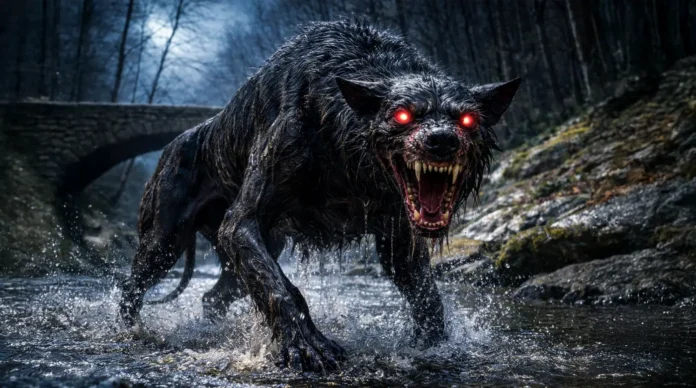
Dip is a spectral black dog from Catalan folklore, often seen as a harbinger of evil and death. Known...

The Näcken is a water spirit from Scandinavian folklore, known for its enchanting musical abilities and shapeshifting nature.
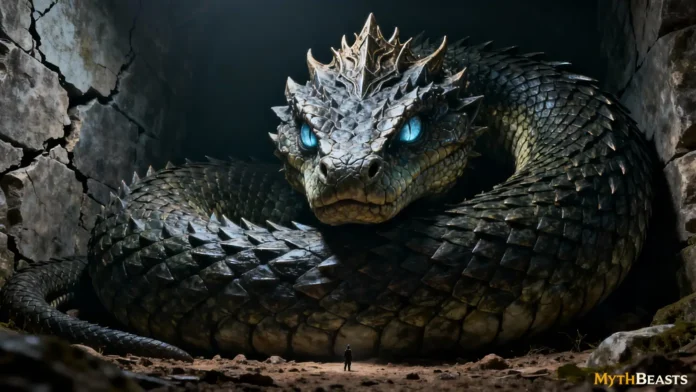
Basilisk, ancient Greco-Roman and medieval European serpent, crowned and colossal, whose lethal gaze embodies death, corruption, and sovereign terror...
Sub Categories
African Kingdoms
African Kingdoms often symbolize a period of prosperity and cultural richness in mythology, representing a time when societies flourished through trade, art, and governance. This era is seen as a foundation for understanding communal values and leadership principles in mythological narratives.Mythological thinking during the African Kingdoms period emphasizes the interconnectedness of people, nature, and the divine. It frames belief systems that highlight harmony, justice, and the moral responsibilities of rulers and individuals.
Andean Civilizations
800 CE - 1476 CE. The Andean civilizations of Peru, including the Wari and Chimu, developed advanced agriculture, road systems, and impressive architecture. They were precursors to the Inca Empire and known for their cultural innovations.
Carolingian Empire
800 CE - 888 CE. The Carolingian Empire, founded by Charlemagne, marked a revival of art, culture, and learning in Western Europe. It laid the groundwork for the Holy Roman Empire and influenced European politics for centuries.
Feudal Japan
Feudal Japan was a period of political upheaval, artistic innovation, and mythological flourishing. Spanning from the Kamakura Period (1185 CE - 1333 CE) to the Sengoku Period (1467 CE - 1600 CE), this era was defined by samurai rule, clan warfare, and a rigid social hierarchy. Amid the chaos, folklore and mythology played crucial roles in uniting communities and preserving cultural values.Legends of supernatural creatures like the Bake-kujira and Yurei emerged, blending fear and moral lessons with spiritual themes. Ghosts, spirits, and shapeshifters reflected societal anxieties while underscoring the importance of respecting nature and traditions. Folktales of samurai courage and betrayal were deeply intertwined with this era's vibrant religious practices, including Shinto and Buddhist influences.
Ghana Empire
300 CE - 1240 CE. The Ghana Empire, located in West Africa, thrived on the trans-Saharan trade, dealing primarily in gold and salt. It was an influential center of commerce and culture, laying the foundation for subsequent West African empires.
Heian Period
794 CE - 1185 CE. The Heian Period in Japan was an era of great cultural refinement, with developments in literature, art, and courtly traditions. The Tale of Genji, considered the world's first novel, was written during this time.
Islamic Golden Age
750 CE - 1258 CE. The Islamic Golden Age saw a flourishing of science, medicine, and philosophy in the Middle East. This period was marked by the translation of ancient texts, as well as advances in mathematics and astronomy.Islamic mythology included creatures like the Djinn, supernatural beings made of smokeless fire, and the Roc, a giant bird capable of carrying elephants. These beings were part of the rich tapestry of Islamic culture and storytelling.
Kanem Empire
700 CE - 1380 CE. The Kanem Empire was a powerful Central African kingdom, noted for its extensive trade networks and military prowess. Islam was introduced during this period, and the empire played a key role in regional politics.
Khmer Empire
802 CE - 1431 CE. The Khmer Empire, centered in Cambodia, was known for its impressive architectural achievements, particularly the Angkor Wat temple complex. The empire was highly influential in Southeast Asia, blending Hindu and Buddhist traditions.
Maya Classic Period
250 CE - 900 CE. The Maya civilization reached its peak during the Classic Period, known for its advancements in mathematics, astronomy, and writing. They built elaborate cities and developed a complex calendar system still recognized today.
Medieval Europe
500 CE - 1500 CE. Medieval Europe was a time of feudalism, knights, and castles. The Catholic Church played a central role in shaping the culture, with saints and relics becoming part of everyday life. The mythology of this era featured dragons, unicorns, and other fantastical creatures.Legends like those of King Arthur and the quest for the Holy Grail emerged, blending Christian themes with older Celtic myths. Mythical beasts were often symbols of moral and spiritual trials.
Medieval Irish
The Medieval Irish period spans roughly from the 5th to the 16th century, reflecting a time of significant cultural and societal development. It is characterized by the integration of Christian beliefs with earlier mythological traditions.In Medieval Irish mythology, this era symbolizes a blending of old and new worldviews, framing a belief system where legendary heroes and Christian saints coexist. This fusion influenced literature and oral storytelling.
Medieval Slavic
Medieval Slavic (10th-15th centuries) culture is a rich blend of folklore, mythology, and religious traditions, shaped by the interaction of pagan beliefs and Christian influences. Central to Slavic mythology were nature spirits, deities like Perun (god of thunder) and Mokosh (goddess of fertility), and mythical creatures such as rusalkas and domovoi.Folklore featured heroic epics, known as byliny, which celebrated legendary figures like Ilya Muromets. Rituals and seasonal festivals, such as Kupala Night and Maslenitsa, reflected the cycles of nature and agricultural life. With the rise of the Orthodox Church, Slavic mythology fused with Christian elements, creating a unique cultural identity that influenced art, literature, and community traditions across the region.
Muromachi
The Muromachi Period (1336–1573 CE) was a dynamic era in Japanese culture, rich with folklore, mythology, and artistic growth. Zen Buddhism heavily influenced the arts, inspiring serene rock gardens, ink wash paintings, and the iconic tea ceremony. Folktales and myths about yokai (supernatural creatures) like kappa and kitsune flourished, embodying fears and moral lessons of the time.Noh theater emerged as a sophisticated art form, blending ritualistic performances with stories of spirits, gods, and legendary heroes. Samurai culture evolved, intertwining martial prowess with refined artistic and philosophical pursuits. This period’s synthesis of mythological themes and artistic expression created a cultural legacy that continues to resonate deeply in Japanese identity.
Pre-Colonial Africa
Pre-Colonial Africa refers to the flourishing of African kingdoms and empires prior to European colonization. Notable civilizations during this time include the Ghana Empire, Mbundu Kingdoms, and Zulu clans. This period was defined by thriving trade networks, oral traditions, and complex spiritual systems.
Folklore from this era, such as the Kishi and Tikoloshe, emphasized morality, survival, and the mystical forces of nature. These myths shaped the daily lives of communities and were central to rituals and storytelling traditions.
Pre-Colonial Amazonian
Before 1500s. The Pre-Colonial Amazonian period encompasses indigenous cultures of the Amazon basin, known for their deep connection to nature, shamanic practices, and complex societies that flourished prior to European contact.
Pre-Colonial Chile
Before 1500s. Pre-Colonial Chile refers to the period before European contact, marked by Mapuche culture and other indigenous groups, rich in mythology and reverence for the natural world.
Pre-Colonial North America
Pre-colonial North America reflects the rich cultural, folkloric, and mythological heritage of its Indigenous peoples. This era is marked by deep spiritual connections to the land, as tribes believed in the sacred interplay of natural forces and the spirit world.Mythology often centered on creation stories, animal spirits, and celestial deities, with figures like the Great Spirit, Coyote, and Thunderbird symbolizing power, wisdom, and transformation. Folklore was passed through oral traditions, weaving tales of heroism, harmony, and caution. Ceremonies, dances, and sacred rituals celebrated the seasons, honored ancestors, and maintained balance with nature.
Pre-Colonial South America
Pre-Colonial South America (before 1500 BCE) was a land of rich folklore and mythology, shaped by diverse civilizations such as the Inca, Maya, and Aztec. These cultures created profound stories that explained the natural world, the origins of life, and the forces governing their societies. Legends of powerful gods like Inti, the sun god, and Viracocha, the great creator, reflect a deep reverence for nature and celestial phenomena.Mythical beings like the feathered serpent Quetzalcoatl and trickster figures such as Supay, the god of the underworld, played central roles in cultural storytelling. Rituals, dances, and carvings perpetuated these myths, blending spirituality with daily life. These vibrant traditions continue to inspire and shape South American identity.
Silla Dynasty
57 BCE - 935 CE. The Silla Dynasty unified much of the Korean Peninsula and was marked by advancements in Buddhism, architecture, and governance. This period saw significant cultural and technological development, influencing later Korean history.
Song Dynasty China
960 CE - 1279 CE. The Song Dynasty in China was known for its advances in technology, including gunpowder, printing, and navigation. It was a time of economic growth and urbanization, with a flourishing of the arts.Mythological creatures like dragons and phoenixes were central to Chinese beliefs about imperial power and cosmic order. These creatures symbolized the balance of yin and yang, and the harmony of the universe.
Srivijaya Empire
650 CE - 1377 CE. The Srivijaya Empire was a maritime and commercial kingdom in Indonesia that controlled key trade routes between India and China. Its capital, Palembang, was a major religious center for Buddhism.
Swahili Coast
800 CE - 1500 CE. The Swahili Coast was a thriving trade region along East Africa, connecting Africa to the Middle East and Asia. It was marked by a unique blend of African, Arab, and Persian cultures, with cities like Kilwa and Mombasa.
Viking Age
793 CE - 1066 CE. The Viking Age saw Scandinavian warriors and explorers expand across Europe, raiding and trading from their homelands. Norse mythology featured gods like Odin and Thor, as well as mythical beasts like Fenrir, a giant wolf destined to devour the world.The Vikings believed in an apocalyptic battle called Ragnarök, during which these creatures would fight against the gods. Viking culture was also known for its seafaring prowess and intricate craftsmanship.