back to top

Undead & Spirit

Undead & Spirit entities embody themes of life after death, haunting myths with their presence and roles in various cultural beliefs.

Relevant Beasts

Celtic
Ghostly Apparition
Banshee - Celtic folklore
Celtic

Banshee

The Banshee is a legendary figure rooted deeply in Irish mythology, recognized primarily for her mournful wail that is...
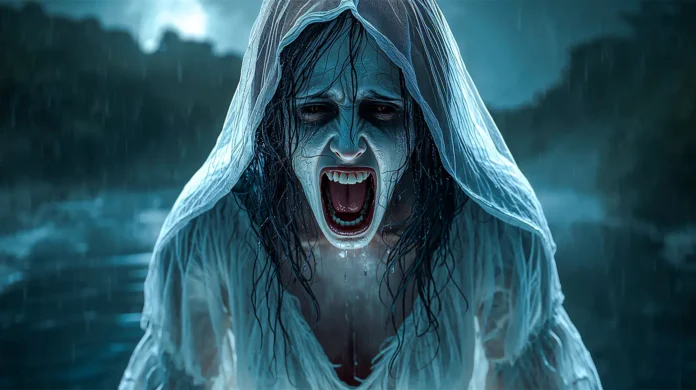
  • Skills
Death & NecromancyDeath Sense
  • Weaknesses
Divine RestrictionsHoly Ground
Mexico
Ghostly Apparition
La Llorona - Mexican Folklore ghost stories
Mexico

La Llorona

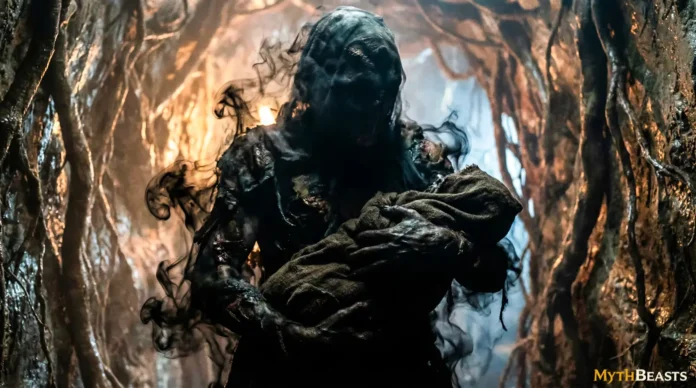
A cursed ghostly woman of Mexican folklore, La Llorona eternally wanders riverbanks, weeping for her lost children and luring...
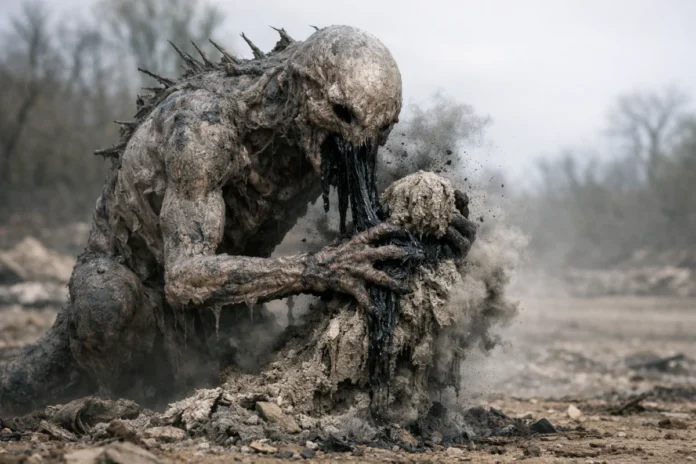
  • Skills
Aura of DeathDeath Sense
  • Weaknesses
Divine RestrictionsMortal Flaws
Europe
Vampire
Vampire - Slavic Folklore
Slavic

Vampire

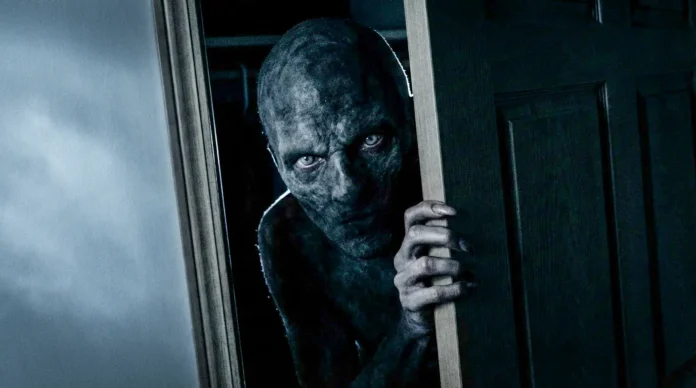
A fearsome undead being from Eastern European folklore, the Vampire feeds on life essence. It is tied to dark...

  • Skills
Healing & LifeHypnosis
  • Weaknesses
Divine RestrictionsElement Sensitivities
Celtic
Ghostly Apparition
Bean Nighe - Scotish Folklore
Celtic

Bean Nighe

The Bean Nighe is a Scottish spirit from Celtic lore, known as a harbinger of death who washes bloodied...

  • Skills
Death & NecromancyDeath Sense
  • Weaknesses
Blessed WeaponDivine Restrictions
Celtic
Vampire
Baobhan Sith - Celtic folklore
Celtic

Baobhan Sith

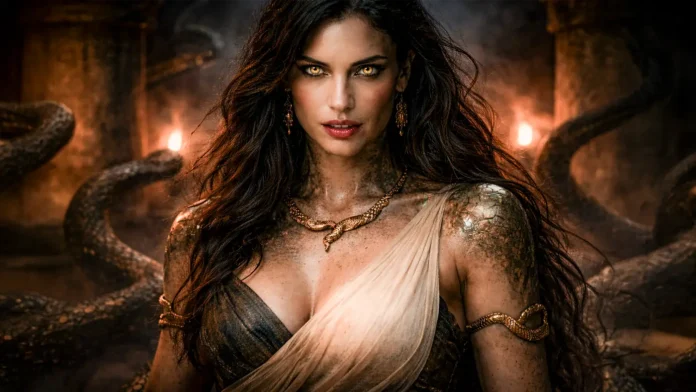
Baobhan Sith are vampiric fae from Scottish folklore who prey on travelers at night, seducing them before feeding. Active...

  • Skills
Healing & LifeLife Drain
  • Weaknesses
Blessed WeaponDivine Restrictions
Mississippian
Flesh-Eating Undead
Wendigo - North American folklore
Mississippian

Wendigo

The Wendigo, rooted in Algonquian folklore, embodies insatiable greed and cannibalism. Depicted as a gaunt, emaciated figure with...

  • Skills
Cold ResistanceEnhanced Stamina
  • Weaknesses
Blessed WeaponFire Vulnerable

Sub Categories

Bone Harbinger

Bone Harbinger is a mythological beast type characterized by its skeletal form and spectral presence. It often heralds death or transformation, serving as a grim omen in various cultural narratives. Bone Harbinger typically embodies themes of mortality, the passage of time, and the inevitability of change.Symbolically, Bone Harbinger represents the boundary between life and death, often appearing in stories to warn or guide characters during pivotal moments. These creatures play pivotal roles in mythologies, often seen as guardians of the afterlife or conveyors of fate.

Crypt Shade

Crypt Shade is often depicted as an elusive entity inhabiting shadowy realms or hidden spaces. These beings are characterized by their semi-ethereal form, blending with darkness and mystery.Symbolically, Crypt Shade embodies themes of secrecy and the unknown, often serving as guardians of forgotten knowledge. In narratives, they challenge heroes to confront fears or uncover hidden truths.

Dark Spirit

Dark Spirit typically embodies the unseen and mysterious, often associated with the afterlife or the unknown. In myths, Dark Spirit can manifest as an ominous presence or guiding force.Symbolically, Dark Spirit often represents transformation, fear, or the boundary between life and death. Narratively, Dark Spirit usually serves as a harbinger of change or a test of courage.

Deathless Shade

Deathless Shade refers to mythological entities often portrayed as spectral or shadowy figures, symbolizing the boundary between life and death. They are typically characterized by their elusive, intangible nature.In narratives, Deathless Shade serves to explore themes of immortality and the afterlife, often acting as guardians or guides. Their presence underscores the eternal cycle and the mysteries beyond mortal existence.

Deathless Sorcerer

The Deathless Sorcerer in mythology often embodies immortality, wielding powerful magic to defy natural laws. These figures typically possess profound knowledge, granting them influence over life and death.Symbolically, the Deathless Sorcerer represents the quest for eternal life and the consequences of wielding unchecked power. Narrative roles often involve challenges against heroes, highlighting themes of hubris and mortality.

Ethereal Guard

Ethereal Guard are mythological creatures often depicted as protectors of sacred spaces or divine realms. They are typically characterized by their intangible or semi-physical forms, representing both strength and vigilance.Symbolically, Ethereal Guard embody the boundary between the mortal and divine, serving as guardians against threats. In narratives, they often challenge heroes, testing their worthiness to enter sacred areas.

Flesh-Eating Undead

Flesh-Eating Undead are mythological creatures characterized by their insatiable hunger for human flesh, often depicted as reanimated corpses. They embody themes of fear, taboo, and the violation of natural laws.Symbolically, Flesh-Eating Undead represent the disruption of life cycles and societal norms. Narratively, they often serve as harbingers of doom or consequences of moral transgressions within mythological stories.

Flying Head

Flying Head is a mythological beast type characterized by its large, disembodied head, often depicted with fiery eyes and long, flowing hair. This creature typically flies through the air, instilling fear.Symbolically, Flying Head represents chaos and retribution, often appearing in narratives as a harbinger of doom or vengeance. Its role is to challenge heroes or punish wrongdoing within these myths.

Forgotten Phantom

Forgotten Phantom is a mythological beast type often characterized by its elusive presence and ethereal form. Typically, these phantoms are depicted as spectral entities, capable of vanishing into thin air. They are often associated with themes of memory, loss, and the passage of time, embodying the unseen or forgotten aspects of existence.In mythological narratives, the Forgotten Phantom often serves as a harbinger, guiding characters through transitions or reminding them of past events. Their appearances can symbolize the need to confront unresolved issues or hidden truths. Despite their ghostly nature, they are not inherently malevolent, acting instead as catalysts for introspection and change.

Ghostly Apparition

Ghostly Apparition generally appears as a spectral presence, often translucent or ethereal. These entities are typically associated with the afterlife, embodying unresolved emotions or unfinished business from their mortal existence.In mythological narratives, Ghostly Apparition serves as a harbinger or messenger, often conveying warnings or revealing hidden truths. They symbolize the permeable boundary between the living and the dead.

Grave Lurker

Grave Lurker is a mythological beast type characterized by its association with burial sites, often depicted as guardians or inhabitants of tombs. These creatures typically embody themes of death and the afterlife.Symbolically, Grave Lurker represents the boundary between the living and the dead, serving as protectors of sacred ground. In narratives, they often challenge intruders or guide the deceased.

Haunting Spirit

Haunting Spirit is often characterized by its ethereal presence, typically manifesting in ghostly or spectral forms. These entities are associated with lingering unrest or unresolved issues from their past lives.Symbolically, Haunting Spirit represents themes of unfinished business or the consequences of past actions. In narratives, they often serve as reminders of mortality, urging the living to address unresolved matters.

Lich Shade

Lich Shade typically embodies the concept of undead sorcery, often appearing as spectral figures with a shadowy presence. They are frequently associated with forbidden knowledge and necromantic power, wielding dark magic.In mythological narratives, Lich Shade often represents the consequences of defying natural laws. They serve as cautionary figures, illustrating the dangers of immortality and the pursuit of power beyond mortal limits.

Nether Phantom

Nether Phantom is a mythological beast type often associated with the afterlife or the spirit world. It typically embodies ethereal and elusive characteristics, moving silently and unseen.Symbolically, Nether Phantom represents themes of transition and mystery, often serving as a guide or guardian in narratives. Its presence usually signifies a connection between the physical and spiritual realms.

Phantom

Phantom in mythology is often characterized by its elusive and ethereal nature. Typically, Phantom lacks a tangible form, making it difficult to perceive or capture directly. Representing the boundary between the seen and unseen, Phantom embodies the mysteries of the afterlife or the unknown.Symbolically, Phantom often signifies unresolved issues or lingering spirits, acting as a bridge between worlds. In narratives, Phantom usually serves as a harbinger or a reminder of past events. Appearing suddenly and vanishing just as quickly, Phantom challenges characters to confront hidden fears or unfinished business.

Reanimated Corpse

Reanimated Corpse typically appears as a deceased being brought back to a semblance of life, often retaining decayed features. These entities are frequently controlled by magic or curses.In mythological narratives, Reanimated Corpse symbolizes unresolved issues or unfinished business. They often serve as cautionary figures, highlighting themes of hubris, forbidden knowledge, and the consequences of defying natural order.

Restless Soul

Restless Soul typically refers to a spirit unable to find peace after death, often due to unresolved issues or unfinished business. These entities are frequently depicted as ethereal and transient.In myth, Restless Soul symbolizes lingering regret or unresolved grievances, serving as a narrative device to explore themes of redemption and closure. They often highlight the consequences of past actions.

Revenant

Revenants are mythological creatures often depicted as reanimated corpses or spirits returning from the dead. They typically embody themes of unfinished business, vengeance, or unresolved emotions. Their presence in folklore highlights fears of the dead disrupting the living world, often serving as a warning or moral lesson.Symbolically, Revenants represent the persistence of grudges or guilt beyond death. They frequently appear in narratives as reminders of past wrongs seeking redress. Revenants underscore cultural anxieties about mortality and the consequences of one's actions, bridging the gap between life and the afterlife.

Revenge Spirit

Revenge Spirit is a mythological beast type characterized by its vengeful nature and ethereal presence. Typically, it embodies unresolved grievances, often appearing after unjust deaths or betrayals. These spirits frequently seek retribution against those responsible for their suffering, acting as agents of justice or wrath.Symbolically, Revenge Spirit represents themes of justice, vengeance, and the consequences of wrongdoing. In narratives, they often serve as cautionary figures, reminding audiences of the moral and ethical obligations to others. Their presence underscores the potential for unresolved conflicts to transcend death.

Spectral Beast

Spectral Beasts are often characterized by their ethereal, ghostly nature, appearing translucent or shrouded in mist. They are typically associated with the afterlife, haunting, or spiritual realms.Symbolically, Spectral Beasts represent the boundary between life and death, embodying mystery and the unknown. In narratives, they often serve as harbingers, guiding souls or delivering ominous messages.

Spectral Being

Spectral Beings are often characterized by their ethereal, ghostly appearance, lacking physical substance. They typically manifest in shadowy or translucent forms, evoking mystery and the supernatural. These entities frequently possess the ability to move through solid objects, appearing and disappearing at will, which enhances their otherworldly nature.Symbolically, Spectral Beings represent themes of death, the afterlife, or unresolved issues. In narratives, they often serve as harbingers or messengers, revealing hidden truths or warning of impending events. Their presence can signify a connection between the physical and spiritual realms, offering insight or guidance to the living.

Spectral Servant

Spectral Servant is typically depicted as an ethereal entity bound to a master, often performing tasks beyond the mortal realm. These beings are characterized by their ghostly, intangible forms.Symbolically, Spectral Servant represents themes of loyalty and servitude, often appearing in narratives involving magic or the supernatural. Their role frequently involves guardianship or assistance to powerful figures.

Spirit Lurker

Spirit Lurker is a mythological beast type known for its elusive nature and connection to the unseen realms. Often associated with shadowy environments, Spirit Lurkers possess an ethereal presence, making them difficult to detect. They are typically characterized by their ability to navigate between worlds, embodying both mystery and the unknown.In mythological narratives, Spirit Lurker often symbolizes the hidden aspects of the psyche or the mysteries of the afterlife. They frequently serve as guardians or guides, leading individuals through transitional phases. Their presence in stories underscores themes of transformation and the exploration of the subconscious.

Tomb Warden

Tomb Wardens are mythological creatures often depicted as guardians of burial sites. They are typically associated with protecting the dead from desecration and ensuring the sanctity of resting places.Symbolically, Tomb Wardens represent vigilance and the boundary between life and death. In narratives, they serve as obstacles to intruders, reinforcing themes of respect for the deceased and sacred spaces.

Undying Revenant

The Undying Revenant is often depicted as a being that defies death, returning with an unfulfilled purpose. These creatures are typically characterized by an unyielding drive and supernatural resilience.Symbolically, the Undying Revenant embodies themes of vengeance, unfinished business, or eternal punishment. In narratives, they often serve to challenge heroes, reveal hidden truths, or restore disrupted balance.

Vampire

Vampires are mythological creatures often depicted as undead beings that subsist on the life essence, typically in the form of blood, of the living. They are frequently associated with immortality, nocturnal habits, and transformative abilities, such as shapeshifting into bats or mist.Symbolically, vampires often represent themes of death, forbidden desire, and the fear of the unknown. In narratives, vampires serve as antagonists or cautionary figures, embodying societal anxieties and challenging moral boundaries within their respective cultural contexts.

Veiled Specter

Veiled Specter is often characterized by its ethereal, ghostly presence, shrouded in mystery and obscured by a veil. This mythological beast type frequently symbolizes death, transition, or hidden truths across various traditions.In narratives, Veiled Specter typically serves as a harbinger or guide, leading characters through unknown realms. Its presence often signifies impending change, urging reflection and confronting concealed fears.

Wraith Seeker

Wraith Seeker is a mythological beast type often depicted as a spectral entity with an ethereal presence. It is commonly associated with the pursuit of lost souls or hidden truths.Symbolically, Wraith Seeker represents the relentless search for that which is unseen or forgotten. In narratives, it frequently serves as a guide or harbinger of transformation, revealing concealed paths.

Undead & Spirit – Overview

The Undead & Spirit type is a mythological category encompassing beings that persist beyond death or exist as spiritual entities. These beings are found in numerous cultural narratives as manifestations of unresolved life forces or souls. They often embody liminal states between life and afterlife, challenging the boundaries of existence and mortality.Such entities are commonly associated with themes of death, transformation, and the afterlife, playing significant roles within mythological systems. They frequently serve as agents of supernatural retribution, guardians of sacred spaces, or conveyors of messages from the beyond. The concept underscores cultural perspectives on mortality and the continuity of the soul.Cultures worldwide present variations, yet they share a foundational emphasis on the persistence of consciousness beyond physical death. This highlights a shared human preoccupation with life after death, moral accountability, and the nature of the soul. The Undead & Spirit category includes phantoms, revenants, and ancestral spirits, illustrating diverse aspects of these concerns.

Defining Characteristics

Physical Form and Morphology

Undead & Spirit creatures often exhibit ethereal or incorporeal appearances, reflecting their existence beyond normal physicality. Some may manifest as ghostly apparitions with vague, translucent forms, signifying their lack of corporeal substance. Others, particularly revenants, might retain decayed or skeletal remnants of their former human shapes.Despite variations, the absence of typical life indicators, like warmth or stable physical form, is a common trait. This lack of physical integrity underscores their separation from the living world. Additionally, they may possess supernatural abilities, such as passing through walls or becoming invisible, further emphasizing their non-physical nature.

Ontological Nature

Mythologically, these beings are viewed as transitional, occupying spaces between life and death. They often function as semi-divine or cosmic entities, revealing mysteries of existence. Their ontological status challenges conventional boundaries, suggesting a universe where the dead can influence the living.In many traditions, spirits serve as conduits between realms, possessing knowledge inaccessible to mortals. This liminal quality allows them to act as mediators or guides, offering insights from the other side. Their existence hints at a universe where life and death are interconnected, reflecting cultural beliefs about the soul’s journey.

Mythological Role and Function

Place in Mythological Systems

These entities occupy integral roles within mythological systems, often bridging earthly and divine realms. They may interact with gods or natural forces, serving as intermediaries or instruments of divine will. Their presence in myths underscores the permeability of metaphysical boundaries, illustrating life’s interconnectedness with the spiritual realm.In many cultures, they also challenge the moral order, acting as reminders of unfulfilled obligations or unresolved issues. This role emphasizes cultural values regarding justice, reparation, and the cyclical nature of existence. By embodying these themes, they reinforce the moral and cosmological structures within which societies operate.

Perception and Meaning

Undead & Spirit entities are perceived variously as threats, guides, or omens. In some traditions, they are feared for their potential malevolence or desire to disrupt the living. Others view them as protectors or ancestral intermediaries, facilitating communication with the divine.Their symbolic significance often reflects cultural attitudes toward death and the afterlife. By personifying abstract forces, such as retribution or remembrance, they help societies conceptualize complex existential themes. This duality of threat and insight adds layers of meaning to their mythological presence.

Distinction from Related Beast Types

Conceptual Boundaries

Distinct from elemental or purely spiritual beings, Undead & Spirit creatures uniquely emphasize the persistence of personal identity beyond death. Unlike humanoid monsters, they lack a purely physical manifestation, existing in states that defy corporeal norms.Their focus on post-mortem existence separates them from elemental spirits, which embody natural forces. The hybrid nature of Undead & Spirit creatures blurs lines between life, death, and spirit, creating a unique mythological niche. This distinction highlights their role in exploring the continuity of consciousness and moral themes.

Common Sources of Confusion

Confusion arises when Undead & Spirit creatures are conflated with spirits due to overlapping attributes. Scholars emphasize specific traits, such as the focus on death and personal identity, to clarify distinctions. Comparative mythology highlights these differences, aiding accurate categorization.Such creatures often share elements with other categories, complicating classification. Awareness of cultural contexts and specific attributes helps distinguish them from purely spiritual entities. This approach aids in understanding their unique mythological functions and roles within broader cultural narratives.

Canonical Beasts Associated with This Beast Type

Draugr

From Norse mythology, the draugr are undead beings who guard treasure and haunt burial mounds. Known for their physical strength and malevolence, they exemplify the Undead & Spirit type’s focus on post-mortem existence.

Jiangshi

In Chinese folklore, the jiangshi are corpses reanimated through supernatural means. They hop to move and are often depicted as malevolent, illustrating the persistent life force concept central to the Undead & Spirit type.

Banshee

The banshee, from Irish folklore, is a ghostly female spirit known for her wailing, which foretells death. Her role as a harbinger of fate aligns with the symbolic role of Undead & Spirit entities in cultural narratives.

Historical Distribution and Cultural Context

Undead & Spirit beings appear globally, from ancient Egypt to medieval Europe. Their presence reflects diverse cultural responses to death, emphasizing common human concerns about mortality and the soul. This widespread distribution underscores the enduring relevance of these mythological themes.Throughout history, such entities have been integral to cultural rituals, serving as reminders of ancestral connections or moral accountability. Their continued evolution mirrors shifts in religious and societal values, highlighting the dynamic nature of mythological systems.

Scholarly Interpretation and Uncertainty

Variation in Definitions

Different cultures and academic frameworks offer varied interpretations of Undead & Spirit creatures. While some emphasize their role as moral enforcers, others focus on their intermediary function. These differences highlight the complexity of categorizing such beings.Historians and mythologists often debate the boundaries of this category, illustrating the diverse mythological landscapes they inhabit. Understanding these variations helps clarify how cultural and historical contexts shape interpretations of the undead and spiritual.

Limits of Available Evidence

No verified sources describe specific rituals or practices for all Undead & Spirit entities. Many traditions lack comprehensive documentation, leading to gaps in the mythological record. Scholars remain cautious, focusing on established interpretations over speculative reconstructions.This evidentiary limitation complicates efforts to form a unified understanding. It underscores the importance of careful analysis and acknowledgment of uncertainties in studying these mythological entities. Such an approach maintains scholarly integrity and respects cultural nuances.

Mythological Role Across Cultures

The recurring presence of Undead & Spirit beings in global mythology reflects universal concerns with death, morality, and the soul’s fate. By addressing fears of the unknown and providing moral guidance, they fulfill essential cultural functions. Their persistence underscores humanity’s enduring quest to understand life and transcendence.These entities offer insight into diverse cultural approaches to existential issues, enhancing comparative mythology’s role in understanding human thought. Recognizing their shared themes helps decode complex mythological systems, fostering broader appreciation of cultural diversity and commonality.