Introduction
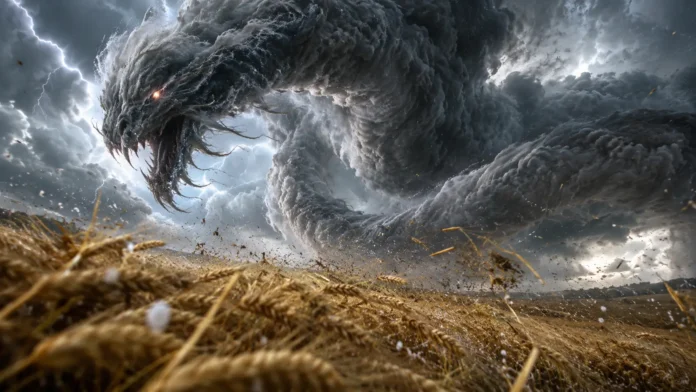
Ala, also called Hala, is a South Slavic supernatural being associated chiefly with destructive weather, especially storm winds and hail. Documented among Serbs, Bulgarians, and Macedonians, it belongs to traditions in which threatening clouds and damaged harvests reveal the activity of powerful, unseen beings.
The ala is best understood as a regionally varied weather demon, not a creature with one fixed anatomy. Local descriptions range from a terrifying black wind to a great serpent, while folktales may present the being as a woman inhabiting a remote house.
Its importance lies particularly in its relationship with cultivated land. Grain fields and vineyards could suffer under the clouds it carried, yet some traditions credited a local ala with protecting its own territory against outsiders.
The same supernatural power could therefore threaten or safeguard agricultural prosperity.
These differences are fundamental to the tradition. Weather beliefs, local legends, and household encounter tales preserve related but distinct versions of the being.
Reading them together reveals a flexible folkloric figure whose actions are more consistent than its appearance, temperament, or relationship with human communities.
History/Origin
The surviving evidence presents the ala through regional beliefs and stories rather than a single account of its creation. Serbian traditions are especially associated with eastern and southern Serbia, Pomoravlje, and Kopaonik, alongside related material from Bulgaria and Macedonia.
This distribution places the being within a connected South Slavic folklore landscape. Nevertheless, shared names and weather functions do not make every local account interchangeable.
A storm presence described in one district may differ substantially from the embodied visitor or forest-house mistress encountered in another.
Its historical background is closely tied to agriculture. Hail could devastate grain and grapes, making the movement of storm clouds a matter of immediate communal concern.
Beliefs about alas gave those destructive forces intention and placed local losses within a wider struggle between supernatural powers.
Regional legends also connect the being with particular landscapes. A Kopaonik account places an ala in a lake and attributes its killing to Romans, after which grain harvests declined.
That reference belongs to the legend’s remembered past; it does not establish a Roman-period attestation.
Christian figures entered the same field of weather conflict: certain saints appear among the ala’s opponents, alongside dragons and other defenders. Such combinations show that the recorded traditions accommodated Christian and other supernatural figures together, without providing a secure chronology for the development of each element.
Variation remained visible in later fieldwork. Nikolay Markov’s 2015 study discusses Banat Bulgarian testimony that did not yield one precise representation of Hala.
This matters historically because uncertainty about its body is part of the recorded tradition, not simply a gap introduced by modern summaries.
Name Meaning
The principal recorded names are ala and hala, sometimes combined in scholarly writing as “(H)ala.” Regional Serbian forms include aletina, aline, alosije, alčina, and halina.
Hala and halina are preserved particularly in western areas, including epic songs and fixed expressions; hala also occurs in Bulgaria.
The name’s origin remains disputed. Several dictionaries derive ala from a Turkish word glossed as “snake,” a connection that appears compatible with some serpentlike representations.
Folklorist Ljubinko Radenković nevertheless identifies a linguistic difficulty: this derivation does not readily account for the initial h in hala. He favors an alternative connecting the name with an Indo-European base given as holiti/haliti, glossed as “to cut back.”
This is a proposed etymology, not an established literal translation.
A Greek derivation associated with “hail” appears in the modern popular account published by Stari Sloveni. Its apparent fit with the being’s weather-related role does not establish the word’s linguistic history or give it precedence over specialist discussion.
Ala and Hala therefore name a documented folkloric being rather than supply an undisputed description of its body or powers. The association with storms and hail is well supported, but neither “snake” nor “hail” should be presented as the name’s settled meaning.
Appearance
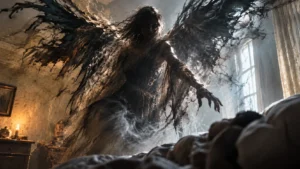
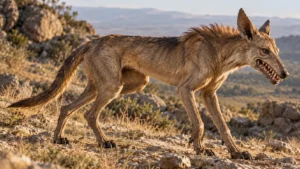
The ala has no uniform traditional body. Its most consistent identifying feature is its connection with storm winds and hail-bearing clouds.
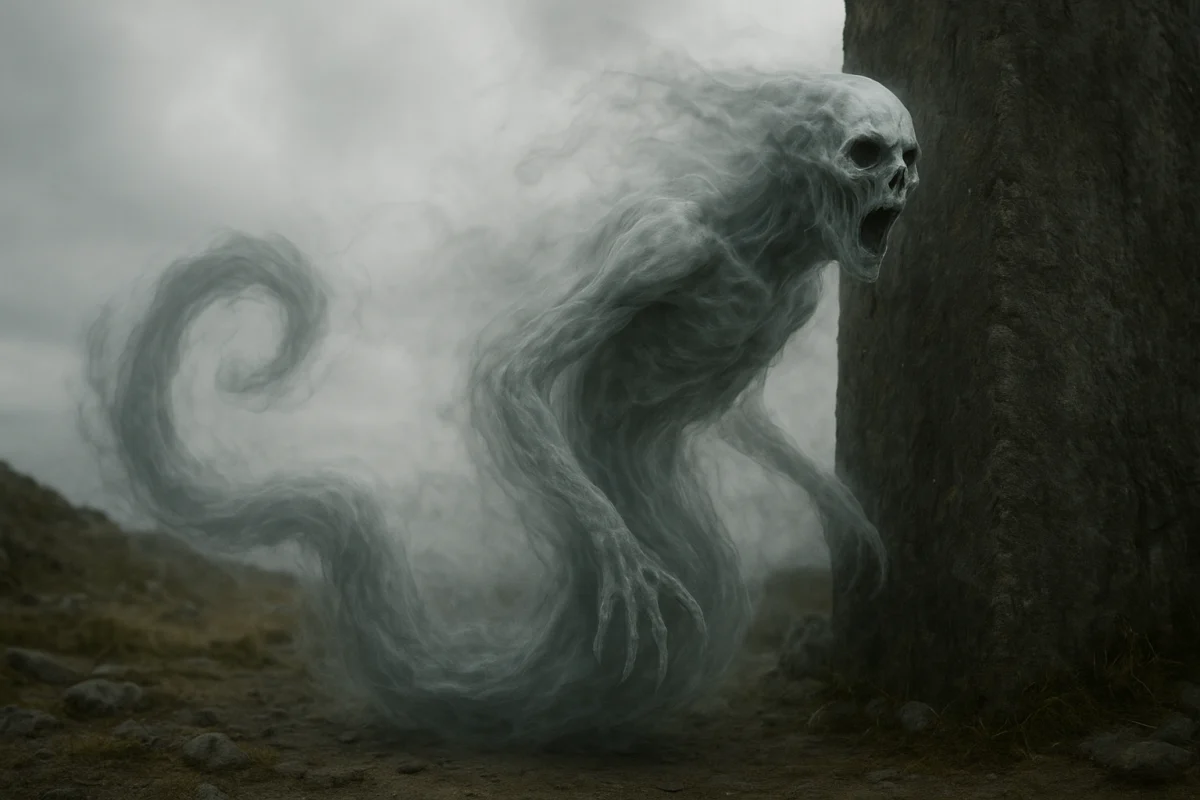
Some accounts describe a terrifying black wind rather than an animal, making the destructive weather itself the being’s visible or perceptible manifestation.
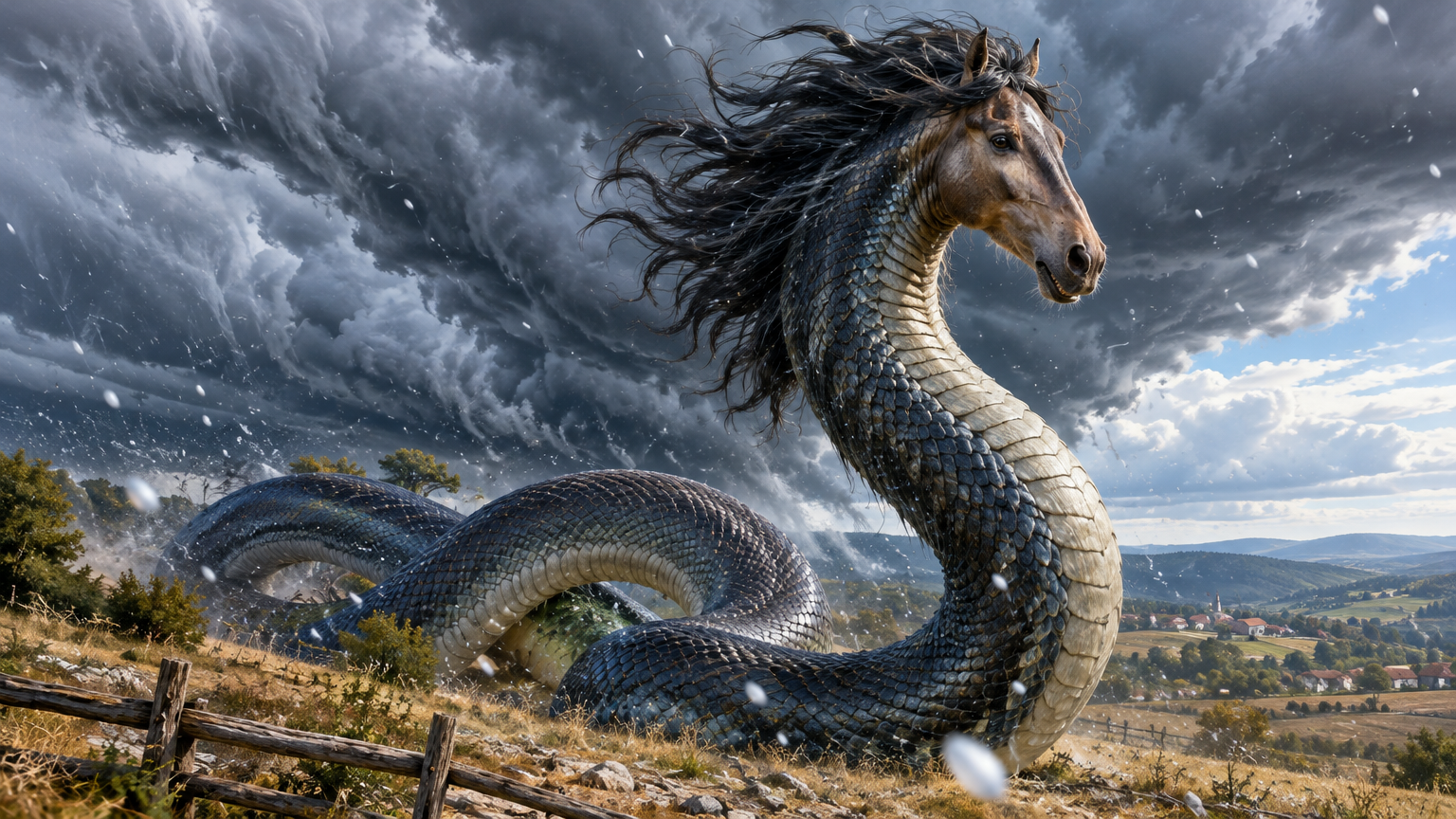
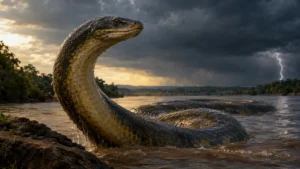
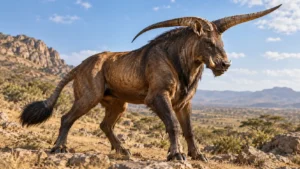
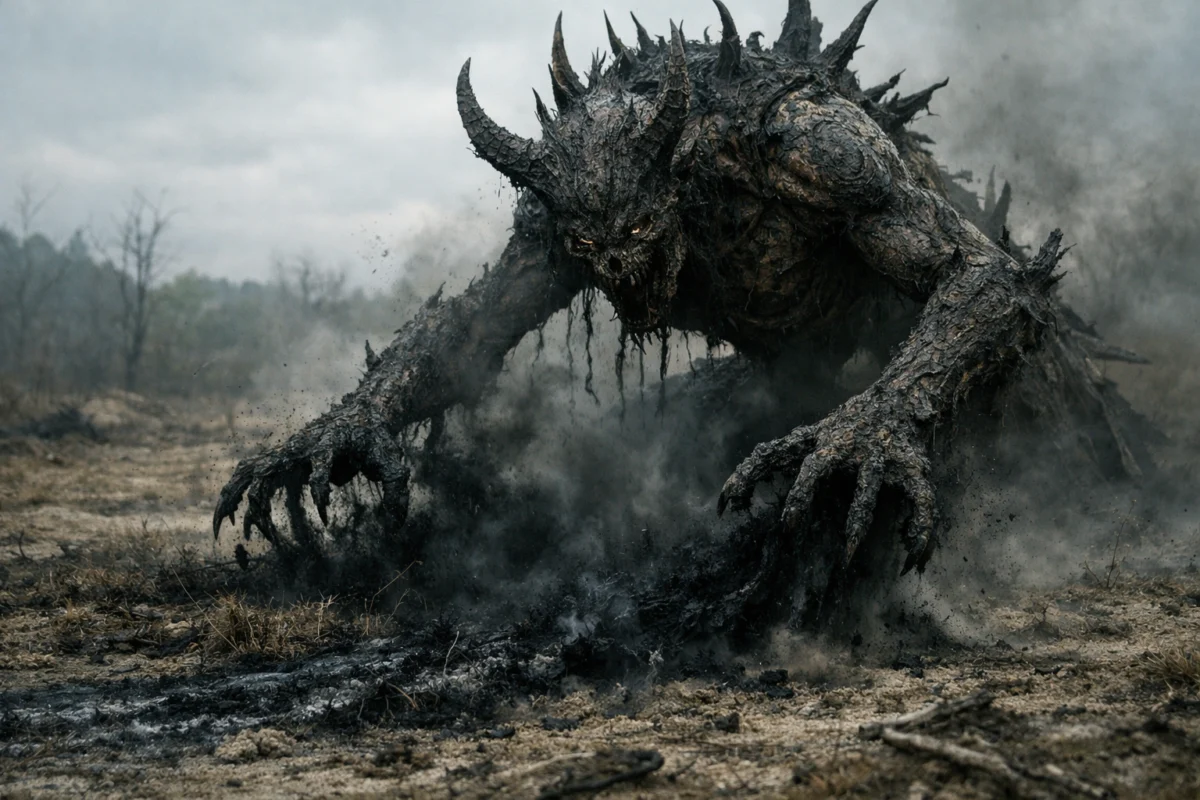
Other descriptions give it a great serpent’s form. A Leskovac-area account combines a serpent’s body with a horse’s head, producing a distinctive local composite.
This horse-headed appearance is a documented variant, not a standard anatomy that can safely be applied to every Serbian or Bulgarian ala.
A Homolje belief offers another striking form: a being with two heads and six fingers on each hand and foot. These details belong to that regional description.
Combining them with the Leskovac horse’s head would create a new monster rather than reproduce a recorded one.
Bird forms also occur, including an eagle associated with leading storm clouds. Yet eagles can elsewhere be opponents of the ala.
The apparent contradiction illustrates the importance of locality and narrative role: the same animal image need not carry the same supernatural identity across different accounts.
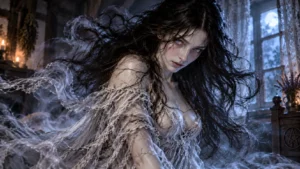
Human appearances belong especially to encounter tales. An ala may act as a woman in a remote household, while another story reveals her removing her head and fitting a horse’s head.
Such transformations make an ordinary-looking host dangerous without defining all alas as permanently horse-headed beings.
These forms should remain distinct rather than become a single catalogue of body parts. Wind, serpent, bird, and woman are alternative ways the tradition represents the being.
What connects them is supernatural agency, often expressed through threatening weather, unusual transformations, or encounters beyond ordinary human settlements.
Background Story
The ala’s background is not a personal biography but a network of beliefs about weather, food, territory, and dangerous encounters. Its ability to carry hail-bearing clouds links the sky directly with the survival of crops, giving agricultural destruction an intentional supernatural cause.
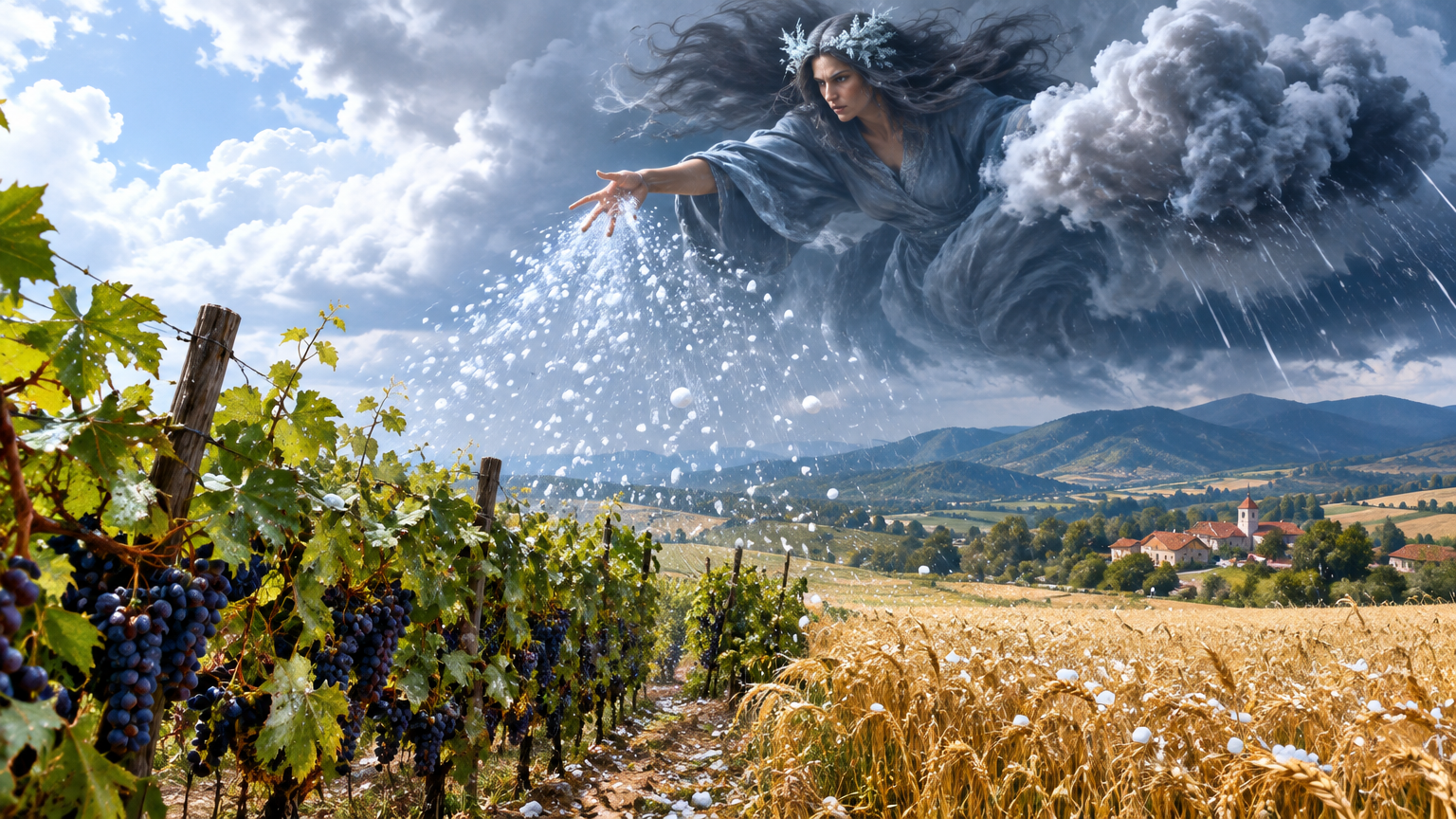
Grain and grapes are particularly concrete targets in the recorded material. A damaged vineyard or diminished harvest was not merely scenery for a monster story: it was the central loss requiring explanation.
The ala’s hostility could make an otherwise unpredictable disaster intelligible as an attack.
Territorial protection complicates that hostility. Some alas defended the harvests of their own locality against other alas. In this setting, the decisive distinction was not simply between a benevolent and an evil species, but between a community’s supernatural defender and the power threatening it from outside.
The Kopaonik lake legend expresses this dependence especially clearly. Harvests decline after the resident ala is killed, reversing the expectation that destroying a dangerous being must benefit people.
The local landscape’s prosperity can depend upon preserving a power that remains formidable and potentially threatening.
Folktales shift the setting from fields and clouds to a remote house. There, the ala can reward respectful conduct and punish offensive behavior.
The stepdaughter narrative, in which a mistreated girl receives gold after serving the ala, places the being within stories about unequal treatment and tested character.
This household role invites comparison with other dangerous supernatural hosts, including Baba Yaga, without making the figures identical. Across the ala’s different settings, human security depends on negotiating power that cannot be judged by appearance alone: a storm threat may protect crops, and a frightening host may reward kindness.
Famous Folklore Stories
Ala appears in recorded folktales and local legends, not simply in explanations of storms. The following descriptive headings group episodes surveyed by folklorist Ljubinko Radenković; they are editorial labels rather than authenticated traditional titles.
Their different settings preserve distinct aspects of the being.
Visitors at the ala’s house
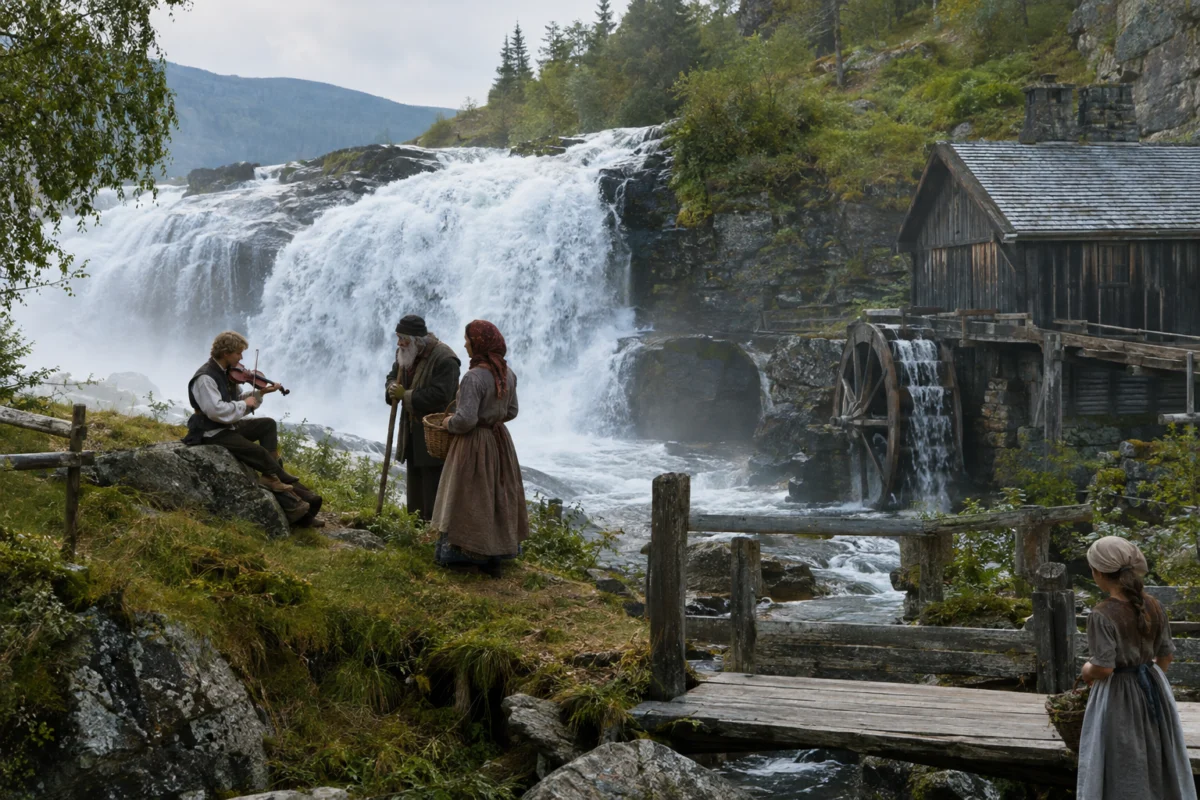
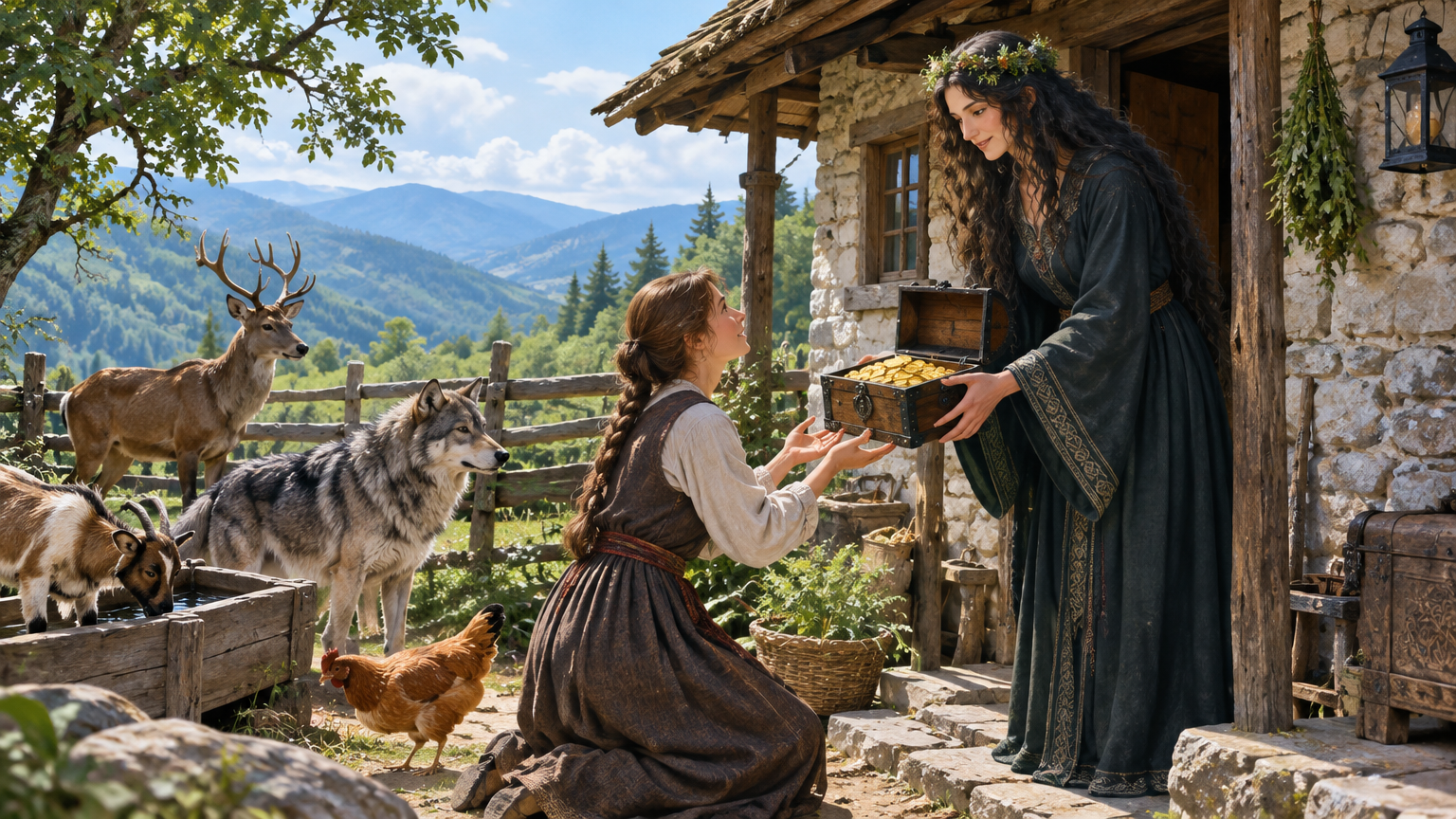
In one recorded folktale, a mistreated stepdaughter reaches an ala’s remote house. She behaves respectfully and cares for its wild animals, receiving a chest of gold as her reward.
Her stepsister subsequently behaves badly and is punished, reversing the fortunate outcome.
A separate tale makes the ala a child’s godmother. The mother visits and later reveals the disturbing things she witnessed, including the ala removing its head and fitting a horse’s head.
The ala then devours both woman and child.
These household episodes give the supernatural hostess contrasting roles: rewarding good conduct in one account and becoming a lethal threat in another. The horse-headed transformation belongs to the godmother episode specifically; it does not establish a standard appearance for every ala.
The lake guardian of Kopaonik
A regional Kopaonik legend tells of an ala living in a lake. People identified within the legend as Romans cover the water with beams carrying downward-pointing metal spikes and kill the being.
After its death, the surrounding area’s grain harvest declines.
The ending complicates the assumption that killing an ala must benefit people. Here, its continued presence is connected with agricultural prosperity.
The reference to Romans belongs to the legend’s remembered past, rather than providing independently verified evidence of an ancient event.
The vineyard destroyer and its distant human inhabitant
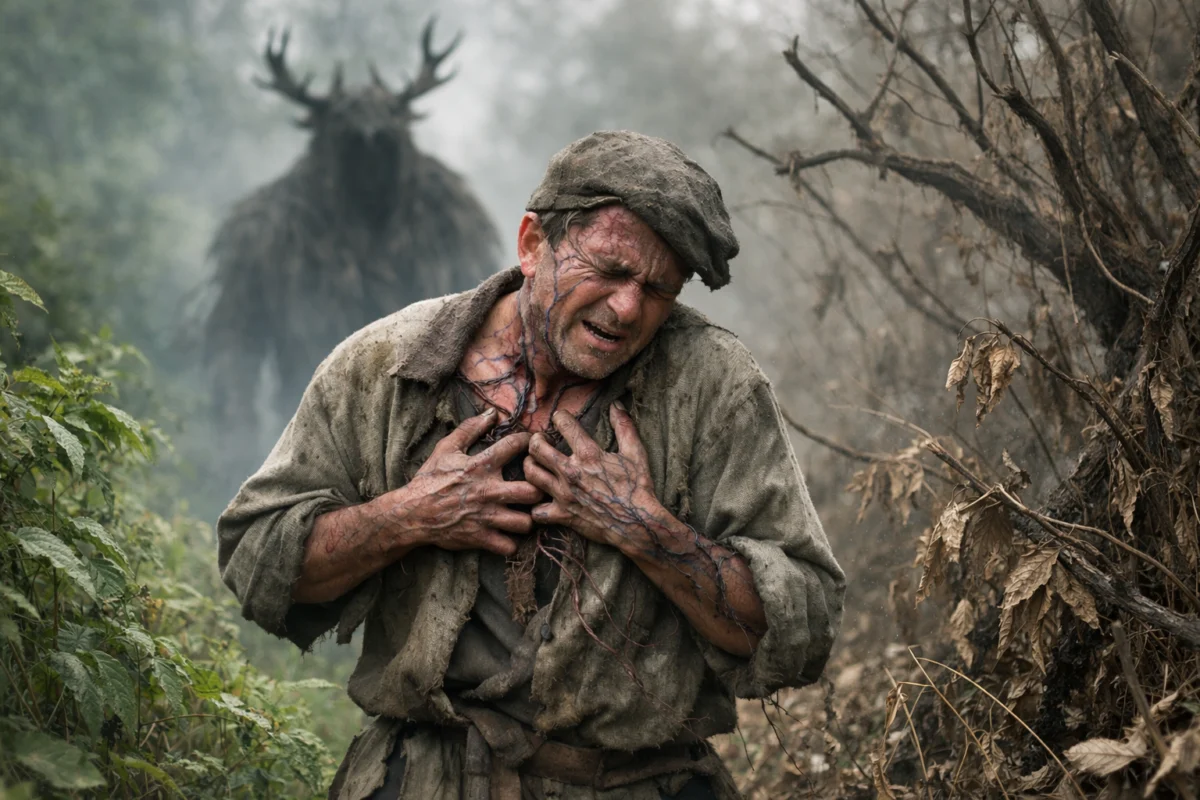
A tale recorded from eastern Serbia and Bulgaria concerns a man whose vineyard has been ruined by an ala. The destructive being is said to inhabit a thin man in a distant village.
The injured vineyard owner ultimately kills the ala.
This episode connects damage in cultivated land with a supernatural presence located elsewhere in human form. Unlike the Kopaonik legend, its emphasis is on overcoming an agricultural enemy.
The two accounts should therefore remain distinct, rather than becoming one universal story of protective or hostile alas.
Cultural Impact
Ala’s historical significance rests heavily on the vulnerability of agricultural life. Grain and grapes represented food, labor, and future security.
Connecting their destruction with an intentional supernatural agent gave sudden crop loss a place within a shared account of how the world worked.
Beliefs about territorial alas also expressed a community-centered understanding of prosperity. A being dangerous to neighboring harvests might defend its own district.
Protection and destruction could therefore describe the same figure viewed from opposite sides of a local boundary.
The household tales carried a different cultural emphasis. Respectful behavior, care for animals, and encounters with an unfamiliar hostess determine what happens to visitors.
In these narratives, the ala’s house becomes a setting for testing conduct rather than explaining a particular storm.
Modern folklore study brings these weather beliefs and narrative roles together without requiring them to form a single consistent mythology. Their cultural value lies partly in their differences: communities could imagine an ala as an enemy, a guardian, or a dangerous household figure.
Similar Beasts
Cailleach Bheur

Cailleach Bheur is a Scottish Gaelic supernatural figure associated with winter, storms, frost, and the shaping of the landscape. Her powers embody the severity of the cold season.
Like Ala, she connects dangerous weather with supernatural agency. The comparison concerns their influence over the environment, although Cailleach Bheur’s winter associations differ from Ala’s particular connection with hail and threatened harvests.
Read more about Cailleach Bheur
Bannik
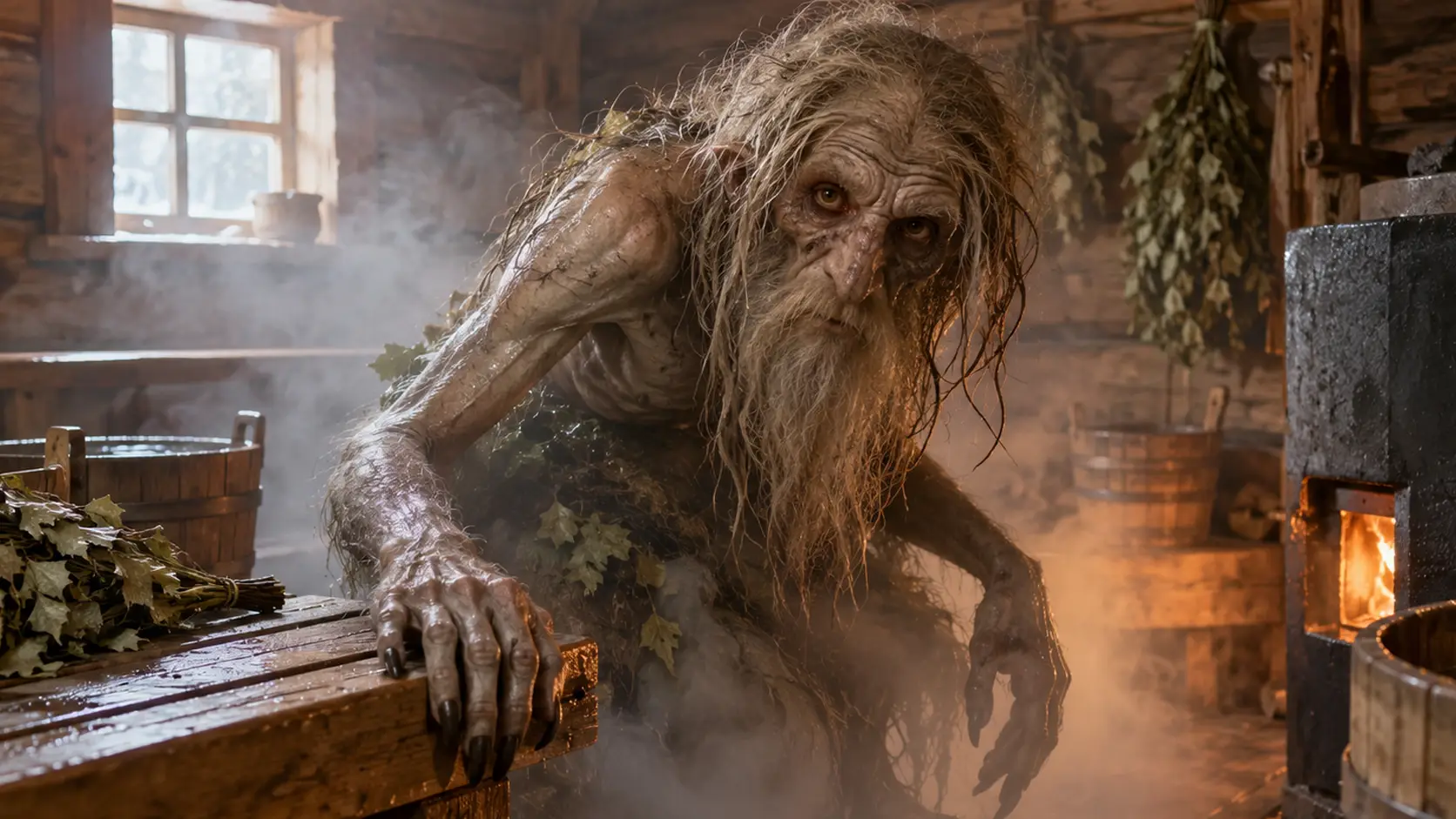
Bannik is an East Slavic bathhouse spirit, regarded as the supernatural owner or guardian of the building. Respectful conduct can help visitors avoid its anger, while improper behavior invites punishment.
This offers a parallel to the Ala encountered as a dangerous household hostess, whose treatment of visitors can depend on their conduct. Bannik’s bathhouse role does not make it a weather being or a direct equivalent of Ala.
Zmaj
Zmaj is a South Slavic dragon figure. In Serbian weather beliefs, dragons can defend crops and oppose alas, placing them among the supernatural protectors of agricultural prosperity.
Zmaj and Ala therefore belong to the same field of weather conflict but can occupy opposing sides. Their rivalry distinguishes them more clearly than a shared serpentlike appearance, especially because Ala has no single traditional body.
Lamja
Lamja is a supernatural being found in Bulgarian and Macedonian folklore, with a related name also occurring in Greek tradition. In some Bulgarian and Macedonian accounts, the name can serve as a synonym for Ala.
This makes Lamja a close regional comparison, but the relationship depends on the particular account. Local overlap does not establish that every Lamja and every Ala share the same appearance, powers, or narrative role.
Baba Yaga

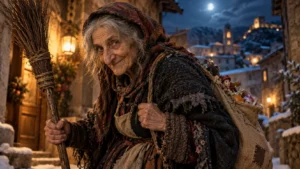
Baba Yaga is an East Slavic folktale figure associated with a remote dwelling and dangerous encounters. She can threaten visitors or provide assistance, making her more complex than a consistently hostile monster.
Her strongest parallel is with Ala as a supernatural hostess, particularly in tales where a visitor’s behavior shapes the outcome. This narrative resemblance does not establish a shared identity or give Baba Yaga Ala’s hail-bearing role.
Religion/Ritual
Local practices included gathering plants from places associated with alas for use in incantations. This is direct evidence of a connection between supernatural geography and practical magic, but it does not establish a uniform ceremony performed across Serbian, Bulgarian, and Macedonian communities.
Recorded opponents of the ala include dragons, eagles, certain saints, and people believed to possess dragonlike qualities. These belong to a varied protective framework.
Their presence in belief should not automatically be converted into evidence for particular offerings, prayers, or scheduled observances.
The inclusion of saints places some ala beliefs within a Christian folk-religious setting alongside other supernatural defenders. The available evidence supports this coexistence, but not a precise reconstruction of how each local belief developed or a single organized cult devoted to Ala.
Scientific or Rational Explanations
Ala is documented as a folkloric being, not a scientifically observed animal. Its strongest recurring function is to explain destructive weather and crop damage through supernatural agency.
That distinction allows the beliefs to be studied without treating their narrative events as physical observations.
An environmental interpretation begins with the losses described: damaged grain, ruined vineyards, and threatening hail clouds. Personifying these dangers made them narratively intelligible.
This is an interpretation of the tradition’s function, however, rather than proof of the circumstances in which it first arose.
The territorial guardian motif also lends itself to a social reading. Prosperity could be imagined as something defended against outside supernatural rivals.
Such a reading helps explain the contrast between a locally beneficial ala and one blamed for destruction elsewhere, without assuming every community shared it.
Variation in appearance is important evidence rather than a problem requiring one zoological solution. Nikolay Markov’s study reports that surveyed Banat Bulgarian informants offered no single precise representation.
A stable association with bad weather could persist without a stable picture of the being’s body.
The folktales require a different analytical approach from weather beliefs. A rewarding hostess, a devouring godmother, and a being inhabiting a distant person serve different narrative purposes.
Reading them in their respective contexts is more informative than explaining every episode as a disguised description of hail.
Modern Cultural References
Ala has confirmed modern representation in tabletop role-playing material. The examples below adapt the being for fictional encounters and campaign design; they are creative reinterpretations, not evidence that traditional communities shared a single description of its appearance or powers.
Tome of Beasts 1, tabletop role-playing game bestiary (2023 edition)
Kobold Press’s bestiary supplies creatures for tabletop fantasy adventures.
Its Ala entry adapts the folkloric being into a game monster, with the edition available through D&D Beyond.
(dndbeyond.com)
Tome Unleashed: Ala, tabletop role-playing game supplement (2023)
Mike Welham’s Kobold Press article expands the Ala’s tabletop role.
It provides alternate traits, actions, spells, items, and adventure hooks for incorporating the creature into fantasy campaigns.
(koboldpress.com)
Conclusion
Ala, also recorded as Hala, is best understood as a regionally varied South Slavic weather being rather than a monster with one fixed anatomy. Its recurring connection with destructive winds, hail, and threatened harvests gives coherence to otherwise diverse accounts.
Serbian, Bulgarian, and Macedonian traditions preserve different descriptions and narrative roles, while the name’s origin remains disputed. Respecting those differences keeps a local serpent, storm presence, or humanlike figure from becoming a misleading universal portrait.
The figure’s significance also extends beyond the destruction of crops. Tales of dangerous hospitality, supernatural rewards, and local harvest protection place Ala within a wider relationship between communities and uncertain forces.
Its capacity to threaten one place while protecting another complicates a simple division between benevolent guardian and hostile demon. Modern fantasy adaptations continue its reception, but the recorded regional beliefs and tales remain essential to understanding that complexity and the agricultural concerns underlying its best-attested role.
Further Reading
Ljubinko Radenković, “Mitska bića srpskog naroda: (H)ala”, Rastko
In a recorded folktale, a mistreated stepdaughter reaches an ala’s remote house, treats her respectfully, and tends its wild animals; the ala rewards her with a chest of.
(rastko.rs)
(H)ála, bad weather demon specific to Slavic ethnic group of Serbs, Bulgarians and Macedonians, CEEOL / Исходишта
Nikolay Markov’s specialist article addresses the hail-demon role and the variable representation reported in Banat Bulgarian fieldwork.
(ceeol.com)
Ala, Srpska enciklopedija
A Serbian encyclopedia synthesis, authored by folklorist Ljubinko Radenković, summarizes local forms, crop threats, and related beliefs.
(srpskaenciklopedija.rs)
Slavic Mythology: Encyclopedic Dictionary, Institute of Slavic Studies, Russian Academy of Sciences
A specialist reference volume on Slavic mythological beings and beliefs; the institutional page gives its bibliographic details and access to the book.
(inslav.ru)