Introduction
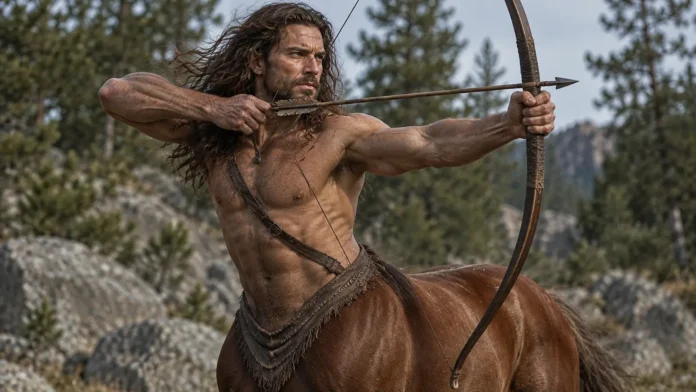
The centaur is a mythological creature from Greek mythology, characterized by its half-human, half-horse form. These beings are often depicted as having the upper body of a human and the lower body of a horse.
Centaurs are renowned for their dual nature, embodying both the civilized and the wild, which has made them a subject of fascination and symbolic interpretation throughout history. Their complex nature reflects the tensions between intellect and instinct, civilization and wilderness, making them enduring figures in mythological studies and popular culture.
Throughout various myths, centaurs have been portrayed with differing characteristics, ranging from wise and benevolent to savage and unruly. This duality is not only a central theme in their stories but also a reflection of the broader human condition, where reason and chaos coexist.
The centaur’s image has been a powerful metaphor for exploring these themes, contributing to their continued relevance in both ancient and modern narratives.
History/Origin
The centaur’s origins can be traced back to ancient Greek mythology, where they are primarily associated with the region of Thessaly. The earliest literary references to centaurs appear in the works of Homer and Hesiod, where they are portrayed as unruly and indulgent creatures.
Over time, the representation of centaurs evolved, with some stories portraying them as wise and noble beings, such as the centaur Chiron, who was known for his wisdom and medicinal skills.
Centaurs were believed to be the offspring of Ixion, a king of the Lapiths, and a cloud shaped like the goddess Hera. This mythological origin highlights their dual nature, as they are born from both divine and earthly elements.
As Greek culture spread, the centaur myth was adapted and integrated into Roman mythology and later European folklore, where they continued to symbolize the tension between civilization and untamed nature. The centaur’s mythological evolution reflects broader cultural exchanges and the adaptation of Greek myths in various contexts.
Some scholars propose that the centaur myth may have roots in early encounters with horse-riding nomadic tribes. These tribes, unfamiliar to the Greeks, may have appeared as half-human, half-horse beings, leading to the creation of centaur myths.
This theory underscores the potential for mythological creatures to emerge from cultural exchanges and misunderstandings, illustrating how mythology can serve as a historical record of human interactions and perceptions.
Name Meaning
The English word “centaur” comes through Latin centaurus from the ancient Greek kentauros (Κένταυρος). In Greek sources, the plural kentauroi refers to the race of beings usually portrayed as part human and part horse.
The earlier origin and literal meaning of kentauros remain uncertain. A connection with Greek words interpreted as “piercing bull” has sometimes been proposed, but this is conjectural rather than an established translation.
Suggestions that the word has a pre-Greek origin are also possible but unproven, so the name is best treated as an ancient term of unresolved etymology.
Appearance
Centaurs are typically depicted as having the upper body of a human, including the head, arms, and torso, seamlessly merging with the body and legs of a horse. This unique combination allows them to embody both human intellect and animalistic strength.
Artistic interpretations of centaurs vary, with some emphasizing their human features, while others focus on their equine aspects. Despite these variations, the centaur’s hybrid form remains a constant feature across different portrayals.
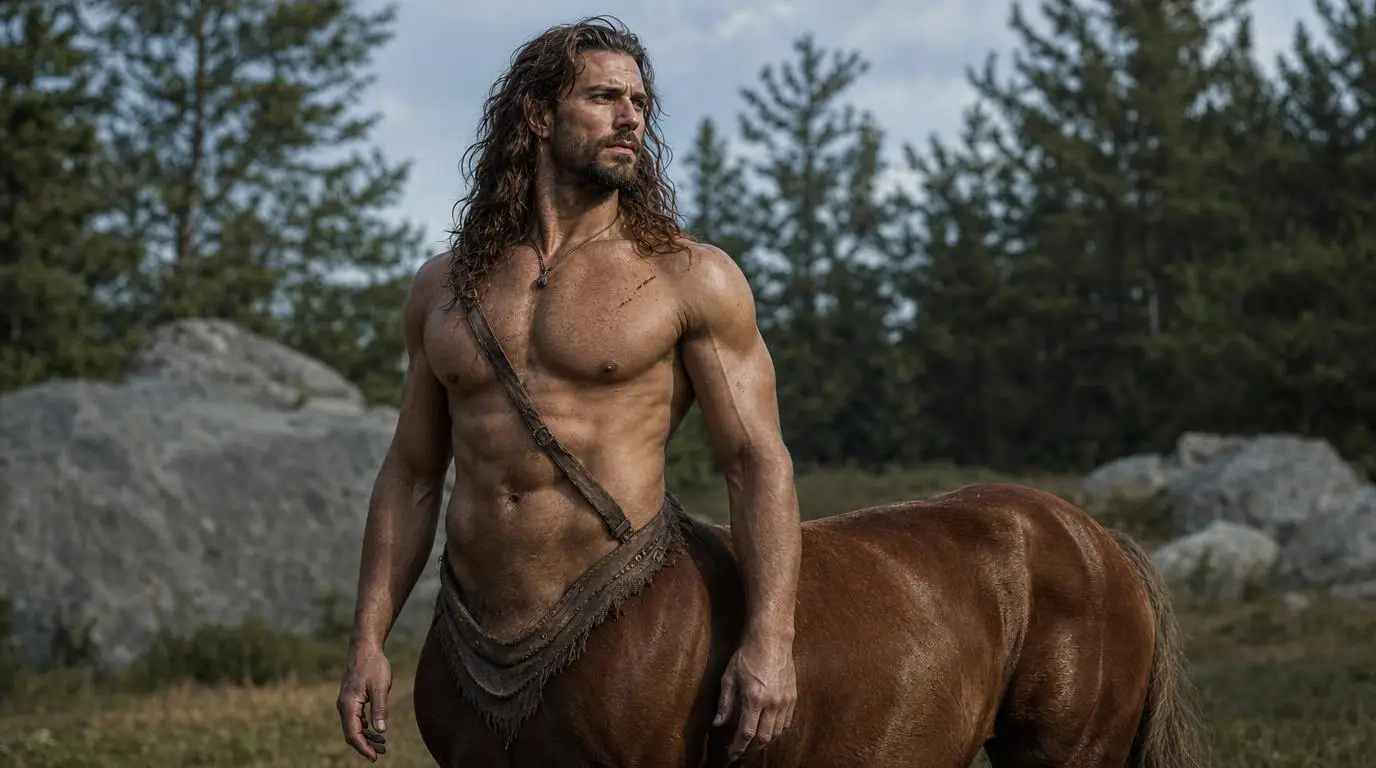
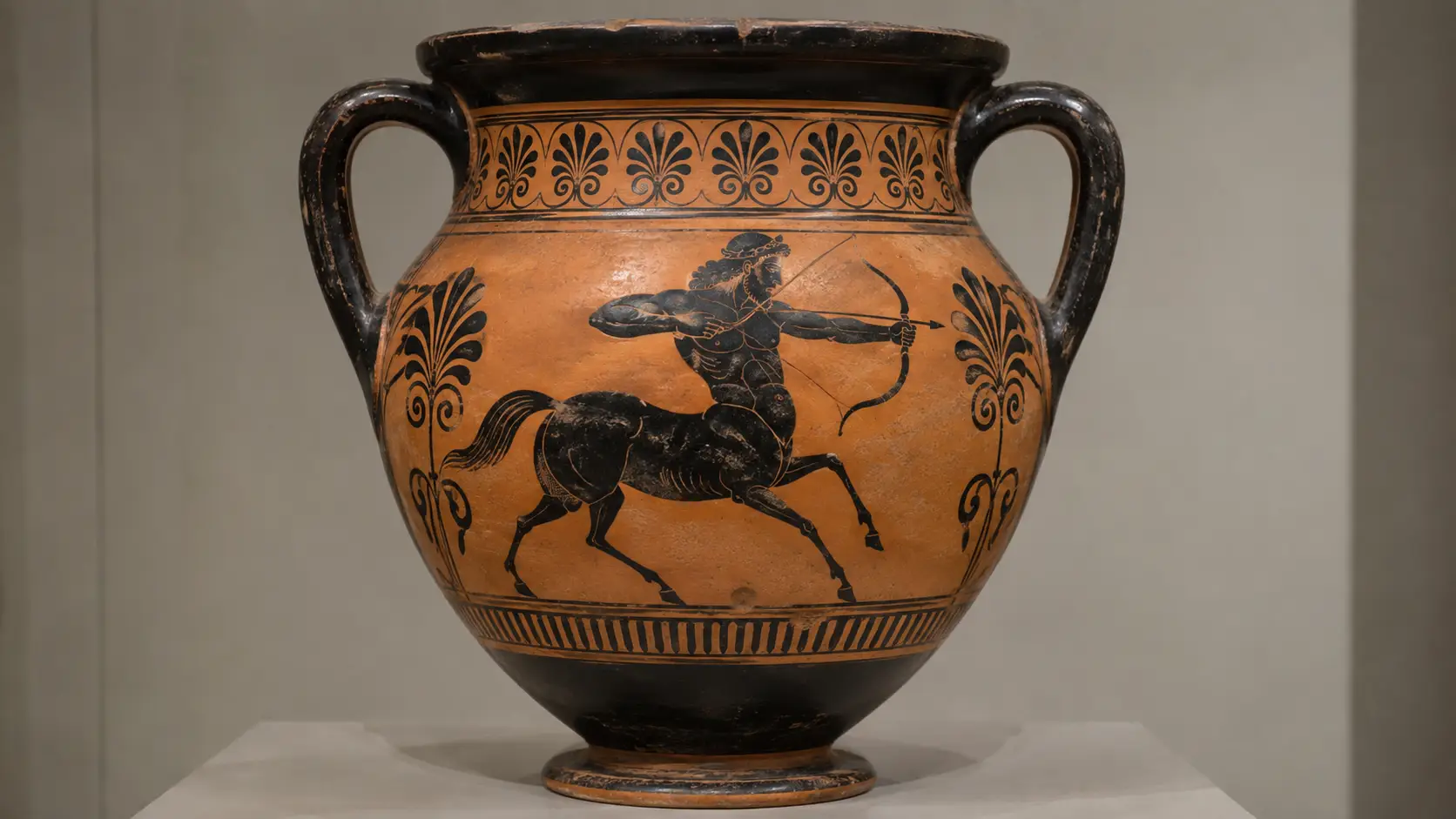
In ancient Greek art, centaurs were often depicted in dynamic poses, capturing their dual nature and the tension between their human and animal sides. Sculptures, pottery, and frescoes frequently illustrated scenes from famous myths, such as the battle with the Lapiths, showcasing the centaur’s physical prowess and mythical significance.
These artistic representations not only highlight the centaur’s symbolic role but also provide valuable insights into ancient Greek aesthetic values and mythological themes.
Modern interpretations of centaurs continue to explore their hybrid nature, often emphasizing the psychological and philosophical implications of their form. In literature, film, and visual arts, centaurs are used as symbols of the struggle between reason and instinct, reflecting ongoing human concerns about identity, morality, and the balance between civilization and nature.
Background Story
Greek tradition places the centaurs chiefly in Thessaly, especially around Mount Pelion. Their mythology is closely connected with the Lapiths, a neighboring legendary people who were also linked to Ixion.
Accounts of the centaurs’ ancestry vary, but a prominent tradition begins with Ixion and Nephele, a cloud formed in the likeness of Hera. Their union produced Centaurus, who was then said to have fathered the centaur race with the mares of Mount Pelion.
The troubled relationship between centaurs and Lapiths shaped their best-known collective story. At the wedding of the Lapith king Pirithous, the centaurs became intoxicated and violence followed, beginning the battle known as the Centauromachy.
In Greek storytelling and art, this conflict came to express a contrast between social order and behavior uncontrolled by drink, appetite, and anger.
Chiron belongs to a separate lineage and complicates any single description of centaur nature. He was traditionally the son of Cronus and the nymph Philyra, and was remembered as a healer and teacher of heroes.
The contrast between Chiron and the violent centaurs of the Centauromachy allowed later audiences to treat the centaur form as capable of representing both disciplined wisdom and destructive excess.
Famous Folklore Stories
The Battle of the Lapiths and the Centaurs
One of the most famous stories involving centaurs is the battle between the Lapiths and the centaurs during the wedding of Pirithous, king of the Lapiths. According to the myth, the centaurs, who were invited as guests, became intoxicated and attempted to abduct the bride, leading to a violent confrontation.
This story highlights the centaurs’ unruly nature and serves as a metaphor for the struggle between civilization and savagery.
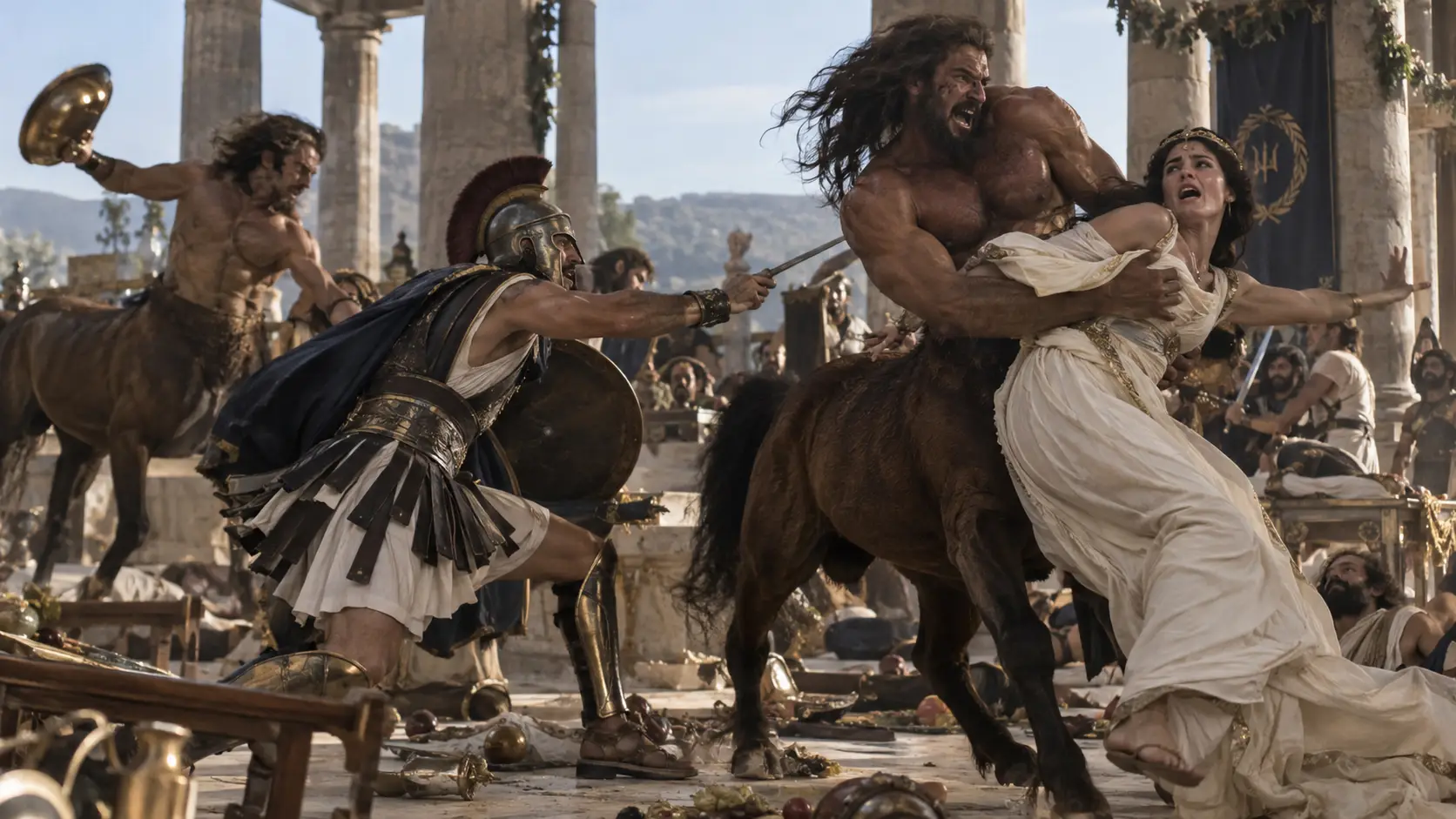
The battle is often depicted in ancient art, symbolizing the tension between order and chaos. The myth also reflects Greek societal values, emphasizing the importance of self-control and the dangers of succumbing to primal urges.
Through this narrative, centaurs are portrayed as embodiments of the wild, untamed aspects of human nature that must be controlled to maintain societal harmony.
The Tale of Chiron
Chiron is perhaps the most well-known centaur, distinguished by his wisdom and kindness. Unlike other centaurs, Chiron was known for his knowledge of medicine and healing, and he served as a mentor to many Greek heroes, including Achilles and Asclepius.
His story contrasts with the typical portrayal of centaurs, showcasing the potential for goodness and intellect within their mythological framework.
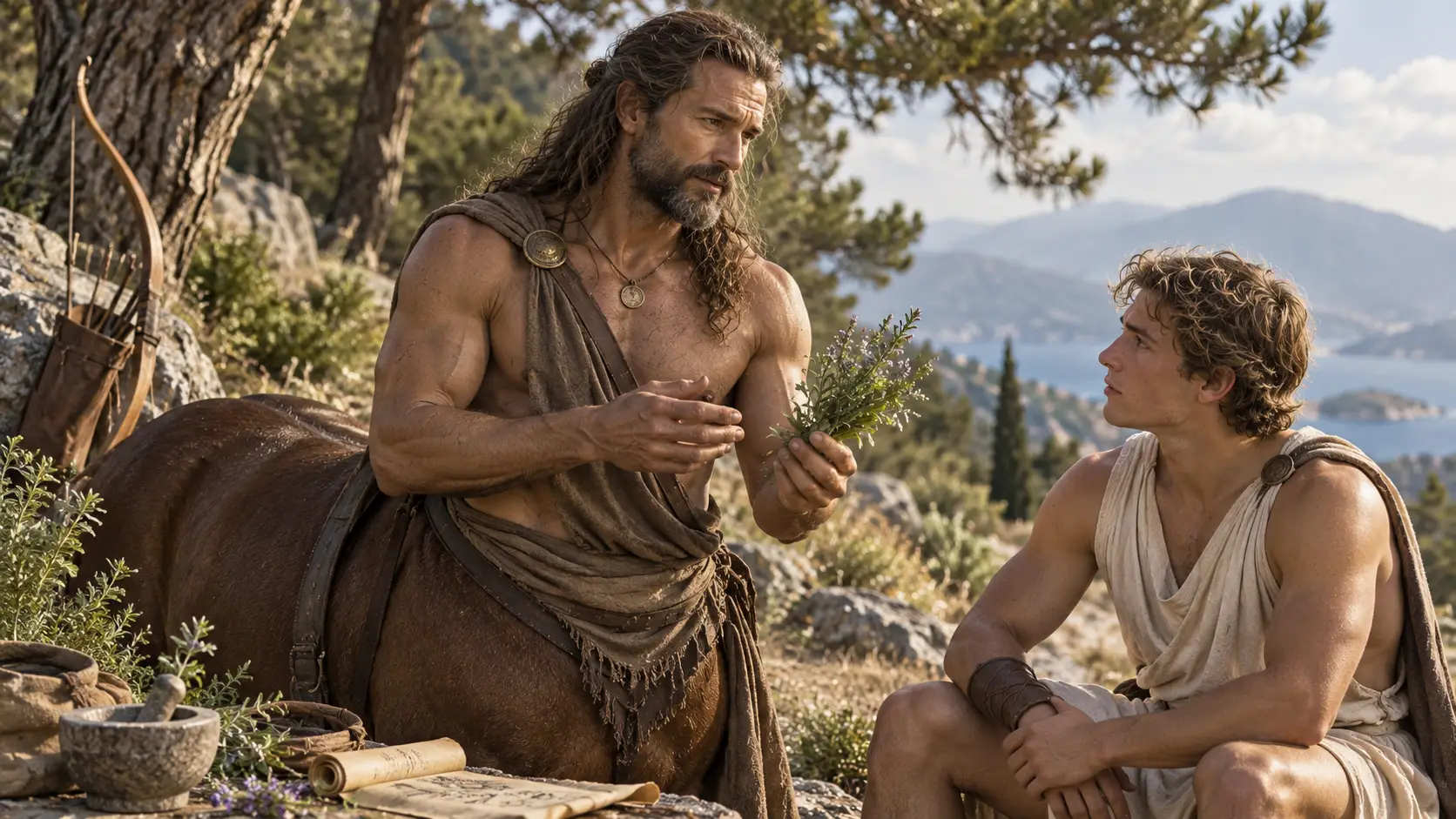
Chiron’s character represents the idealized virtues of wisdom, discipline, and compassion, standing in stark contrast to the more chaotic nature of his kin. His role as a teacher and healer highlights the transformative power of knowledge and the possibility of transcending one’s origins.
Through Chiron, the centaur myth explores themes of redemption and the potential for personal growth, offering a more nuanced view of centaur nature.
Nessus and the Poisoned Robe
Nessus is another notable centaur, known for his role in the story of Heracles and Deianira. Nessus attempted to abduct Deianira, leading to his death at the hands of Heracles.
As he died, Nessus tricked Deianira into taking his poisoned blood, which ultimately led to Heracles’ demise. This tale underscores the centaur’s darker aspects, representing deceit and the destructive consequences of unchecked desires.
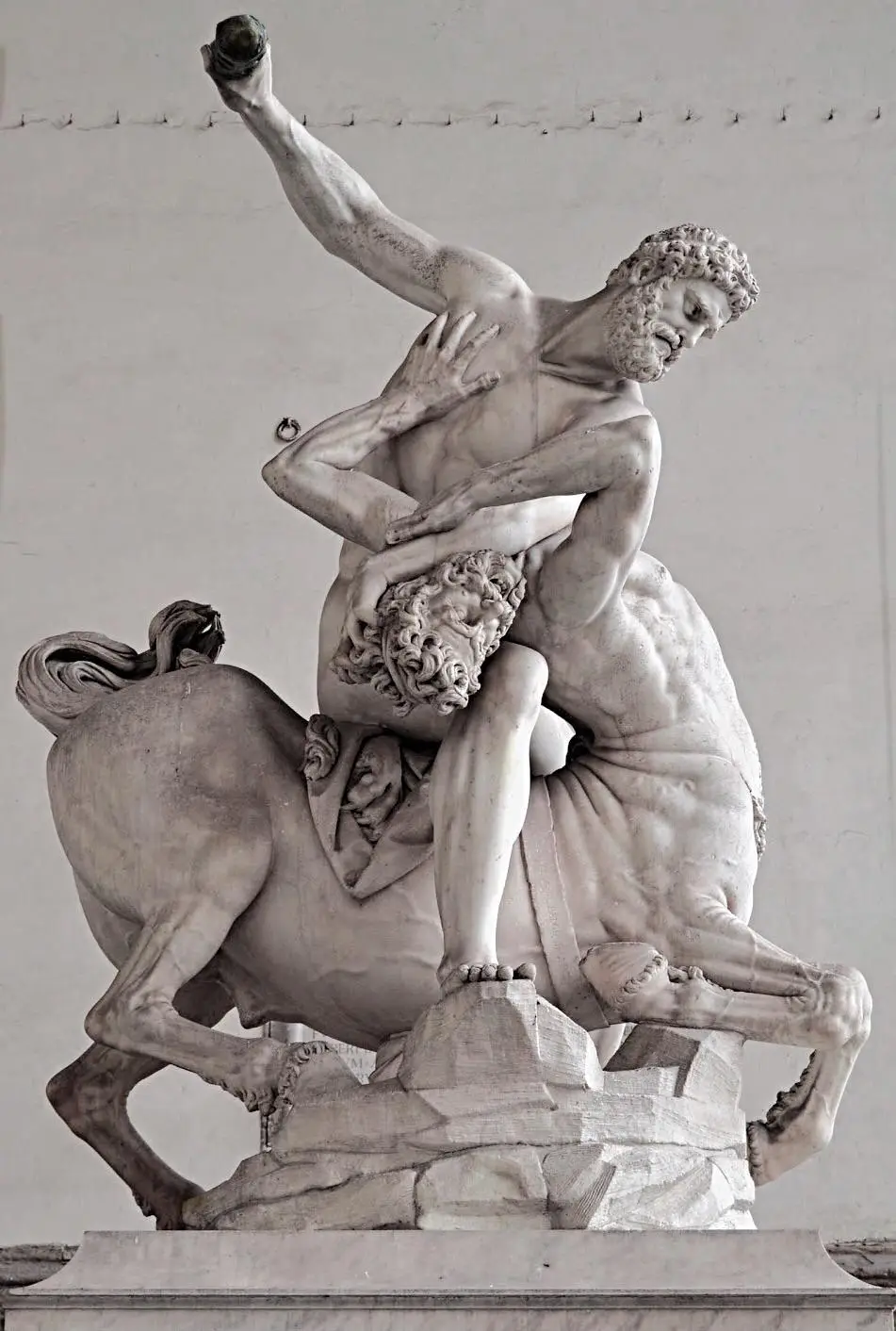
The story of Nessus illustrates the complex interplay of fate, vengeance, and unintended consequences in mythological narratives. It serves as a cautionary tale about the dangers of manipulation and the perils of trusting appearances, reinforcing the centaur’s role as a symbol of moral ambiguity and the duality of human nature.
Cultural Impact
Centaurs have had a significant impact on art and literature throughout history. In ancient Greek art, they were frequently depicted in pottery and sculpture, often illustrating their dual nature through dynamic poses and expressions.
The centaur’s image has persisted through the Renaissance and into modern times, appearing in various artistic and literary works that explore themes of duality and conflict.
In literature, centaurs have been used as symbols of the struggle between civilization and barbarism, as well as the potential for harmony between the two. This symbolism has made them a popular subject in fantasy literature, where they are often portrayed as wise and noble creatures, reflecting their complex mythological heritage. Their portrayal in works by authors such as C.S. Lewis and J.K.
Rowling demonstrates the enduring appeal of centaurs as figures of wisdom and mystery.
Beyond literature, centaurs have appeared in various forms of media, including films, video games, and visual arts. Their hybrid nature and rich symbolic associations make them versatile characters that can be adapted to different contexts and narratives.
Through these modern interpretations, centaurs continue to captivate audiences and inspire new explorations of their mythological significance.
Related Figures
Chiron
Chiron is a unique centaur known for his wisdom and healing abilities. Unlike other centaurs, he was considered kind and knowledgeable, serving as a mentor to many Greek heroes.
Chiron’s character contrasts with the typical image of centaurs as unruly and wild, highlighting the potential for wisdom and nobility within their mythological framework.
Nessus
Nessus is a notable centaur known for his role in the story of Heracles and Deianira. He attempted to abduct Deianira, leading to his death at the hands of Heracles.
Nessus exemplifies the darker side of centaur mythology, representing the danger and chaos often associated with these creatures.
Pholus
Pholus is another centaur who appears in Greek mythology, known for his encounter with Heracles. Unlike most centaurs, Pholus was hospitable and kind, offering Heracles wine from a communal jar.
This act inadvertently led to a violent conflict with other centaurs. Pholus’s story highlights the theme of unintended consequences and the fragile balance between hospitality and conflict.
Eurytion
Eurytion is a centaur who appears in various myths, often associated with chaos and violence. He is known for disrupting the wedding of Pirithous, leading to the infamous battle between the Lapiths and the centaurs.
Eurytion’s character embodies the wild and unruly nature of centaurs, serving as a cautionary figure in mythological narratives.
Ixion
Ixion, while not a centaur himself, is closely related to their mythological origins. As the father of the centaurs, his story is intertwined with their creation.
Ixion’s punishment for attempting to seduce Hera resulted in the birth of centaurs from a cloud, symbolizing the complex interplay of divine and mortal elements in their nature.
Scientific or Rational Explanations
No historical evidence establishes a real half-human, half-horse creature behind the centaur tradition. One proposed explanation connects the image with Thessaly’s strong association with horses and mounted riders.
People unfamiliar with skilled horsemen might have perceived rider and horse as a single form, but this remains a speculative origin theory rather than a documented account of how the myth began.
Symbolic readings address what centaurs came to represent rather than their historical origin. Their combined human and equine form has often been interpreted as expressing tension between reason and instinct, social order and uncontrolled appetite.
The contrast between Chiron’s disciplined wisdom and the violence of centaurs in the Centauromachy supports this reading within the mythology itself.
Psychological and philosophical interpretations likewise treat the centaur as an image of conflicting impulses within human nature. These approaches can clarify the figure’s enduring appeal, but they are modern frameworks applied to ancient stories, not scientific proof of the centaur myth’s original cause.
Modern Cultural References
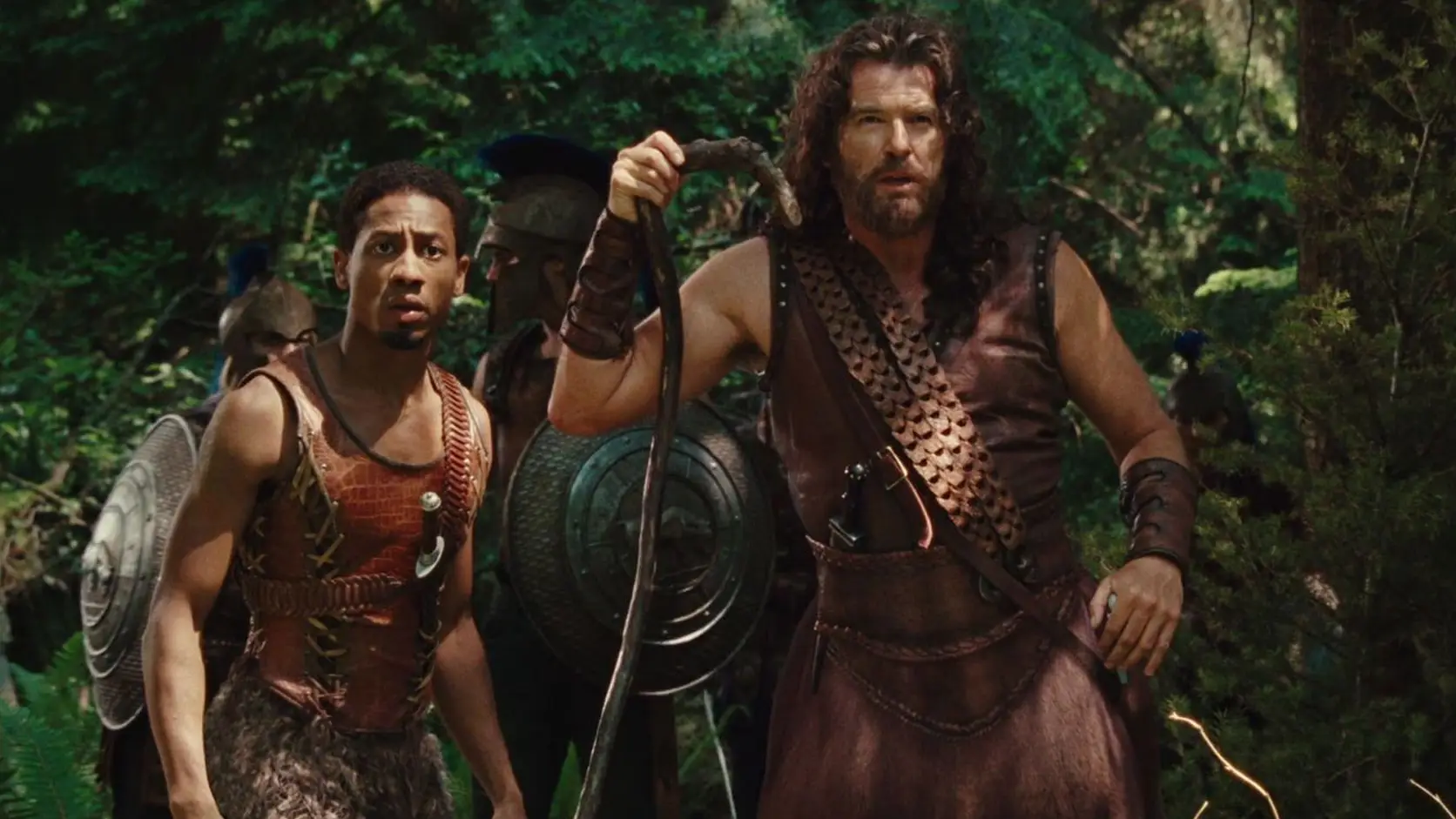
Percy Jackson & the Olympians: The Lightning Thief – Chiron, film
Percy’s teacher Mr. Brunner reveals his true identity as Chiron and assumes a centaur form.
At Camp Half-Blood, Chiron guides Percy as he learns about his demigod heritage and prepares for his quest.
Source
Fantasia – The Pastoral Symphony centaurs, animated film
The Pastoral Symphony sequence depicts male centaurs and female centaurettes in a Greco-Roman world.
They gather with other mythological beings for a festival honoring Bacchus before Zeus disrupts the celebration with lightning bolts.
Source
Mythic Warriors: Guardians of the Legend: “Jason and the Argonauts” – Chiron, episode
After King Pelias usurps his father’s throne, the young Jason is sent to the centaur Chiron.
Chiron teaches him the skills needed to become a warrior and leader.
Source
Conclusion
The centaur remains a compelling figure in mythology and modern culture, embodying the dual nature of humanity and the tension between civilization and the wild. Their symbolic role as both wise mentors and unruly creatures has allowed them to endure as a powerful metaphor for the complexities of human nature.
Centaurs continue to captivate the imagination, inspiring new interpretations and adaptations across different media.
While the evidence surrounding centaurs is rooted in ancient mythology, their continued presence in literature and popular culture speaks to their lasting impact and the universal themes they represent. As symbols of duality and conflict, centaurs offer rich material for exploring ethical dilemmas, psychological insights, and the enduring struggle between reason and instinct.
Further Reading
Chiron (Kheiron), Theoi Greek Mythology
A detailed reference to Chiron that brings together ancient literary passages, genealogy, artistic representations, and traditions concerning his teaching and healing.
Source
Centaur, Encyclopaedia Britannica
A concise overview of centaurs in Greek mythology, including their appearance, Thessalian setting, conflict with the Lapiths, and the contrasting character of Chiron.
Source
Centaur, Encyclopedia Mythica
A reference entry summarizing the centaur tradition and its principal figures, suitable as a starting point for comparison with more detailed classical sources.
Source
Perseus Digital Library Collections, Tufts University
A research collection of classical texts, translations, dictionaries, and reference tools useful for examining centaurs within ancient Greek and Roman literature.
Source