Dark Forces
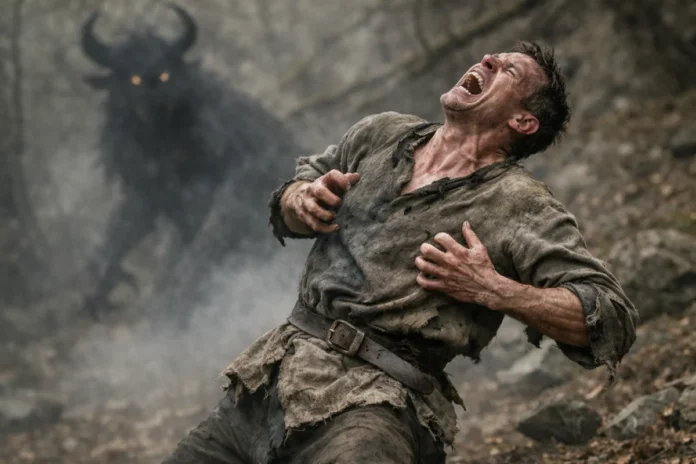
Dark Forces evoke fearsome entities and malevolent powers wielded by sinister creatures and deities, casting shadows over mortal realms and divine orders.
Sub Categories
Apocalyptic Forces
Apocalyptic Forces in mythology often symbolize the end of the world or a transformative event reshaping existence. These narratives explore themes of destruction, renewal, and cosmic balance. They convey existential anxieties and reflect human concerns about mortality and change.Apocalyptic Forces serve as a narrative device to illustrate moral or ethical lessons. Through symbolic interpretation, they address themes of chaos versus order, highlighting the cyclical nature of creation and destruction.
Chaos Bringers
Chaos Bringers function as a narrative category representing forces that disrupt order, often symbolizing unpredictability and transformation. They challenge established structures, prompting renewal or adaptation within mythological contexts. These entities or concepts serve to highlight the tension between stability and change, illustrating the dynamic nature of existence.Symbolically, Chaos Bringers can convey themes of creativity emerging from disorder. Their presence in mythology underscores the necessity of chaos for growth and innovation. By embodying the unpredictable, they offer a framework for understanding the balance between chaos and order, reflecting cultural perceptions of the cosmos and human experience.
Cursed Beings
Cursed Beings function as a narrative device in mythology, often embodying themes of transgression and punishment. They symbolize the consequences of defying divine or moral laws, offering cautionary tales. These beings reflect cultural values by illustrating the boundaries between acceptable and unacceptable behavior, serving as reminders of the repercussions of hubris or disobedience.The transformations or afflictions experienced by Cursed Beings often highlight themes of redemption or eternal suffering. By undergoing these transformations, they provide insights into a society's beliefs about justice and morality. Symbolically, Cursed Beings can represent the struggle between fate and free will, illustrating the complex interplay between human actions and supernatural forces.
Death Bringers
Death Bringers function as a narrative category in mythology, symbolizing inevitable mortality and transformation. They often embody the transition between life and death, emphasizing the cycle of existence. This theme underscores the natural order, reminding humans of life's impermanence and the continuity of life beyond death.Symbolically, Death Bringers can represent justice, fate, or balance, serving as agents of cosmic order. Their presence in myths often highlights moral lessons, reflecting cultural attitudes towards death. By personifying these forces, mythologies explore human fears and acceptance of mortality, offering insight into cultural values and existential beliefs.
Death Omen
Death Omen designates signs, events, or apparitions interpreted as announcing mortality or catastrophic loss. It structures expectation, linking unusual occurrences with impending endings, and frames death as patterned rather than purely random.As a narrative category, Death Omen organizes tension and foreknowledge, guiding characters’ choices and audience interpretation. Symbolically, it externalizes anxiety about impermanence, transforming private fear of dying into shared, culturally intelligible images and motifs.
Demonic Entities
Demonic Entities serve as a narrative category in mythology, symbolizing chaos, temptation, and moral challenges. They often embody human fears and societal taboos, acting as cautionary figures. These entities typically contrast with divine or heroic beings, providing structure to mythological narratives by highlighting the struggle between good and evil.Symbolically, Demonic Entities reflect internal and external conflicts, illustrating moral dilemmas and consequences of straying from societal norms. They can represent the darker aspects of human nature, offering insight into cultural values and ethical boundaries. Their presence in myths helps convey lessons on morality, power, and the human condition.
Forsaken Souls
Forsaken Souls in mythology often represent individuals or entities denied peace or redemption after death. Their narratives explore themes of loss, regret, and the consequences of earthly actions. These stories serve as cautionary tales, highlighting moral and ethical dilemmas faced by the living.Symbolically, Forsaken Souls can embody societal fears of punishment and isolation. They challenge audiences to reflect on justice and forgiveness. This thematic category emphasizes the enduring impact of choices and the desire for reconciliation.
Harbingers of Doom
Harbingers of Doom function as narrative elements that signal impending disaster or misfortune within mythological stories. These figures or symbols often serve to build tension and foreshadow a turning point. Their presence can enhance the dramatic impact by alerting characters and audiences to unavoidable fate or consequences.Symbolically, Harbingers of Doom often represent the inevitability of destiny or the moral order's restoration. They provide structure by linking human actions with cosmic repercussions, illustrating the balance between chaos and order.
Malevolent Spirits
Malevolent Spirits often symbolize chaos and disorder within mythology, serving as a foil to benevolent forces. They embody fears and anxieties, reflecting societal taboos or natural disasters' unpredictability. These entities provide narratives with tension and conflict, essential for dramatizing moral lessons or cultural values. By confronting Malevolent Spirits, heroes may demonstrate courage, wisdom, or resilience.In thematic terms, Malevolent Spirits can illustrate the duality of existence, emphasizing balance between good and evil. They may be used to explain misfortune or justify ritual practices intended to ward off harm. Through these spirits, myths explore the limits of human control over the unknown, reinforcing communal bonds and shared beliefs. Thus, Malevolent Spirits function as crucial elements in understanding human experiences and moral challenges.
Nightmares
Nightmares in mythology often serve as narrative devices highlighting human fears and anxieties. They can symbolize chaos or the subconscious, reflecting societal concerns within mythological storytelling frameworks. Nightmares may illustrate moral lessons or cautionary tales, embodying the darker aspects of human experience.The thematic use of Nightmares can also explore the boundary between reality and illusion, challenging perceptions of truth. They may represent battles against inner demons or external threats, providing insight into cultural values. Through symbolic interpretation, Nightmares reveal the complexities of the human psyche and the collective unconscious.
Plague Bearers
Plague Bearers in mythology often symbolize the spread of disease and misfortune, reflecting humanity's fears and uncertainties. They serve as narrative devices to explore themes of contagion and societal disruption. These figures can manifest as supernatural beings or curses, representing uncontrollable forces impacting communities.In thematic terms, Plague Bearers highlight the vulnerability of human societies and the consequences of moral or ethical failings. They frequently underscore the fragility of life, emphasizing the need for communal resilience. By embodying chaos, they challenge established order, prompting narratives of survival and adaptation.
Shadow Stalkers
Shadow Stalkers function as a narrative category embodying the unseen or hidden aspects of existence. They often symbolize the unknown, representing fears and uncertainties lurking beyond human perception or understanding.In mythology, Shadow Stalkers convey themes of duality, illustrating the balance between light and dark. They serve as metaphors for confronting inner demons or hidden truths within personal or collective stories.
Soul Eaters
Soul Eaters function as a narrative category in mythology, often symbolizing existential threats or moral corruption. They represent fears of spiritual annihilation, illustrating the consequences of moral and ethical transgressions.Thematically, Soul Eaters explore the tension between body and spirit, highlighting themes of identity and immortality. They serve as cautionary figures, emphasizing the importance of protecting one's inner essence.
Spirit Reapers
Spirit Reapers function as a narrative category embodying themes of death and transition within mythology. They often symbolize the passage of souls, acting as intermediaries between life and the afterlife. These figures can represent inevitable fate or the natural cycle, highlighting the transient nature of existence.In mythological narratives, Spirit Reapers may convey moral lessons or cultural beliefs about mortality. They often emphasize the importance of accepting life's impermanence, encouraging reflection on human existence. Through their symbolic presence, Spirit Reapers contribute to a deeper understanding of life, death, and the afterlife.
Undead Monarchs
Undead Monarchs function as a narrative category that explores themes of power, immortality, and the consequences of defying natural death. These figures often symbolize the persistence of authority beyond mortal limits.In mythology, Undead Monarchs serve as cautionary tales or reflections on the corrupting nature of eternal rule. They highlight the tension between life and death, often embodying unnatural continuation.
Underworld Guardians
Underworld Guardians serve as protectors or gatekeepers in mythological narratives, often overseeing the transition between life and death. They symbolize boundaries and enforce rules within the underworld realm.These figures embody themes of judgment, transformation, and the unknown. Underworld Guardians often highlight moral lessons, reinforcing cultural beliefs about the afterlife and the consequences of human actions.
Relevant Beasts
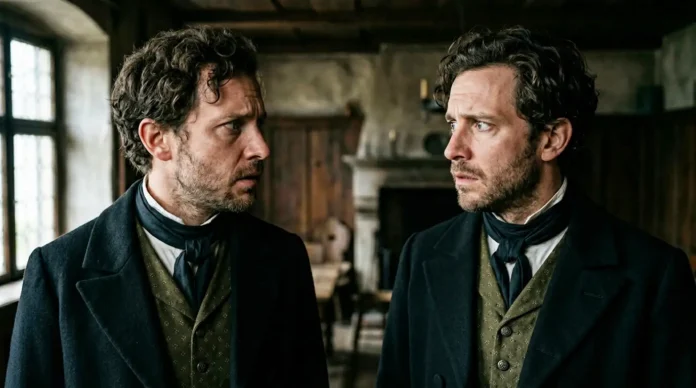
A Doppelgänger is a supernatural entity that mimics the appearance of a living person, often seen as an omen...
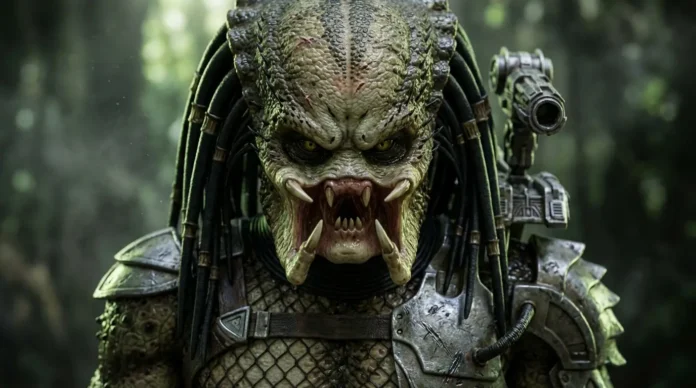
Predator, a fictional alien species, is known for its exceptional hunting skills and advanced technology. It has been prominently...
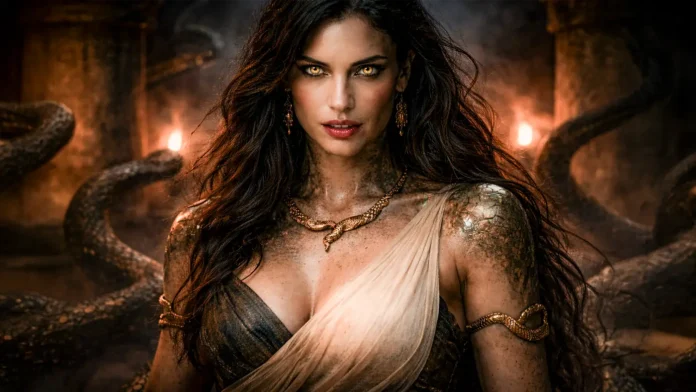
Lamia from Greek mythology, known for her tragic transformation into a child-eating creature, often depicted with a serpent-like body.
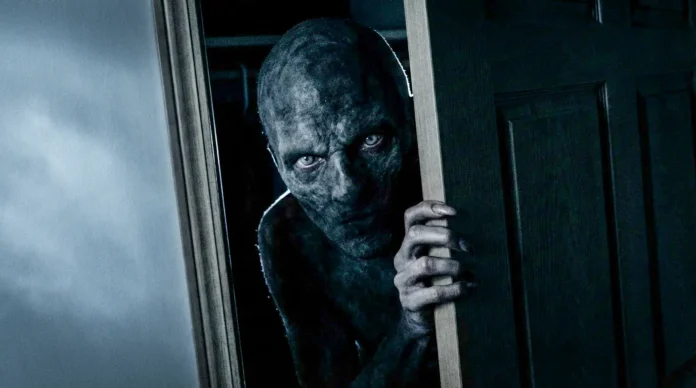
Introduction The Bogeyman (or Boogeyman in American) is not a single creature with a fixed mythological identity. It is a...
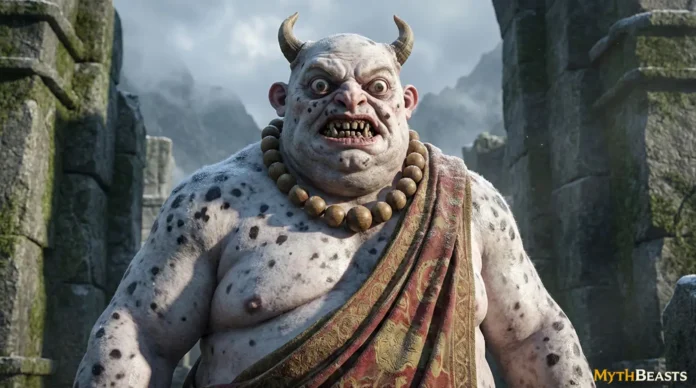
Div-e Sepid, the White Demon in Persian mythology, symbolizes chaos and evil. Known from the epic Shahnameh, it challenges...
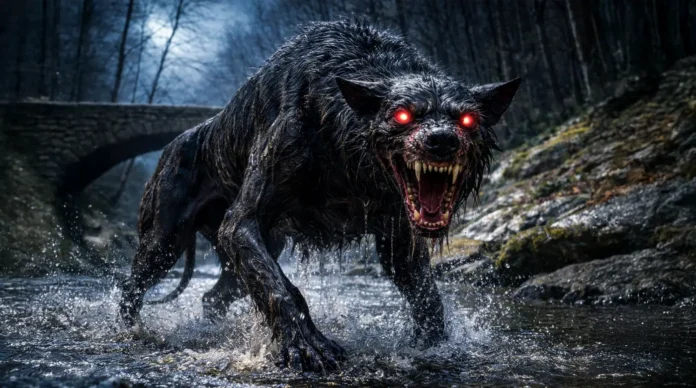
Dip is a spectral black dog from Catalan folklore, often seen as a harbinger of evil and death. Known...