Introduction
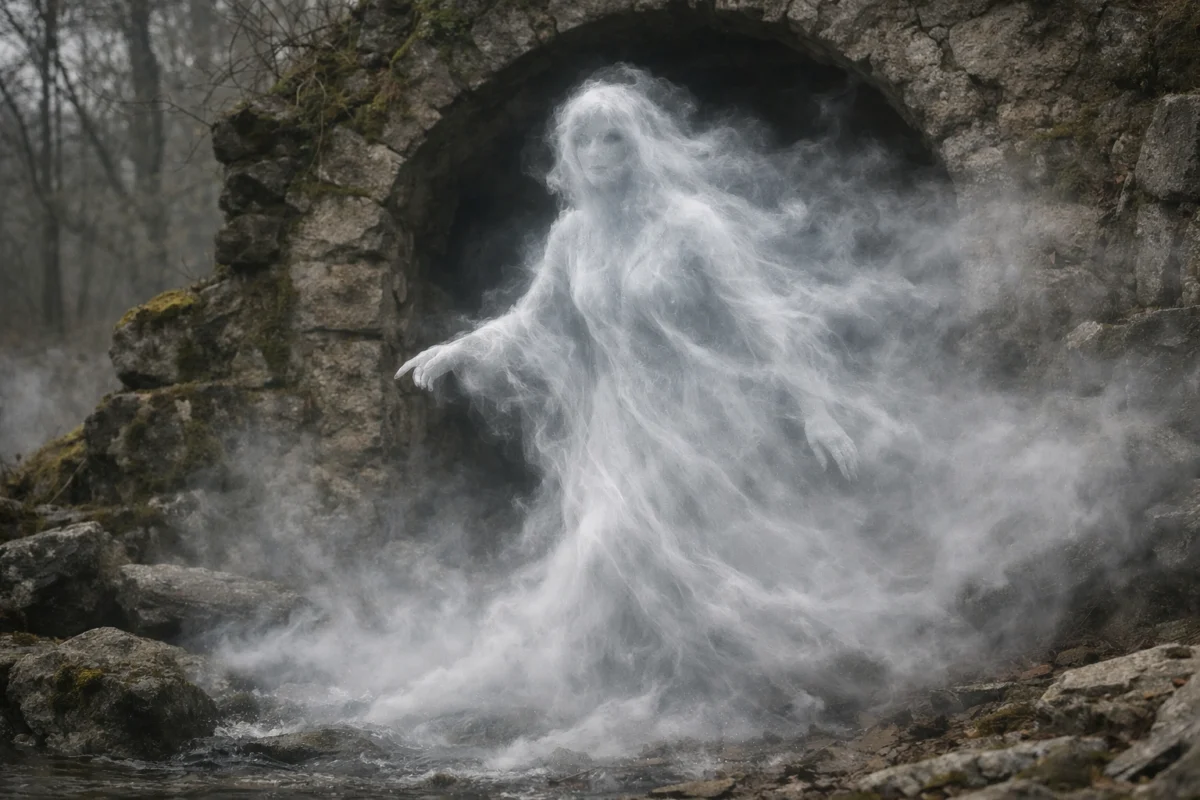
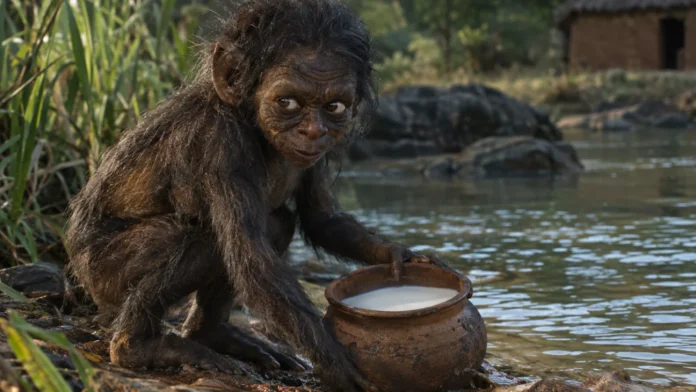
The Tokoloshe is a supernatural being found in Southern African traditions, especially in Zulu, Xhosa, and neighboring cultural contexts. A recurring description presents it as small, hairy, humanoid or ape-like, mischievous, and associated with rivers or pools rather than exclusively with witchcraft.
Its character changes considerably between communities and kinds of storytelling. In domestic tales, it belongs to a world of children, parents, homesteads, and sour milk.
Other accounts make it a dangerous familiar, a supernatural agent acting on behalf of a witch.
These differences matter because the frightening version does not represent the whole tradition. Neither a uniformly murderous demon nor a harmless fairy adequately describes the range of recorded beliefs.
Even its size varies, from a diminutive human-shaped creature to a larger baboon-like being.
The Tokoloshe is therefore best understood as a variable folklore figure rather than a creature with one fixed anatomy or biography. Its enduring significance lies partly in its movement between familiar household settings, watery places, mischievous encounters, and fears about concealed supernatural harm.
History/Origin
The Tokoloshe’s beginnings cannot be assigned confidently to a single community or historical moment. Zulu and Xhosa traditions are important to its documentation, but related accounts extend beyond them.
Early written records establish that particular beliefs existed, not when the figure first entered oral tradition.
Henry Callaway’s nineteenth-century collections provide an important early documentary setting. His The Religious System of the Amazulu, published from 1868, is cited in later scholarship for the Tokoloshe’s associations with rivers and milk.
Those details survive here through scholarly discussion of his collection.
This distinction between collection date and cultural origin is essential. Callaway recorded traditions already circulating among speakers, rather than creating the being.
His publications offer historical evidence of those traditions, while the surviving documentation does not establish how far back their oral histories extend.
A Cape Nguni account published by Soga in 1931 presents a diminutive, hairy, human-shaped being associated with a pool or river and mischievous behavior. Isak Niehaus’s 1995 comparative study uses this account to distinguish Cape descriptions from the Tokolose of the Transvaal Lowveld.
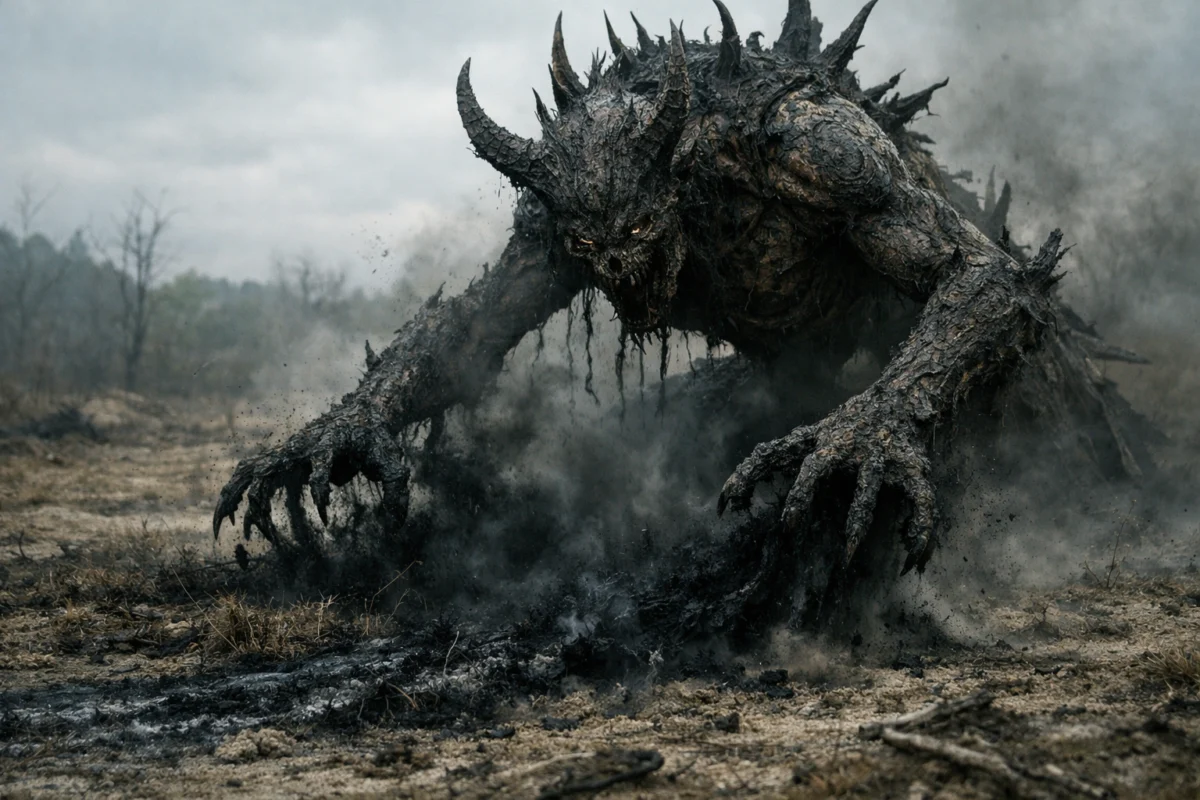
In the Lowveld material, a Northern Sotho description instead gives the being a larger, baboon-like form within a discussion of witch familiars. The contrast shows that regional differences concern more than spelling: bodily appearance and relationships with human beings can also change substantially.
Later interpretations sometimes describe a movement from water sprite to threatening domestic spirit. A 2014 pastoral study presents such a contrast, while Darryl Stephen Nel’s broader synthesis emphasizes regional and historical diversity.
Together, these accounts suggest changing emphases, not a securely established, uniform sequence of transformation.
Name Meaning
The name appears in several documented spellings, including Tokoloshe, Tikoloshe, Thikoloshe, Tokolose, and Tokkelossie. These forms belong to the record of a tradition circulating across Southern African linguistic and cultural settings; they should not automatically be treated as names for separate supernatural beings.
A definitive literal meaning is not established by the evidence available here. The name should therefore remain untranslated rather than being supplied with a speculative derivation.
Describing the creature’s behavior does not, by itself, explain the historical formation of its name.
English labels such as “water sprite” and “witch’s familiar” explain particular roles, not verified word meanings. The first highlights aquatic associations, while the second describes service to a witch.
Neither captures every regional understanding, and neither should be presented as a literal translation of Tokoloshe.
Spelling also cannot reliably settle questions of identity or origin. A variant form may accompany a distinct local description, as Tokolose does in the Lowveld material, but the substantive evidence lies in the account itself: its setting, appearance, behavior, and relationship to people.
Appearance
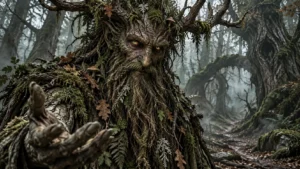
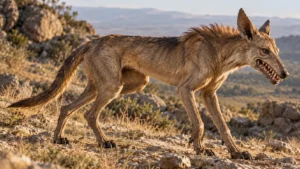
The most useful general description is a small, hairy supernatural being with a human-like or ape-like body. Some accounts emphasize a muscular build.
These recurring traits provide a recognizable outline, but they do not amount to a single appearance shared by every community.

The diminutive, human-shaped form is particularly clear in the Cape Nguni account preserved through Soga’s 1931 description. Its association with pools and rivers supplies a setting as well as a physical image: a small, uncanny figure inhabiting the margins of familiar waterways.
The Northern Sotho Lowveld variant discussed by Niehaus differs markedly, appearing as a larger, baboon-like Tokolose. This is a documented regional form, not a reason to replace the smaller humanoid throughout the tradition or to classify every Tokoloshe simply as a supernatural baboon.
More unusual details occur in individual accounts, including a long grey beard or disproportionately large ears, hands, and feet. Such features belong to particular descriptions.
Combining them all would produce an artificial composite rather than a faithful representation of a documented local being.
Some versions also emphasize exaggerated sexual anatomy or associate the creature with sexual danger. These details are significant within those accounts, but they should not define its general appearance.
The mischievous, water-associated figure and the threatening familiar are overlapping descriptions, not interchangeable visual templates.
Invisibility belongs to some harmful or witch-associated variants, further complicating any fixed portrait. A restrained representation would retain the recurring hairy, humanoid or ape-like form while choosing a specific context, such as a riverbank or homestead, rather than assembling every reported feature.
Background Story
The Tokoloshe does not have one continuous life story explaining its birth, adventures, and final fate. Its background instead emerges from recurring relationships: between water and settlement, children and parents, household food and mischievous visitors, or suspected witches and the beings believed to serve them.
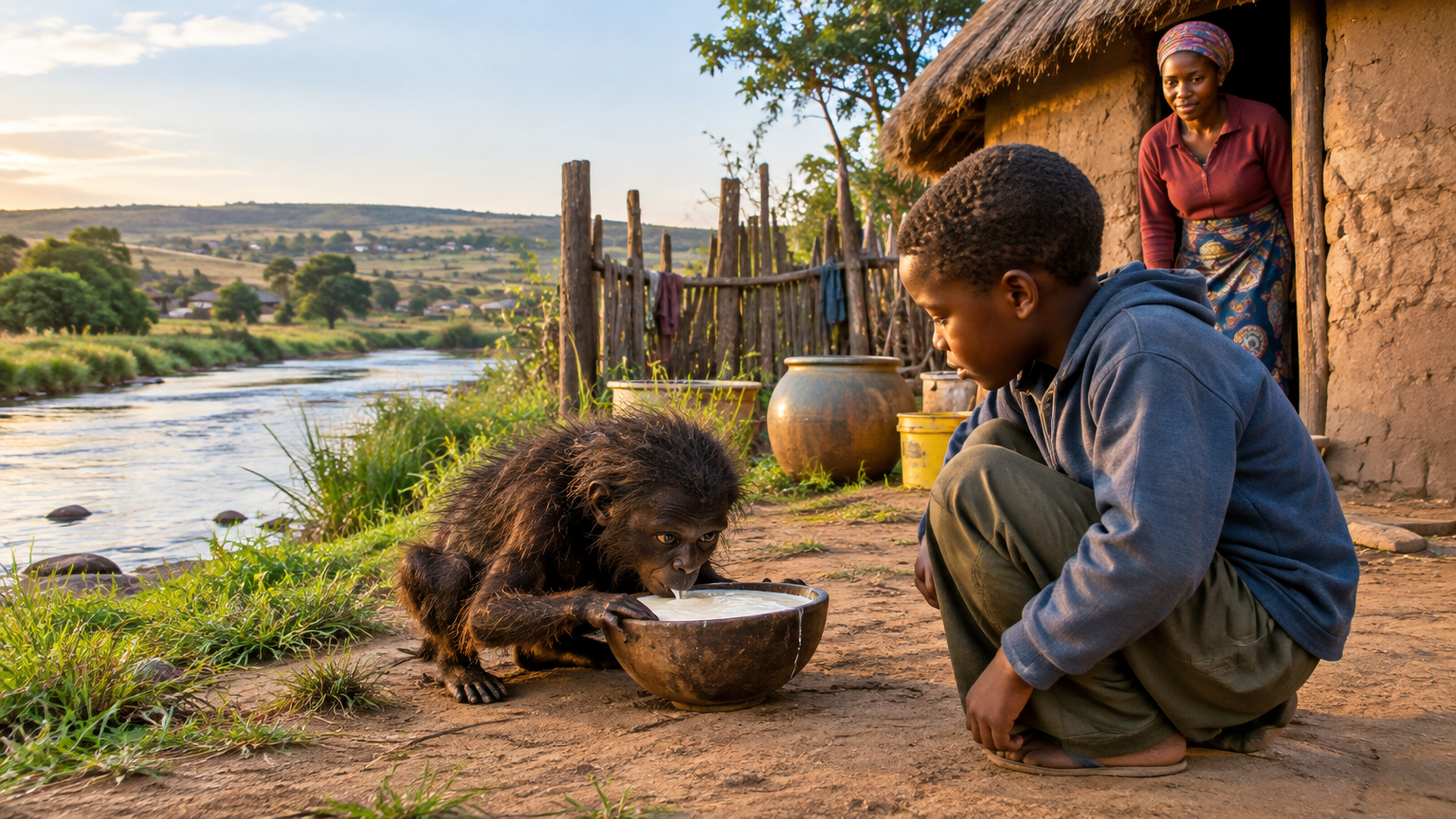
Domestic storytelling gives it a different emphasis from accounts centered on supernatural attack. Folklore research by Lillejord and Mkabela, quoted in a North-West University dissertation, distinguishes traditional tales involving homestead life, parents, children, and the Tokoloshe’s fondness for amasi, or sour milk, from frightening witchcraft narratives.
That fondness places the being within an immediately recognizable household world. Milk is not merely a decorative detail in its description; it connects the supernatural visitor with domestic life.
Alongside the river associations in early documentation, it helps explain the figure’s presence in both watery and inhabited settings.
Witch-familiar traditions reorganize those relationships around concealed human agency. Here, the Tokoloshe is not simply an independent mischief-maker: it may act for someone believed to possess harmful supernatural power.
In these variants, invisibility, injury, and sexual danger can become more important than household mischief.
The difference is not adequately expressed as an innocent ancient creature becoming an evil modern one. Regional accounts already diverge, and later scholarship brings together material gathered in different circumstances.
Child-centered tales and fearful belief narratives also serve different purposes, even when they share a name.
Its broader background therefore lies in the coexistence of storytelling and belief, rather than a single origin episode. The same recognizable figure can make domestic disorder narratable or give shape to fears of hidden hostility, without every community assigning it the same powers or moral character.
Famous Folklore Stories
The documented narrative material includes domestic tale patterns and more threatening accounts of supernatural interference, rather than a single authoritative Tokoloshe story. The headings below describe recurring motifs, not authenticated traditional titles; the available evidence does not establish named tales with fixed plots.
Homestead Life, Children, and Sour Milk
In domestic storytelling, the Tokoloshe appears within the familiar world of parents, children, and homestead life. Its fondness for amasi, or sour milk, connects the supernatural visitor with ordinary household food rather than with an exclusively frightening world of witchcraft and attack.
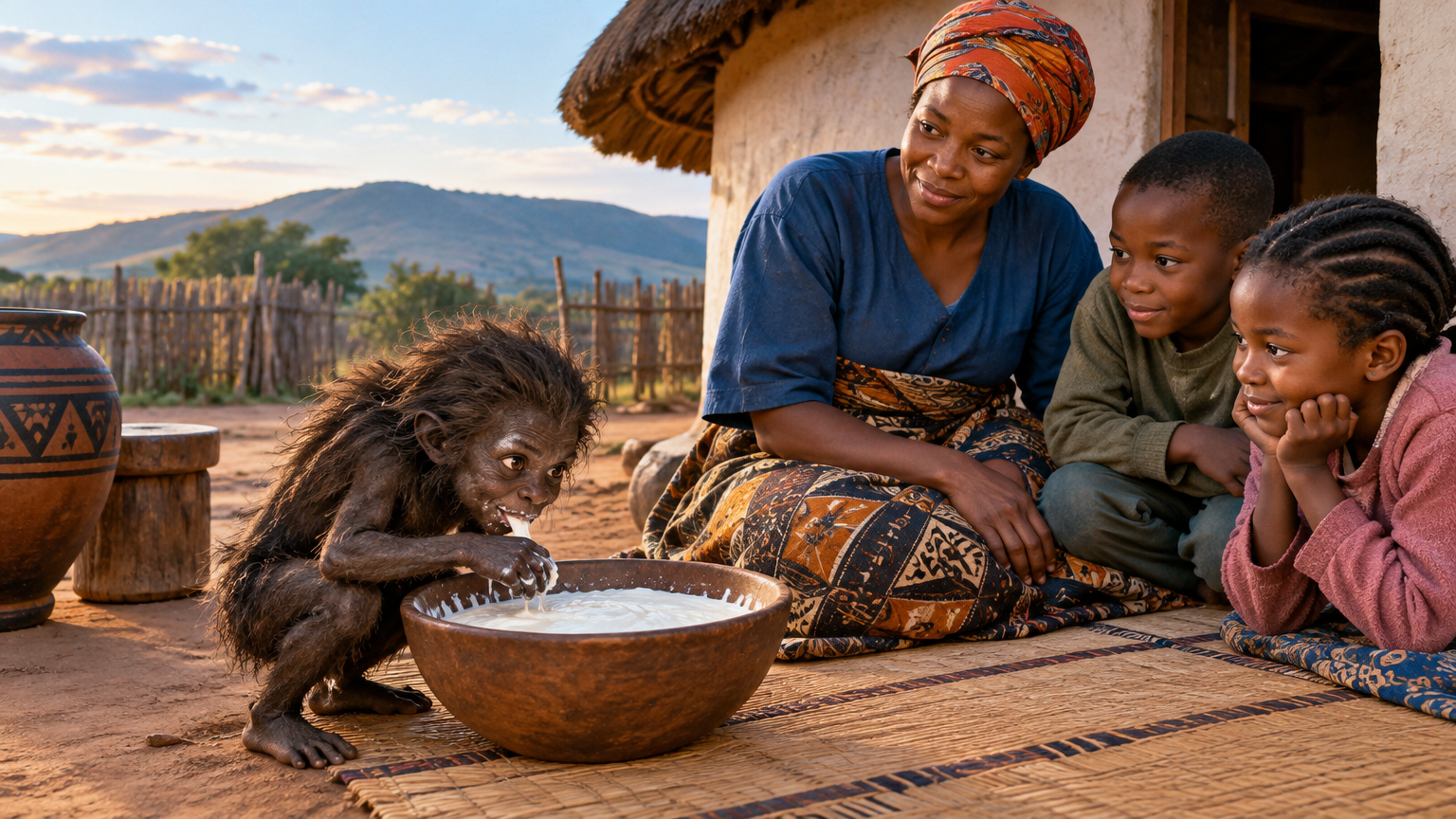
Folklore research quoted in a North-West University dissertation distinguishes these child-centered traditions from later frightening witchcraft stories. That distinction matters: a mischievous figure encountered through family storytelling need not have the same narrative purpose as a dangerous familiar blamed for deliberate harm.
The surviving summary establishes a setting and characteristic appetite, but not a complete episode with named participants or a recoverable ending. It therefore supports discussion of a domestic tale cluster, not a reconstructed story about a particular child outwitting or befriending the creature.
The Harmful Familiar
Other accounts place the Tokoloshe in the service of a witch. Here, supernatural interference becomes intentional rather than merely troublesome, and the being may be associated with invisibility, injury, or sexual danger.
These are documented variants, not universal features of every Tokoloshe narrative.
The contrast is regional as well as historical. Isak Niehaus’s Lowveld research distinguishes local Tokolose accounts from earlier Cape Nguni descriptions.
Consequently, the harmful familiar should not be treated simply as the inevitable final form of an originally harmless character throughout Southern Africa.
These accounts organize danger around a relationship between an alleged human agent, a supernatural intermediary, and a victim. Their significance lies partly in that structure of attributed responsibility.
They concern suspected human hostility as well as fear of the creature itself.
Cultural Impact
The Tokoloshe’s cultural importance extends beyond its appearance as a frightening being. Domestic tales connect it with family relationships, children, food, and everyday surroundings.
Its place in these narratives preserves a dimension easily lost when modern summaries present it only as a violent monster.
Witch-familiar traditions give the figure a different social meaning. Harm attributed to a Tokoloshe can also imply hostility from another person.
The creature thus belongs not only to supernatural storytelling but also to ways of discussing concealed power, vulnerability, and responsibility for misfortune.
The tradition crosses community boundaries without becoming uniform. Differences between Cape Nguni and Lowveld accounts show why a broadly recognizable name does not guarantee a shared understanding of the being.
Regional variation is part of its cultural history, rather than an error to eliminate.
Modern scholarship has also examined the Tokoloshe in relation to post-apartheid South African cultural identity. Darryl Stephen Nel’s 2018 study treats its changing meanings and representations as significant, rather than searching for one definitive description that would invalidate all the other documented forms.
Contemporary research on witchcraft fears demonstrates that the figure remains more than a historical curiosity. Nevertheless, continuing fear should not be mistaken for universal belief.
The same tradition can be approached through storytelling, religious concern, cultural identification, or scholarly investigation, with different emphases in each setting.
Similar Beasts
Näcken
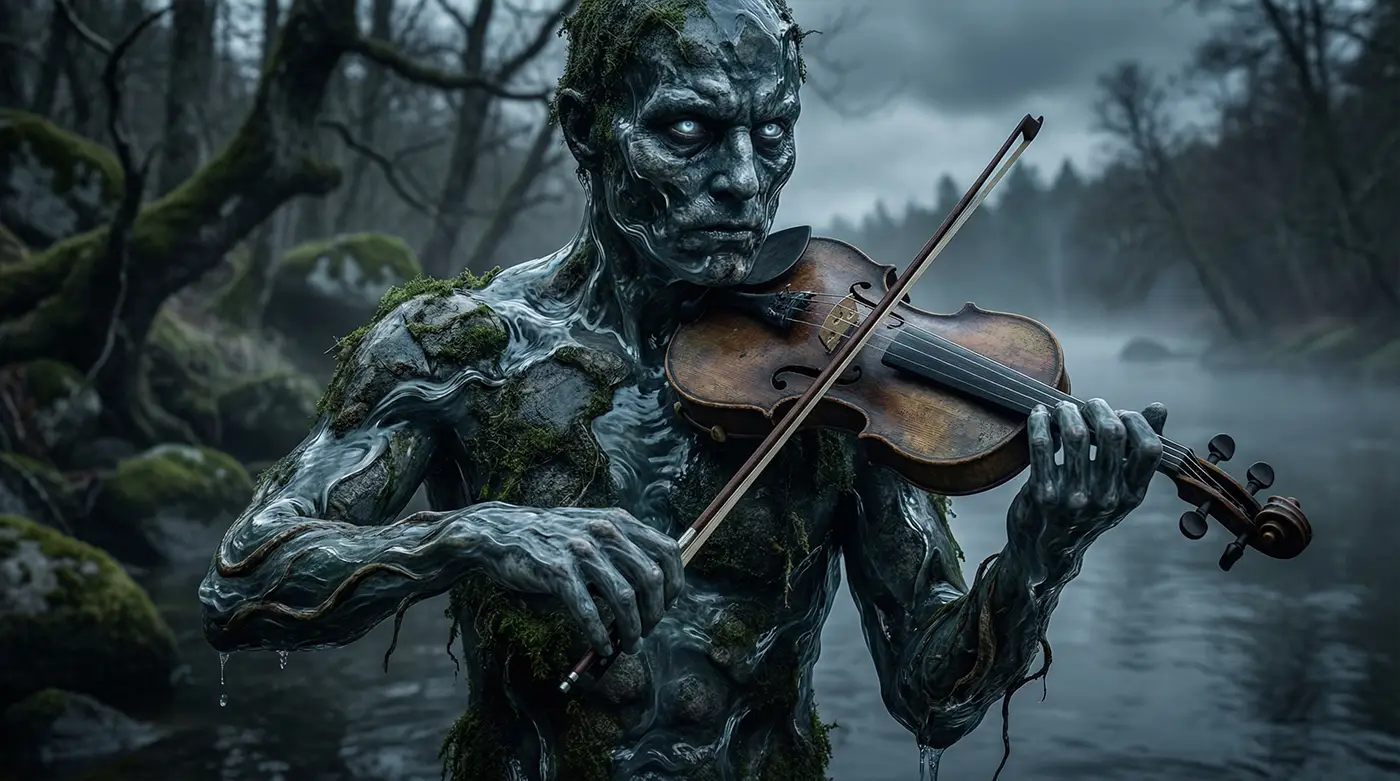
Näcken is a Scandinavian water spirit associated with enchanting music and shapeshifting. Its aquatic identity makes it a useful comparison with water-associated Tokoloshe traditions, despite their different narrative characteristics.
The resemblance concerns supernatural life near water, not shared powers. Musical enchantment and shapeshifting should not be transferred to the Tokoloshe without separate evidence.
Jenny Greenteeth
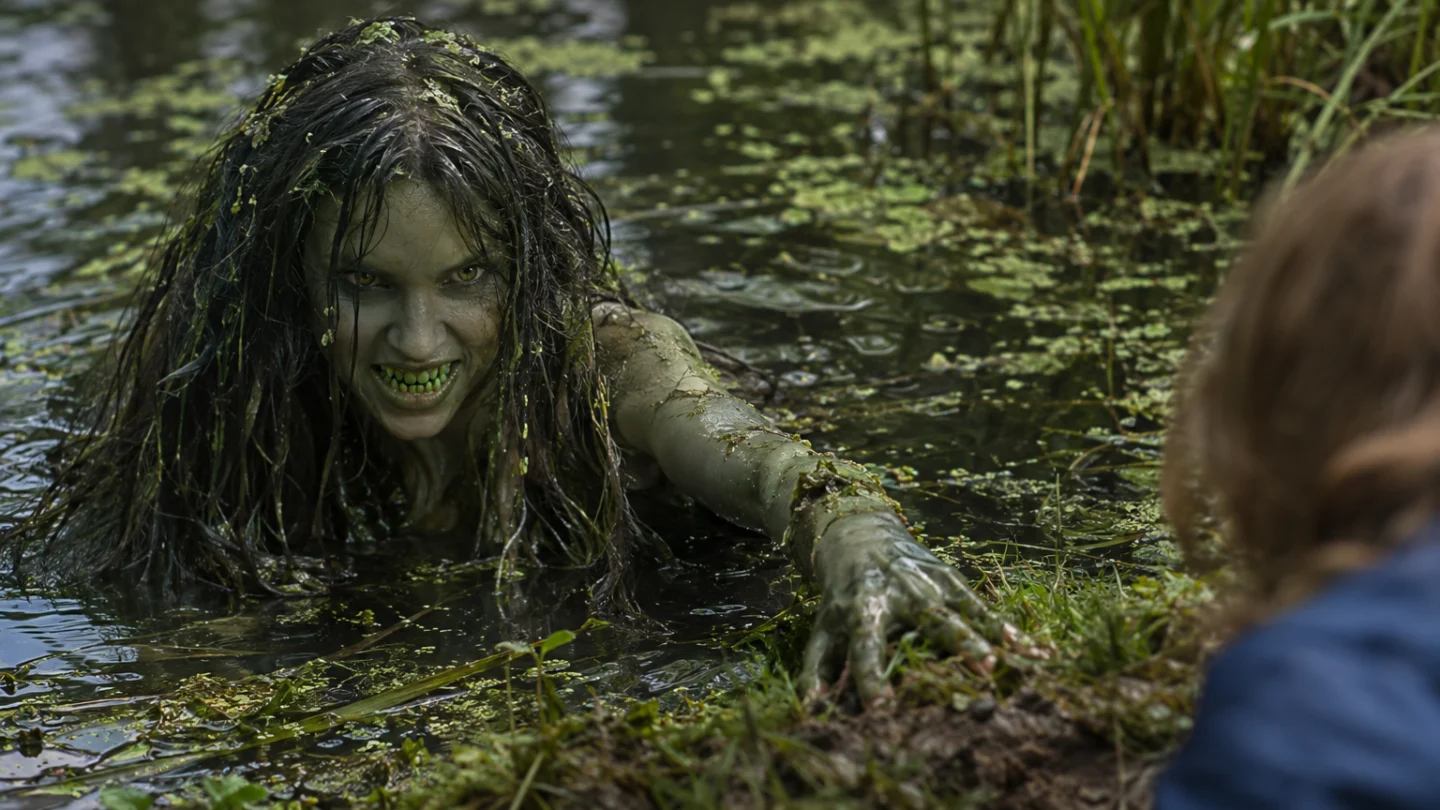
Jenny Greenteeth is an English water spirit associated with ponds and rivers, said to drag people underwater. Her tales express danger around deep or overgrown water.
Both figures connect supernatural beings with waterside environments. Jenny’s explicitly predatory role, however, differs from the mischievous behavior documented in some Tokoloshe accounts.
Read more about Jenny Greenteeth
Mazzikin
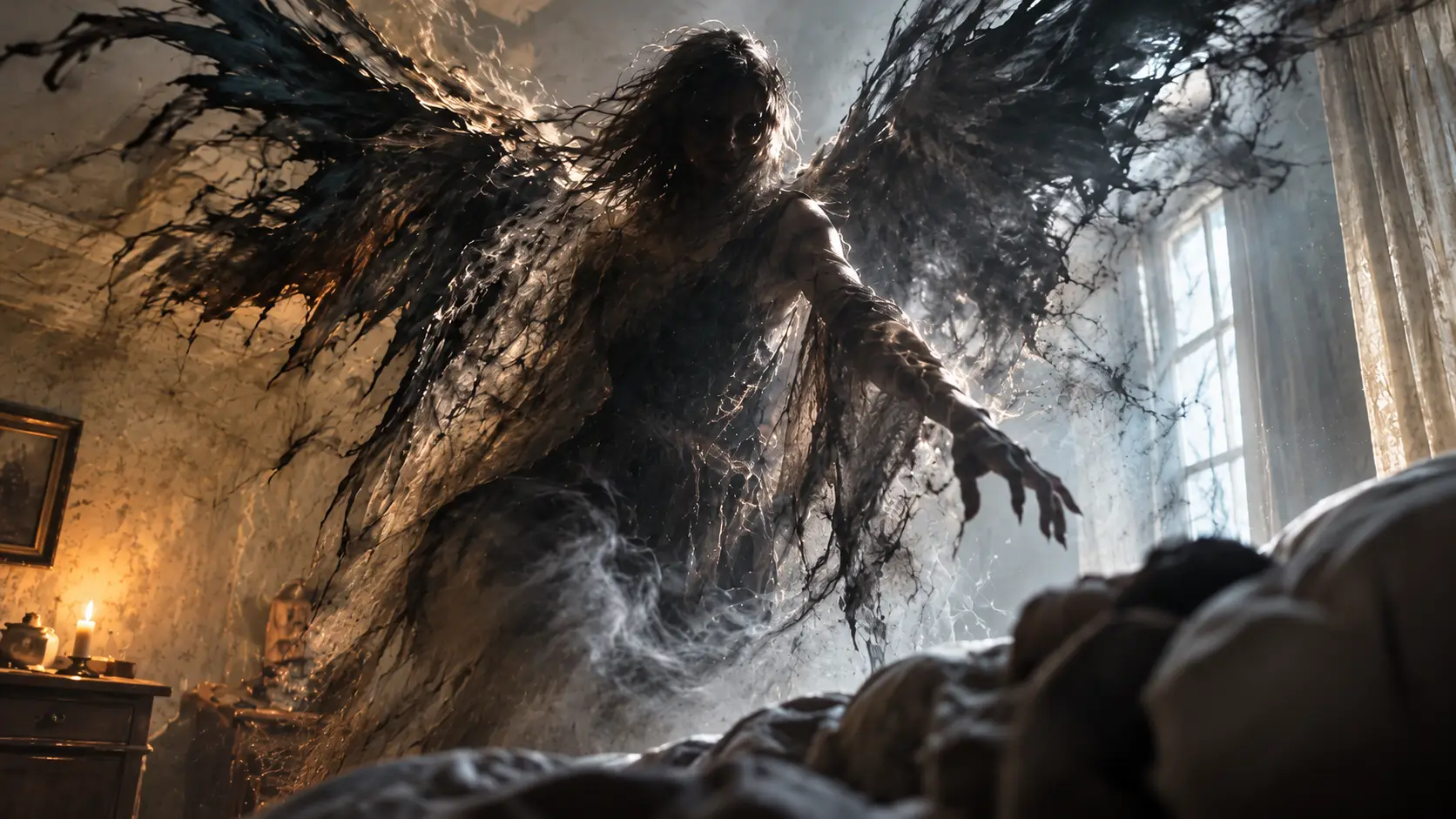
Mazzikin are harmful, usually unseen spirits in Jewish rabbinic tradition. They are associated with hidden dangers and disturbances in everyday life, rather than one fixed individual or appearance.
They resemble invisible, harmful Tokoloshe variants through their concealed interference with human affairs. This is a functional comparison, not evidence of a historical connection.
Mamlambo

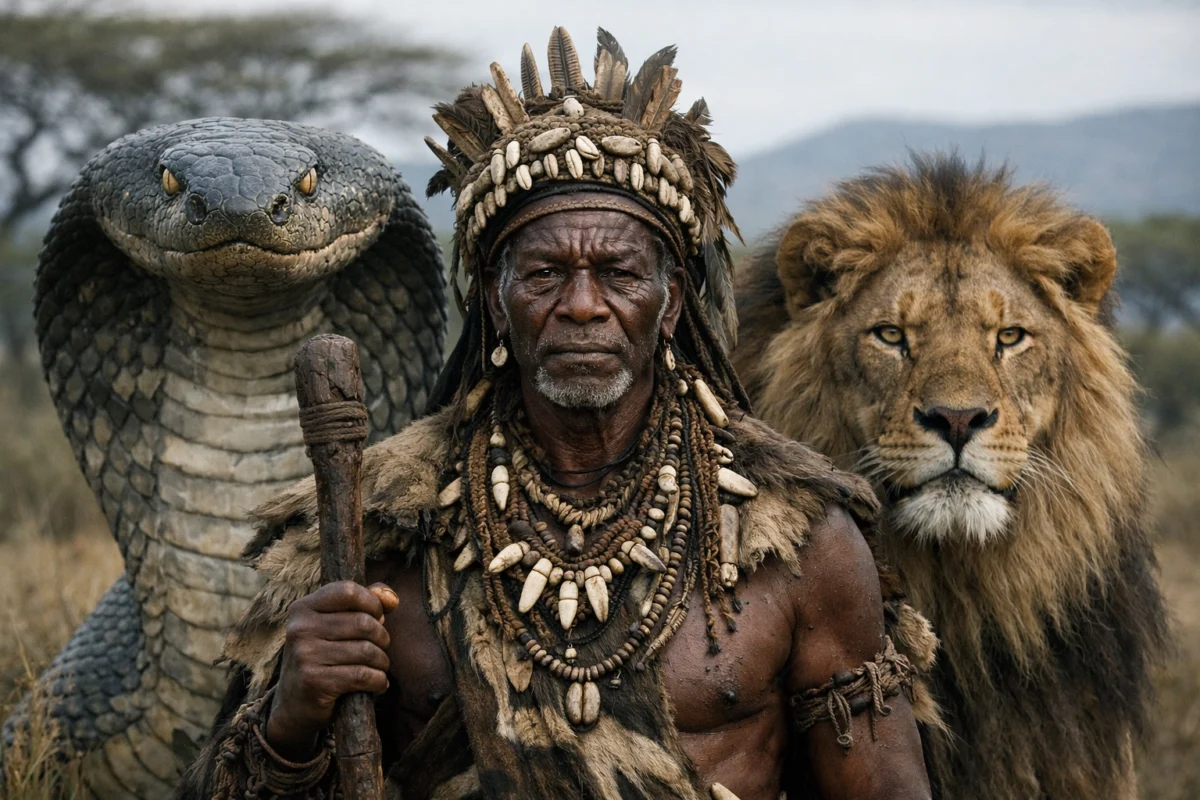
In the Lowveld material discussed by Niehaus, Mamlambo is a snake-like witch familiar, distinguished from the apelike Tokolose. The comparison belongs to a specific ethnographic context.
Both can function as supernatural intermediaries associated with witchcraft. Their different forms and identities remain important: Mamlambo is not another spelling or version of Tokoloshe.
Umkhovu
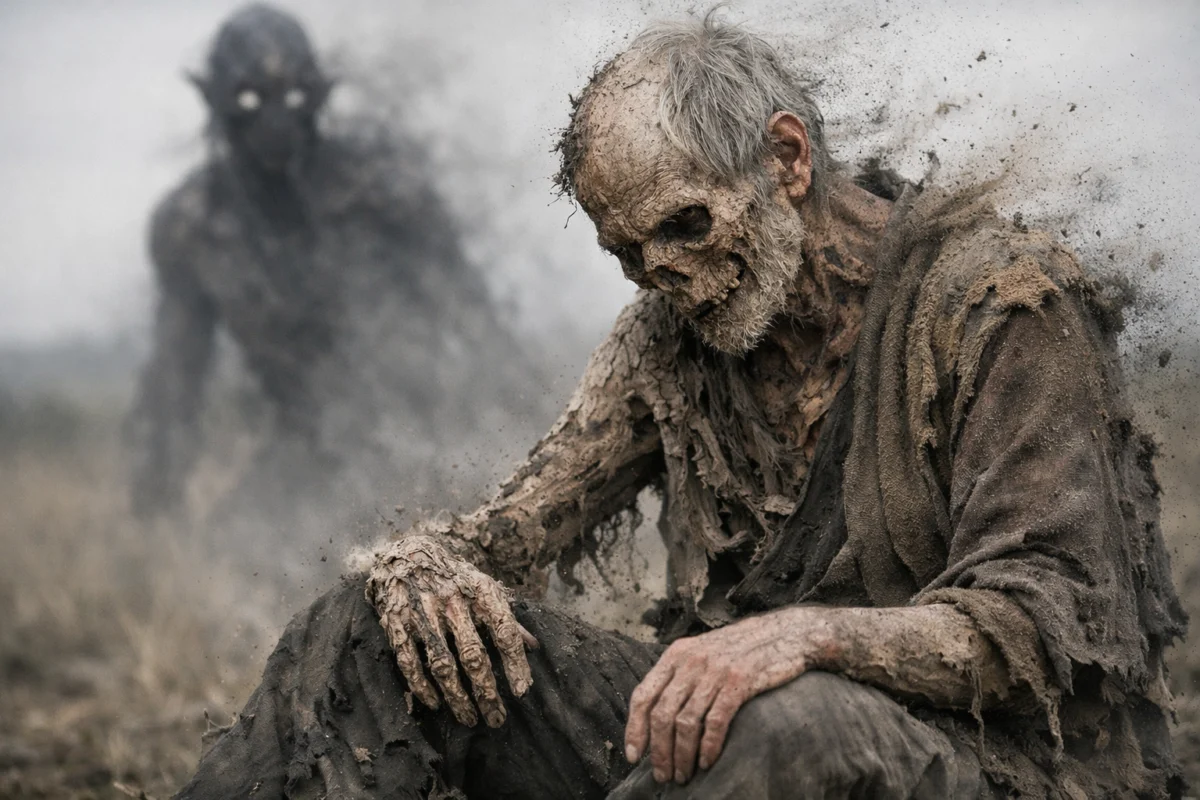
Umkhovu is a distinct zombie-like familiar discussed separately from Tokoloshe in scholarship on Southern African supernatural traditions. Contemporary accounts may bring their roles into overlapping discussions.
The connection lies in familiar traditions and attributed supernatural service. It does not establish that every Tokoloshe is an animated corpse or shares Umkhovu’s identity.
Religion/Ritual
Some Tokoloshe beliefs belong to a religious framework in which witches employ supernatural familiars to cause harm. This role is not universal, and the being should not automatically be classified as a deity, an ancestor, or an object of communal worship.
A 2014 pastoral study of responses to witchcraft fears in Limpopo documents contemporary Christian engagement with such concerns. Its discussion illuminates religious interpretation, but does not establish a standardized Tokoloshe ritual.
The supplied evidence supports no universal offering, invocation, or protective ceremony.
Scientific or Rational Explanations
The evidence establishes the existence of a documented belief and narrative tradition, not empirical confirmation of a supernatural creature. Historical collections, ethnographic accounts, and pastoral studies answer questions about what people describe and believe; they do not independently verify the being’s physical existence.
A social interpretation begins with the difference between domestic mischief and attributed malicious agency. In familiar accounts, an otherwise troubling event can be understood through an alleged relationship between a human enemy and an unseen helper.
This explains a narrative framework, not any particular incident.
Regional variation also limits attempts to identify the Tokoloshe with one ordinary animal. Diminutive humanlike descriptions and larger baboon-like accounts do not establish a single zoological referent.
An apelike appearance within folklore is insufficient evidence that the entire tradition originated in animal misidentification.
The contrast between child-centered tales and frightening witchcraft accounts likewise argues against assuming one medical or environmental cause for everything called Tokoloshe. The reviewed evidence does not establish such an explanation.
Any proposed cause would need to address particular experiences rather than substitute for the tradition’s history.
Historical and anthropological approaches are therefore most useful for understanding the available material. They preserve differences between communities, periods, and narrative settings while examining how supernatural explanations acquire meaning.
Respecting those differences neither requires accepting supernatural claims nor dismissing the experiences and concerns expressed through them.
Modern Cultural References
Modern adaptations draw on different sides of the Tokoloshe tradition, from threatening supernatural encounters to helpful companionship. These works are creative reinterpretations rather than interchangeable records of folklore.
Their contrasting portrayals show why the creature should not be reduced to a single horror-film identity.
The Tokoloshe, film (2018)
Jerome Pikwane directed this South African horror film about a supernatural threat pursuing a child.
Its monster brings the Tokoloshe into contemporary cinema through an explicitly frightening portrayal.
(content.numetro.co.za)
Tokoloshe, play
Pieter Scholtz’s full-length play features a heroine who receives help from Tokoloshe. This theatrical interpretation gives the creature an assisting role rather than treating it solely as a menace.
(app.dramaticpublishing.com)
Tokoloshe Song, novel (2014)
Andrew Salomon’s fantasy novel includes tokoloshes within its fictional world. A tokoloshe befriended by the protagonist offers a companionable portrayal that contrasts with more threatening modern adaptations.
(penguinrandomhouse.co.za)
Tokoloshe: Part 1: Finding My Tokoloshe, novel (2023)
L. N. Bokete’s paranormal fantasy romance features Tokoloshe shifters and a Tokoloshe character.
It reworks the folklore figure within a modern fictional setting shaped by romance and transformation.
(books.google.com)
16: The Tokoloshe, podcast episode (2021)
The Witchery Podcast devotes this episode to the Tokoloshe and associated stories.
It presents the figure as a direct subject of contemporary folklore discussion rather than a fictional cameo.
(open.spotify.com)
Conclusion
The Tokoloshe is best understood as a variable Southern African supernatural being, not a monster with one fixed appearance or purpose. Small, hairy, humanoid or ape-like forms and associations with water recur across collected accounts, but they do not encompass every regional description.
Mischievous encounters around homesteads and children belong alongside, rather than beneath, the more frightening traditions of witchcraft and harmful familiars. Preserving those distinctions gives a clearer account of the creature’s place in storytelling and belief.
Its lasting significance lies in the different relationships these narratives explore: between children and adults, households and unseen dangers, ordinary surroundings and supernatural possibility. Modern horror, theatre, and fiction continue to reshape those relationships, sometimes emphasizing menace and sometimes companionship.
None supplies a definitive key to the whole tradition. A careful reading therefore holds continuity and change together, recognizing a well-documented cultural figure while remaining cautious about universal claims concerning its origins, anatomy, powers, or meaning.
Further Reading
North-West University dissertation quoting Lillejord and Mkabela, Repository.nwu
A scholarly legal study, quoting folklore research, distinguishes traditional tales focused on homestead life, parents, children, and the being’s fondness for amasi from later frightening witchcraft stories.
The source does not establish this phrase as a traditional title.
(repository.nwu.ac.za)
The Tokoloshe and cultural identity in post-apartheid South Africa, SOAS Research Online
A detailed scholarly synthesis comparing regional descriptions, historical sources, and changing cultural meanings.
(eprints.soas.ac.uk)
Witches of the Transvaal Lowveld and their Familiars: Conceptions of Duality, Power and Desire, Persée
Specialist ethnographic analysis that compares the Lowveld Tokolose with Cape Nguni accounts and a separate snake-like familiar.
(persee.fr)
The Religious System of the Amazulu: collection record, EMANDULO, University of Cape Town
Catalog record for Henry Callaway’s early Zulu-language ethnographic collection, useful for historical context.
(emandulo.apc.uct.ac.za)