Introduction
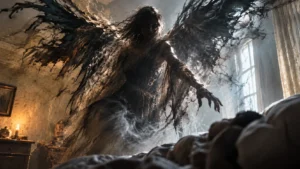
Zmora is a nightmare-being in Polish folk belief, associated above all with attacking and suffocating sleeping people. Its identity rests more securely on this nocturnal activity than on any particular body, ancestry, or supernatural classification.
Regional accounts offer different explanations of what approaches the sleeper.
In some traditions, the attacker is the wandering soul of a living person, sometimes understood as that person’s second soul. Elsewhere, it belongs among the dangerous dead or other supernatural beings.
These are alternative explanations preserved in folklore, not stages of one agreed life cycle.
Its appearance is equally variable. Human figures, including women, occur alongside cats, dogs, white mice, and objects such as straw or fruit.
The familiar world becomes threatening through these transformations: something apparently ordinary may conceal the presence responsible for a disturbing night.
The zmora belongs within a wider Slavic landscape of beliefs about nocturnal oppression, but it should not be treated as identical to every related figure. Polish and Kashubian narratives preserve distinctive combinations of wandering souls, household encounters, religious explanations, and attempts to identify an attacker.
History/Origin
The beginnings of zmora belief cannot be assigned a secure founding date. A historical reference reaches back to 1613: the ethnographer Adam Fischer reports that Szymon Syreński mentioned the belief in his herbal, Zielnik.
This is evidence transmitted through Fischer’s later account, rather than a directly examined passage here.
The ethnographic record preserves local explanations rather than a single origin myth. Some accounts connect becoming a zmora with mistakes during baptism.
Others invoke family circumstances, including a household with seven daughters and no son. Such explanations locate supernatural danger within birth, kinship, and religious incorporation.
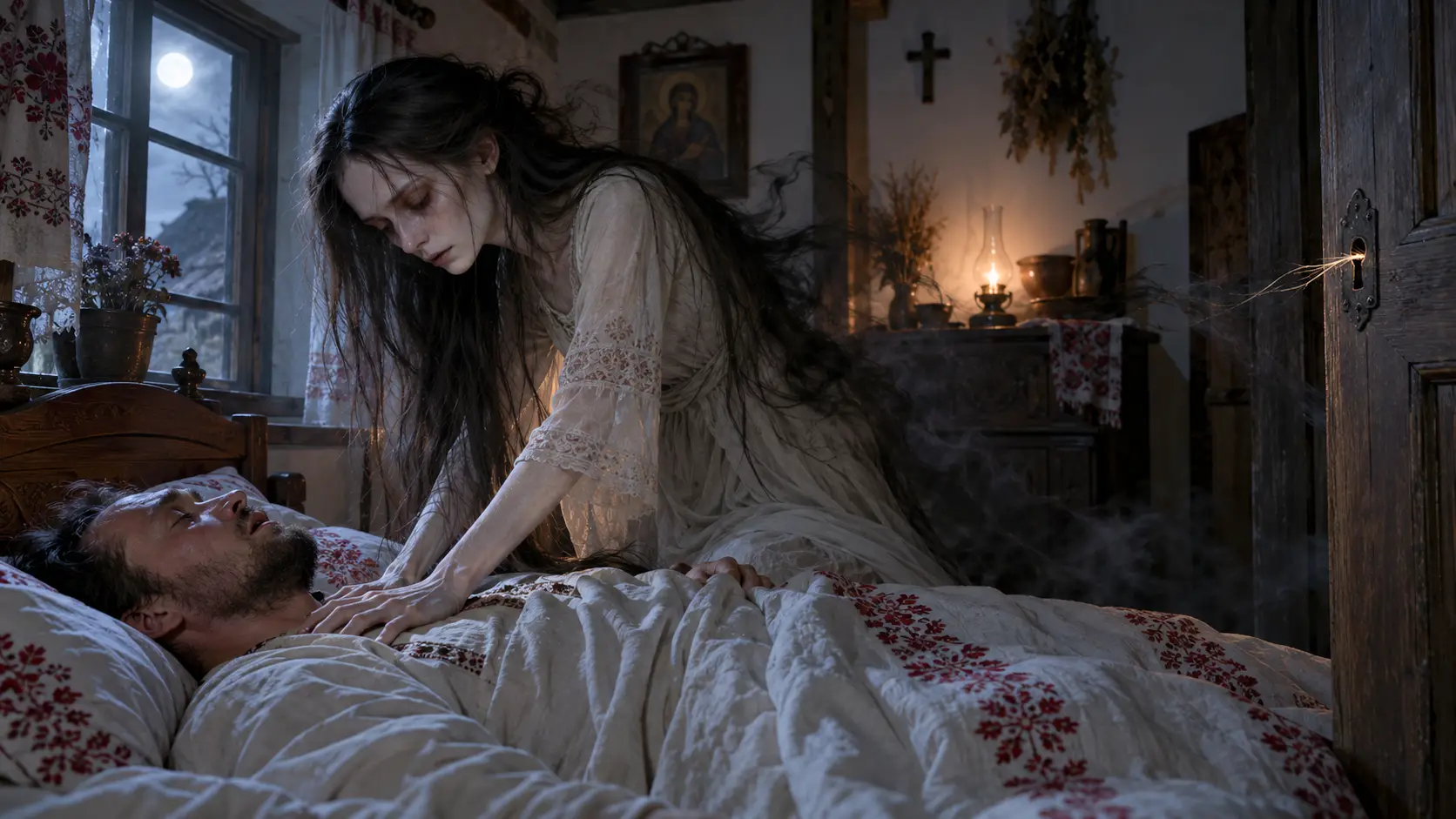
Another important explanation makes the zmora a living person’s nocturnally active soul. In some versions, that person possesses two souls, one of which departs during sleep.
The apparently ordinary individual and the attacking presence therefore belong to the same person without remaining continuously in the same place.
The double-soul explanation is not universal. Specialist research on Polish double-souled beings stresses its uneven geographical distribution and its overlap with beliefs about figures such as the strzygoń.
It cannot safely serve as a defining feature of every zmora account merely because it appears in some.
Other traditions identify zmory with souls of sinners or people whose deaths placed them in a dangerous supernatural condition. Here the explanation shifts from a living person’s unusual constitution to the status of the dead.
Combining these alternatives would erase a substantive difference in local belief.
The tradition also crosses linguistic and regional boundaries without forming a uniform Slavic system. Polina B. Povetkina’s comparative research distinguishes Polish material from related West, South, and East Slavic traditions.
Similar names and attacks invite comparison, but do not establish one shared origin or identical development.
Name Meaning
The name zmora is closely associated with the experience of oppressive sleep and its imagined agent. In modern Polish, it can also describe a persistent torment or burden.
That figurative use preserves the sense of something troubling, but is not itself a supernatural claim.
Aleksander Brückner’s 1927 Słownik etymologiczny języka polskiego records zmora and mora in connection with a witch and nocturnal oppression. Crucially, he treats the word’s further derivation as uncertain.
The documented meanings are therefore firmer ground than a confident reconstruction of its remote linguistic origin.
Attested alternative designations include mora and morus. These forms belong to the vocabulary through which communities described the threatening presence.
Their occurrence does not require every account to agree about whether the attacker was a person, a wandering soul, or a being associated with the dead.
Some Polish accounts also use kikimora, but only as a locally documented alternative. The name cannot be extended into a universal synonym across Slavic folklore.
Regional usage matters: a familiar-looking word may accompany a different combination of functions, origins, and supernatural associations elsewhere.
Appearance
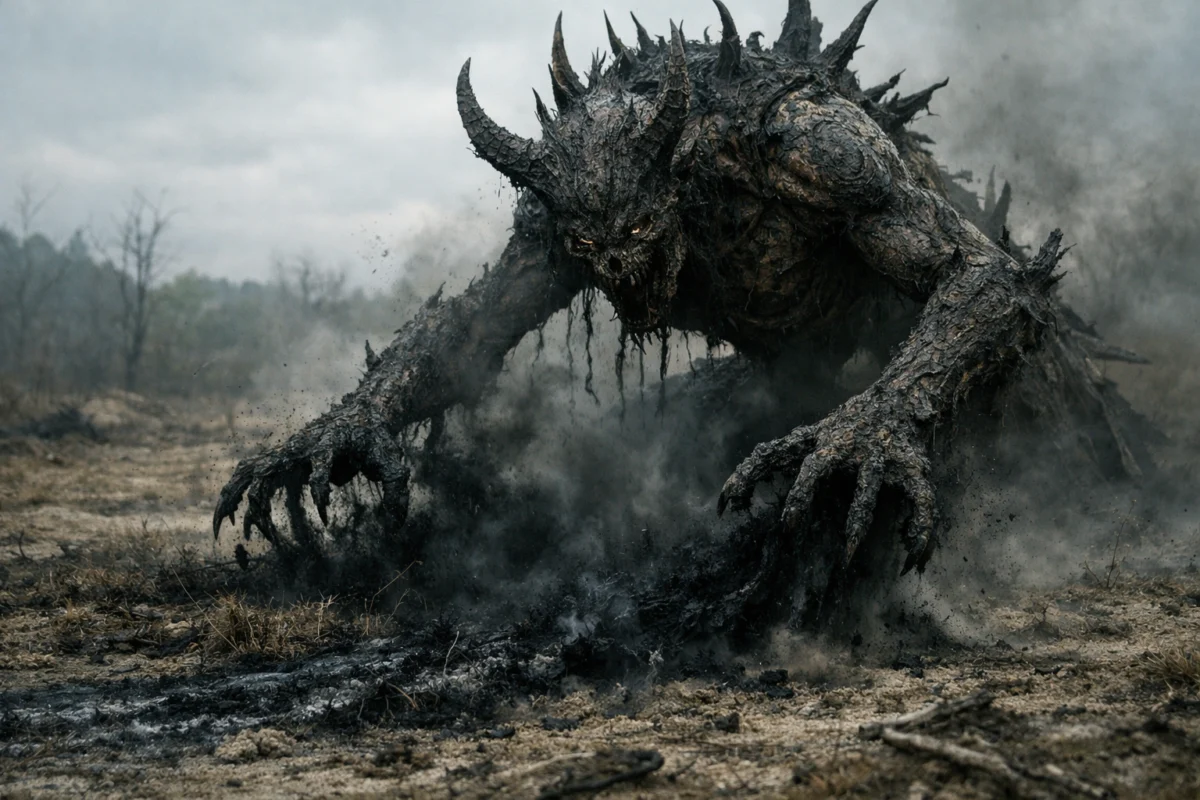
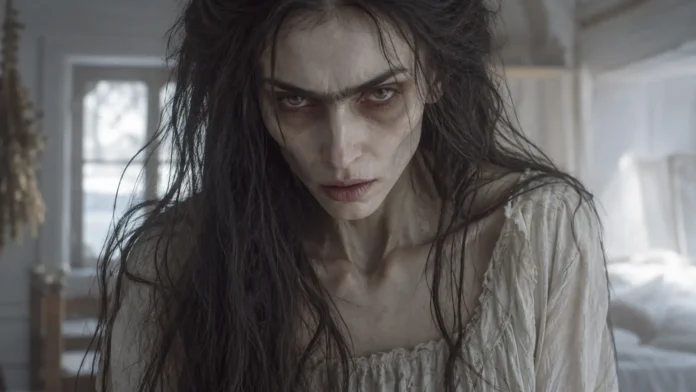
The zmora has no single standard anatomy in the documented tradition. Its most consistent identifying feature is an action: it oppresses a sleeper at night.
Accounts may identify the presence through its behavior or the consequences of an encounter rather than through a recognizable monstrous body.
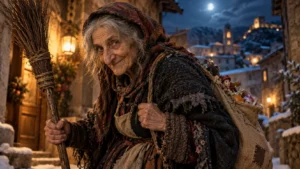
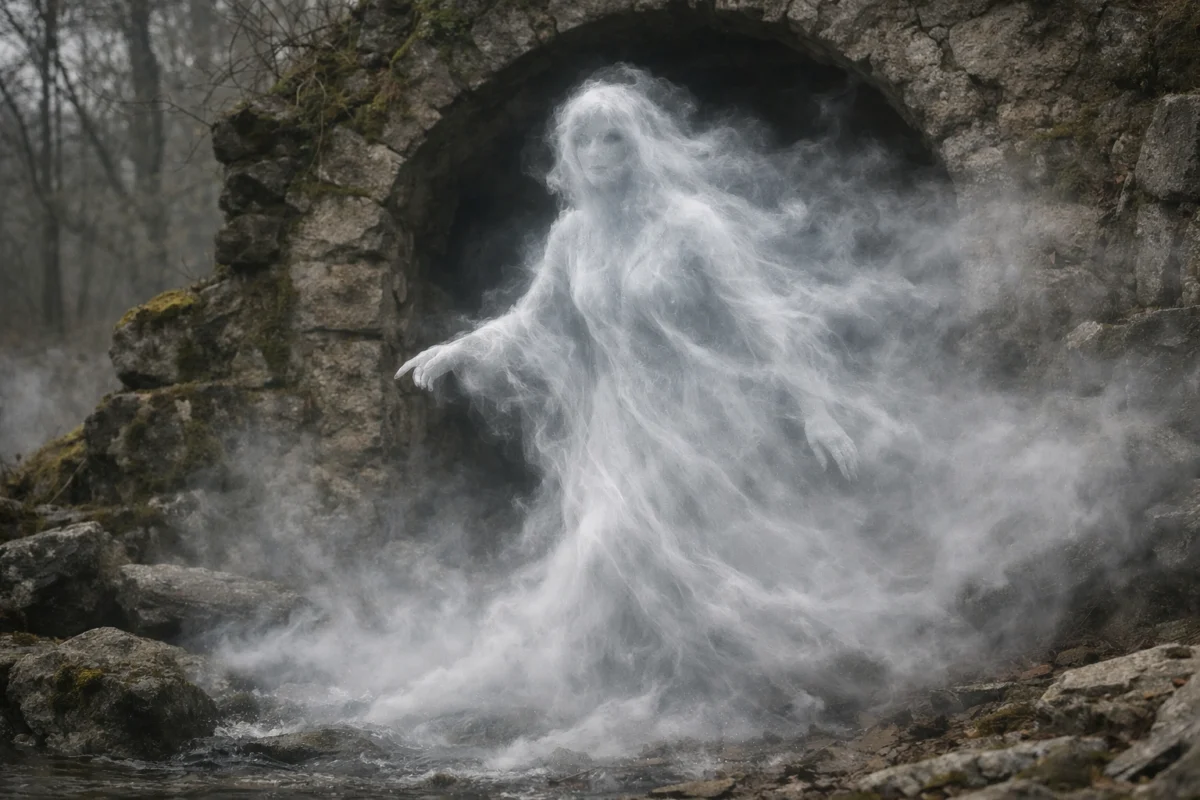
Human and female manifestations form part of this varied record. They fit traditions in which the nocturnal attacker is connected with a living person in the community.
However, this does not establish one standard female appearance, age, costume, or set of facial features shared across accounts.
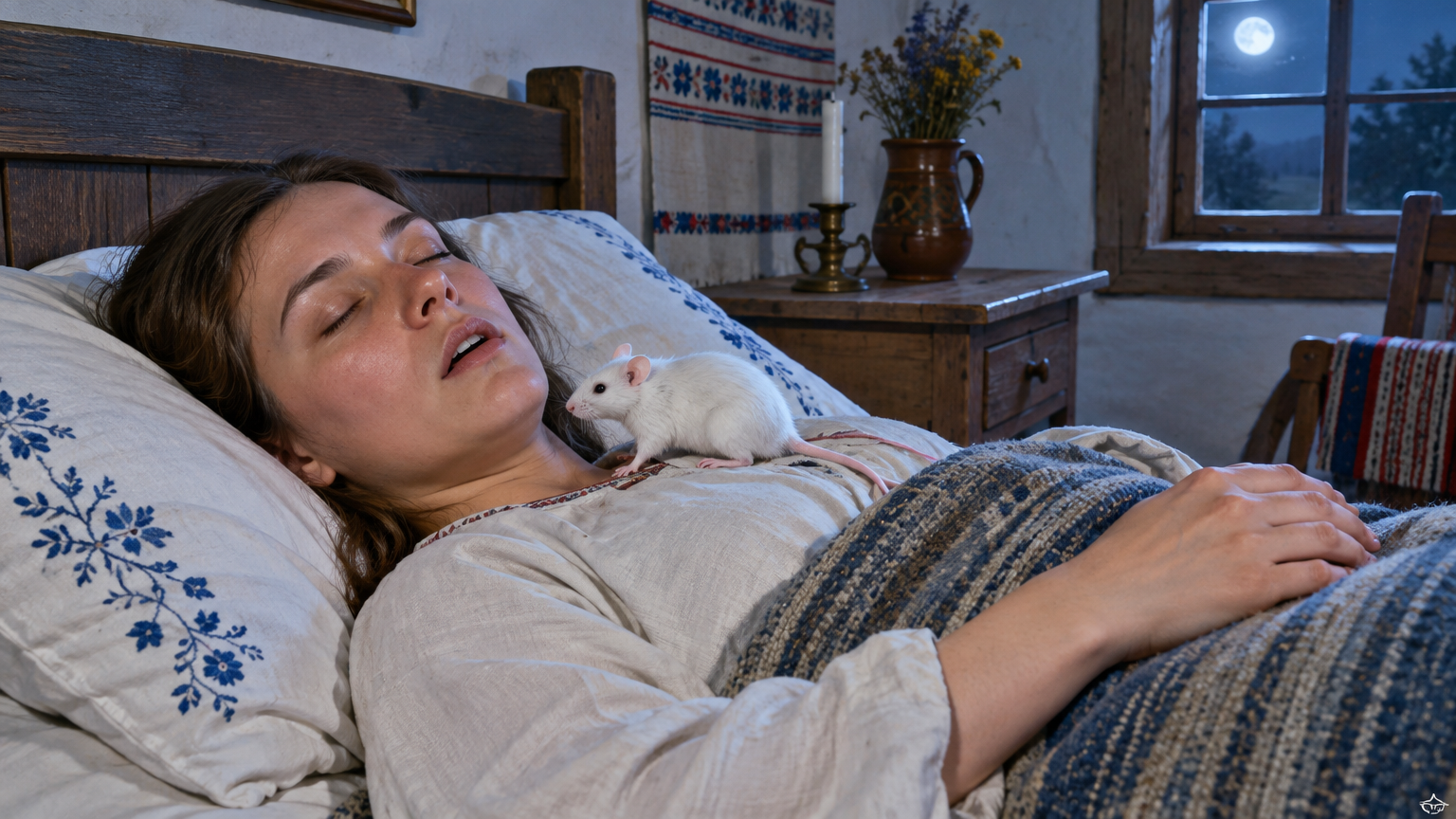
Animal manifestations include cats, dogs, and white mice. These are reported alternatives, not components of a composite beast.
Their significance lies partly in the contrast between an ordinary animal’s appearance and the extraordinary agency attributed to it during a threatening encounter with a sleeping person.
Inanimate forms extend the same uncertainty into everyday objects. Straw, apples, and pears appear among the recorded manifestations.
Kashubian material collected by Fischer gives fruit forms particular narrative importance: an object encountered after nocturnal oppression can become the means through which an attacker is confronted or recognized.
One apple is described as beautiful but unnaturally hard when bitten; a pear is eaten in another episode. These details belong to particular regional narratives, not to a universal description.
The zmora’s outward form is best understood through the individual encounter, rather than as evidence of a fixed supernatural species.
Background Story
The zmora’s background lies in the intersection of troubled sleep, beliefs about souls, and relationships within the household and neighborhood. Its narratives connect an intimate nighttime disturbance with a larger question: whether the force responsible belongs to an unknown supernatural world or to someone familiar.
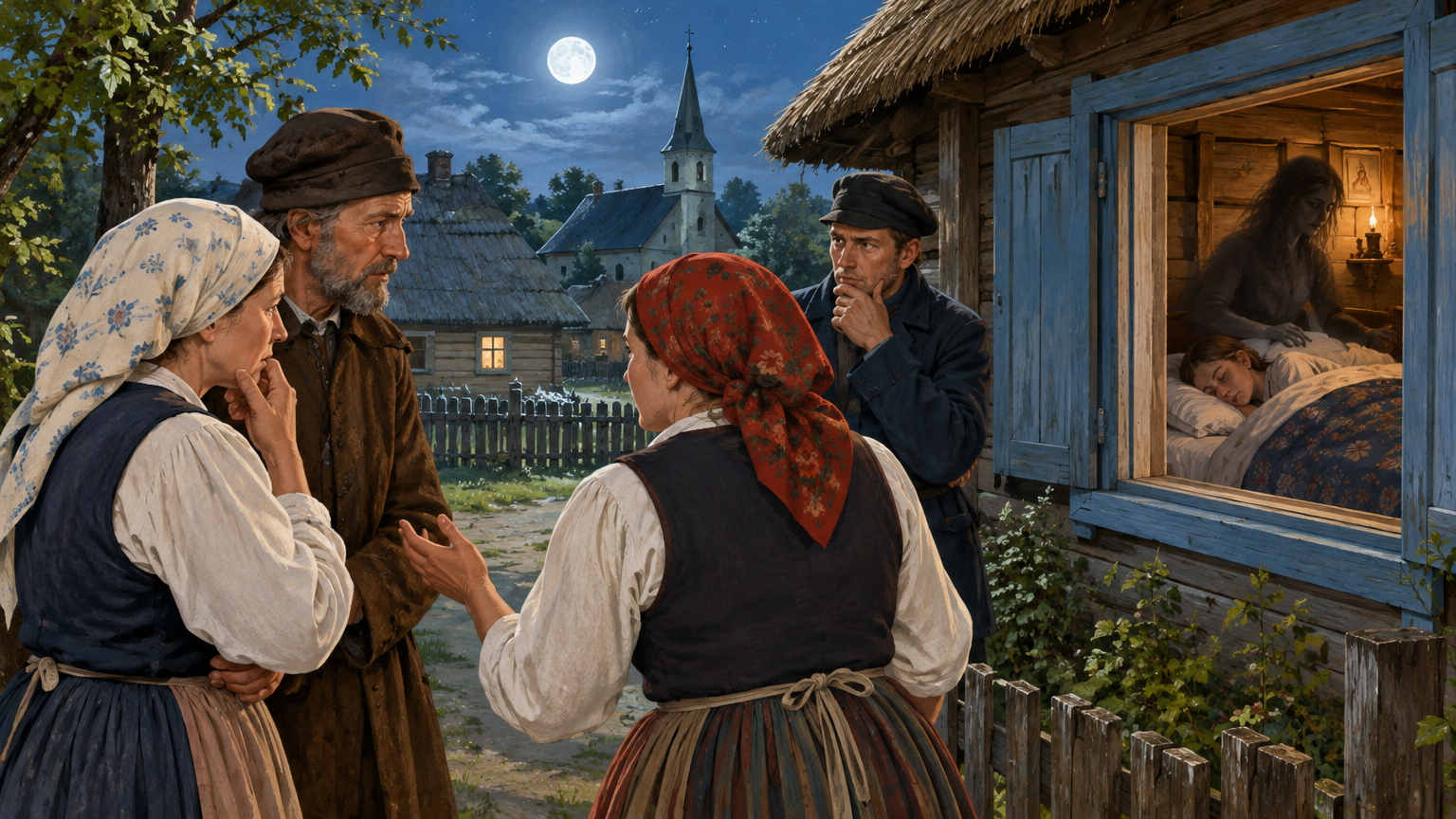
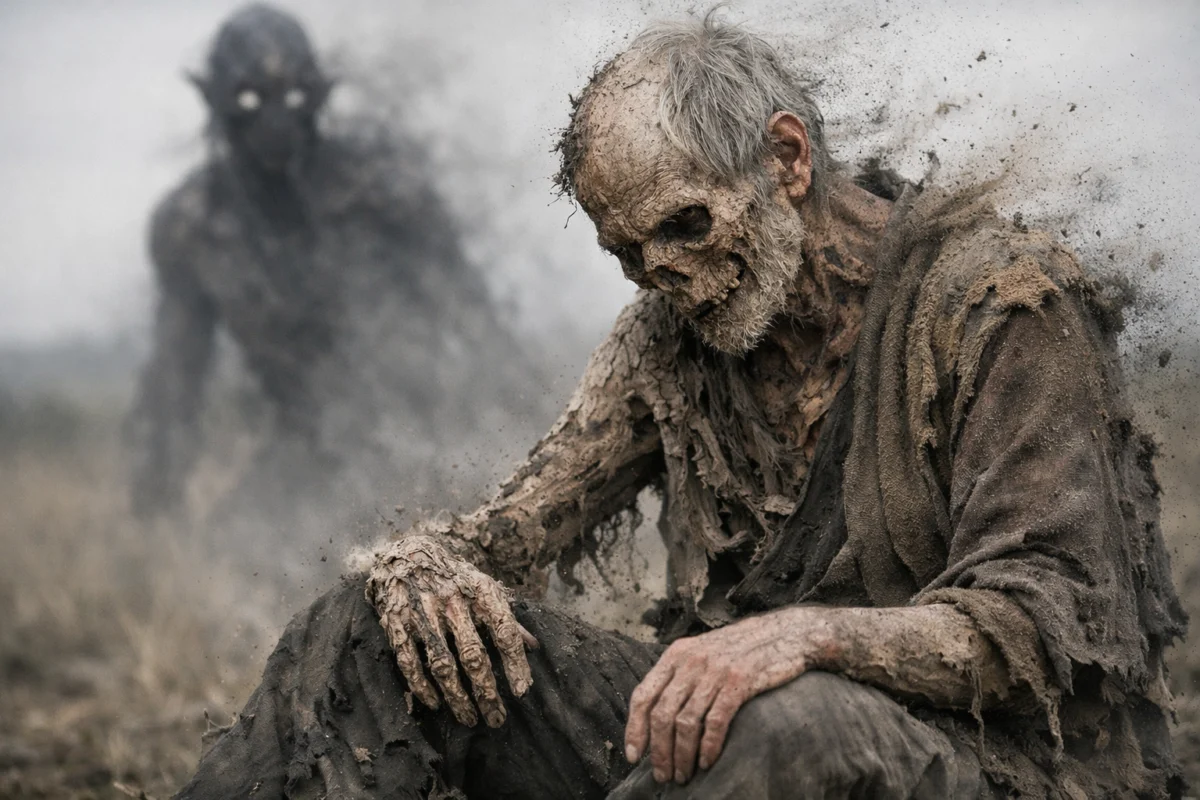
Wandering-soul explanations make the boundary between human and supernatural especially unstable. A person can remain part of ordinary community life while another aspect of that person harms sleepers.
The double-soul motif offers one explanation for this divided existence, but other accounts construct the relationship differently.
Christian baptism supplies another framework for understanding the danger. In a Kashubian narrative recorded by Fischer, a beggar overhears three sisters explaining that each must torment a different target.
Their father subsequently receives advice to have them baptized again, linking their condition to a religious remedy.
This episode places supernatural affliction within family responsibility and Christian practice rather than supplying a biography of the zmora. The proposed remedy belongs to the recorded story.
It shows how local belief could interpret nocturnal harm through baptism without establishing rebaptism as a universal or officially sanctioned response.
Other narratives make bodily injury a bridge between a strange manifestation and a human suspect. A farmhand bites an unusually hard apple after an attack; the following day, a neighbor’s daughter has an injured lip.
The correspondence supplies the story’s evidence of a concealed connection between them.
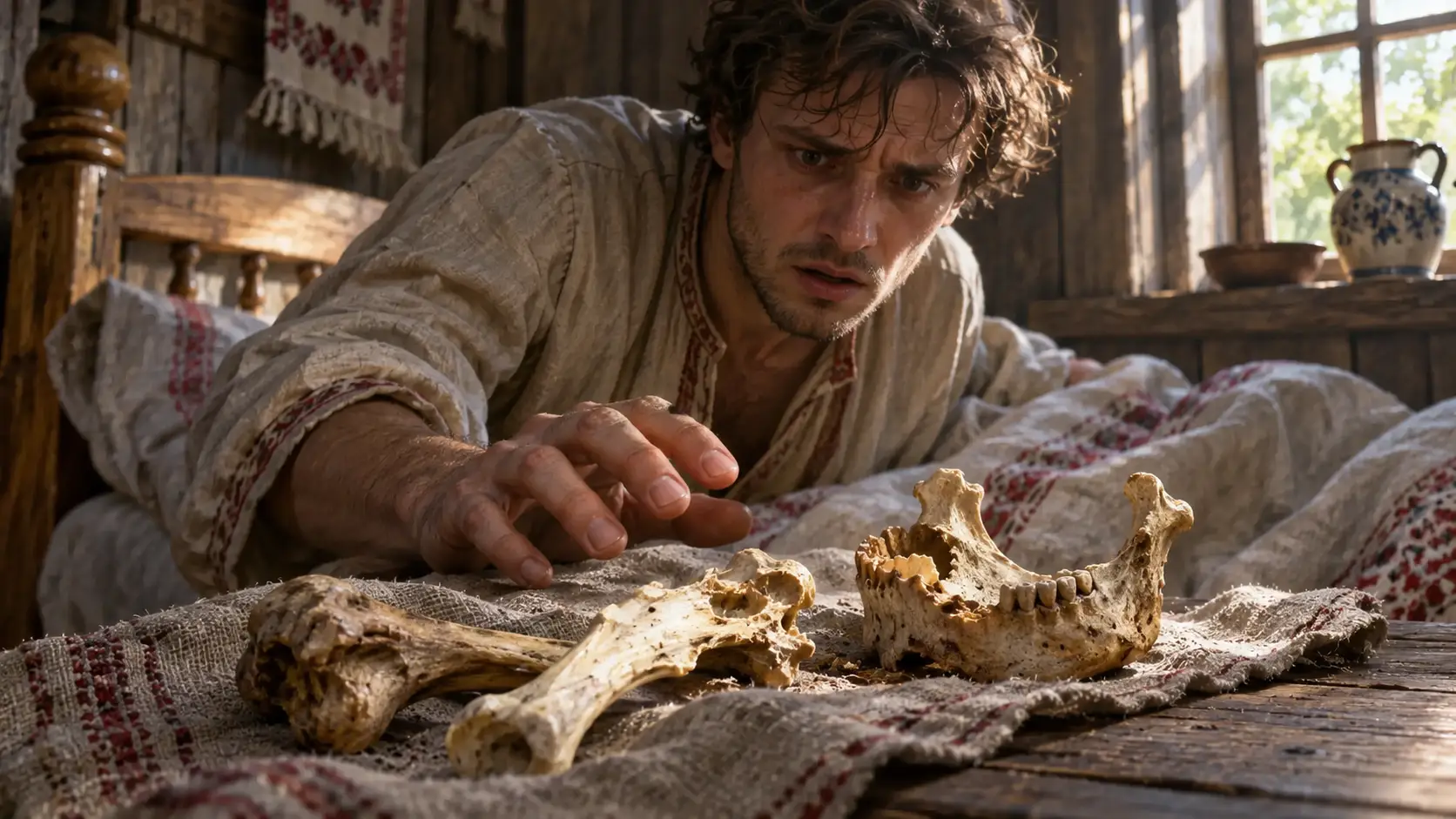
A different Kashubian episode ends with gnawed human bones after a youth eats a pear-form zmora. Such divergent outcomes explain why Piotr Grochowski and Pamela Staroń emphasize the tradition’s heterogeneity.
These narratives share concerns about hidden agency and unstable forms, but do not constitute a single canonical tale cycle.
Famous Folklore Stories
Documented zmora narratives include Kashubian episodes preserved by the ethnographer Adam Fischer. They are encounter accounts rather than chapters in a single mythic biography.
The headings below describe their subjects; they are not authenticated traditional titles or evidence of a unified tale cycle.
Three Sisters and a Beggar
In one Kashubian narrative, a beggar overhears three sisters explaining that each must torment a different target. He reports what he has heard to their father.
The proposed remedy is to have the daughters baptized again, connecting their predicament with religious protection.
The sisters describe tormenting others as something they must do, rather than simply choosing cruelty. This distinction matters: a person associated with the zmora could be understood as suffering an unwanted condition.
The episode does not establish that every zmora originated through defective baptism.
An Apple and an Injured Lip
Another encounter account concerns a farmhand who notices a beautiful apple after being oppressed by a zmora. He bites it and discovers that it is unnaturally hard.
The following day, a neighbor’s daughter appears with an injured lip, suggesting a connection between them.
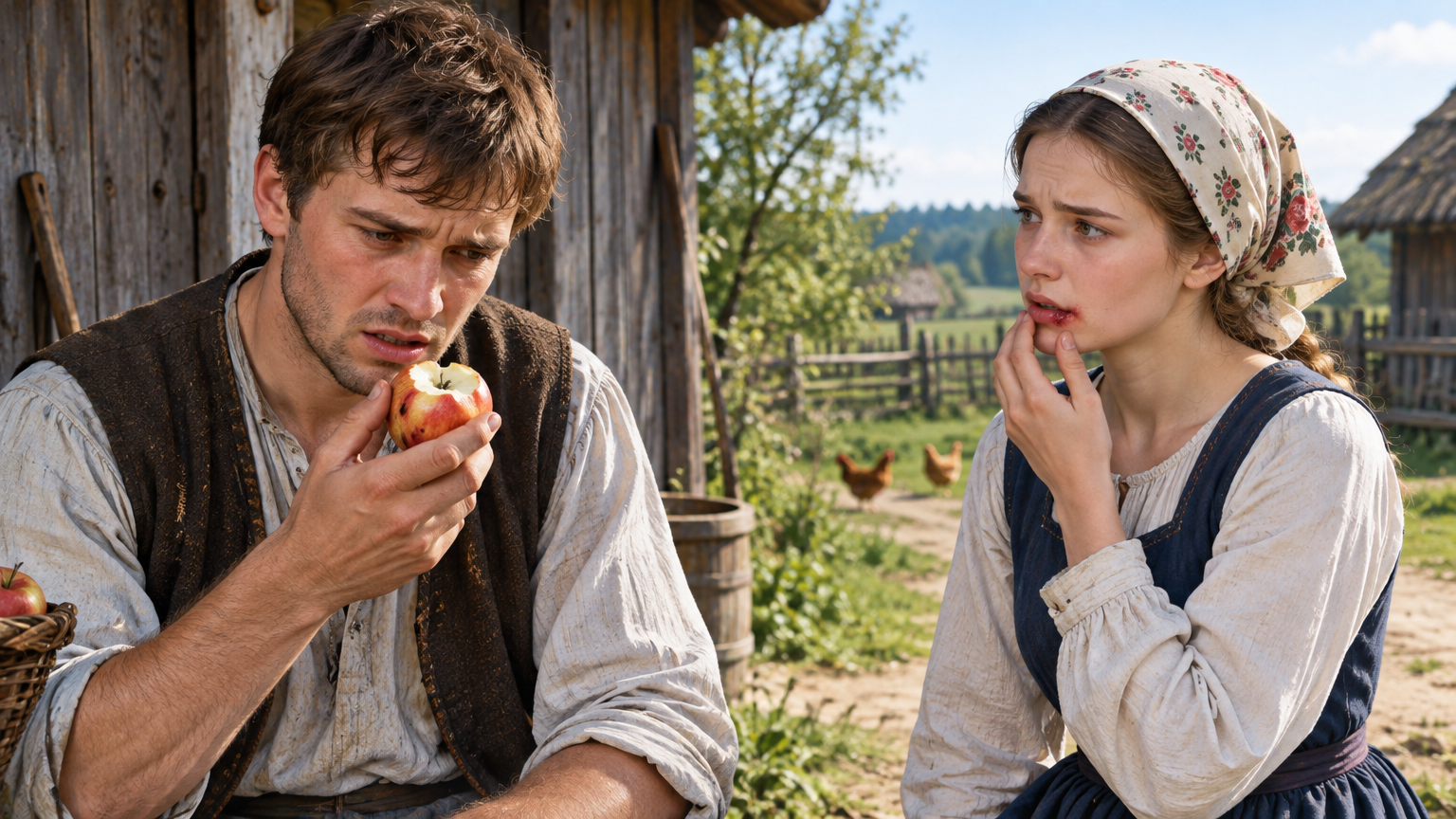
The matching injury supplies the narrative’s apparent evidence that an ordinary-looking object concealed a human identity. Its significance lies in the relationship between the nighttime encounter and the next day’s discovery, not in any general belief that apples were inherently dangerous or supernatural.
A Pear and Human Bones
In a further Kashubian episode, a young man tormented by a zmora eats its pear form. The following day, he finds gnawed human bones near his bed.
The account turns an apparently familiar object into something whose human implications become visible only afterward.
This ending differs from the apple episode, where a living person’s injury suggests recognition. Here, the bones introduce a more disturbing consequence without providing a complete explanation of the being’s nature.
Neither account makes fruit the zmora’s standard body; both preserve particular transformation variants.
Cultural Impact
The zmora gave nocturnal distress a recognizable place within Polish folk storytelling. An attack during sleep could be connected with familiar people, unexplained objects, or wandering souls.
These narratives brought an otherwise private and frightening experience into a shared vocabulary of causes and consequences.
Several encounter accounts locate the uncanny within everyday relationships rather than a distant supernatural wilderness. A neighbor’s daughter or members of a household could become implicated.
The stories therefore concern recognition and suspicion as much as the physical sensation of being oppressed during sleep.
The figure also resists a simple division between human victim and inhuman attacker. Some explanations made the zmora a living person’s departing soul; others connected it with the dead.
These alternatives allowed similar nighttime experiences to receive different explanations within different local traditions.
In modern Polish, the word also functions figuratively for an oppressive or persistently tormenting burden. This usage preserves the association with distress without requiring belief in a supernatural visitor.
A figurative reference to a zmora should therefore not automatically be treated as folklore testimony.
Modern folkloristics increasingly emphasizes this diversity rather than assembling every report into one demon’s fixed profile. Comparative scholarship likewise distinguishes Polish accounts from neighboring traditions.
The cultural importance of the zmora lies partly in how communities adapted the figure, not merely in features shared across Europe.
Similar Beasts
Drude
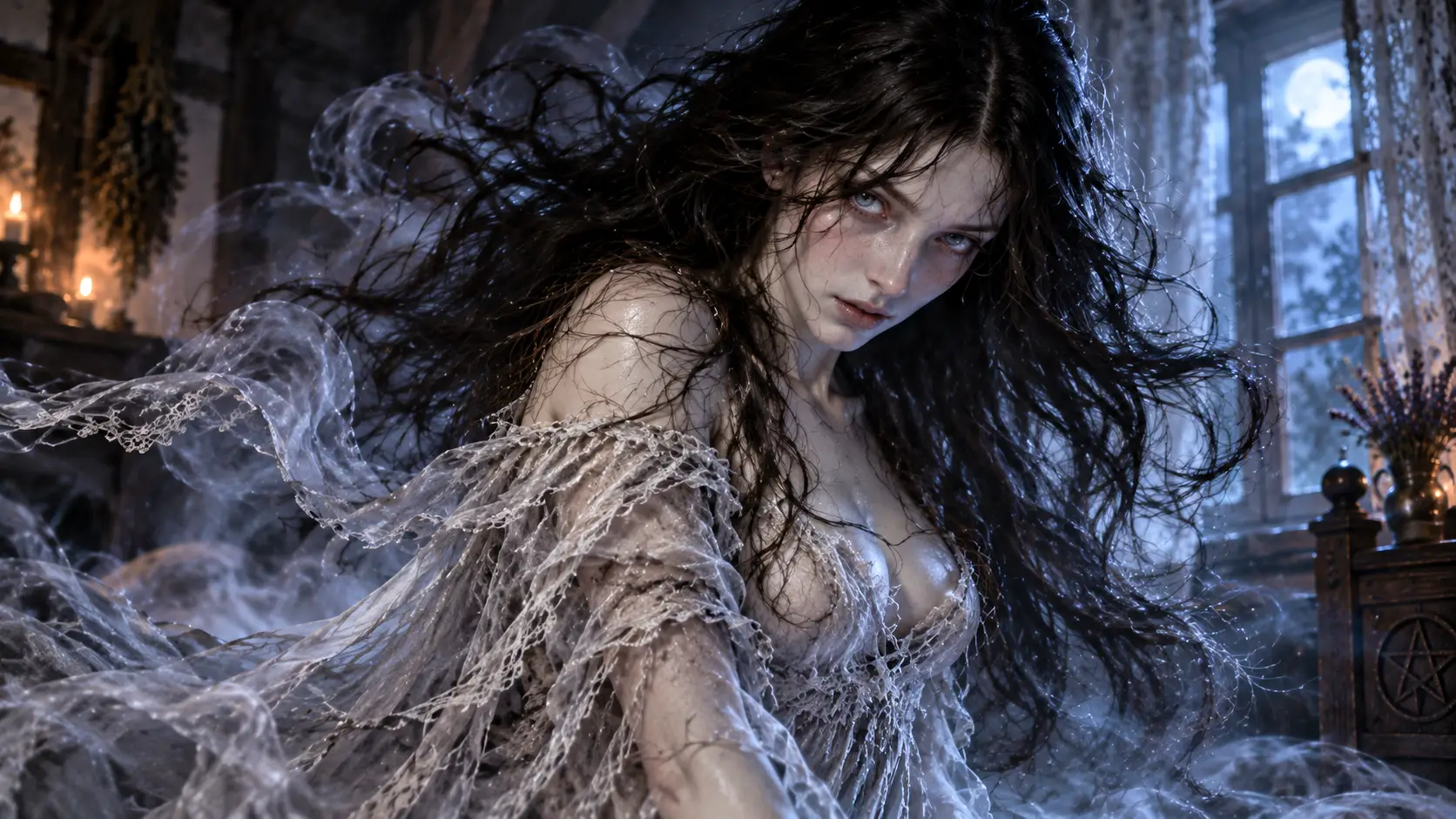
The Drude is a night spirit in German-speaking folklore associated with oppressive dreams and disturbed sleep. Regional descriptions range from an unseen presence to a witch-like figure.
Its strongest parallel with the zmora is its oppressive nighttime activity. Variable descriptions also make comparison useful without implying identical origins, identities, or local beliefs.
Alp
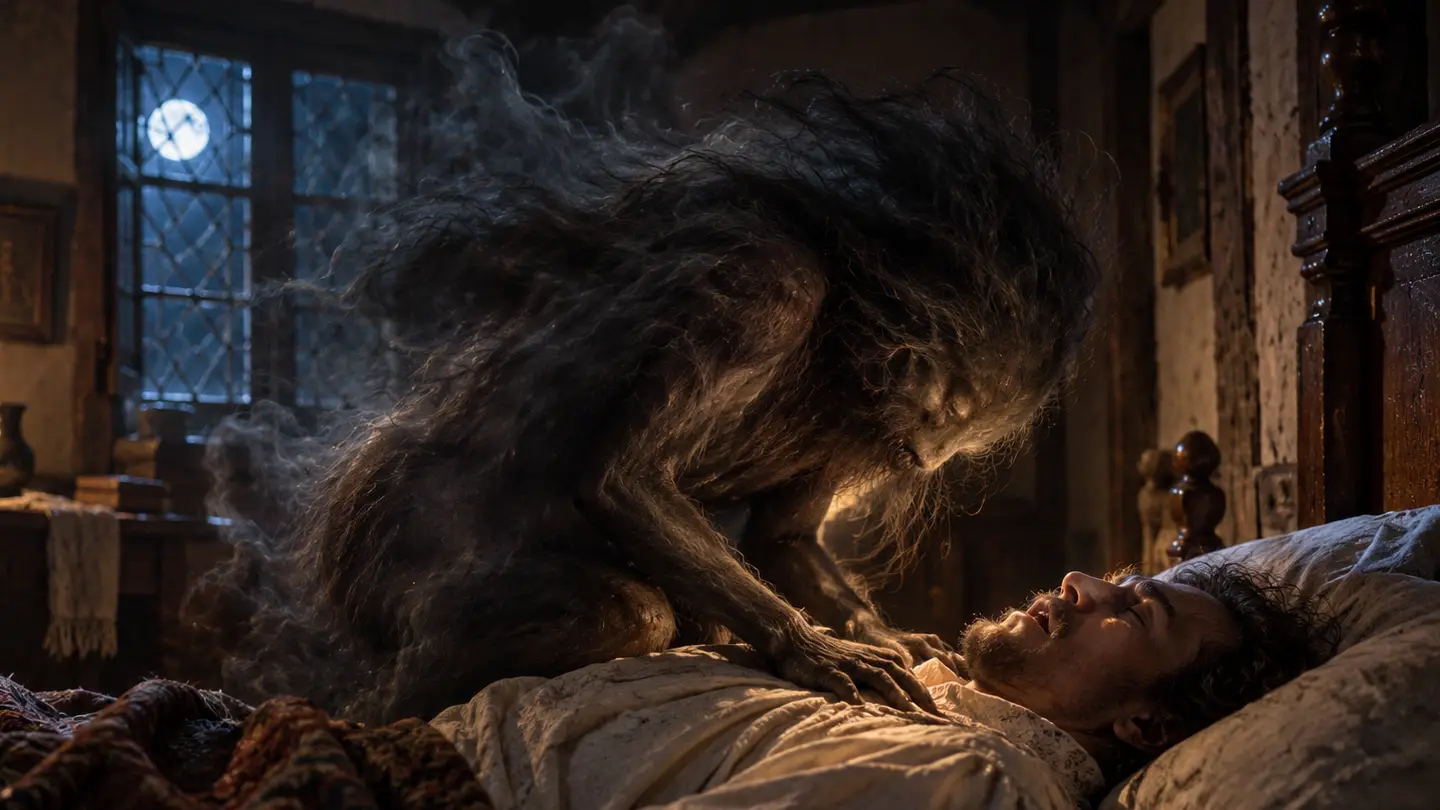
The Alp is a German nightmare-being associated with haunting dreams and nocturnal oppression. It belongs to the broader European field of beliefs surrounding frightening experiences during sleep.
Like the zmora, it offers a supernatural interpretation of nighttime distress. The resemblance concerns function, not proof that both names designate one universally recognized creature.
Strzygoń
The strzygoń is a distinct Polish supernatural figure discussed in scholarship on double-souled beings. In some areas, possessing two souls is more characteristic of this figure than of the zmora.
The comparison exposes an important boundary: a shared soul motif does not make the beings interchangeable, or make two souls essential to every zmora account.
Religion/Ritual
Baptism appears in some explanations of how a person becomes a zmora. Errors or circumstances surrounding the sacrament could be understood as leaving someone vulnerable to an abnormal supernatural condition.
These are documented folk explanations, not a uniform account of the being’s origin.
The narrative about the three sisters gives this connection a practical form: their father is advised to have them baptized again. This is a proposed remedy within a particular recorded story.
It does not establish either a widespread procedure or an officially approved religious practice.
Such material shows Christian sacramental ideas being used to explain and potentially correct nocturnal affliction. Other accounts instead invoke wandering souls, sinners, or the dead.
Keeping these explanations separate preserves the religious variety of the tradition rather than inventing one consistent ritual system.
Scientific or Rational Explanations
Sleep paralysis provides a useful modern comparison for some zmora experiences. During an episode, a person may feel awake but unable to move, sometimes experiencing pressure, intense fear, or an apparent presence.
These features resemble the tradition’s central image of a sleeper under assault.
The resemblance does not establish a retrospective diagnosis for every account. The surviving material includes collected narratives, explanations of origins, and transformation episodes, not clinical observations.
A story about an apple and an injured neighbor cannot be treated as a straightforward medical case history.
An anthropological interpretation asks how bodily experiences acquire culturally recognizable explanations. Where a zmora was a familiar possibility, frightening sensations during sleep could be understood through that figure.
This approach distinguishes the experience itself from the inherited language and narrative patterns used to describe it.
The structure of encounter stories also matters. A nighttime event followed by a daytime injury creates a narrative connection between an unseen attacker and a known person.
That connection explains how the story establishes identity; it does not independently verify that the supposed transformation occurred.
Historical and geographical variation further limits any single explanation. Specialist studies question whether double-souled beings form a stable category and distinguish Polish zmora beliefs from related Slavic traditions.
The most useful rational account therefore considers sleep experiences, storytelling conventions, and local beliefs together, without reducing every report to one cause.
Modern Cultural References
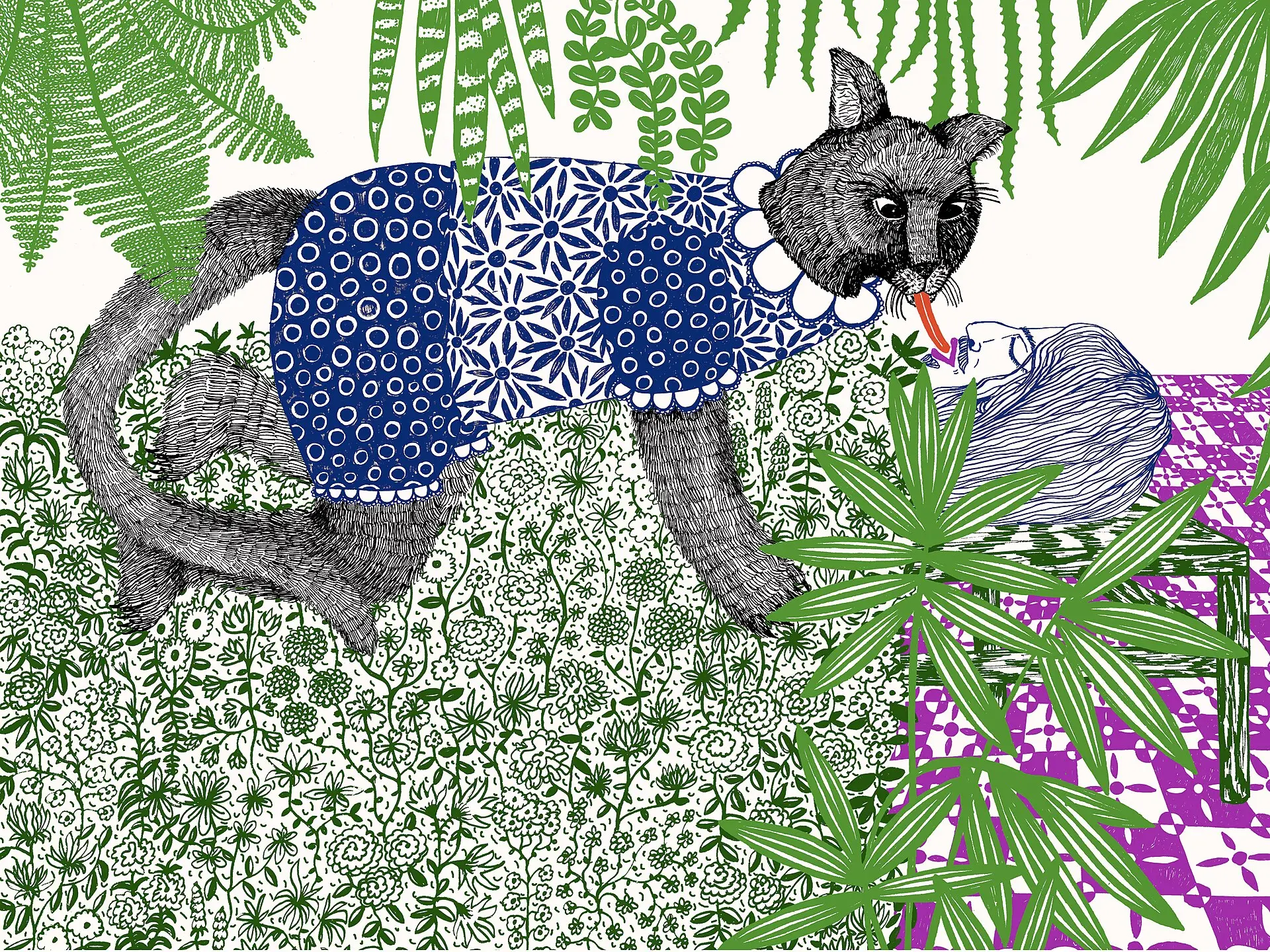
Confirmed modern creative representation is limited in the available material. One commercial artwork explicitly portrays the folklore being, but it should be understood as a contemporary interpretation rather than evidence for a traditional appearance or a wider adaptation history.
Zmora – Dark Slavic Tattoo Poster, illustrated poster
Artist feedmykraken offers this tattoo-inspired illustration as a poster through Redbubble.
The listing explicitly identifies its subject as the Slavic folklore figure Zmora, making the connection direct.
(redbubble.com)
Conclusion
Zmora is best understood through its defining action: the nocturnal oppression of a sleeper. Polish belief narratives gave that threatening presence different origins and bodies, sometimes connecting it with a living person’s wandering soul and sometimes with the dead or another supernatural agency.
These alternatives are not imperfections in an otherwise fixed mythology. They are central to the tradition itself, showing how communities explained frightening experiences through locally meaningful ideas about sleep, identity, vulnerability, and the uncertain boundaries of ordinary life.
The figure’s lasting significance therefore lies less in a recognizable monster anatomy than in the relationship between familiar surroundings and an unseen threat. Regional narratives, including the Kashubian episodes, make that uncertainty concrete through transformations and encounters.
Comparisons with sleep paralysis and related Slavic beings can illuminate parts of this material, but neither supplies a complete definition. Preserving the differences between accounts allows the zmora to remain what the evidence supports: a varied Polish nightmare-being whose cultural importance exceeds any single explanation or image.
Further Reading
Adam Fischer, Kaszubi na tle etnografji Polski, Pl.wikisource
A Kashubian narrative recorded by Adam Fischer tells of a beggar who hears three sisters explain that they must torment different targets.
He informs their father, who is.
(pl.wikisource.org)
Słownik etymologiczny języka polskiego, entry “zmora”, Wikiźródła
Historical lexicographic evidence for the word’s recorded senses, with an explicit warning that its further derivation is uncertain.
(pl.wikisource.org)
Zmora – Dark Slavic Tattoo Poster, redbubble.com
product A currently listed poster featuring an illustration explicitly described as depicting the Slavic folklore figure Zmora.
The page also lists the design on other products.
(redbubble.com)
“Zmora,” Słownik polskiej bajki ludowej, Nicolaus Copernicus University folklore dictionary
A specialist overview of Polish names, beliefs about origins, appearances, activities, and narrative variants.
(bajka.umk.pl)
The Problem of Areal Studies of Folk Beliefs: Polish Zmora on the Background of Other Slavic Traditions, Slověne: International Journal of Slavic Studies
Compares Polish zmora traditions with related figures across Slavic cultures and cautions against treating them as interchangeable.
(slovene.ru)
Zmora. O heterogeniczności ludowych wierzeń demonicznych, Nicolaus Copernicus University Repository
Specialist study of changing Polish beliefs about the zmora, covering names, origins, appearance, activity, countermeasures, and narratives.
(repozytorium.umk.pl)
The Polish Nightmare Being (Zmora) and the Problem with Defining the Category of Supernatural Double-Souled Beings, Folklore / Taylor & Francis
Specialist article examining the double-souled motif, its geography, and its relationship to other Polish folk beings.
(tandfonline.com)