Good Forces
Good Forces as benevolent entities ensuring harmony, protection, and prosperity within ancient cosmologies and spiritual frameworks.
Sub Categories
Benevolent Spirits
Benevolent Spirits serve as guiding forces within mythology, often embodying protection, wisdom, and support. They function to aid humans, offering assistance during trials and promoting moral virtues. These entities convey themes of hope and guidance, reinforcing cultural values and ethical principles.In mythological narratives, Benevolent Spirits symbolize the presence of goodness and positive influence. They provide structure to stories by acting as intermediaries between the divine and mortal realms, enhancing the moral landscape.
Blessed Defenders
Blessed Defenders in mythology often symbolize divine protection and justice. They are typically portrayed as heroes or guardians endowed with supernatural abilities to safeguard their communities or sacred spaces. These figures embody themes of righteousness, courage, and the triumph of good over evil, reinforcing cultural values and moral lessons.As a narrative category, Blessed Defenders serve to illustrate the intervention of higher powers in human affairs. Their stories often emphasize the importance of faith, loyalty, and perseverance. By overcoming formidable adversaries, they inspire hope and resilience, offering reassurance that virtuous actions are ultimately rewarded by divine favor.
Celestial Watchers
Celestial Watchers function as a narrative category representing beings or forces observing cosmic or earthly events. They symbolize order, oversight, and the connection between the divine and human realms. Often depicted as guardians or sentinels, Celestial Watchers provide structure to mythological narratives through their roles in maintaining balance or enforcing cosmic laws.Symbolically, Celestial Watchers convey themes of vigilance, protection, and the eternal nature of the cosmos. They often embody wisdom and foresight, reflecting humanity's quest for understanding universal mysteries. By emphasizing the relationship between the heavens and the earth, Celestial Watchers highlight the importance of harmony and the cyclical nature of existence.
Divine Guardians
Divine Guardians serve as protectors or overseers in various mythologies, embodying the themes of protection and guidance. They often symbolize a connection between the divine and the mortal realms, ensuring order.As a narrative category, Divine Guardians highlight the importance of safeguarding sacred spaces or principles. Their presence in stories often reflects societal values and the belief in higher powers maintaining cosmic balance.
Divine Messengers
Divine Messengers function as intermediaries between gods and humans, often conveying messages or instructions. They serve to bridge the divine and mortal realms, facilitating communication and understanding. Their presence in mythology underscores the importance of divine will and guidance in human affairs, reinforcing the connection between the earthly and the sacred.Symbolically, Divine Messengers often represent themes of revelation and transformation, acting as catalysts for change. They may also embody divine authority, ensuring that celestial decrees are understood and followed. Through their narratives, they highlight the importance of obedience to higher powers, emphasizing the interconnectedness of all beings within the mythological framework.
Guiding Entities
Guiding Entities serve as symbolic figures in mythology, providing direction and wisdom to heroes or communities. They embody moral or ethical principles, aiding in the navigation of complex narratives.These entities often represent cultural ideals or cosmic forces, influencing decisions and outcomes. Guiding Entities function to impart lessons, reinforce societal values, and offer insight into human experiences and challenges.
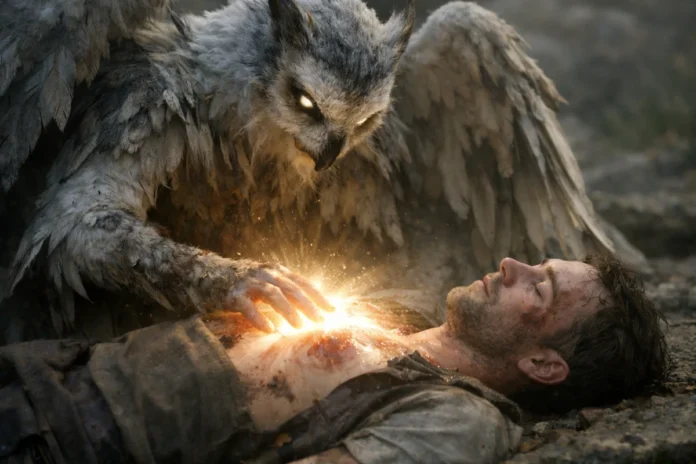
Healing Spirits
Healing Spirits function as a narrative category in mythology, embodying themes of restoration and renewal. They often symbolize the power of nature or divine intervention in restoring balance and health.These spirits are depicted as agents of transformation, emphasizing the importance of harmony and well-being. Healing Spirits convey cultural values regarding health, illustrating the interconnectedness between the physical and spiritual realms.
Heroic Deeds
Heroic Deeds function as a narrative category by showcasing extraordinary actions performed by characters, often highlighting themes of bravery and sacrifice. These deeds frequently serve as moral exemplars, illustrating virtues valued by the culture.Symbolically, Heroic Deeds can represent the triumph of good over evil or the overcoming of significant challenges. They provide structure to myths, guiding characters through transformative journeys that reflect societal ideals and human potential.
Holy Protectors
Holy Protectors function as guardians within mythological narratives, embodying protection and defense against evil or chaos. They symbolize divine intervention, offering safety and reassurance to believers or communities.In mythology, Holy Protectors often represent moral virtues and justice. They provide narrative structure, guiding heroes or communities through perilous trials, reinforcing cultural values and spiritual beliefs within their stories.
Life Givers
Life Givers in mythology represent entities or forces responsible for creation and birth. They symbolize the origins of life, often embodying fertility, renewal, and the continuity of existence. These figures may be depicted as deities, spirits, or primordial beings, emphasizing their vital role in sustaining the natural world and human societies.Narratively, Life Givers provide structure by explaining the emergence of life and its cyclical nature. They convey themes of growth, transformation, and the interconnectedness of all living things. Symbolically, they highlight humanity's dependence on and reverence for life-sustaining elements, reinforcing cultural values and beliefs about creation and existence.
Lightbringers
Lightbringers in mythology often represent figures or entities bringing illumination, wisdom, or enlightenment to humanity. They symbolize the transition from ignorance to knowledge, embodying hope and guidance. Lightbringers serve as catalysts for transformation, often challenging darkness or ignorance in various narratives. Their stories convey themes of renewal, discovery, and the pursuit of truth.As a thematic category, Lightbringers highlight the duality between light and dark, order and chaos. They often function as mediators between the divine and human realms, bridging gaps in understanding. Lightbringers can represent the triumph of good over evil, emphasizing moral clarity and spiritual awakening. Their presence in myths underscores the enduring human quest for enlightenment and progress.
Nature Protectors
Nature Protectors in mythology often symbolize the guardianship of natural environments, embodying themes of balance and harmony. These entities typically represent the interconnectedness of humans and the natural world.They function as narrative devices to emphasize respect for nature, often intervening when ecological balance is threatened. Nature Protectors convey cultural values, stressing the importance of environmental stewardship and coexistence.
Peacekeepers
Peacekeepers in mythology often symbolize the resolution of conflict and the restoration of harmony. They serve as mediators or figures that bring about balance within chaotic narratives. Their presence underscores themes of reconciliation, justice, and the importance of maintaining societal equilibrium.Mythological Peacekeepers may embody ideals of diplomatic negotiation and compromise, representing an ideal state of coexistence. They function as symbols of hope, offering pathways to unity and collective understanding. Their stories often illustrate the transformative power of peace over discord.
Sacred Guardians
Sacred Guardians function as protectors or keepers within mythological narratives, often symbolizing divine protection or authority. They may embody moral values, guiding characters through trials or safeguarding sacred spaces. Their presence reinforces themes of order and balance, often linked to cosmic or spiritual realms.In mythology, Sacred Guardians serve as narrative devices to illustrate the boundary between the mortal and divine. They often challenge protagonists, testing their worthiness or resolve. This role underscores themes of transformation and enlightenment, highlighting the interplay between human actions and the sacred.
Spirit Guides
Spirit Guides function as intermediaries in mythological narratives, offering guidance and wisdom to individuals. They often symbolize a connection between the physical and spiritual realms, providing insight and protection.In thematic terms, Spirit Guides represent inner intuition and moral compass, helping characters navigate challenges. Their presence often signifies transformation or growth, emphasizing the importance of spiritual awareness and personal development.
Virtue Keepers
Virtue Keepers function as a thematic category in mythology, symbolizing guardianship of moral and ethical principles. These figures embody ideals like honesty, courage, and wisdom, guiding humanity's conduct. Their narratives often highlight the struggle between virtue and vice, illustrating the importance of maintaining moral integrity in challenging circumstances.In mythological structures, Virtue Keepers serve as role models and moral benchmarks. They reinforce cultural values, providing lessons on righteous living. Through their stories, communities explore complex ethical dilemmas, emphasizing the societal significance of upholding virtues. These tales often inspire individuals to pursue personal growth and ethical behavior.
Relevant Beasts
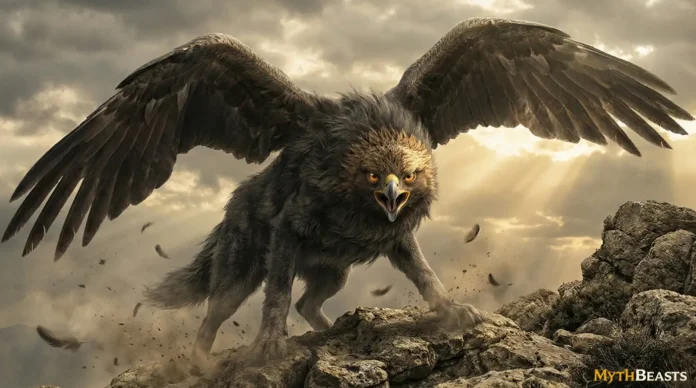
A mighty guardian bird beneath the sacred tree on Mount Alborz that gathers seeds, spreads them across the earth,...

A majestic hybrid of lion and eagle, the Griffin is a legendary guardian from Classical Greece, known for its...

The Unicorn, first described by Ctesias in 5th-century BCE Greece, was a one-horned beast said to live in India....

A sacred firebird of Ancient Egypt and Classical myth, the Phoenix embodies immortality through cycles of death and rebirth,...

The Ghillie Dhu is a solitary forest spirit in Scottish folklore, kind to children and clothed in moss. A...

The Dragon is a celestial creature in Chinese mythology, controlling water, storms, and fortune. Revered as a symbol of...