Introduction
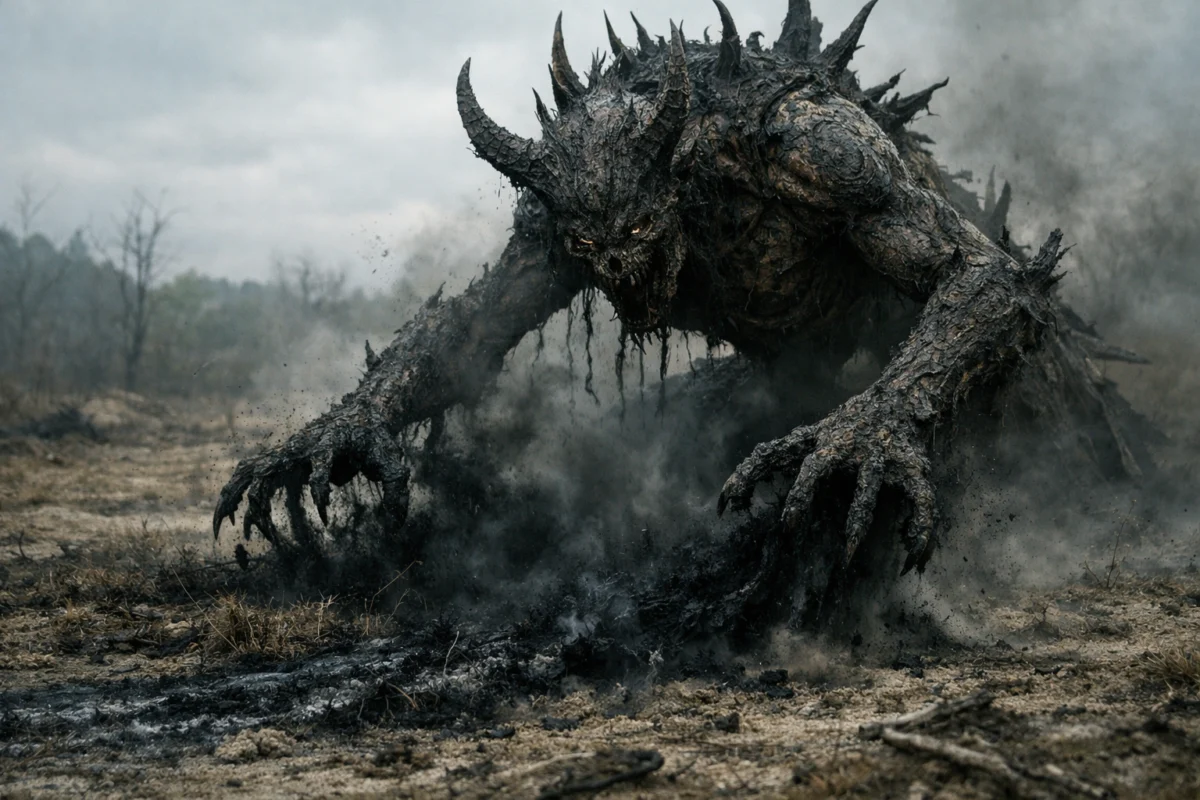
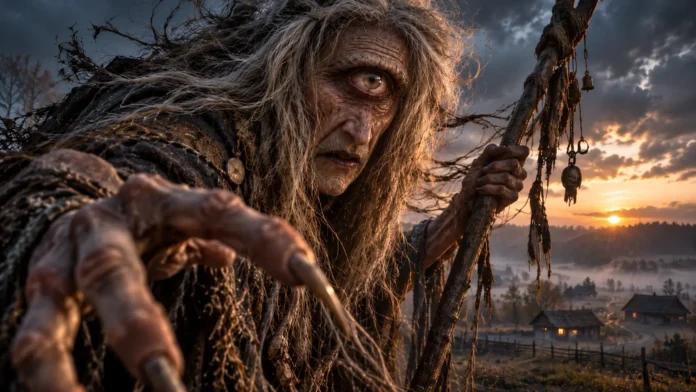
One-Eyed Likho is a personification of misfortune in Slavic folklore, most clearly embodied in a Russian wonder tale about a person who deliberately seeks trouble. Its best-known narrative form is a terrifying, one-eyed woman who threatens travelers and turns an abstract condition into a bodily enemy.
Likho belongs to the meeting place between ordinary language and supernatural storytelling. Its name means evil or misfortune, but a tale can make that same misfortune speak, eat, pursue, and injure.
It is therefore more precise to describe Likho as personified calamity than as a consistently defined species of monster.
The familiar female form should not be mistaken for an entirely fixed identity. Descriptions also circulate of a one-eyed giant, and grammatical gender does not determine the figure’s appearance.
The strongest starting point is the documented Russian tale, rather than a composite assembled from every later description.
What makes Likho memorable is the relationship between danger and recognition. A traveler who has never experienced evil decides to find it, only to discover that meeting misfortune is much easier than escaping it.
The creature gives physical shape to that reversal.
History/Origin
The clearest historical foundation for One-Eyed Likho lies in the nineteenth-century recording and publication of Russian folktales. These collections preserve oral storytelling, but their publication dates do not establish when the character originated.
A recorded tale is evidence of an existing tradition, not its identifiable beginning.
Alexander Afanasyev’s Russian folktale collection, first published in installments between 1855 and 1863, is central to this documentary setting. His collecting project preserved narratives in which everyday hardship, supernatural adversaries, and peasant occupations occupy the same imaginative world.
Likho belongs within that storytelling environment.
An important English-language witness is W. R. S. Ralston’s Russian Folk-Tales, published in 1873. Its treatment of One-Eyed Likho helped introduce the figure to English-speaking readers.
The story concerns a blacksmith’s search for evil and his encounter with a monstrous, one-eyed hostess.
The narrative also belongs to a wider international family of encounters with one-eyed, man-eating adversaries. Blinding the captor and escaping through the management of livestock recall the Polyphemus episode in the Odyssey.
Such correspondences establish a meaningful comparison, but do not by themselves prove direct borrowing from Homer.
Two historical layers should therefore remain distinct: the broadly Slavic vocabulary of evil and adversity, and the particular Russian narrative that turns adversity into a one-eyed antagonist. Their relationship explains Likho’s character more securely than treating the figure as a fully reconstructed ancient deity with an established biography.
Name Meaning
The Russian name Likho, written Лихо, is also an ordinary word for evil, trouble, or misfortune. “One-eyed” translates odnoglazoe in the familiar Russian designation.
The resulting name identifies both the figure’s defining bodily trait and the harmful condition it embodies.
Related words occur elsewhere in Slavic languages, including Polish licho and Ukrainian lykho. Their semantic range connects harm, adversity, and something bad or malign.
Shared vocabulary, however, should not be taken to mean that every region tells the same one-eyed-monster story.
In Russian, likho is grammatically neuter. This matters because English descriptions sometimes make the character sound permanently male or female.
A neuter abstract noun can nevertheless become a female character in a particular tale, without requiring a different name or a separate supernatural identity.
A familiar Russian proverb advises against waking Likho while it is quiet. The expression treats trouble as something dormant that an imprudent person might disturb.
That linguistic image closely matches the tale’s central reversal: someone actively searches for evil and discovers why it was better left alone.
Appearance
The most securely grounded visual feature is the single eye. It is not merely an ornamental peculiarity: in the encounter tale, it creates both the monster’s menace and a possible means of escape.
The creature’s body is shaped around the action of the story.
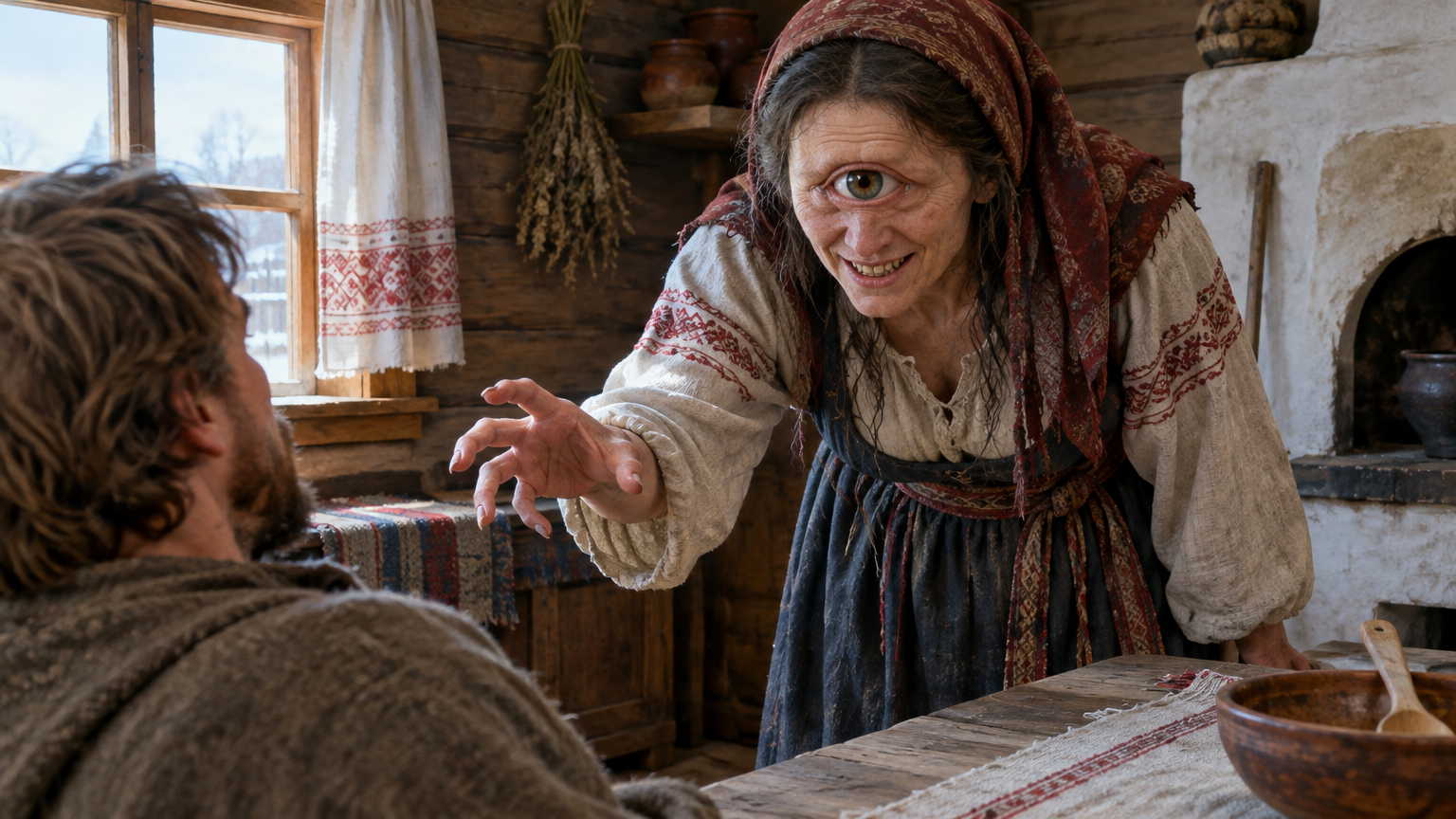
In the Russian version discussed by Ralston, Likho appears as a frightening, one-eyed woman. This female, humanlike form provides a stronger narrative baseline than a generalized fantasy creature.
Her apparent role as a household inhabitant makes the danger especially deceptive: shelter becomes a place of captivity.
Other descriptions present Likho as a one-eyed giant, while familiar summaries emphasize a gaunt or emaciated old woman. These descriptions should remain recognizable variations, not ingredients for a compulsory composite portrait.
Neither a single bodily scale nor an elaborate costume is necessary to identify the figure.
The eye’s function is clearer than its exact anatomy. The essential point is that the antagonist possesses only one functioning eye and can consequently be blinded.
A precise position in the forehead, a particular eye color, or a detailed facial structure should not be supplied as universal traditional features.
Likho’s humanlike appearance also distinguishes it from an ordinary dangerous animal. The antagonist speaks, receives visitors, and participates in an exchange with a craftsman, while threatening to eat people.
Its horror depends on recognizable human behavior combined with predatory intentions, rather than on an extensively described monstrous anatomy.
Background Story
Likho’s background is best understood through the personification of adversity. Misfortune normally has no visible body and no address, but storytelling gives it both.
The protagonist can leave home to look for evil, meet it face to face, and discover that an abstract word has dangerous physical consequences.
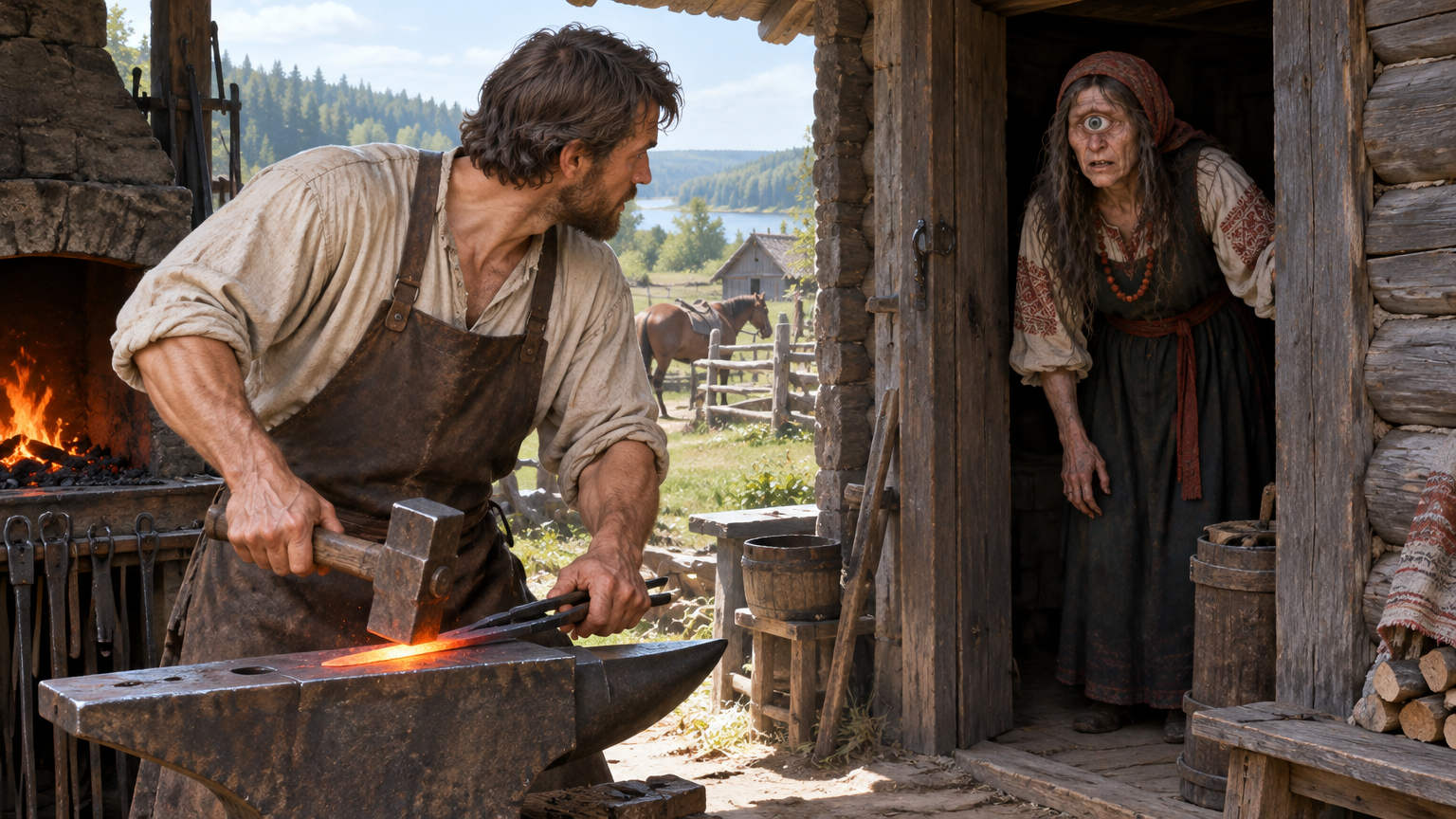
The blacksmith’s occupation makes that encounter especially effective. A craftsman associated with tools, heat, and practical ingenuity confronts a threat that strength alone cannot resolve.
His professional knowledge becomes a resource for survival, linking the supernatural episode to recognizable work rather than to inherited heroic status.
The tale’s household setting also matters. An isolated dwelling and its inhabitant can initially promise food, company, or shelter, yet become instruments of entrapment.
Likho transforms a familiar social encounter into a predatory one, reversing expectations about what it means to be received into another person’s home.
Its relationship to the one-eyed-ogre tale pattern helps explain the creature’s narrative shape. A captor who can be blinded, and whose animals provide an opportunity for escape, belongs to a widely distributed storytelling structure.
The specifically Russian contribution is the explicit identification of that adversary with misfortune itself.
The story also resists a simple victory. In the documented narrative, escape from the immediate captor does not prevent further injury: an attractive object becomes another trap.
This continuation reinforces the governing idea that trouble, once deliberately sought, cannot necessarily be dismissed after one successful act of cleverness.
These elements make Likho more than a warning against wandering into dangerous places. The figure connects curiosity, practical intelligence, temptation, and irreversible loss.
Its background is therefore a network of language and narrative motifs, not a recoverable personal history explaining the monster’s birth, family, or supernatural appointment.
Famous Folklore Stories
Likho’s best-known narrative turns an abstract misfortune into a dangerous encounter. The episodes below are descriptive motif headings, not traditional story titles. A published version appears in W. R. S.
Ralston’s Russian Folk-Tales, but its particular sequence should not be treated as universal.
Seeking Out Misfortune
In the collected encounter tale, a blacksmith who has not experienced real trouble deliberately goes looking for it. His journey brings him into the company of a tailor, and eventually to a dwelling occupied by a one-eyed, human-eating figure.
The adventure answers the blacksmith’s curiosity with something much worse than an explanation. His companion is killed, and he must find a way to survive.
Misfortune becomes a host whose hospitality is deadly, turning an ordinary journey into a confrontation with the danger the traveler sought.
Blinding the One-Eyed Captor
The captive blacksmith uses his practical ingenuity against Likho, overcoming the creature’s single eye. Escape then involves the captor’s flock: the blinded figure tries to distinguish the departing animals from the prisoner, while the man exploits that difficulty to get outside.
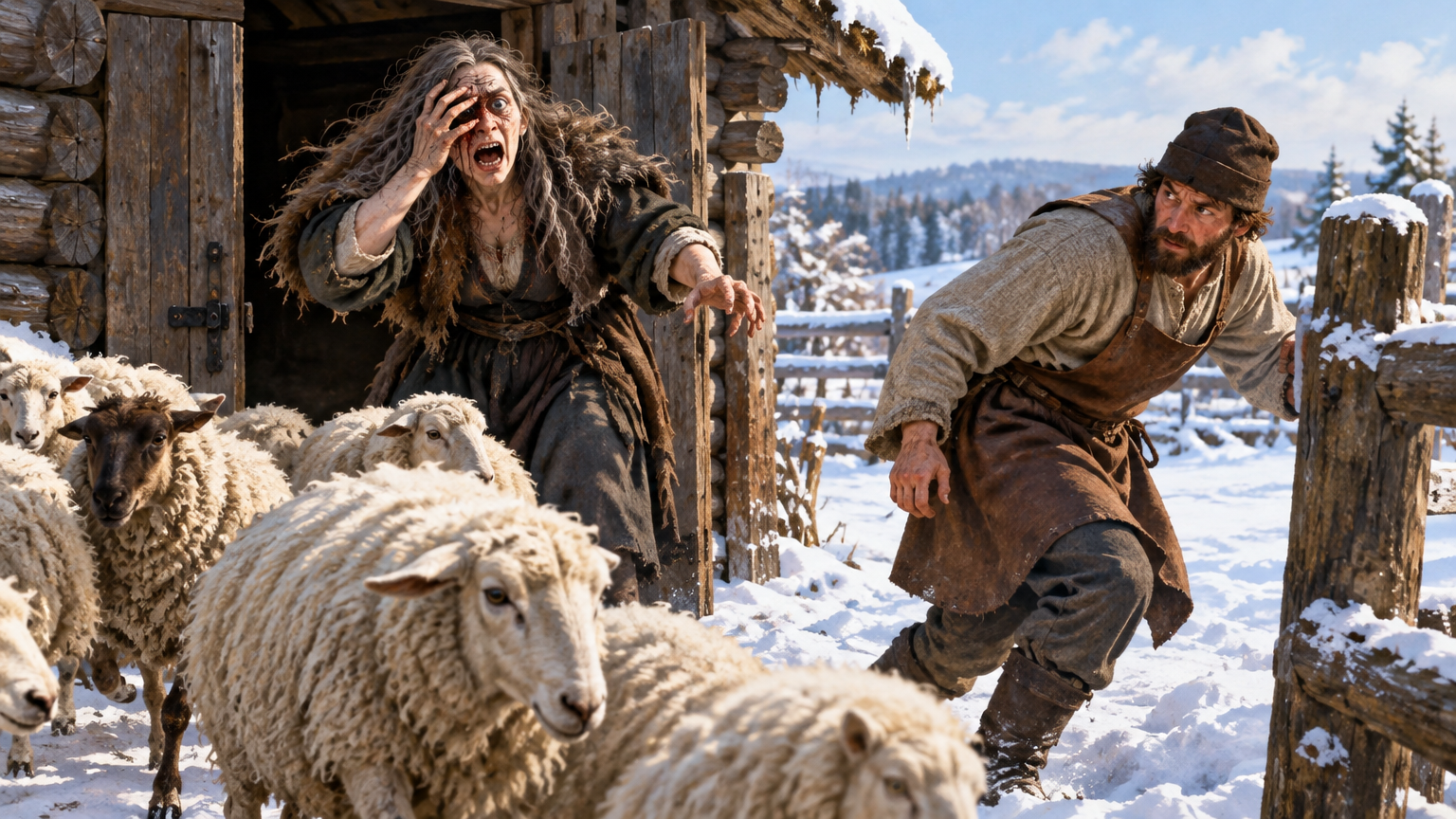
This sequence resembles the widespread one-eyed-ogre tale pattern familiar from the encounter between Odysseus and Polyphemus. The resemblance concerns narrative machinery, especially blinding and escape among animals.
It does not by itself establish that Likho originated as a borrowed Greek monster.
The Tempting Object and the Trapped Hand
Escaping the dwelling does not end the blacksmith’s ordeal. In Ralston’s version, an attractive axe with a golden handle catches his attention.
When he reaches for it, his hand becomes stuck, leaving him exposed to the pursuing danger he had apparently defeated.
He escapes only by sacrificing the trapped hand. This ending changes the meaning of the victory: cleverness has saved his life, but it has not restored his earlier security.
The pursuit of trouble, followed by attraction to a valuable object, leaves a permanent cost.
Cultural Impact
Likho gives misfortune a recognizable presence without making it morally simple. Trouble is not merely an unfortunate event; it can become an adversary that catches, follows, or refuses to release someone.
That transformation makes an unpredictable experience suitable for storytelling and memorable verbal expression.
The Russian warning commonly translated as “Do not wake trouble while it is quiet” preserves this association between likho and dormant danger. The saying does not require belief in a literal creature.
Its force comes from treating trouble as something that might be disturbed into action.
The encounter tale also questions the confidence of someone who thinks suffering is an experience worth seeking. Its blacksmith begins with curiosity rather than necessity.
The narrative reverses his position, replacing voluntary exploration with an urgent struggle to escape consequences he no longer controls.
At the same time, practical skill remains valuable. The captive is not simply helpless before supernatural power: resourcefulness creates an opportunity to survive.
The lasting injury prevents that success from becoming an uncomplicated celebration of human mastery over every form of adversity.
A modern literary interpretation can therefore read Likho as personified vulnerability rather than simply a monster to defeat. This is an interpretation of the narrative’s structure, not evidence that every storyteller understood the figure through a single philosophical or psychological explanation.
Similar Beasts
Bannik
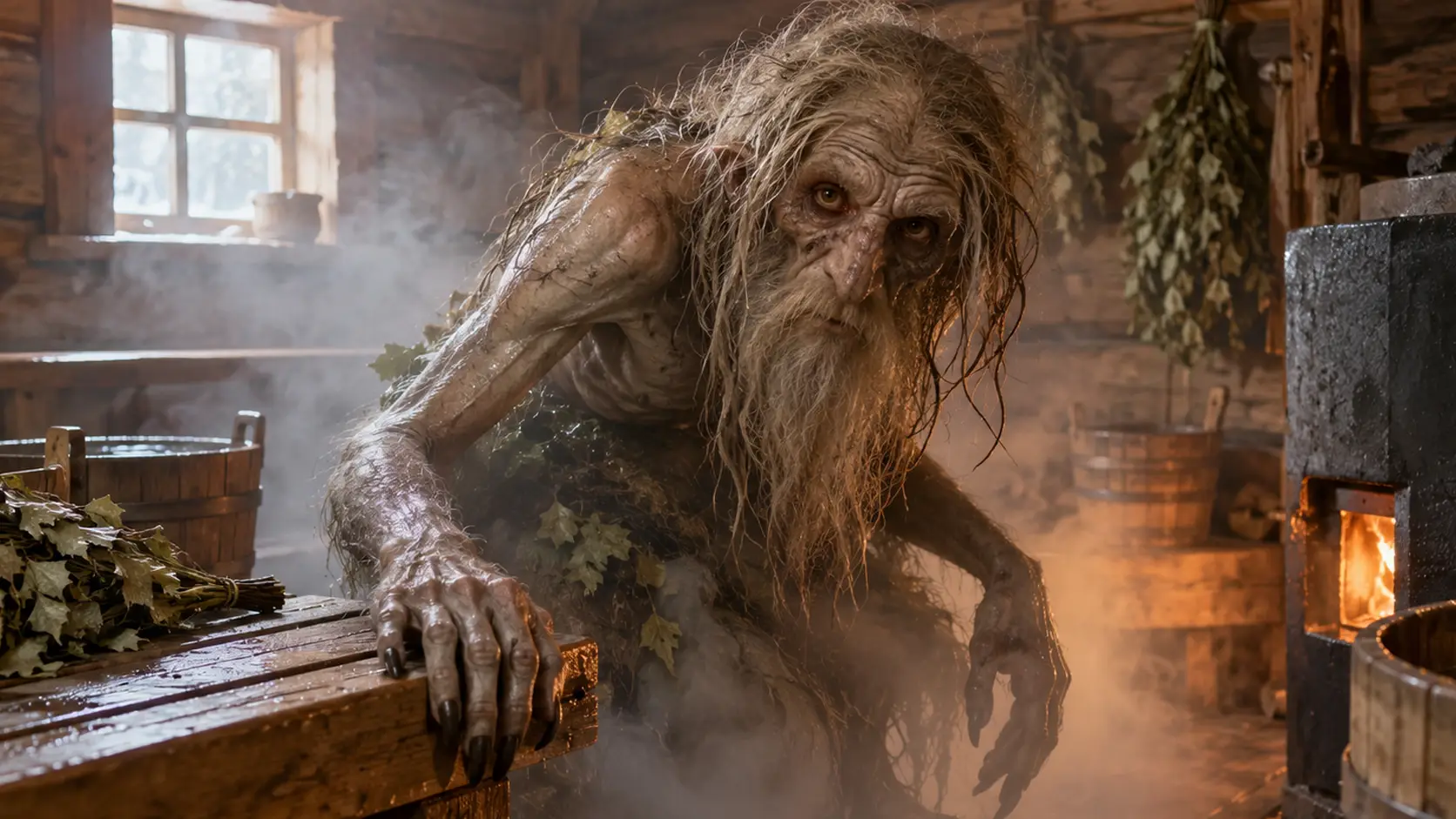
The Bannik is an East Slavic bathhouse spirit, commonly understood as the supernatural owner or guardian of that building. It may tolerate respectful visitors but punish inappropriate behavior.
Both figures make danger personal and capable of retaliation. Unlike Likho’s broader association with misfortune, the Bannik belongs to a particular setting and its expectations of conduct.
Banshee

The Banshee is a figure of Irish folklore whose lament foretells a death within a family. Her central role is to announce approaching loss rather than necessarily cause it.
The comparison concerns the personification of feared events. Likho embodies or brings trouble, whereas the Banshee’s warning should not automatically be mistaken for an attack.
Bogeyman
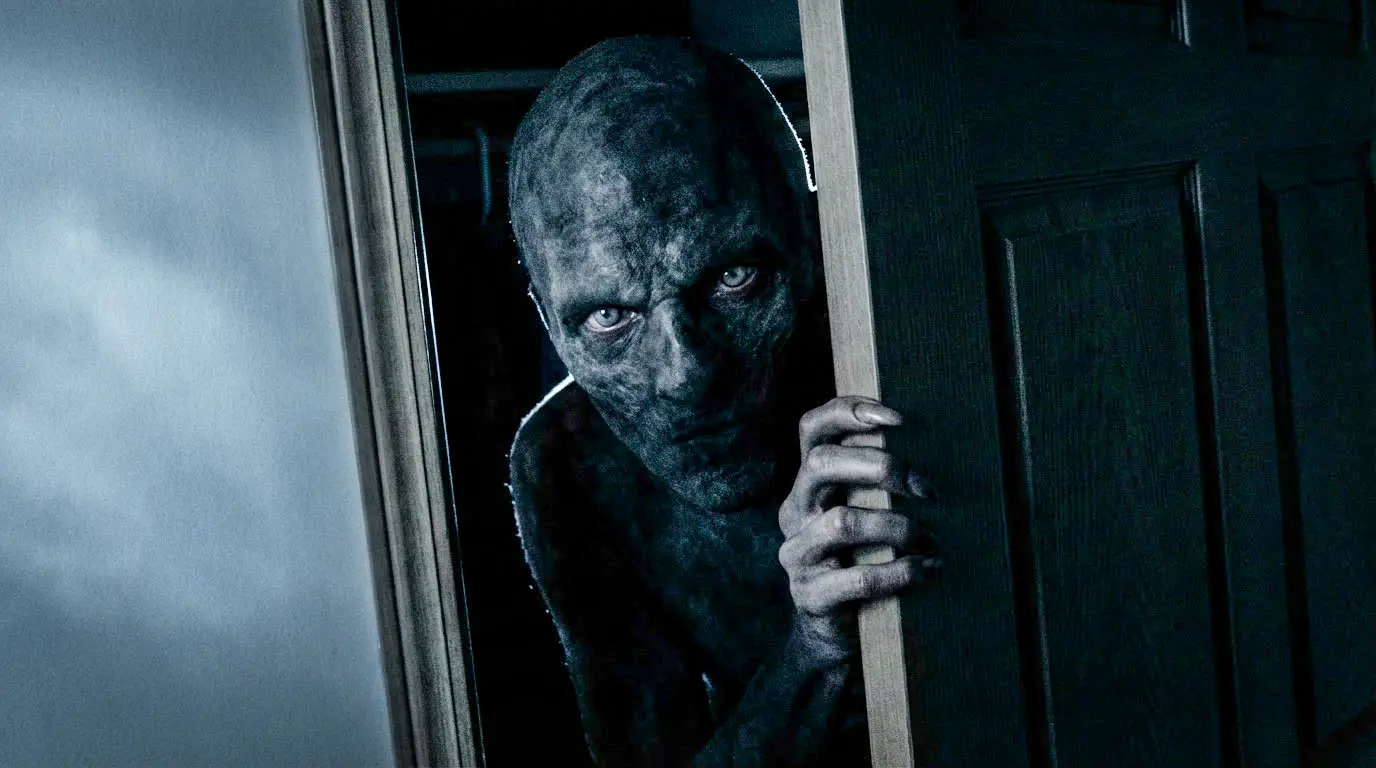
The Bogeyman is a flexible fear figure rather than one consistently described creature. Its appearance and behavior depend on the warning, story, or social situation in which it appears.
Like Likho, it can give an abstract threat an imaginable presence. The distinction is functional: Likho specifically evokes misfortune, while the Bogeyman serves more general purposes of frightening or warning.
Polyphemus
Polyphemus is the one-eyed captor encountered by Odysseus in the Odyssey. The hero blinds him and escapes by using the captive animals to conceal his departure.
This is the closest comparison in narrative structure, not simply appearance. Shared escape devices connect the stories comparatively without making Polyphemus and Likho the same being.
Religion/Ritual
The available evidence does not establish a specific cult, offering, festival, or protective ceremony dedicated to One-Eyed Likho. The figure is better documented through narrative and language here.
A warning against inviting trouble should not be converted into evidence for an organized religious observance.
Likewise, the blacksmith’s methods of escape are actions within a tale, not verified instructions for ritual practice. Blinding the captor or abandoning something that traps the victim cannot automatically be interpreted as customs once performed outside storytelling.
Scientific or Rational Explanations
The most useful rational approach is literary and anthropological rather than zoological. Likho is a personification of misfortune, so identifying a real animal behind the figure would not explain its central function.
The narrative makes adversity act like an intentional opponent.
Personification provides a way to organize experiences that otherwise seem disconnected. Loss, danger, and injury can be represented as encounters with one adversary.
This is a plausible account of the figure’s expressive power, not proof of a single historical moment when the belief began.
The one-eyed captor also belongs to a recognizable international storytelling pattern. Comparative analysis can examine how blinding, confinement, and escape recur across different narratives.
Shared motifs may reflect transmission or adaptation, but resemblance alone cannot establish the direction or date of borrowing.
The tempting axe permits another interpretation: surviving one danger does not eliminate susceptibility to the next. Attention shifts from immediate escape to an appealing possession, and the survivor becomes trapped again.
Reading this as a warning about acquisitiveness is reasonable, though not an exclusive explanation.
The injured survivor also complicates a simple moral reading. Trouble is not necessarily distributed in proportion to wrongdoing, and cleverness does not erase every consequence.
The tale can accommodate both a warning against recklessness and recognition that survival sometimes involves irreversible loss.
Finally, the creature’s single eye should not be treated as evidence about the character of people with visual impairments. Within the story it supplies a distinctive feature and an escape mechanism.
A modern analysis should distinguish that narrative convention from claims about real human bodies.
Modern Cultural References
One-Eyed Likho, Likho, embodiment of misfortune, video game
In this first-person folk-horror adventure, a blacksmith sets out with a companion to find Likho and change his fate.
Likho is the game’s one-eyed monster, encountered as the player hides and runs from it.
Source
Conclusion
One-Eyed Likho gives misfortune a recognizable presence within Slavic folklore. Rather than treating adversity as an abstract condition, the figure turns it into something a person might encounter, fear, or struggle to escape.
Its single eye provides a memorable identifying feature, but its deeper significance lies in the connection between a threatening being and the experience of suffering. That relationship matters more than imposing a fixed anatomy or a single definitive biography on the tradition.
The most useful understanding of Likho therefore keeps narrative and symbolism together. The figure belongs to storytelling, where an encounter with embodied misfortune makes vulnerability tangible without offering a simple explanation for every hardship.
Differences among portrayals should remain visible rather than being combined into an artificially uniform monster. Its lasting interest rests in this uneasy overlap between creature and condition: bad fortune can be imagined as an adversary, even when overcoming it is far from straightforward.
Further Reading
One-Eyed Likho, Steam
Official listing for the folk-horror game released July 28, 2025, featuring a blacksmith’s search for Likho and direct encounters with the creature.
Source
One-Eyed Likho – Supporter Pack, Epic Games Store
Listing for the 2025 game add-on containing a black-and-white comic that reimagines the game’s events.
Useful for exploring a modern adaptation of the Likho story.
Source
Ep. 830 – One-Eyed Likho – A Russian Folktale, The Folktale Project
A 2021 podcast retelling of the Russian folktale featuring the one-eyed woman Likho.
This offers an accessible listening version rather than an early documentary source.
Source
012 – One-eyed Likho – Russian, Apple Podcasts
A seven-minute episode published December 4, 2025, in Myths and Legends Around the World – Collection 16.
The listing discloses that the episode includes AI-generated content.
Source
Along Unknown Paths (Там, на неведомых дорожках…), Wikipedia
Reference overview of the 1982 film, whose plot includes an encounter with one-eyed Likho in the forest.
Useful for the film appearance, not as primary folklore evidence.
Source
One-Eyed Likho in the Wristmons / Time-Eater Design History, Konstantin Chaykin
A 2023 press release tracing a One-Eyed Likho design to the Time-Eater collaboration with Louis Erard.
It documents a creative influence, not a standalone product named Likho.
Source