Introduction
Mazzikin are harmful spirits or demons in Jewish rabbinic tradition. The name is plural, not the personal name of a single monster.
It identifies a broad category of dangerous beings whose characteristics emerge from scattered discussions rather than one continuous legend.
These spirits belong to a religious world in which unseen beings could inhabit the same surroundings as humans. Their significance lies chiefly in their capacity to cause harm, although rabbinic descriptions of demons also explore their relationship to humanity, angels, and creation.
The terminology requires care because mazzik, the singular form, can also mean an ordinary person or thing that causes damage. A supernatural meaning therefore depends on context.
Even within demonological passages, mazzikin overlaps with other designations rather than defining an entirely separate species.
Two especially important passages illuminate this tradition: a brief creation notice in Mishnah Avot and a comparison between demons, angels, and humans in the Babylonian Talmud. Together, they reveal a flexible category within rabbinic thought, not a creature with a universally agreed appearance or biography.
History/Origin
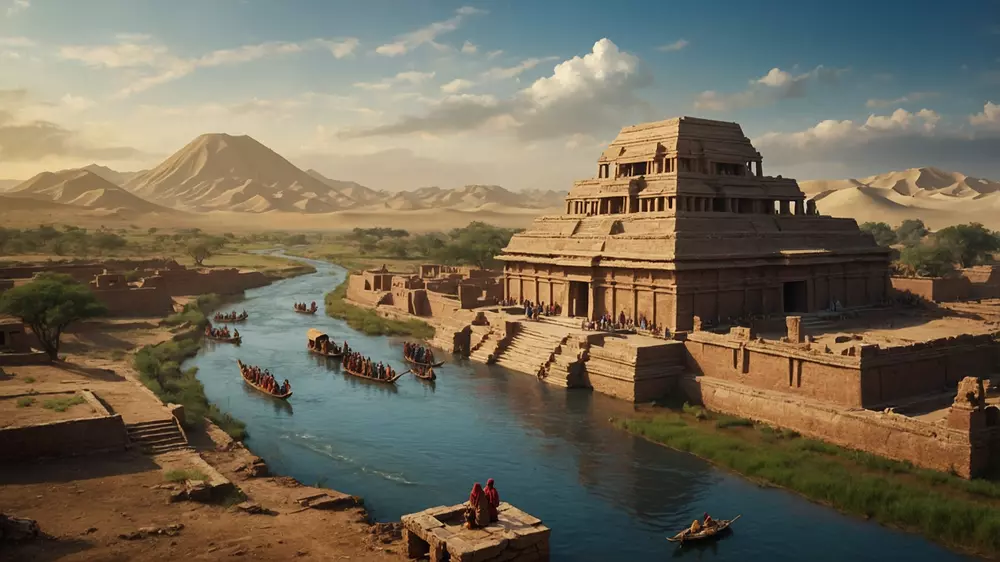
The clearest historical starting point is rabbinic literature from antiquity. The Mishnah, compiled around 200 CE, preserves an origin notice concerning mazzikin in Avot 5:6.
This establishes an early textual setting, although the compilation date does not reveal when the underlying belief first arose.
The passage concerns extraordinary things created at twilight before the first Sabbath. Mazzikin appear in an additional opinion attached to this list.
Their placement situates them at the closing boundary of creation, rather than supplying a detailed account of their birth, ancestry, or subsequent adventures.
This twilight setting matters because it incorporates potentially threatening beings into the created world. It does not require treating them as an independent power outside divine creation.
That is the implication of this particular account, however, not a complete statement of every Jewish explanation of demons.
Later rabbinic discussions preserve a broader range of interests. In the Babylonian Talmud, demons appear in reflections on their capabilities and in passages concerning human encounters and dangerous places.
These materials were gathered within a late-antique compilation, not organized as a single demonological handbook.
The historical setting also extends beyond literary discussion. Late-antique Babylonian incantation bowls provide material evidence for protective practices involving harmful spirits.
They belong alongside rabbinic passages when reconstructing the social world of demon beliefs, although individual bowl texts must be distinguished from particular rabbinic teachings.
Avigail Manekin-Bamberger’s 2024 study, Seder Mazikin, brings rabbinic literature and Babylonian incantation bowls into a shared investigation of law and magic. This approach helps explain the tradition as part of lived social concerns, rather than an isolated collection of fantastic stories detached from everyday life.
Name Meaning
Mazzikin means, broadly, “harmful ones” or “those who cause damage.” The singular mazzik names a damage-causer. Its underlying association is therefore with an action and its consequences, rather than with a particular body shape, dwelling place, or supernatural ancestry.
Marcus Jastrow’s historical dictionary records both the ordinary damage-causing sense and the specialized application to demons. This distinction is essential: the same vocabulary can belong to discussions of human responsibility or to accounts of harmful spirits, depending on the surrounding passage.
Common English spellings include mazzikin, mazikin, and mazzikim. The Hebrew-script forms include מַזִּיקִין and מַזִּיקִים, reflecting plural forms encountered in the Hebrew and Aramaic linguistic setting of rabbinic literature.
These variations should not be mistaken for the names of different supernatural creatures.
The name consequently works more like a descriptive category than an individual’s proper name. Translating it as “demons” is often appropriate in supernatural contexts, but “harmful spirits” preserves its emphasis on injury while avoiding the suggestion that every occurrence carries one fixed theological definition.
Appearance
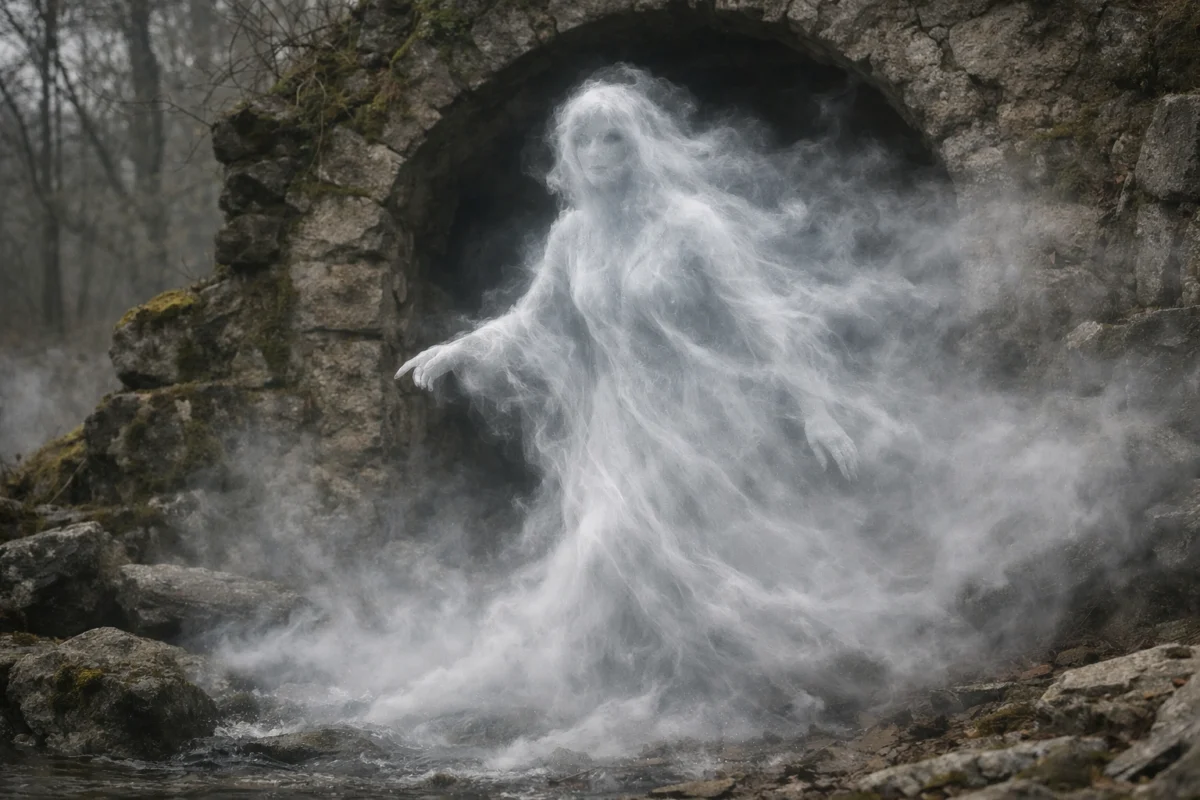
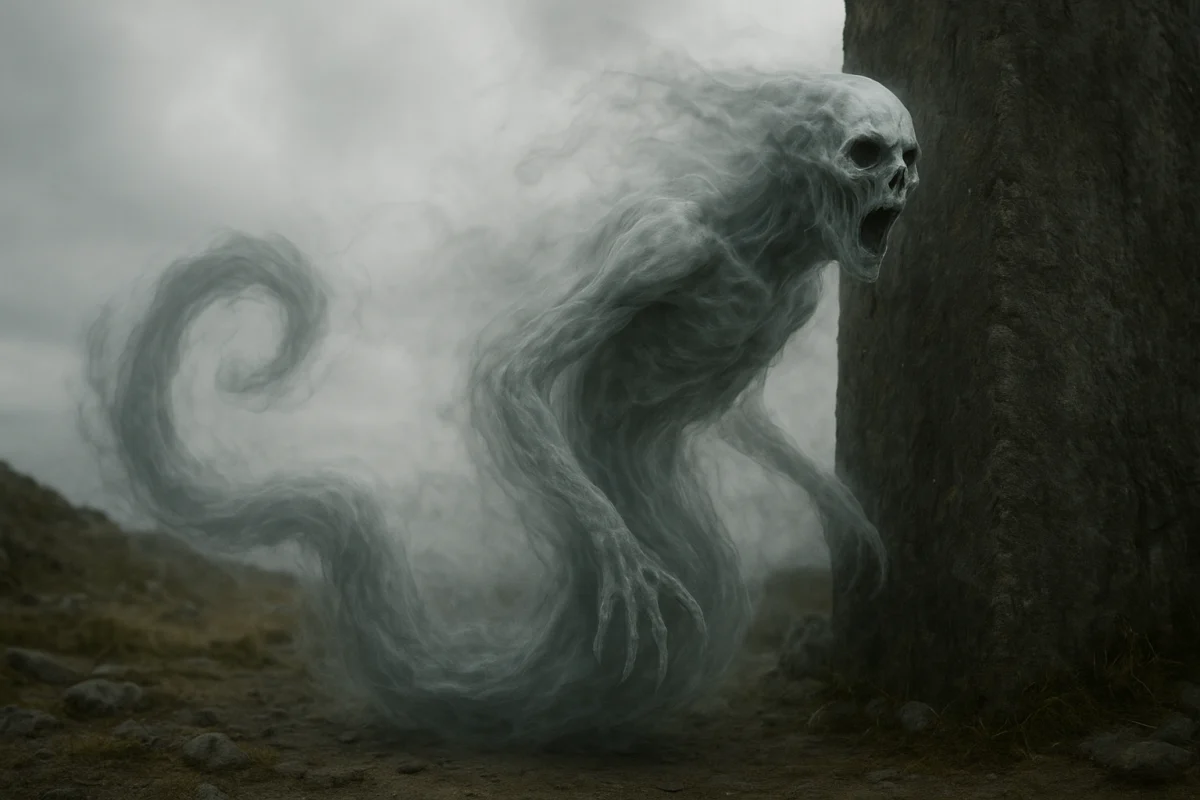
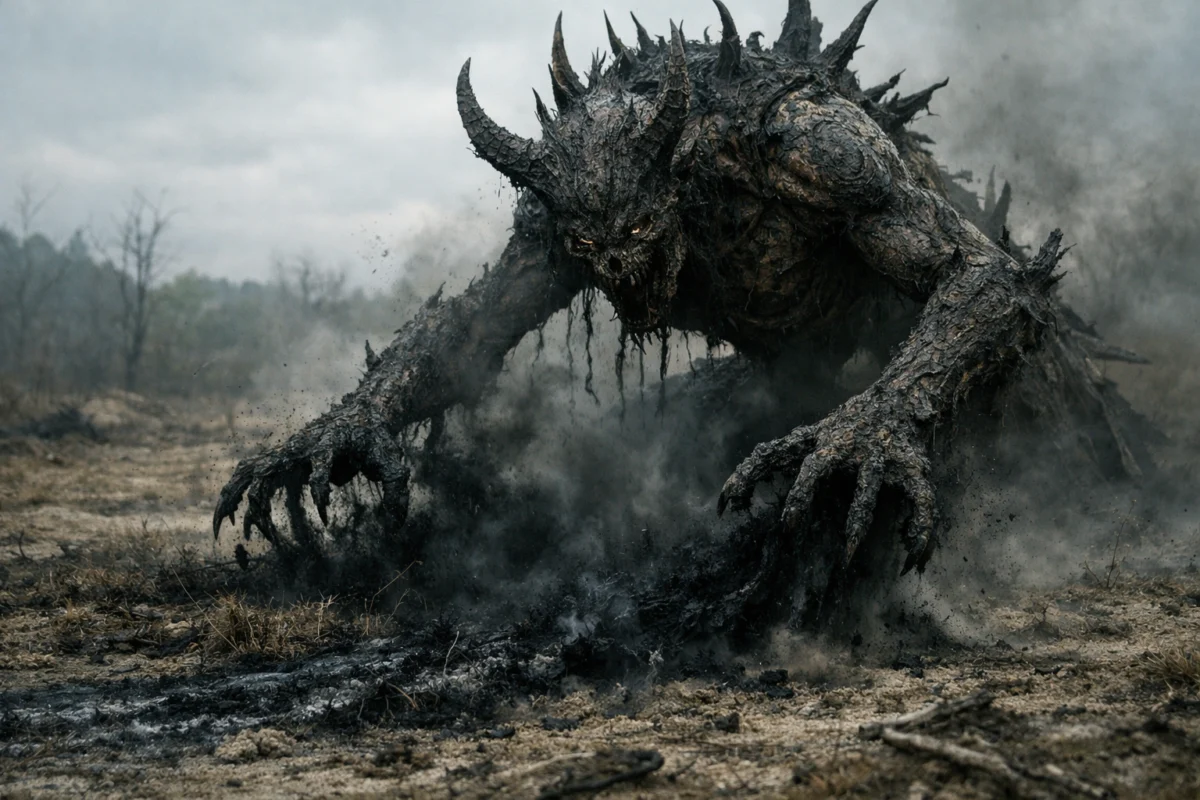
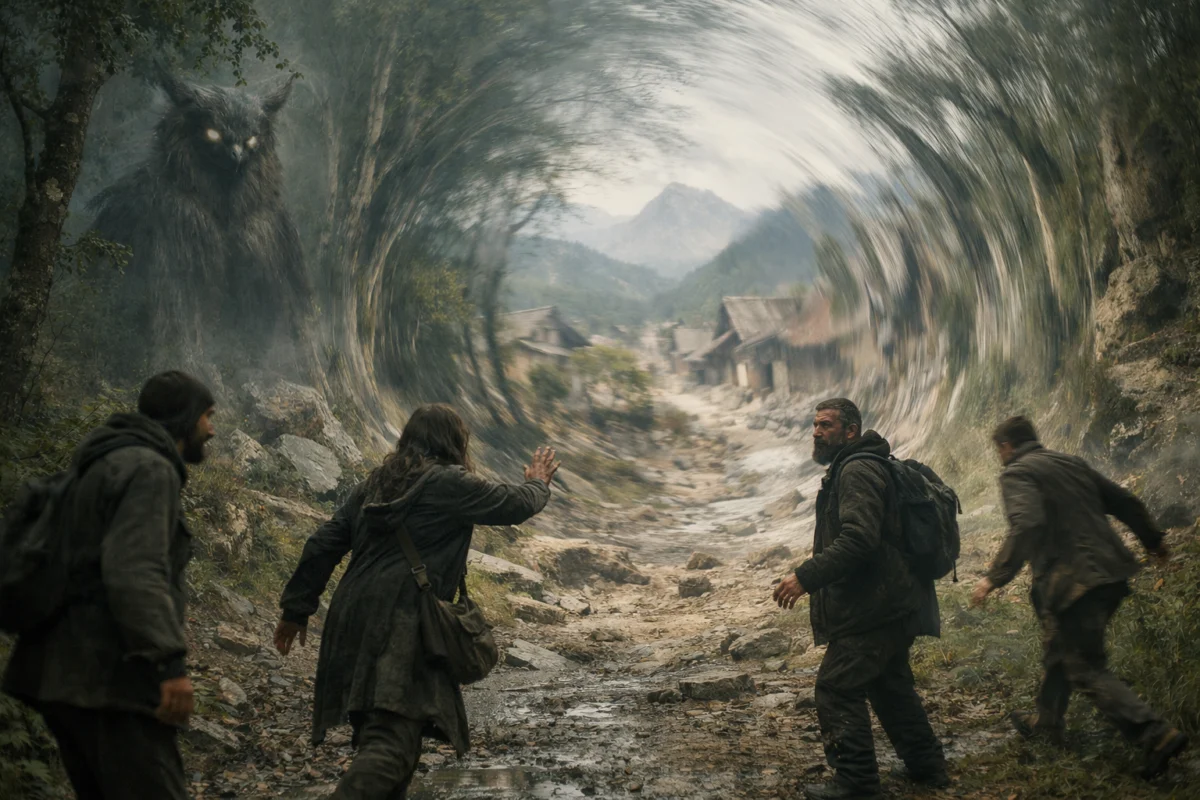
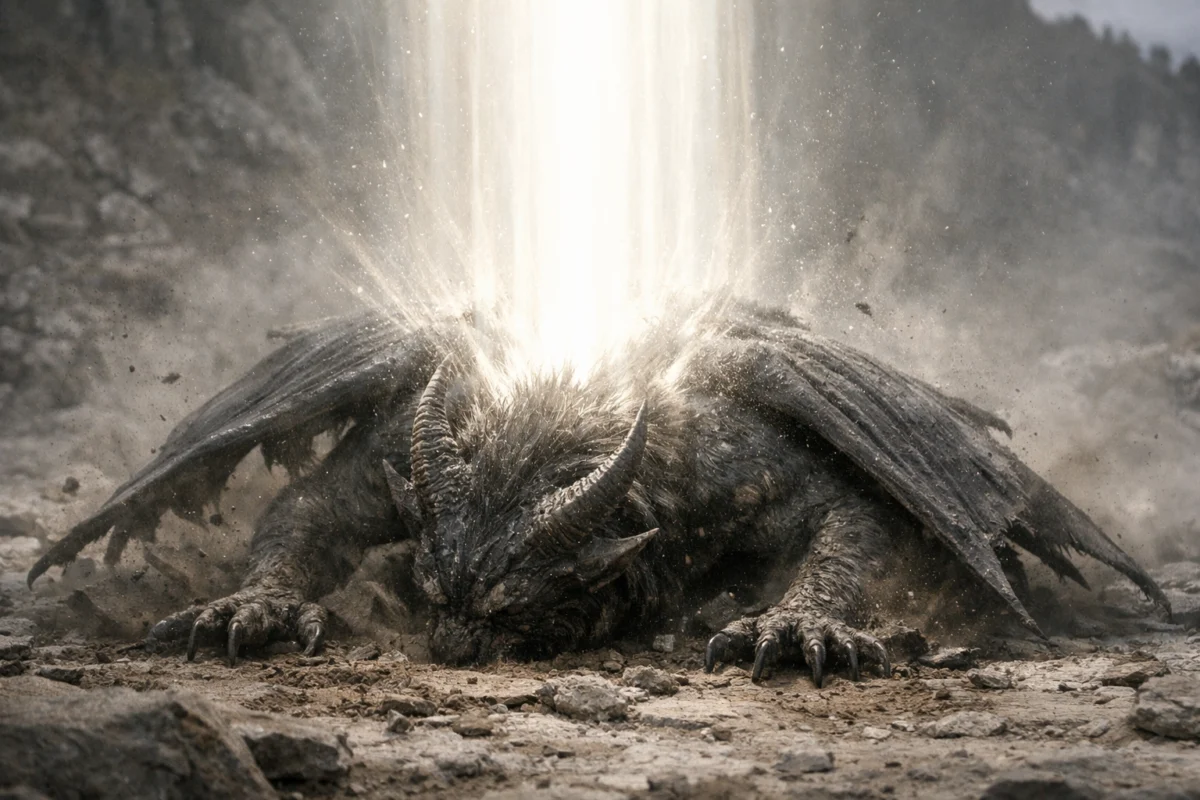
Mazzikin have no single established bodily form in the evidence considered here. Their designation identifies harmful beings, not a standardized visual species.
The most substantial relevant description concerns demons generally, and its details must remain attached to that broader category rather than becoming exclusive mazzikin anatomy.
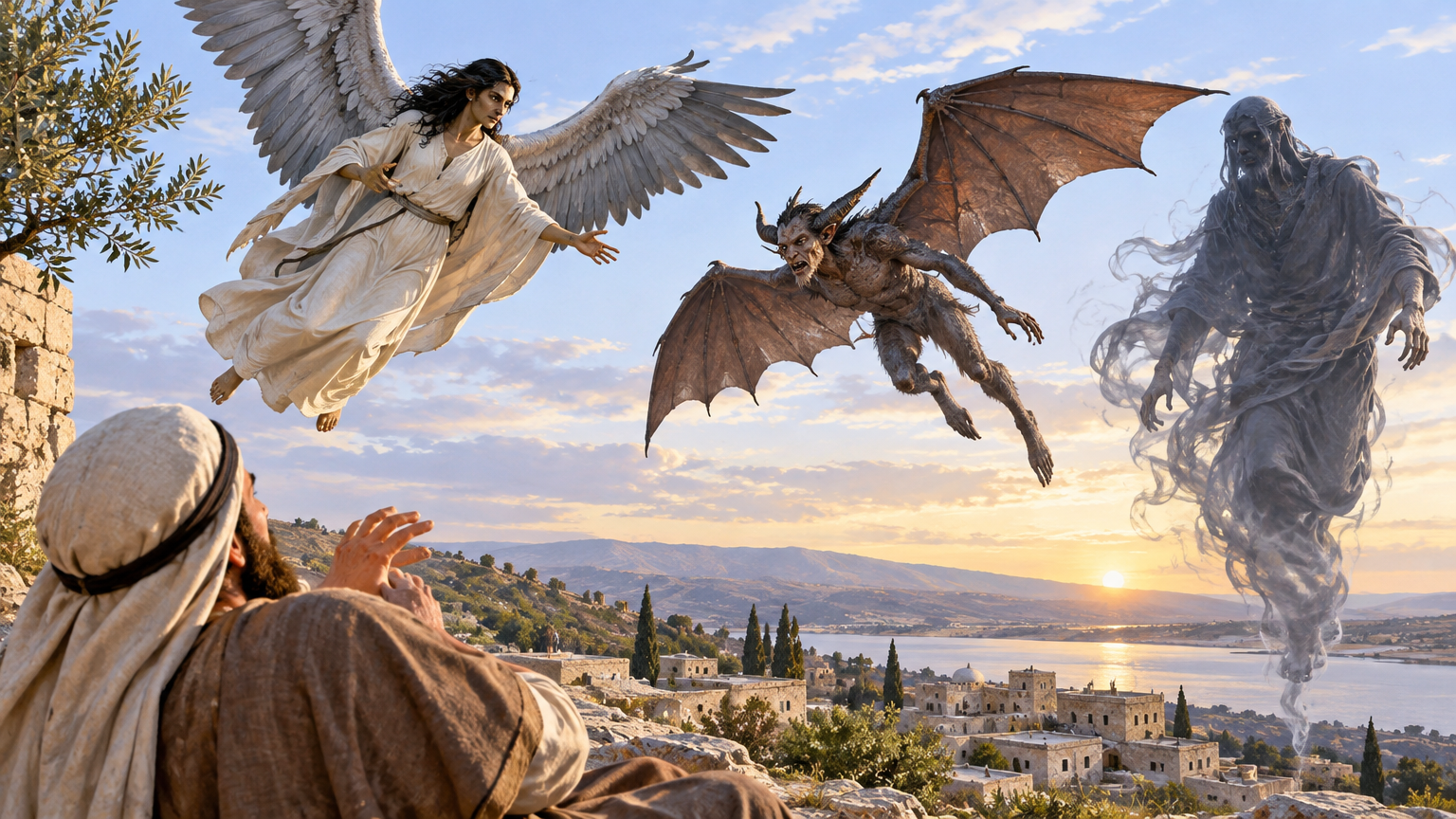
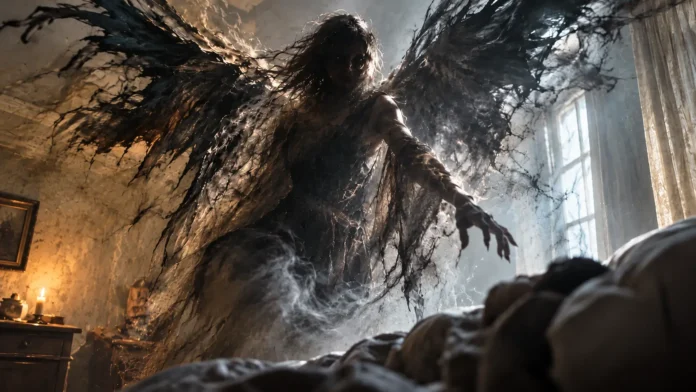
In Babylonian Talmud Hagigah 16a, demons resemble ministering angels in three respects and human beings in three others. The angelic side includes wings, movement from one end of the world to the other, and access to knowledge of what will happen.
The passage qualifies that last ability: demons hear what is announced beyond the heavenly curtain, rather than possessing unrestricted foreknowledge of their own. This is a statement about access to information and supernatural mobility, not a description of their facial features or bodily proportions.
The human side of the comparison consists of eating and drinking, reproduction, and death. These attributes make the demons neither simply human nor equivalent to angels.
They also show why describing them merely as disembodied forces would miss an important strand of rabbinic representation.
A modern Jewish English lexicon summarizes mazikin as invisible demons. That wording captures a familiar later presentation, but it should not override the broader historical evidence.
Invisibility alone does not establish a uniform body, nor does the winged description in Hagigah define every spirit called mazzik.
The strongest visual conclusion is therefore limited but meaningful: these beings occupy an uncertain boundary between the human and the supernatural. Wings belong to one identifiable textual comparison; a fixed color, horns, distinctive clothing, or animal-hybrid anatomy does not follow from the sources used here.
Background Story
The background of mazzikin is the intersection of religious explanation, vulnerability, and the language of harm. Their name foregrounds what they do to others.
This makes the category especially relevant to situations in which danger is understood through the presence or activity of unseen agents.
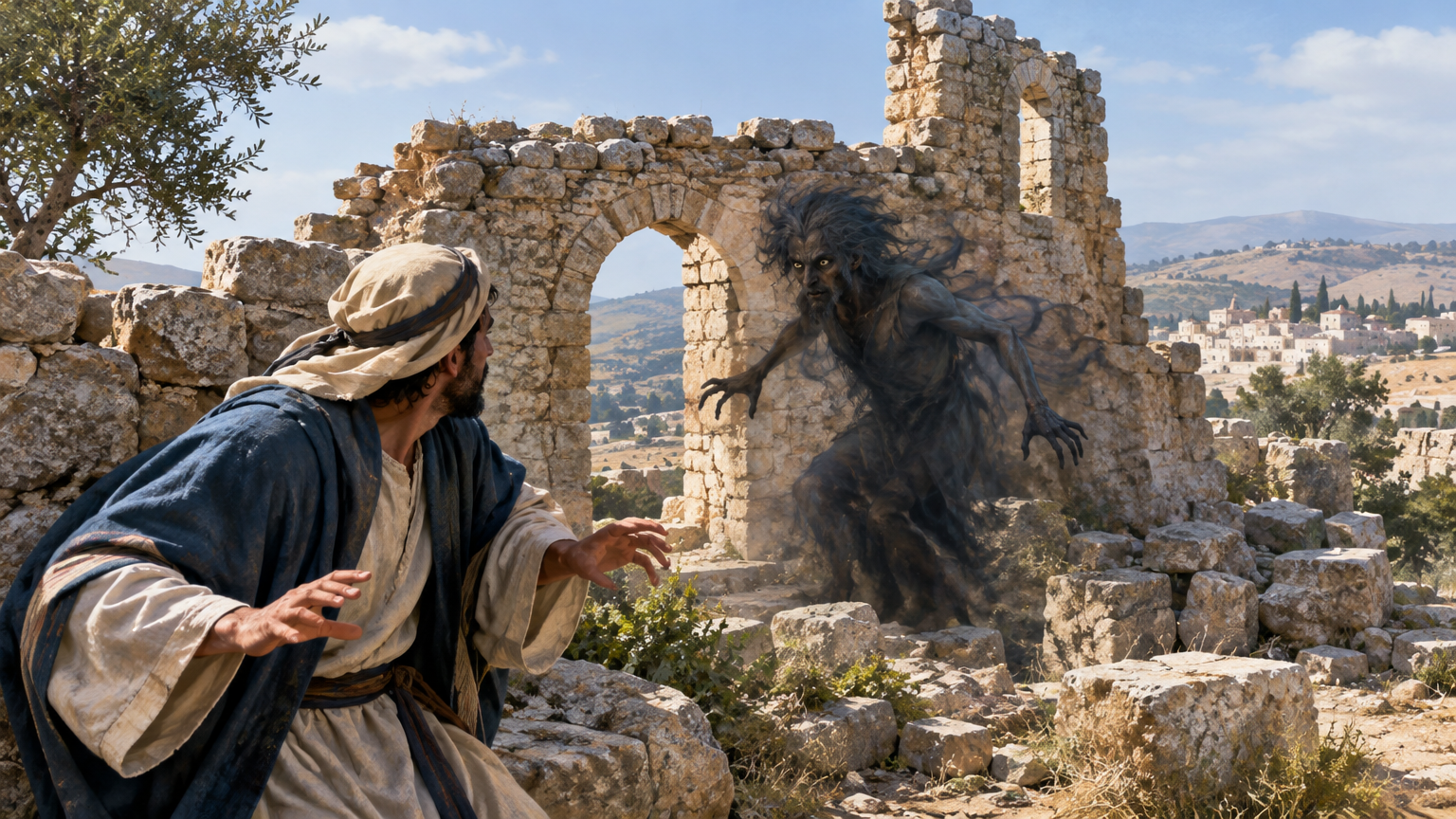
Rabbinic references connect demons with varied settings, including ruins and encounters with people. A ruined building supplies a setting for danger, but it is not the exclusive home of all mazzikin.
Such episodes contribute to a wider landscape of supernatural risk rather than mapping one creature’s territory.
The surrounding vocabulary is similarly flexible. Shedim, another term for demons, can overlap with mazzikin without being merely an alternative spelling.
Different labels emphasize different aspects of supernatural beings, and their use does not consistently produce the tidy divisions expected of a modern catalogue of monsters.
The creation notice and the sixfold comparison address different questions within this landscape. One asks where troubling beings belong in the order of creation; the other considers how demons resemble angels and humans.
Reading them together reveals several lines of reflection, not chapters in a shared biography.
Incantation bowls add another dimension by connecting harmful spirits with practical efforts at protection in late-antique Babylonia. Their importance is contextual: they show why literary discussions should be read alongside material practices.
They do not establish that every household or Jewish community understood demons in exactly the same way.
Mazzikin thus emerge from an overlapping body of teachings, encounters, and protective concerns. Their background is collective rather than personal.
What holds the category together is the possibility of harm and the attempt to understand dangerous beings within a world also inhabited by humans and governed by divine creation.
Famous Folklore Stories
The documented material preserves brief creation traditions and descriptions of demons rather than a cycle of named Mazzikin folktales. The headings below identify textual motifs, not traditional story titles.
These passages concern harmful spirits collectively, without supplying a single recurring protagonist.
Creation at the First Sabbath’s Twilight
In Mishnah Avot 5:6, mazzikin appear among the things associated with creation at twilight before the first Sabbath. This is a compact origin notice rather than an encounter narrative: no individual demon receives a name, speaks, or undertakes an adventure.
The placement connects these beings with a threshold in sacred time, between creation and the Sabbath. It supplies one rabbinic explanation of their place in the world, but should not be expanded into an account of their birth, unfinished bodies, or subsequent history.
Demons Between Angels and Humans
Hagigah 16a presents demons through six characteristics, divided between angelic and human resemblances. Like ministering angels, they have wings, travel across the world, and hear what will happen.
Like humans, they eat and drink, reproduce, and eventually die.
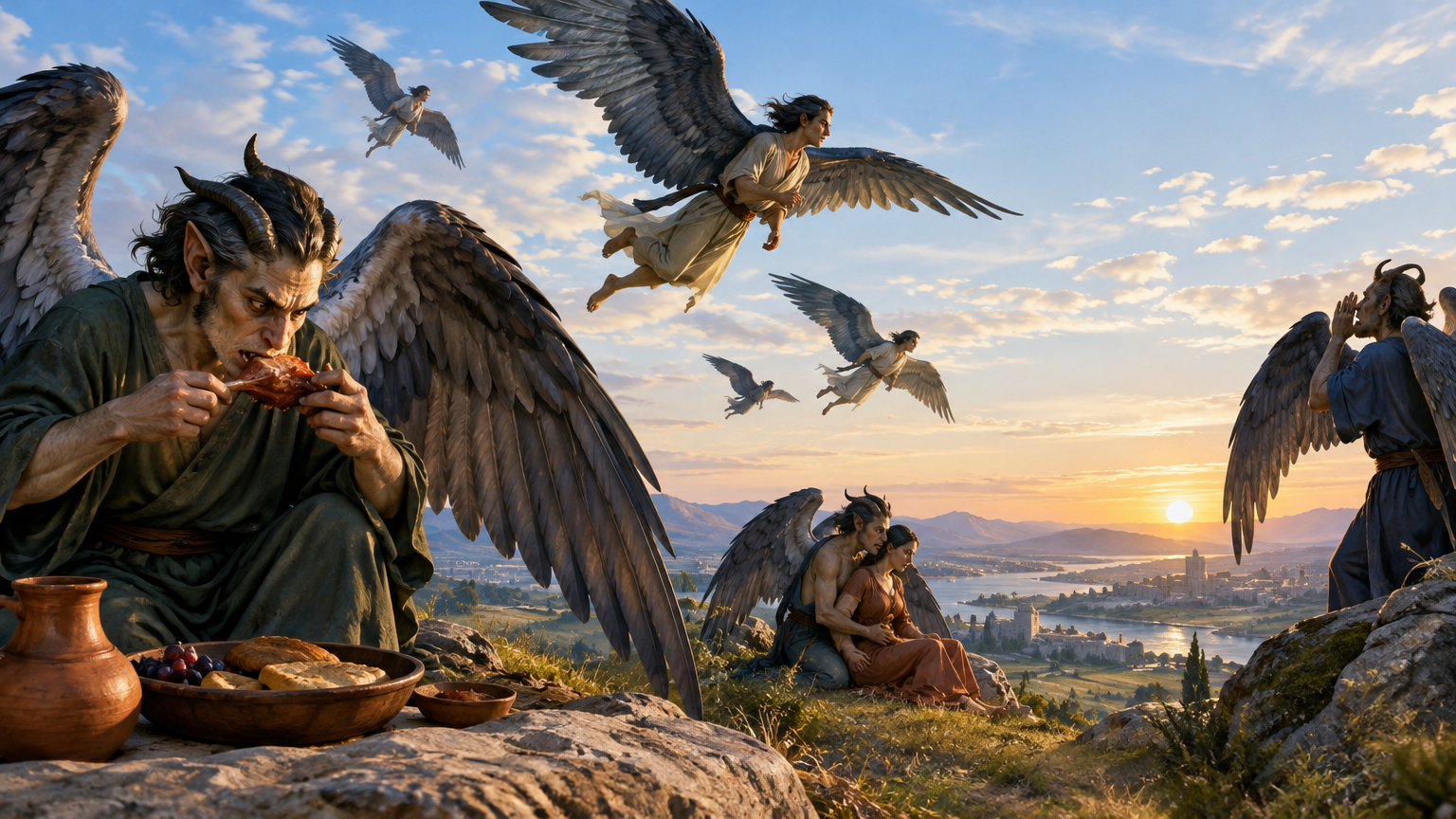
This passage makes demons extraordinary without making them immortal or wholly separate from embodied life. It describes demons generally, however, rather than establishing an exclusive Mazzikin anatomy.
Its significance lies in the comparison between kinds of beings, not in a named monster’s exploits.
Cultural Impact
Mazzikin belong to a religious vocabulary in which harm could have both ordinary and supernatural agents. The term’s connection with causing damage matters culturally: it emphasizes what threatening beings do, rather than requiring every harmful spirit to share one appearance or ancestry.
Within rabbinic literature, demons appear alongside discussions of human conduct and the ordering of the world. Their presence shows that supernatural danger could be considered within learned religious discourse, rather than existing only in a separate realm of popular storytelling.
Protective magical traditions offer a different kind of evidence for engagement with harmful spirits. Late-antique Babylonian incantation bowls preserve material expressions of protection, allowing demonological language to be examined beyond literary descriptions alone.
They belong to particular historical settings, not a timeless uniform practice.
The relationship between these materials is central to Avigail Manekin-Bamberger’s 2024 study, Seder Mazikin: Law and Magic in Rabbinic Literature and Babylonian Incantation Bowls. Its approach brings legal, literary, and magical evidence into conversation rather than treating them as unrelated cultural worlds.
Modern scholarship consequently approaches mazzikin as part of a changing network of language, religious thought, and protective activity. This differs from modern monster catalogues, which may combine scattered passages into a single creature profile and obscure the distinctions between texts and periods.
Similar Beasts
Shedim

Shedim are demons in Jewish tradition whose roles can include hostility or protection. Rabbinic discussions place them within a supernatural world that also includes other kinds of spirits.
Their designation sometimes overlaps with mazzikin, but it is a distinct term, not an alternate spelling. Neither word establishes a universally consistent demon taxonomy.
Dybbuk

A dybbuk is a possessing spirit in later Jewish folklore, associated with the invasion of a living person and the distress that possession brings to the afflicted individual.
The comparison concerns harmful spiritual agency, not identical origins. Dybbuk traditions focus on possession, whereas mazzikin is a broader rabbinic designation without that defining requirement.
Asmodeus

Asmodeus is a named demonic figure in Jewish lore, commonly represented as a king of demons. His identity also extends into later Christian demonological traditions and retellings.
He offers a contrast within related demonological material: an individualized figure with a name and rank, rather than a collective designation such as mazzikin.
Gremlin
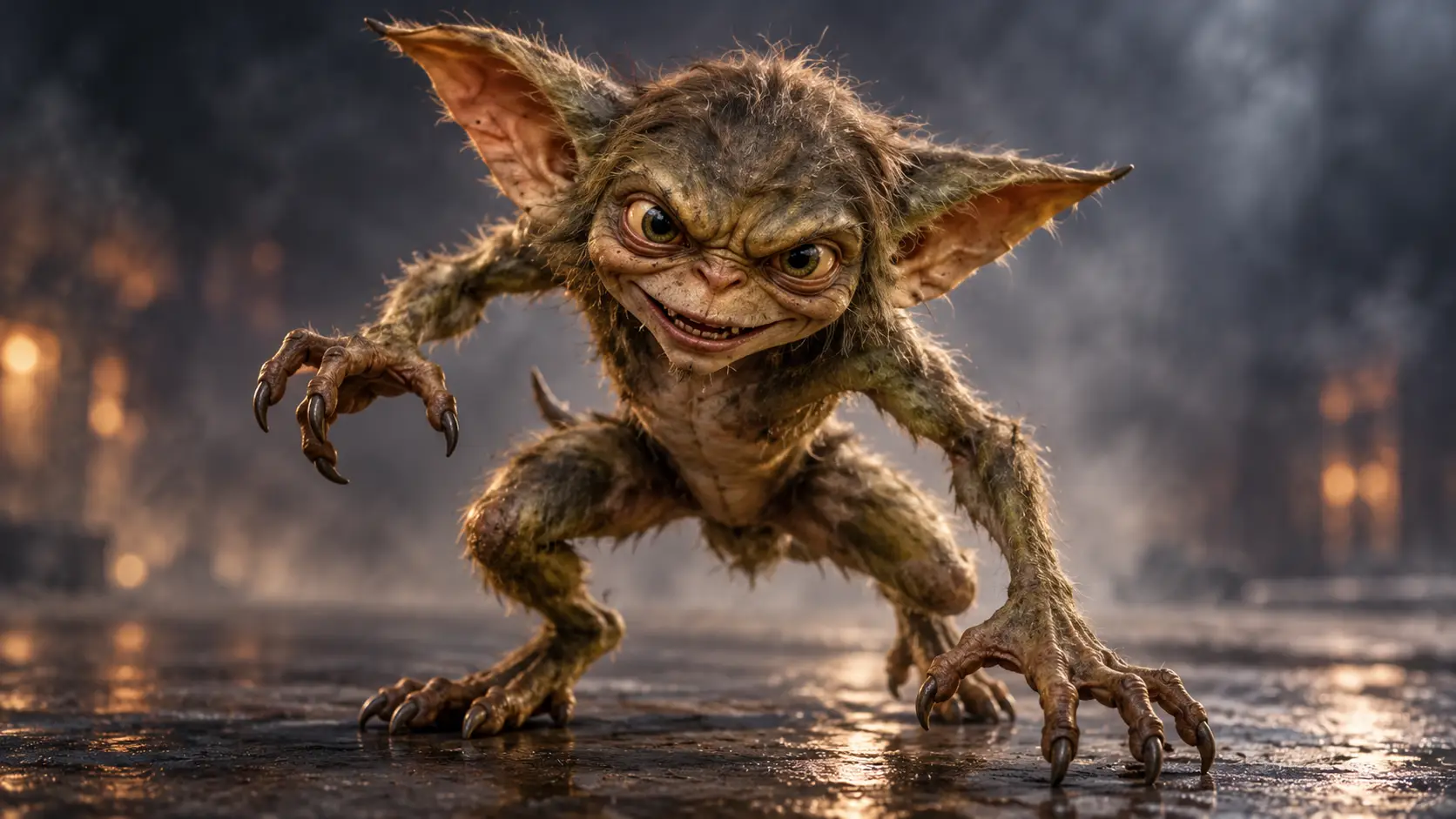
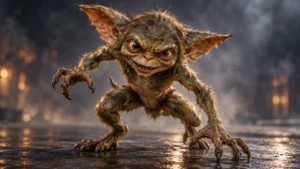
The Gremlin of twentieth-century British aviation folklore shares an important concept with the Mazzikin: an unseen supernatural troublemaker blamed for misfortunes that seem to have no obvious cause.
While Mazzikin belong to Jewish traditions of harmful spirits affecting everyday human life, Gremlins were blamed for mysterious aircraft malfunctions and mechanical failures. Both give invisible dangers an imagined supernatural agent, although their cultural origins, historical settings, and the kinds of harm attributed to them are very different.
Read More about Gremlin
Drude
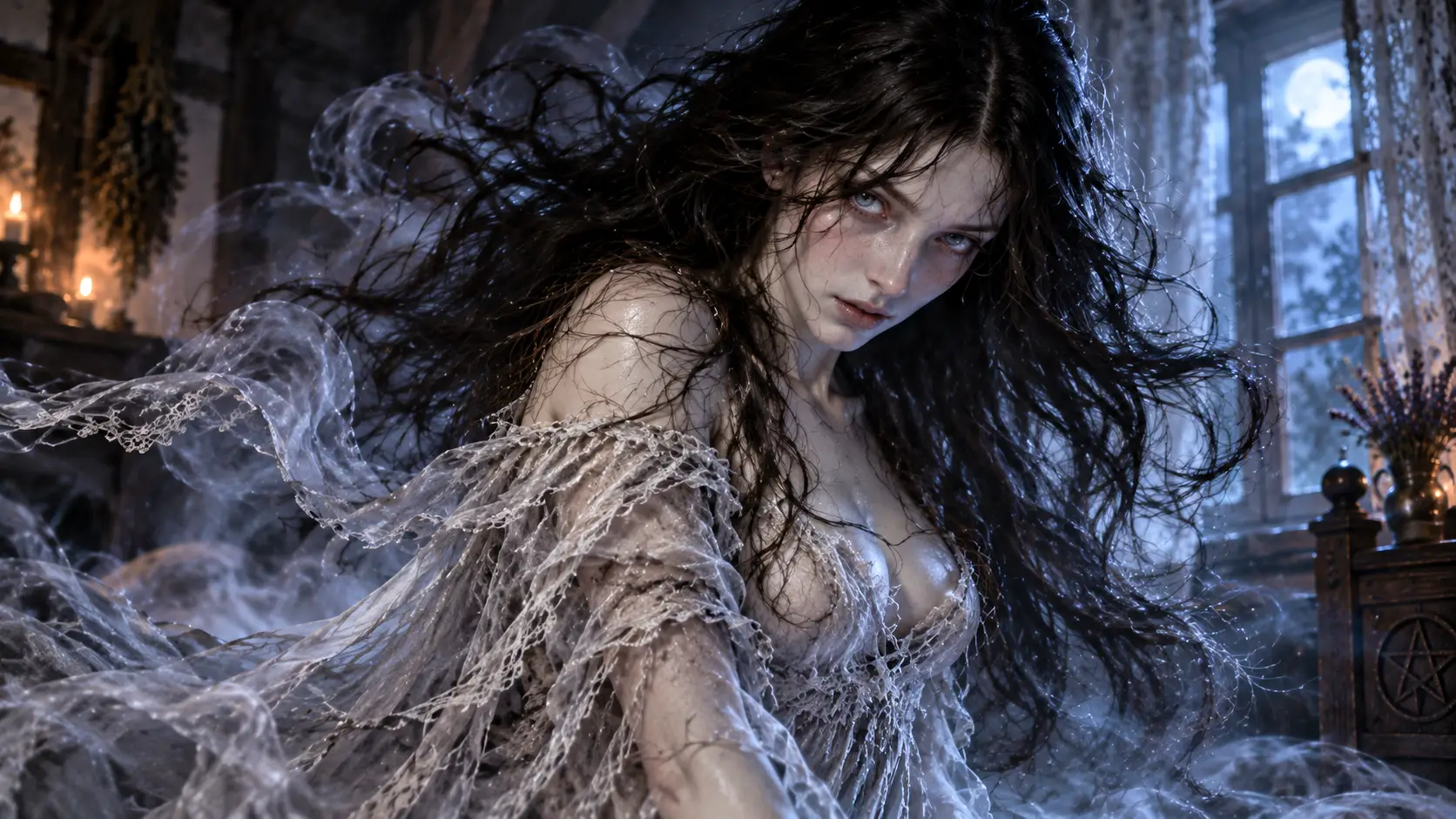
The Drude is a night spirit in German-speaking folklore, associated with oppressive dreams and disturbed sleep. Regional descriptions vary between an unseen presence and a witch-like figure.
Both traditions allow threatening spirits without one fixed appearance. This is a functional comparison, however, not evidence that the Drude and mazzikin share an origin.
Religion/Ritual
The clearest ritual context in the supplied evidence is protective magic associated with late-antique Babylonian incantation bowls. These objects place concern about harmful spirits within practical efforts at protection, rather than leaving it solely in discussions about the nature of demons.
The bowl evidence should remain distinct from the rabbinic passages. A creation notice or a list of demonic characteristics is not itself a ritual instruction.
Neither passage establishes a prescribed offering, ceremony, or universally observed method for dealing specifically with mazzikin.
Rabbinic texts and protective objects can therefore illuminate related concerns without becoming interchangeable records of practice. Their historical relationship deserves attention, but particular formulas, gestures, or observances require their own documentation.
The evidence here does not support presenting a single standard Mazzikin ritual.
Scientific or Rational Explanations
The available evidence establishes the historical use of demonological language and the existence of beliefs and protective practices. It does not provide empirical confirmation of supernatural beings.
Literary descriptions and ritual objects answer questions about human culture, not the biological existence of a creature.
A linguistic explanation is essential before any supernatural interpretation. The singular mazzik can mean someone or something that causes damage.
In an ordinary discussion of injury or responsibility, that meaning may be sufficient; translating every occurrence as “demon” would introduce a supernatural claim unnecessarily.
Historical interpretation also requires attention to genre. A brief statement about creation, a comparison between demons and angels, and an incantation bowl perform different functions.
Reading them as equivalent eyewitness reports would erase the purposes for which each kind of evidence was produced.
The specialist study of law and magic offers a social approach: ideas about spiritual harm can be examined alongside language used to manage danger and responsibility. This approach investigates how people understood and addressed threats, without requiring historians to accept the supernatural explanation themselves.
No particular medical, environmental, or psychological cause for Mazzikin beliefs is established by this dossier. There is no well-defined encounter series here against which to test such explanations.
Assigning the tradition wholesale to sleep paralysis, hallucination, or an unidentified animal would exceed the evidence.
Modern Cultural References
The Way It Haunted Him, horror novel (2026)
Laura R. Samotin’s novel brings supernatural presences into an archive setting.
Mazzikin appear as mischievous demons, adapting the traditional category of harmful spirits for a contemporary fictional narrative.
(leahs-books.com)
Confirmed modern representation is limited in the available material. This fictional appearance demonstrates continued creative use of the name, but its characterization belongs to the novel rather than establishing a traditional appearance, personality, or role shared by all mazzikin.
Conclusion
Mazzikin are best understood as a plural category of harmful spirits in Jewish rabbinic literature, not a single monster with a settled anatomy or biography. Their significance lies in the relationship between language, religious interpretation, and the possibility of unseen harm.
The ordinary meaning of a damage-causer remains important alongside the supernatural sense. Keeping those meanings distinct preserves the flexibility of the term and prevents scattered passages about demons from becoming an artificially unified creature profile.
Their symbolic role emerges through varied discussions of creation, danger, and protection rather than one definitive legend. Twilight origins and descriptions combining angelic and human qualities belong to particular rabbinic passages, not an agreed account of every harmful spirit.
Read alongside the historical setting of protective practices, these traditions reveal ways of imagining vulnerability and responding to uncertainty. Their lasting relevance rests in that cultural history, while modern fiction offers a separate setting in which the old terminology can acquire new narrative purposes.
Further Reading
Mishnah Avot 5:6, cited in UC Press introduction to Ahuvia’s study, Content.ucpress
Mishnah Avot 5:6 includes mazzikin among the things created at twilight before the first Sabbath; it is a brief creation notice, not a developed encounter tale. Documented folklore.
(content.ucpress.edu)
Babylonian Talmud, Hagigah 16a, Halakhah
Hagigah 16a says demons resemble ministering angels in three ways and humans in three: they have wings, travel across the world, hear what will happen, eat, procreate, and.
(halakhah.com)
Seder Mazikin: Law and Magic in Rabbinic Literature and Babylonian Incantation Bowls, Kotar / CET Library
Specialist study placing rabbinic sources and late-antique Babylonian incantation bowls in their historical and social context.
(kotar.cet.ac.il)