
The Forgotten Magic of Ancient Britain
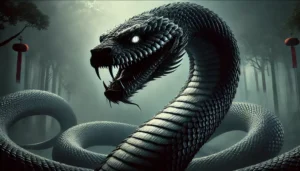
According to the Roman writer Pliny the Elder, the Druids of Gaul knew of a mysterious object formed when numerous snakes gathered in a tangled mass. The serpents supposedly raised it into the air, where someone brave enough could catch it in a cloak.
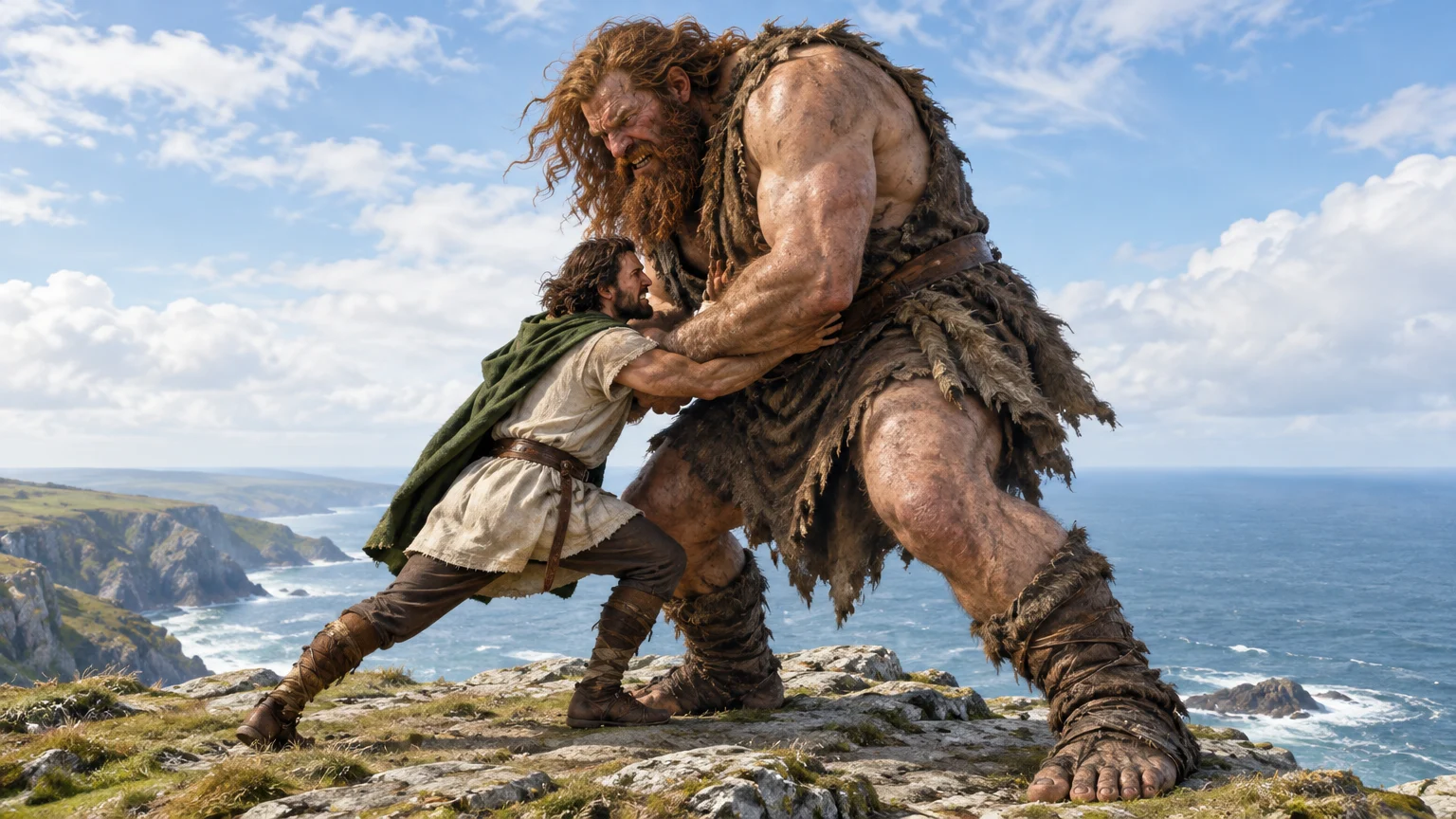
But collecting this serpent’s egg carried danger. Its owner had to escape on horseback before the snakes caught him, crossing a river to break their pursuit.
The object supposedly possessed extraordinary powers and could bring success in legal disputes and encounters with powerful people.
Pliny regarded these claims skeptically. His account concerns the Druids of Gaul, offering a glimpse of the extraordinary magical beliefs Roman writers associated with them.
Although Britain had its own Druid traditions, there is no direct evidence that British Druids practiced this particular serpent’s-egg ritual.
In ancient Britain, sacred lakes received valuable offerings, religious specialists interpreted divine signs, and secret teachings concerned the gods, the stars, and the fate of the soul after death. The boundary between nature and supernatural power was not always understood as fixed.
Then came conquest and conversion. Roman armies attacked Druid strongholds, Christianity spread through Britain, and later Anglo-Saxon and Viking settlers introduced their own beliefs and supernatural traditions.
Yet the island’s magical imagination did not disappear. Medieval Welsh legends preserved enchanted kingdoms, otherworldly hounds, and powerful magicians.
Centuries later, people revived the Druid name through ceremonies inspired by Britain’s ancient sacred landscape.
The story of Druid magic is one of mysterious rituals, forgotten gods, extraordinary legends, and the changing traditions through which people continued to imagine the natural world as a place of hidden powers.
Who Were the Druids, and What Made Them Powerful?
The Druids belonged to the religious and intellectual world of Celtic-speaking communities in ancient Britain and Gaul. They were not a single tribe, nor did they rule one unified kingdom.
Their authority came from specialized knowledge, religious responsibilities, and social influence.
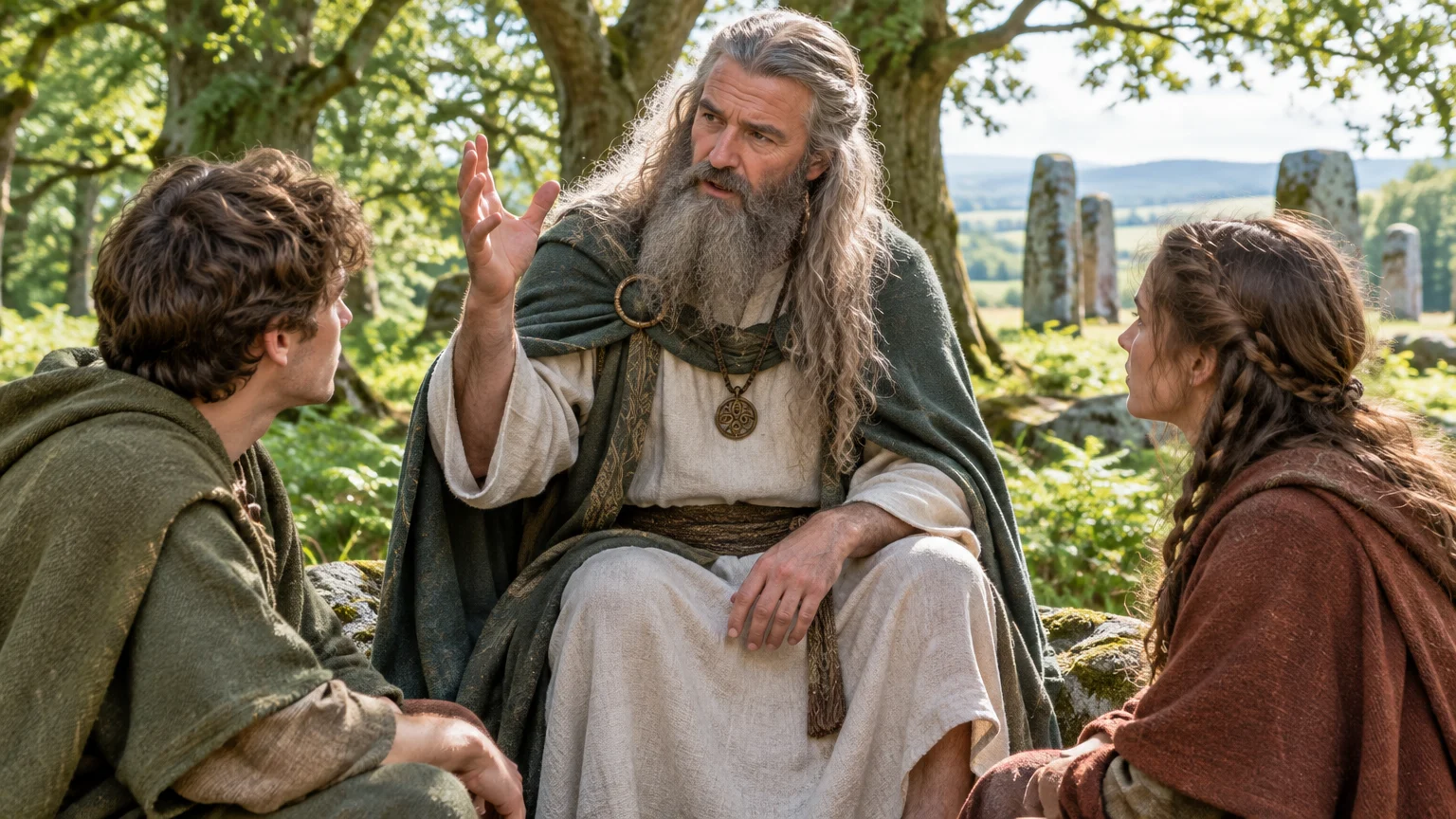
Julius Caesar described them as religious teachers, judges, and guardians of sacred learning. His account principally concerns the Celtic communities of Gaul, however, and not every institution he describes can be independently established for Britain.
According to Caesar, Druids supervised sacrifices, settled disputes, and instructed students in teachings that could take many years to master. Those who rejected their judgments might be excluded from important religious ceremonies.
Some pupils reportedly studied for twenty years, memorizing sacred verses rather than writing them down. Caesar believed the Druids deliberately protected their teachings through oral transmission, making their knowledge difficult for outsiders to obtain.
Their subjects allegedly included the stars, the natural world, the gods, and the fate of the soul after death. This combination of religious and intellectual authority helped create the later image of the Druid as a wise person possessing mysterious powers.
Caesar also reports that Druidic learning was believed to have originated in Britain and that students sometimes traveled there for advanced instruction. Although this suggests the island possessed an important religious reputation, the details of its Druid schools remain unknown.
Ancient sources describe other specialists, including diviners and bards. Later imagination sometimes combines them into one magical priesthood, but the surviving testimony suggests several overlapping roles.
The Druids’ greatest mystery comes from the absence of their own surviving religious books. Almost everything known about their ancient practices reaches us through outsiders, archaeological discoveries, and traditions written down centuries later.
Sacred Forests, Rivers, and the Powers of Nature
For communities in Iron Age Britain, natural places could possess religious significance far beyond their practical value. Lakes, springs, rivers, and groves offered settings in which people approached supernatural powers through ceremonies and valuable offerings.
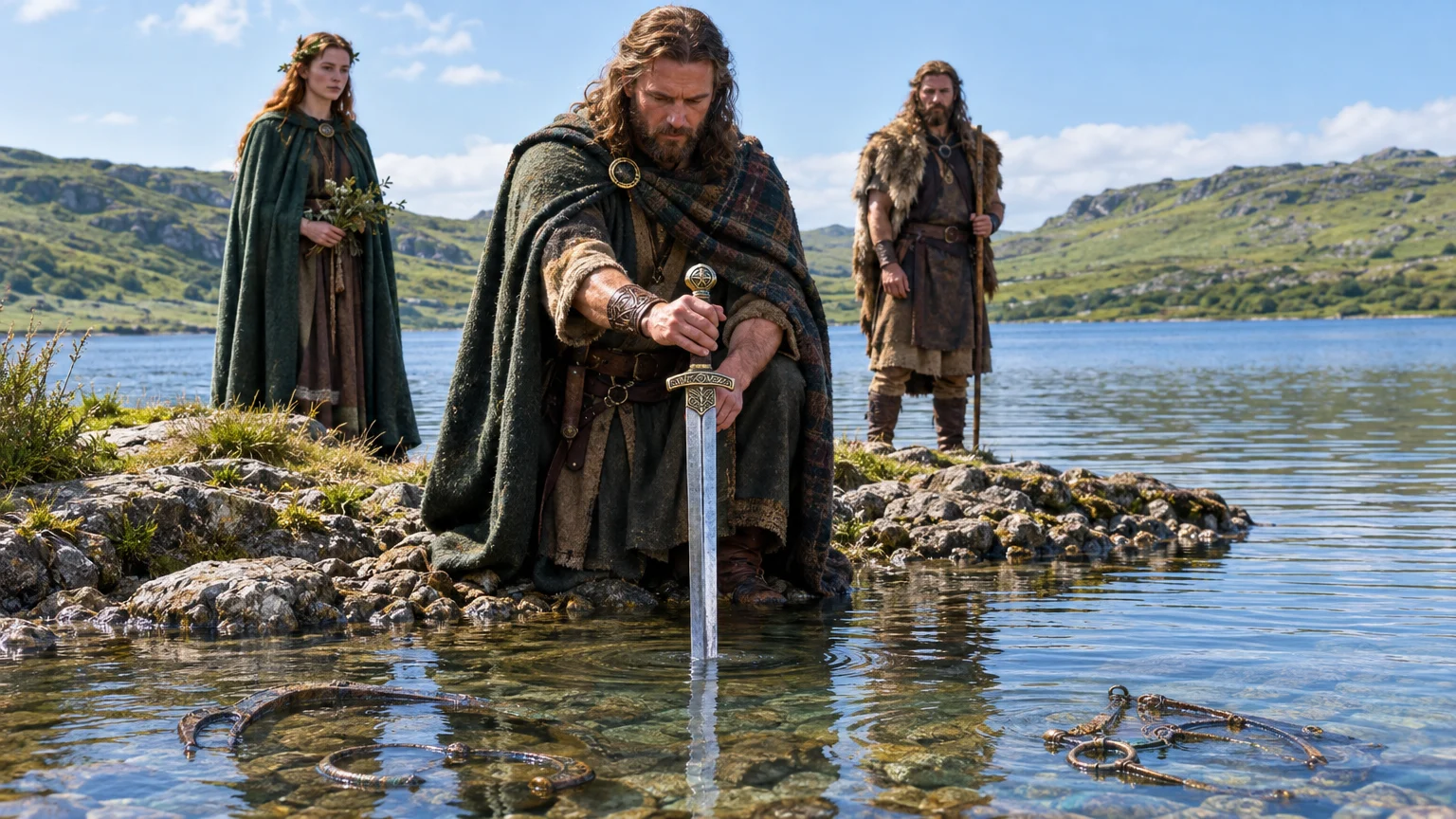
At Llyn Cerrig Bach on Anglesey, archaeologists uncovered weapons, horse equipment, and decorated metal objects deposited during the Iron Age. Some had been deliberately damaged, suggesting that they were removed from ordinary use before entering the water.
Researchers interpret much of this material as possible ritual deposition. The exact beliefs behind each object remain unknown, but the discoveries reveal that water could receive possessions of considerable value.
The Sacred Oak and the Golden Sickle
One of the most famous Druid ceremonies appears in Pliny’s Natural History. He describes Druids in Gaul treating mistletoe growing upon an oak as exceptionally sacred.
The ritual took place at a particular stage of the moon. Participants prepared a feast and brought two white bulls, while a priest wearing white clothing climbed the tree.
Using a golden sickle, the priest cut the mistletoe. Others received it in a white cloth so that it would not fall to the ground.
The ceremony concluded with sacrifice and prayers for divine favor.
Pliny reports that people associated the plant with fertility and protection against poison. These were religious claims, not proven medicinal properties.
The ritual gives an unusually detailed picture of ancient ceremonial magic: sacred timing, specially chosen plants, ritual clothing, precious implements, and carefully prescribed actions.
Although Pliny described Gallic Druids rather than a ceremony witnessed in Britain, the account became central to later British interpretations of their mysterious relationship with nature.
Druid Magic: Prophecies, Charms, and Curses
Ancient accounts describe several ways religious specialists attempted to understand or influence the supernatural world. Their reported practices included divination, ritual sacrifice, and objects believed to possess extraordinary powers.
Divination: Reading the Messages of the Gods
Diodorus Siculus described Celtic diviners interpreting the movements and cries of birds. They also examined signs associated with animal sacrifices, believing these could reveal information about future events.
People sought such knowledge when facing uncertainty. A ruler preparing for conflict, a community confronting danger, or a family seeking reassurance might consult someone believed capable of interpreting divine intentions.
Diodorus also recorded disturbing claims involving human sacrifice and prophecy. His description concerns Gaul and reflects an outsider’s account, but it shows how strongly divination became associated with the mysterious religious specialists of Celtic societies.
The Serpent’s Egg: A Dangerous Magical Treasure
Pliny’s account of the serpent’s egg belongs to another form of supernatural belief. The object, called ovum anguinum in Latin, supposedly formed through the combined activity of numerous snakes.
Its collector had to catch it before it reached the ground and flee the pursuing serpents. Pliny also describes a test of authenticity involving the object’s behavior in flowing water.
He treats the claims skeptically, but the story shows how an unusual object could acquire magical significance through an elaborate supernatural origin.
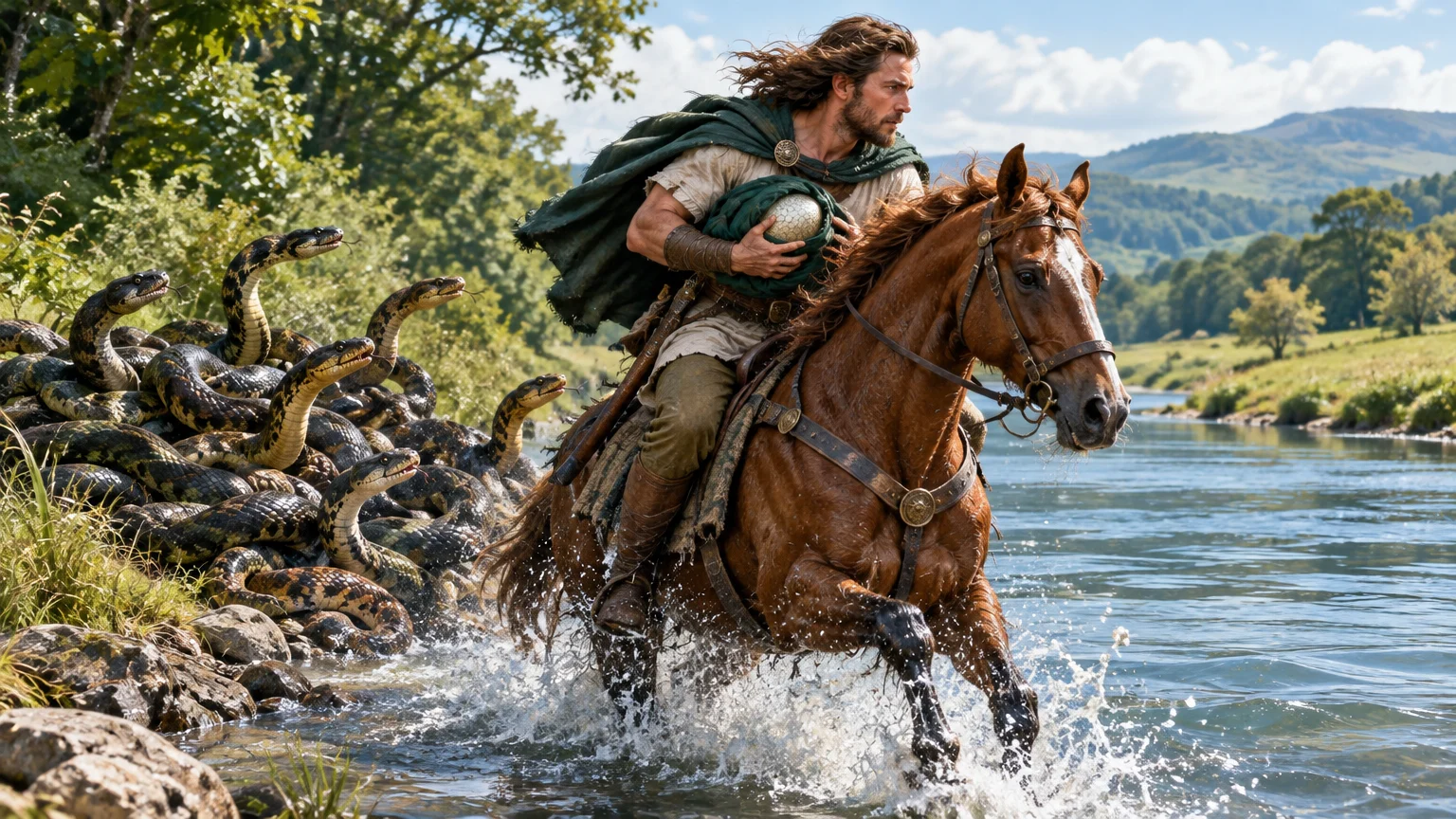 Pliny the Elder recounts a tale of a Gaulish rider escaping across a river with the fabled serpent’s egg.
Later Welsh folklore also contains traditions involving snake stones or glain nadroedd, although their relationship with Pliny’s account requires careful historical interpretation.
Curses and Appeals to Hidden Powers
More direct evidence of magical ritual survives from Roman Britain.
At Bath, worshippers of Sulis Minerva wrote petitions on small metal tablets and deposited them in the sacred spring. Many asked the goddess to punish people accused of stealing personal belongings.
One surviving inscription concerns a stolen hooded cloak. Its author dedicates the thief to the goddess, regardless of the person’s status or sex, and demands severe consequences unless the wrong is repaired.
These were actual ritual petitions performed by people living in Britain, not imaginary spells from later fantasy literature.
They do not prove that Druids wrote the tablets. Their significance lies in showing how supernatural justice and ritual appeals continued within the religious world that developed after Rome’s conquest.
The Gods, Spirits, and Beasts of the Old World
Ancient Britain possessed many local religious traditions rather than one securely recoverable Druid pantheon. Some gods are known through Roman-period inscriptions, while later Welsh and Irish stories preserve a wider collection of supernatural beings.
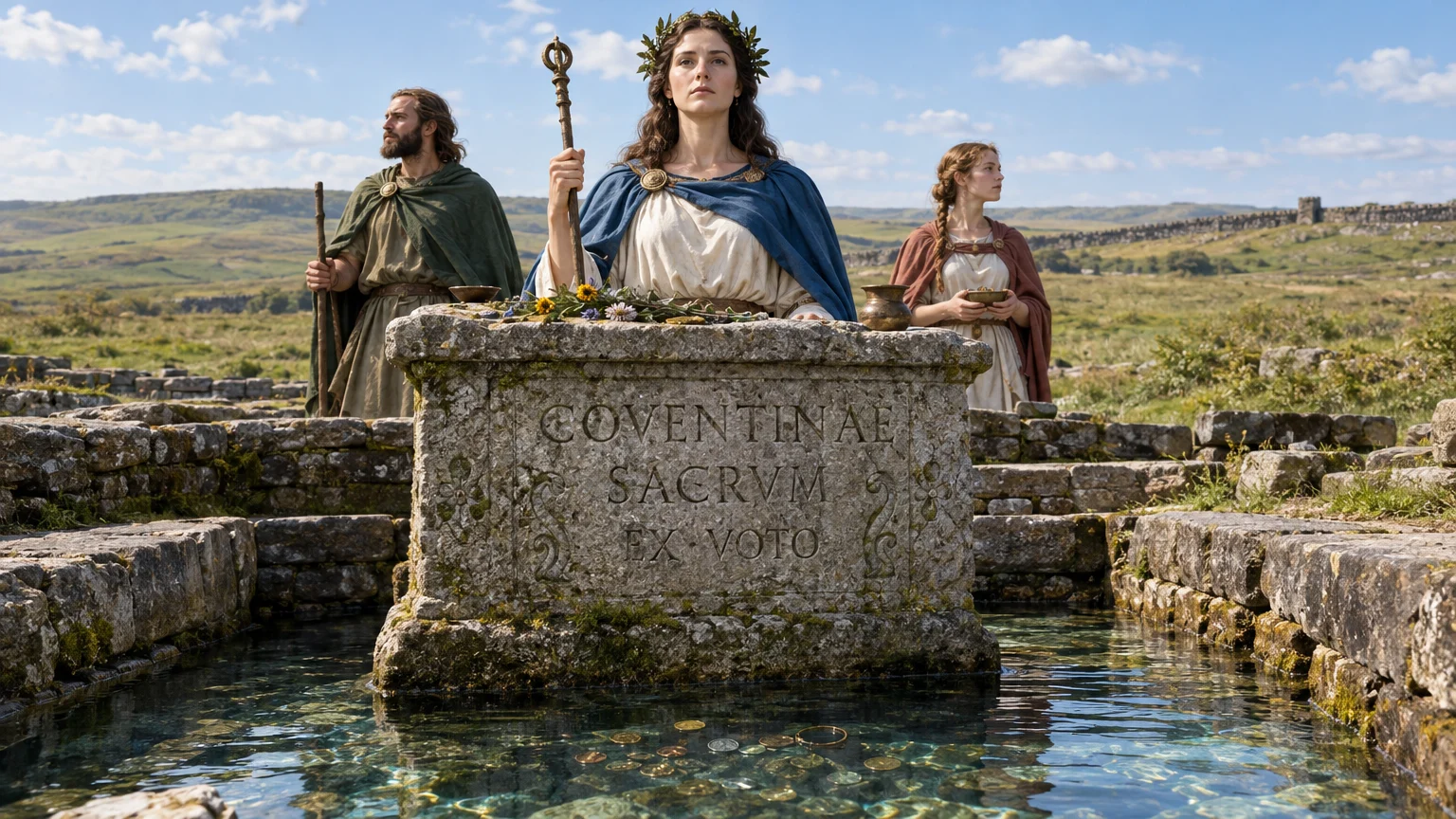
Among the best-attested British deities were several associated with water, protection, healing, and particular communities.
Sulis, Coventina, Nodens, and Brigantia
Sulis presided over the sacred spring at Bath. Under Roman rule, worshippers associated her with Minerva, creating the name Sulis Minerva. People appealed to her for justice and divine assistance.
Coventina received offerings at a well near Hadrian’s Wall. Coins and inscriptions reveal a local cult whose worshippers included people living around the Roman frontier.
Nodens received worship at Lydney Park in Gloucestershire. Inscriptions associate him with divine protection and appeals concerning wrongdoing, including a famous curse involving a stolen ring.
Brigantia, whose name is connected with the northern British people known as the Brigantes, appears in Roman-period religious inscriptions and imagery.
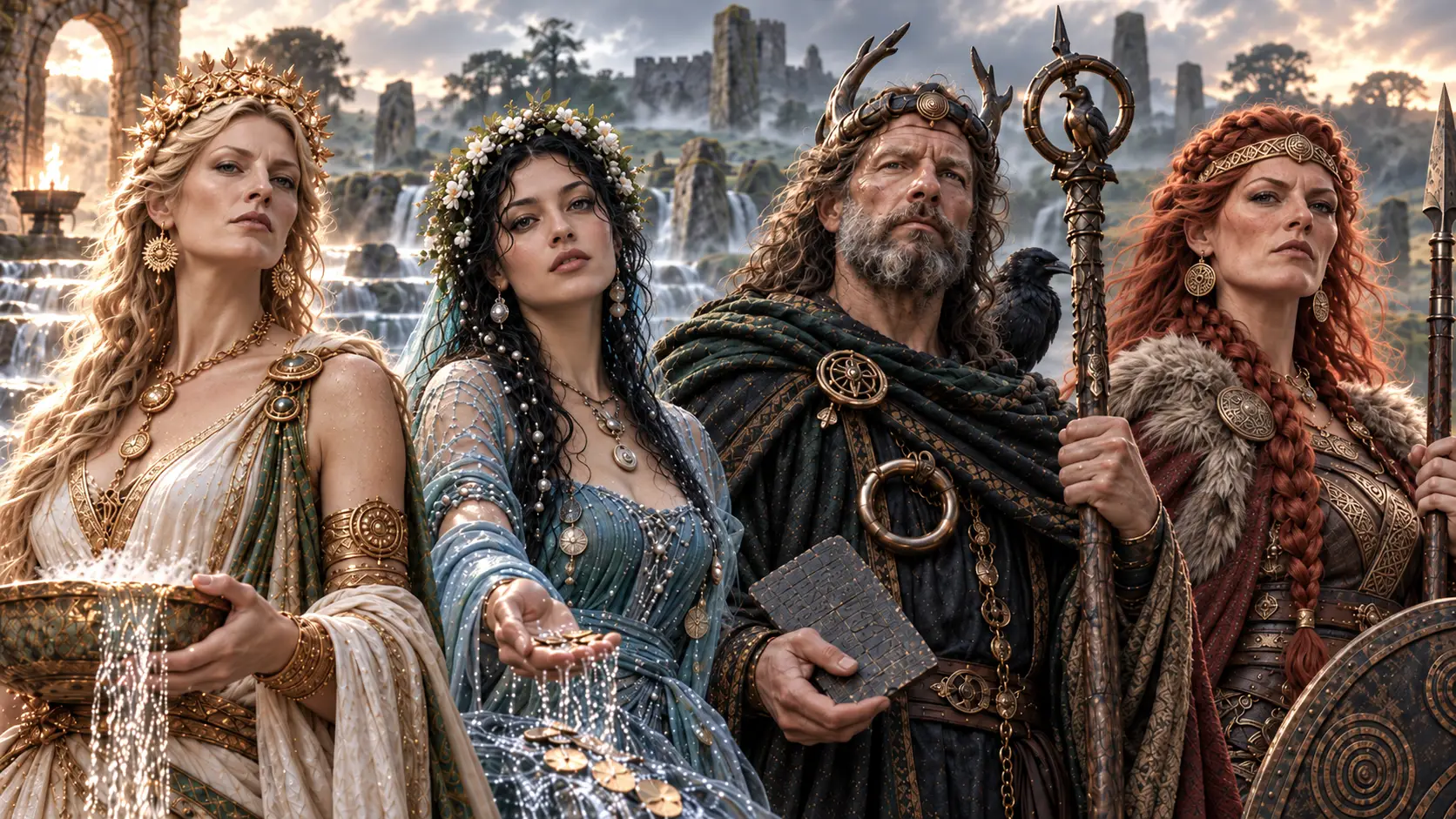
These gods illuminate the religious landscape of ancient Britain. Their surviving sanctuaries do not, however, identify the Druids who may or may not have served them.
The White Hounds of Annwfn
Welsh mythology introduces creatures that seem to belong to another world entirely.
In the First Branch of the Mabinogi, Pwyll encounters strange hunting hounds distinguished by their white bodies and red ears. The animals belong to Arawn, ruler of Annwfn, an otherworldly kingdom.
Their unnatural coloring immediately signals that they are not ordinary dogs. They become the first indication that Pwyll has crossed into an encounter governed by supernatural rules.
Later Welsh folklore developed traditions involving the Cŵn Annwn, the hounds of the Otherworld, sometimes associated with terrifying hunts and ominous cries.
These creatures belong to medieval and later Welsh storytelling, not to a documented Iron Age Druid bestiary. Yet they show how the British landscape could remain a setting for encounters with powers beyond the human world.
The Otherworld: Where Magic Changed the Rules
Welsh legends offer some of the richest surviving stories of supernatural Britain. They describe enchanted kingdoms, mysterious rulers, extraordinary animals, and humans whose actions determine whether they survive encounters with unseen powers.
Their medieval manuscripts belong to Christian-era Wales, but the stories preserve a distinctive imaginative world in which the supernatural exists beside ordinary human life.
Pwyll and Arawn: A Year in an Enchanted Kingdom
During a hunt, Pwyll, prince of Dyfed, drives away strange hounds that have brought down a stag. Their owner appears and condemns the prince for taking another hunter’s prey.
The mysterious stranger reveals himself as Arawn, ruler of Annwfn, the Welsh Otherworld.
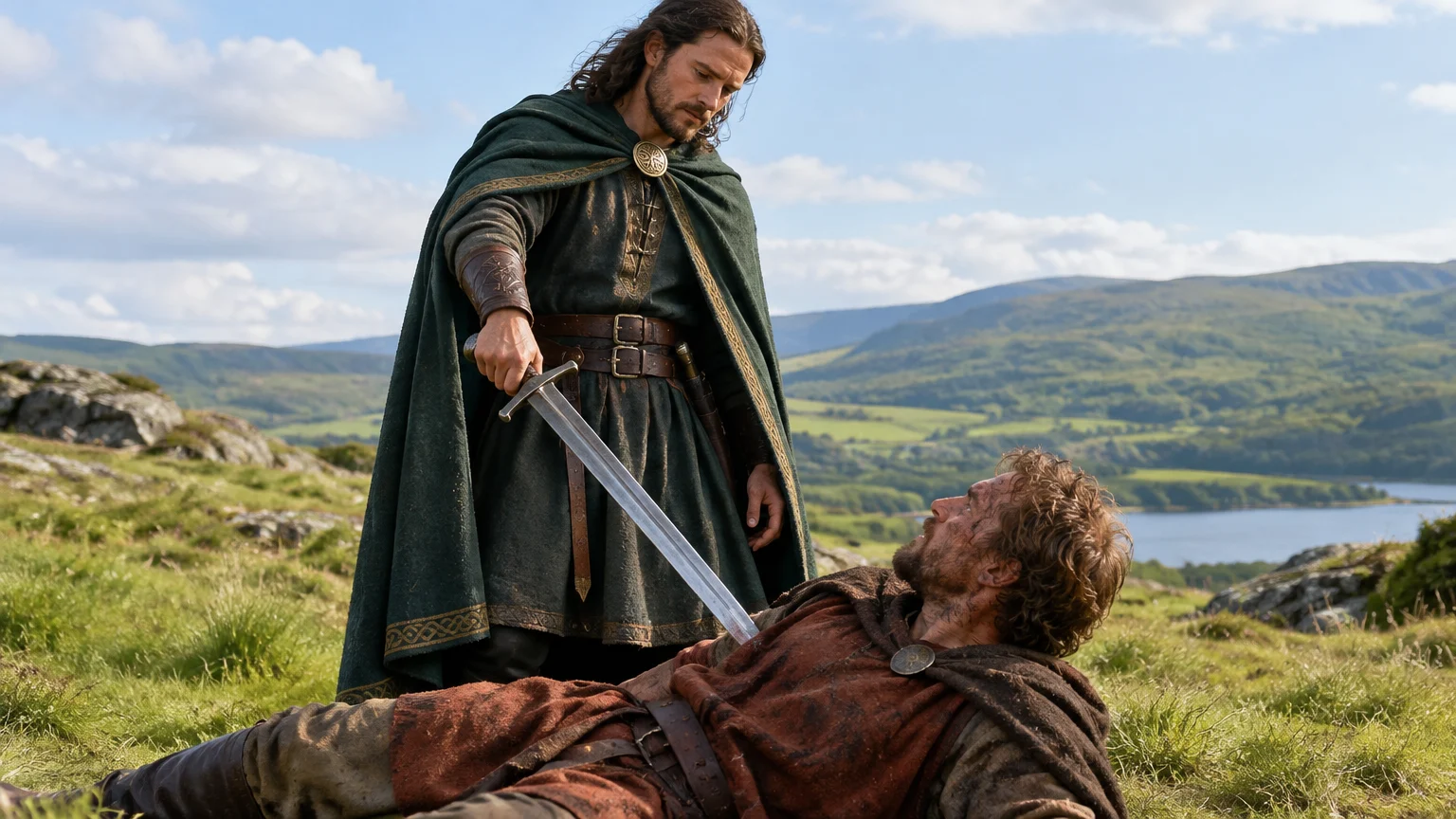
To repair his offense, Pwyll agrees to exchange identities with Arawn for a year. Each assumes the other’s appearance and position, allowing Pwyll to live inside an otherworldly kingdom.
There he must defeat Hafgan, a rival ruler. But the encounter has an unusual magical rule: Pwyll may strike his enemy only once, refusing any request for a second blow.
When the moment comes, Pwyll obeys. Hafgan falls, and the rival kingdom submits.
Pwyll also refuses to take advantage of Arawn’s wife during the exchange, demonstrating the restraint expected of an honorable guest.
When the year ends, the two rulers recover their identities and establish a lasting friendship.
The tale is remarkable because supernatural success depends upon conduct rather than superior magical force. A mortal survives the Otherworld by respecting promises, observing unfamiliar rules, and recognizing the limits of his own authority.
Gwydion: The Magician Punished by Transformation
The Fourth Branch of the Mabinogi introduces Gwydion, a powerful magician whose cunning repeatedly alters the lives of those around him.
His most disturbing adventure begins when he helps his brother Gilfaethwy engineer a conflict that allows Gilfaethwy to assault Goewin, the woman whose presence enables King Math to fulfill a mysterious condition of his rule.
When Math discovers their wrongdoing, he punishes both brothers through extraordinary magic.
The king transforms them into a stag and hind, forcing them to live as animals for an entire year. When they return, they bring offspring produced during their transformation.
But their punishment is not finished. Math transforms them again, first into wild boars and later into wolves. Only after three years does he restore their human forms.
The transformations reverse familiar boundaries between human and animal life, forcing the brothers to experience a world in which their identities and bodies are no longer under their control.
Here, magic becomes an instrument of judgment. King Math’s powers expose the consequences of deception and wrongdoing, while Gwydion discovers that even a skilled magician can become helpless before a stronger supernatural authority.
Together, Pwyll and Gwydion demonstrate why the old Welsh stories remain compelling. Their magical worlds have rules, consequences, creatures, and personalities, rather than offering only vague claims about hidden spiritual forces.
When Rome Attacked the Druids
The Roman conquest brought the Druids into direct conflict with imperial power.
In AD 43, Roman forces invaded Britain. During the following decades, the empire expanded its control over communities whose religious institutions could also command political and social authority.
The most dramatic confrontation came on Anglesey, known to the Romans as Mona.
Around AD 60 or 61, the governor Suetonius Paulinus launched an assault against the island, which had become a refuge for opponents of Roman rule.
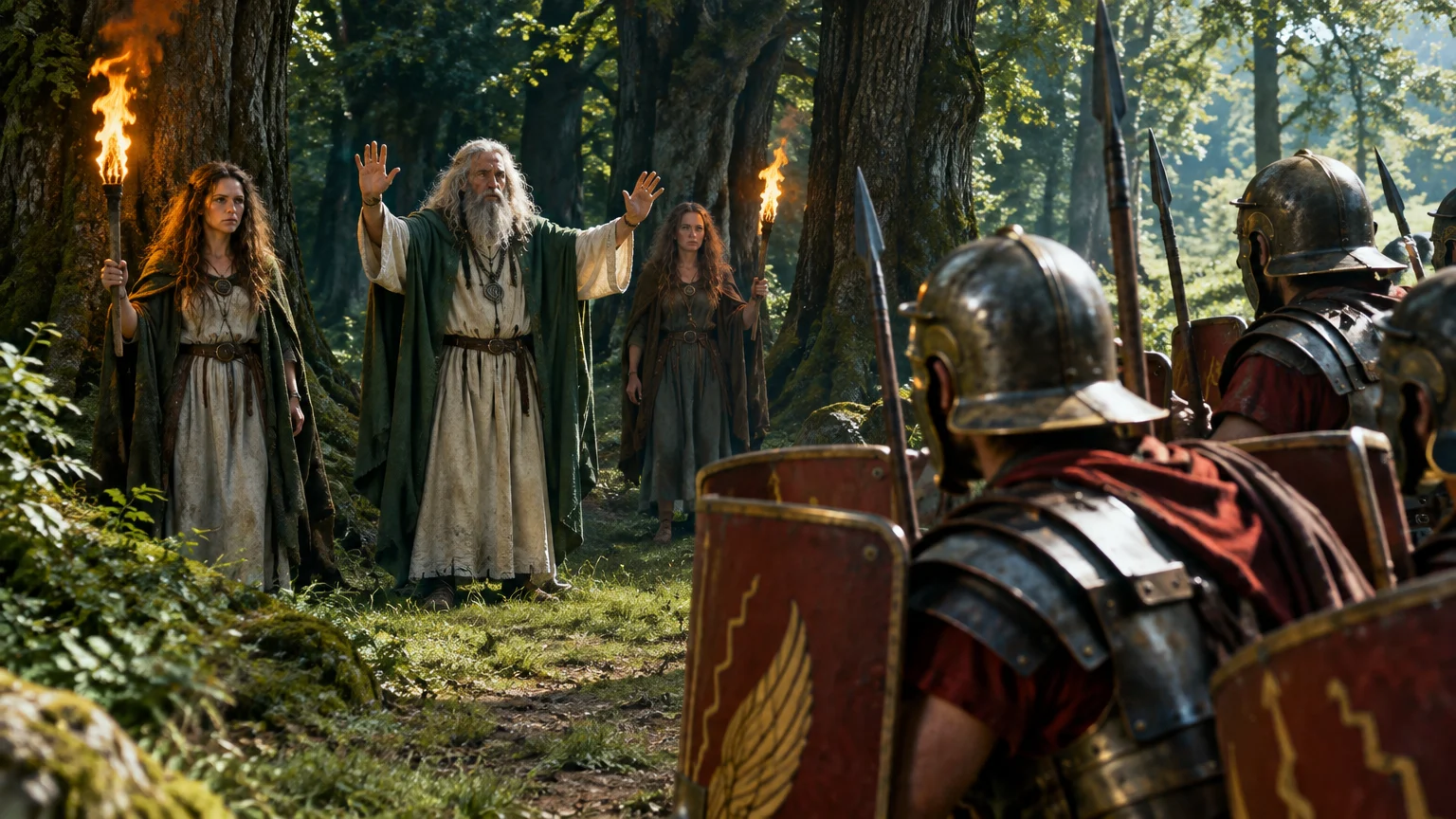
According to Tacitus, Roman soldiers encountered armed defenders, women carrying burning torches, and Druids raising their hands toward the heavens while pronouncing curses.
The sight supposedly terrified the attackers. For a moment, Roman troops hesitated before their commanders urged them forward.
The Romans eventually defeated the defenders. Tacitus reports that they destroyed sacred groves and imposed military control over the island.
His description presents Druid magic as a weapon of psychological and religious resistance. It also reflects Roman hostility toward an influential priesthood associated with communities resisting conquest.
The Romans defeated the island’s defenders, and Tacitus reports that they destroyed sacred groves associated with Druid ceremonies. Yet the victory was soon overshadowed by a major uprising elsewhere in Britain.
News of Boudica’s revolt reached Suetonius Paulinus while he was occupied on Anglesey, forcing the Roman commander to turn his attention toward a much wider rebellion.
How the Old Religion Changed Under Rome and Christianity
Roman conquest did not immediately eliminate Britain’s local gods. In some places, worship continued through new temples, offerings, and divine names.
At Bath, the goddess Sulis became associated with the Roman Minerva. On Hayling Island, archaeologists uncovered an Iron Age religious complex beneath a later Roman temple, showing that an established sacred location could remain important even as its buildings and ceremonies changed.
But Christianity eventually introduced a more fundamental transformation.
By AD 314, British bishops were attending Christian councils on the continent. At Lullingstone in Kent, archaeologists discovered a fourth-century Christian worship room above an older space containing pagan religious imagery.
English Heritage considers it possible that older ceremonies continued in the building, although simultaneous worship cannot be established with certainty.
This remarkable site captures a changing religious world. Christianity entered communities where other divine powers had already been honored for generations.
Coifi: The Pagan Priest Who Turned Against His Gods
One of Britain’s most dramatic conversion stories comes from the Anglo-Saxon kingdom of Northumbria.
According to Bede’s Ecclesiastical History, Book II, Chapter 13, King Edwin gathered his advisers around AD 627 to consider whether he should accept Christianity.
Among them was Coifi, a priest of the kingdom’s existing religion. Rather than defending his gods, Coifi questioned why years of faithful service had brought him so little reward.
The discussion convinced him to reject his former beliefs.
Coifi then performed an extraordinary public act. He mounted a horse and carried weapons, violating restrictions associated with his priestly office.
Riding to a sacred sanctuary at Goodmanham, he threw a spear into it and ordered the religious buildings destroyed.
For Bede, writing as a Christian historian approximately a century later, the act represented the defeat of the old religious powers.
Coifi was an Anglo-Saxon priest, not a documented Druid. Yet his story illustrates how religious change could involve the public rejection of ceremonies and sacred places that had once commanded great authority.
A Landscape of Changing Beliefs
Conversion was neither immediate nor uniform. Christian communities had already developed among western Britons before the Anglo-Saxon kingdoms adopted the new religion, and older customs did not vanish everywhere at once.
Later Scandinavian settlers introduced another supernatural world, with gods such as Odin and Thor. In northern England, the tenth-century Gosforth Cross combines Christian imagery with figures interpreted through Norse mythology.
These encounters did not preserve one unchanged Druid religion. They created a landscape in which sacred places, supernatural stories, and religious traditions repeatedly acquired new meanings.
The ancient Druid priesthood gradually disappeared from the historical record, but Britain’s fascination with magic, extraordinary beings, and the spiritual power of nature continued to develop.
Did Druid Magic Survive Through the Centuries?
For centuries, stories about magic remained part of life in Britain. Enchanted animals, mysterious beings, sacred places, protective charms, and supernatural warnings appeared throughout local folklore.
Medieval Welsh literature preserved magical kingdoms and powerful figures such as Arawn, Pwyll, and Gwydion. Christian writers recorded these stories within societies whose religious institutions differed greatly from those of ancient Britain.
Other magical traditions developed through folk practices. Cunning folk offered charms, divination, healing remedies, and protection against suspected witchcraft.
Their activities demonstrate that supernatural beliefs remained important in some communities long after Christianity became established.
But these practitioners cannot automatically be identified as surviving Druids. Their traditions developed across different centuries and religious environments.
The Return of the Druids
During the seventeenth and eighteenth centuries, antiquarians became increasingly fascinated by Britain’s ancient monuments and religious past.
Stonehenge became strongly associated with Druids, even though archaeology has established that its construction preceded the historically documented priesthood by many centuries.
In 1792, the Welsh antiquarian Edward Williams, better known as Iolo Morganwg, established a new Gorsedd ceremony in London.
Iolo claimed to preserve ancient bardic wisdom, but he also composed and fabricated material that he presented as authentic historical tradition. His work mixed genuine literary interests with invented accounts of the ancient past.
Nevertheless, the ceremonial movement he helped establish became a meaningful part of Welsh cultural life, particularly through its association with the Eisteddfod.
Later organizations developed new forms of religious Druidry, drawing inspiration from Celtic mythology, seasonal festivals, poetry, and reverence for nature.
Modern Druids practice genuine living traditions, even though their ceremonies cannot be traced through an uninterrupted line of ancient priests.
What survived most visibly was not a hidden organization guarding an unchanged secret. It was the continuing attraction of Britain’s supernatural stories, sacred landscapes, and the possibility that nature might hold powers beyond ordinary human understanding.
Modern Druid Ceremonies: The Magic That Lives Today
Modern Druid practitioners gather in groups often called Groves, where ceremonies may involve poetry, meditation, seasonal observances, blessings, and reflection upon the natural world.
Some rituals take place publicly at ancient monuments, while others occur privately in gardens, woodland settings, or homes.
Many contemporary Druids celebrate eight annual festivals, including the solstices, equinoxes, and seasonal occasions associated with Samhain, Imbolc, Beltane, and Lughnasadh.
Participants may establish a ceremonial circle, honor the changing seasons, offer words of gratitude, and use symbolic objects connected with their spiritual practices.
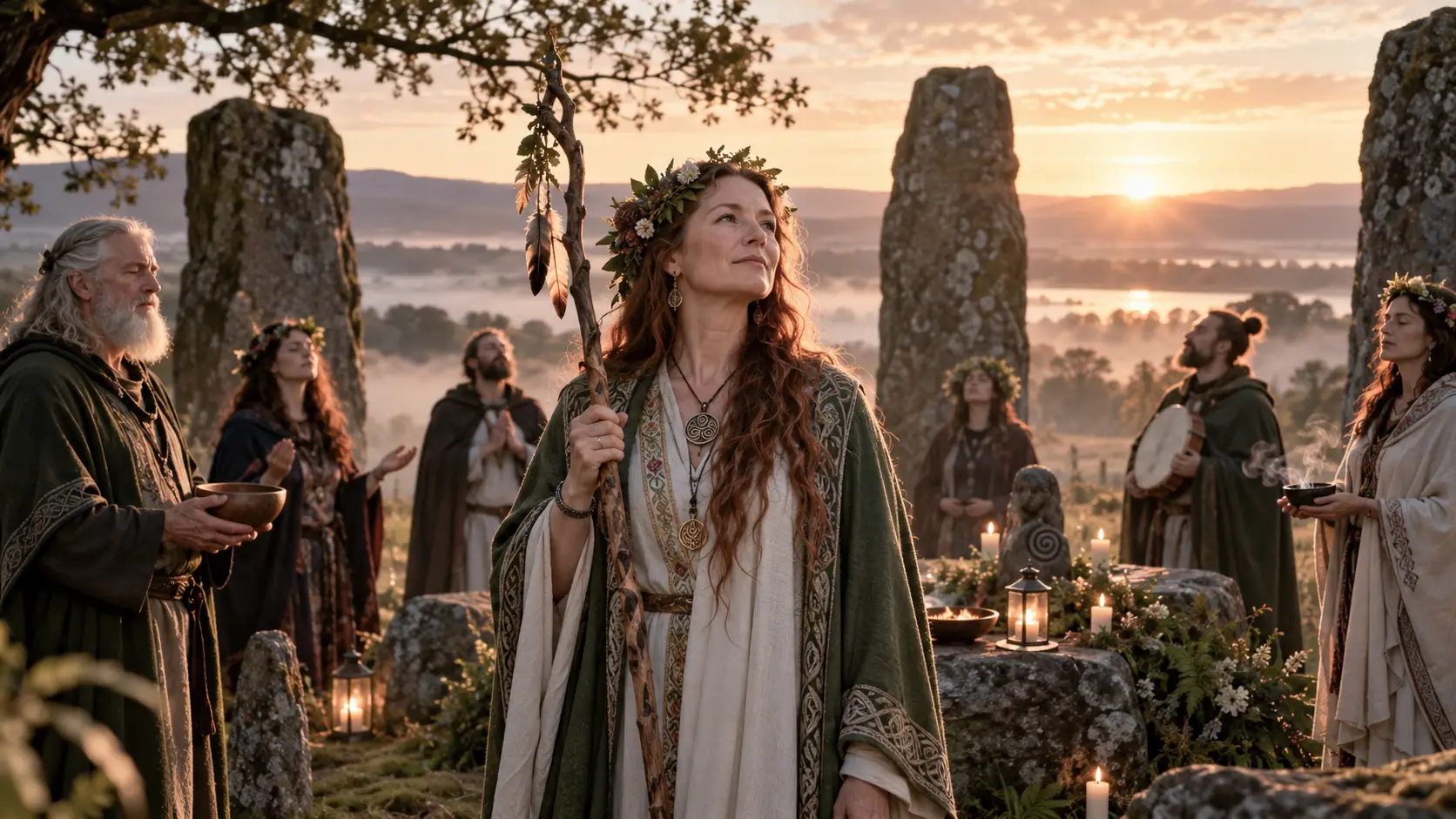
These ceremonies are meaningful living traditions. Their precise modern forms, however, should not be confused with a complete ritual calendar recovered from the ancient Druids.
For some practitioners, magic means working with spiritual powers or unseen relationships. For others, it describes ritual, personal transformation, imagination, or a deepened connection with nature.
The Druids exist today because people continue to develop traditions around their name, stories, and spiritual ideals. Their continuing presence demonstrates the power of that inheritance, even when the historical path from ancient Britain to modern practice remains interrupted and transformed.
Conclusion: Britain’s Old Magic Never Lost Its Fascination
Ancient writers described Druids in Gaul as guardians of sacred knowledge, mysterious ceremonies, prophecy, and beliefs about the soul. In Britain, archaeological discoveries reveal sacred landscapes, offerings, and local gods, while later Welsh legends preserve a world of supernatural beings and extraordinary magic.
Together, these different sources shaped the enduring image of the Druids and Britain’s enchanted past.h.
Roman conquest damaged their institutions, while Christianity and later cultural changes transformed Britain’s religious landscape. Medieval literature preserved extraordinary supernatural stories, and modern Druidry gave the ancient name new ceremonial life.
What survives is not one unchanged secret religion. It is a remarkable collection of stories, practices, places, and spiritual interpretations through which generations have continued to imagine Britain as a land where nature and the supernatural might meet.
Further Reading
The Gallic War, Book VI by Julius Caesar, first century BCE, ToposText.
Ancient description of Druids, their education, authority, religious ceremonies, and beliefs about the soul.
Source: https://topostext.org/work/683
Natural History, Book XVI, Chapter 95 by Pliny the Elder, first century CE, Perseus Digital Library.
The original account of the sacred oak, mistletoe collection, golden sickle, and white bulls.
Source: https://www.perseus.tufts.edu/hopper/text?doc=Perseus:text:1999.02.0137:book=16:chapter=95
Natural History, Book XXIX, Chapter 12 by Pliny the Elder, first century CE, Perseus Digital Library.
Describes the extraordinary serpent’s egg, the dangerous collection ritual, and its supposed supernatural properties.
Source: https://www.perseus.tufts.edu/hopper/text?doc=Perseus:text:1999.02.0137:book=29:chapter=12
The Library of History, Book V, Chapter 31 by Diodorus Siculus, first century BCE, LacusCurtius.
Describes Celtic diviners, the interpretation of birds, sacrificial omens, and ancient religious specialists.
Source: https://penelope.uchicago.edu/Thayer/E/Roman/Texts/Diodorus_Siculus/5B%2A.html
Annals, Book XIV, Chapters 29–30 by Tacitus, early second century CE, LacusCurtius.
Records the Roman assault on Anglesey and the confrontation with Druids pronouncing curses.
Source: https://penelope.uchicago.edu/Thayer/E/Roman/Texts/Tacitus/Annals/14b%2A.html
Late Iron Age Iron Sword from Llyn Cerrig Bach by Museum Wales, collection record.
Archaeological evidence for valuable weapons deposited in a watery Iron Age ritual landscape.
Source: https://museum.wales/collections/online/object/cf3a84c8-8aca-3b4b-aa54-d018f757a994/Late-Iron-Age-iron-sword/
Tab. Sulis 65: Curse Tablet by Roman Inscriptions of Britain, University of Oxford.
An original inscribed petition asking Sulis Minerva to punish the thief of a hooded cloak.
Source: https://romaninscriptionsofbritain.org/inscriptions/TabSulis65
Pwyll Pen Annwfn, First Branch of the Mabinogi, translated by Will Parker, Mabinogi.net.
Welsh tale of the mysterious white hounds, Arawn’s supernatural kingdom, and Pwyll’s exchange of identities.
Source: https://www.mabinogi.net/pwyll.htm
Math fab Mathonwy, Fourth Branch of the Mabinogi, translated by Will Parker, Mabinogi.net.
Contains Gwydion’s magical adventures, extraordinary transformations, supernatural punishments, and the complicated relationships of Welsh mythological figures.
Source: https://www.mabinogi.net/math.htm
Significance of Lullingstone Roman Villa by English Heritage, publication date unspecified.
Examines Christianity emerging within a Roman British household containing older pagan religious imagery.
Source: https://www.english-heritage.org.uk/visit/places/lullingstone-roman-villa/history/significance/
Gosforth High Cross by Historic England, National Heritage List, record 1012643.
Documents a Viking-Age monument combining Christian imagery with Scandinavian mythological figures.
Source: https://historicengland.org.uk/listing/the-list/list-entry/1012643
Druid Festivals by Order of Bards, Ovates and Druids, publication date unspecified.
Explains contemporary seasonal celebrations, ceremonies, and nature-centered spiritual practices among modern Druids.
Source: https://druidry.org/druid-way/teaching-and-practice/druid-festivals
Blood and Mistletoe: The History of the Druids in Britain by Ronald Hutton, Yale University Press, 2009.
Major scholarly examination of ancient Druid evidence, folklore, cultural reinvention, and modern Druidry.
Source: https://www.jstor.org/stable/j.ctt5vm468
RIB 1526: Altar Dedicated to Coventina by Roman Inscriptions of Britain, University of Oxford.
An original votive dedication recovered from Coventina’s Well at Carrawburgh, identifying the goddess and documenting her local worship.
Source: https://romaninscriptionsofbritain.org/inscriptions/1526
RIB 306: Curse Upon Senicianus by Roman Inscriptions of Britain, University of Oxford.
Original lead inscription from Lydney Park recording Silvianus’s appeal to Nodens concerning his stolen ring and the suspected involvement of Senicianus.
Source: https://romaninscriptionsofbritain.org/inscriptions/306
RIB 2091: Dedication to Brigantia by Roman Inscriptions of Britain, University of Oxford.
An inscribed stone relief from Birrens showing Brigantia with divine and martial attributes, including a spear, shield, helmet, and wings.
Source: https://romaninscriptionsofbritain.org/inscriptions/2091
Ecclesiastical History of the English People, Book II, Chapter 13 by Bede, circa AD 731.
Primary medieval Christian account of King Edwin’s council, Coifi’s rejection of his former gods, and the destruction of the sanctuary at Goodmanham.
Source: https://sourcebooks.web.fordham.edu/basis/bede-book2.asp