Introduction
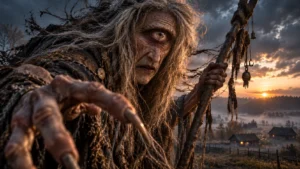
The drekavac is a supernatural being of South Slavic folklore, particularly associated with Serbian tradition. Its most persistent identifying feature is a frightening cry.
Beyond that sound, accounts differ considerably, describing a returning dead person, a child spirit, or an uncanny animal-like creature.
Its name is commonly translated as “the Screamer” or “the Screecher.” These renderings capture what holds the varied traditions together: an alarming voice whose source may be hidden, misunderstood, or believed to belong to something outside the ordinary world.
Some accounts connect the drekavac with people who died in sin; others associate it with children who died before baptism. A humanoid canine form is also reported in eastern Serbia.
These are distinct descriptions, not interchangeable parts of one universally accepted monster.
The figure belongs to a tradition in which beliefs about the dead overlap with interpretations of unfamiliar sounds. Its importance lies less in a fixed appearance than in the ways communities explain fear, remember unsettling experiences, and turn those experiences into narratives.
History/Origin
The drekavac has no securely established single origin in the evidence considered here. Its documented tradition consists of differing belief narratives rather than a continuous founding myth.
Neither the restless adult dead nor the unbaptized child can confidently be identified as its earliest form.
Nineteenth-century Serbian language and customs collections provide an important historical setting for investigating such beliefs. Vuk Stefanović Karadžić’s Srpski rječnik, published in Vienna in 1818, collected words in popular usage during a formative period of Serbian vernacular scholarship.
However, the Library of Congress catalog record establishes that dictionary’s publication and scope, not a verified drekavac entry. Likewise, the cataloged 1867 edition of Karadžić’s Život i običaji naroda srpskoga supplies historical context without establishing a specific passage about this being.
The clearest scholarly framework comes from Jelenka J. Pandurević’s 2020 study of the drekavac. It examines belief narratives, fieldwork, literature, and media together, treating the figure as part of a changing culture of remembering rather than as an unchanged survival with one recoverable original identity.
Within this material, supernatural explanations coexist with animal explanations for disturbing cries. That coexistence matters historically: the tradition includes both belief in a demonic presence and arguments that apparently uncanny experiences have ordinary causes.
Skeptical reinterpretation is therefore part of its development, not merely an outside response.
Later literary and screen treatments further reshape the figure. They demonstrate its continuing recognizability, but their invented details cannot establish older folklore.
The historical picture is consequently one of regional variation and repeated reinterpretation, rather than a clearly dated creature with an authoritative description.
Name Meaning
“The Screamer” is the best-supported English rendering of drekavac; “the Screecher” is another common translation. The former appears in the English title of Pandurević’s specialist study, making the creature’s acoustic identity explicit without committing it to any particular physical shape.
The name directs attention toward an action or sound rather than a species. This is especially appropriate for a being whose reported forms range from human revenants to animal-like apparitions.
What people hear can remain recognizable even when their explanations of its source differ.
Related names recorded in reference summaries include Drekalo, Krekavac, Zdrekavac, and Zrikavac. These should be understood as reported naming variants, not as proof of four separate creatures.
Their precise local distribution and historical relationships are not established by the available evidence.
The translation also has limits. Calling the being a screamer does not determine whether a particular account concerns a dead person, a spirit, or an uncanny animal.
Nor does the familiar meaning establish a complete historical etymology, which would require verified linguistic evidence beyond a translated name.
Appearance
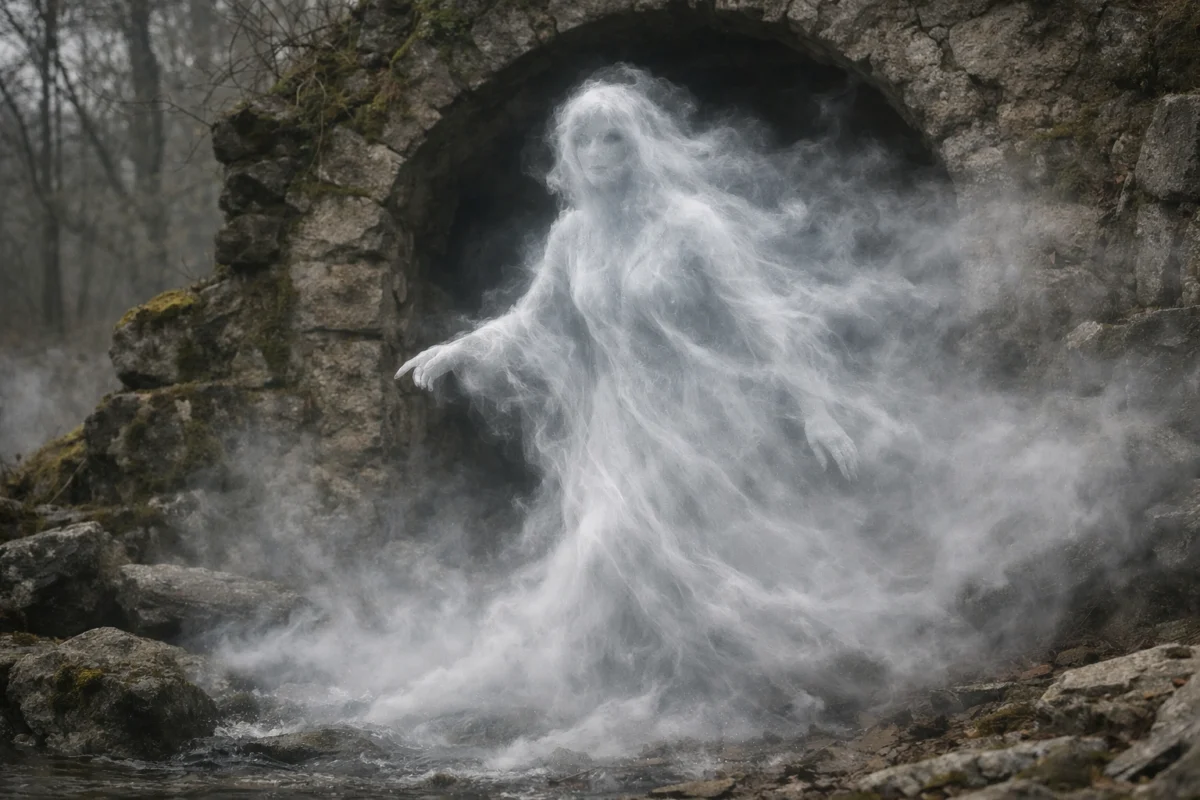
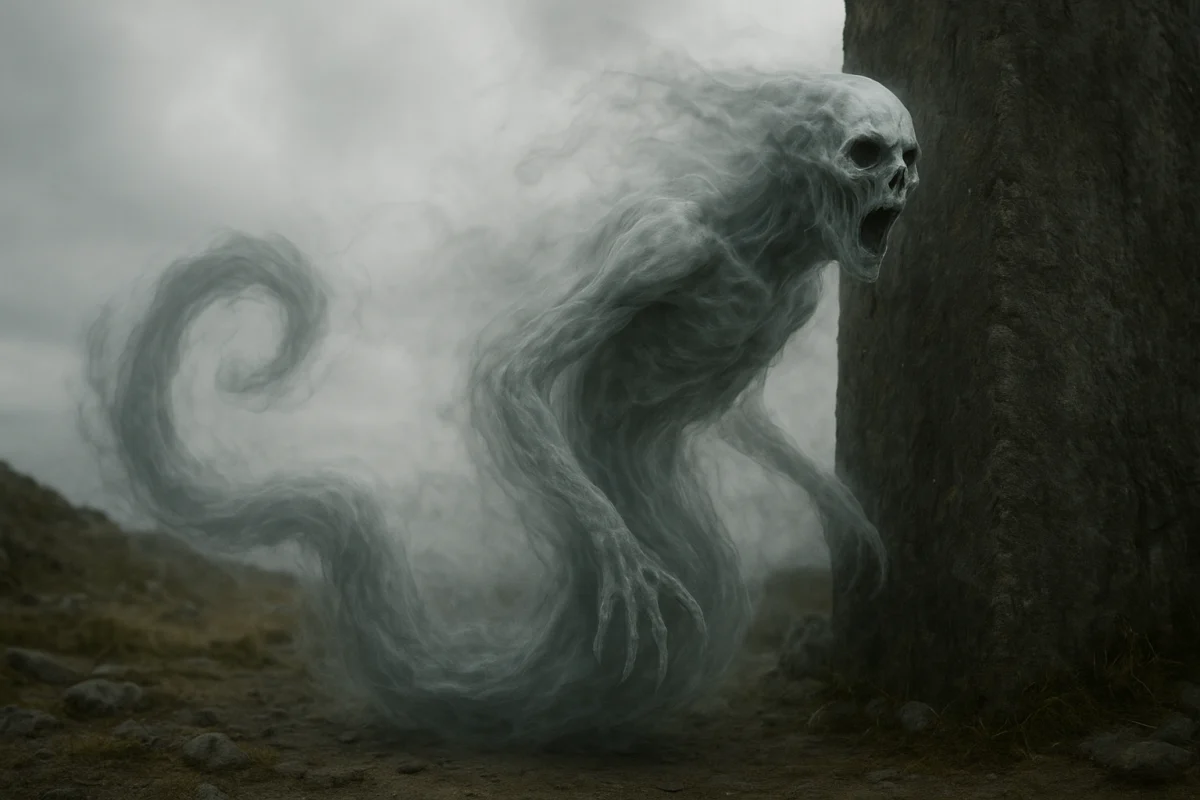
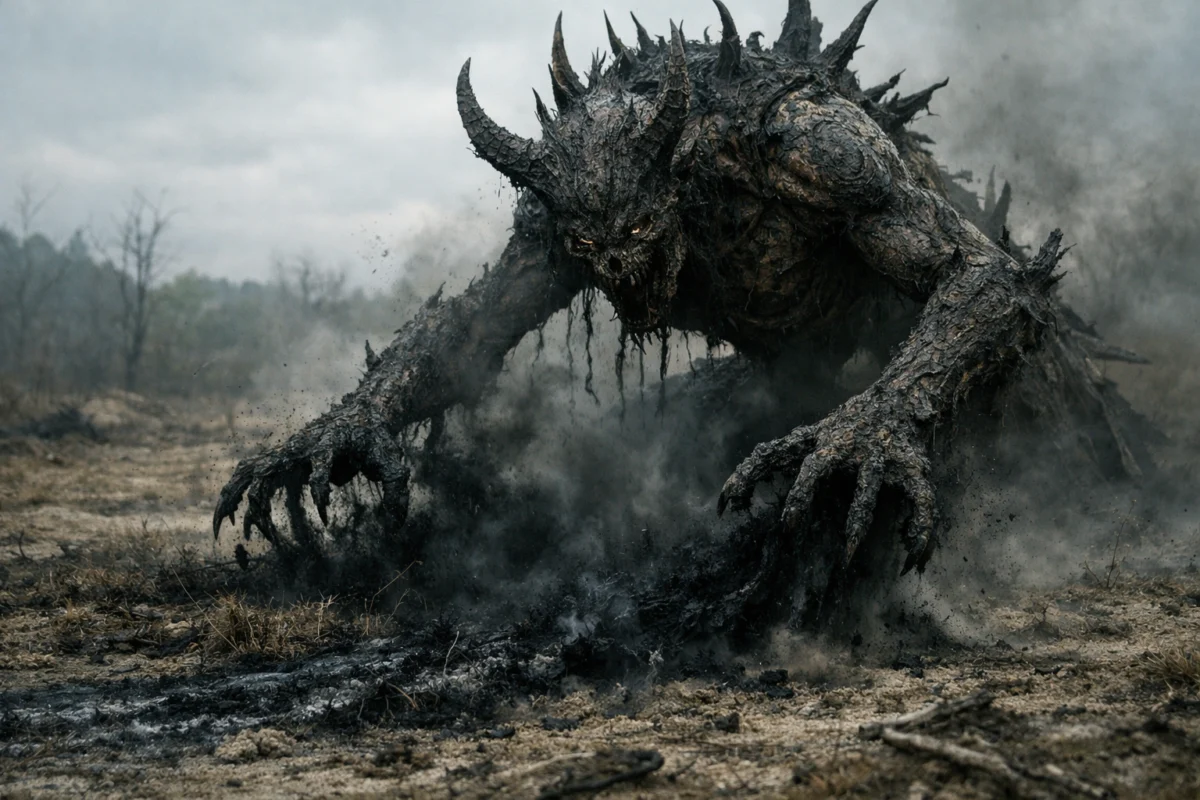
The drekavac has no single established body plan. Human-like revenants, child spirits, and animal-like humanoids all occur in reported descriptions.
Its scream is more consistent than its anatomy, so a general account should begin with that shared characteristic rather than choosing one regional appearance as standard.
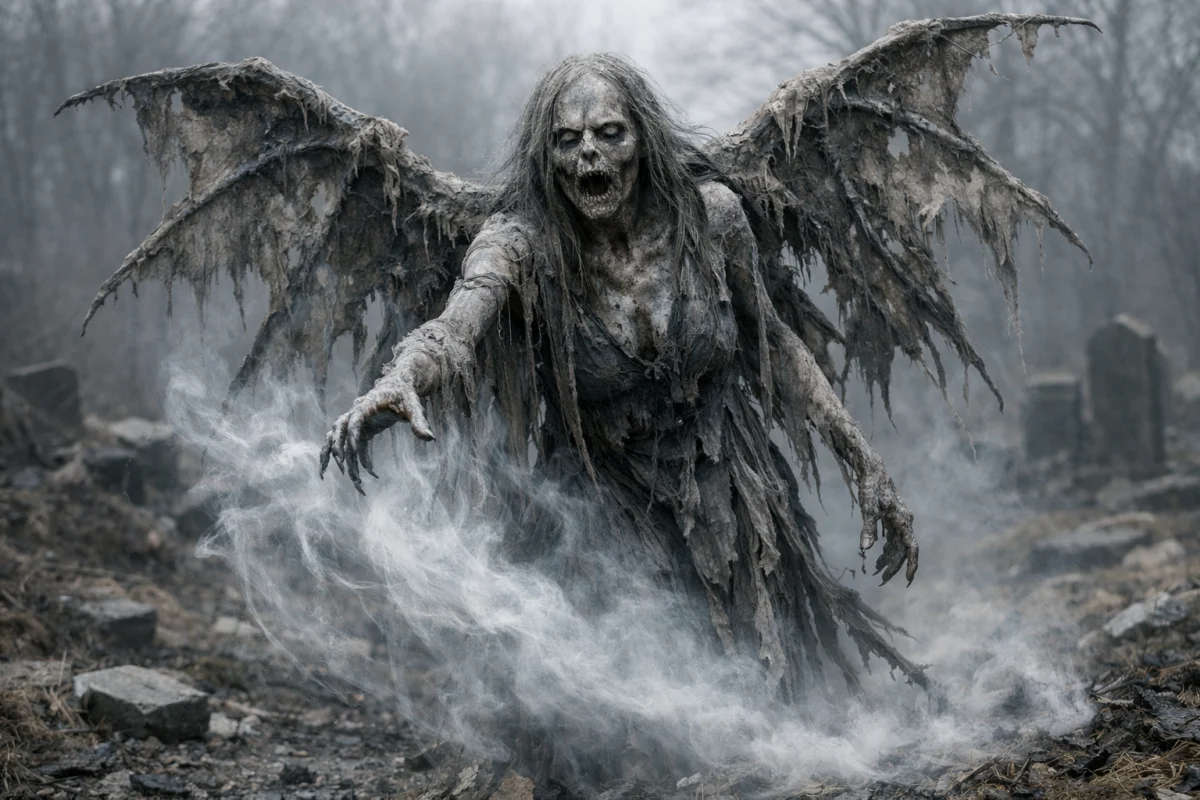
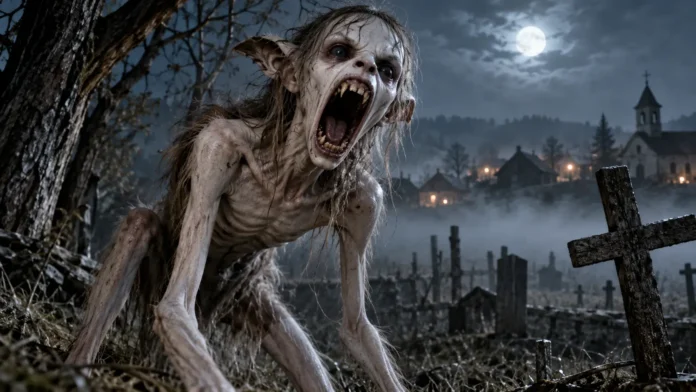
One reported form is an undead man emerging from a grave. Here the creature belongs to the world of returning human dead, and its graveyard association helps explain its threatening character.
This version differs fundamentally from descriptions that treat it as an animal-like presence.
Another account associates the being with an unbaptized dead child. This identifies its supposed origin more clearly than its appearance: a child spirit does not automatically imply a detailed visible body.
Features such as clothing, facial structure, or unusual proportions should not be supplied without specific evidence.
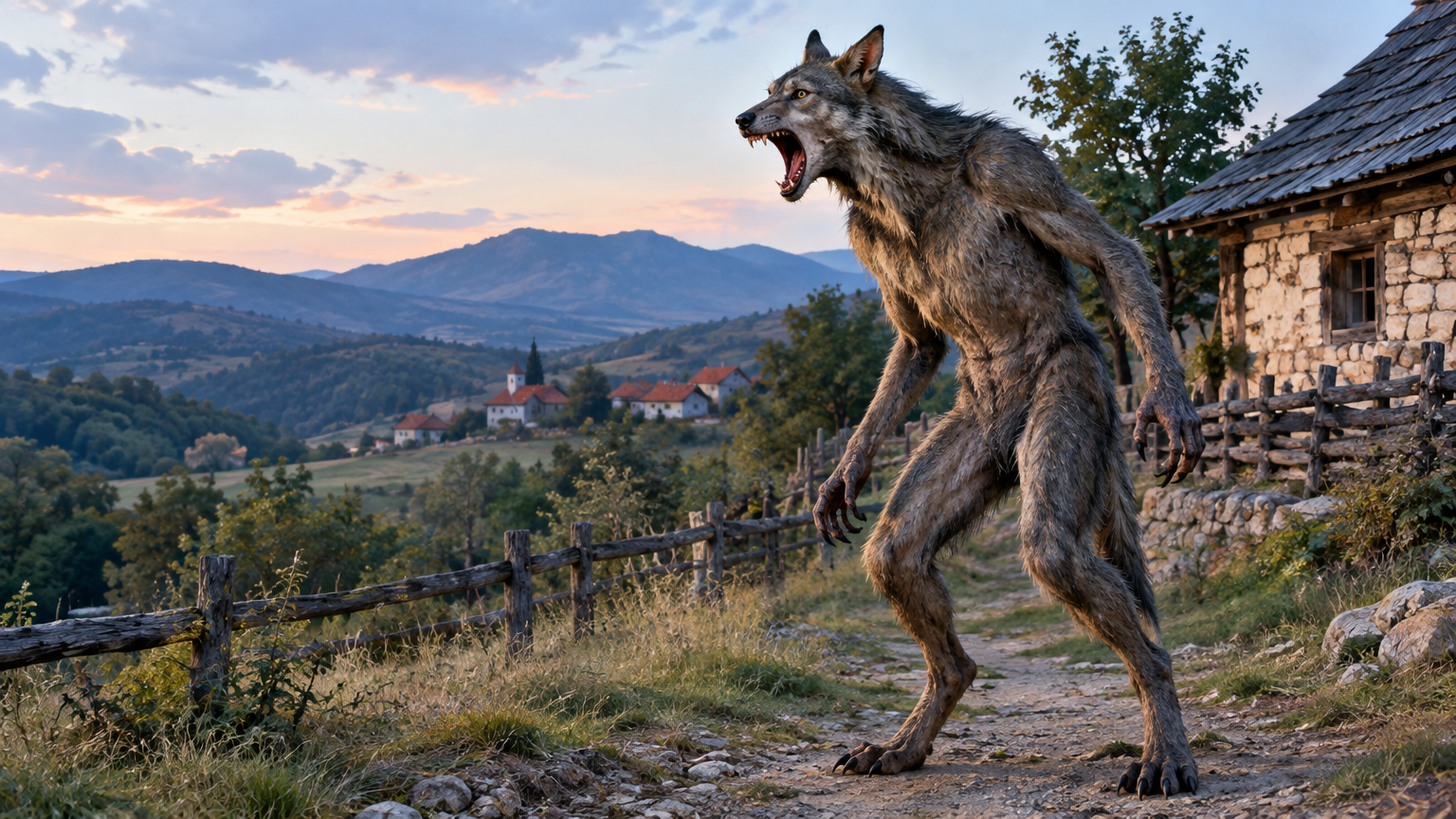
A further description, associated with eastern Serbia, presents a bipedal, humanoid canine. Tanja Jurković’s doctoral thesis summarizes this alongside the adult revenant and child variants, but its folklore passage relies on a modern media source.
The canine form is therefore a reported regional description, not independently verified early testimony.
These forms should remain separate rather than being combined into a composite monster. Night settings and graveyard associations occur in the summarized accounts, but they do not establish universal anatomy.
Likewise, the bird revealed in one literary story explains that episode’s cries, not the drekavac’s traditional appearance everywhere.
Background Story
The drekavac’s background is a meeting point between beliefs about unsettled dead people and encounters with frightening sounds. Its different forms offer different answers to the same unsettling question: what kind of presence might be responsible for a cry that listeners cannot readily explain?
The sinful-dead and unbaptized-child variants connect that uncertainty with religious ideas about the condition of the dead. They give the cry a human and moral significance.
This connection helps explain those versions, but it does not establish a single origin behind the entire tradition.
The animal-like accounts introduce another possibility: the frightening presence may resemble a creature without fitting comfortably into ordinary categories. Specialist discussion of both demonic and animal explanations shows how the same disturbance can support supernatural belief, skeptical interpretation, or continued uncertainty about what was encountered.
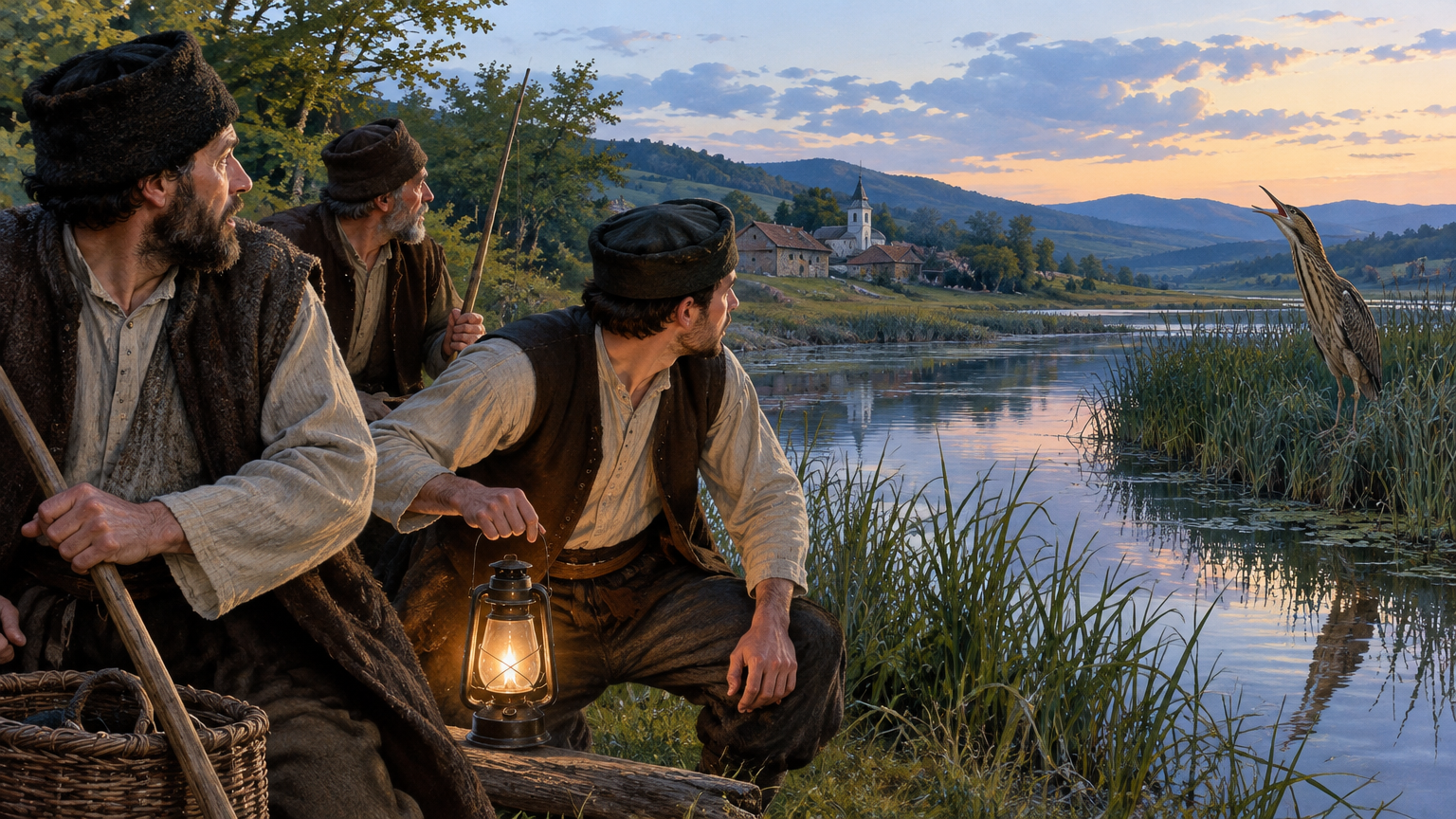
Literary reshaping makes this tension especially clear. In Branko Ćopić’s story commonly rendered as Brave Mita and the Drekavac from the Pond, mysterious cries frighten fishermen into abandoning their fishing.
Mita investigates, and the supposed drekavac turns out to be a great bittern.
That resolution belongs to a published literary episode, not an authenticated traditional encounter. Its narrative force nevertheless depends on the existing association between the drekavac and alarming sound.
The story transforms an explanation based on fear into an investigation, while preserving the folkloric name that first makes the noise frightening.
Famous Folklore Stories
Drekavac narratives include literary stories and recurring belief motifs rather than one continuous legend. The distinction matters: a published story can deliberately resolve a supernatural mystery, while local accounts may leave the frightening cry unexplained or connect it with different kinds of restless dead.
Brave Mita and the Drekavac from the Pond
In Branko Ćopić’s story, fishermen hear mysterious cries coming from a pond. They interpret the sound as a drekavac and become frightened enough to stop fishing there.
Mita investigates the disturbance, and the supposed supernatural creature is revealed to be a great bittern.
The episode makes investigation, rather than confrontation with a monster, the decisive action. Its ending belongs to a particular literary treatment of folklore.
It should not be presented as a collected eyewitness encounter or as evidence that every traditional drekavac was understood to be a bird.
The Crying Dead
One recurring belief pattern connects the disturbing voice with a dead person who has not remained at rest. Reported versions include an adult revenant and the spirit of an unbaptized child.
These represent different explanations for the cry, not successive stages in a single creature’s biography.
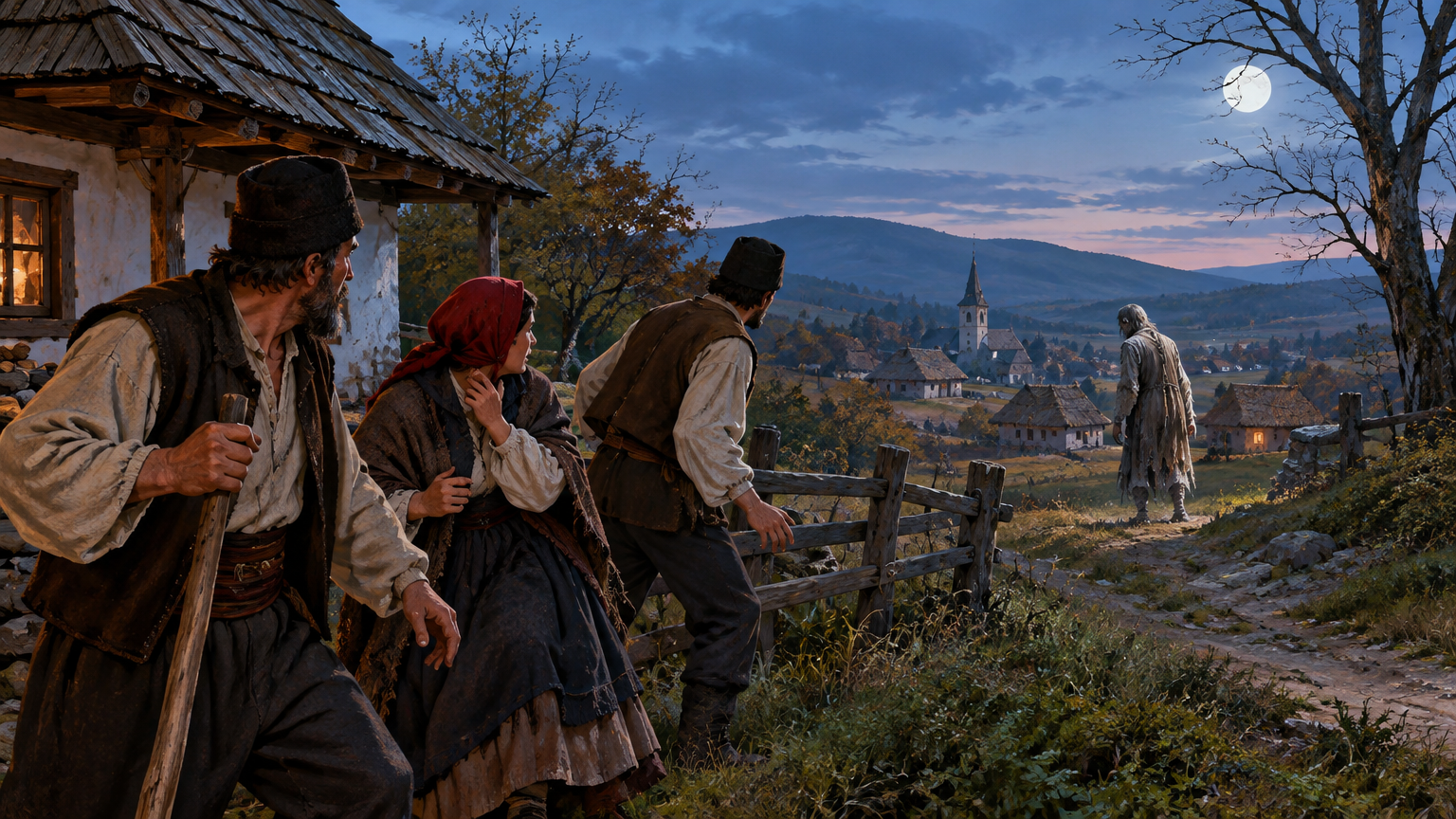
The narrative emphasis therefore changes between versions. An adult revenant connects the disturbance with the returning dead; a child-spirit account brings infant death and baptism into the explanation.
Neither motif supplies a securely established original story from which all other drekavac traditions can be derived.
Cultural Impact
The drekavac gives a recognizable supernatural identity to a frightening sound. Across otherwise different descriptions, the cry provides continuity: listeners may disagree about the being’s body or origin while still understand its voice as the sign of an uncanny presence.
Its associations with the dead also make it more than an animal-like monster. In revenant and child-spirit variants, the disturbance links the living with unresolved death.
These versions can be read as expressions of anxiety about whether the dead have fully left the human community.
Literary adaptation changes that relationship. Ćopić’s pond story turns a feared presence into a mystery that can be investigated and explained.
The drekavac remains culturally recognizable even when the narrative rejects the supernatural explanation, allowing inherited fear and practical curiosity to occupy the same story.
Modern scholarship examines the figure across belief narratives, fieldwork, children’s literature, media, and film. Jelenka J. Pandurević’s 2020 study treats these forms together, emphasizing how the drekavac persists through retelling and remembrance rather than through an entirely stable description or universally accepted origin.
Similar Beasts
Banshee

The Banshee is an Irish supernatural figure recognized for a mournful wail associated with an approaching death in a family. Her voice carries the central supernatural message of the encounter.
Both figures are strongly identified through sound. The difference is that the Banshee’s death-warning role is more specific than the varied explanations attached to drekavac cries.
La Llorona

La Llorona is a ghostly woman in Mexican folklore who wanders near water, weeping for her lost children. Her mourning and dangerous presence shape the accounts told about her.
Her audible grief offers a comparison with the drekavac’s disturbing cry. However, her maternal story should not be transferred to the drekavac’s child-spirit variants.
Vampire

The Vampire belongs to European traditions of the dangerous undead, including Slavic folklore. Its defining association is with feeding on the living, rather than simply appearing as a restless spirit.
Revenant versions of the drekavac share the broader fear of returning dead. That overlap does not establish blood-drinking or other vampiric traits for the drekavac.
Plakavac
The Plakavac is described in Herzegovinian belief as a newborn revenant that returns at night and cries. It is a distinct figure, not another name for the drekavac.
This is a close comparison to the crying-child variant specifically. It does not explain the drekavac’s adult revenant accounts or its reported animal-like forms.
Scientific or Rational Explanations
The recurring importance of sound makes animal vocalization a relevant naturalistic explanation. A cry can be heard without its source being seen, leaving considerable room for interpretation.
This possibility addresses the experience behind some narratives without requiring every account to have the same cause.
Pandurević’s specialist study explicitly considers the animal world as a natural context for the frightening sounds associated with the drekavac. This is an approach to demystification, not the identification of a single species responsible for the whole body of folklore.
The great bittern provides a concrete example within Ćopić’s pond story. Its call resolves that narrative’s mystery and overturns the fishermen’s initial interpretation.
The literary resolution illustrates how an animal sound can become a supernatural presence in storytelling, but it is not an investigation of historical reports.
A further distinction concerns hearing and identification. Recognizing that a sound occurred does not, by itself, establish what produced it.
When the source remains unseen, naming it as a drekavac supplies an explanation drawn from an existing cultural vocabulary of frightening beings.
From a folkloristic perspective, that naming process is significant even when a natural cause is plausible. The account preserves how an experience was understood and retold.
Its cultural meaning cannot be reduced entirely to whether a listener correctly identified an animal.
The different reported bodies likewise caution against treating the tradition as a consistent zoological description. Adult revenants, child spirits, and animal-like humanoids belong to different narrative explanations.
A careful rational reading distinguishes those explanations from the recurring sound, rather than constructing one undiscovered species from incompatible details.
Modern Cultural References
The drekavac appears in children’s literature, horror fiction, film, games, and contemporary paranormal discussion. These works demonstrate its continuing cultural appeal, but their invented plots and visual designs should not be treated as evidence for a single traditional appearance or origin.
Brave Mita and the Drekavac from the Pond, short story
Branko Ćopić’s story follows Mita’s investigation of mysterious cries frightening local fishermen.
The supposed drekavac proves to be a great bittern, giving this literary episode a naturalistic resolution.
(en.wikipedia.org)
Drekavac, video game
This independently published game appears on itch.io under the creator name lukaiakigamemakers. Its title carries the folkloric being’s name into contemporary gaming, documenting another instance of modern reception.
(lukaiakigamemakers.itch.io)
Drekavac, short film (2014)
Ivan Mokrović’s Croatian horror short follows a hunter who awakens the Drekavac. The creature becomes a direct supernatural presence within the film, rather than merely a passing reference.
(havc.hr)
House of Monsters: The Balkan Chupacabra (The Drekavac w/ Aleksandar Petakov), podcast episode (2025)
This Small Town Monsters Broadcast Network episode was released on January 27, 2025.
Its dedicated discussion brings the drekavac into contemporary paranormal media through a conversation featuring Aleksandar Petakov.
(open.spotify.com)
Monster Hunter Bloodlines, novel (2021)
Larry Correia’s fantasy-horror novel features a Drekavac as a supernatural antagonist. This fictional portrayal places the folkloric name within an action-oriented monster narrative, rather than documenting traditional belief.
(bookreporter.com)
DmC: Devil May Cry, video game (2013)
Ninja Theory’s action game includes a recurring demon named Drekavac among its enemies.
The appearance reuses the folkloric name within the game’s independently constructed supernatural world.
(en.wikipedia.org)
Conclusion
The drekavac is best understood as a variable South Slavic folkloric being, especially associated with Serbian tradition, whose frightening cry remains more consistent than its body. Accounts involving revenants, unbaptized children, and animal-like figures belong to that diversity; none should automatically replace the others.
Its significance lies partly in the uncertainty surrounding an alarming sound: something heard but not securely identified becomes a focus for beliefs about death, danger, and the limits of familiar experience.
Its movement between belief narratives, literary explanation, and modern horror shows how adaptable that uncertainty can be. A story may resolve the cry as an animal call, while a film or game gives the imagined threat a visible presence.
Neither approach establishes the origin or appearance of every traditional drekavac. Preserving the distinction between local belief, authored fiction, and later interpretation allows the figure’s continuing relevance to emerge without turning a diverse tradition into a standardized monster biography.
Further Reading
Wikipedia, “Drekavac” (as a lead to the literary work), En.wikipedia
In Branko Ćopić’s story, fishermen hear mysterious cries at a pond and become afraid of a drekavac, stopping their fishing.
Mita investigates, and the supposed monster is revealed.
(en.wikipedia.org)
Drekavac, havc.hr
film 2014 Croatian short horror film whose official film-catalogue synopsis says the hunter awakens the Drekavac, which appears as a creature in the story.
(havc.hr)
House of Monsters: The Balkan Chupacabra (The Drekavac w/ Aleksandar Petakov), open.spotify.com
podcast episode 2025 A dedicated podcast episode about the Drekavac, listed on Spotify with a January 27, 2025 release date.
(open.spotify.com)
Monster Hunter Bloodlines, bookreporter.com
novel 2021 A contemporary fantasy-horror novel featuring a Drekavac as a supernatural antagonist; a review describes the creature in the story, and the publisher lists the novel as.
(bookreporter.com)
Drekavac (the Screamer) in the Folkloristic Imaginarium and Metaphorical Structures of the Remembering Culture, Savremena srpska folkloristika 8
Specialist folkloristics treatment of belief narratives, fieldwork, literary and media portrayals, and naturalistic demystification.
(ufs.rs)
University of East Anglia doctoral thesis, UEA Research Repository
Provides a scholarly discussion of the creature in a film context and summarizes several reported folkloric forms, with citations that should be checked against their underlying sources.
(ueaeprints.uea.ac.uk)
Srpski rječnik, Library of Congress
Catalog record for Karadžić’s early Serbian dictionary, a relevant historical lexicographic source; the catalog entry does not itself confirm a drekavac definition.
(loc.gov)
Život i običaji naroda srpskoga, Google Books
Catalog record for Karadžić’s Serbian customs collection; useful historical context, although the opened record does not establish a specific drekavac passage.
(books.google.com)