Introduction
Ghor Baba is a frightening figure associated with Afghan childhood storytelling. Also recorded as Baba Ghori and Baba Ghor-ghori, he is best understood as a cautionary character rather than a creature with a firmly established appearance, biography, or place in a mythological system.
The clearest literary testimony comes from Homeira Qaderi’s memoir, Dancing in the Mosque. Baba Ghor-ghori belongs to the monsters remembered from her grandmother’s stories, particularly narratives that shaped a girl’s experience of fear, rules, and expected behavior.
A more specific account appears in the modern folklore overview “Eggsquisitely Mythical #1: Afghanistan.” There, Ghor Baba has lightning powers and takes naughty children away from their parents. These details belong to that account and are not independently established by the memoir-related scholarship.
The Afghan figure must be distinguished from Baba Ghor, or Bava Ghor, the Sufi ancestor-saint associated with Gujarat and Siddi religious traditions. Their similar names do not establish a shared identity, and the saint’s history should not be transferred to the childhood monster.
History/Origin
Ghor Baba’s historical beginnings remain uncertain. His place in remembered Afghan storytelling is documented, but no securely dated early narrative establishes when the character emerged. The history of his appearance in modern literature is clearer than the history of his origin.
Qaderi’s Dancing in the Mosque, published in 2020, provides an important point of reference. Its prologue recalls a grandmother whose repertoire contained Baba Ghor-ghori, Barzanghi, Mard-azma, Dokhtar-khor, and many other monsters. The setting is domestic and intergenerational: an older family member passes frightening stories to a younger listener.
Qaderi captures the abundance of that repertoire through a memorable comparison: “My grandmother had more monster stories than beads on her tasbeh.” The emphasis falls on the richness of the grandmother’s storytelling, not on one definitive Ghor Baba narrative. The character belongs to a larger remembered world of threats and warnings.
Ataullah Fazil’s 2023 article, “Gender Inequality in Homeira Qaderi’s Dancing in the Mosque,” examines these figures through the contrast between stories told to the narrator and her brother. This establishes a dated stage in the literary interpretation of Baba Ghor-ghori, rather than a date for the folklore itself.
A separate study held in the National University of Modern Languages repository also discusses the grandmother’s stories. Both studies concern Qaderi’s memoir, so they represent the reception of shared testimony, not separate collections demonstrating the circulation of an identical tale across Afghanistan.
The similarly named Gujarati saint belongs to a different historical and religious setting. Specialist scholarship treats Bava Ghor as a Siddi ancestor-saint and examines his importance to religious identity. Those traditions cannot supply a missing origin story for the Afghan frightening figure. Keeping the identities separate also prevents a protective or saintly biography from replacing the threatening role preserved in Qaderi’s childhood recollections.
Name Meaning
No securely sourced etymology for the Afghan figure’s name is established in the available material. Ghor Baba, Baba Ghori, Baba Ghor-ghori, and Ghor-ghori are recorded forms, but their occurrence alone does not explain the name’s original meaning or linguistic development.
Baba Ghor-ghori is especially relevant to the memoir and its literary discussion. The modern folklore overview uses Ghor Baba and Baba Ghori. These spellings help readers recognize references to the character without proving that each represents a distinct regional version.
Similarity to Baba Ghor or Bava Ghor, the Gujarati saint’s name, is not sufficient evidence of borrowing or common origin. Likewise, Ghori Baibani, the destination named in the modern monster account, provides narrative information rather than a demonstrated explanation of the character’s name.
Appearance
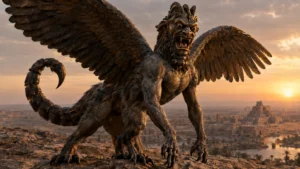
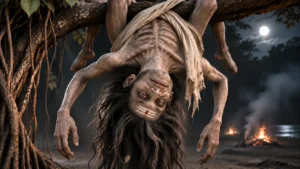
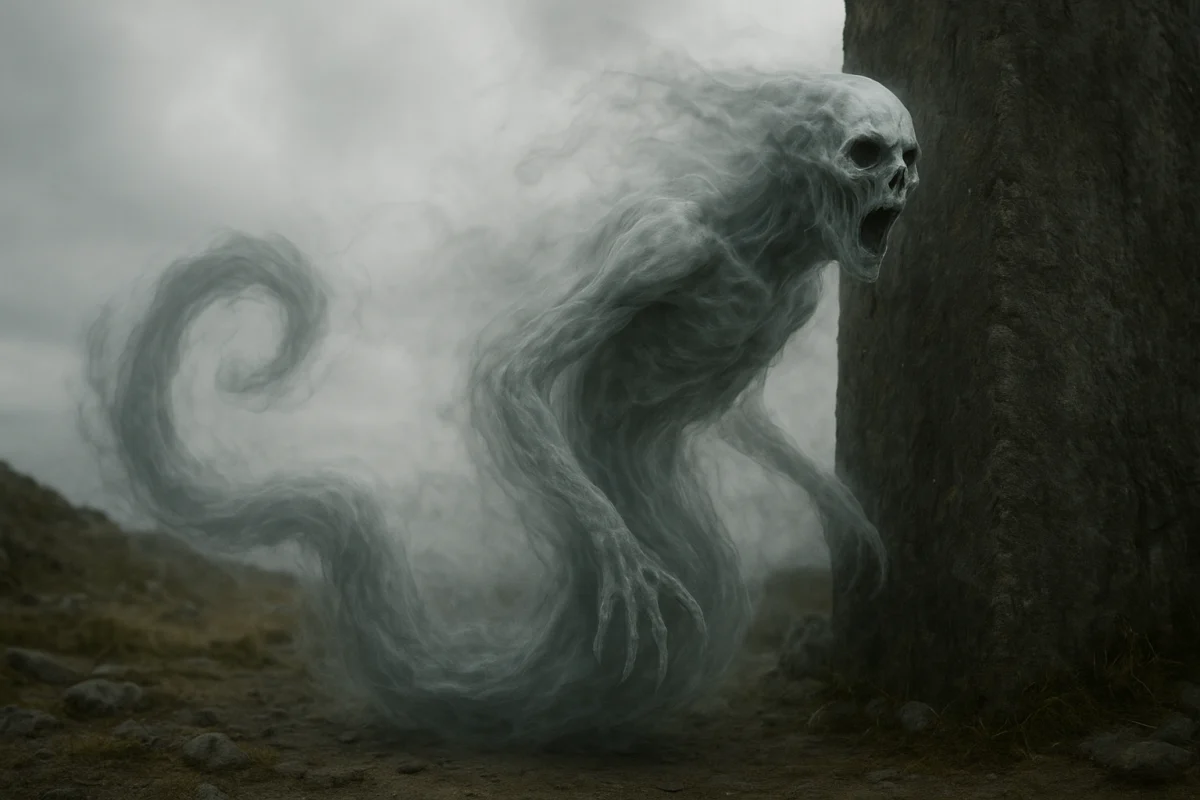
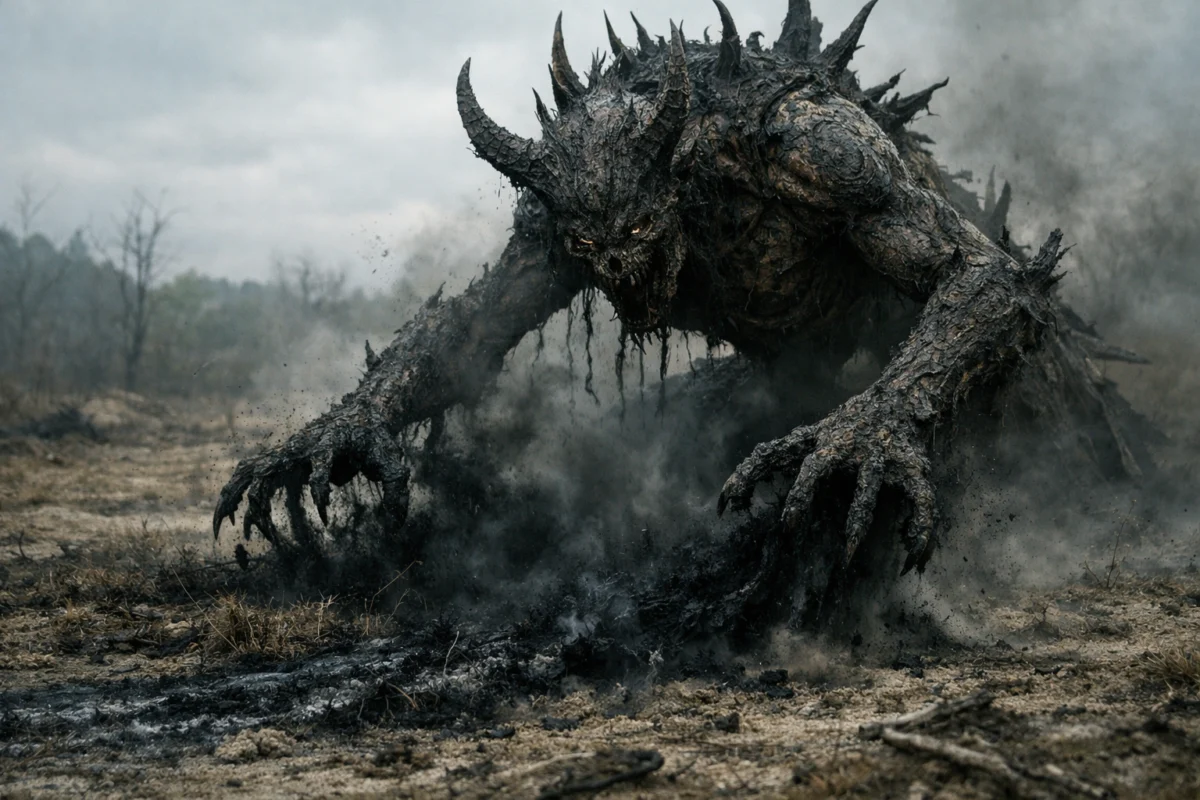
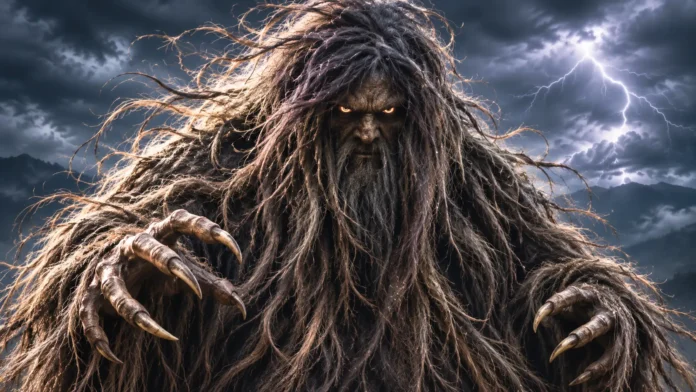
Ghor Baba has no securely documented standard appearance in the stronger evidence. The memoir and its scholarly discussion establish his frightening role without specifying a body shape, face, clothing, size, or animal features. His identity is therefore clearer through what the stories communicate than through any recognizable anatomy.
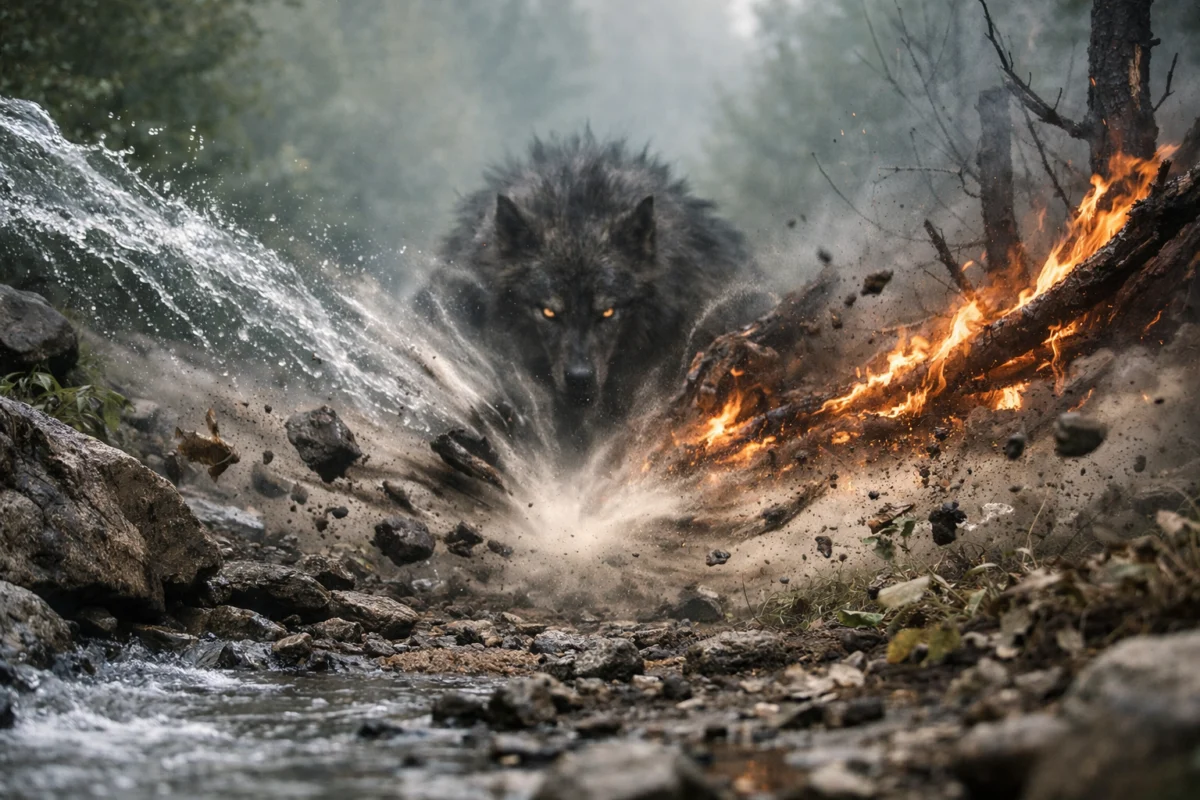
Weraniyom’s modern overview calls him a monster with lightning powers. This is a supernatural ability, not a physical description. It does not establish that his body is made of lightning, that he has a luminous appearance, or that any particular visible feature identifies him.
The distinction matters because an ability and an appearance answer different questions. A character may be credited with extraordinary power while remaining visually undefined in the surviving description. Here, lightning supplies a quality of supernatural danger, but not enough information to reconstruct a traditional image.
Fazil’s description of the childhood figures as “anti-female demons” likewise concerns their threatening role within the memoir’s gendered storytelling. It is not a detailed classification of Baba Ghor-ghori’s species or evidence for a conventional demonic body.
Even Ghori Baibani supplies no reliable visual setting. The brief overview identifies it as the place to which children are taken without describing its landscape or establishing it as the monster’s permanent home. An illustration could interpret these gaps creatively, but such choices would remain artistic additions rather than documented traditional features.
Background Story
The clearest background for Ghor Baba is intergenerational storytelling within the household. In Qaderi’s recollections, a grandmother introduces frightening characters to a child. Their importance lies partly in the relationship between the teller’s authority and the young listener’s understanding of danger.
This setting gives the monster a role even without a surviving individual adventure. The grandmother’s stories connect imagined threats with rules governing everyday behavior. Baba Ghor-ghori matters as one of the names through which those threats become memorable and personal to the listener.
Gender is central to this particular remembered setting. The frightening figures appear within a contrast between the narrator’s stories and her brother’s. Literary discussion interprets the monsters as hostile to girls and as part of an upbringing shaped by unequal expectations. This supports a reading of fear as part of gendered childhood experience, not a universal claim about every Afghan household.
Barzanghi, Mard-azma, and Dokhtarkhor belong to the same remembered repertoire. Their appearance together establishes a shared storytelling context, but not a common origin, a family relationship, or participation in one connected adventure. Baba Ghor-ghori remains a distinct named character.
The child-taking account supplies a more explicit disciplinary consequence. In Weraniyom’s version, misbehaving children are taken away from their parents to Ghori Baibani. The central threat is separation from family protection. The description does not continue into a rescue, explain the children’s later fate, or describe how the monster’s lightning powers operate during the removal.
These accounts consequently preserve different kinds of background. The memoir supplies a teller, listener, and social setting; the overview supplies a brief supernatural threat. They illuminate related cautionary uses without combining into a complete biography or a single continuous story.
Famous Folklore Stories
Ghor Baba is documented through childhood recollections and brief descriptions rather than an authenticated, named folktale with a complete plot. The headings below identify the material being discussed; they are not traditional story titles.
The Grandmother’s Frightening Stories
In Homeira Qaderi’s Dancing in the Mosque, Baba Ghor-ghori belongs to the monsters that populated stories told by her grandmother. Barzanghi, Mard-azma, and Dokhtar-khor appear in the same remembered repertoire, alongside many other frightening figures.
The monsters collectively threatened girls who broke rules. The recollection preserves the relationship between storyteller, listener, and warning, but does not give Baba Ghor-ghori an individual encounter or ending. It therefore supports his cautionary role without establishing a separate kidnapping or child-eating episode attributable to him.
The Child-Taking Warning
Weraniyom’s “Eggsquisitely Mythical #1: Afghanistan” gives the most specific account. Adults use the frightening figure as a warning to children. Ghor Baba possesses lightning powers and takes naughty children away from their parents to a place called Ghori Baibani.
The stated consequence is not merely a frightening visit: the children are removed from their families and taken elsewhere. That destination is part of the account, even though neither the journey nor what happens after arrival is described.
The overview supplies no named collector or traceable traditional text. Its lightning powers, child-taking action, and named destination should therefore remain attached to this particular modern account. No supplied ending explains whether the children return or whether anyone confronts the monster.
Cultural Impact
Ghor Baba’s clearest documented cultural role lies in family storytelling. In the childhood remembered by Qaderi, frightening figures helped communicate expectations about conduct. Their significance came from family speech and authority, not from a standardized appearance or a single authoritative narrative.
The grandmother is important to this cultural setting. She is not simply a source of information about monsters: she is the person whose stories make them part of the child’s emotional world. The memoir preserves both the abundance of her repertoire and the force of the warnings associated with it.
The contrast between stories told to Qaderi and those told to her brother makes gender especially significant. Frightening narratives directed at girls become part of the memoir’s examination of unequal childhood expectations. The imagined danger and the social rule reinforce one another: the monster gives an emotional consequence to behavior that adults prohibit.
This does not mean that Baba Ghor-ghori can be assigned every threat made by the grandmother’s monsters. The cultural effect belongs partly to the repertoire as a whole. Its many names create a crowded imaginative world in which fear supports obedience, even where individual plots are not preserved.
Fazil’s 2023 study interprets these monsters within that gendered upbringing. The National University of Modern Languages repository study also discusses them in relation to Qaderi’s recollections. Together, these readings show how a frightening childhood name becomes material for adult reflection on cultural memory and authority.
The memoir also changes the listener’s relationship to the stories. What once functioned as a warning can later be examined as part of an upbringing. Baba Ghor-ghori consequently appears both within remembered fear and within a literary account that questions the expectations surrounding that fear.
A different association appears in the 2022 television episode “VI” of The Old Man. A character remembers Baba Ghor Ghori as a childhood make-believe monster who once saved his life. This documented modern use turns the frightening name toward protection within that particular fictional recollection.
Similar Beasts
Barzanghi
Barzanghi is a distinct frightening figure named in Qaderi’s recollection of her grandmother’s monster stories. The comparison with Ghor Baba rests on their presence in the same remembered repertoire of childhood warnings.
The passage establishes a shared storytelling context rather than shared anatomy or powers. Barzanghi should not be treated as another name for Ghor Baba.
Mard-azma
Mard-azma appears among the monsters of Qaderi’s childhood stories and in scholarship examining those memories. Within this evidence, the figure is identifiable chiefly through its name and frightening role.
Like Ghor Baba, Mard-azma belongs to a group of threatening story characters. Their association does not establish that they perform identical actions, inhabit the same place, or share an origin.
Dokhtarkhor
Dokhtarkhor, also written Dokhtar-khor in the memoir passage, is another distinct figure in the grandmother’s repertoire. Fazil includes the name alongside Baba Ghor-Ghori in discussing the stories’ threatening significance for girls.
This makes Dokhtarkhor a close contextual comparison. The supplied passage does not, however, provide an individual plot or physical description that would justify a more detailed creature-to-creature comparison.
Scientific or Rational Explanations
The best-supported explanation is social rather than zoological: Ghor Baba functions as a frightening character through whom adults communicate rules. This reading follows the documented storytelling context. It explains a use of the figure without claiming to identify the historical circumstances in which the name first emerged.
In Qaderi’s remembered childhood, the stories also carried gendered expectations. Literary analysis treats the threatening figures as part of the pressure placed on girls to obey. The relevant question is therefore not what animal might have inspired the monster, but how an imagined threat operated within the narrated household.
The child-taking warning makes that mechanism particularly explicit. In the modern overview, the consequence of misbehavior is removal from one’s parents. The threat connects disobedience with loss of family security. This is an interpretation of the stated action, not evidence that the story arose from actual abductions or any particular historical event.
Memoir preserves the emotional importance of childhood storytelling, but it is not the same as a recorded performance with a complete transcript. A remembered list of monsters can establish their significance while leaving individual plots and the storyteller’s exact wording unresolved. It is especially useful for understanding what the stories meant to the person recalling them.
The studies discussing Qaderi’s recollections are interpretations of that shared testimony. Their agreement supports a reading of the memoir; it does not amount to several independent collections of oral tales from different communities.
Finally, lightning powers do not justify identifying Ghor Baba as a personification of thunderstorms. Nor does the name Ghori Baibani establish a real geographical destination. Those explanations would require additional evidence. The defensible interpretation remains a cautionary storytelling role, with more specific supernatural attributes preserved in one modern overview.
Modern Cultural References
Dancing in the Mosque: An Afghan Mother’s Letter to Her Son, Homeira Qaderi, memoir (2020)
The prologue recalls Baba Ghor-ghori among the monsters in the author’s grandmother’s stories. This is a documented literary use grounded in childhood memory, rather than a standalone fictional adventure about the being.
Book preview at Everand
The Old Man, “VI” (Season 1, Episode 6), television episode (2022)
A character names Baba Ghor Ghori as “the monster from children’s make-believe” and remembers the figure as having once saved his life. The dialogue supplies a specific modern narrative use without establishing that protective role as a traditional feature.
Dialogue excerpt at clip.cafe
Conclusion
Ghor Baba is best understood as a frightening figure in Afghan childhood storytelling, rather than a monster with a securely established appearance or complete surviving biography. Qaderi’s memoir preserves Baba Ghor-ghori among the beings remembered from a grandmother’s stories, where imagined danger became part of encountering rules and gendered expectations.
The distinction between that documented role and more elaborate descriptions remains essential. Lightning powers and the removal of disobedient children to Ghori Baibani belong to a particular modern overview. The Gujarati Sufi saint Baba Ghor or Bava Ghor remains a separate figure. Across memoir, literary interpretation, and television dialogue, the Afghan character’s most clearly documented significance lies in the lasting power of a frightening childhood name.
Further Reading
Dancing in the Mosque: An Afghan Mother’s Letter to Her Son, Homeira Qaderi, 2020
This memoir recalls Baba Ghor-ghori among monsters in the author’s grandmother’s stories. Its prologue provides primary literary testimony about frightening storytelling and girls’ childhood experiences.
(everand.com)
“Gender Inequality in Homeira Qaderi’s Dancing in the Mosque,” Ataullah Fazil, New Literaria, 2023
This literary study examines gender inequality in Qaderi’s memoir and quotes its childhood monsters. It interprets Baba Ghor-Ghori within remembered warnings directed toward girls.
(newliteraria.com)
Study discussing Qaderi’s memoir, National University of Modern Languages repository
This academic discussion includes Baba Ghor-ghori, Barzanghi, and Mard-azma in its treatment of the grandmother’s stories and Afghan cultural memory.
(norr.numl.edu.pk)
“Eggsquisitely Mythical #1: Afghanistan,” Weraniyom
This modern folklore overview attributes lightning powers and child-taking to Ghor Baba and names Ghori Baibani as the destination. It supplies no named collector or traceable primary narrative.
(weraniyom.com)
“The Cult of Baba Ghor and Its Role in Shaping Identities in Gujarat,” Journal of Research Administration, 2023
This article examines the distinct Gujarati saint Baba Ghor and religious identity. Its subject should not be conflated with the similarly named Afghan frightening figure.
(journlra.org)
Through the Eyes of the Lyre: The Nangas among the Sidis of Gujarat and Mumbai, Columbia University South Asia Institute
This specialist chapter discusses Sidi traditions and Bava Ghor as an ancestor-saint. It provides religious and cultural context for distinguishing the Gujarat tradition from the Afghan childhood monster.
(sai.columbia.edu)
BABAGOREE, Hobson-Jobson: A Glossary of Colloquial Anglo-Indian Words and Phrases (page preview) (1886)
Historical dictionary and material-culture evidence for a different figure, Baba Ghor of Gujarat: the entry connects his name with Cambay white agate, beadmaking, and miners’ devotional practice, while quoting early records. Useful for a comparison or disambiguation section, not as evidence about the Afghan monster.
(api.pageplace.de)
Where Did They Bury Our Saint?, The Margaretologist, Center for Bead Research
Historical and archaeological discussion of Baba Ghor’s shrine landscape at Ratanpur, including the temple site associated with Makkhan Devi and the contested accounts of Baba Ghor’s fight with her. This supports a material-culture/adaptation chapter about the Gujarati saint tradition, not the Afghan child-scaring being.
(thebeadsite.com)